
At the last Japan Mobility Show, I had the opportunity to meet Honda’s top brass and, crucially, the engineers developing the next generation of vehicles.
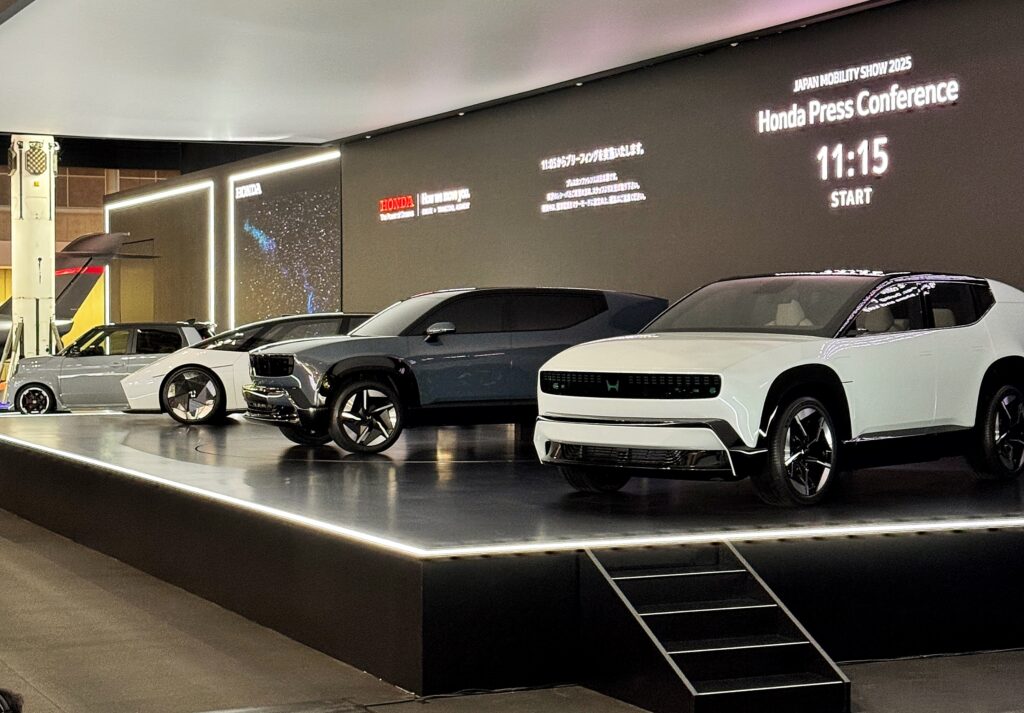
Honda will go 100% electric—whether battery-electric or fuel-cell electric—by 2040. That’s only 14 years away.
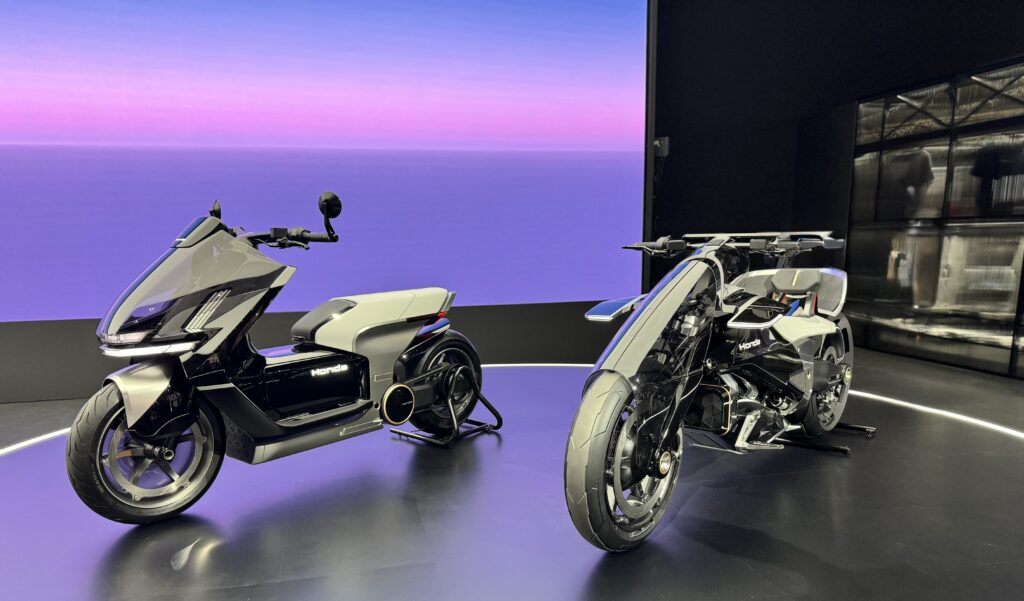
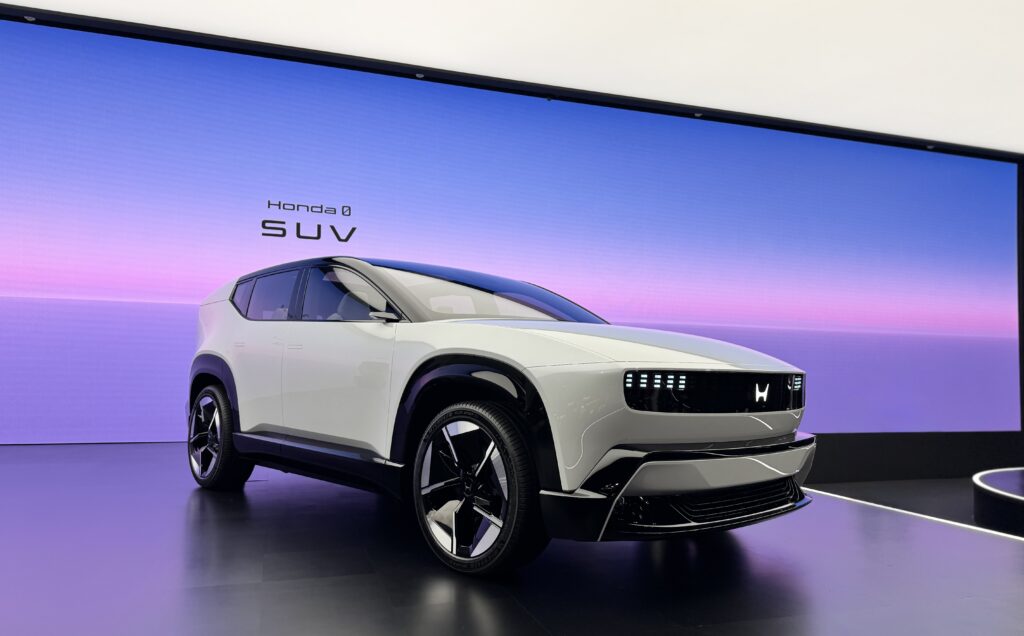
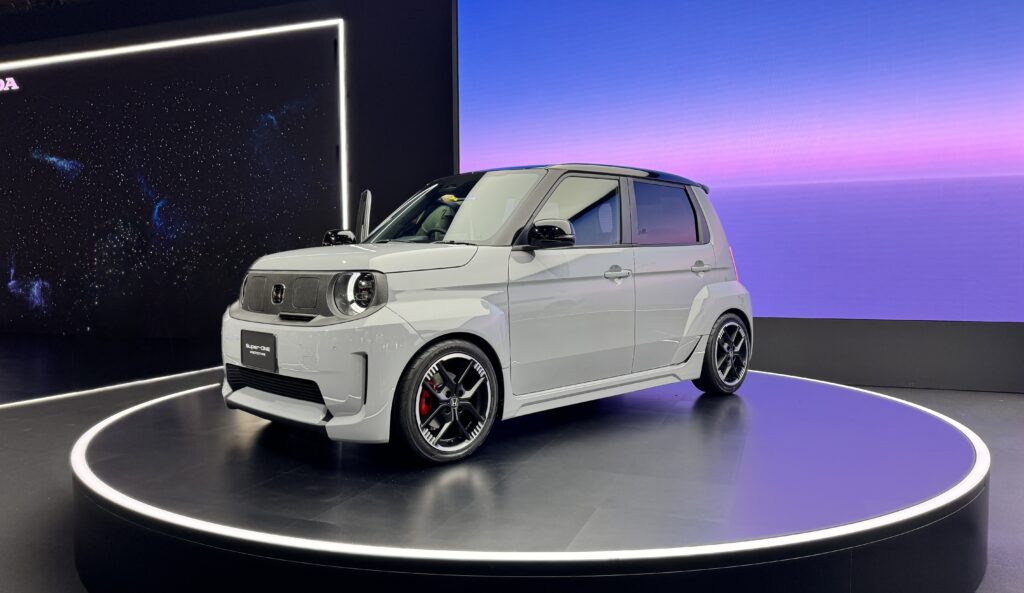
Until infrastructure, actual demand, market education, and consumer savvy catch up, Honda will be releasing hybrids to bridge the gap toward full electrification. We drove the new electrified Prelude, the fully electric Super ONE performance kei car, and Honda’s next-generation hybrid utilizing a Honda Civic platform at Honda’s testing grounds in Tochigi. Even in an electrified future, Honda is not forgetting enthusiasts.
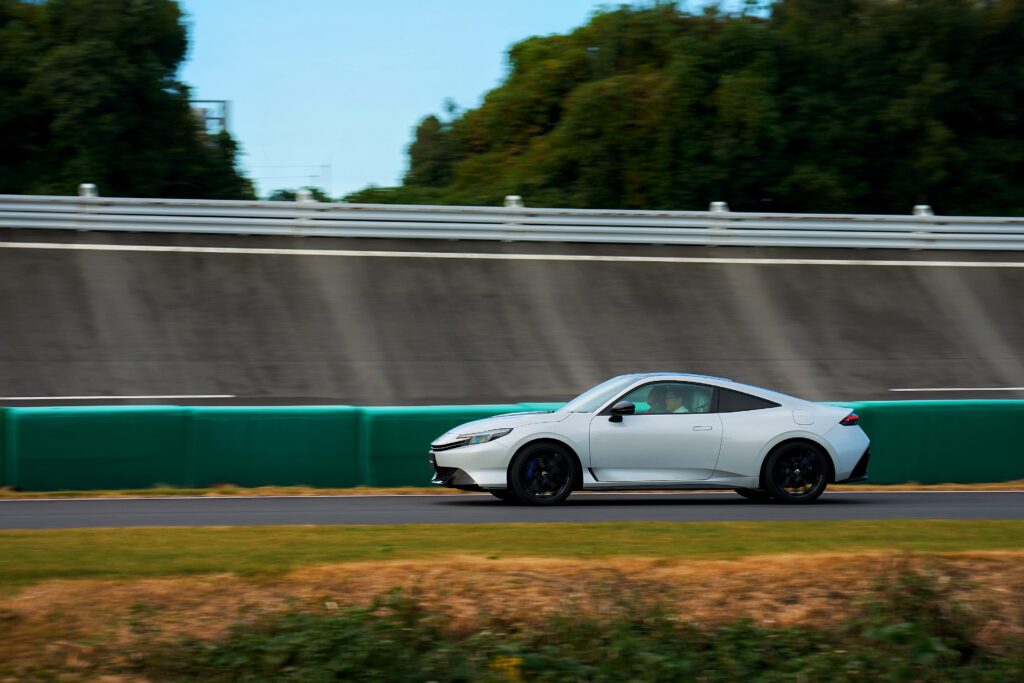
Fun-to-drive characteristics and motorsports are embedded in Honda’s DNA. But in transitioning to an electrified future, something pure, something simple, and something integral to Honda’s soul might be lost.
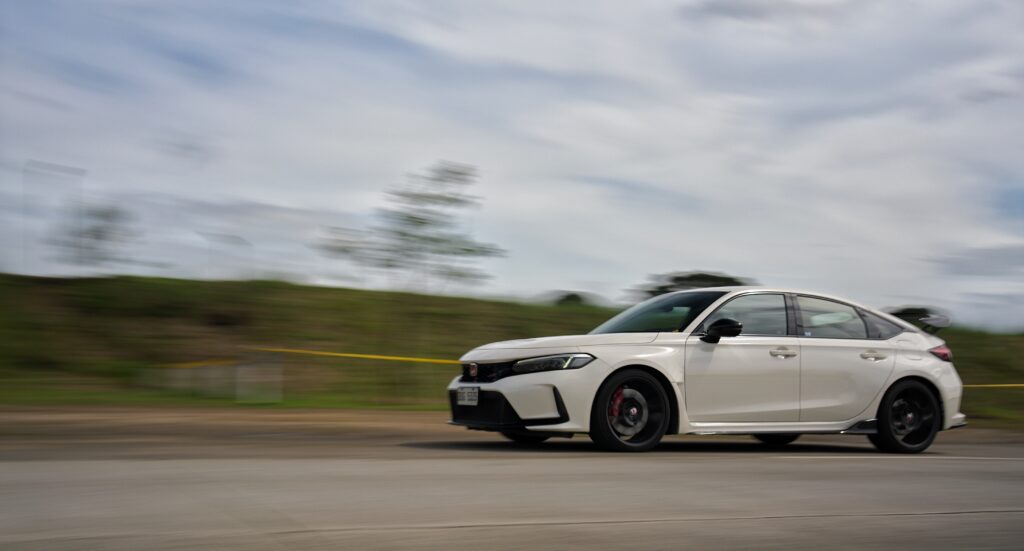
To have the Type R designation attached to a Honda means to follow a strict set of non-negotiable rules: that it be pure, simple, lightweight, track-oriented, and ultimately driver-focused. This is the Type R bushido, its code of conduct.
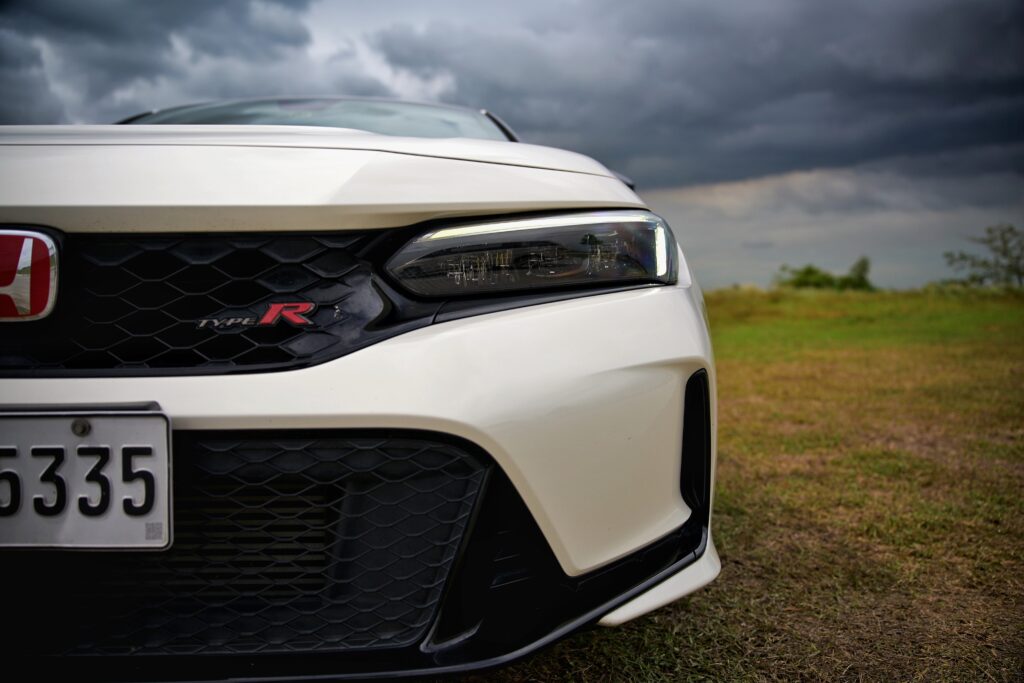
Some will say that each generation lost bits and pieces of this simple but very clear code as Honda aimed to make succeeding Type-Rs a more global product—one that would appeal to a broader audience and perform at a higher level.
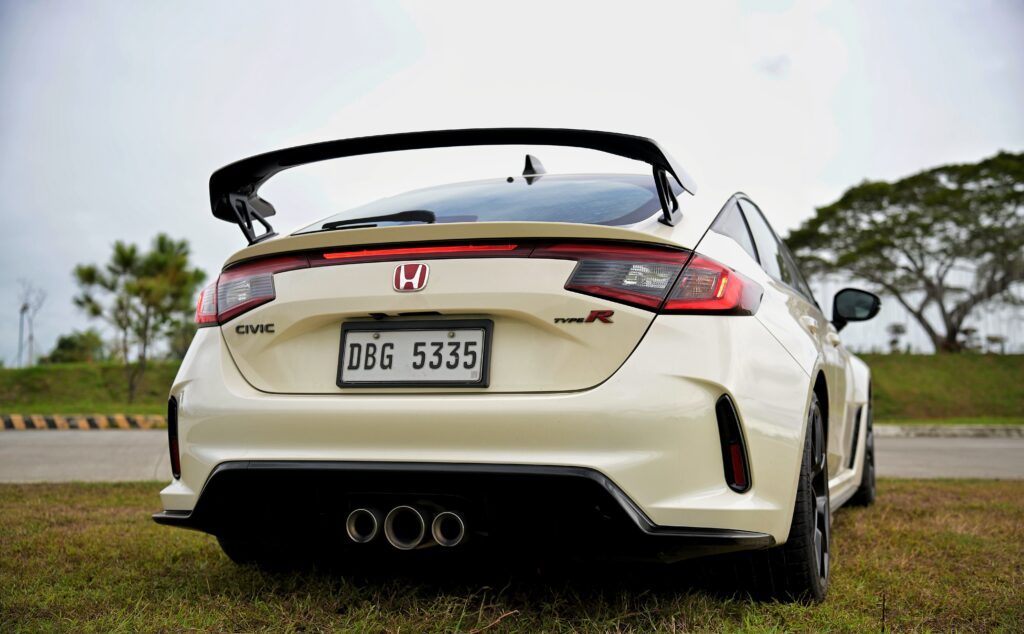
And that also meant conforming to ever-evolving, draconian safety and emissions laws. Which forced Honda’s succeeding Type-R models to grow bigger, porkier and ultimately, lose the purity of atmospheric aspiration and switch to unholy (as purists bemoaned) forced induction.
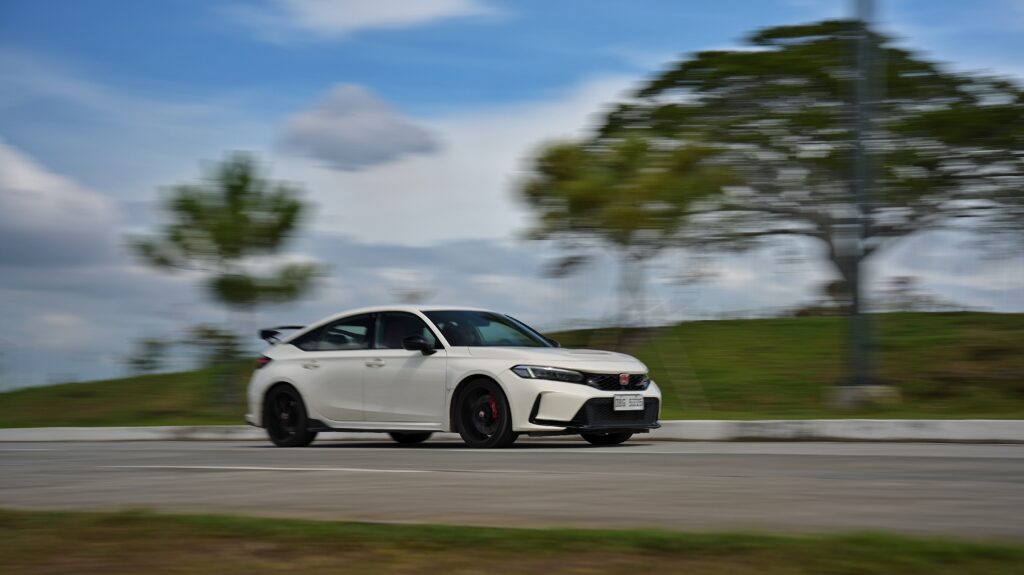
And yet, despite each generation diluting the Type-R’s virtues, it was always a sensational experience— a life-altering drive.
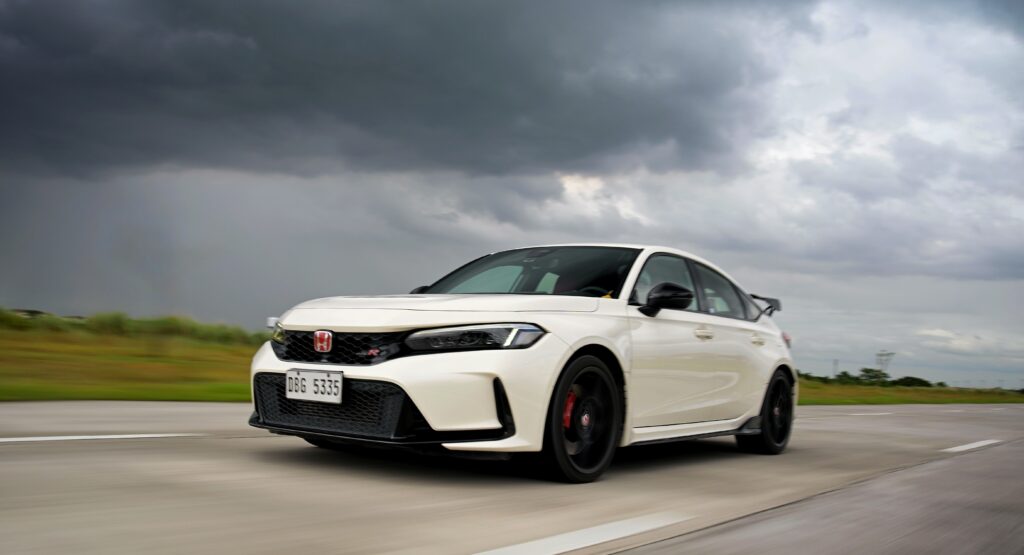
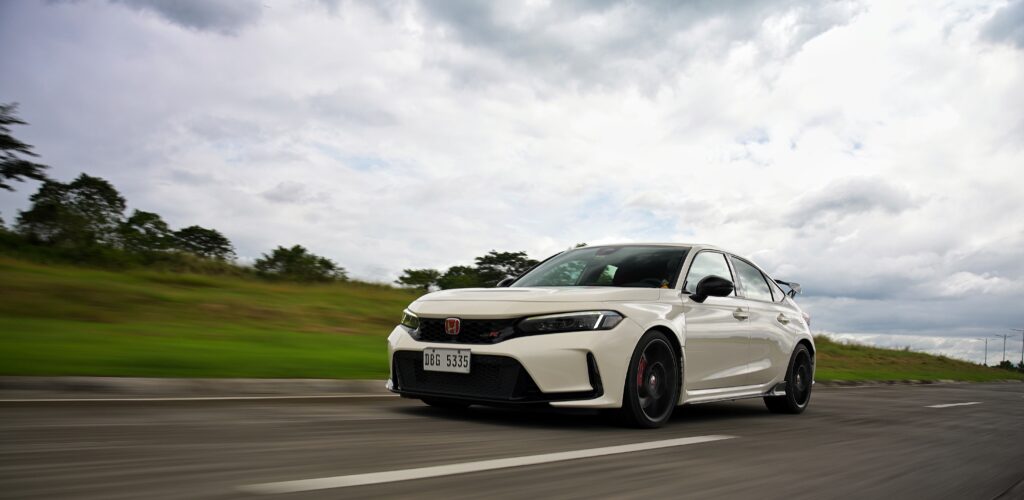
We drove the last Civic Type-R, the excellent FL5 4-door hatchback, to see what it is we could possibly be seeing the last of and celebrate its virtues while it’s still with us. But let’s rewind a bit before that.
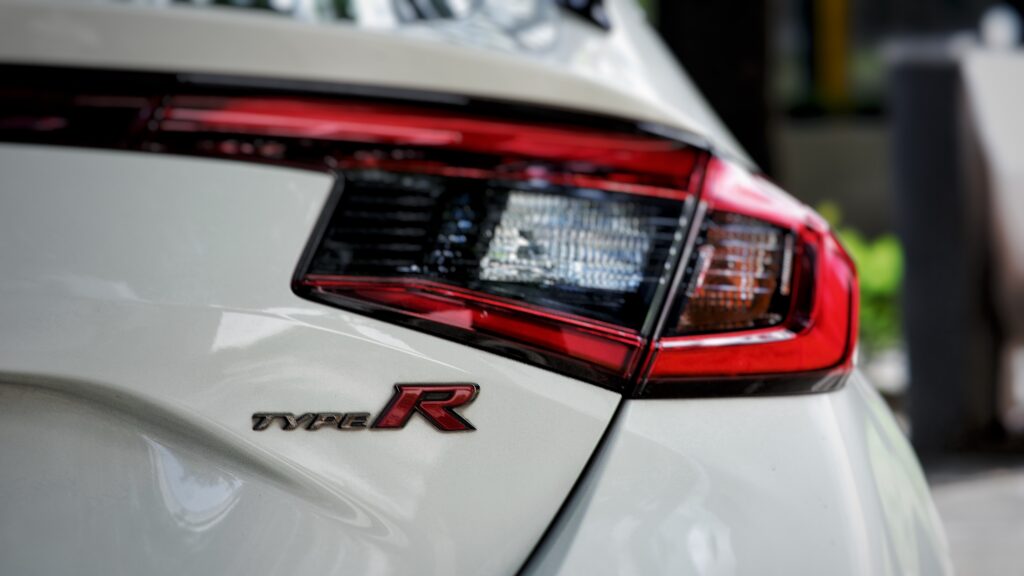
The Honda Civic Type-R’s lineage started in 1997, almost 30 years ago, with the EK9. It was an exotic piece of unobtanium, a Japan-only model. In 2001, Honda released the second-generation Civic Type-R, internally designated as the EP3. Purists protested the loss of the revtastic B16B engine, along with the double-wishbone front suspension that had been integral to the Civic’s handling prowess from the fourth-generation Civic EF until the sixth-generation EK.
The second generation Civic Type-R was powered by an all-new K20A engine coupled with a humbler Macpherson-strut front suspension, a necessary evil for better overall packaging, and, some say, cheaper cost. Not many people realized it then, but the K20 would prove to be far more powerful and just as, if not more tuneable than its B-Series predecessors.
It would also become far more versatile as it was swapped and hot-rodded into a wide variety of vehicles of different makes and models. Whether naturally aspirated or heavily boosted, it decimated the competition.
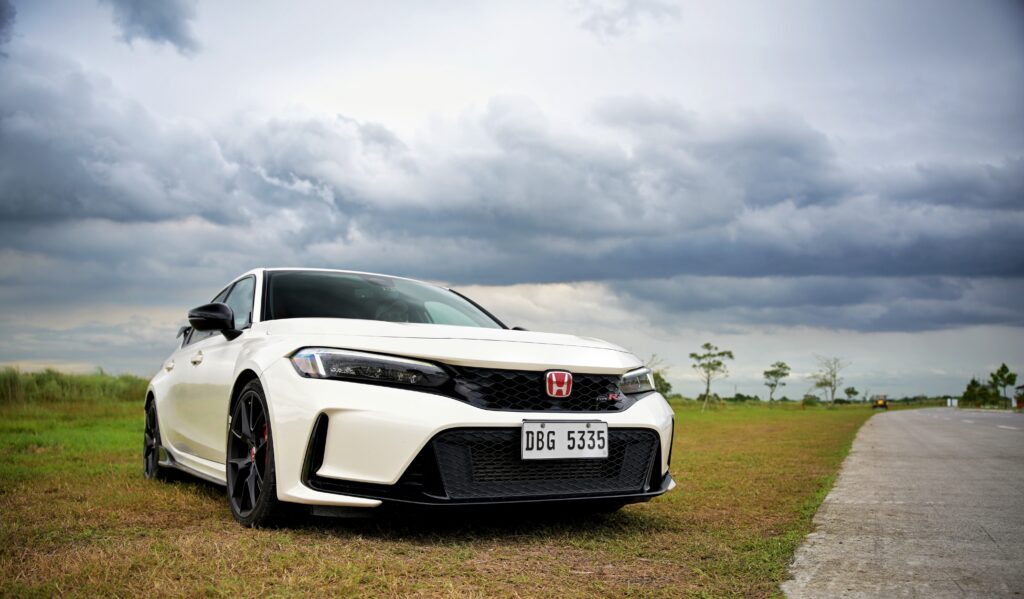
The Civic Type-R remained unobtainable locally through official means until Honda Cars Philippines released the fifth-generation FK8 Civic Type-R in the Philippines in 2017. It was such a smashing success that it prompted them to bring in succeeding batches, aside from the original 100 units.
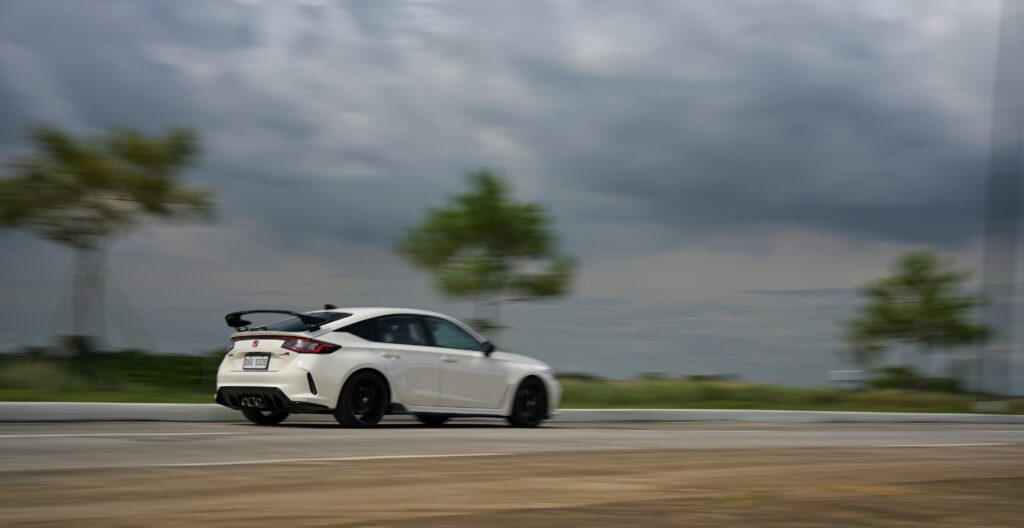
For the FK8, Honda decided to turbocharge the K20. This wasn’t a natural evolution, but rather another clean sheet design: the new K20C1 uses an offset crankshaft alignment, different connecting rods and pistons and a cylinder head optimized for a strong midrange boosted torque instead of peak naturally aspirated power.
The newer K20C1 is also direct injected versus the earlier version’s port injection. The two engines share nothing but the engine designation. And some say that going turbo made the Type R lose more of its unique characteristics, particularly that haunting banshee scream at 9,000 rpm.
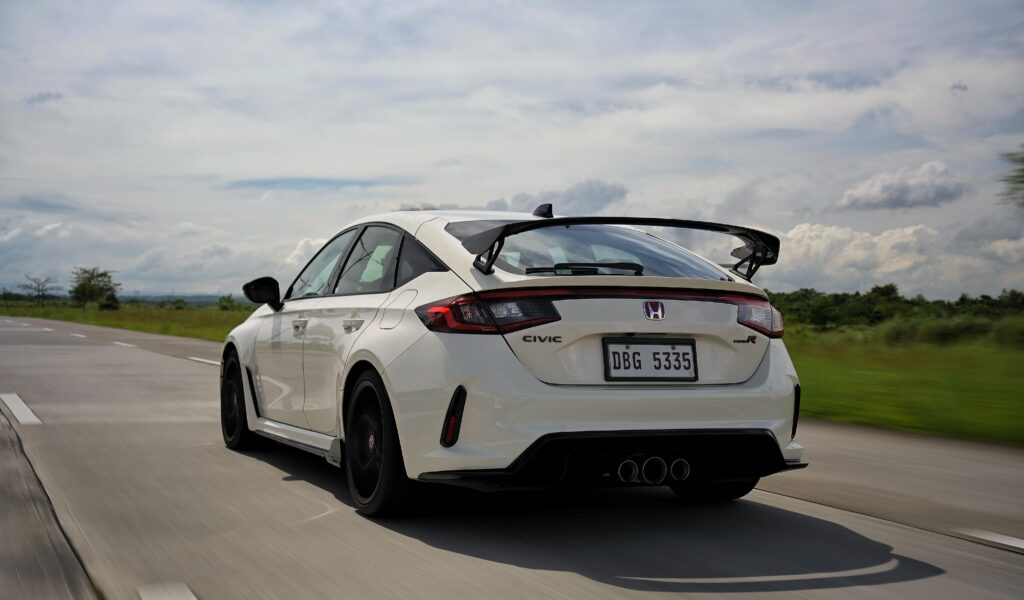
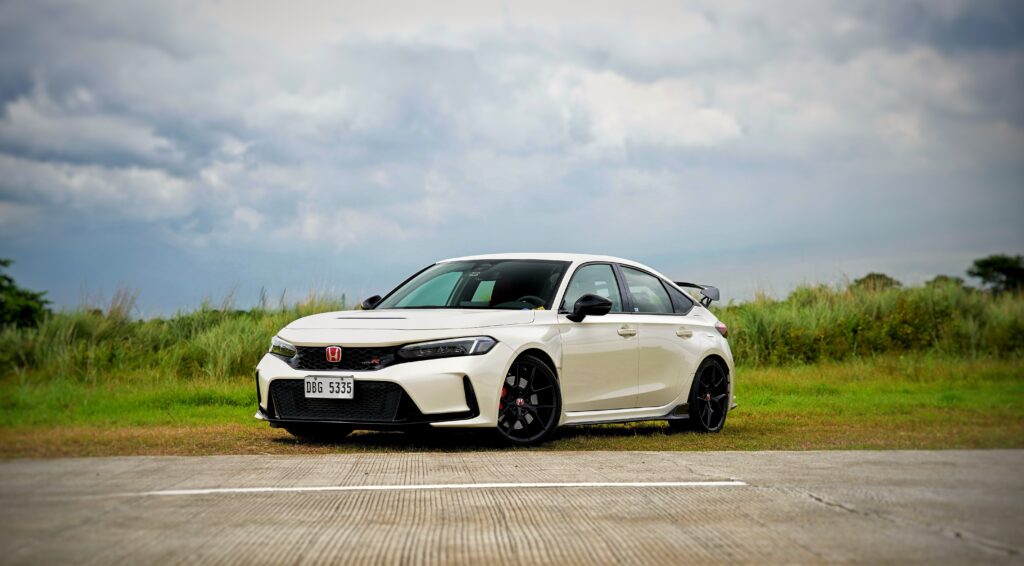
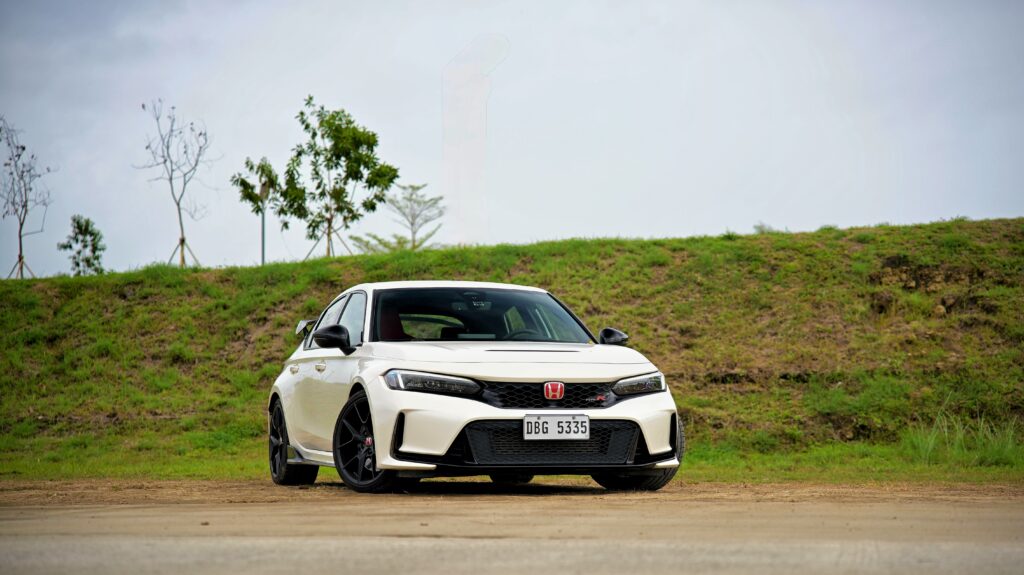
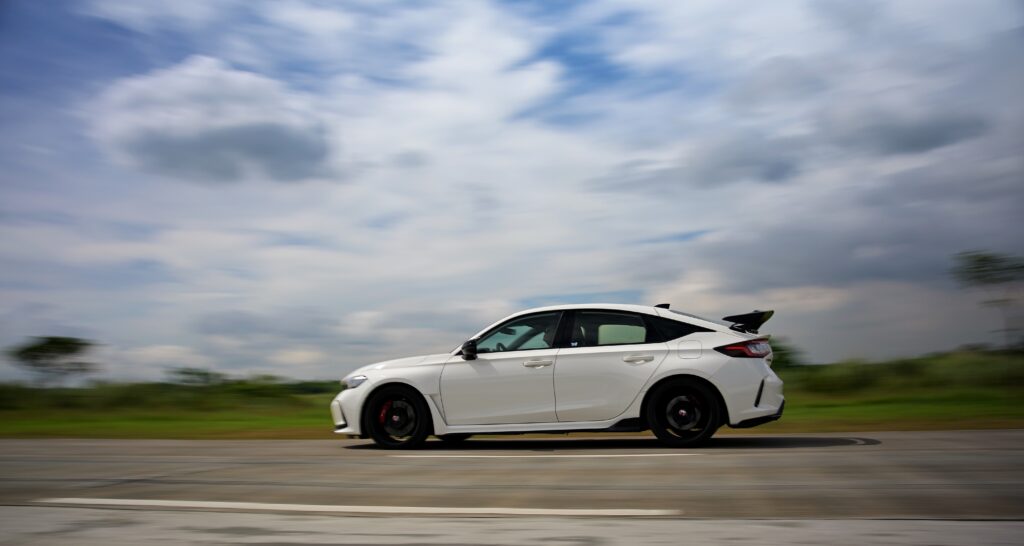
The current, and possibly last FL5 Civic Type-R, now resembling a 4-door lift-back body shape, utilizes the most potent version of the K20C1 yet. It outputs 325hp and 420 Newton-Meters of torque. Drive is sent to the front wheels via a slick-shifting (and arguably one of the best feeling) six-speed manuals. It uses triple-cone synchros on first and second gear for easier and smoother shifting, and double-cone synchros on third through sixth gears, improving overall shift engagement, and ultimately the tactile pleasure of rowing through the gears.
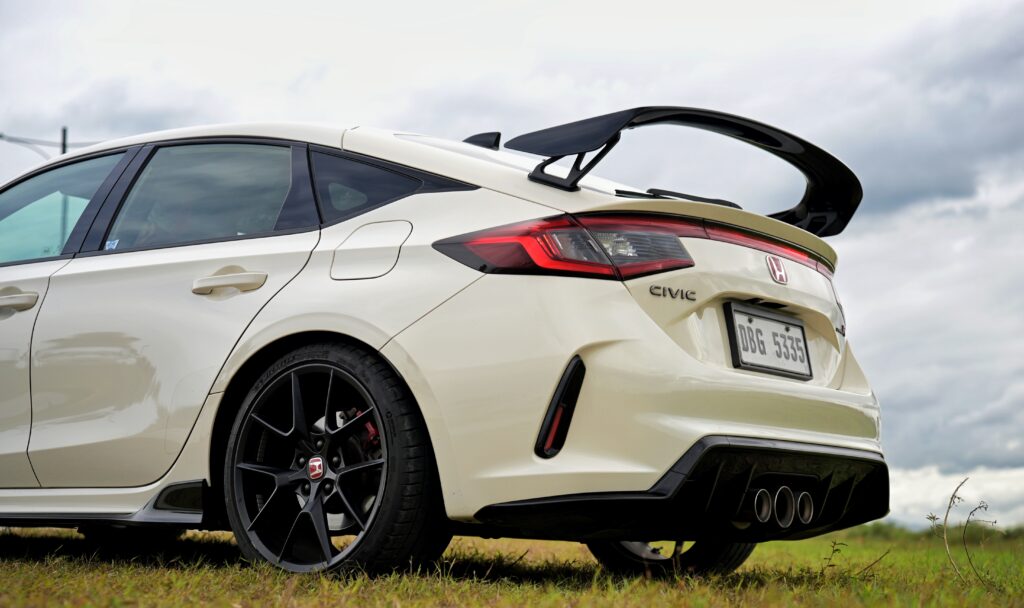
Like the previous FK8, the FL5 Civic Type-R looks and feels like a gaikokujin compared to the progenitor EK9. It promises to deliver on paper, but how does it really perform?
Sliding in, it’s been a while since I drove a manual. The seat is tight, the clutch travel is long and heavy, the steering hefty while the gearshift itself is stiff when cold but smooth as butter when its warmed-up; it requires a positive shove to slot it into gear upon start-up. It’s a workout, not something you might want to daily0-drive in traffic.
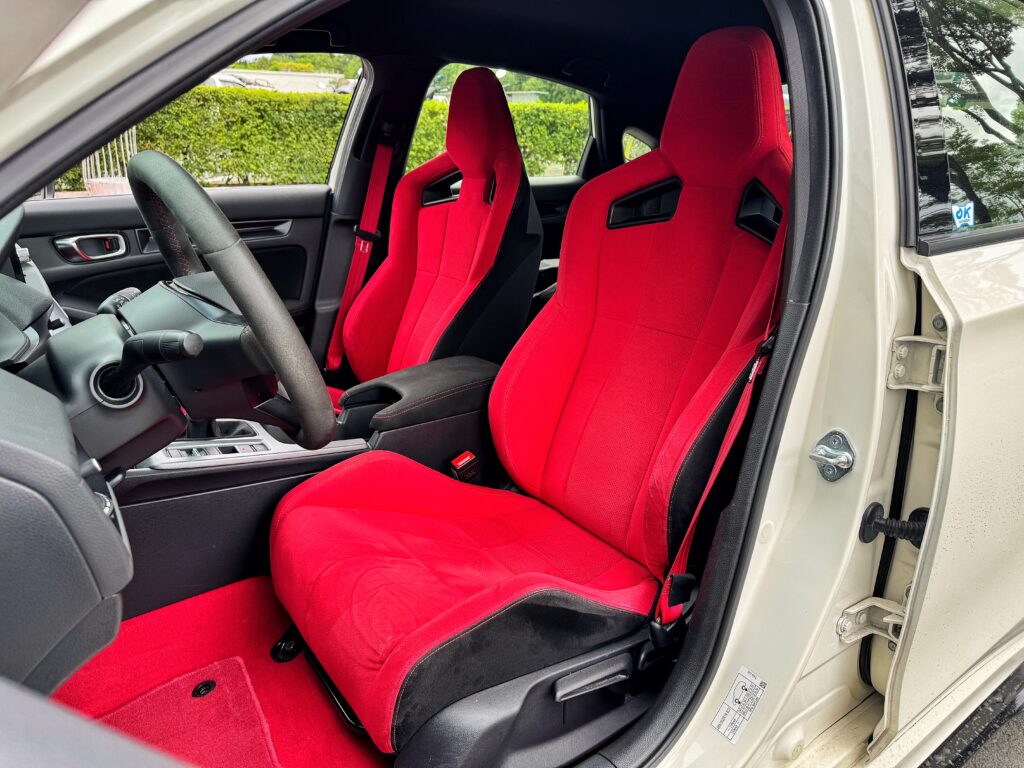
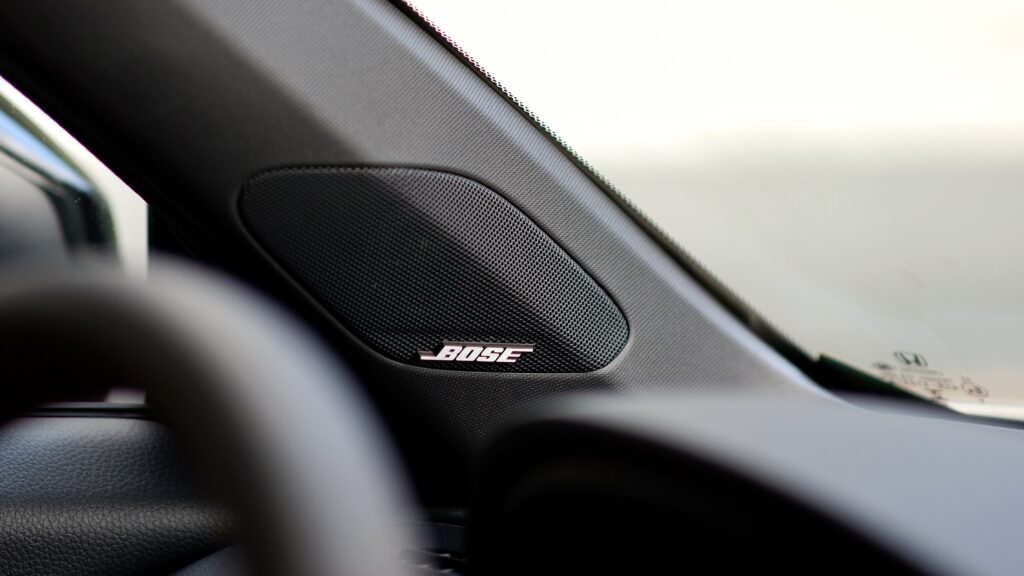
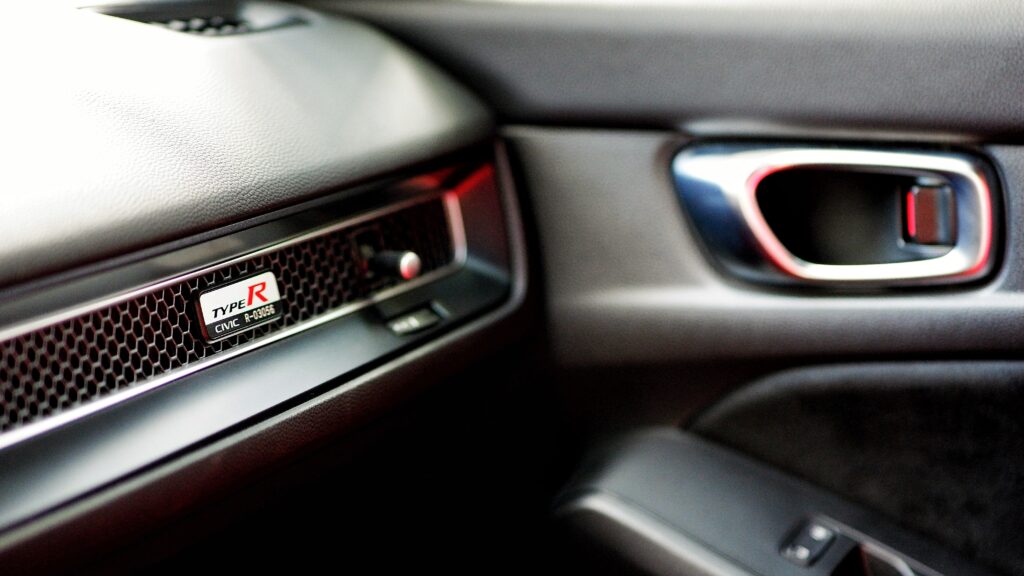
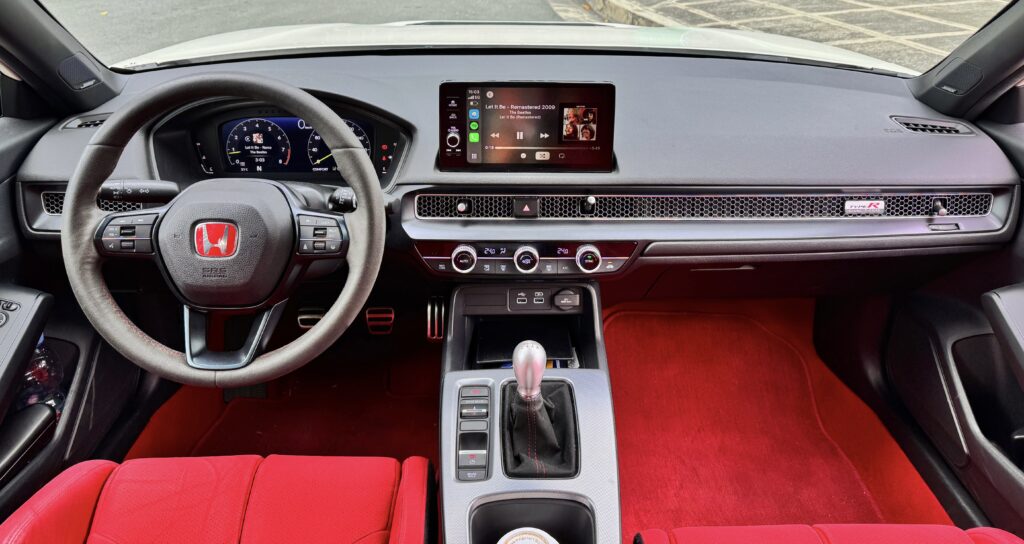
There are, however, many simple pleasures inside to distract you from the Type-R’s arduous driving: The impressive Bose surround-sound system, the multimedia system with Apple CarPlay and Android Auto, and the simple but stylish dash architecture. If you can live with rowing your own gears, this is a nice place to be, and NVH is actually excellent.
But floor it and this thing feels alive! The steering writhes just the right amount to remind you to focus, the throttle delivers a healthy dollop of torque to wake you up, the engine howls hard and each gearshift just keeps elevating the excitement and the ante. The Type-R goads you, encourages you, seduces you to keep your throttle planted for as long as you dare.
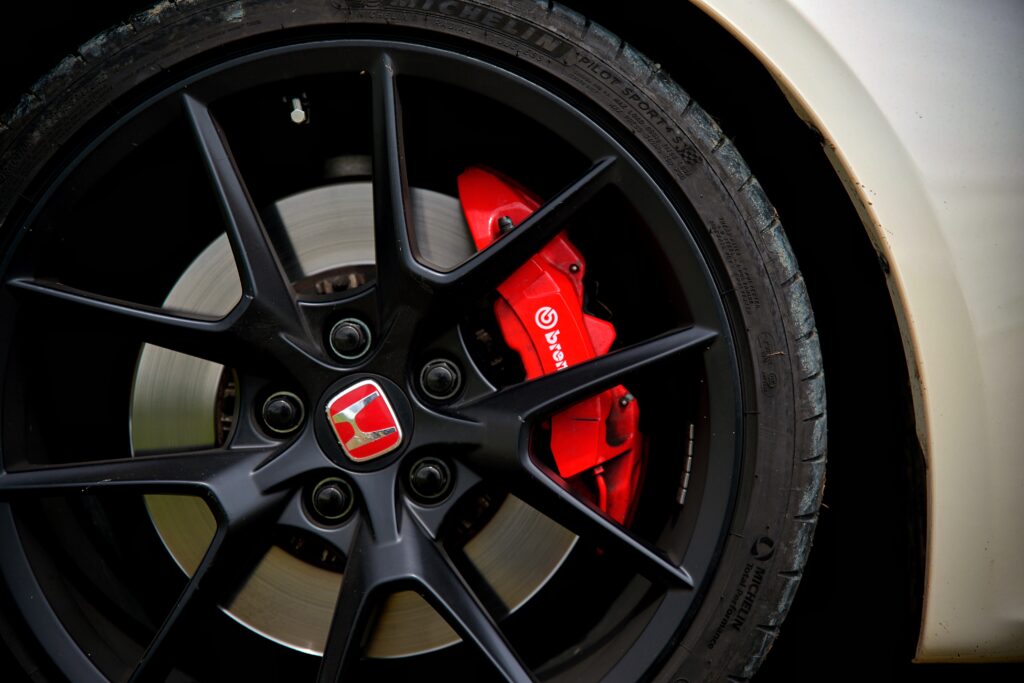
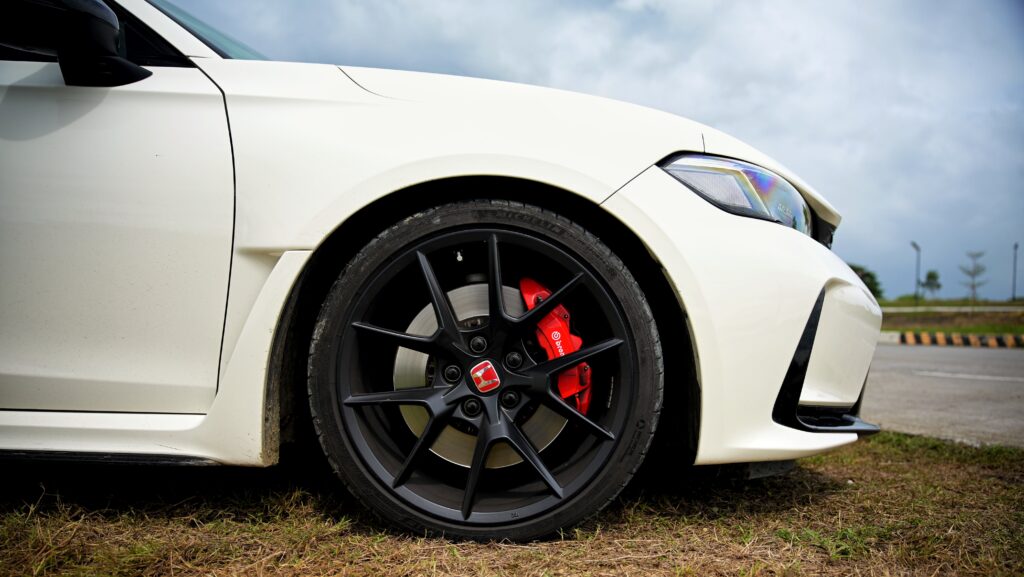
The brakes are more than a match, the front four-piston Brembo calipers arresting the massive 350mm rotors. They look a tad shy behind the equally sizeable 19×9.5 wheels shod in sticky 265/30R19 Michelin Pilot Sport 4S tires. Together, they haul the FL5 to a stop from 100 kilometers per hour in under 35 meters. That’s under 8 cars. Impressive.
Lest one think it is nothing more than a straight-line specialist, the Type-R reveals its true self through the twisties. It dives into corners with gusto, aggressively slicing up the shortest path. You brake as late as you dare, yet somehow the Type-R always seems to leave more than enough road to let you turn in safely. Trail braking is tricky, as lift-off oversteer is easy, but for the experienced driver, it allows for a higher level of cornering ability.
Corner exits demand precision: feed in power slowly, even if a tad early, and the front end just pulls the Civic out of the corner. For a car that has increased in both size and heft with each succeeding generation, the Civic—especially on the throttle—still possesses fluidity and delicacy in its movements, honed and refined over the decades.
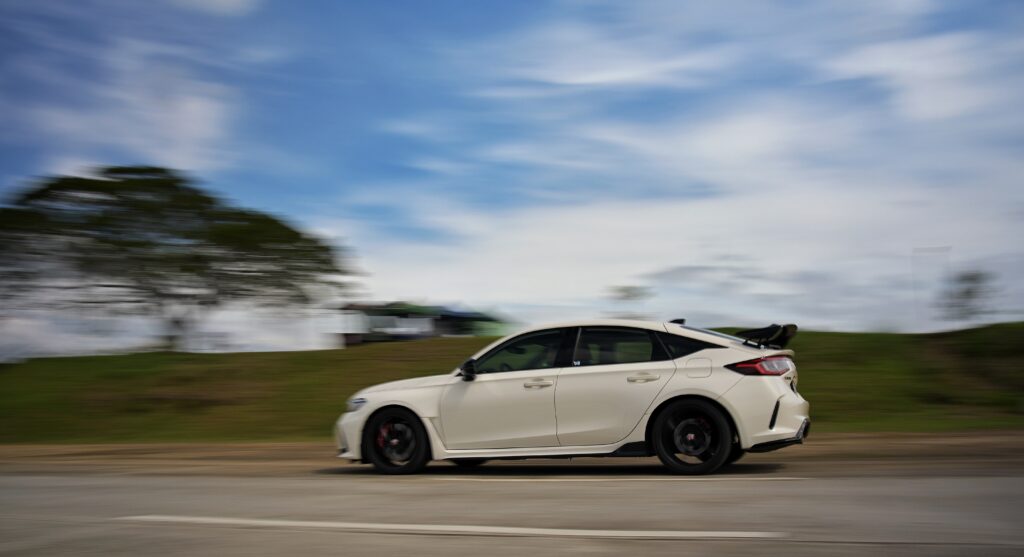
The drive up to Tagaytay was Nirvana: the FL5 soaked up the road imperfections like a champ. Power is perfect, allowing you to keep the engine in its sweet spot for most of the way, with a few rare instances allowing me to bang into the limiter when road conditions allowed.
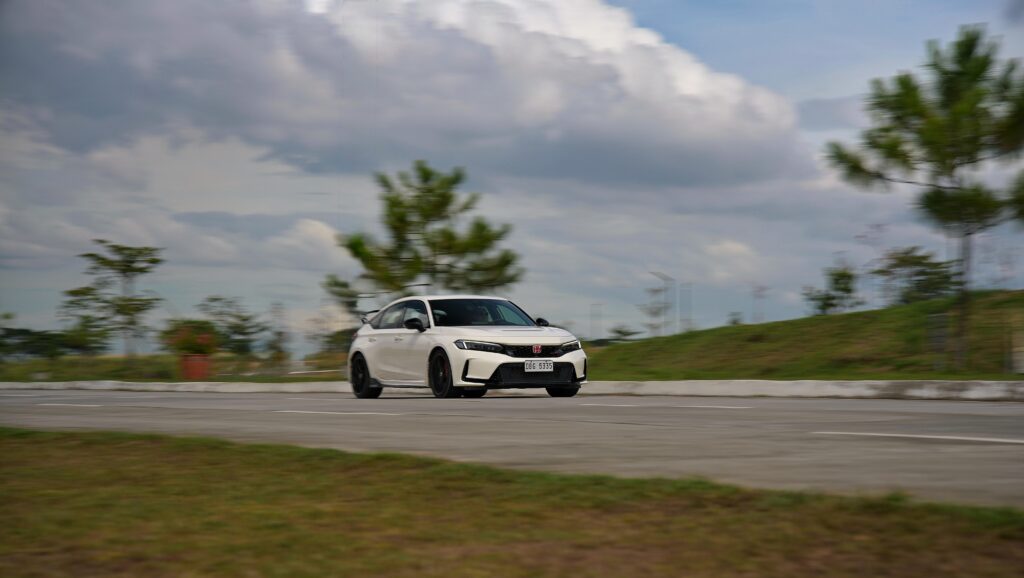
The endless curves and corners that came were a test of the Civic’s abilities. Towards the end of my drive, I was sure the Type-R was calling on the spirits of its ancestors to provide me with otherworldly grip and precision to get me through to my destination in the most scintillating manner possible.
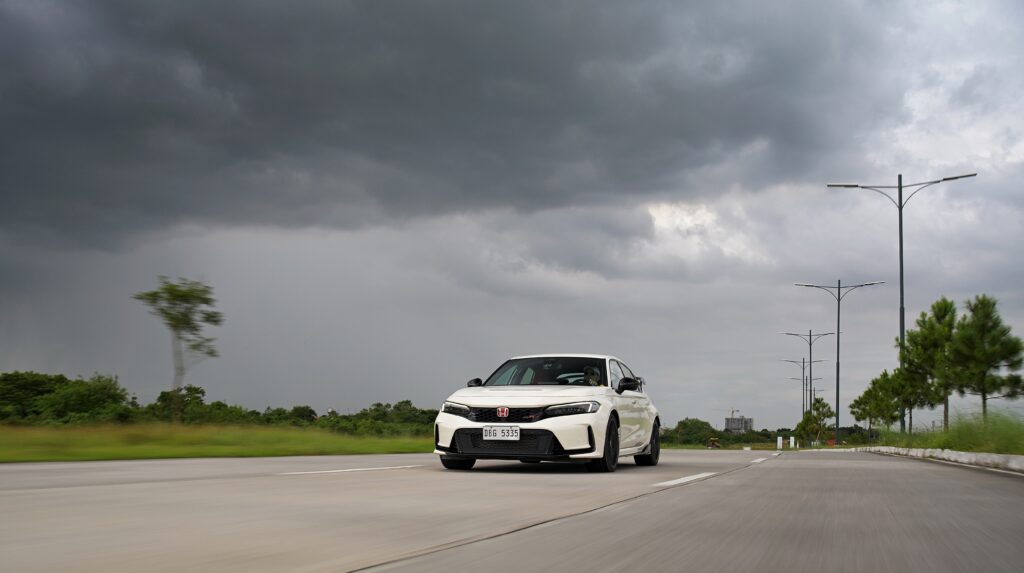
The secret to this amazing handling? Its unique dual-axis front Macpherson strut suspension, also seen in the previous FK8. It reduces understeer and crucially, torque-steer significantly (the unforgivable sin of wrong-wheel drive) and allows the Civic to put down the power effectively.
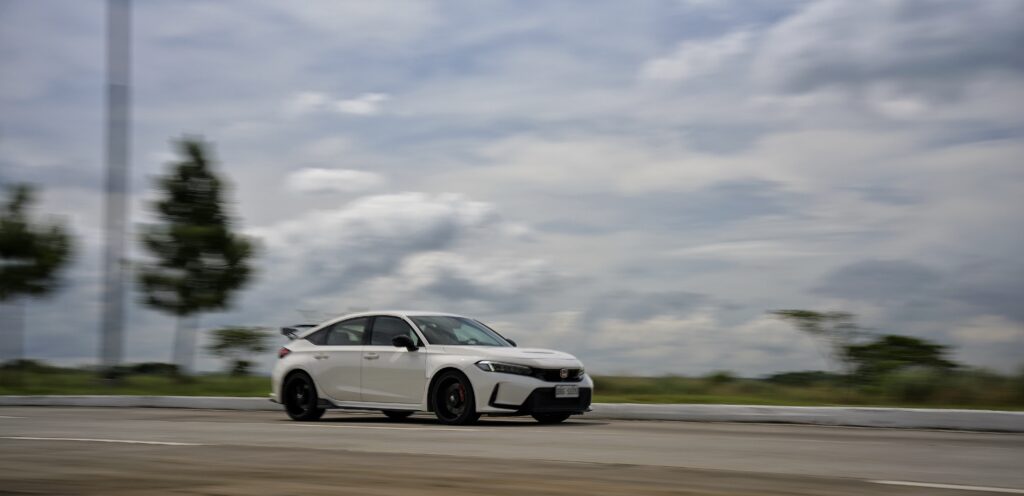
Honda wizardry at its finest. Lastly, the helical limited slip differential also helps put the power down where it’s needed. Smooth and refined, it’s not jarring as a clutch-type LSD. Perfect for street use and occasional track sessions.
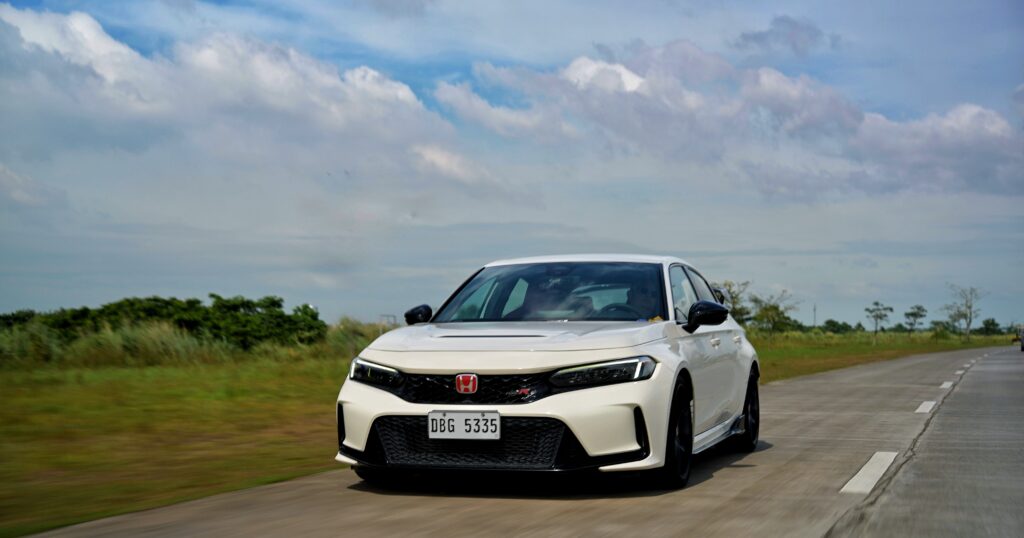
And the turbocharged K20C1? The immediate torque opened up the Civic Type-R to a whole new dimension: it was still properly fast, but allowed it to be relaxed while cruising on the highway. If you’ve ever ridden in a high-compression and highly cammed B16B, the ear-piercing wail gets tiresome after a few minutes on the highway. For a global audience, the turbocharged engine makes perfect sense and makes the FL5 Civic Type-R a devastatingly effective B-road blaster. The K20C1 was forgiving, and made its impressive performance far more accessible to a new breed of young, inexperienced drivers
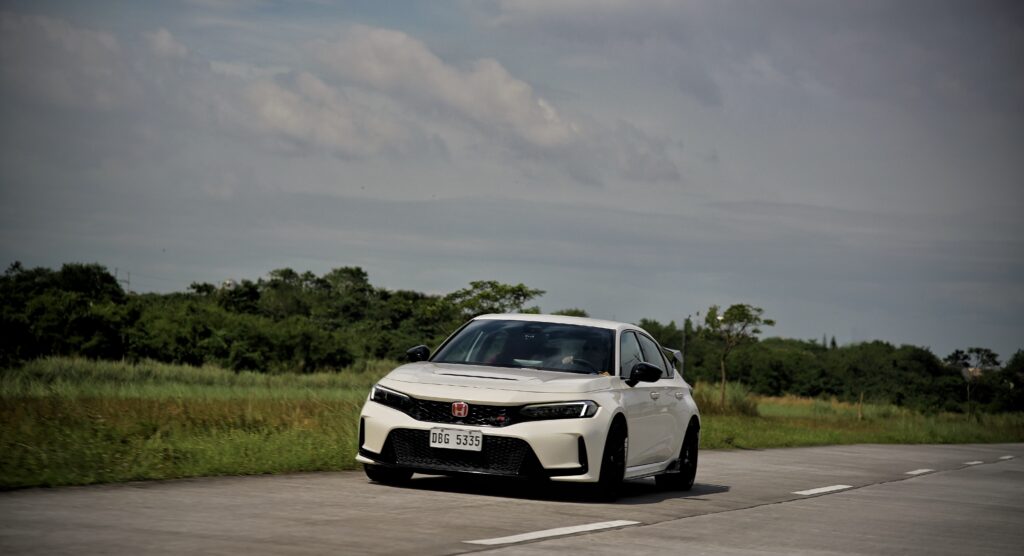
The FL5 Civic Type-R has distilled the spirit of the original EK9 Civic Type-R. It may have lost the simplicity of its forebears but still very much lives to Type-R’s ethos of driver-focused performance in this modern age.
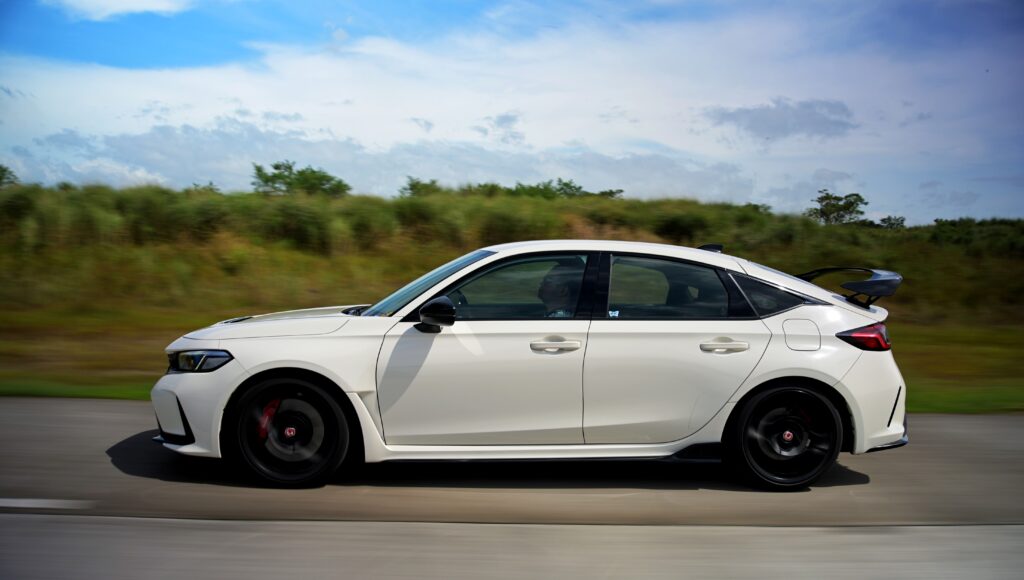
If this is truly Honda’s last true non-electrified Type-R, it is more than worthy to carry that tradition into the next life.
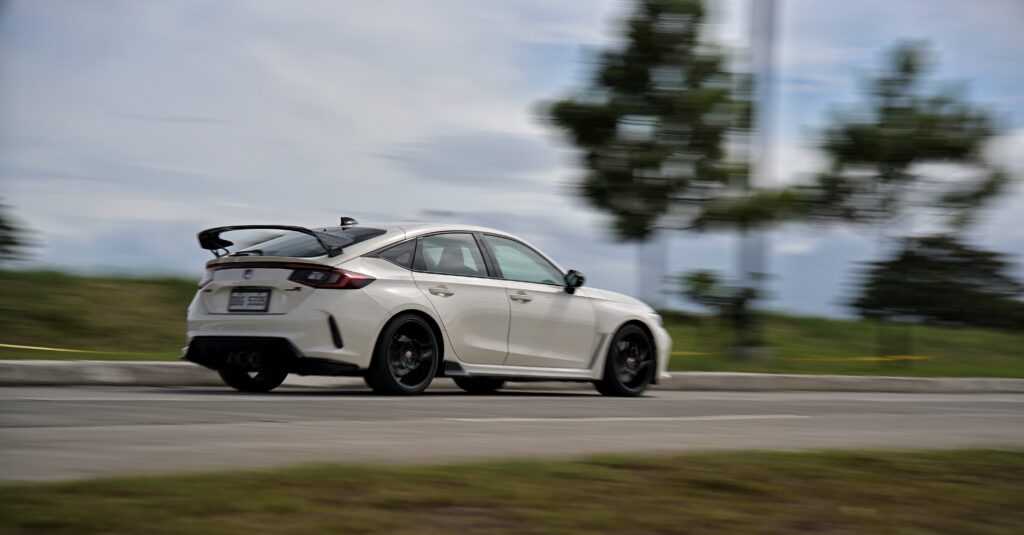
Banzai!