
It’s rare for manufacturers to open the doors to their most prized possessions.
Not just because of their immense monetary value, but because these machines carry something far more meaningful—the company’s collective soul.
They represent decades of engineering, ambition, and human effort: the blood, sweat, and ideas of the people who built them. In many ways, they are rolling time capsules of innovation and identity.
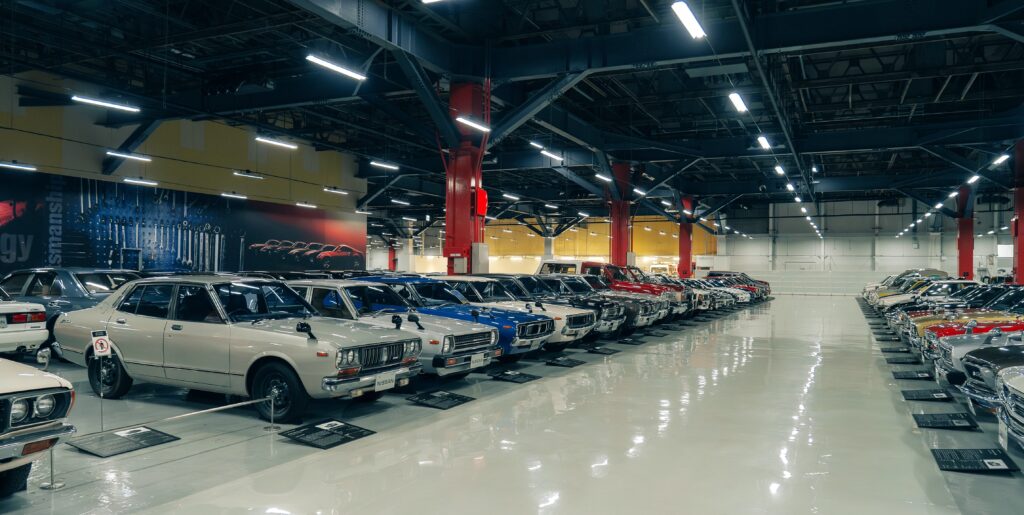
This is the Nissan Zama Heritage Collection.
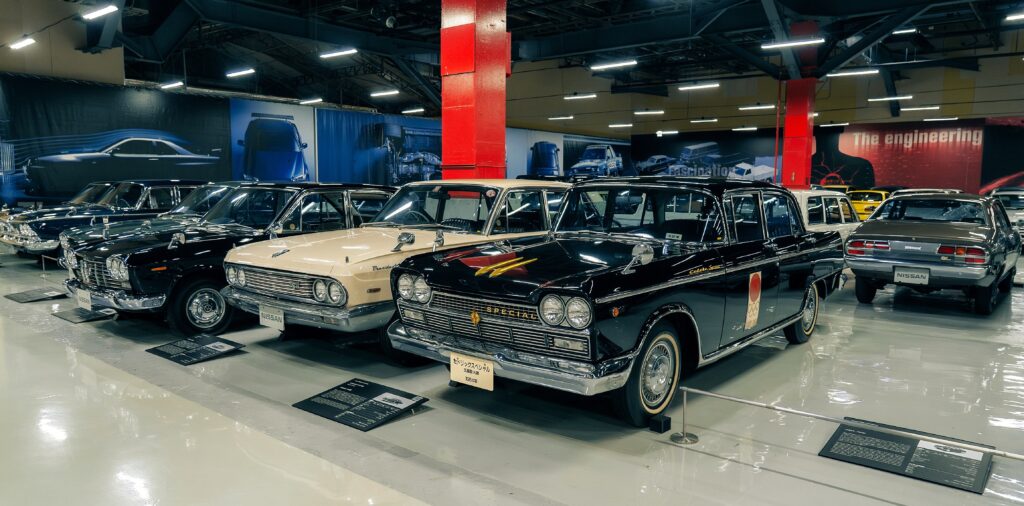
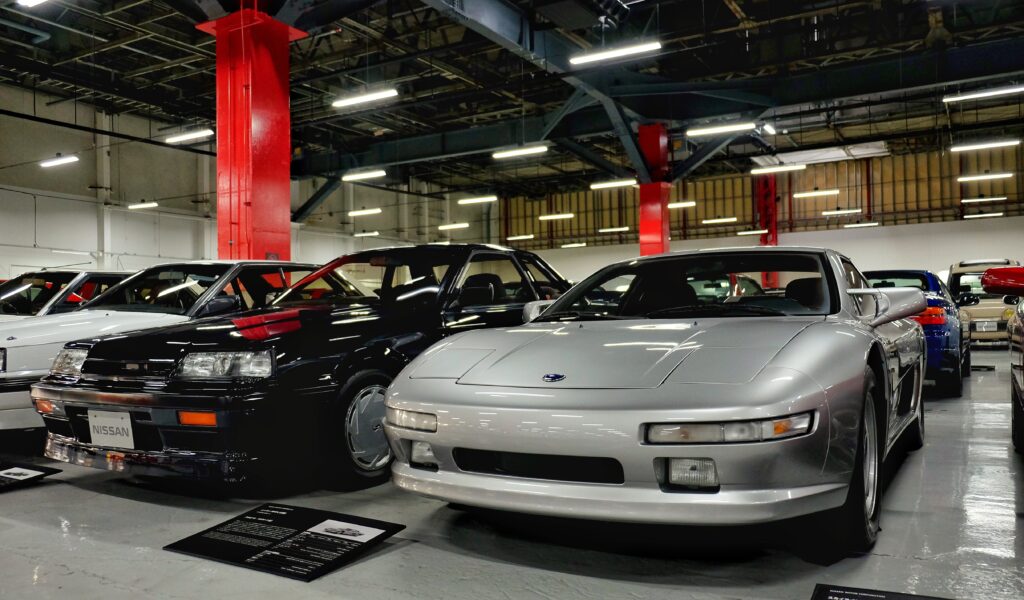
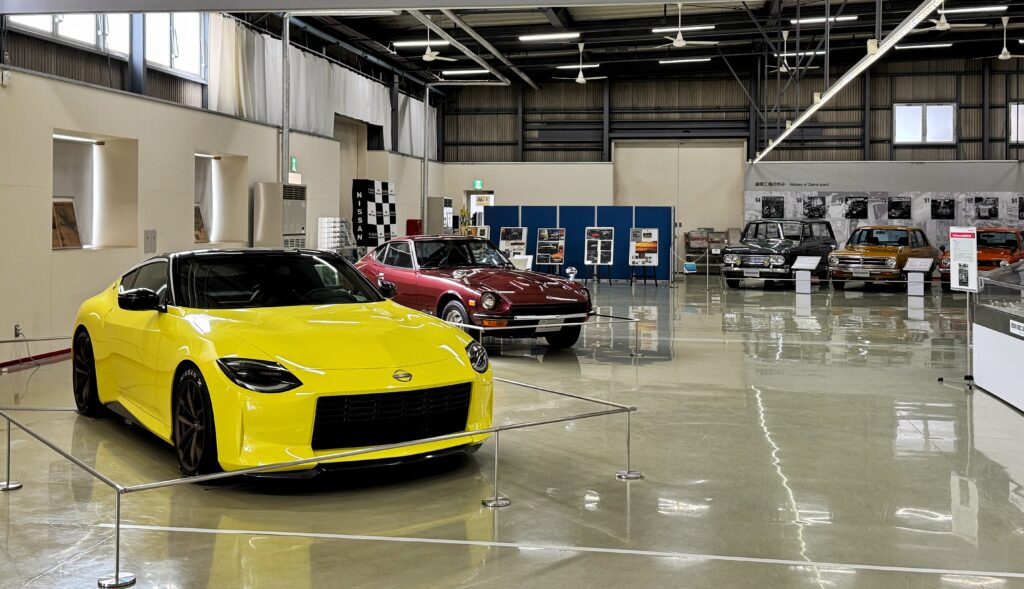
Located within the Nissan Zama Operations Center in Kanagawa Prefecture, the collection feels less like a traditional museum and more like a working archive.
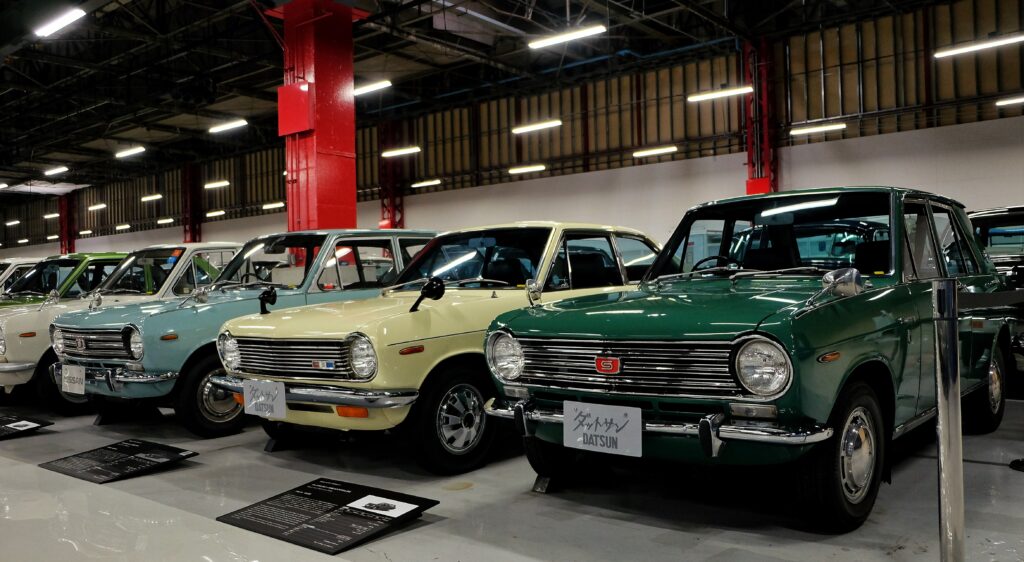
It’s more garage than gallery, and that’s exactly what makes it special.
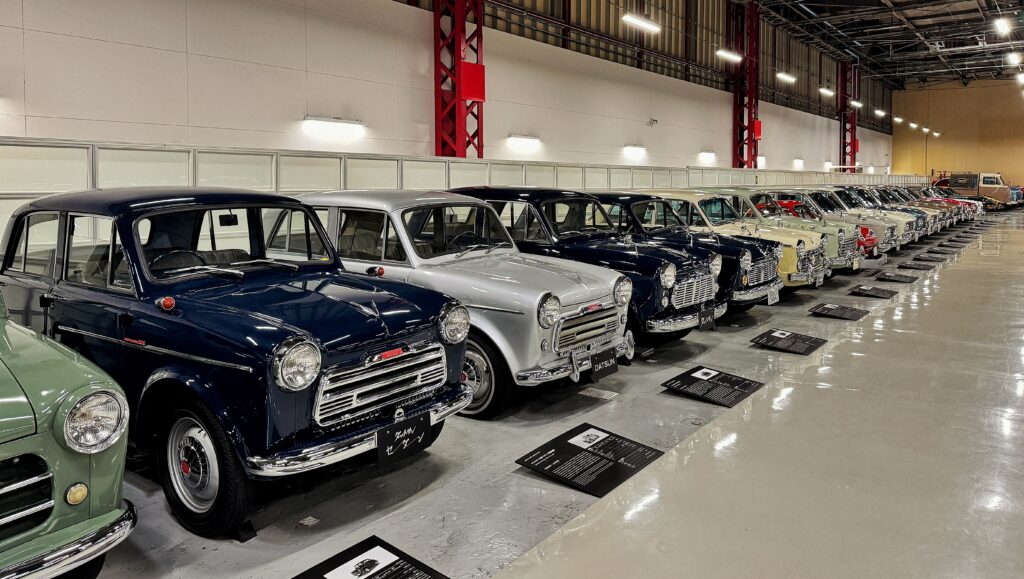
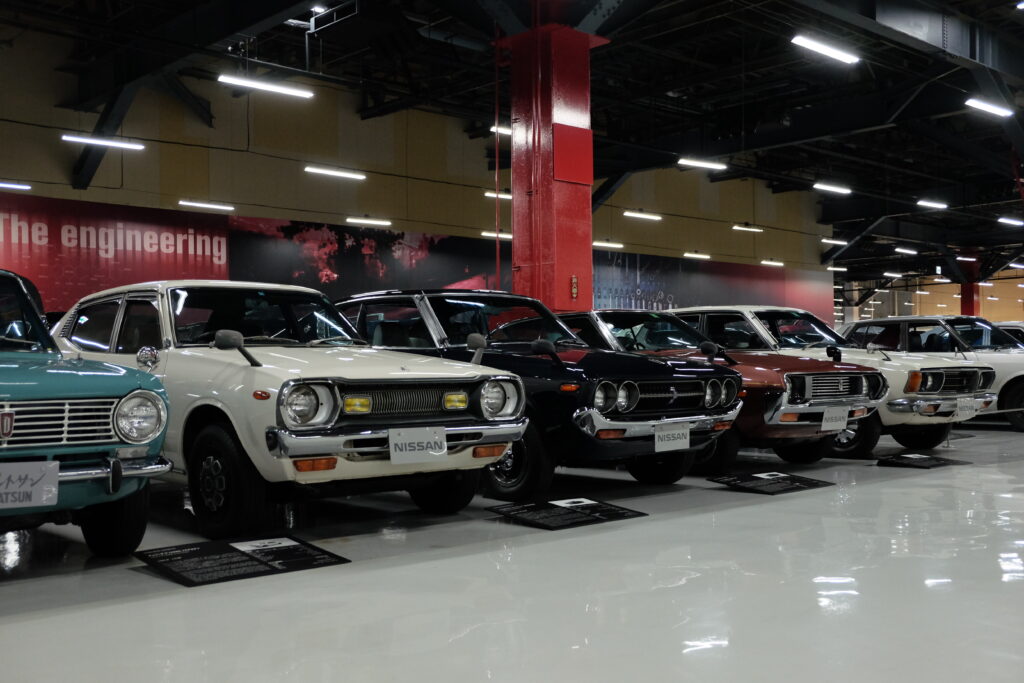
There’s a rawness to the experience—rows of cars parked in close proximity, some pristine, others showing the patina of use.
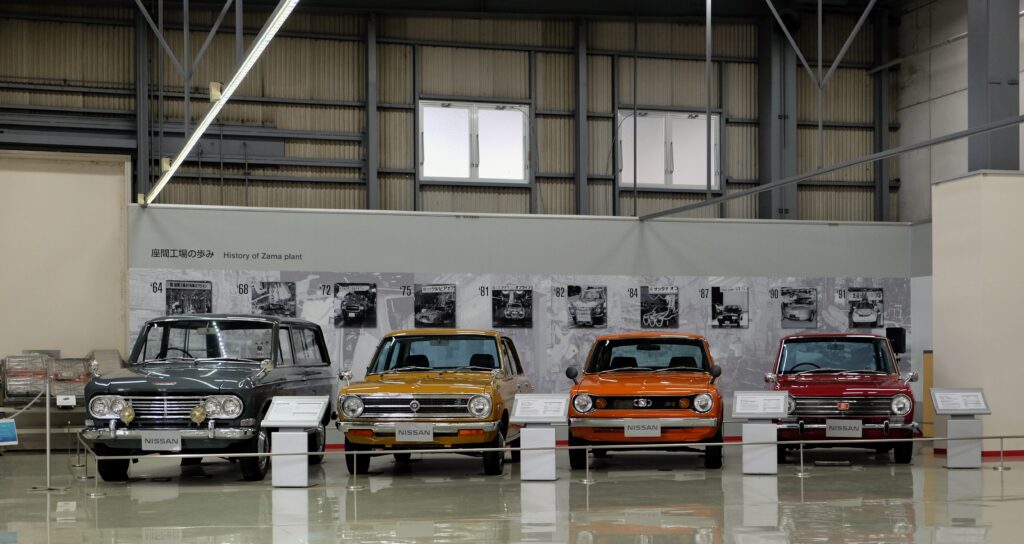
It feels authentic, almost like stepping into Nissan’s private storage space rather than a curated public exhibit.
Access, however, is carefully controlled. Because the collection sits within an active Nissan facility—surrounded by factories, warehouses, and logistics centers—visitors must book in advance.
Slots are limited, and walk-ins are not permitted. This sense of exclusivity only heightens the experience, making a visit feel like a true, once-in-a-lifetime privilege rather than a mundane or routine stop on a typical tourist itinerary.
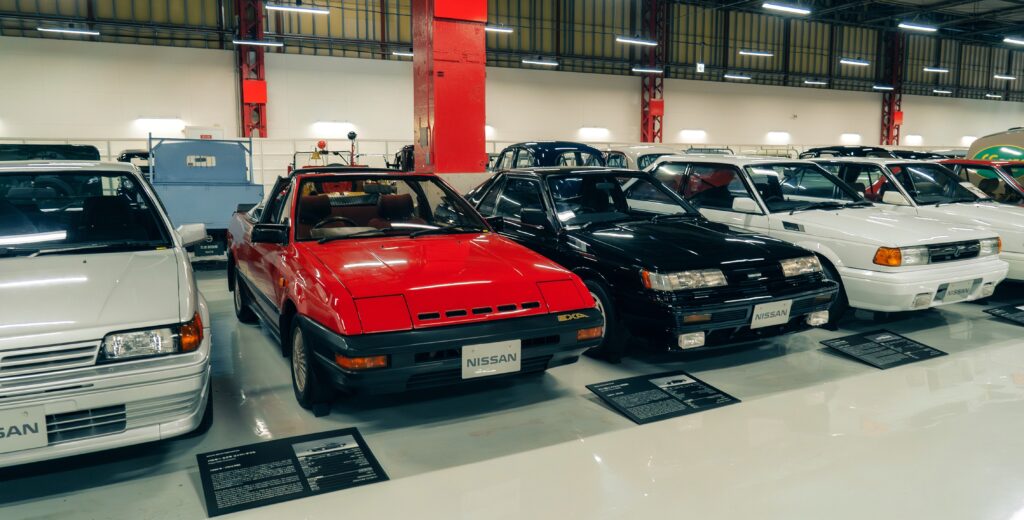
The scale of the collection is impressive. More than 450 vehicles are part of the Zama archive, covering over eight decades of Nissan’s history—from pre-war models of the 1930s,
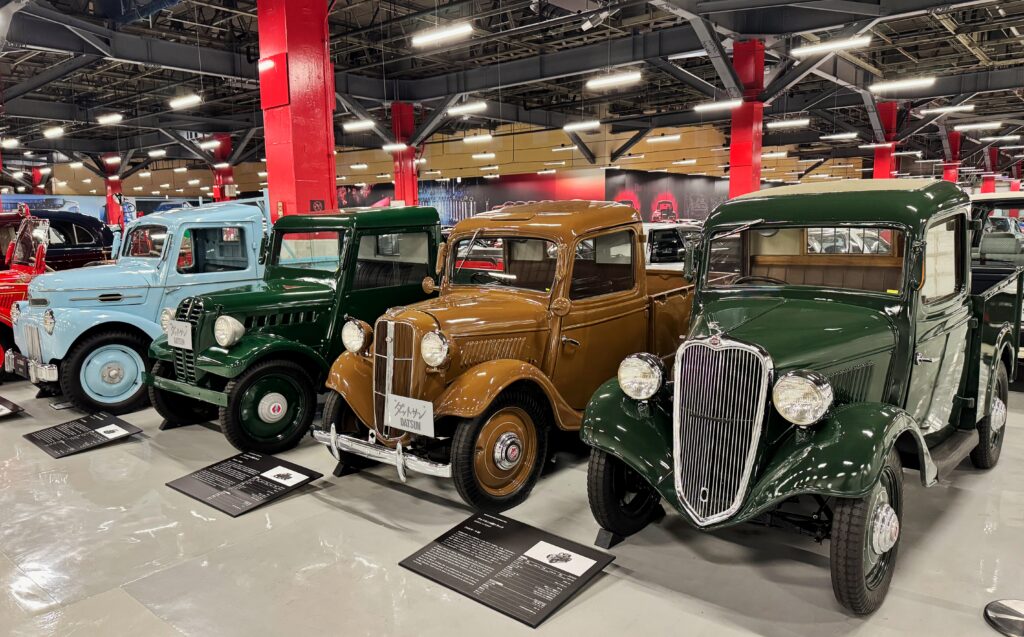
to modern-day performance and electric vehicles.
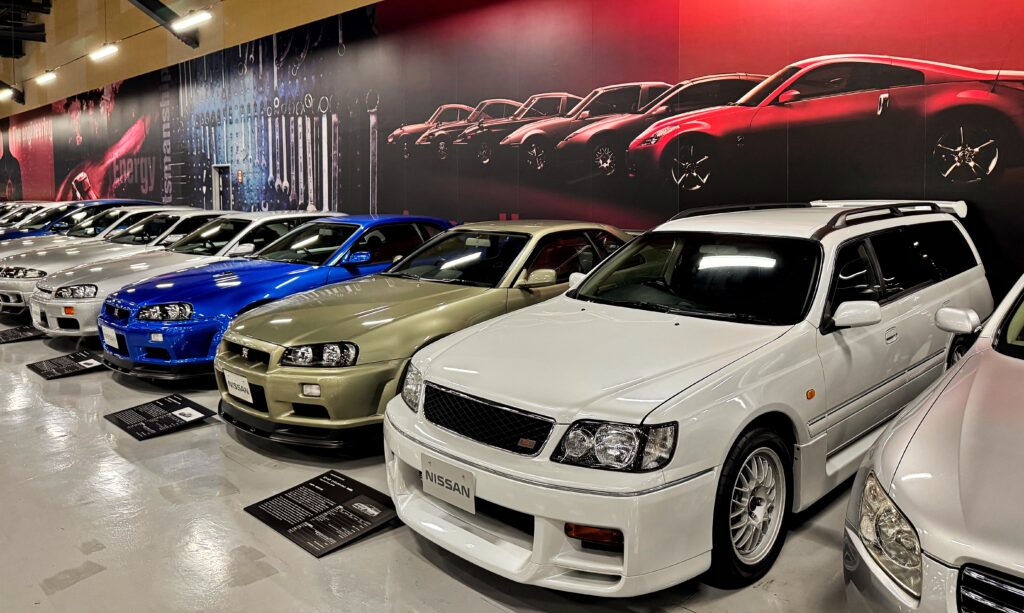
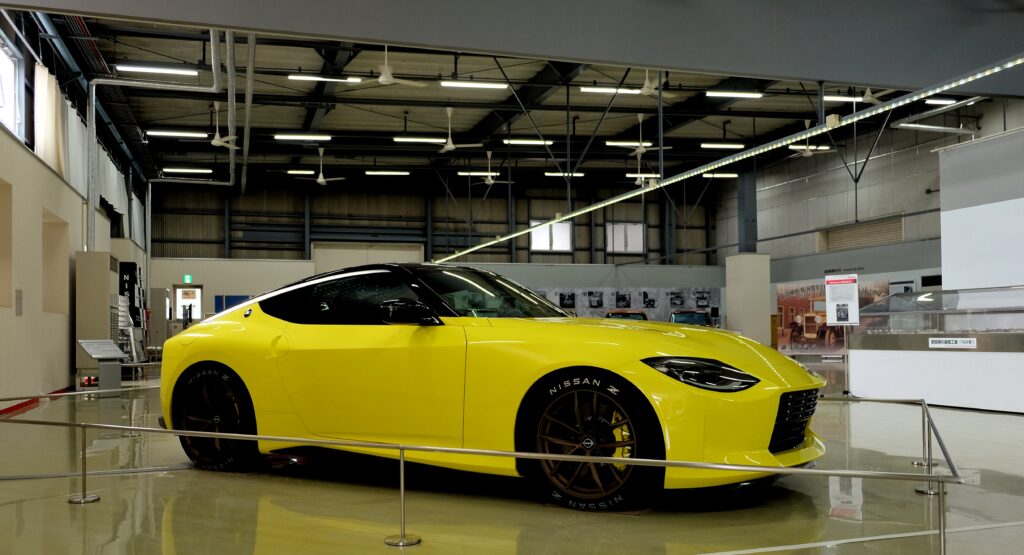
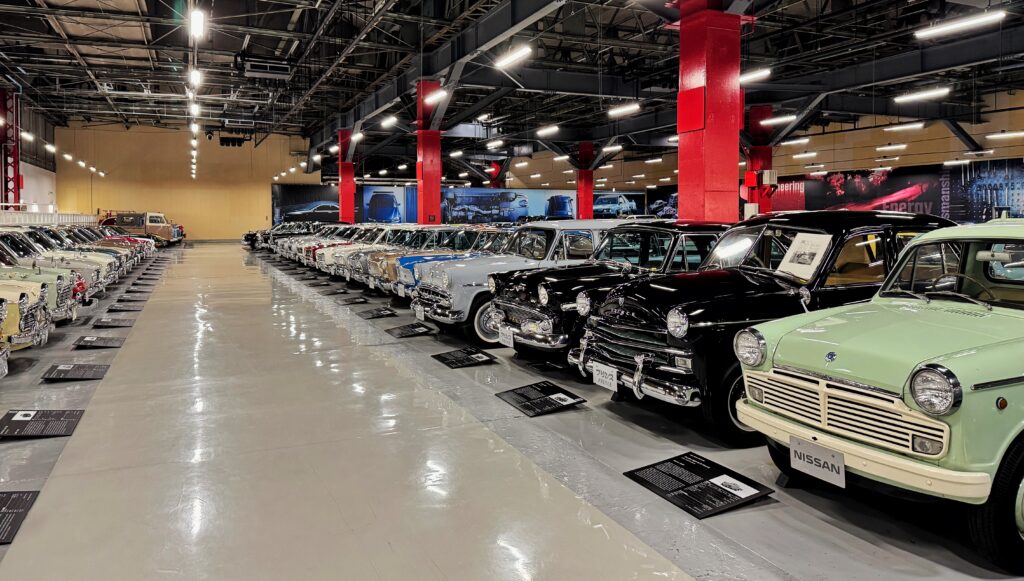
Due to space constraints, around 350 cars are displayed at any given time, while the rest rotated between other venues such as the Nissan Global Headquarters Gallery in Yokohama, are loaned to museums, or kept in storage awaiting future display.
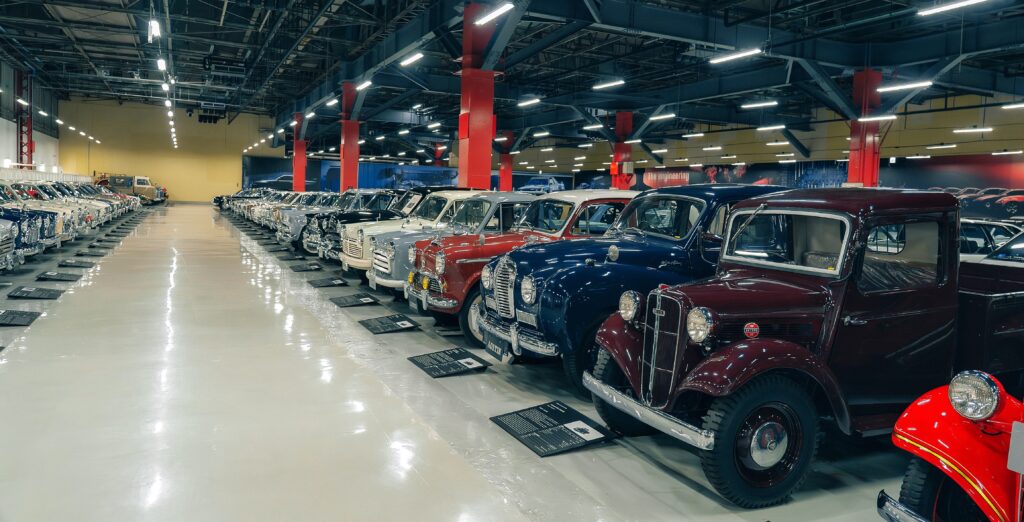
What makes the Zama collection particularly compelling is its breadth. This isn’t just a showcase of halo cars or motorsport legends—it’s a comprehensive look at Nissan as a brand.
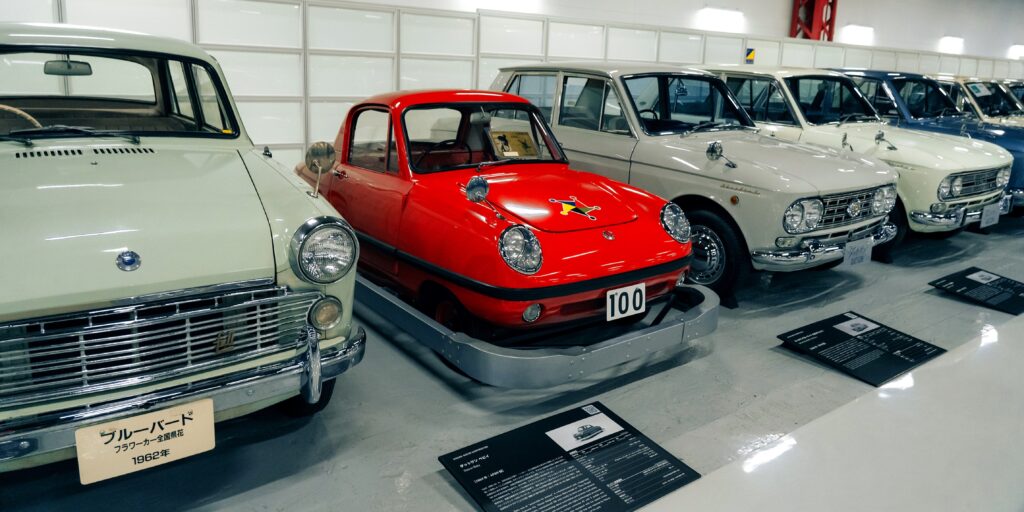
Everyday vehicles sit alongside icons, offering a complete narrative of how the company evolved over time.
Walking through the space, you’ll encounter everything from compact city cars and family sedans to rugged SUVs and commercial vehicles. For enthusiasts from the Philippines certain models immediately stand out.
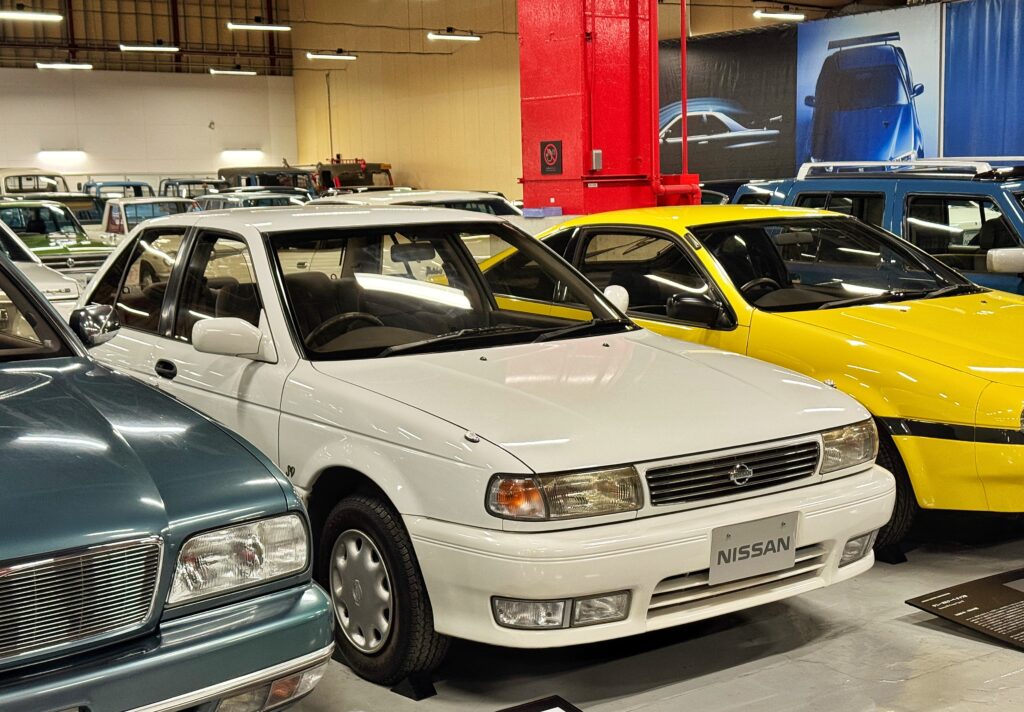
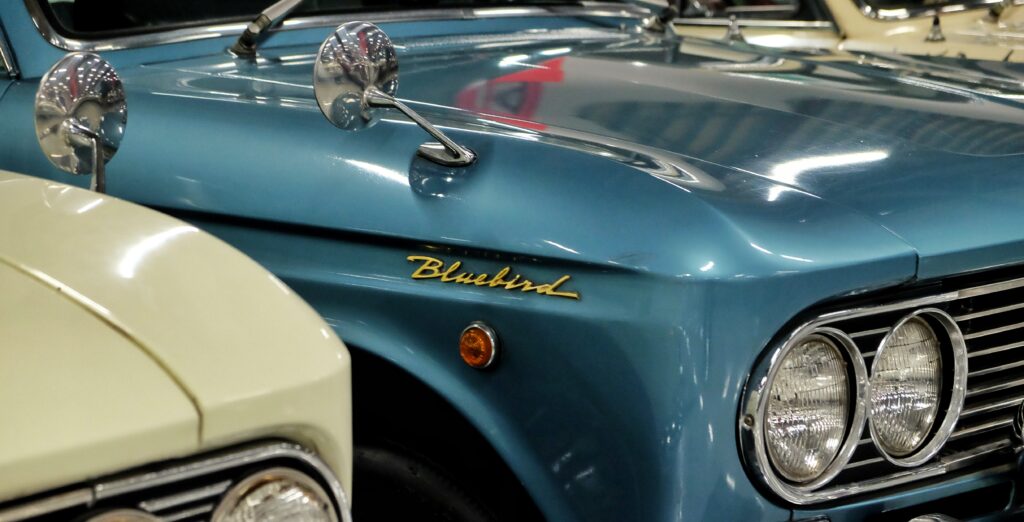
The Nissan Sentra, Bluebird, and Cefiro—once common sights on local roads—carry a strong sense of familiarity and nostalgia for Filipinos.
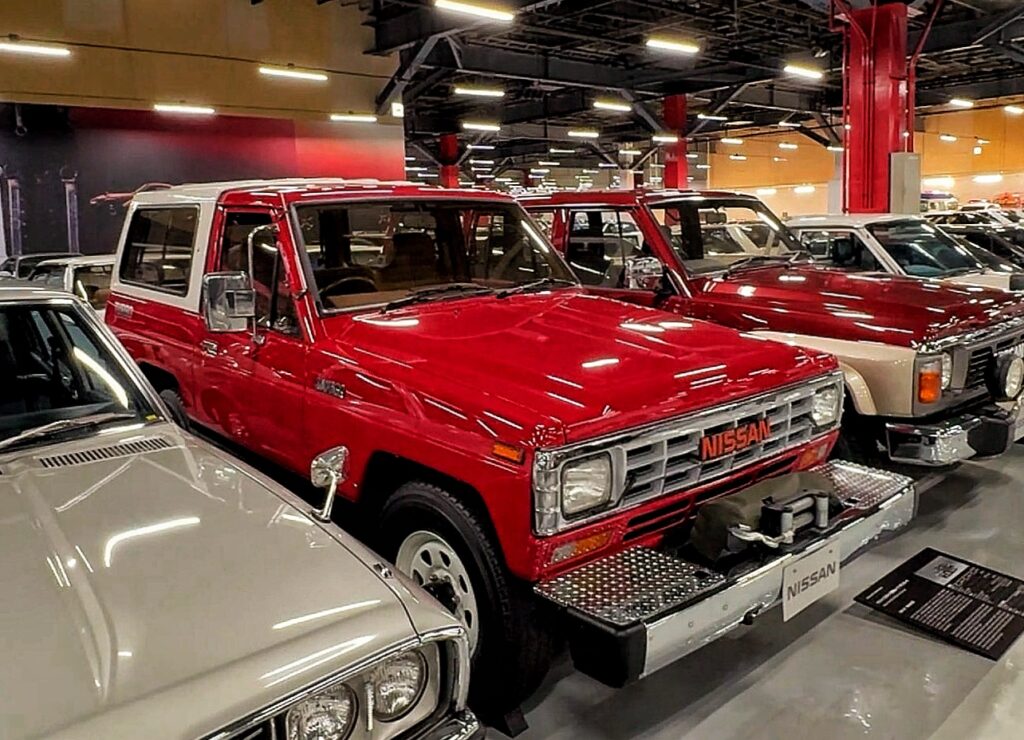
These cars may not draw the same crowds as the performance models, but they arguably represent Nissan’s impact on everyday mobility more than anything else.
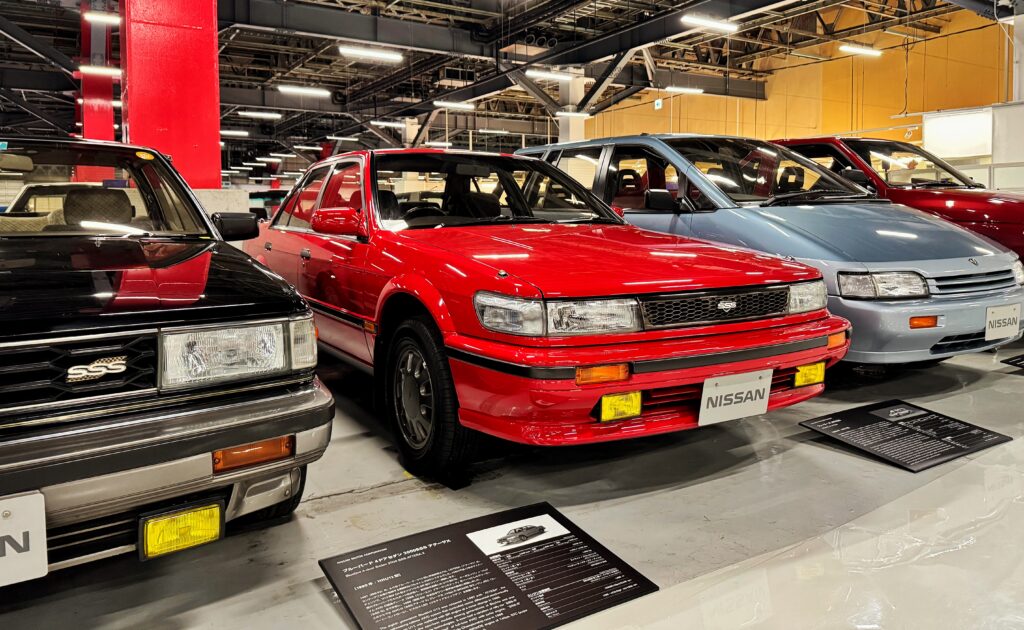
Nissan’s utility vehicles are equally well represented. The Patrol, long regarded as one of the toughest off-roaders ever built, sits proudly among the lineup, a testament to the brand’s durability-focused engineering.
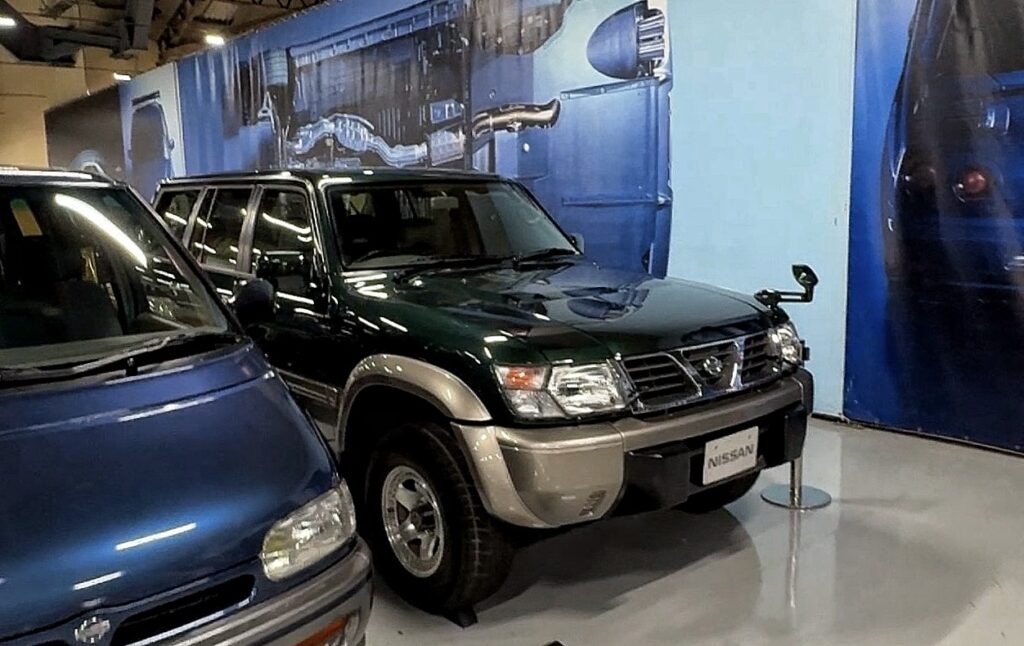
Then of course there are the Nissan pick-ups which even in the country were legendary in terms of reliability.
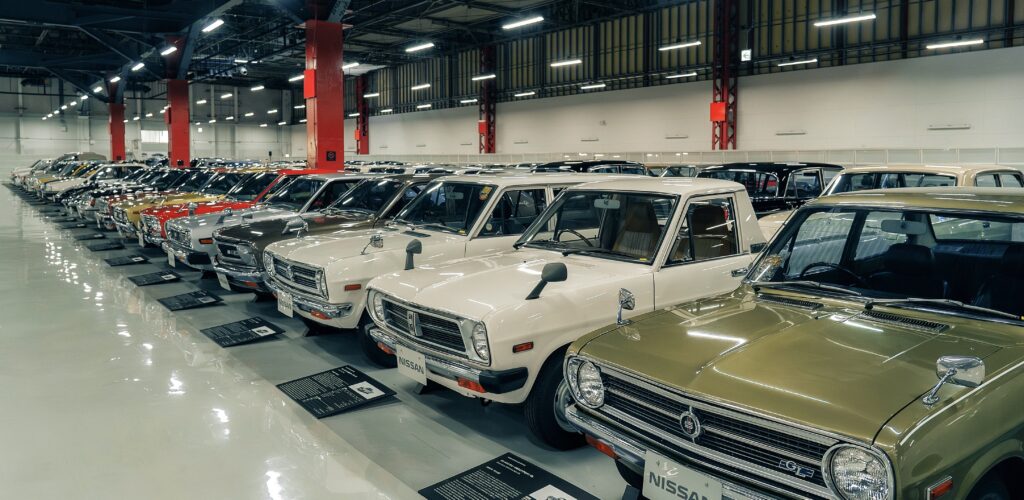
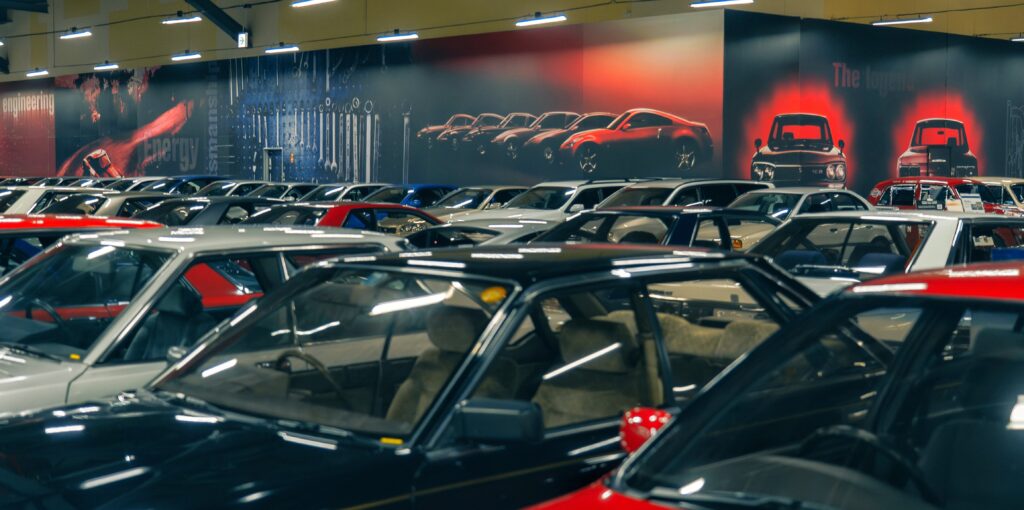
Of course, for many visitors, the main draw lies in Nissan’s performance heritage. The Z cars, starting from the original Fairlady Z (240Z), are all here, tracing the evolution of one of Japan’s most iconic sports car lineages.
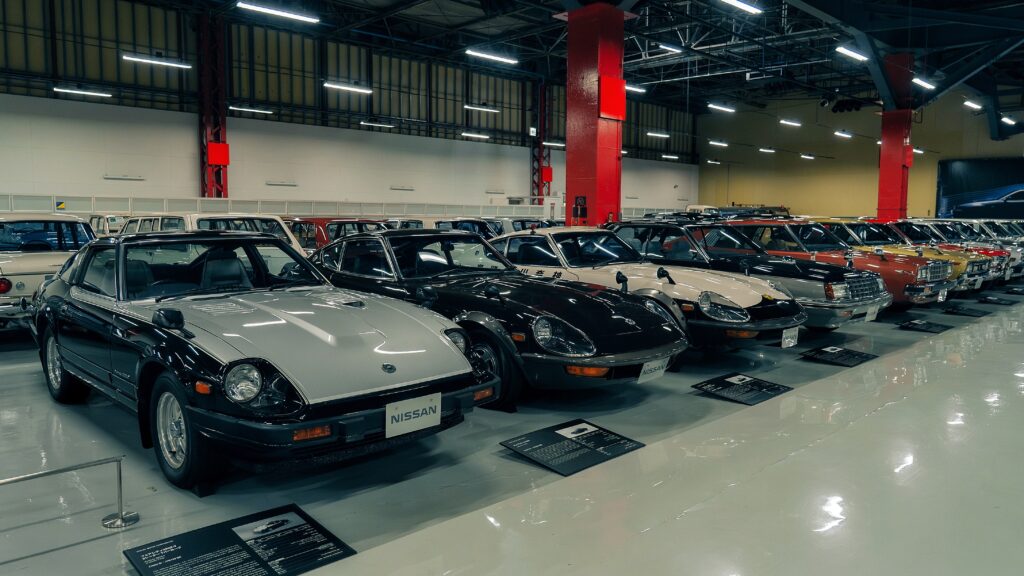
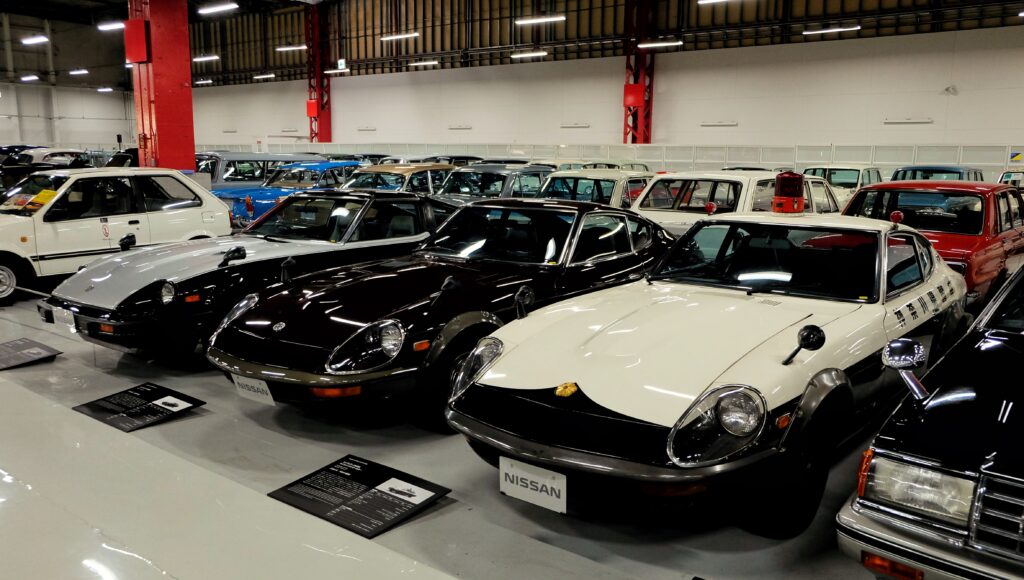
Alongside them are the Silvia models, beloved for their balance and tuning potential, and the various generations of Skyline—culminating in the legendary GT-R variants that helped define Japanese performance culture.
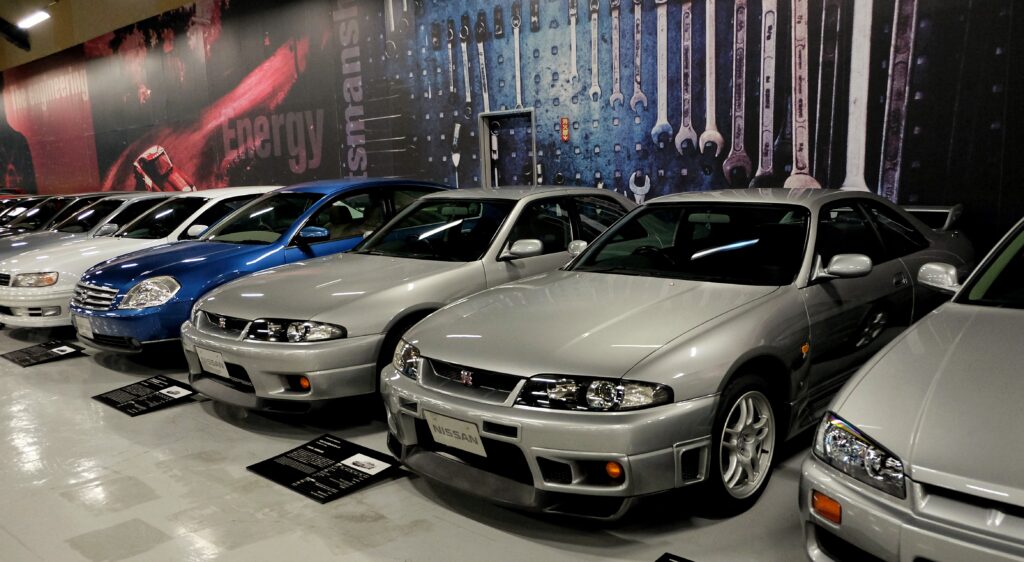
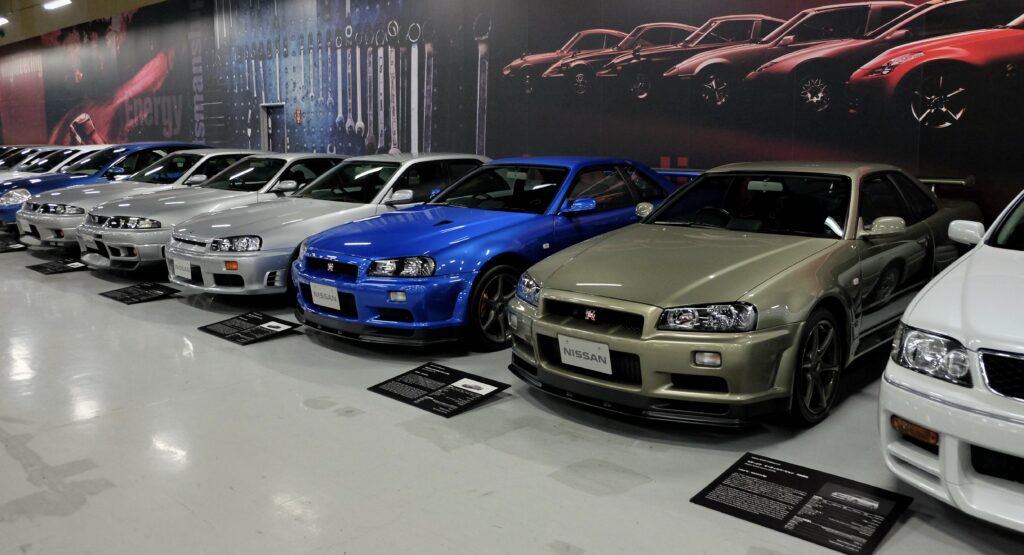
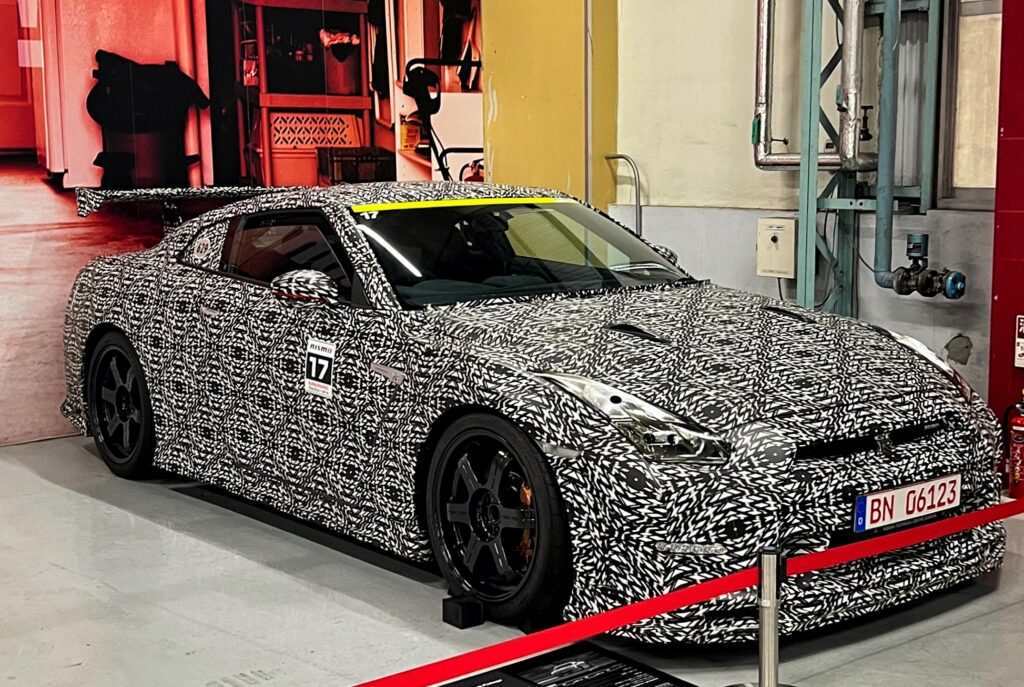
There are of course the lesser known but still invaluable cult classics like the Pulsar GTi-R and March Turbo.
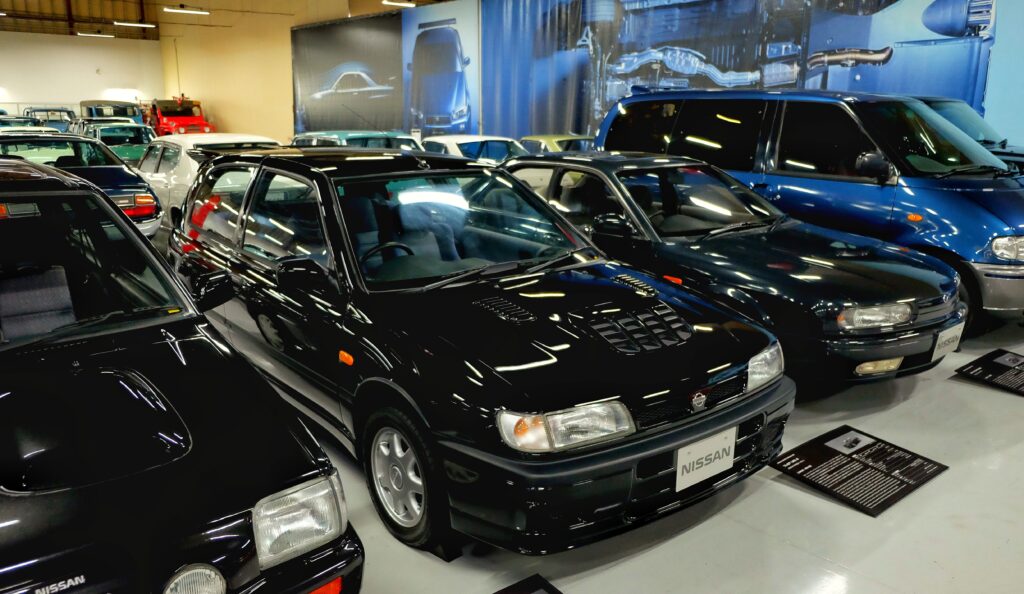
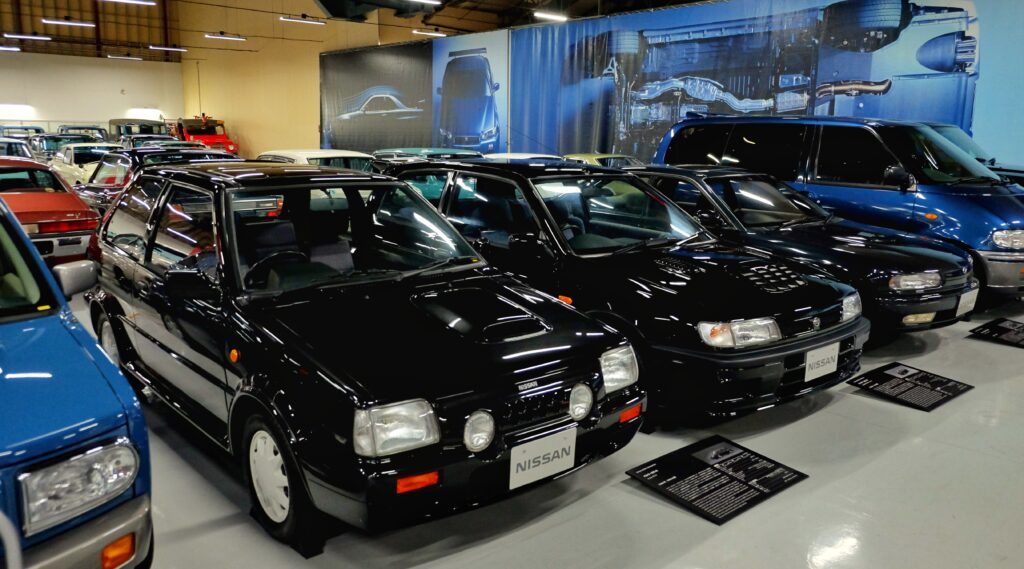
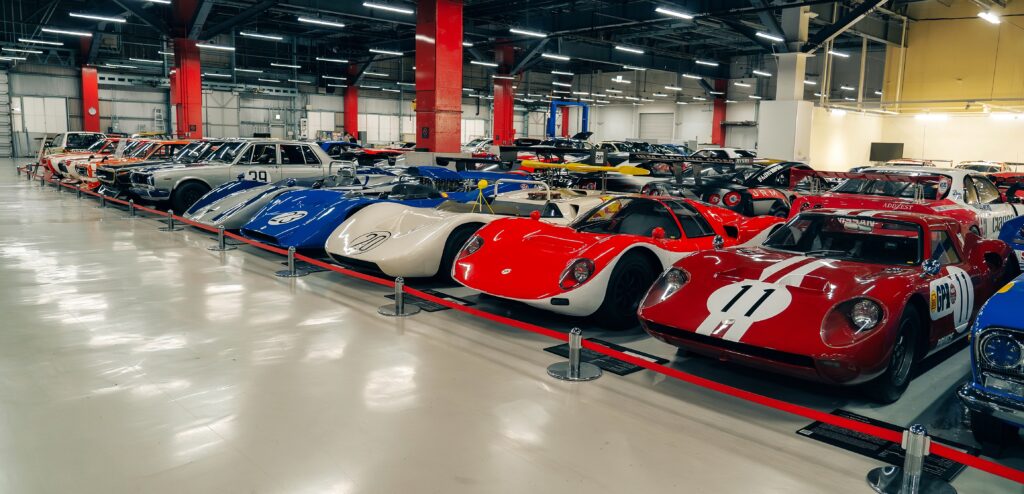
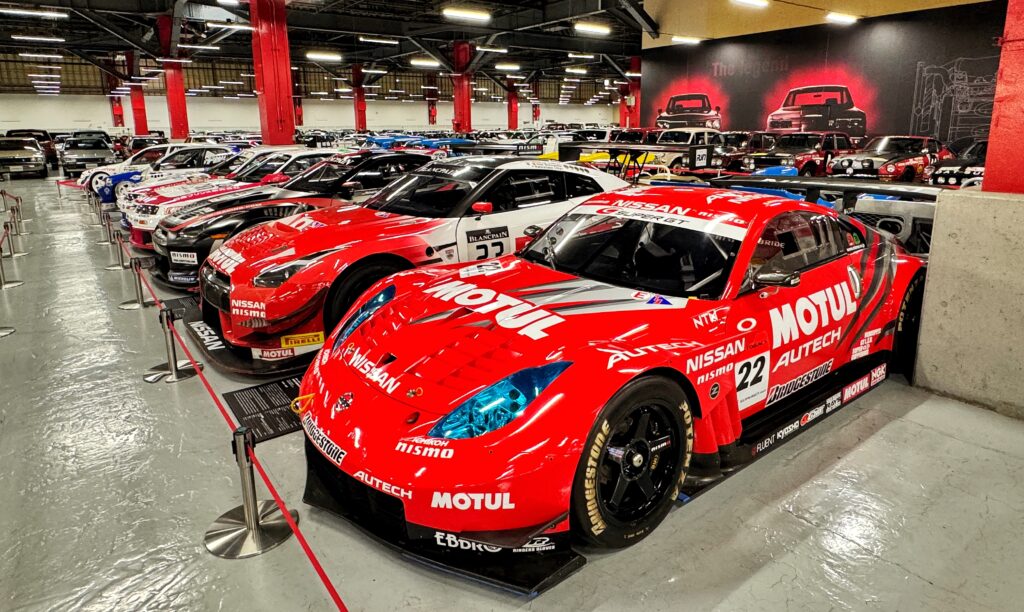
But for me the true highlights were the race and rally cars.
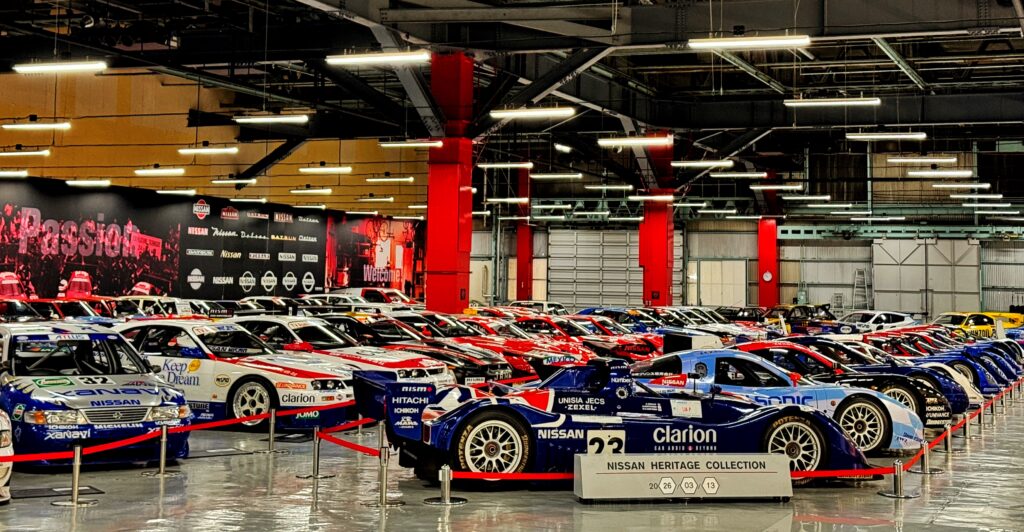
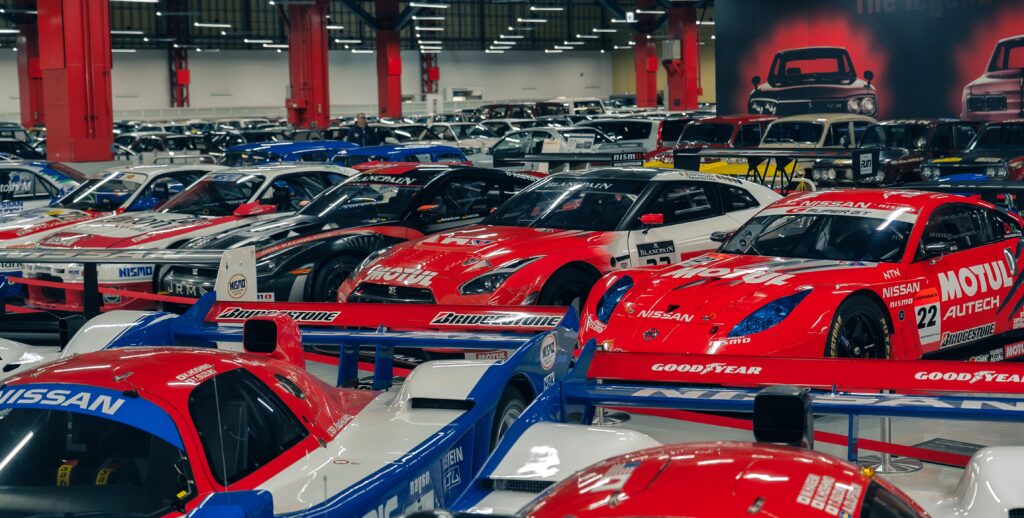
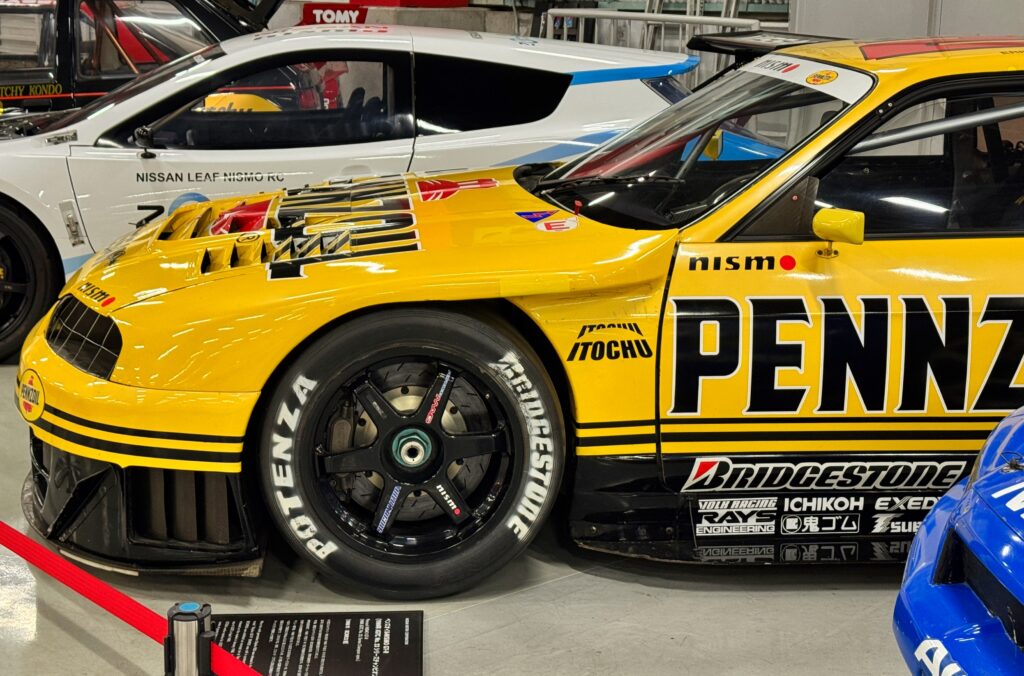
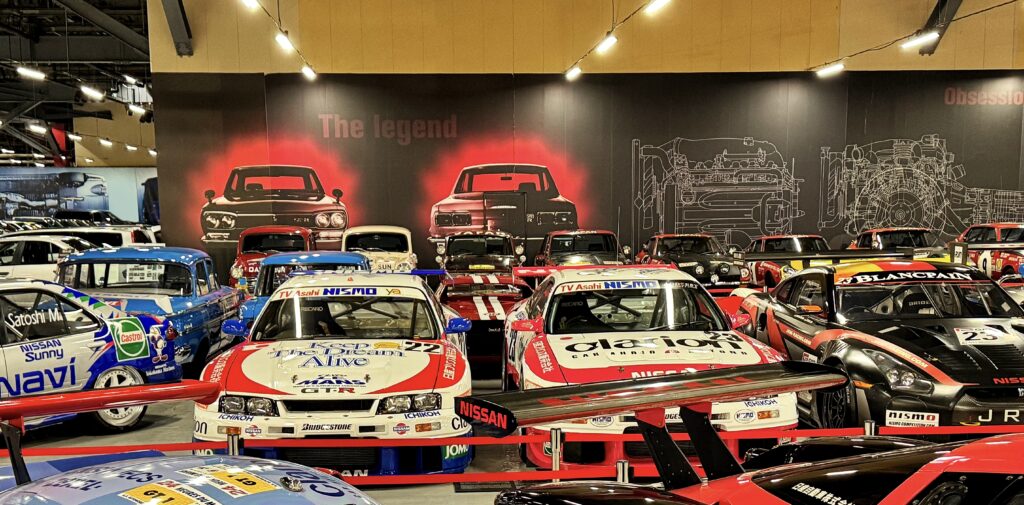
These are the machines that turned Nissan from a respected manufacturer into a global motorsport force. Race cars like the legendary Tomica liveried Nissan Skyline RS Silhouette Formula.
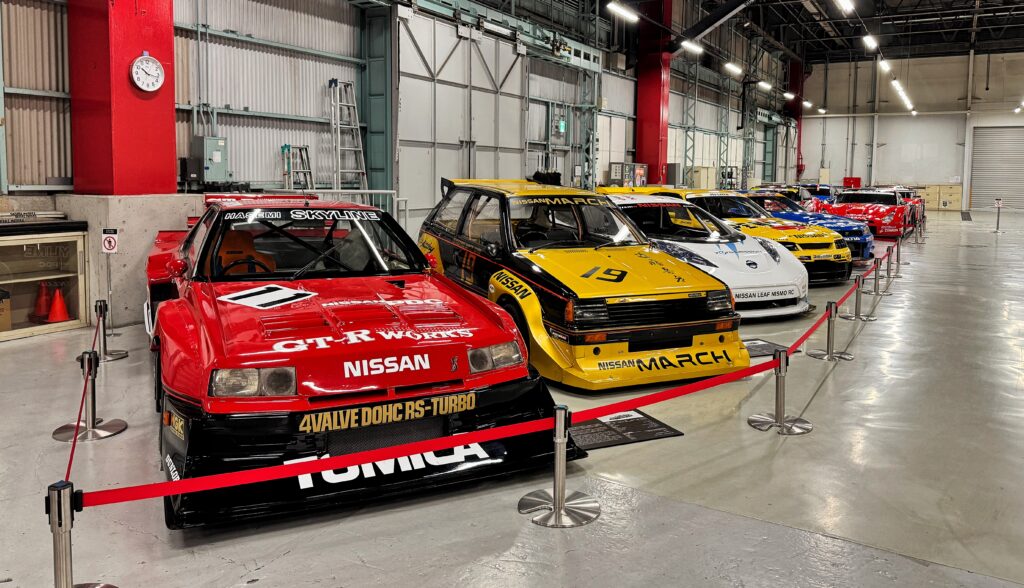
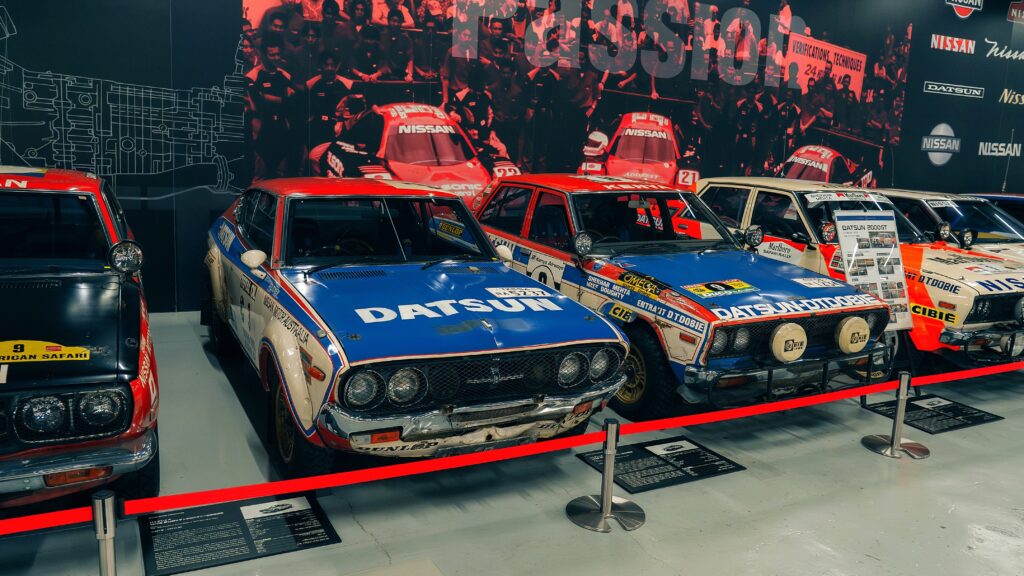
Classic rally car contenders,
touring cars from BTCC, JTCC and elsewhere,
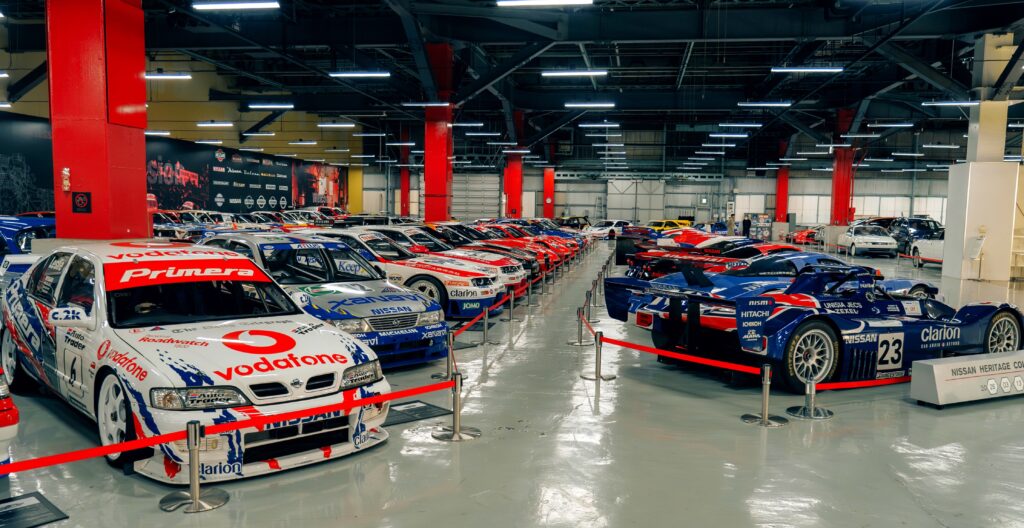
and Group A Skyline GT-Rs—all meticulously preserved—tell the story of Nissan’s competitive spirit.
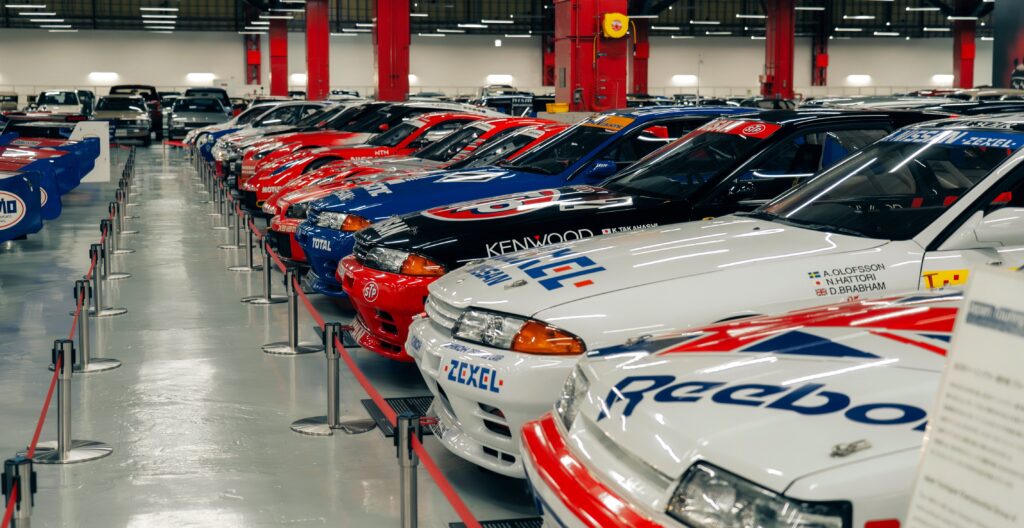
The Group A GT-Rs in particular stand out, representing a dominant era in touring car racing that eventually paved the way for the JGTC and modern Super GT series.
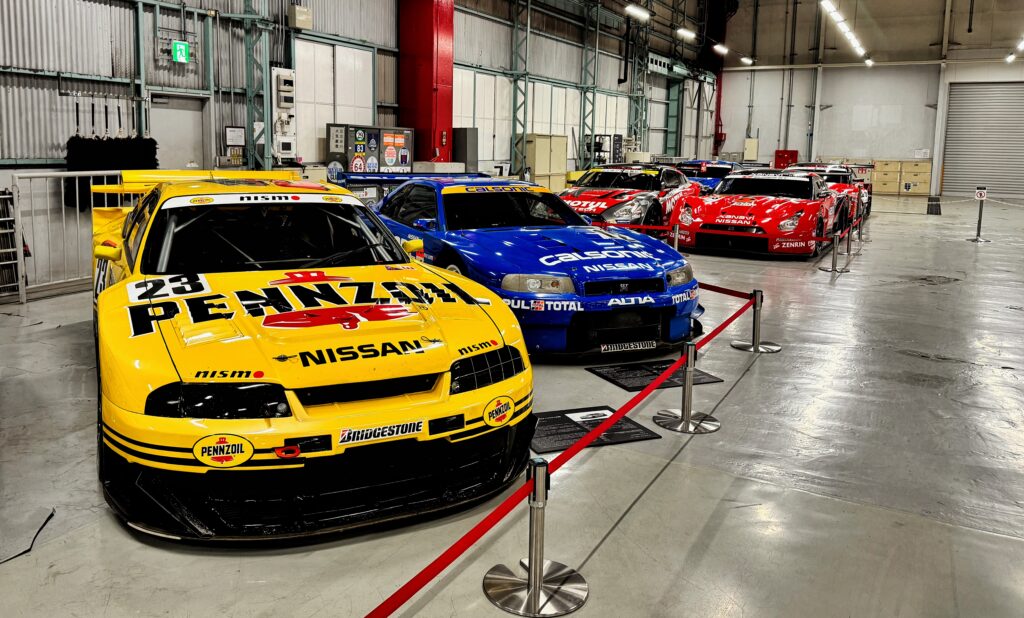
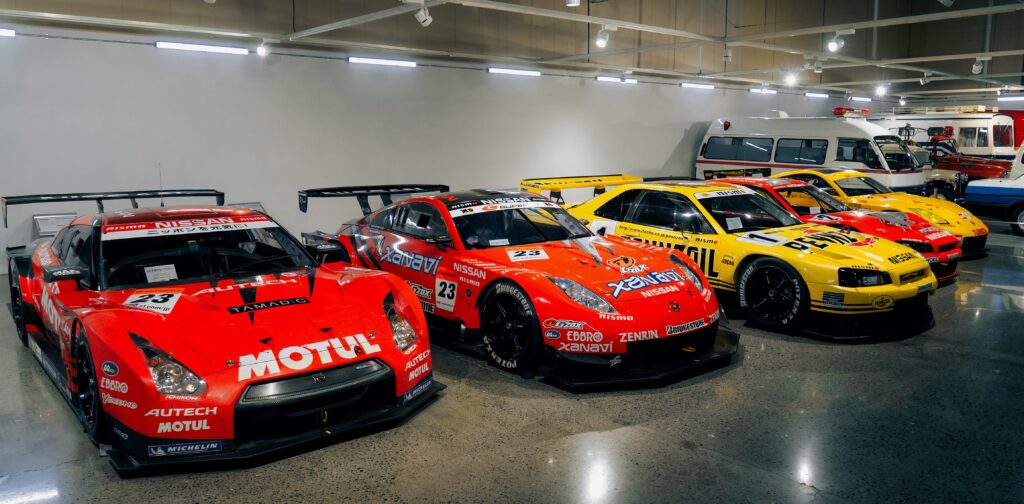
Special mention goes to the two R33 GTR’s modified from the JGTC GT500 class to the Le Mans GT-LM class and competed in 1995 and 1996 at the famed French endurance classic alongside rivals from Toyota (the Supra) and Honda (the NSX).
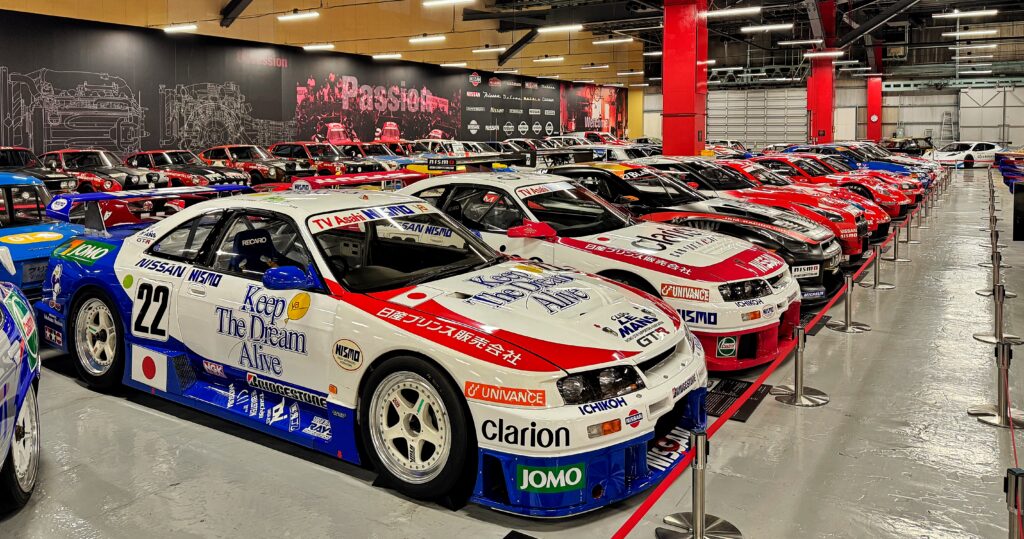
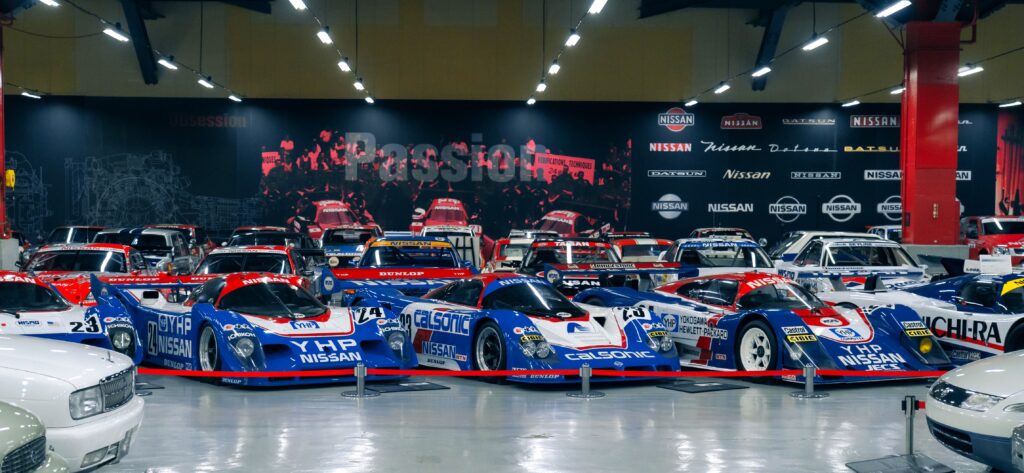
Equally captivating are the Group C prototype race cars. These are the cars that brought me back to my childhood, and my life-long romance with fast cars.
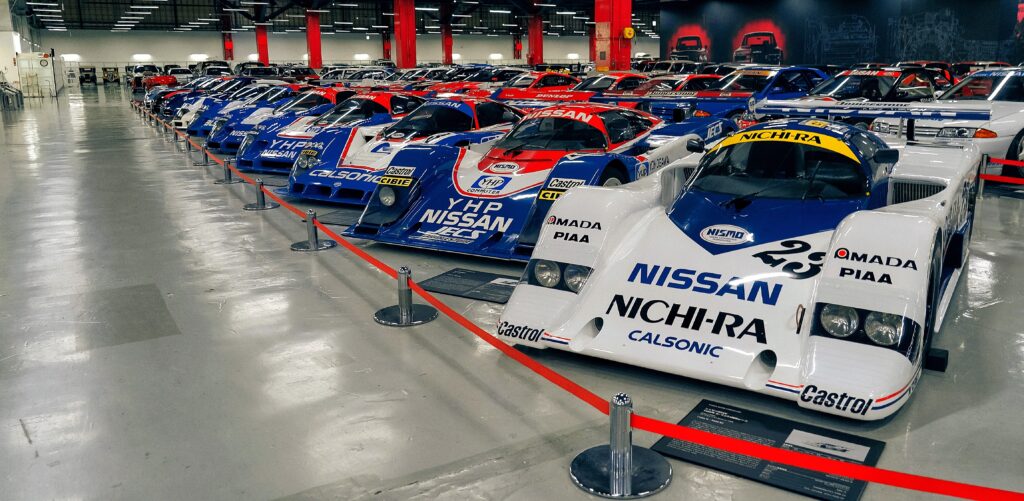
Low-slung, aggressive, and purpose-built for endurance racing, these machines embody a different kind of engineering philosophy—one focused entirely on speed, efficiency, and durability over long distances.
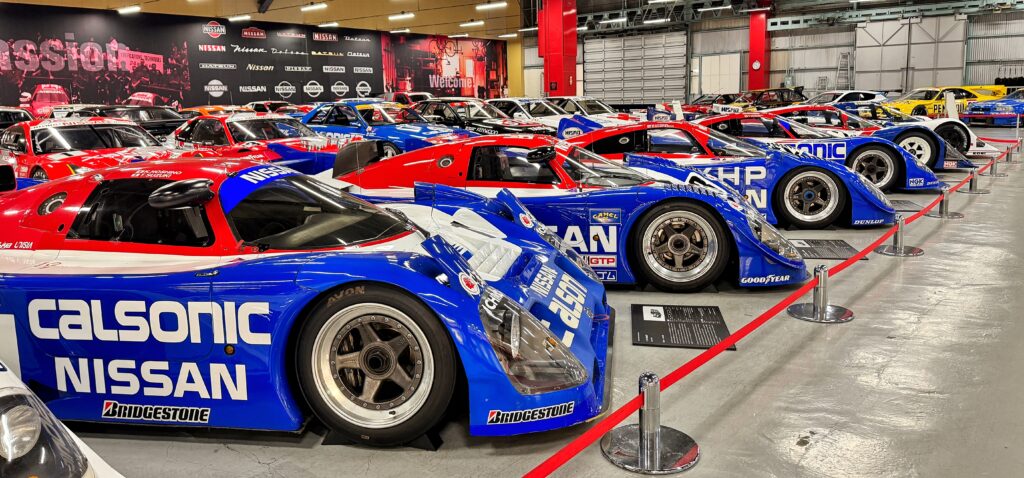
They are stark contrasts to the road cars surrounding them, yet both share the same unmistakably Nissan DNA.
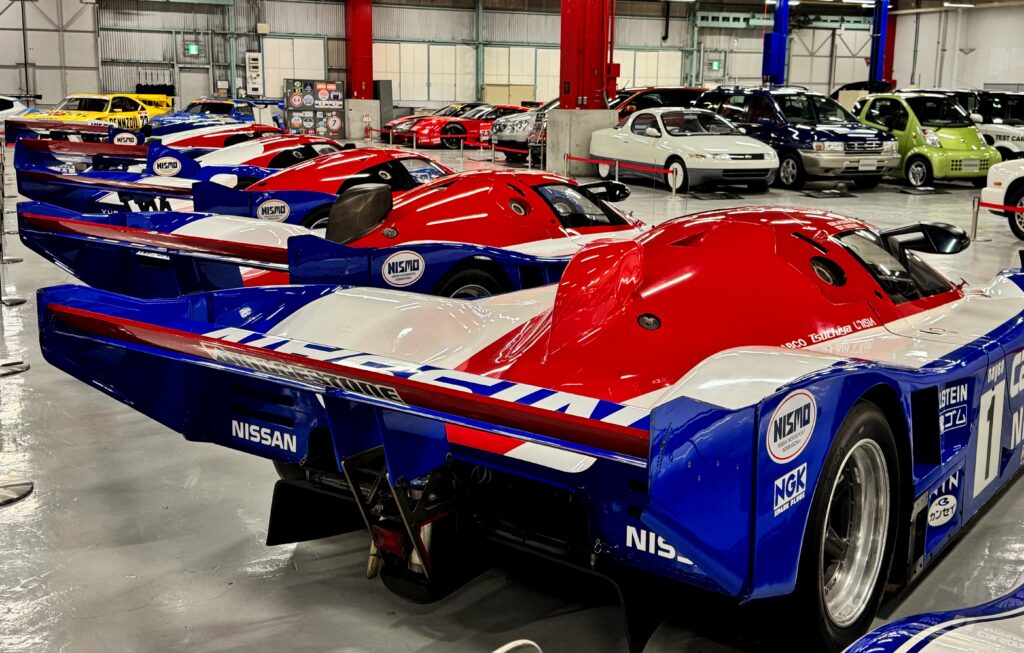
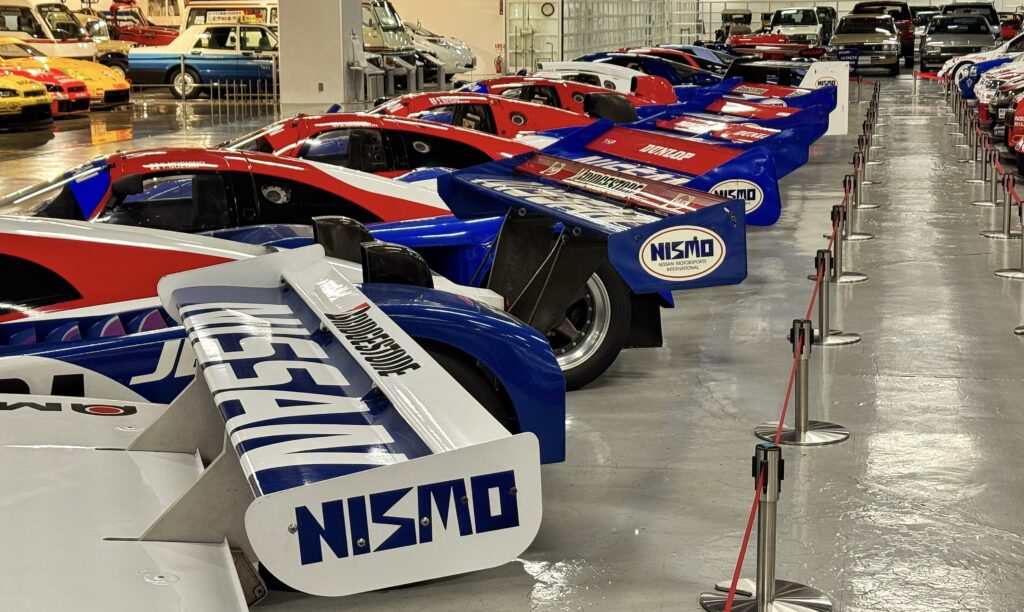
These were the cars that fueled my imagination growing up. Back in the late ’80s and early ’90s, they existed only as posters, magazine features, or rough sketches on the back of my school notebooks.
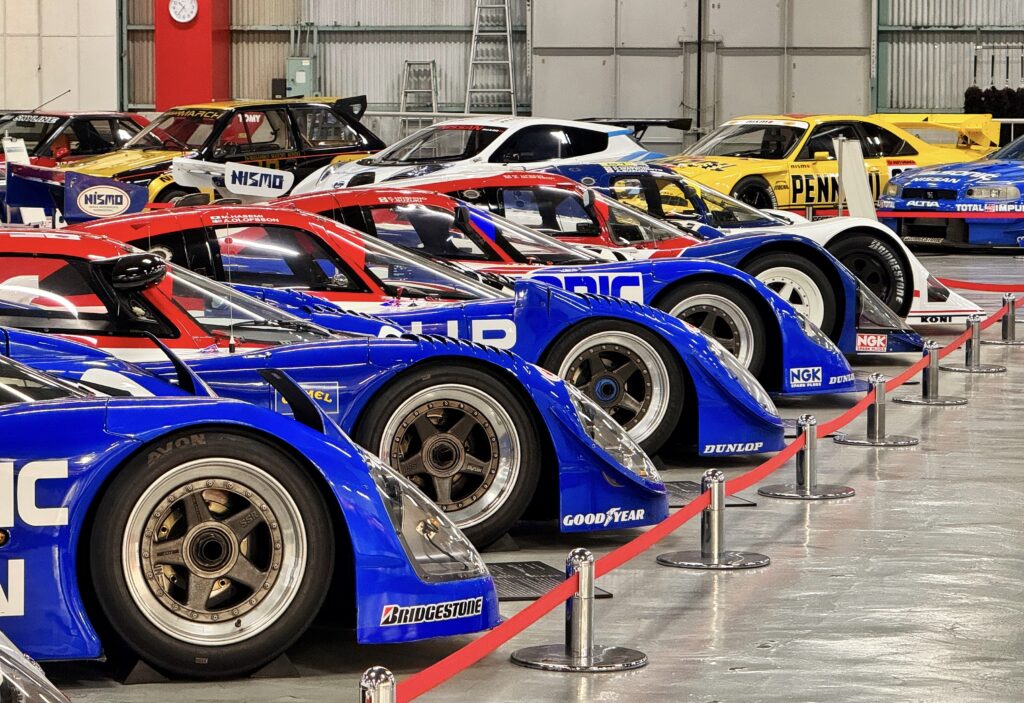
Seeing them now, up close and in the metal, brings a sense of closure to that childhood fascination, like reconnecting with a dream that always felt distant as you grew older. As a sidenote, the Group C cars are my absolute favorites in this storied collection.
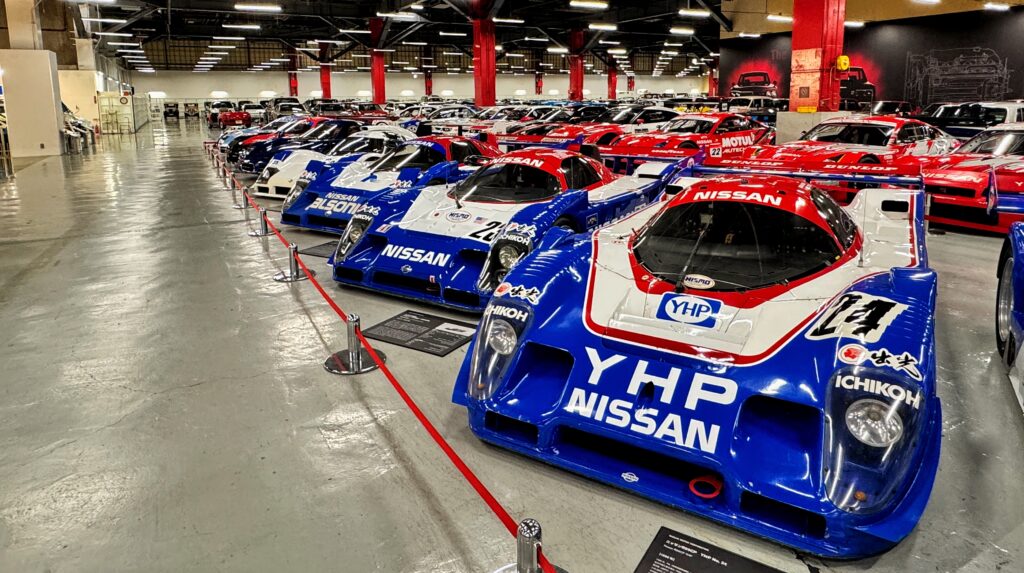
The Group C cars would eventually make way for the GTLM and then the GT1 class at Le Mans, wherein Nissan commissioned and entered the R390 GT1 to compete at Le Man’s top class.
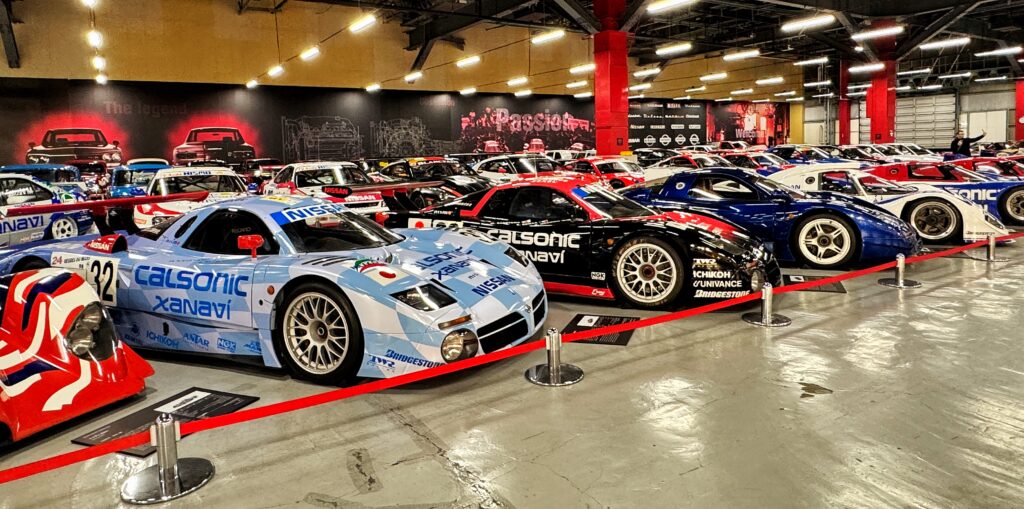
What makes the Zama Heritage Collection truly special isn’t just the cars themselves, but the way they are presented. There’s no overwhelming narrative being forced on you, no excessive multimedia displays or dramatic lighting. Instead, you’re free to explore at your own pace, to draw your own connections between models, eras, and ideas in what is very much a massive garage.
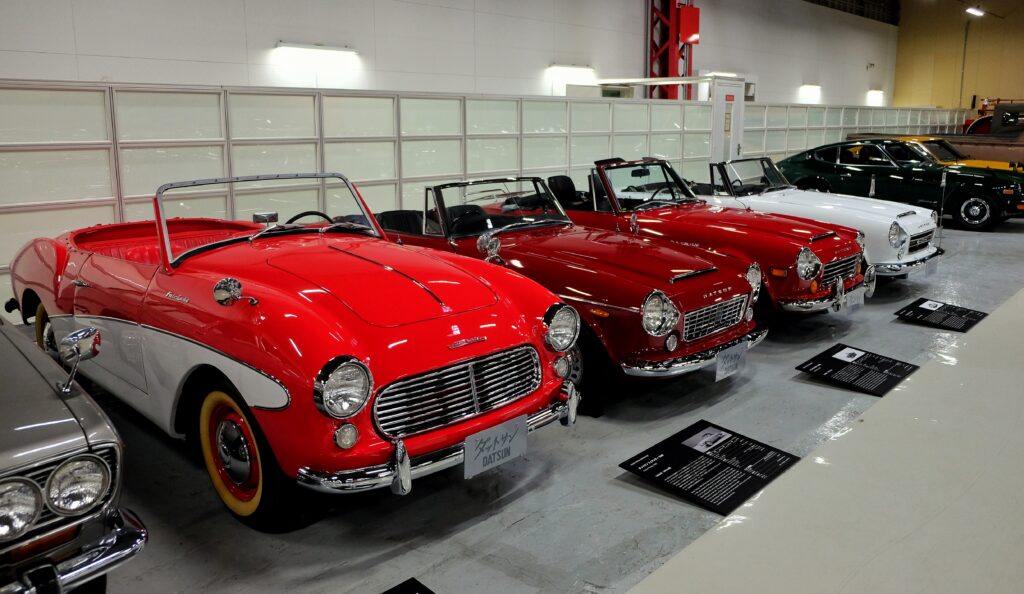
It’s a quiet, reflective experience, one that encourages you to appreciate not just the standout icons, but the full spectrum of Nissan’s history. From humble beginnings to global success, from everyday commuters to championship-winning race cars, it’s all here under one roof.
And perhaps that’s what makes it so memorable.
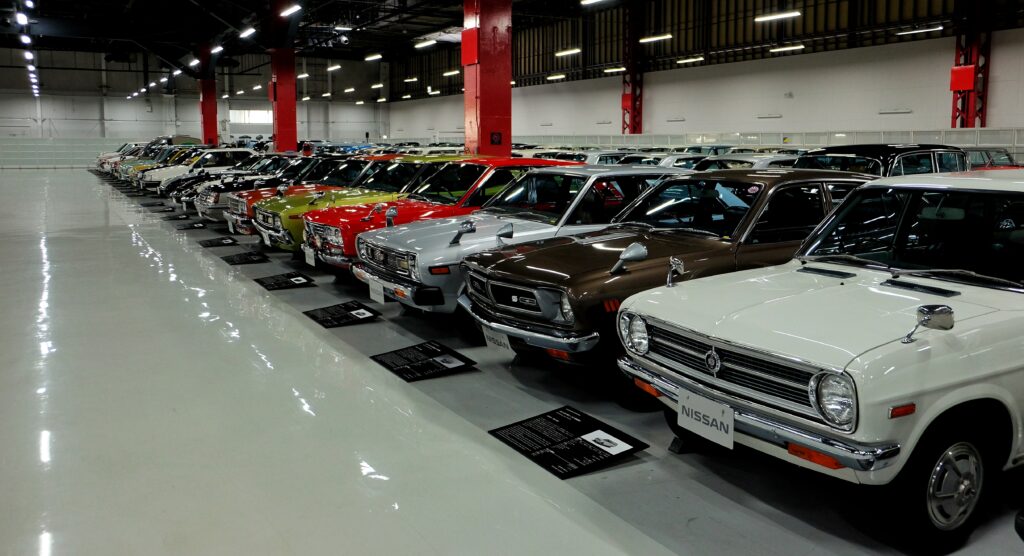
Because in this unassuming warehouse in Zama, you’re not just looking at cars. hyou’re looking at the story of a company, told through the machines that defined it.