
The Toyota Land Cruiser is perhaps the most identifiable model in Toyota’s vast lineup—and for good reason.
It is the brand’s longest-running nameplate, in continuous production since 1951, with global sales surpassing 10 million units across multiple generations. More impressively, many Land Cruisers built decades ago are still in active service today—a testament to its durability and engineering integrity.
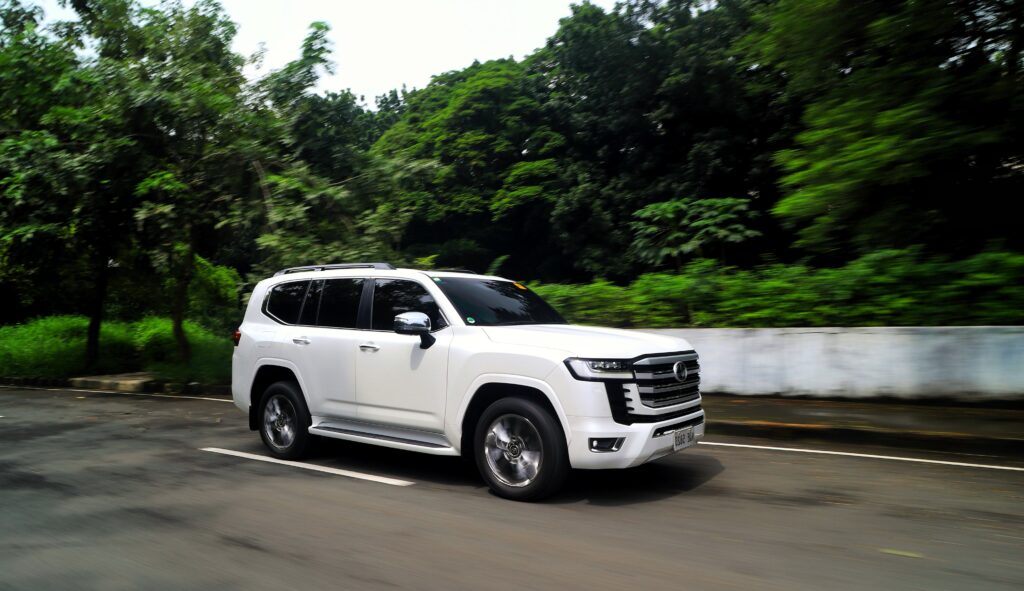
Over the years, the Land Cruiser has evolved into a full family of vehicles, including lighter-duty variants and offshoots like the Toyota FJ Cruiser. Its presence is equally diverse: from conflict zones, emergency rescue and outreach missions, military convoys to luxury hotels, corporate fleets, and country clubs around the world. It is as much a tool as it is a statement—favored by off-road enthusiasts, professionals, and, occasionally, those looking to simply project authority on the road.
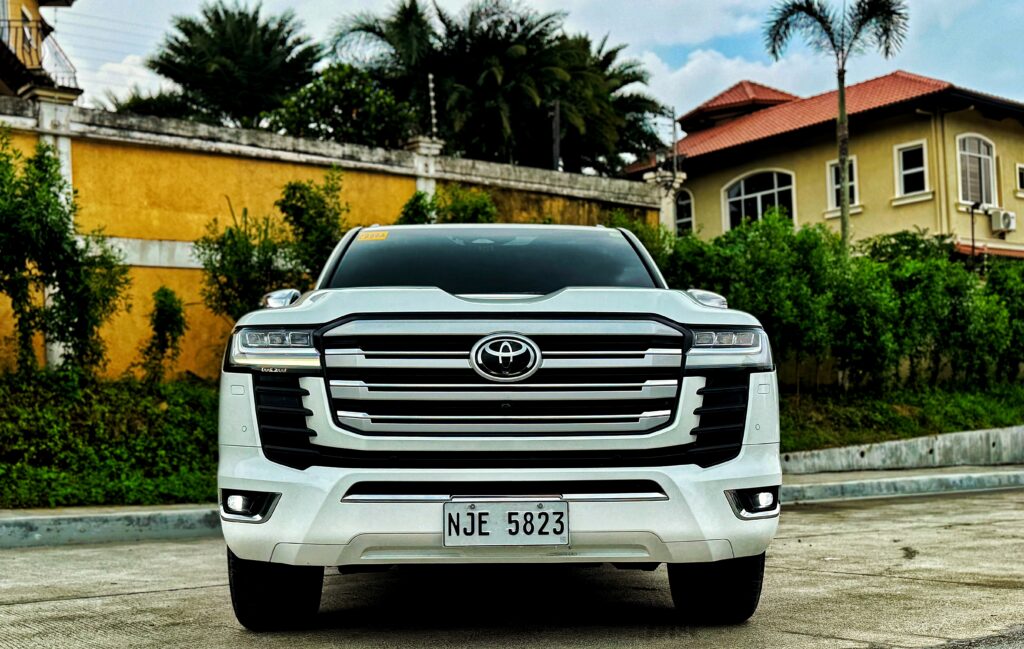
The Land Cruiser’s versatility is reflected in its many forms. It has been offered as a convertible, hardtop, station wagon, and pickup, powered by both diesel and gasoline engines and for the first time, a hybrid variant. From its origins as a utilitarian military vehicle, it has steadily transformed into a refined, luxurious yet still capable SUV that doesn’t abandon its core strengths.
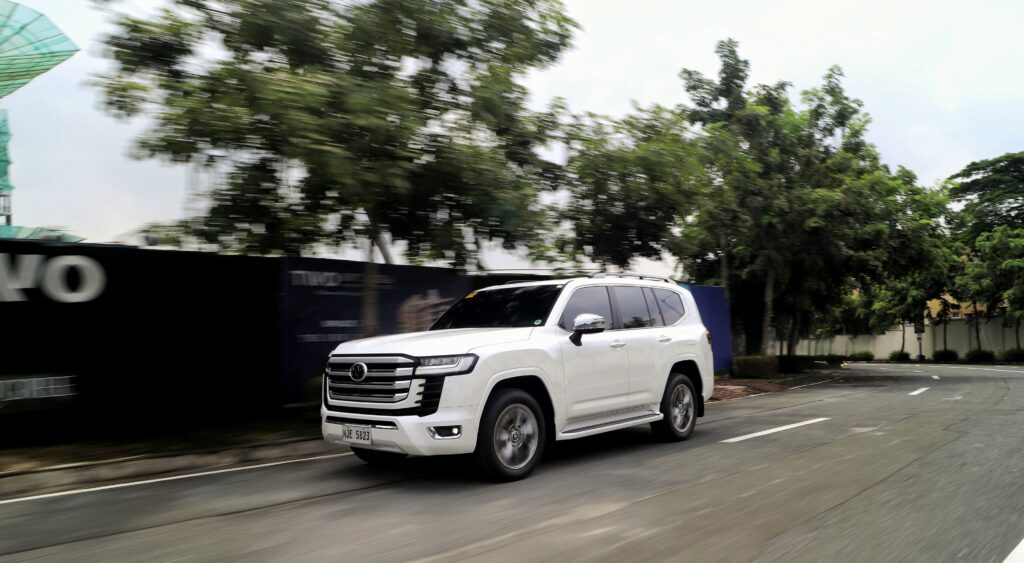
Which raises the question: what makes the Land Cruiser so enduringly relevant, especially in an era shifting toward electrification and autonomous driving? Are there in fact any undiscovered lands left to conquer?
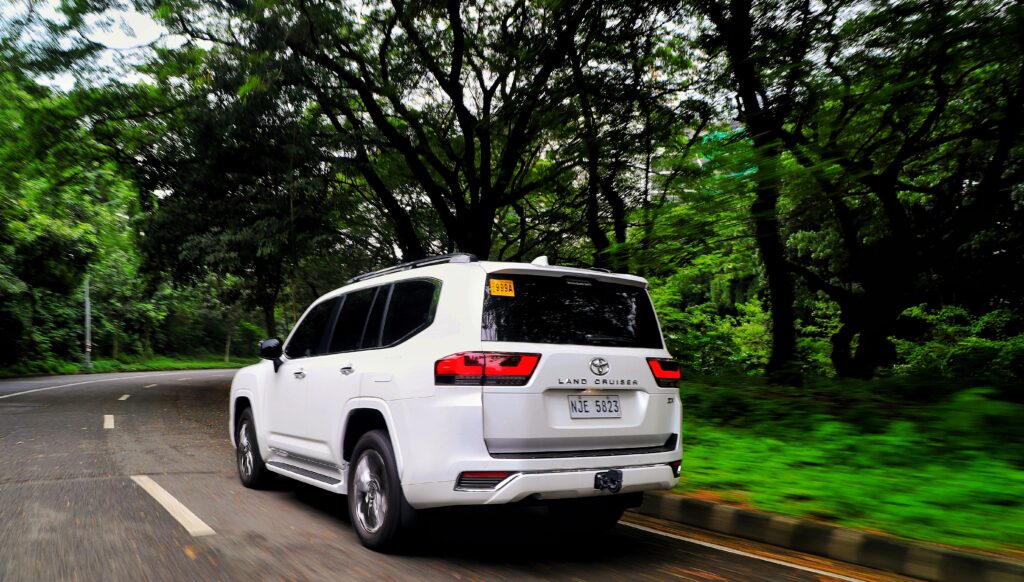
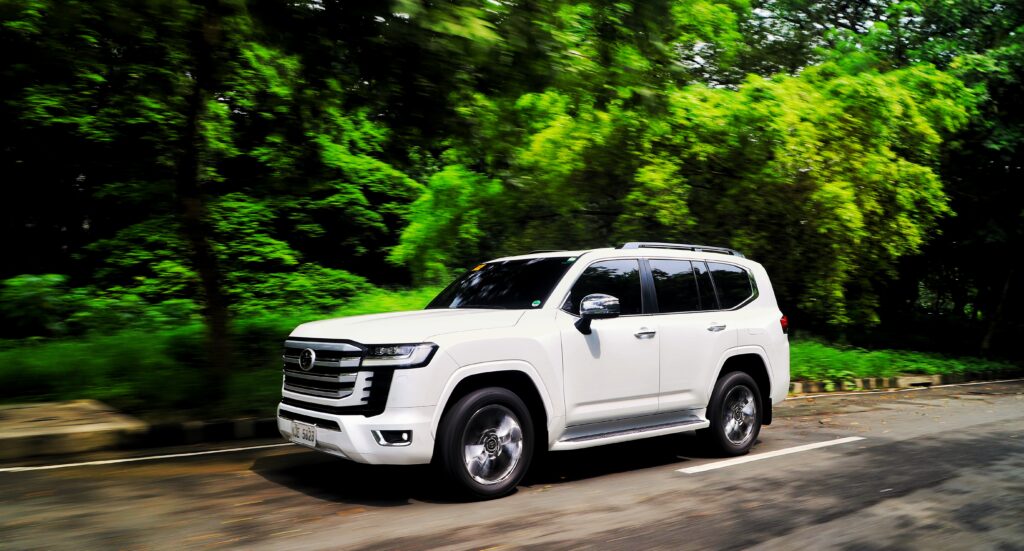
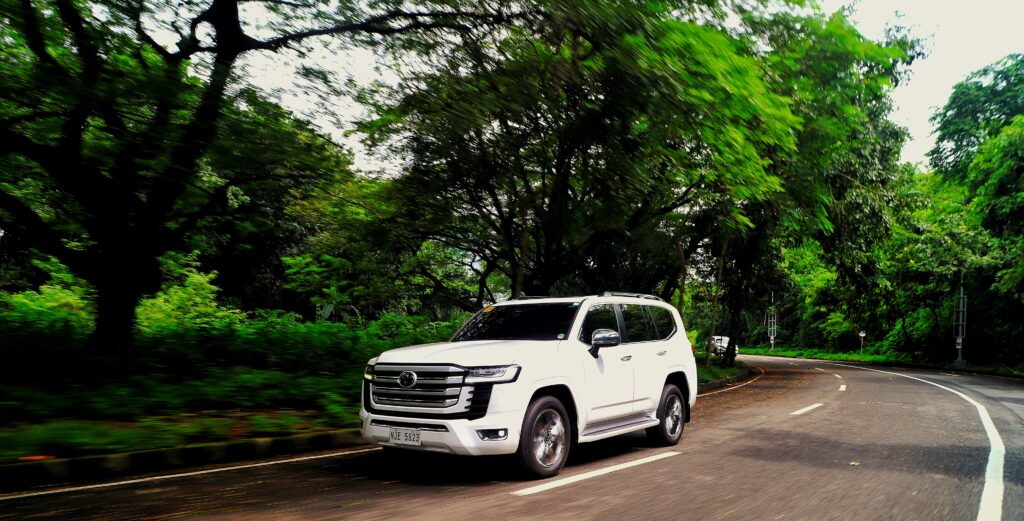
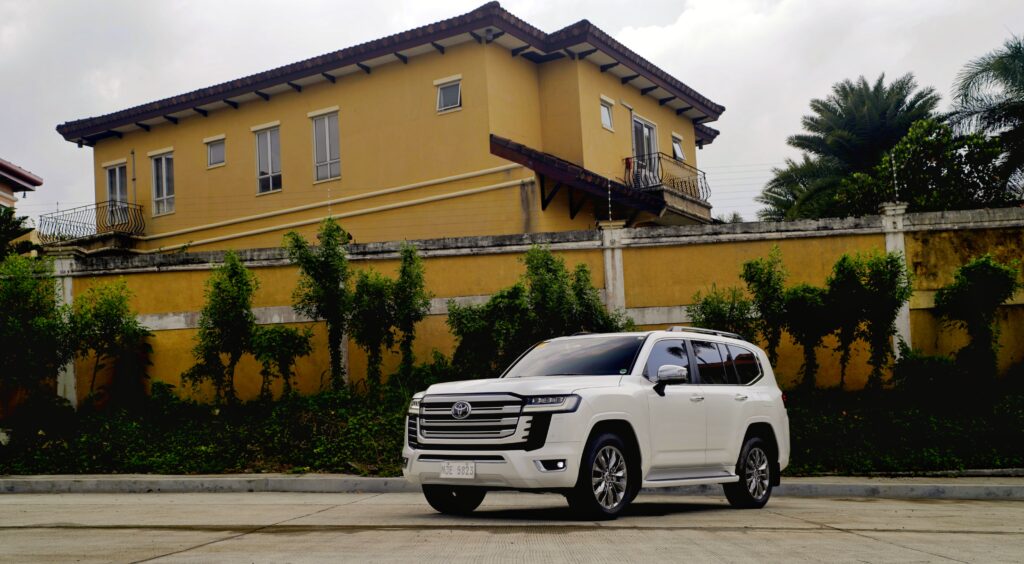
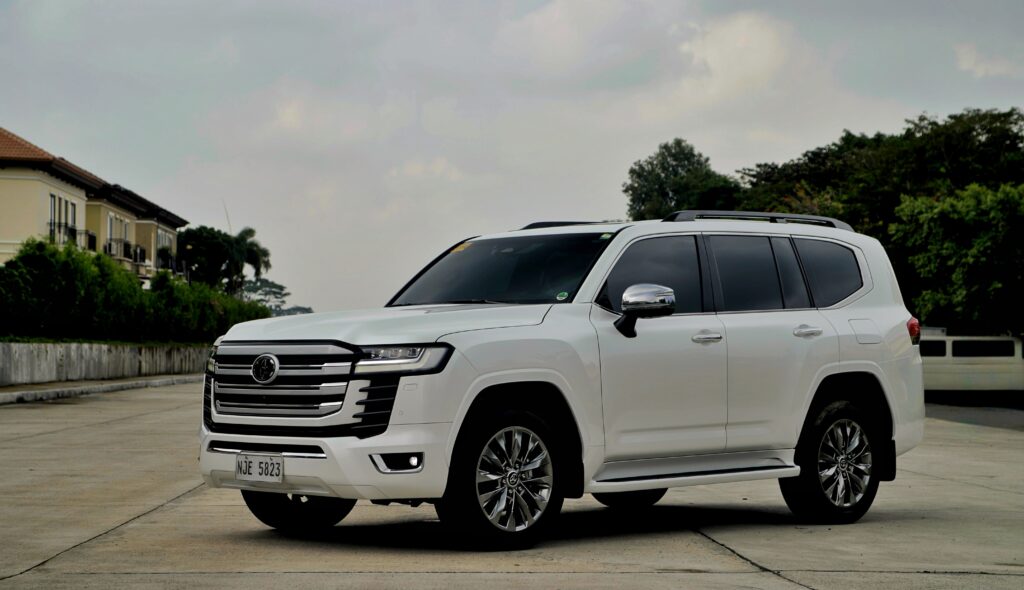
That question lingered as we took a friend’s newly acquired Toyota Land Cruiser LC300 for a drive down south to remind ourselves why it remains to be the gold standard in proper all-road, all-conditions yet luxurious motoring.
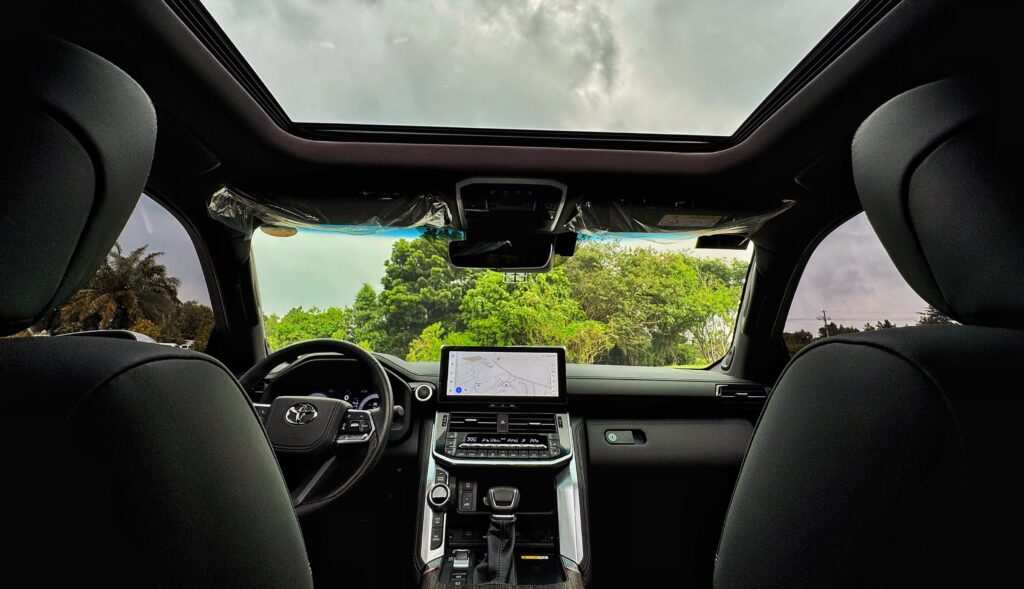
The LC300 generation represents a significant leap forward. Built on Toyota’s TNGA-F platform, it is lighter—by roughly 200 kilograms—while also being stiffer, safer, and more spacious than its predecessor. Unlike the traditionally rugged but somewhat crude body-on-frame setups of older models, this new architecture elevates both comfort and driving dynamics, particularly on paved surfaces without compromising durability.
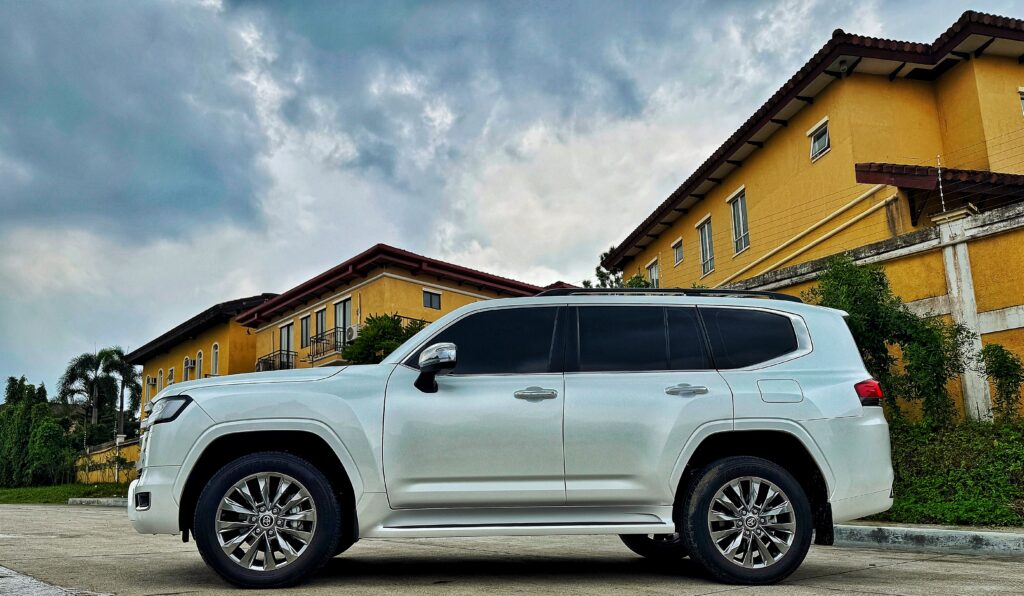
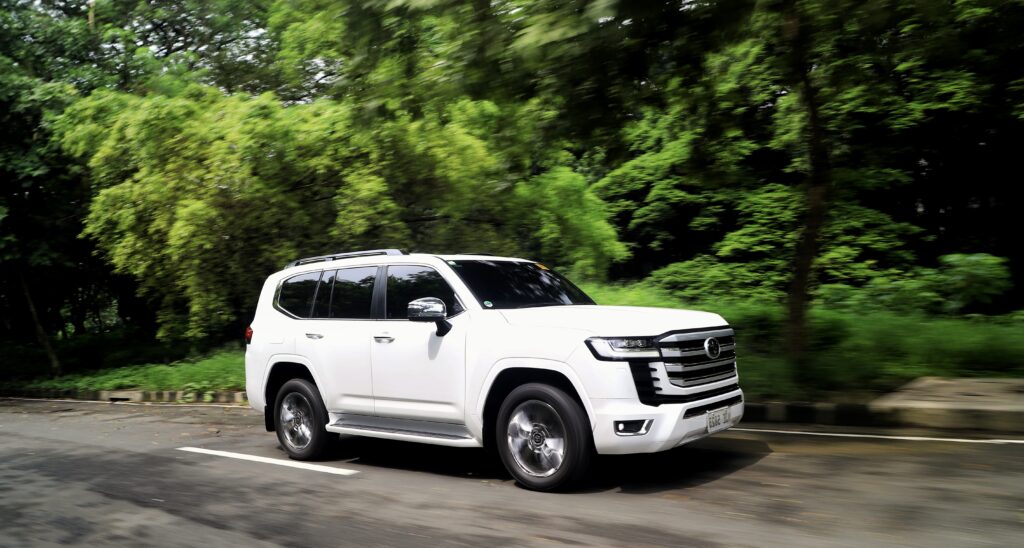
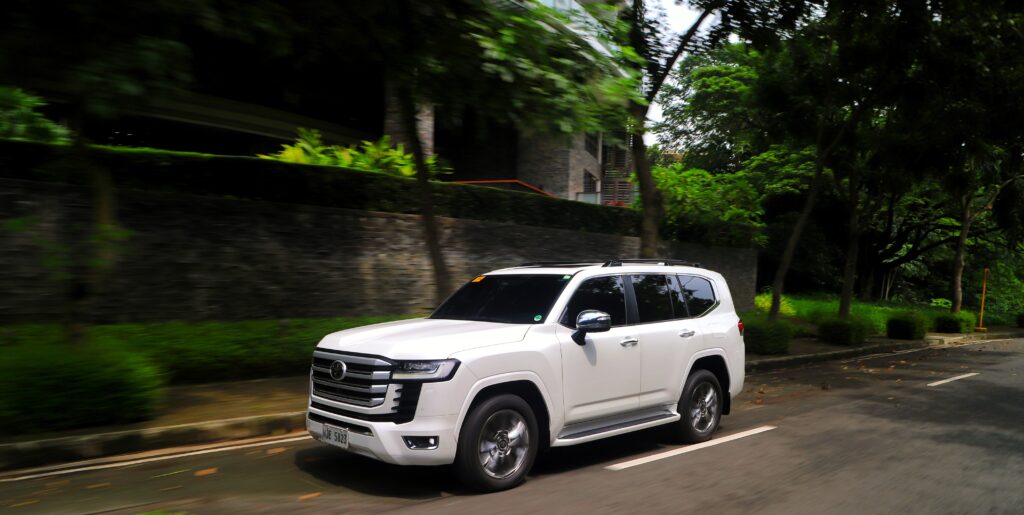
The result is a Land Cruiser that feels far more modern on the road. The updated suspension—double wishbones up front and a multi-link rear—delivers improved composure and control, especially on fast, flowing highways. Where previous generations felt slow, dim-witted and agricultural in everyday on-road driving, the LC300 feels refined, responsive, and surprisingly agile.
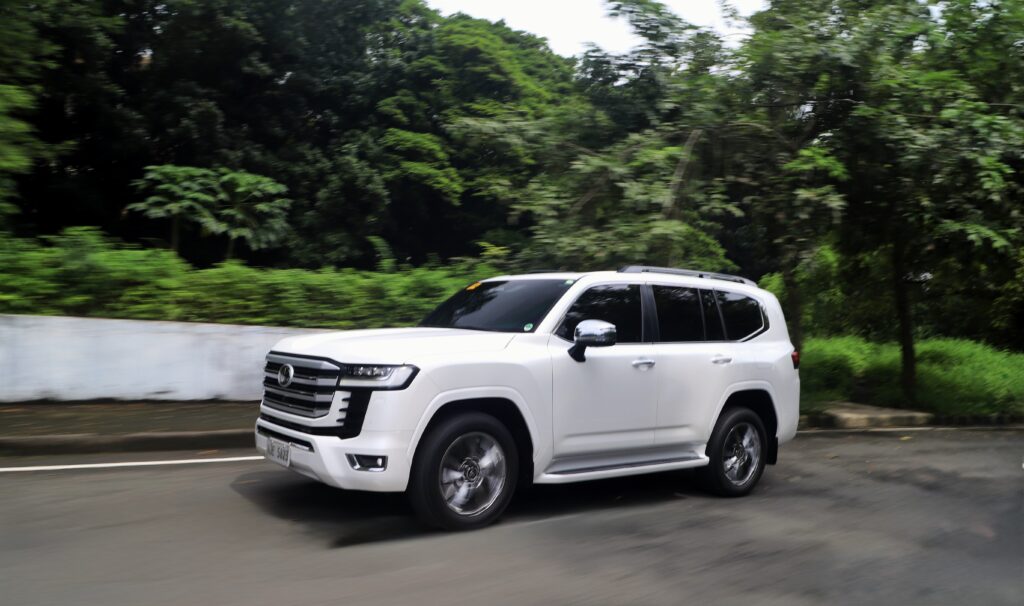
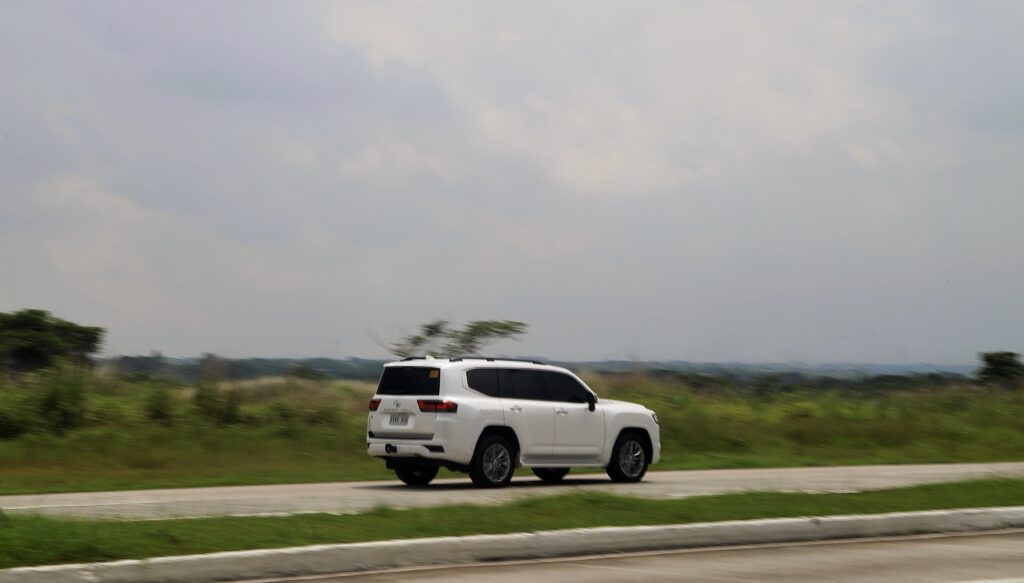
On a fast and flowing A-road, the LC300 generation Land Cruiser feels alive. Even better, find an open plain or some rally-style dirt trails and the Land Cruiser will show why it’s the boss.
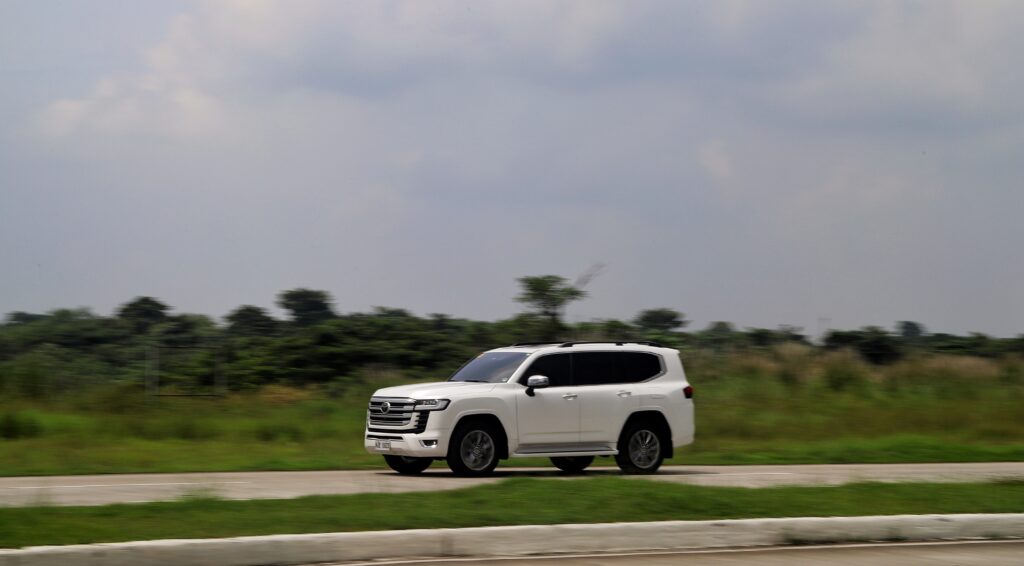
I remember driving it at launch and remarking that it felt more European than Japanese, like a Porsche Cayenne or BMW X5 in its road manners instead of any Land Cruiser that came before it. Five years on, that impression still holds. Fast, intuitive, incisive and highly engaging the faster you go, on paved roads especially.
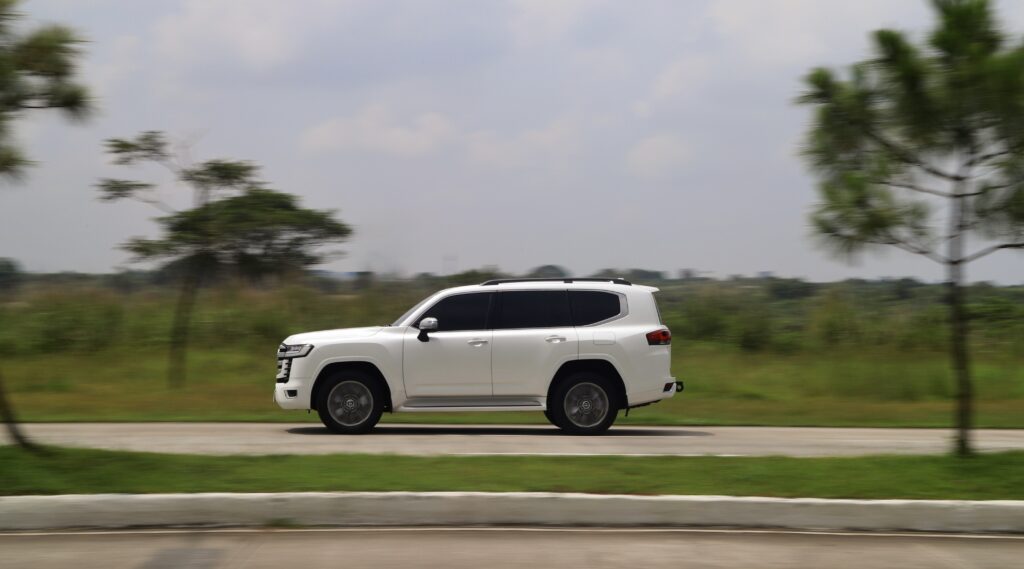
Under the hood, the LC300 replaces the old V8 with a more powerful and more efficient 3.3-liter twin-turbo diesel V6, producing 309 horsepower and a formidable 700 Nm of torque. It’s not just more powerful—it’s also smaller and lighter, improving braking, handling, and overall responsiveness. There’s also the benefit of better weight distribution, a larger front crash structure for better cabin safety and better overall packaging.
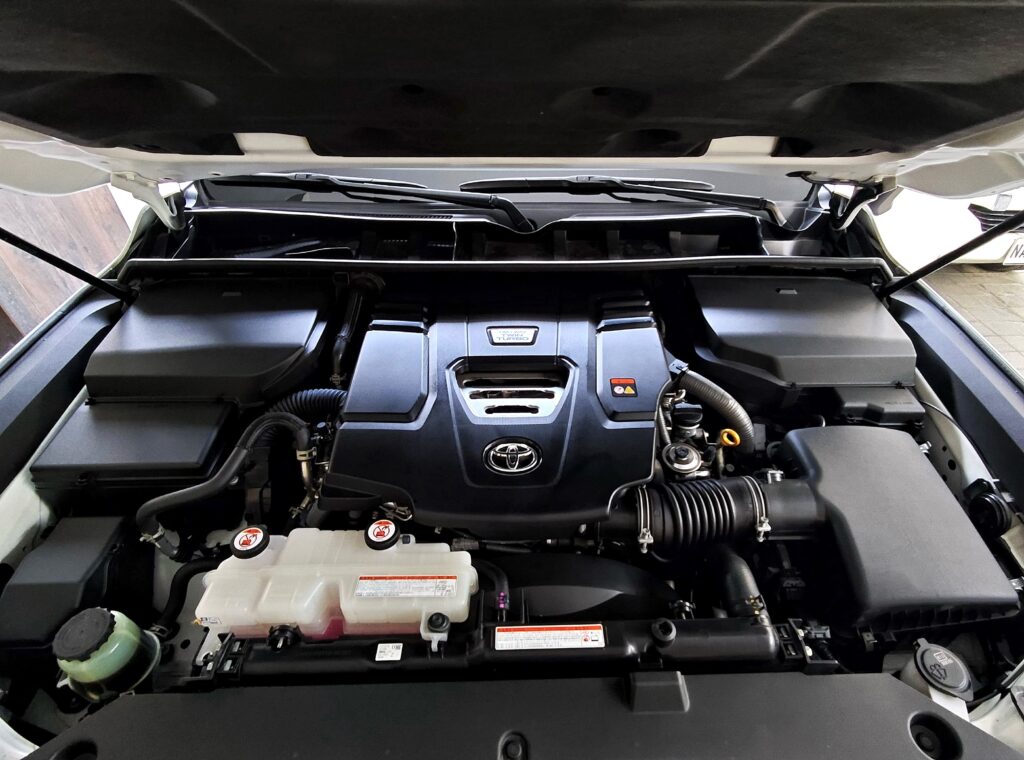
Paired with a 10-speed automatic transmission, the powertrain delivers strong in-gear acceleration while maintaining relaxed cruising ability. It’s a drivetrain built as much for long-distance touring as it is for tackling difficult terrain.
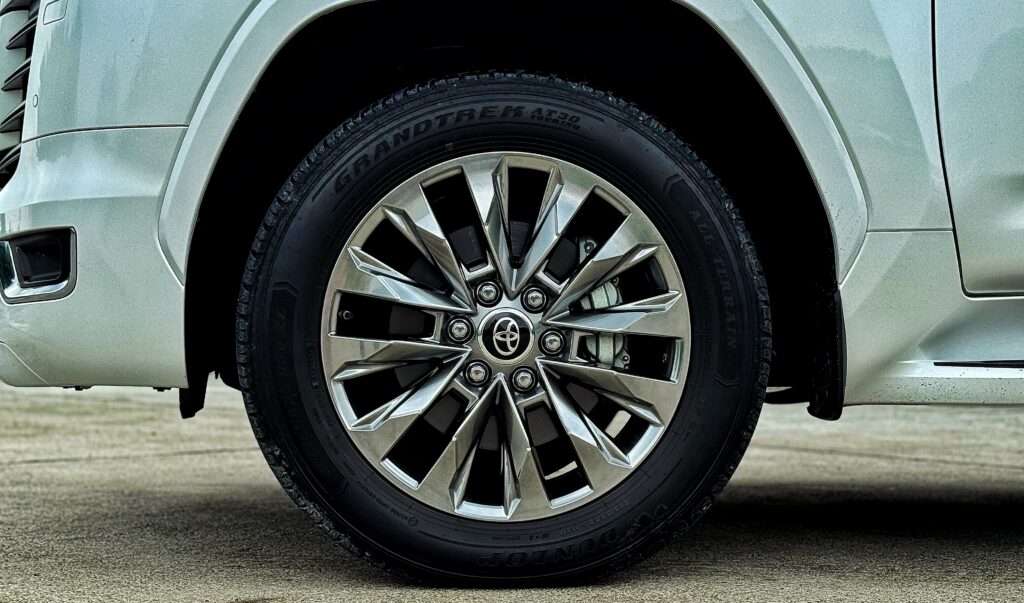
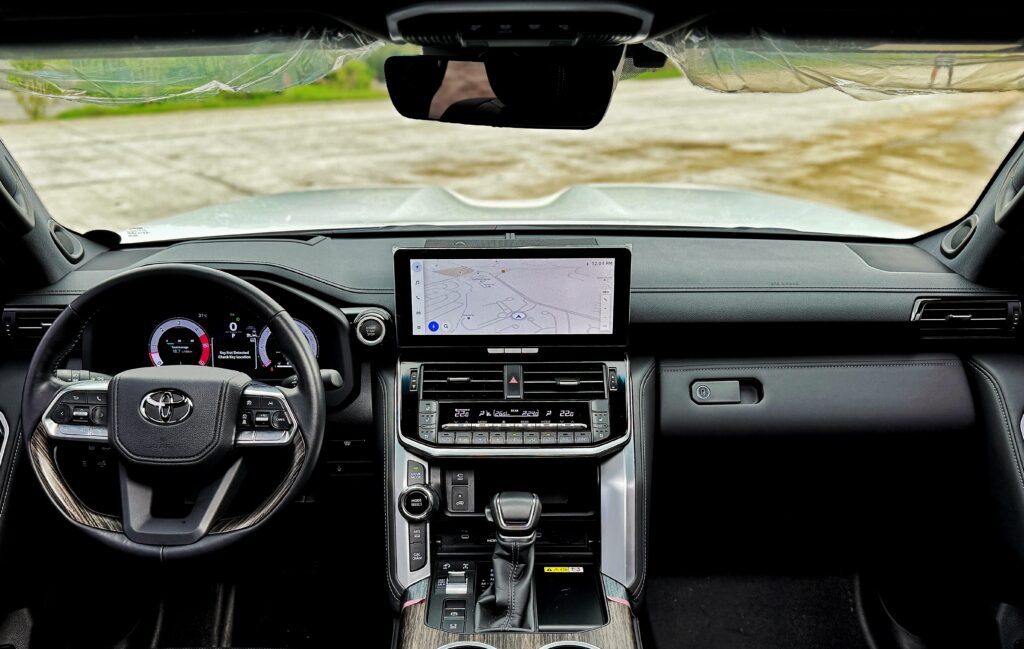
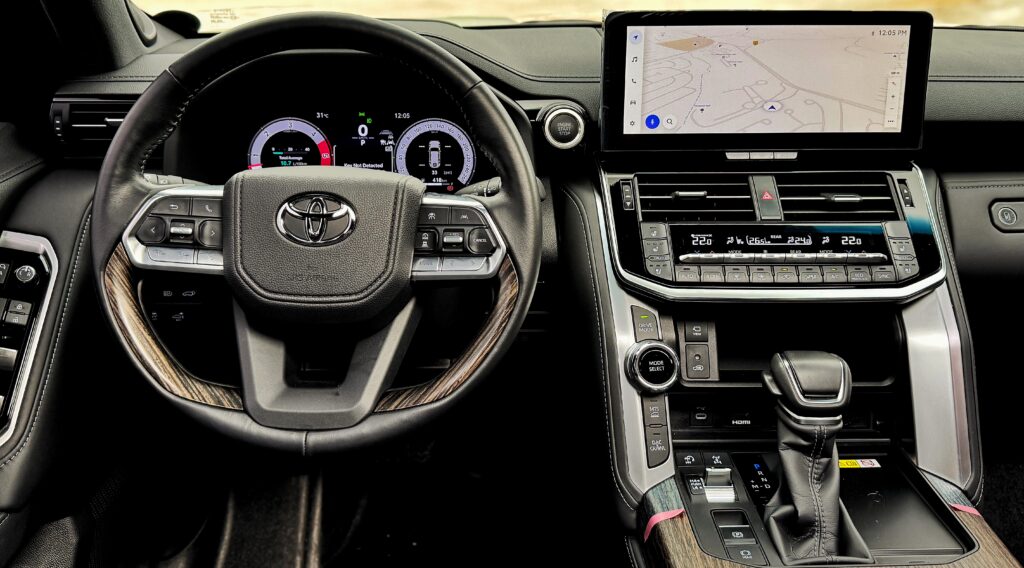
Inside, the cabin remains true to the Land Cruiser ethos: functional, durable, and today, quietly luxurious. Leather upholstery,
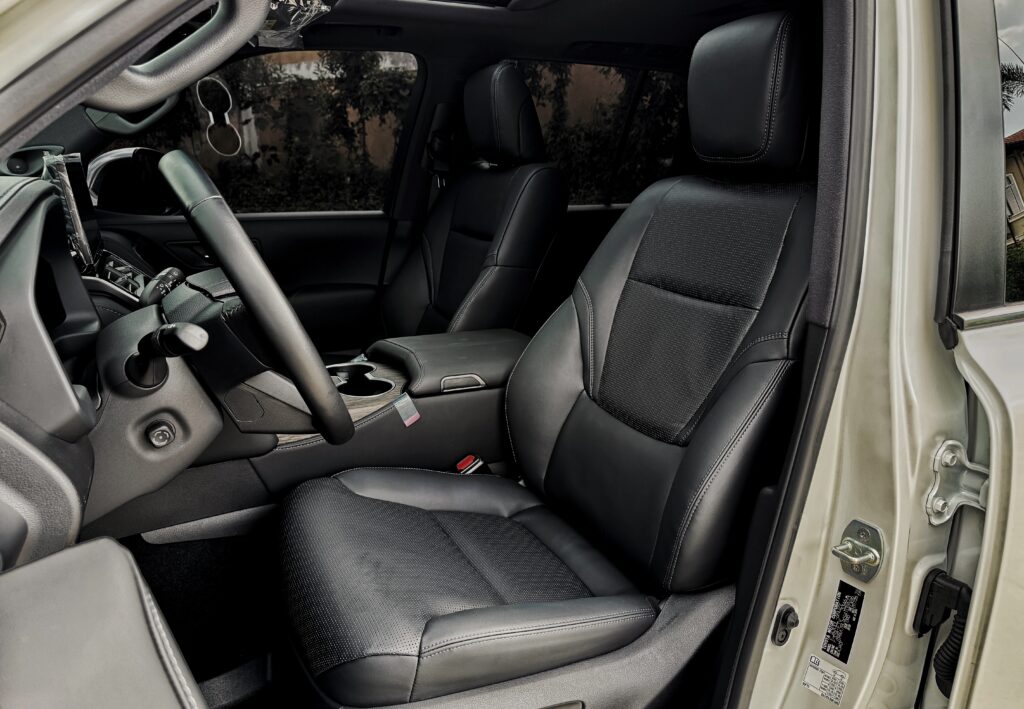
a modern infotainment system with wireless Apple CarPlay plus a wireless charging pad,
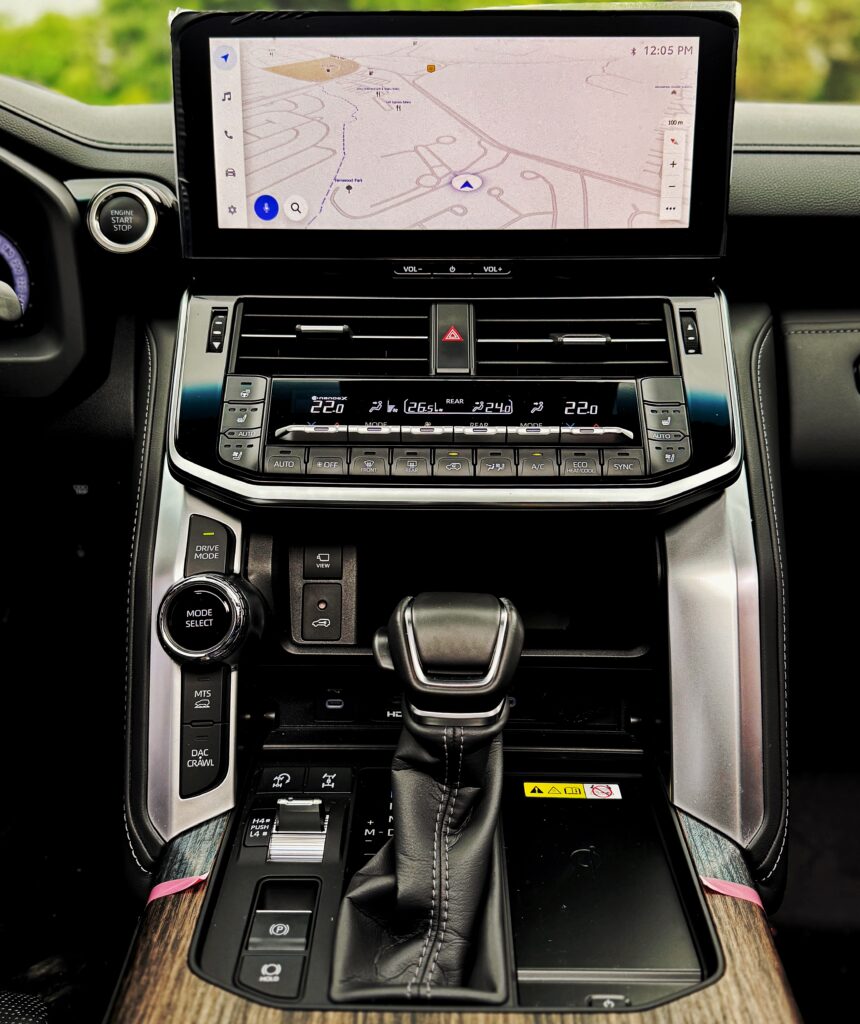
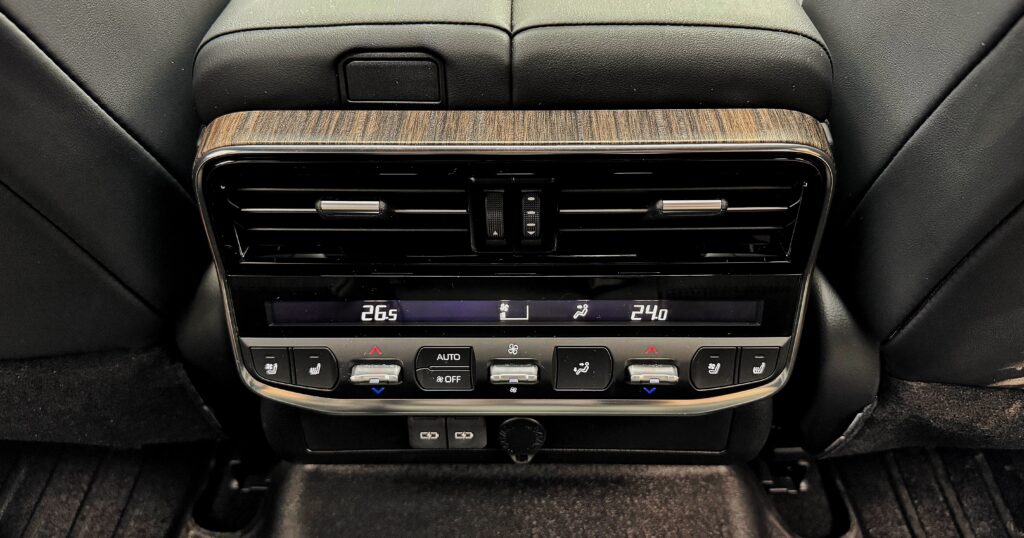
a quad-zone climate control system with the latest Nano filtration in this health-conscious world,
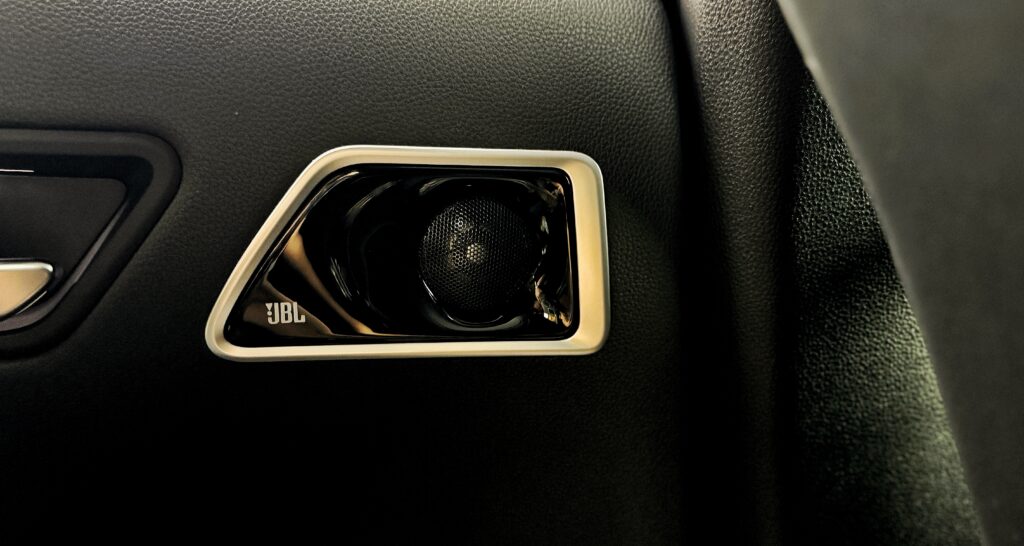
a powerful JBL hi-fi surround sound system for streaming your Spotify tunes,
and Toyota Safety Sense 3.0 all contribute to a well-rounded, user-friendly environment. It may not be the flashiest interior in its class, but it is purposeful and built to last.
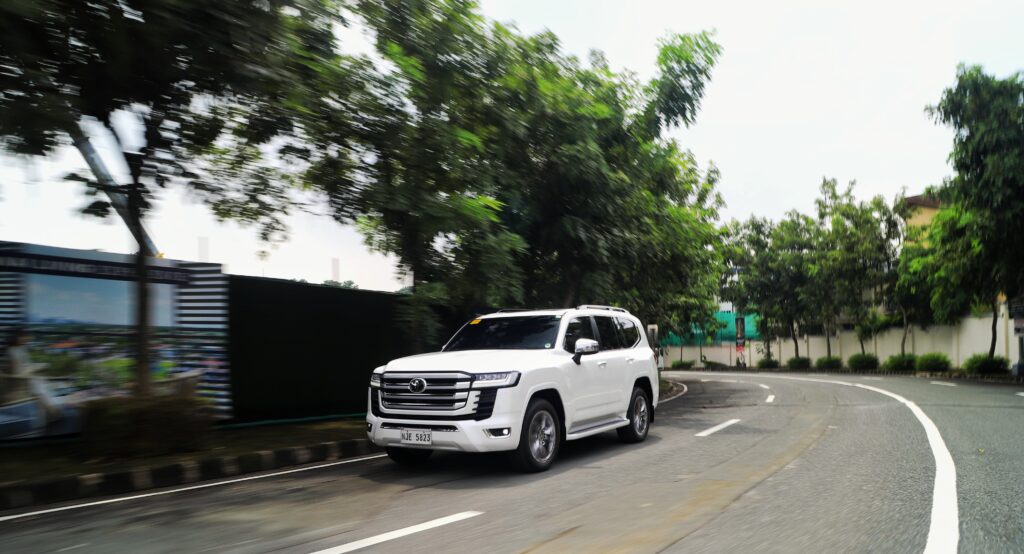
On the road, the LC300 continues to impress. Its ride quality is composed, its steering precise, and its overall demeanor far more polished than before. It feels like a Land Cruiser that has finally gone through a European finishing school, retaining its toughness while gaining a level of grace under duress with sophistication long-expected, even demanded in this segment.
Yet the competition has never been stronger.
Viewed as a hardcore off-roader, it faces rivals like the Land Rover Defender and the Mercedes-Benz G-Class. As a luxury SUV, it competes with the BMW X5, Audi Q7, and Mercedes-Benz GLE. In the realm of large, utilitarian vehicles, it lines up against American heavyweights like the Chevrolet Suburban and Ford Expedition.
Even newer challengers from China—such as the Denza B8, GWM Tank 500, and Jetour G700—are now targeting the same space, offering competitive features and aggressive pricing.
And then there’s its oldest rival: the Nissan Patrol. For decades, the two have stood as parallel benchmarks—similar in purpose, capability, and global reach. An endless clash of titans between the two.
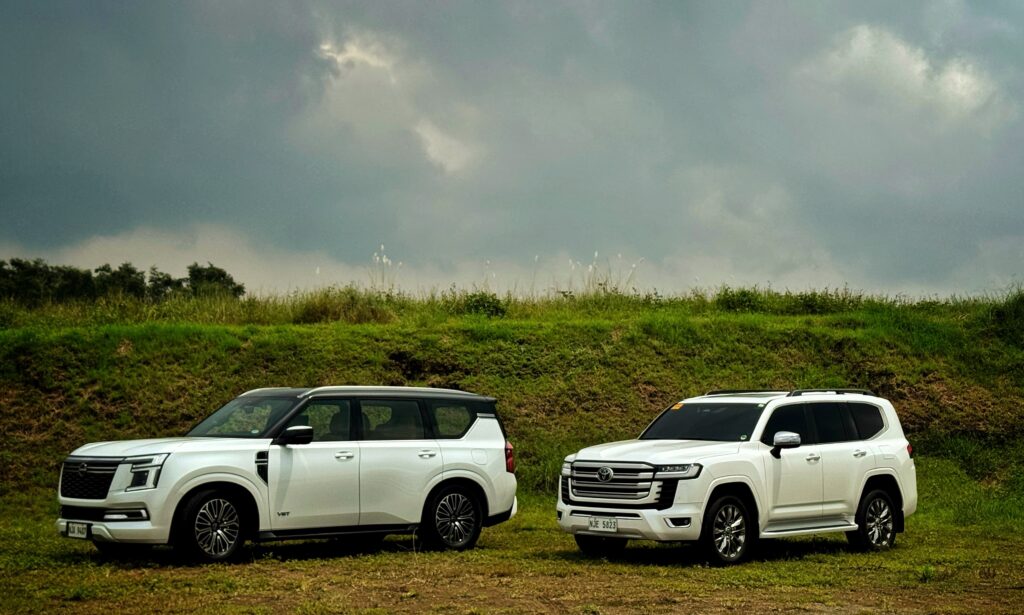
Yet despite this growing field of challengers and usurpers, the Land Cruiser remains the benchmark.
Why?
Because it is arguably the most balanced and well-rounded vehicle in its class. It may not lead in every category, but it excels across all of them—performance on and off-road, reliability, resale value, global support, and long-term durability. Few vehicles can match its breadth of capability.
In a world of increasing specialization, the Land Cruiser remains a true all-rounder, a jack of all-trades that copes with any scenario, any environment anywhere in the world. And in uncertain times, the Land Cruiser remains strong and steadfast, able to weather everything as it has proven for the past 75 years.
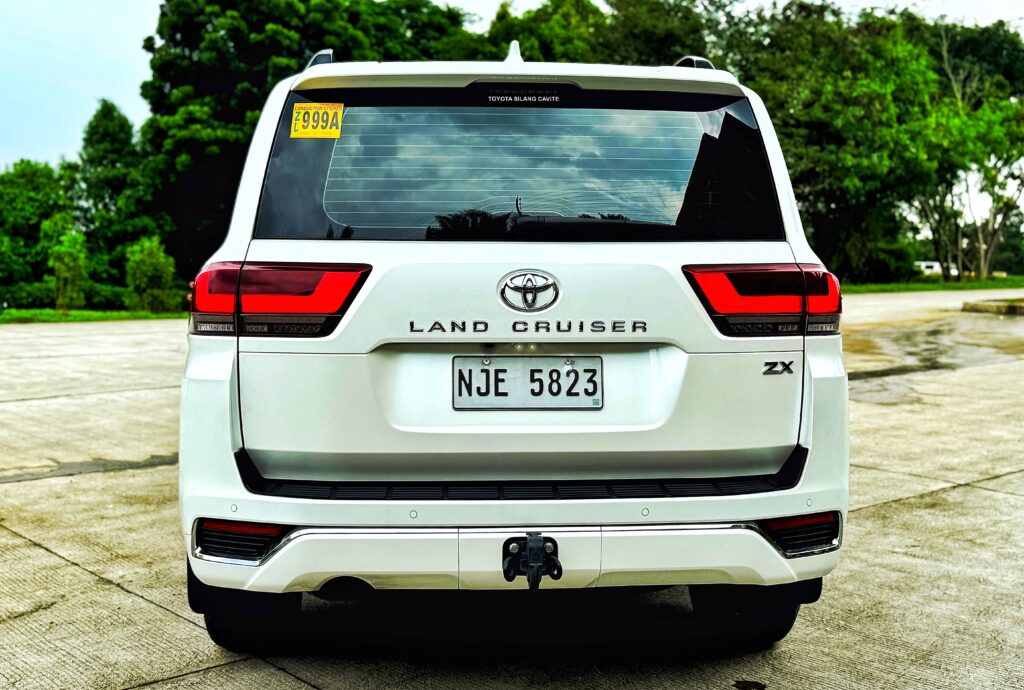
If you could only have one vehicle to do it all, it would be very hard to look past the Toyota. A drive to circumnavigate the world seems like a perfect road trip in the Land Cruiser.