
The last few months have exposed fundamental weaknesses in both our economy and the way personal mobility has evolved in the Philippines. We remain heavily dependent on imported crude oil, leaving fuel prices painfully vulnerable to global markets and fluctuations in the peso.
Electrification offers a credible solution to that dependence while also lowering the cost of mobility—particularly for those whose daily routines revolve around short-distance driving.
And therein lies another issue: in a country hampered by poor infrastructure, public safety concerns, and an unforgiving tropical climate, even short journeys that could otherwise be accomplished by walking, cycling, or public transport often become impractical. For many Filipinos, driving is not a luxury. It is a necessity.
Ironically, it is these short, poorly planned trips that quietly destroy fuel efficiency and inflate transport costs. In such conditions, electric vehicles make compelling sense.
Yet the shift to electrification also reveals another uncomfortable reality: we remain dependent on imports. Not just for vehicles themselves, but for chargers, components, software, and, perhaps most critically, technical expertise. Had we invested more aggressively in local manufacturing, engineering, and information technology decades ago, we might have developed something comparable to Vietnam’s VinFast—a homegrown automotive brand built on long-term industrial ambition.
Which leads to an even deeper missed opportunity: STEM education.
The Philippines’ greatest export has long been its people—a highly skilled, English-proficient workforce admired globally for resilience and adaptability. But one cannot help but wonder: what if we had chosen not merely to supply talent, but to cultivate innovators and industry leaders?
The Philippines suffers from what economists often describe as the “Paradox of Plenty.” Rich in natural resources, we have historically relied too heavily on what is readily available instead of diversifying, innovating, and investing in industries that create long-term value. Too often, resources are sold cheaply while corruption erodes the institutions meant to manage them responsibly.
Contrast this with nations such as Singapore, Japan, South Korea, and Switzerland—countries with limited natural resources that nonetheless became prosperous by maximizing efficiency, investing in human capital, and leveraging their inherent strengths. Scarcity forced discipline. Innovation became survival.
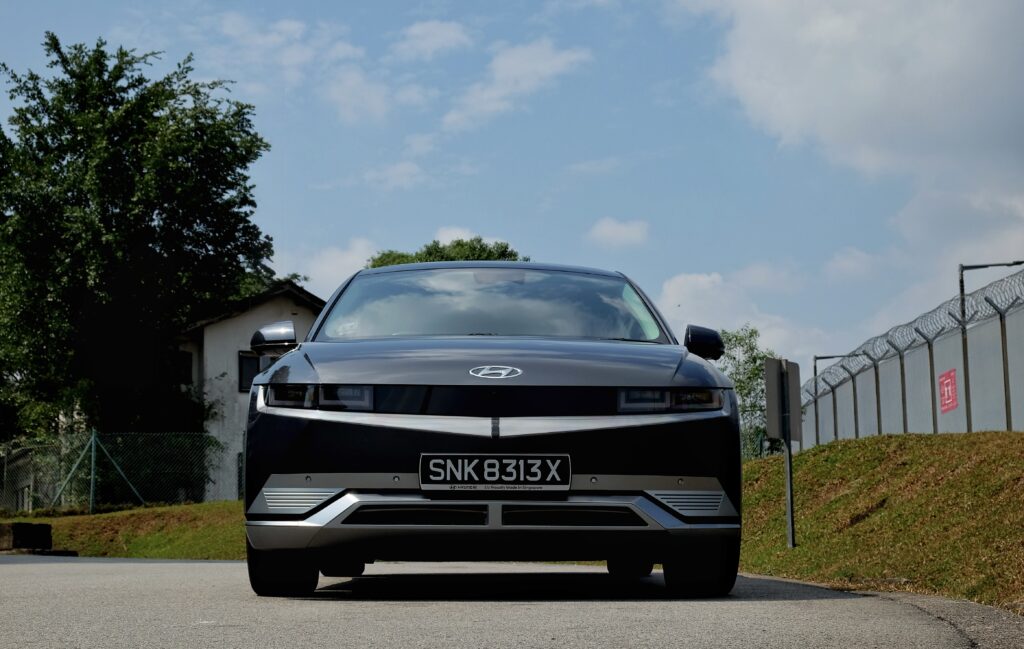
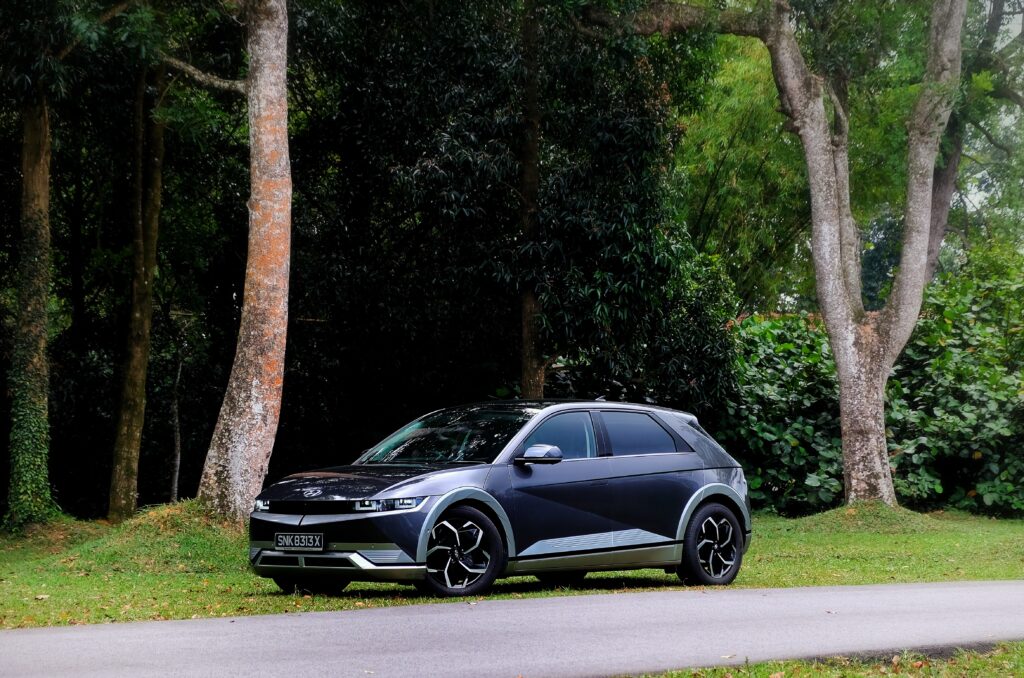
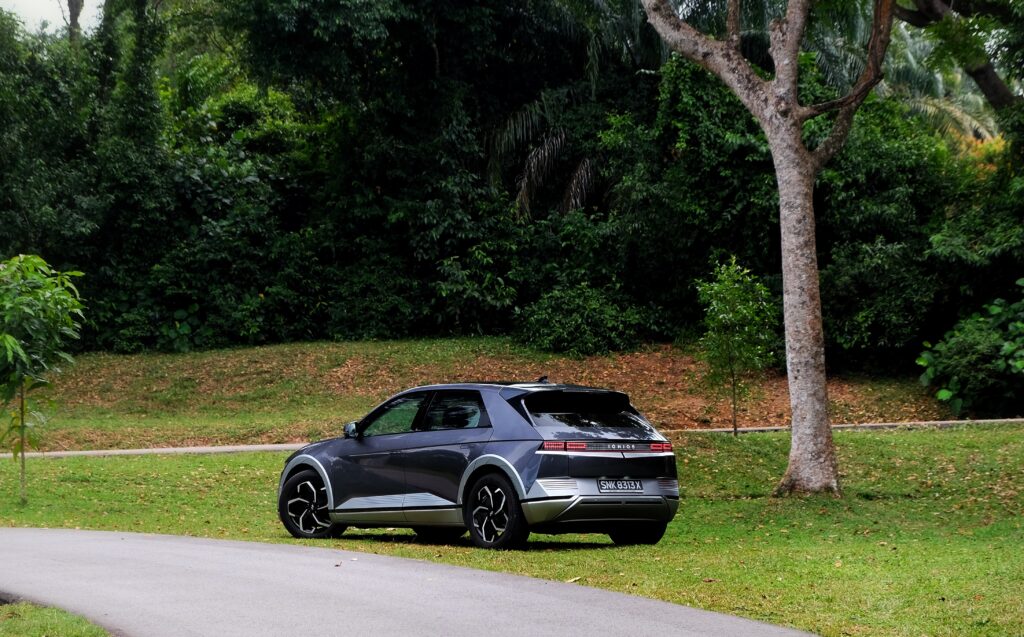
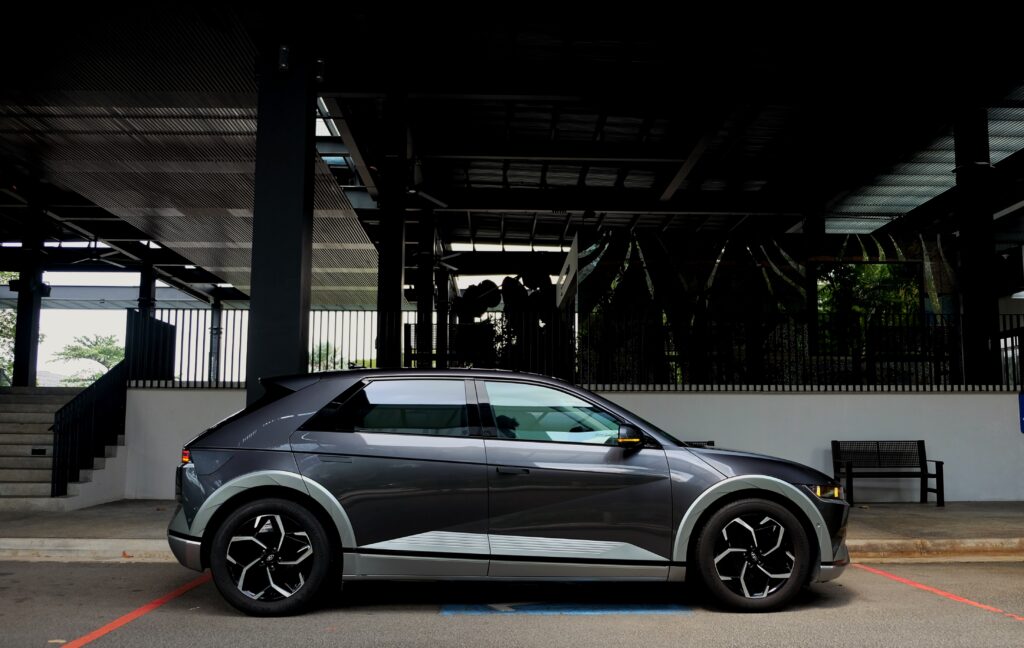
These thoughts lingered in my mind while driving the Hyundai Ioniq 5 through Singapore. And on a busy Sunday, drive we did indeed! Our contributor, Jay Kew met up and helped me shoot the Ioniq 5, touring me around the island nation.
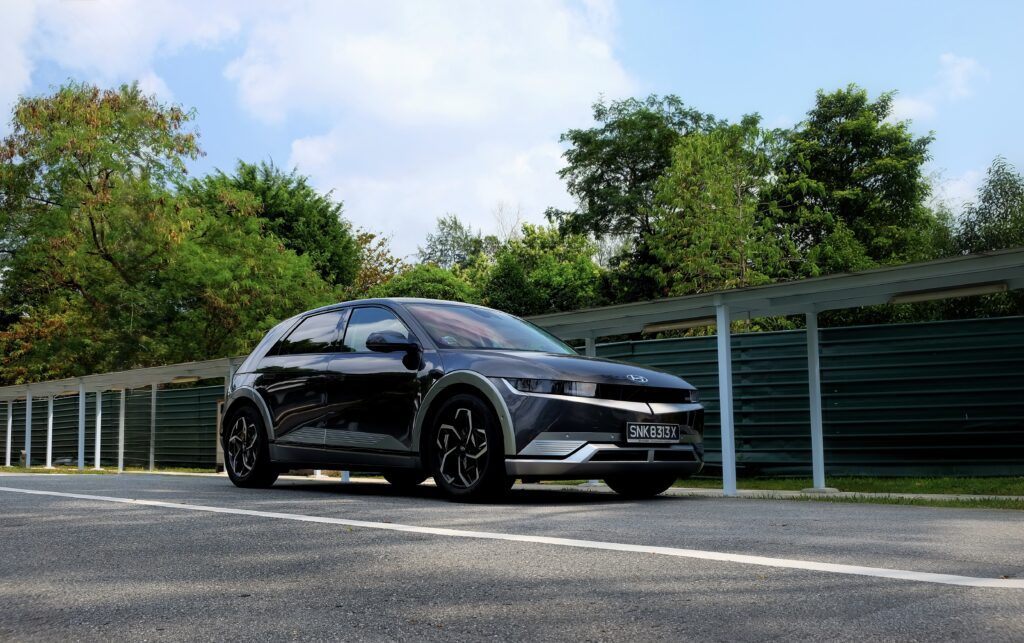
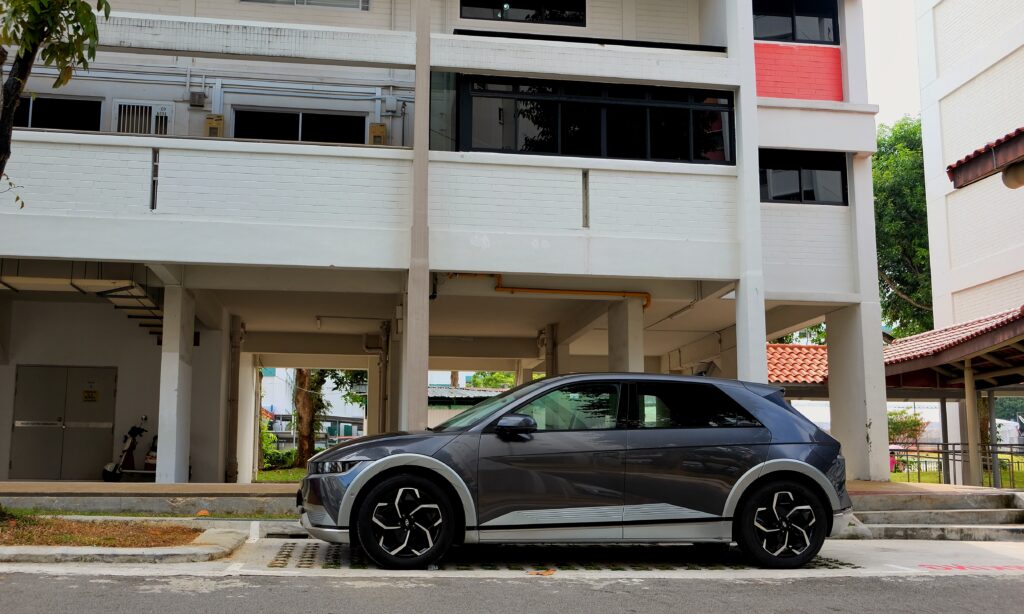
From my hotel just off of Orchard, we headed north to Yishun, the somewhat infamous district of Singapore to try a Michelin recommended Nasi Lemak food stall at their local hawker. It was a quick drive and allowed me to stretch the Ioniq 5’s legs. Power is quoted at a modest 145hp but the torque is what really gets things interesting: an instant 350 Newton-Meters. Enough for a quick fright if you’re not used to how EV’s deploy their power, which is to say, instantly.
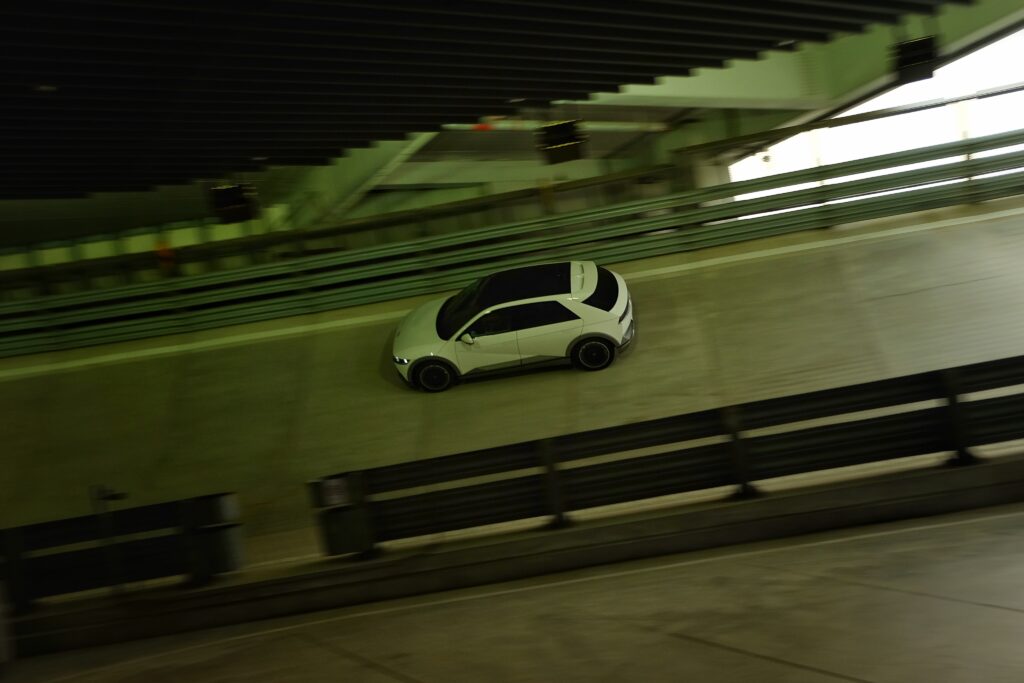
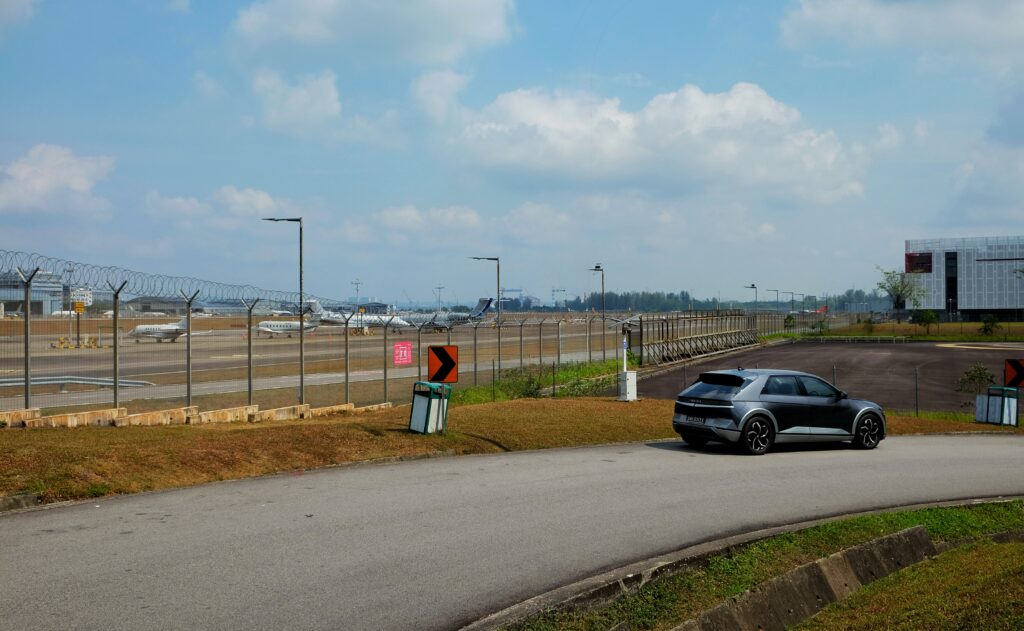
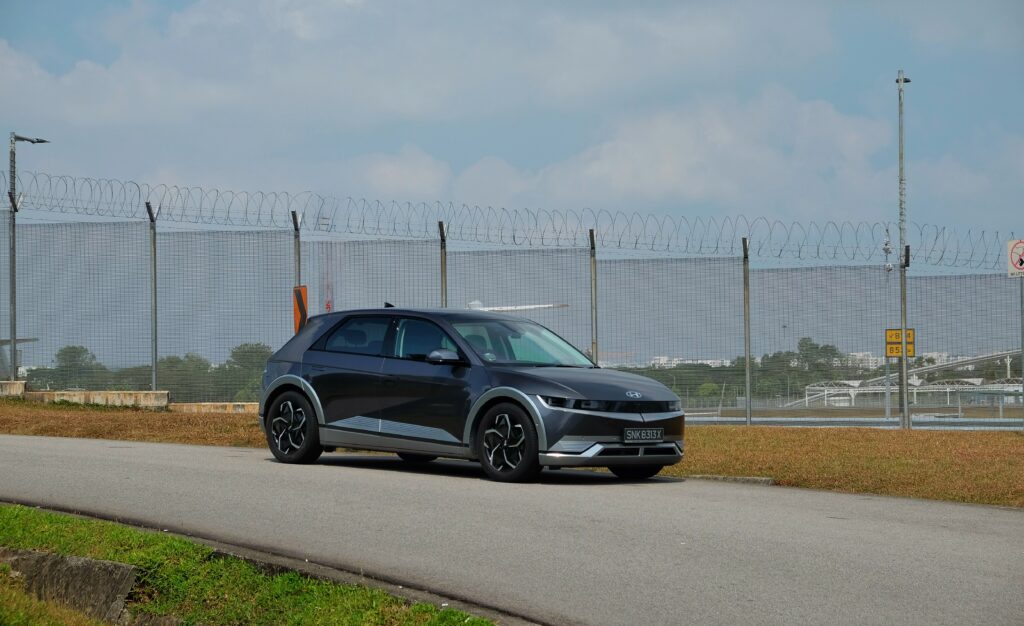
From Yishun, we drive to Seletar Aerospace Park, situated directly behind Seletar Airport’s Runway. Seletar was Singapore’s first international airport, but now serves as a satellite airport to Changi. Opened in 1928, it was originally a British Airforce Base back when the Malay Peninsula was under British control.
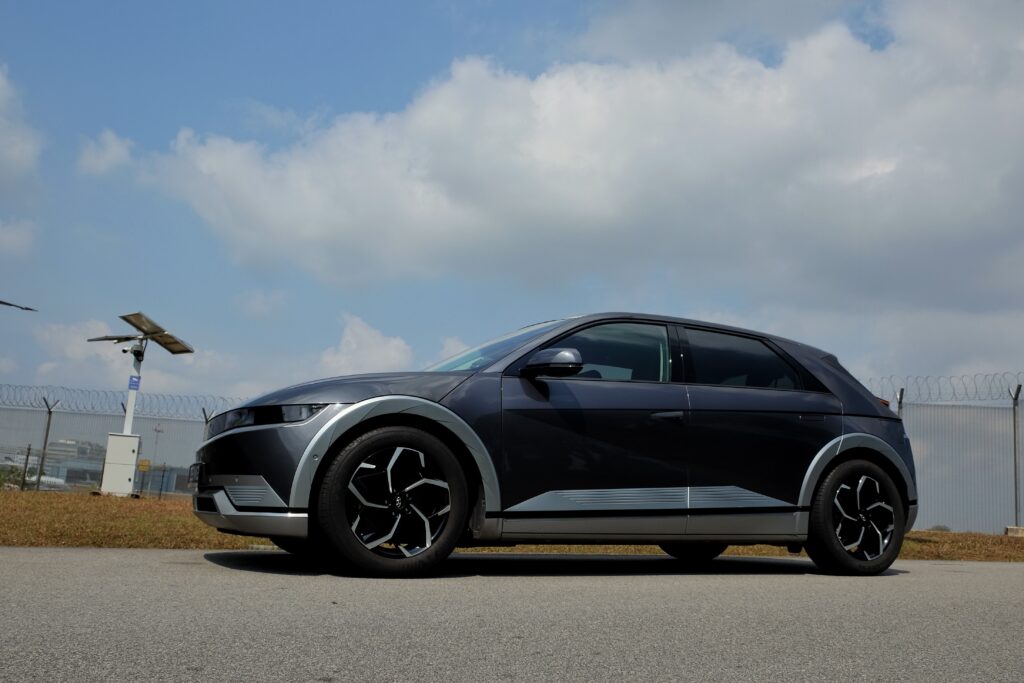
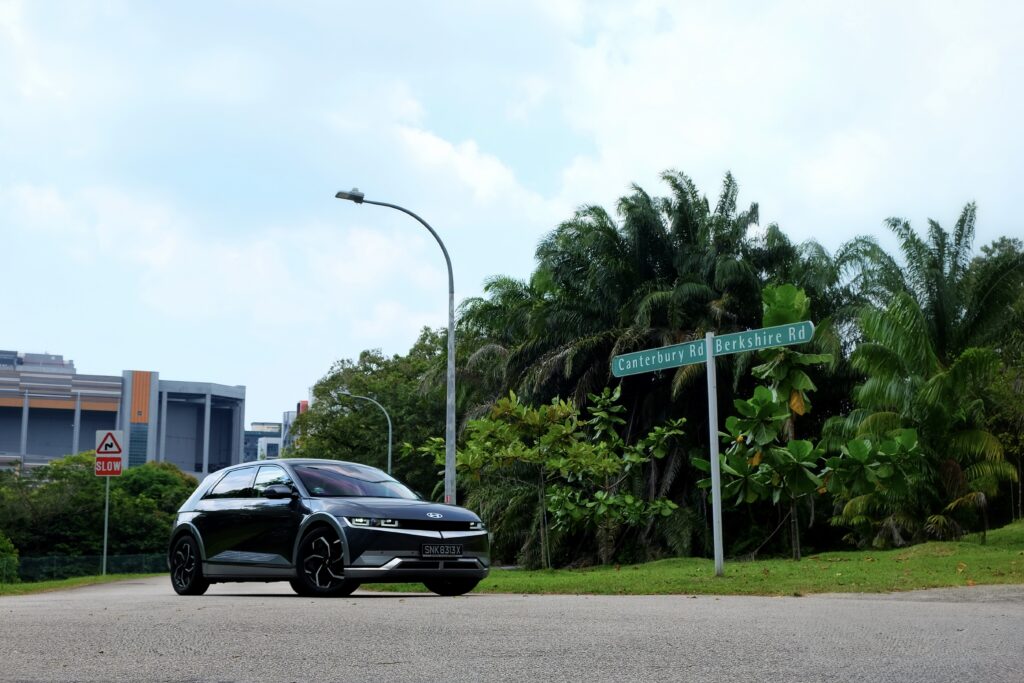
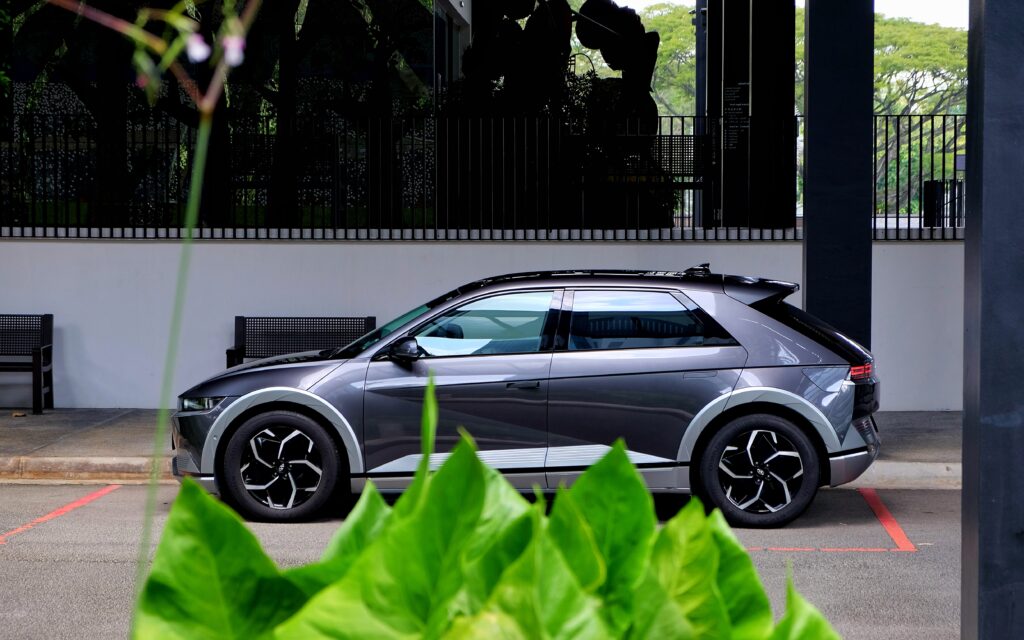
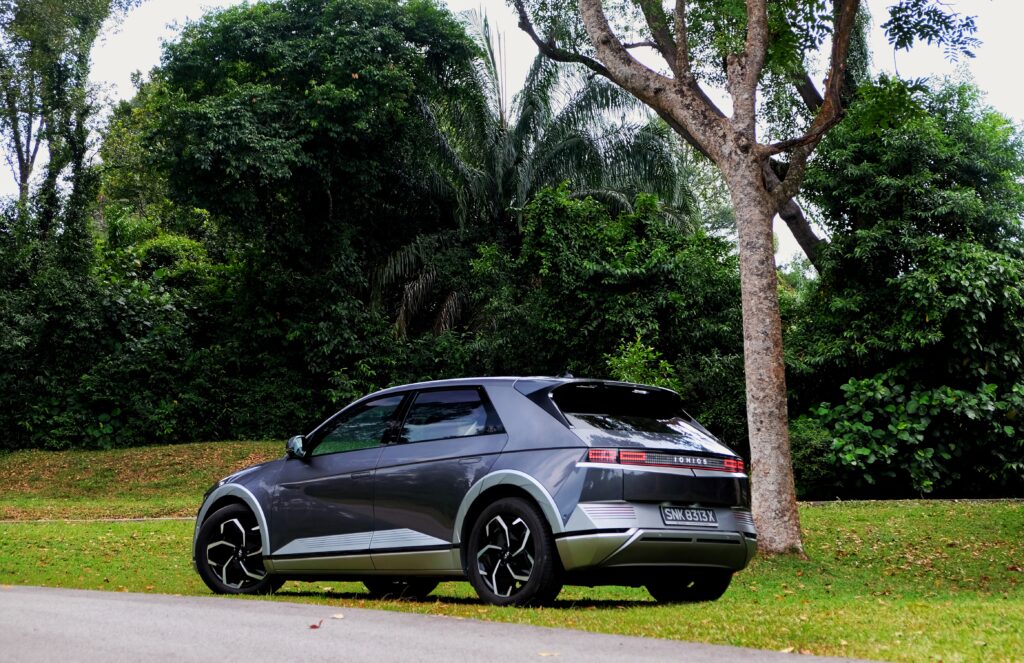
Shots taken, we seek out a nice place full of greens and end up in Kent Ridge, a nice quiet district full of lots of greens and multiple GCB’s or good class bungalows, expensive, almost heritage level homes intrinsic to Singapore’s rich history, preserved and gentrified for the super rich. It’s also home to the National University of Singapore. Think Forbes Park, but un-gated and far more lush. A whole morning worth of driving, idling and blasting the AC at full tilt. By the time returned the Ioniq 5 after four days, there was still ~60 percent charge left after covering roughly 170 kilometers.
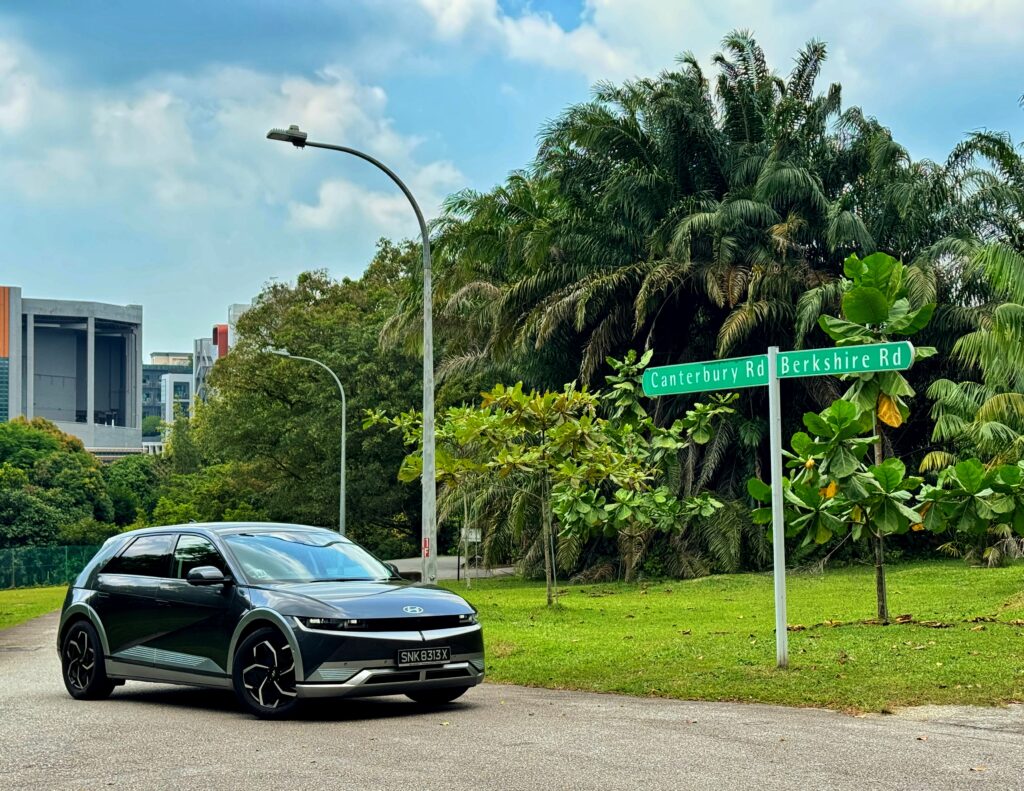
Just over half a century ago, Singapore was expelled from the Federation of Malaya and faced an uncertain future as a resource-poor island nation. Today, it stands as one of the world’s leading financial and innovation hubs—a country built not on abundance, but on planning, discipline, and meritocracy.
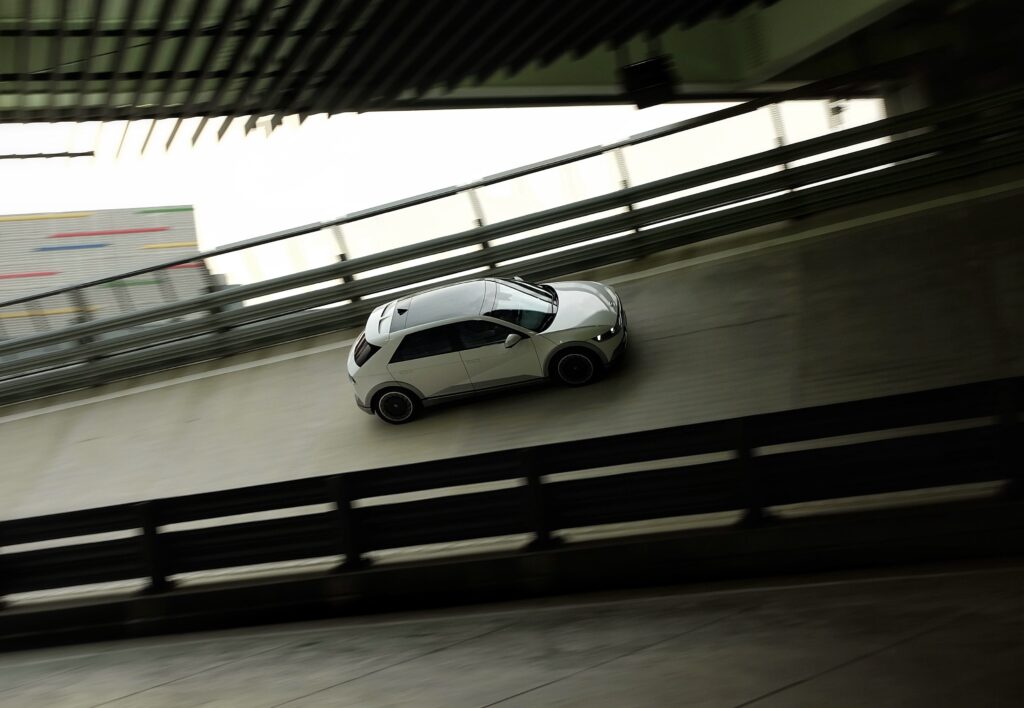
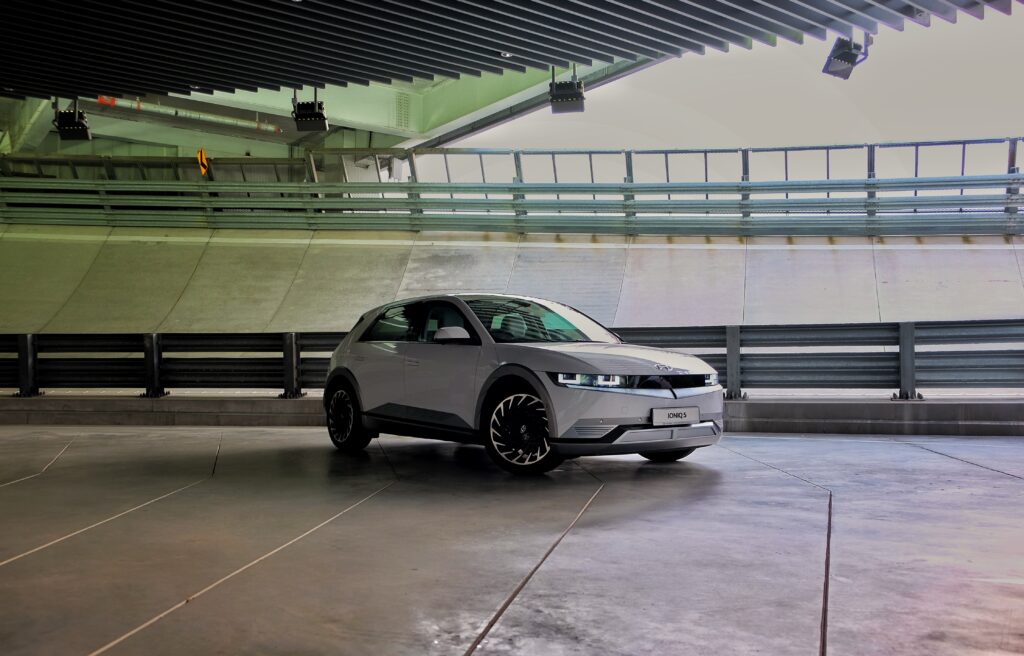
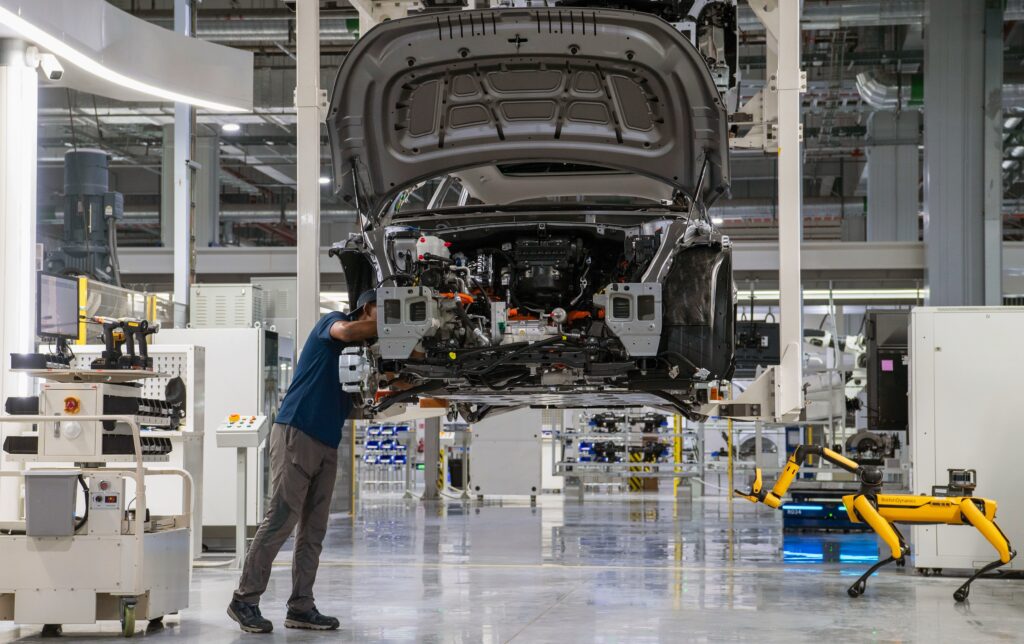
The Ioniq 5 itself, assembled at the Hyundai Motor Group Innovation Center Singapore, reflects that ecosystem. Hyundai chose Singapore as its Southeast Asian innovation base because of the nation’s forward-thinking policies, digital infrastructure, and strong support for innovation.
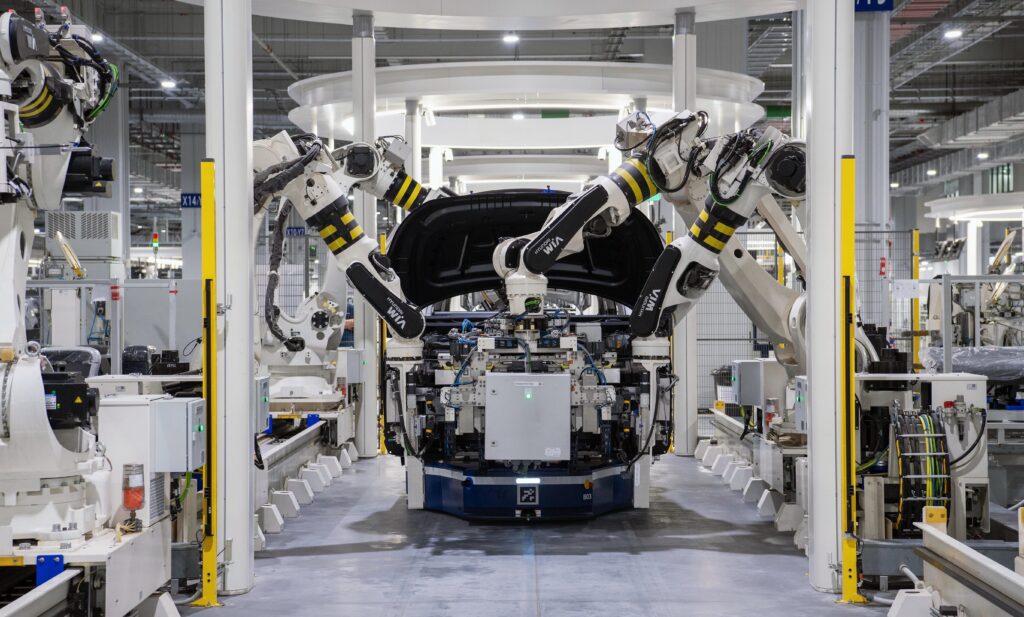
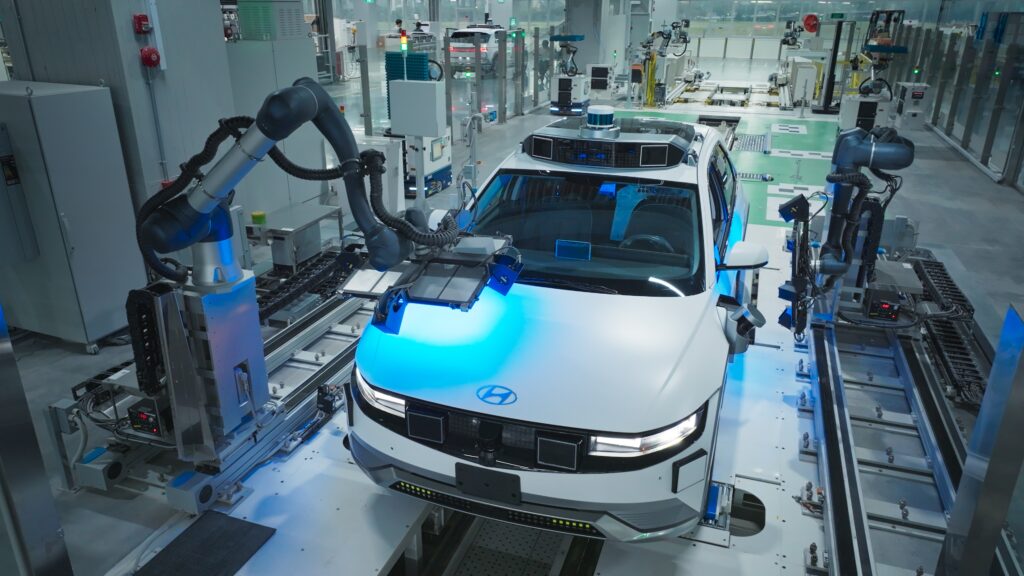
Singapore’s advantage lies not merely in infrastructure, but in human capital: a highly skilled workforce, thriving research ecosystem, and academic institutions deeply invested in STEM education. These are the foundations that continuously generate economic growth and technological progress.
The Ioniq 5 may no longer be the newest or most technologically radical EV on the market, but it succeeds in something arguably more important: making electric mobility feel accessible, rational, and desirable.
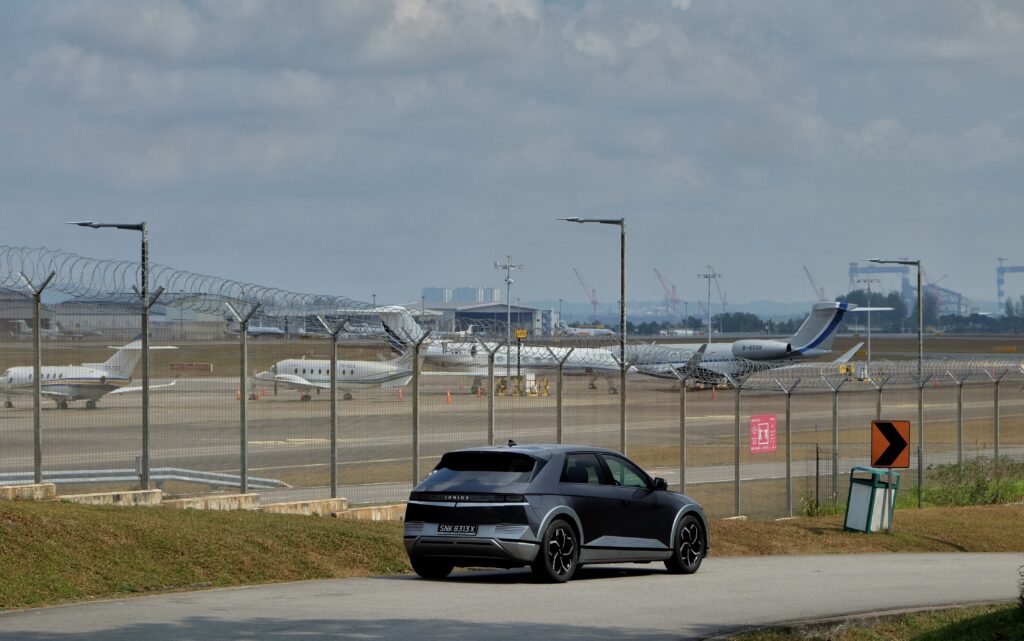
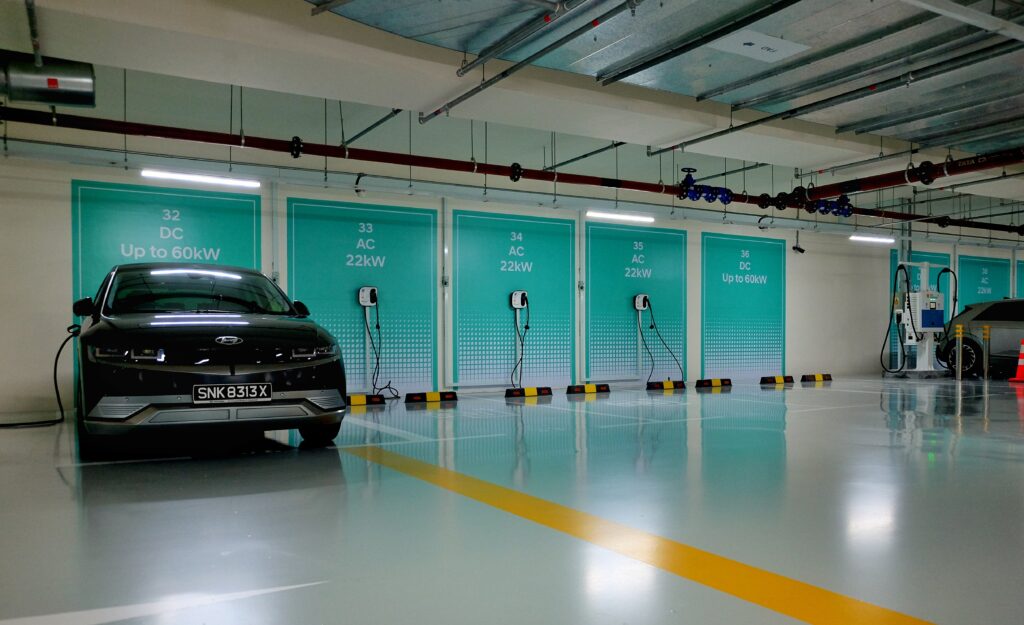
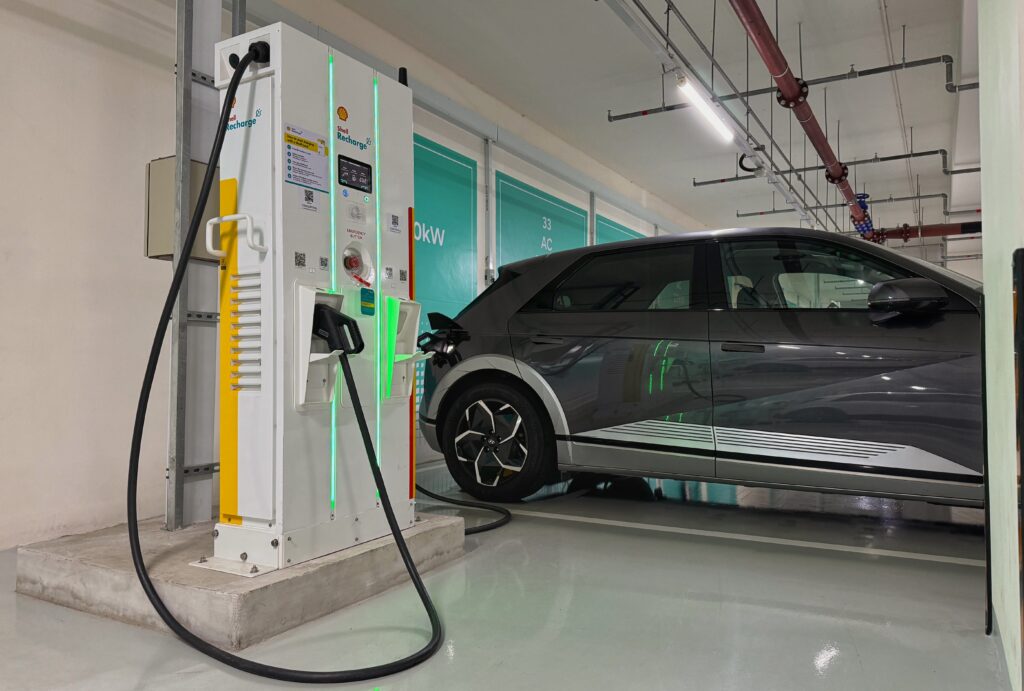
Singapore-built variants are available with either a 58kWh battery or a larger 77kWh Nickel Manganese Cobalt (NMC) pack capable of ultra-fast 800-volt DC charging. Using a 350kW charger, the battery can charge from 10 to 80 percent in as little as 18 minutes. A reminder that in places like Singapore, efficiency and time are treated as valuable commodities. There is an urgency to advance, to more forward, to progress.
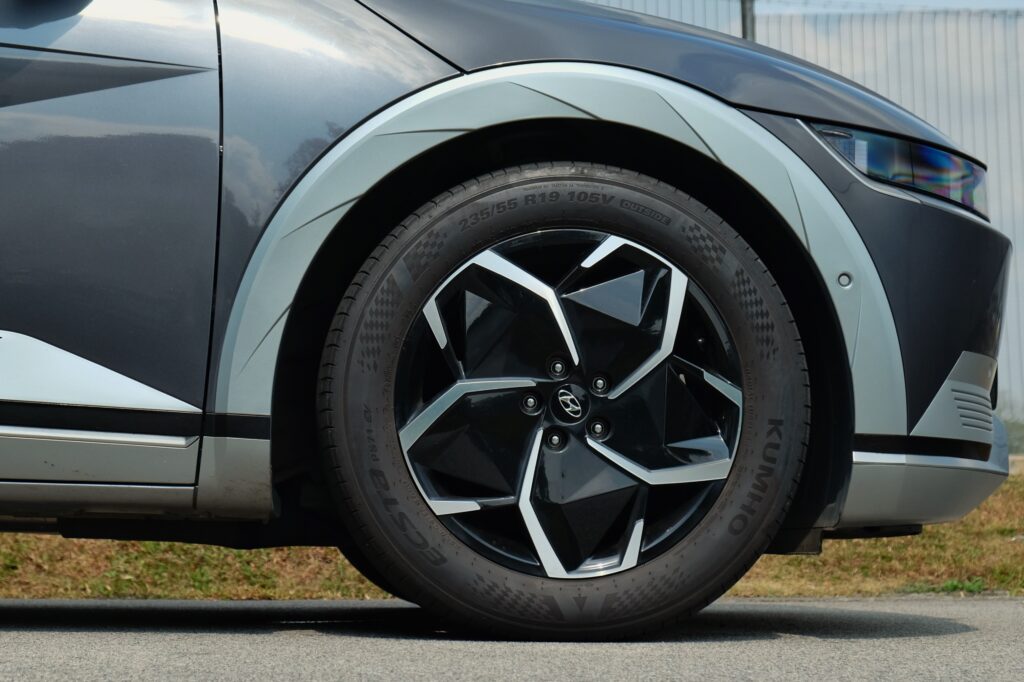
On the road, the Ioniq 5 impresses with its refinement. Having previously driven it extensively in Manila, its character became even clearer in Singapore. Despite its capable chassis, this is less an overtly sporty EV and more a refined, silent cruiser, an automobile designed to carry out daily responsibilities with minimal drama and maximum efficiency. Smooth like butter, as the popular BTS song goes.
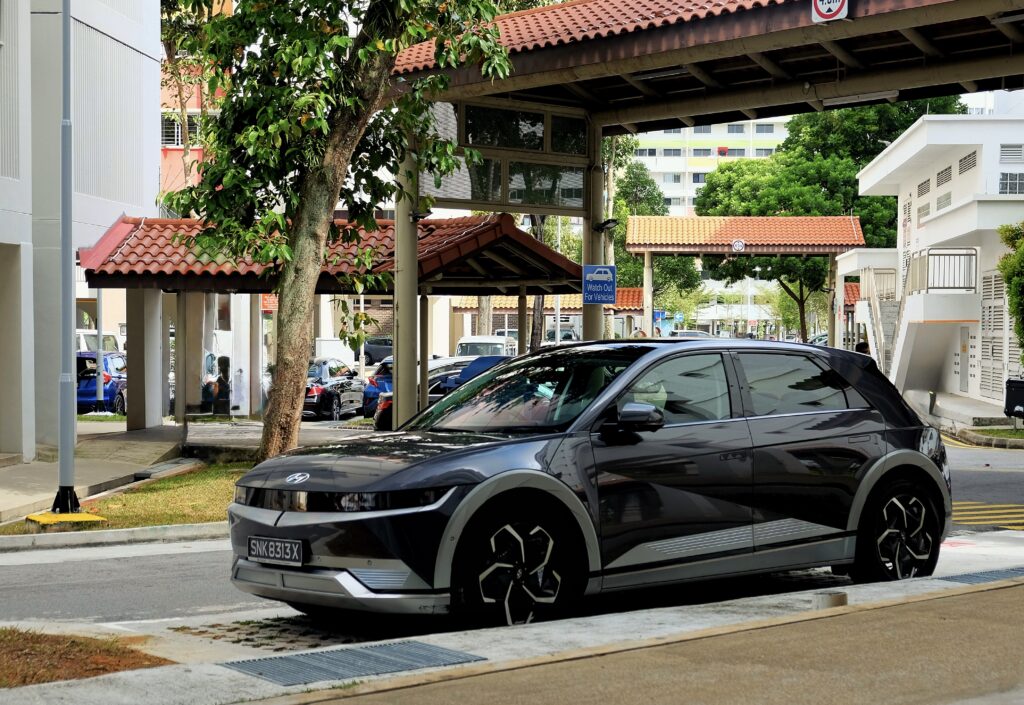
Rewind to our first night with the Ioniq 5, driving from the Jurong Innovation District toward Orchard Road further highlighted Singapore’s obsession with coordination and order. Parking may be sparse and expensive, but it is remarkably efficient and organized. Electronic signboards display real-time parking availability for nearby establishments, reducing congestion and confusion. Public and private sectors work together toward a shared objective: improving the efficiency of the city itself.
Truthfully, unless one lives far beyond the reach of the MRT network, owning a car in Singapore is largely unnecessary. Ride-hailing services such as Grab are quick and efficient, while trains and buses remain affordable and dependable. Even navigating the bus system as a tourist has become easier thanks to AI-powered tools like Bus Uncle on Facebook Messenger, which provides detailed commuting instructions instantly. If only the Philippines had a similar AI-powered app. Manong Jeepney, perhaps?
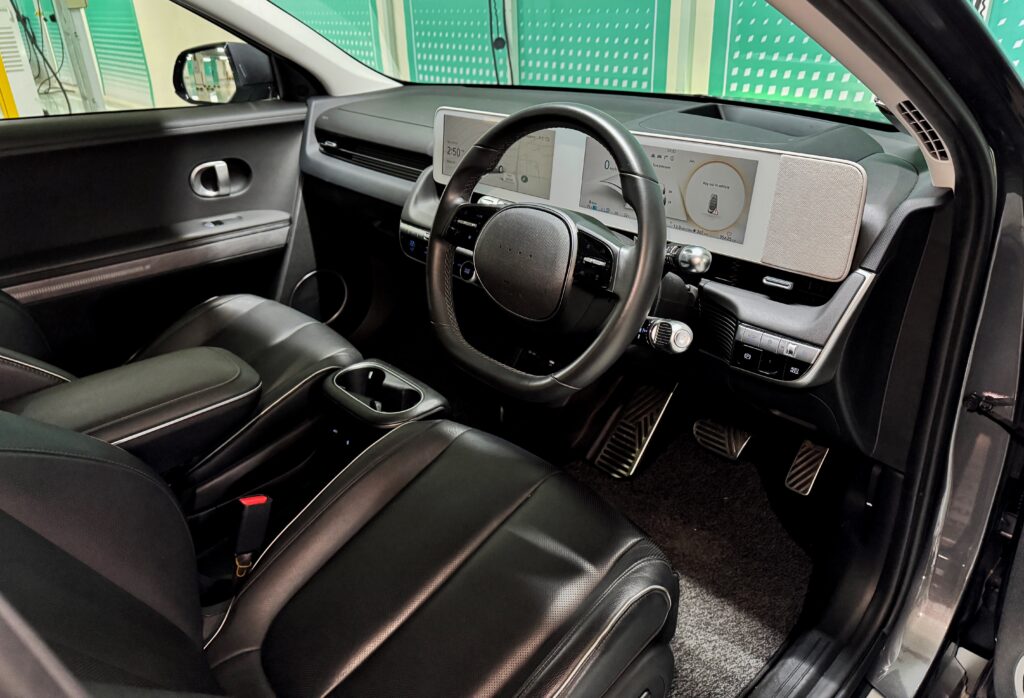
The Ioniq 5 also arrives comprehensively equipped with modern driver assistance systems, including front collision avoidance assist, lane-keeping assist, adaptive cruise control, a 360-degree camera, and driver attention warning. While such systems typically feel intrusive for keen drivers like myself, they become invaluable when driving unfamiliar roads in dense traffic. More than once, the technology likely prevented me from an expensive crash and potentially being blacklisted from Hyundai’s global media list.
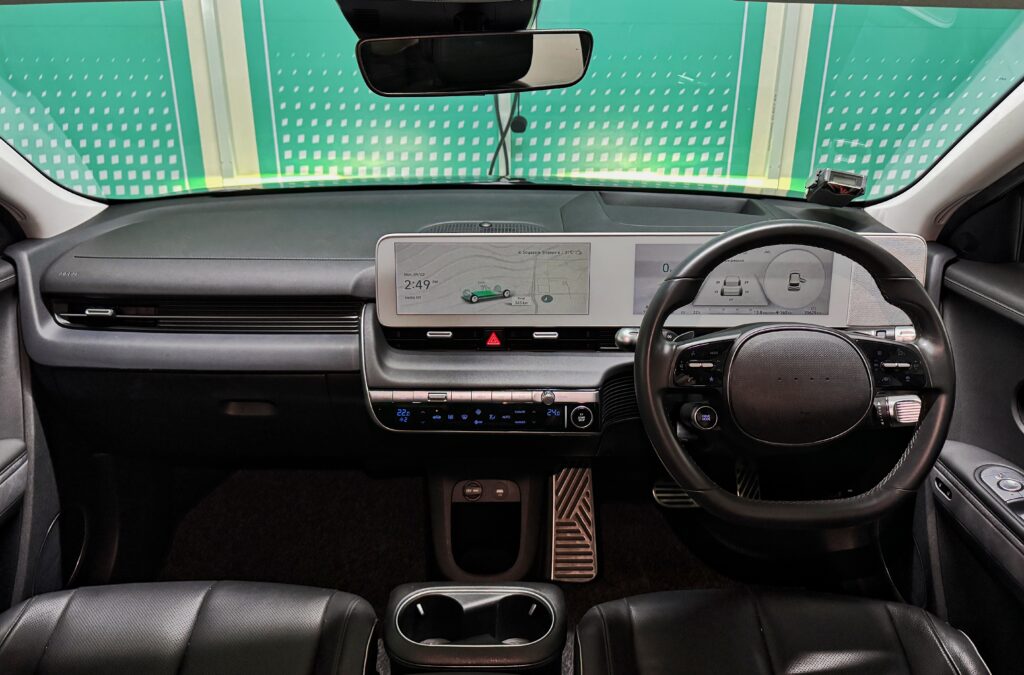
Combined with six airbags, stability control, traction control, and ABS, the Ioniq 5 reinforces the broader philosophy it represents: mobility that is safer, cleaner, and more intelligent.
In many ways, the car mirrors the nation in which it is built: efficient, forward-looking, sophisticated, and shaped by a culture that values collective advancement over individual progress.
And perhaps that, more than anything else, is the real lesson worth taking home.