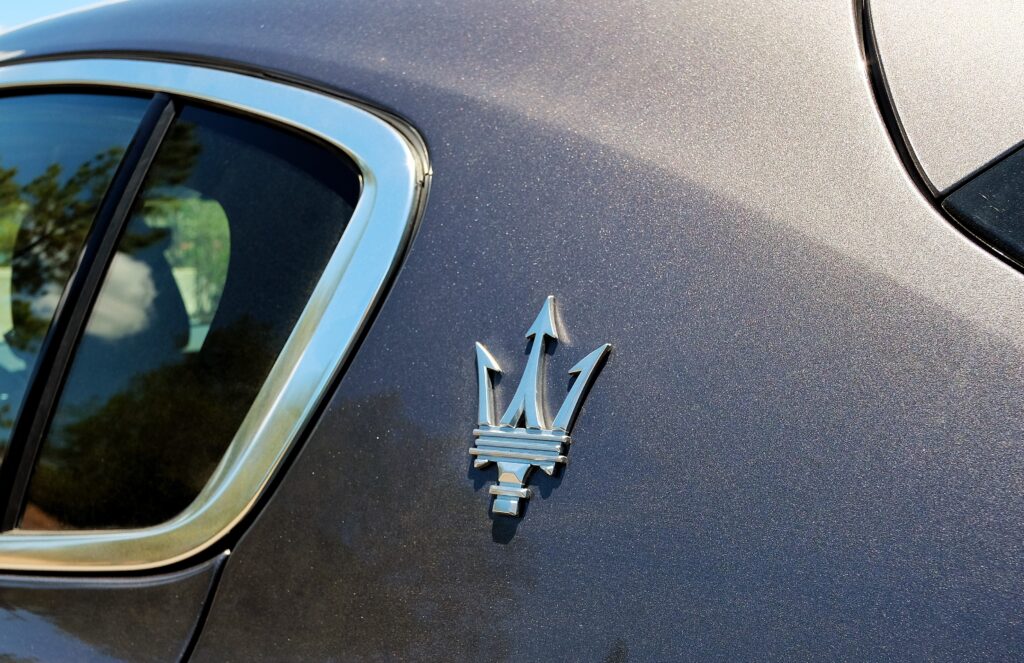
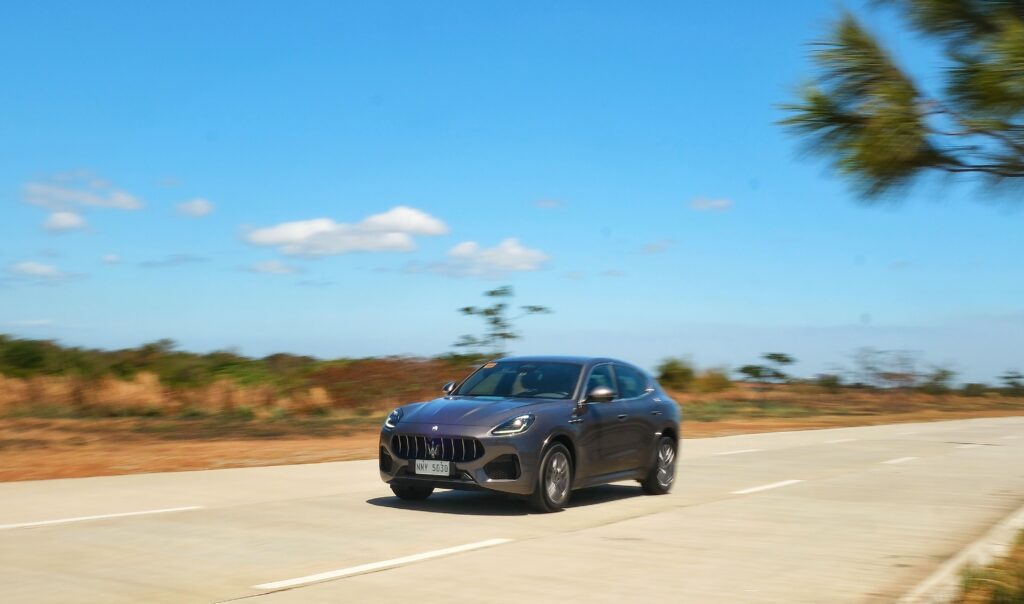

In the finest Maserati tradition of naming its cars after Mediterranean winds, the brand’s crossover SUV proudly carries the name Grecale—a powerful northeastern wind that sweeps from Greece across the Mediterranean toward Italy. Few marques imbue their vehicles with such romance and mythology before you’ve even pressed the engine start button.
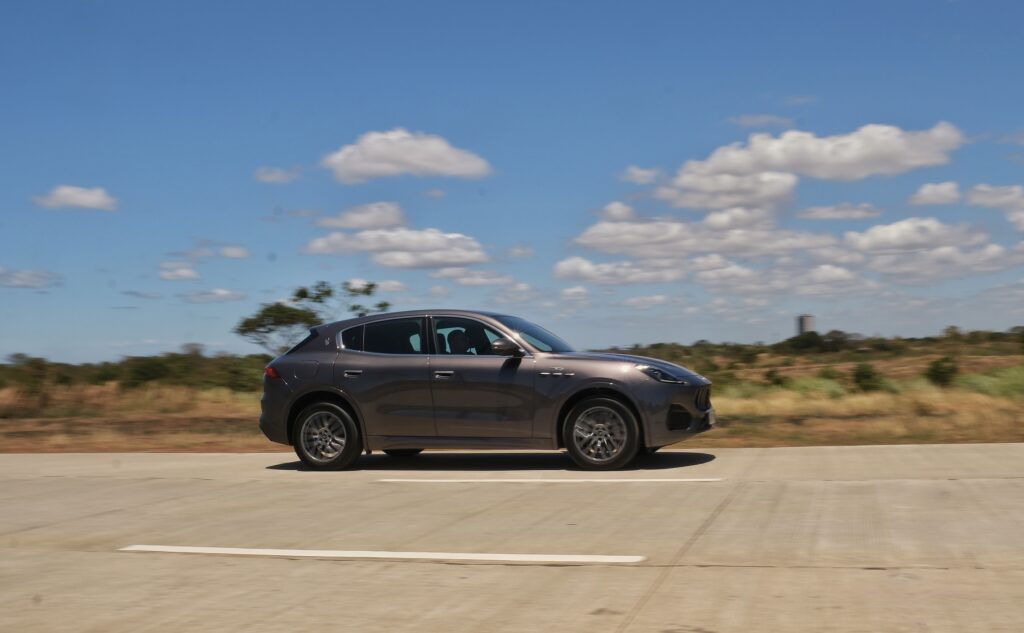
Ironically, the Maserati Grecale is not a low-slung exotic, a sexy grand tourer or a luxurious sports sedan, but a crossover SUV. Then again, crossovers have become the necessary compromise for modern luxury marques. These crossovers bring the volume, introduce new clients to the brand and pays the bills for the company’s more exclusive, more focused offerings.
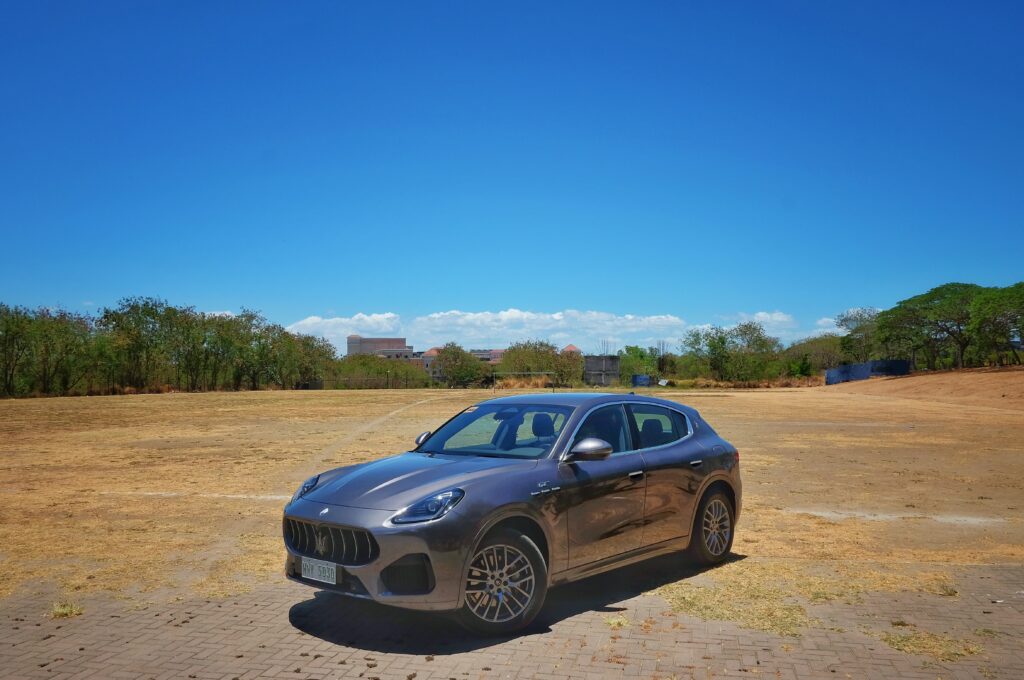
The Porsche Cayenne and Macan transformed Porsche’s fortunes, Mercedes-Benz expanded aggressively through its GLA, GLC, GLE, and GLS range, while BMW’s X models became indispensable to the brand’s global success. Maserati was late in the game, but thankfully it has allowed them to study the opposition well.
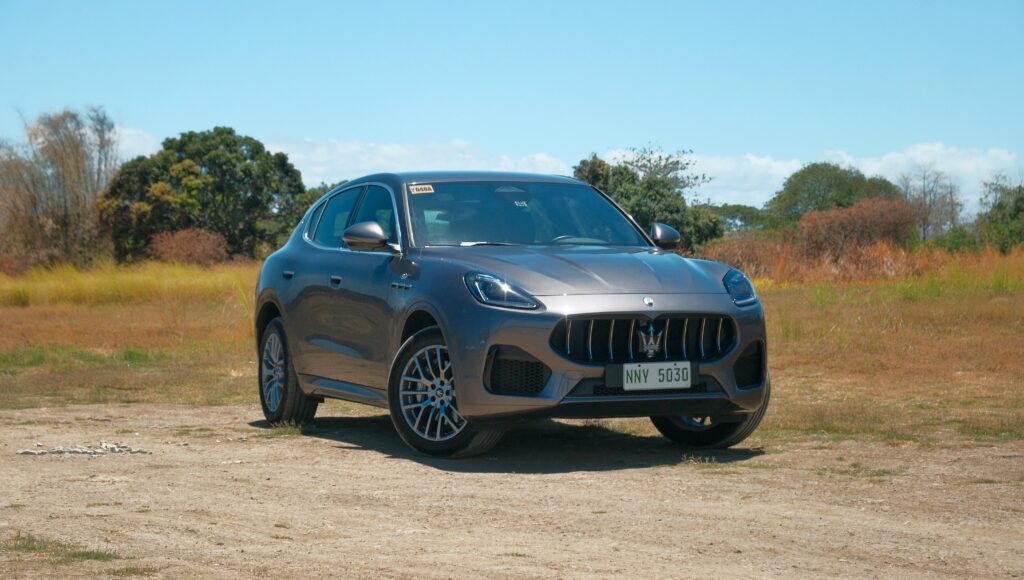
Today, buyers of luxury brands still desire prestige and performance—but now require practicality, space, and versatility to match the realities of adulthood.
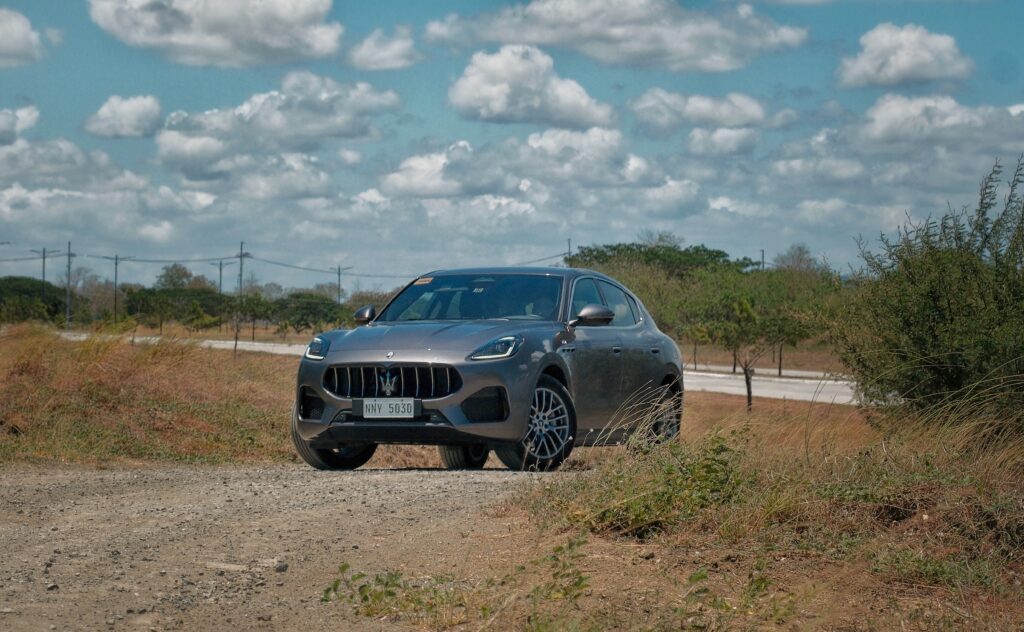
Underneath, the Grecale shares its platform with the Alfa Romeo Stelvio, and that pedigree reveals itself almost immediately from behind the wheel. It feels more alive and communicative than its German rivals, with a sense of eagerness often absent in the segment.
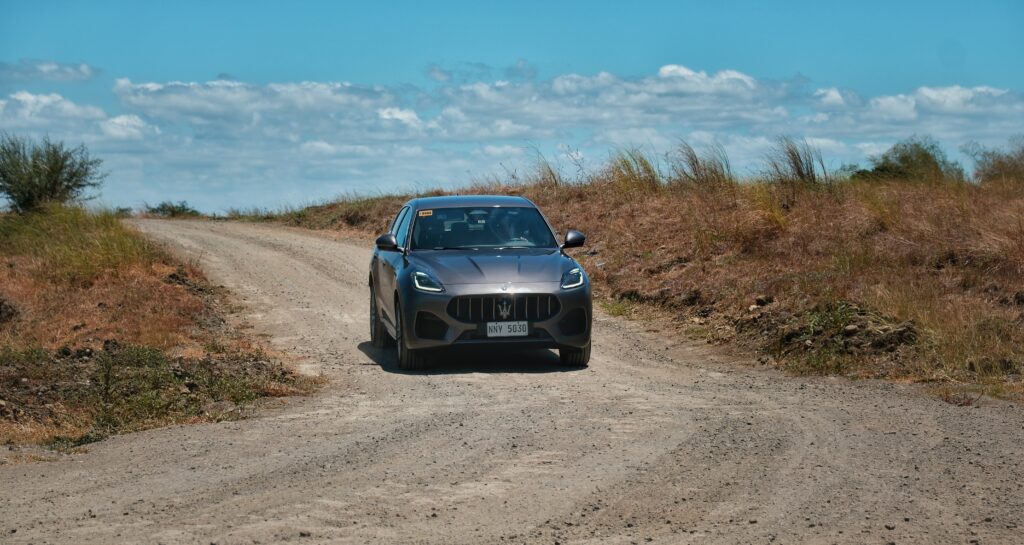
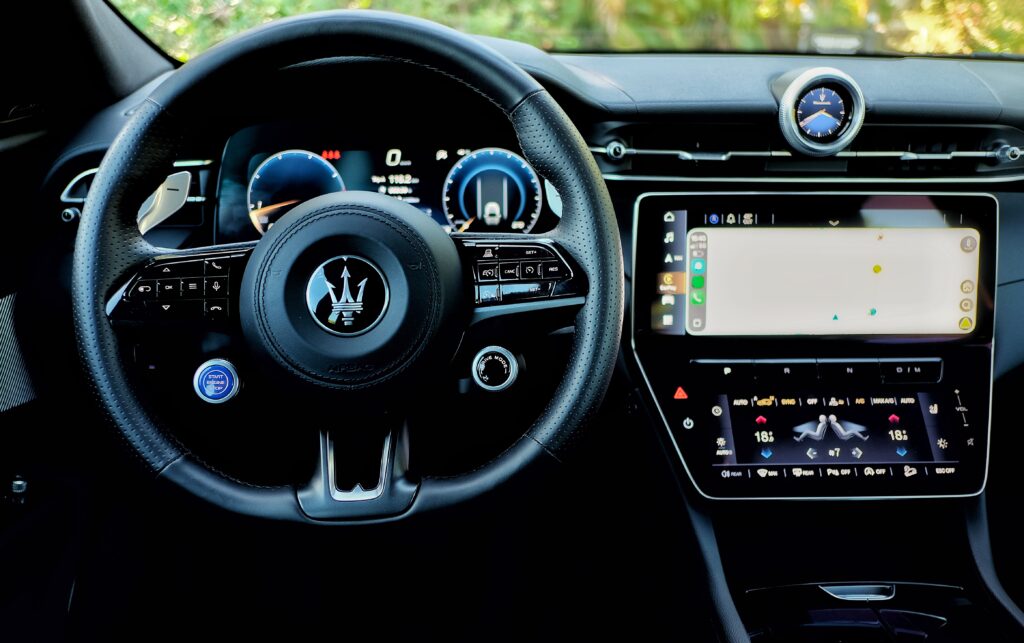
Build quality is impressive, while the fit and finish strike an excellent balance between craftsmanship and modernity. The cabin’s digital interfaces are clean and polished rather than overwhelming. Three LCD screens (12.3 inch touch-screen infotainment display, another 12.3 inch instrument cluster and a digital clock display that can change the information displayed based on drive mode and settings) are very telling of how Maserati has embraced the future. Driving position is equally well judged: low enough to feel connected, upright enough for comfort and visibility.
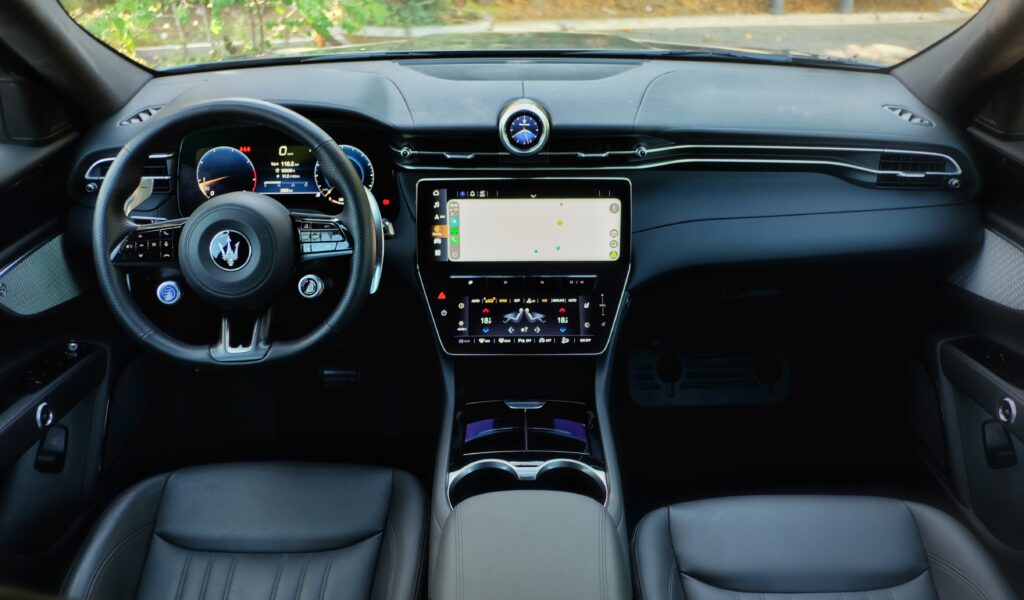
The seats are supportive and accommodating across a wide range of body types, while the Trident emblem at the center of the steering wheel quietly encourages exploration. Similar to Ferrari’s manettino steering wheel dials, the Grecale’s steering wheel holds the drive mode selector and the engine start / stop button plus of course the various auxiliary infotainment systems. There are six airbags (front, side and curtain), and the latest ADAS safety gear to make sure your drive isn’t just exhilarating, but also as safe as possible
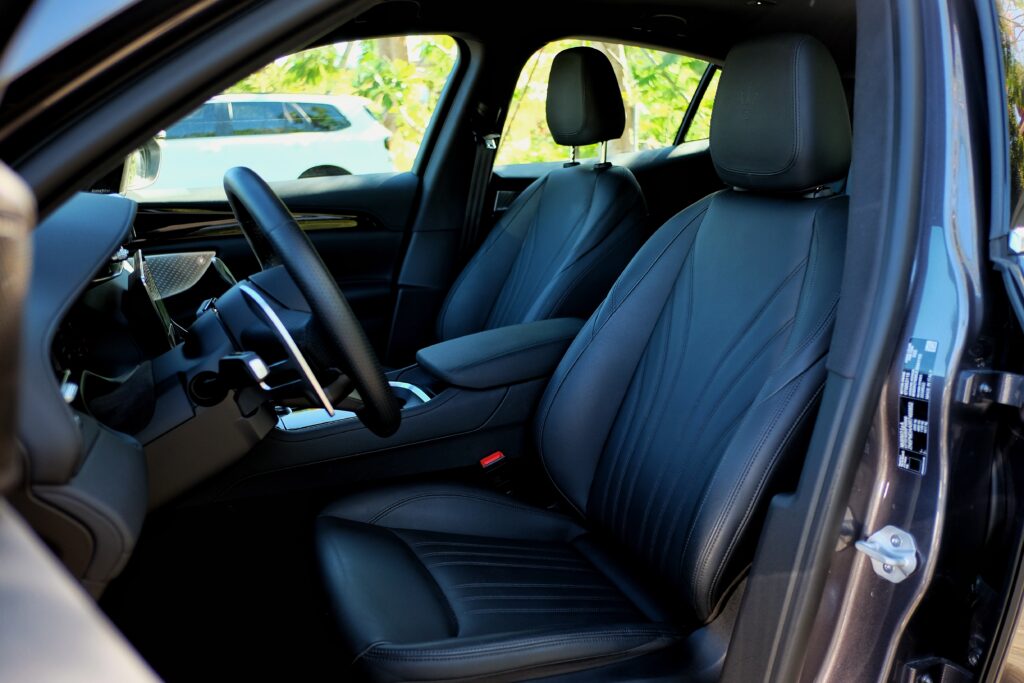
What the Grecale lacks, however, is the reassuring heft typically associated with the Germans. There is less perceived solidity in the way it moves and responds—though some may interpret this instead as lightness and agility, delicacy in the finest possible sense.
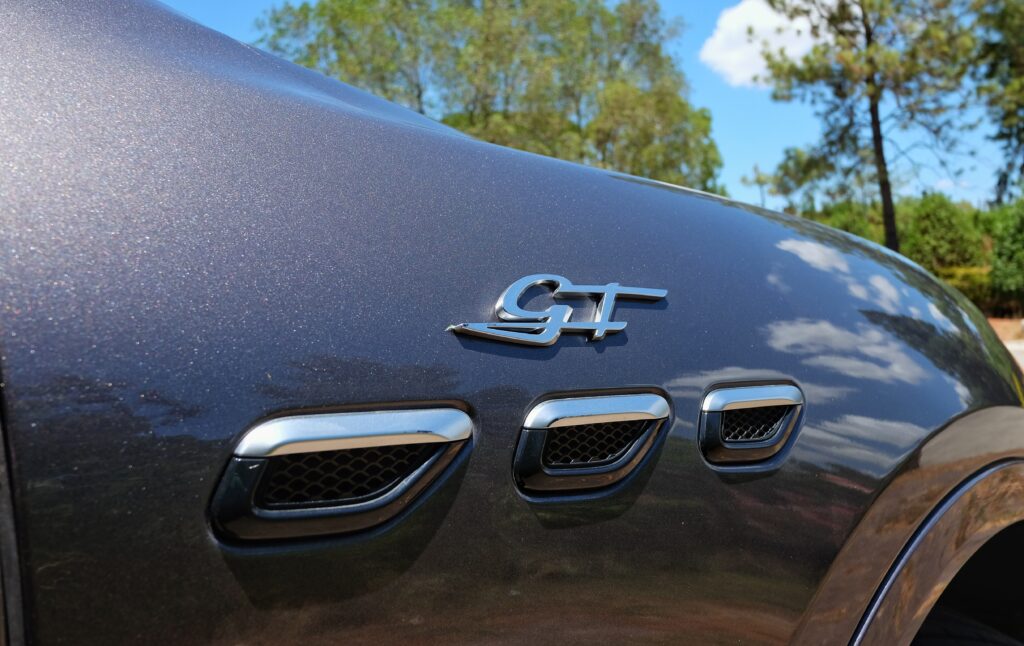
Power for the GT variant comes from a turbocharged 2.0-liter four-cylinder gasoline engine producing 300 horsepower and 450 Nm of torque, supplemented by Maserati’s mild-hybrid e-Booster system. The electric assistance helps fill torque gaps at lower engine speeds, though throttle response can feel muted unless Sport mode is selected. You do learn to drive around the slight lag and on the highway it’s less bothersome.
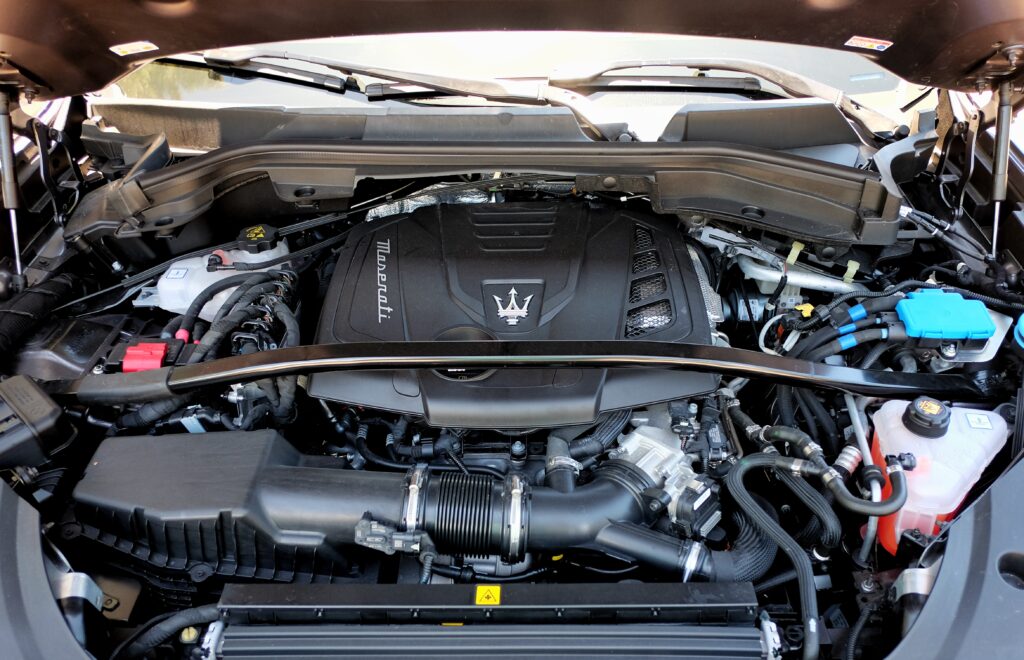
The exhaust note, too, is relatively subdued in standard driving modes. Switch into Sport, however, and the Grecale gains a sharper edge: throttle response becomes noticeably more immediate, shifts arrive with crisp urgency, and the exhaust emits a playful, distinctly Italian bark during hard acceleration.
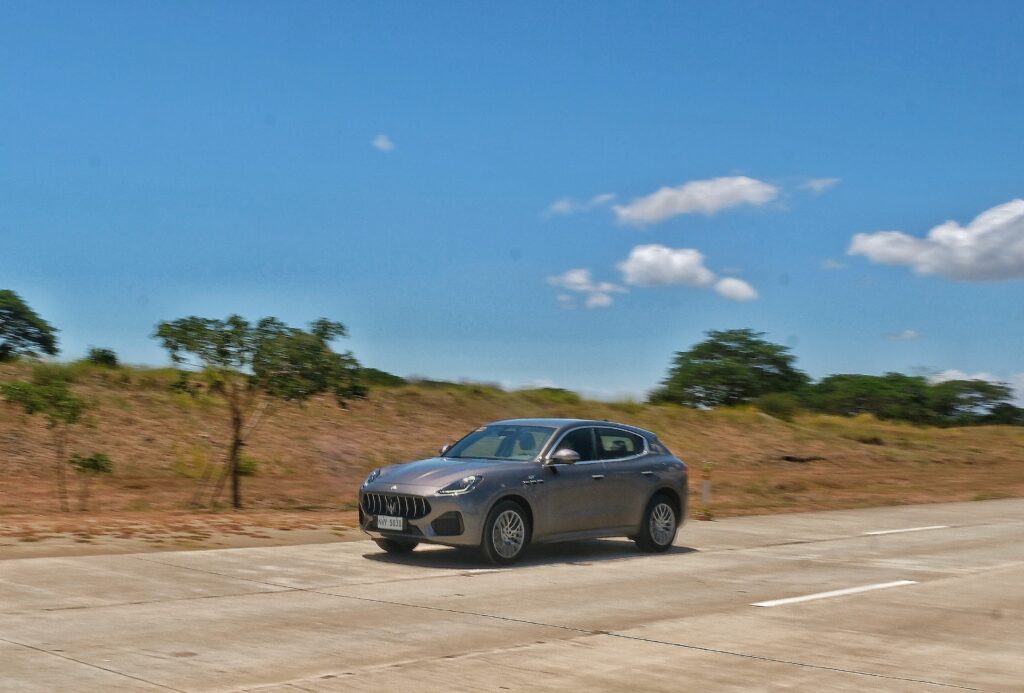
You’ll want to hear the mild pop on exhaust overrun when you shift manually with the paddles from second all the way to fourth gear. By then, you’re pretty much looking at jail time.
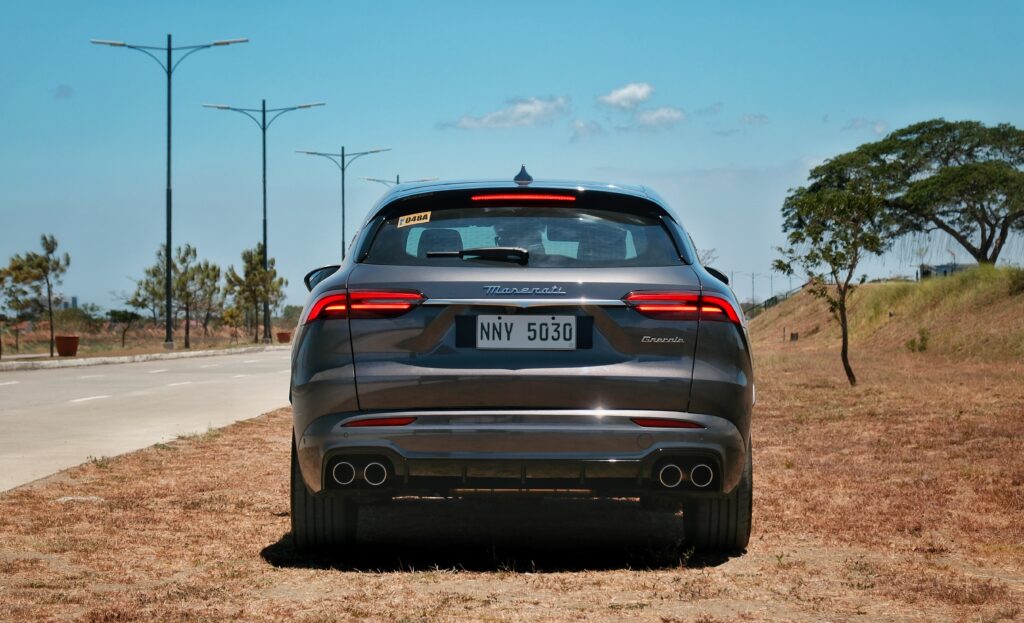
Power is sent to all four wheels through the ubiquitous ZF8HP eight-speed automatic transmission with the aforementioned flappy paddles. The GT features an open rear differential as standard, though buyers can opt for a mechanical limited-slip differential. In Comfort mode, the drivetrain is impressively refined—almost CVT-smooth in the way it delivers power, with minimal intrusion from either the engine or transmission.
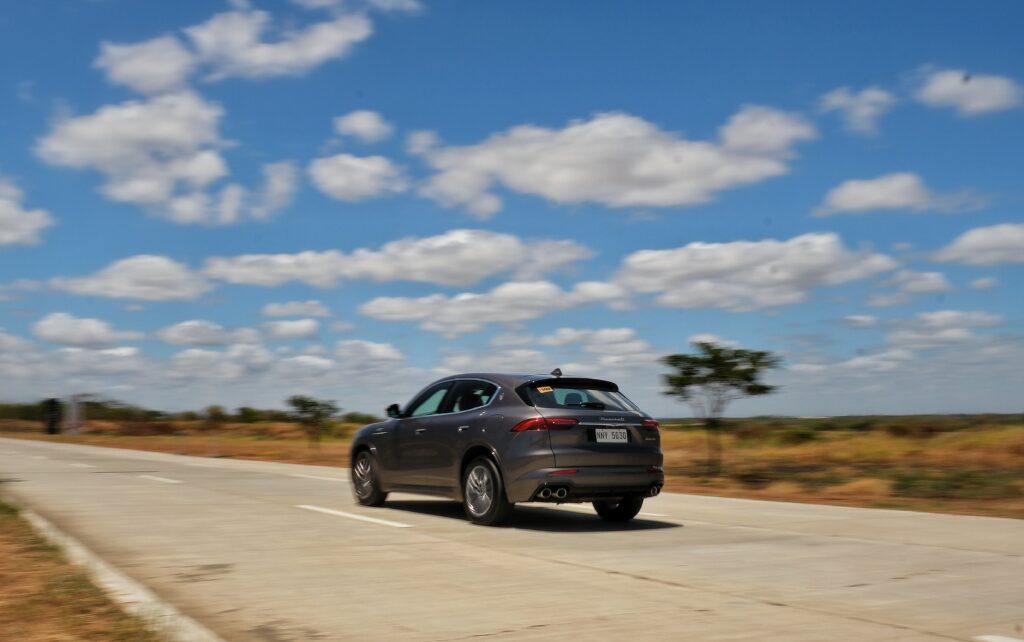
Sport mode transforms the experience.
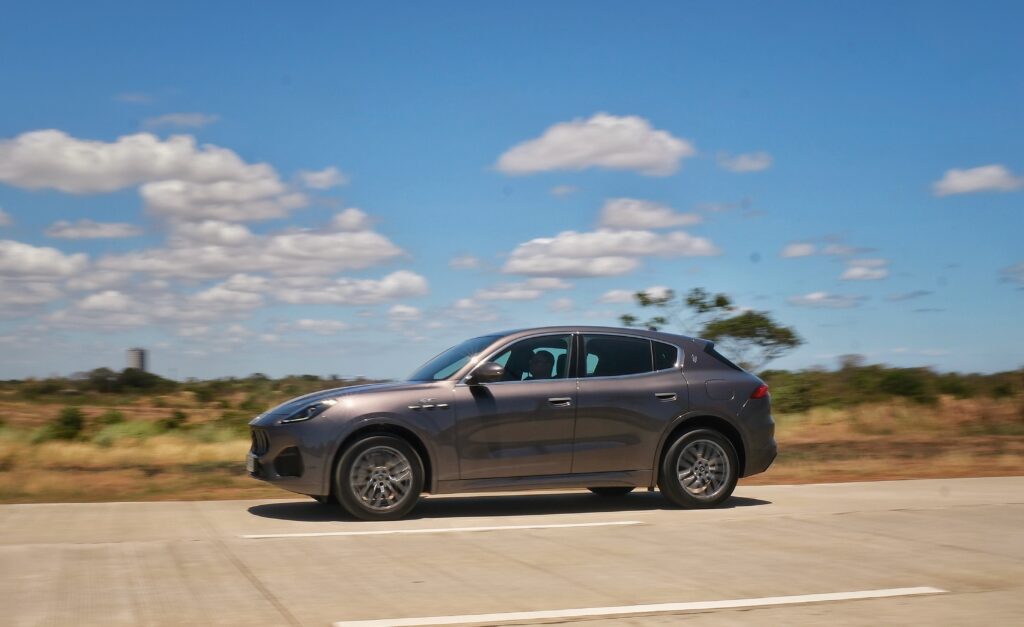
On open roads, the Grecale becomes genuinely entertaining. It encourages commitment through corners, rewarding confidence with excellent front-end bite and fluid body control. Turn-in is sharp, mid-corner balance remains impressively neutral, and while the stability systems intervene before things become truly unruly, there is still enough adjustability to keep enthusiastic drivers engaged.
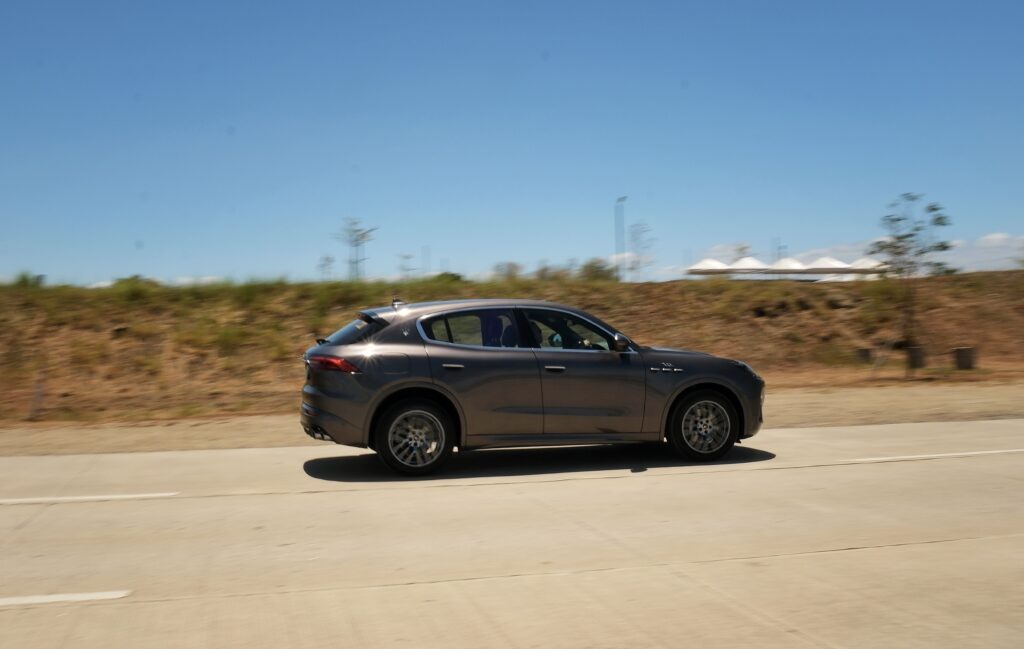
The coil-sprung suspension walks a fine line between sportiness and everyday usability. It remains compliant enough for daily driving, though the firm spring rates occasionally make the chassis feel slightly nervous during rapid direction changes. Additional damping control would further improve composure.
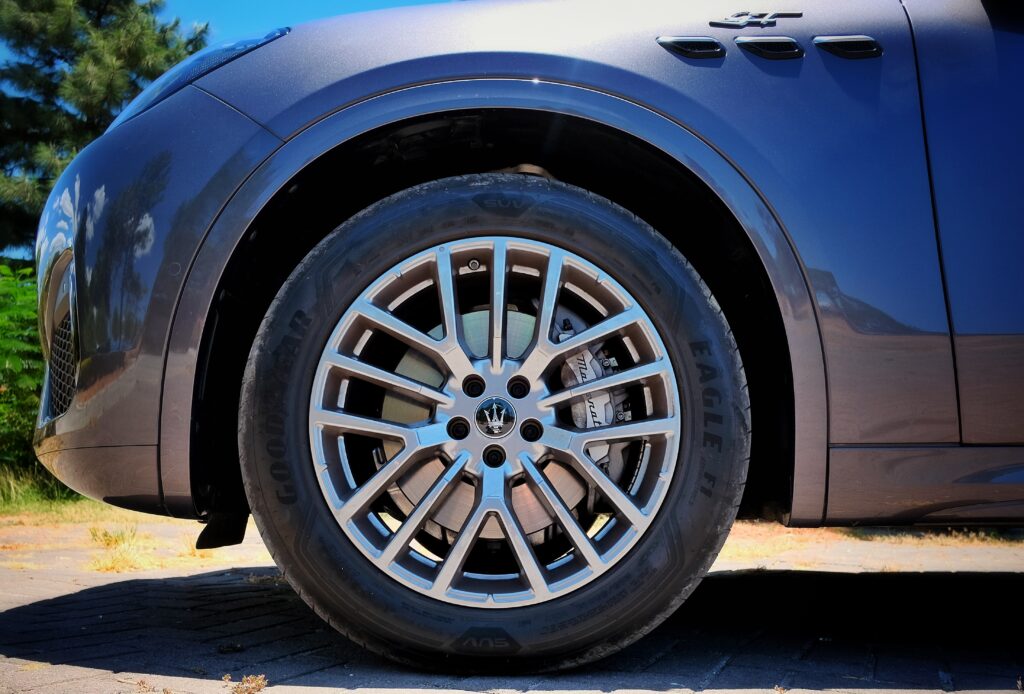
The brakes, however, are superb: firm, progressive, and confidence-inspiring. They encourage late braking and reward smooth weight transfer, allowing the rear axle to rotate subtly under lift-off. And substantial they are too! The four-piston front calipers supplied by Brembo, together with the large 350mm ventilated front rotors fill out the space inside the large 19-inch wheels wrapped in Goodyear Eagle F1 SUV performance tires.
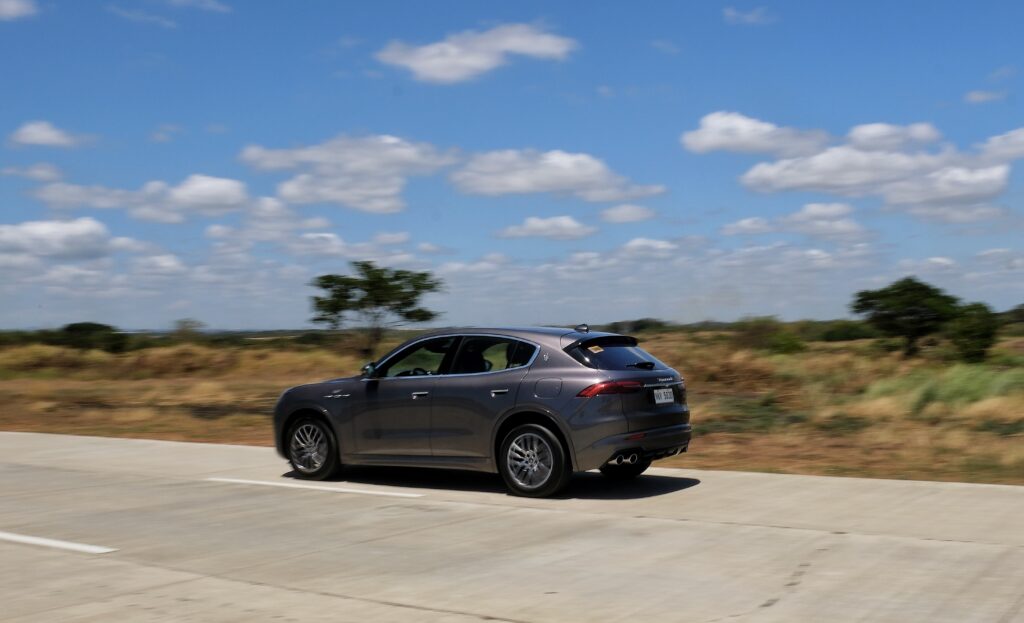
Back on the highway, the Grecale settles into its role as a refined grand tourer. Despite being smaller than the Levante, Maserati claims comparable interior space thanks to efficient packaging and thoughtful cabin design. Passenger room is generous, the climate control performs admirably in tropical heat, and the cabin remains an inviting place to spend long hours.
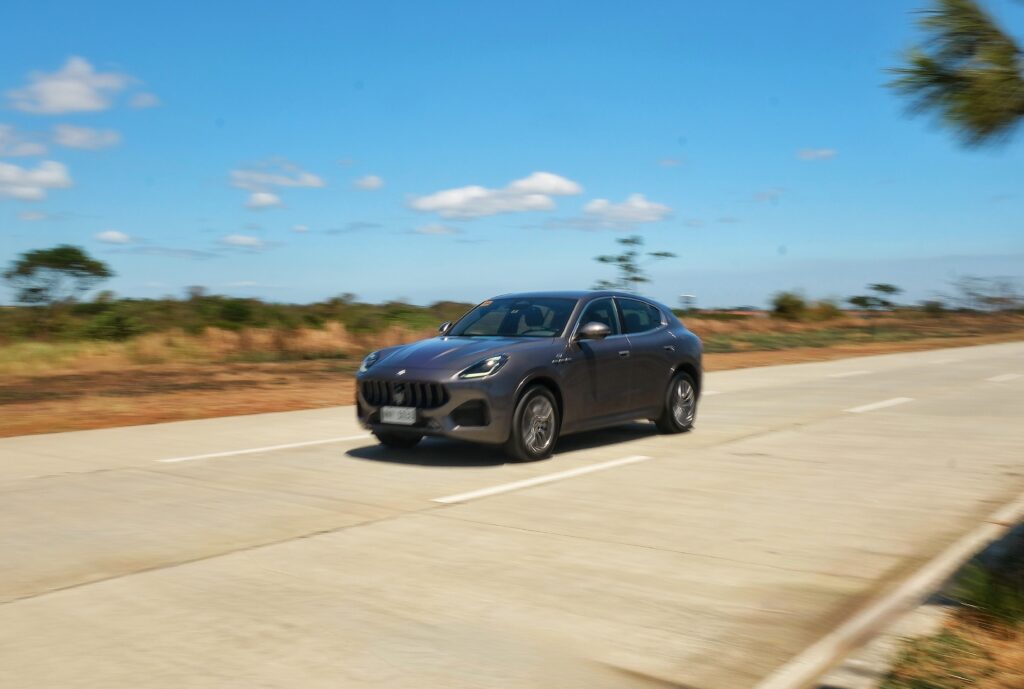
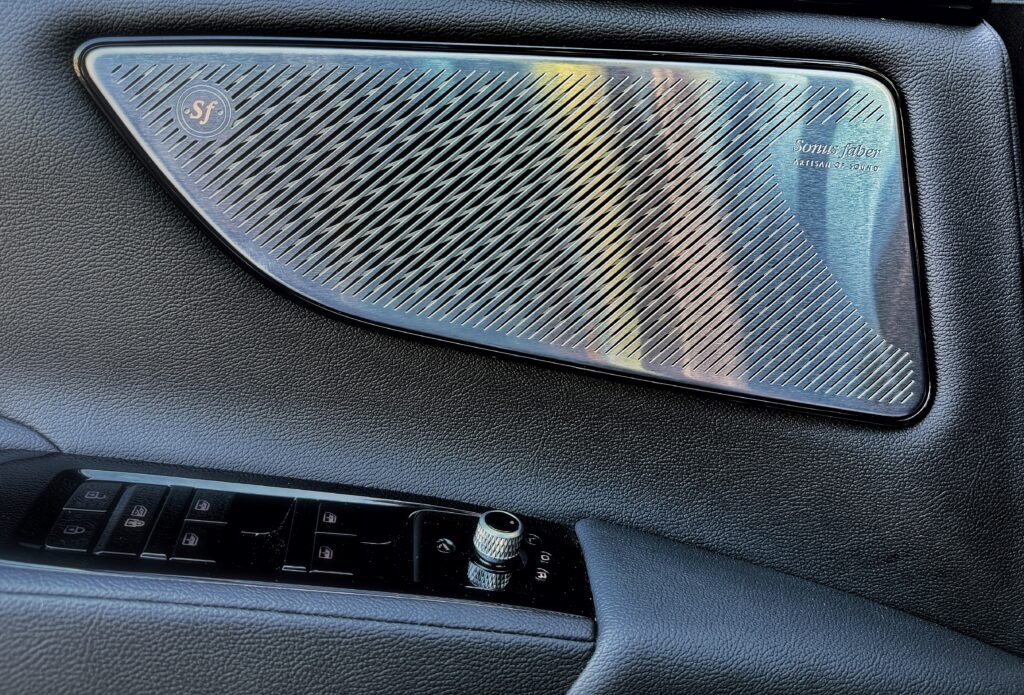
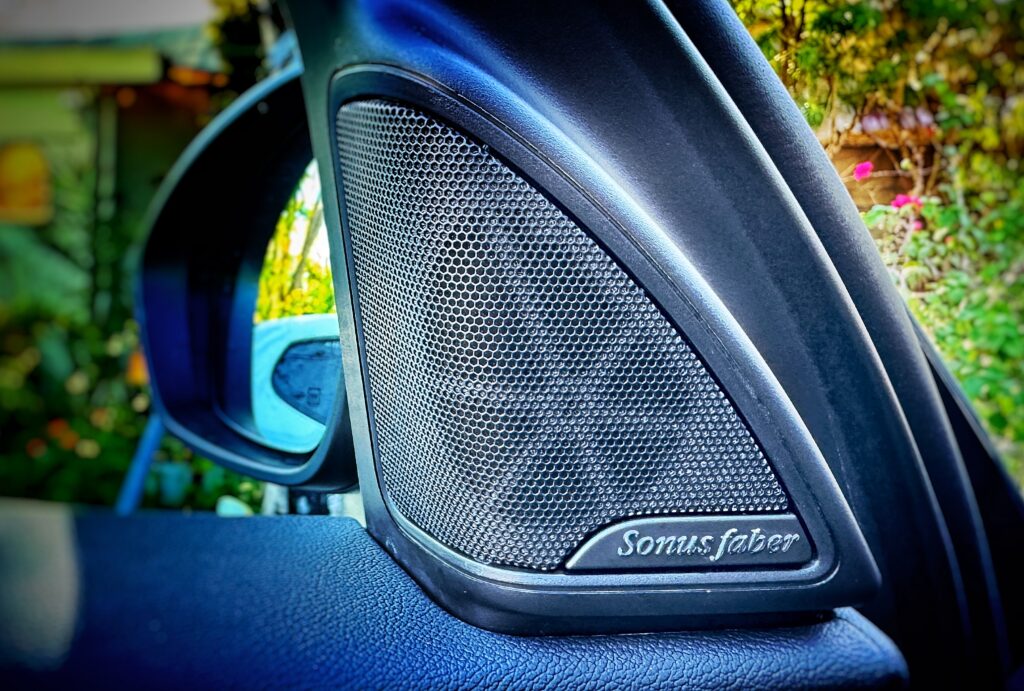
And when one tires of listening to turbocharged exhaust theatrics, the available Sonus faber surround sound system delivers a different form of Italian artistry. The renowned high-end audio manufacturer—better known in audiophile circles for its handcrafted home speakers—creates a rich, immersive soundscape that feels every bit as emotive as the car itself.
Ultimately, the Grecale distinguishes itself not through outright dominance, but through character.
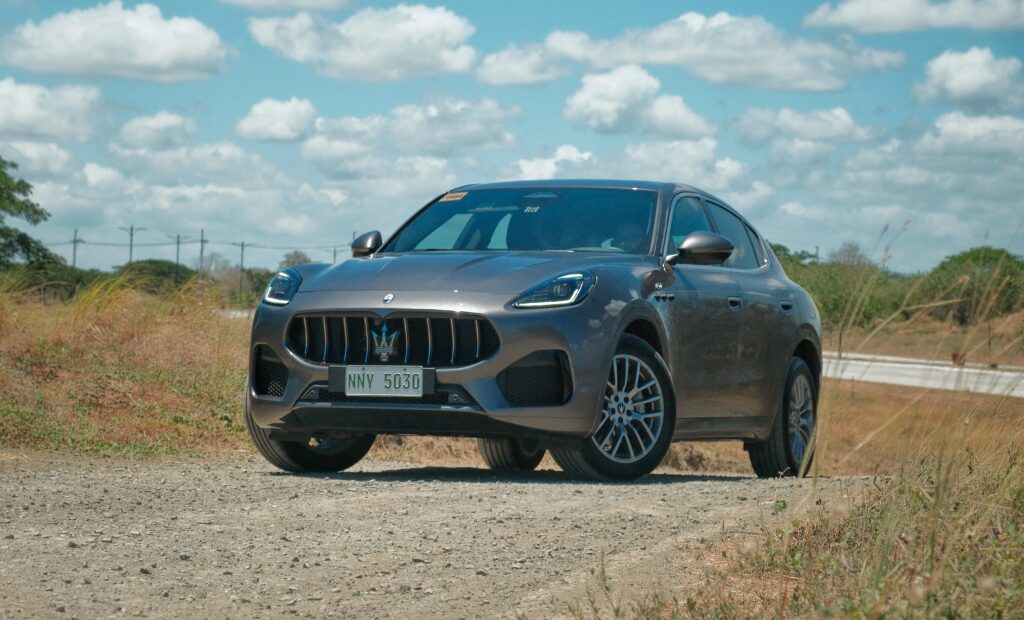
Where its German competitors often feel clinical in their pursuit of perfection, the Maserati embraces personality. The interior feels more distinctive, the chassis more organic, the driving experience more playful and expressive.
It may not be the most polished entrant in the segment, but it is undoubtedly among the most memorable.
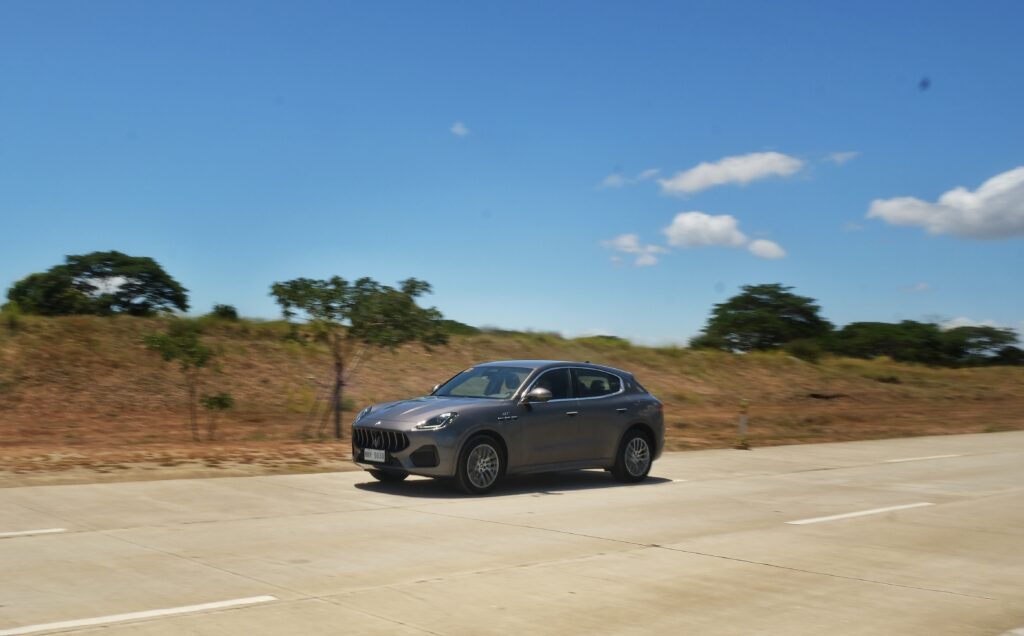
The Grecale possesses charm—that elusive quality increasingly absent in modern performance cars. It invites curiosity, encourages spontaneity, and reminds you that driving should stir emotion as much as intellect.
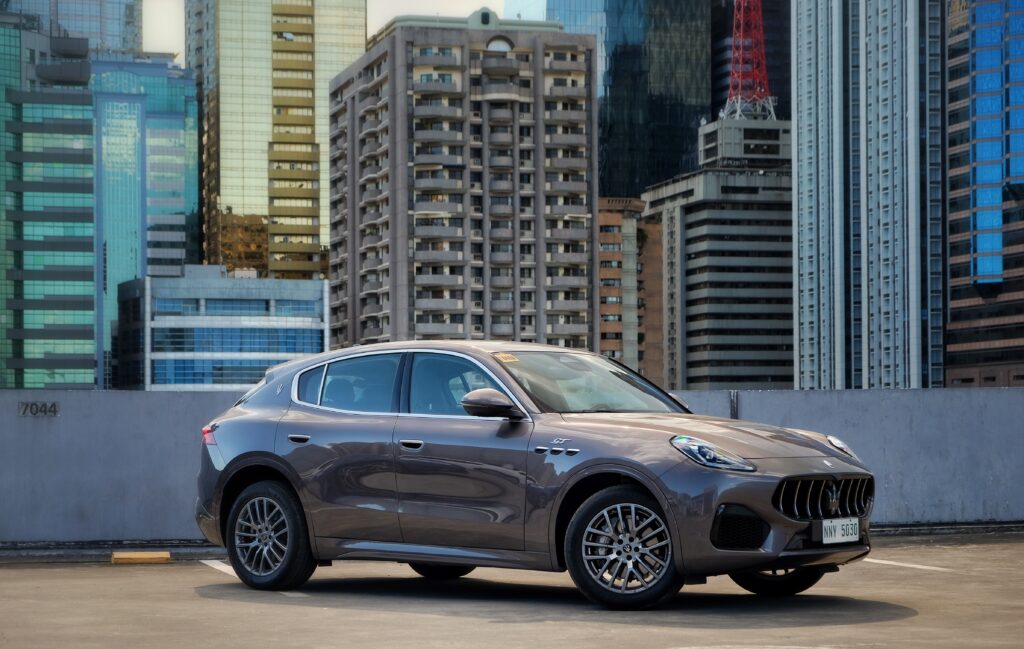
And like the Mediterranean wind from which it takes its name, it carries you forward toward adventure.