
For more than a century, motorsport has served as the ultimate proving ground for automotive innovation. Disc brakes, aerodynamic advancements, hybrid systems, and countless safety technologies all found their way from the racetrack to the road.
Toyota believes hydrogen could be next.
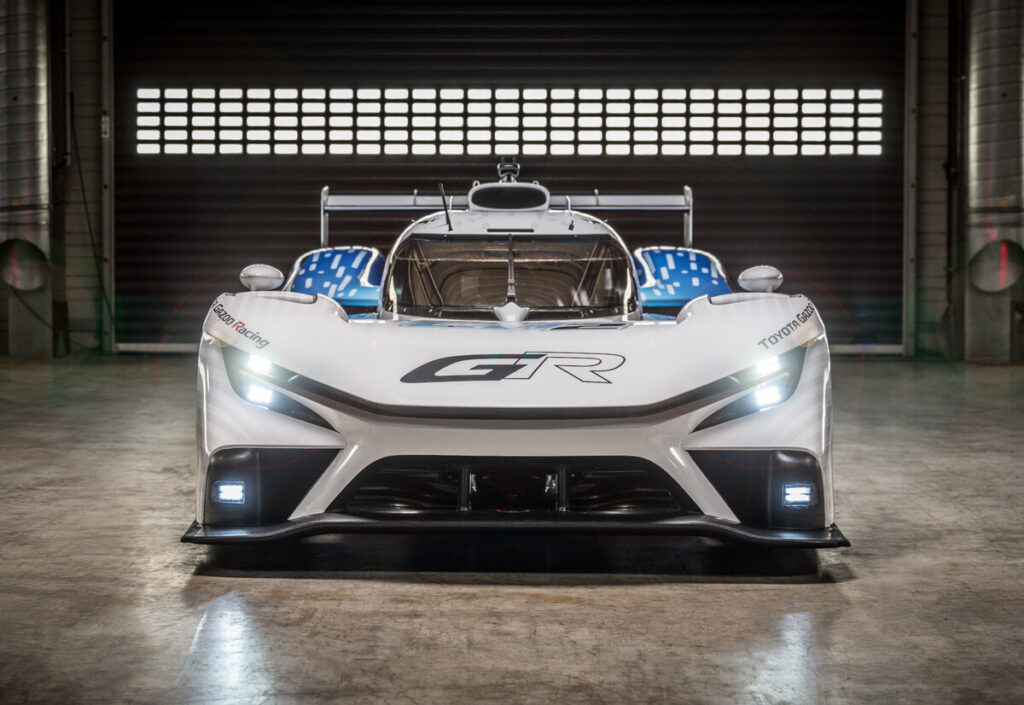
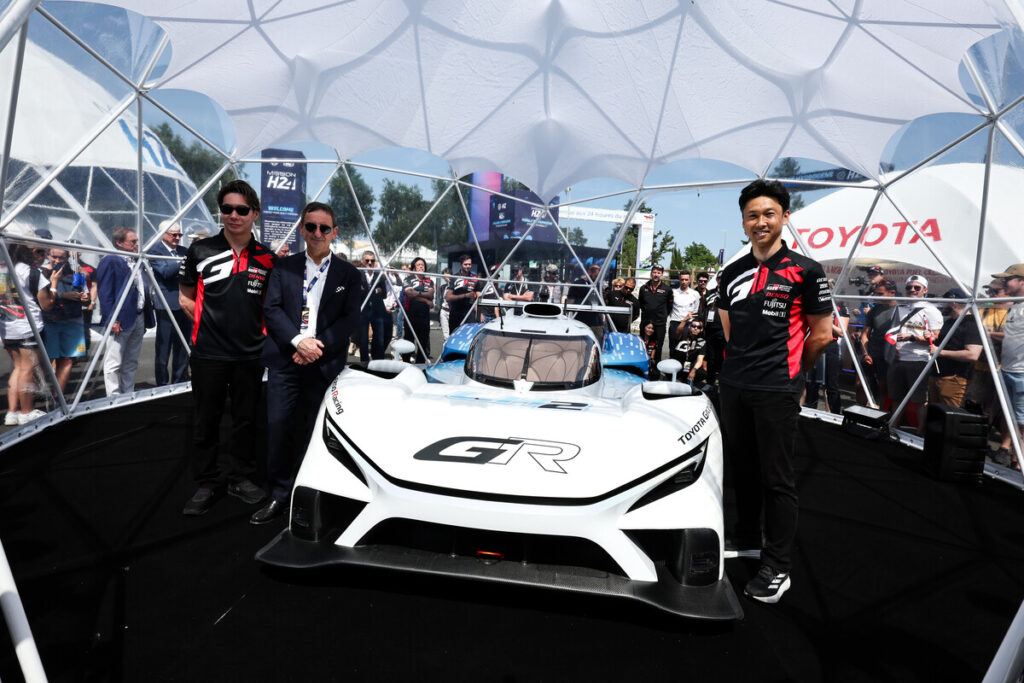
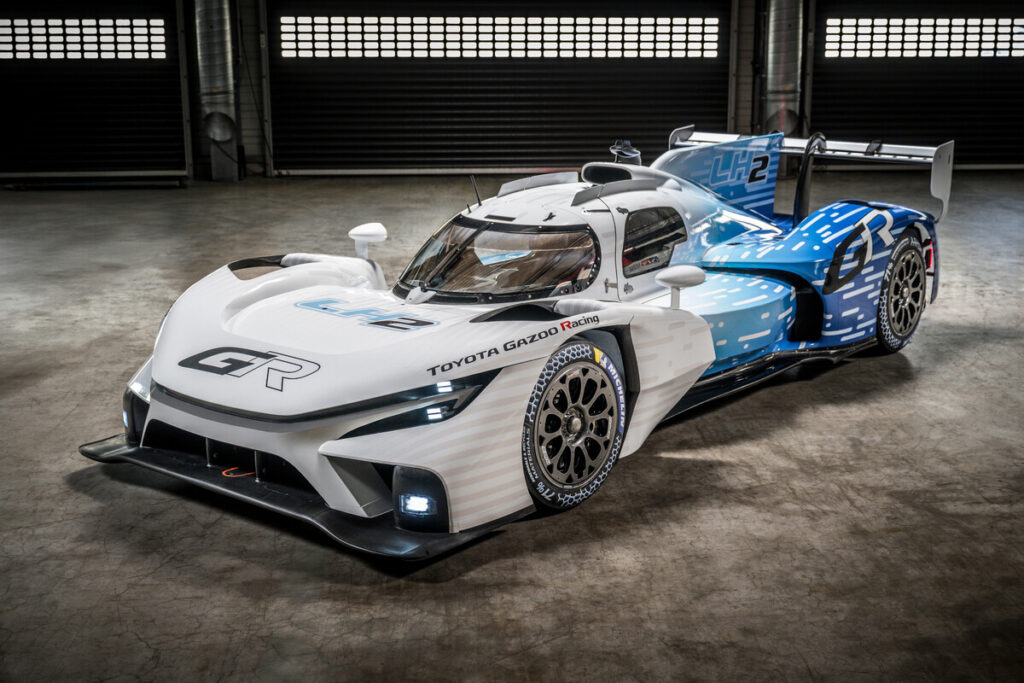
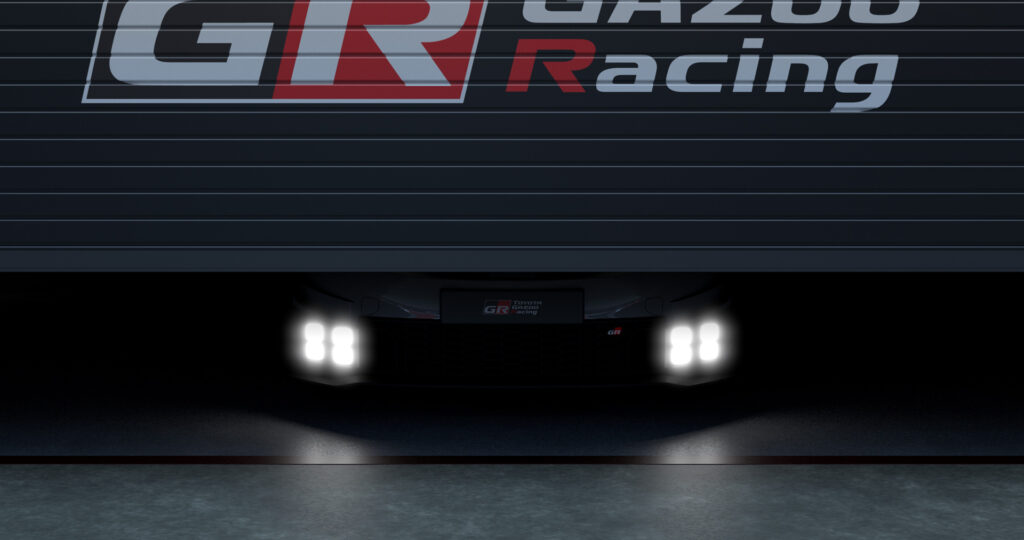
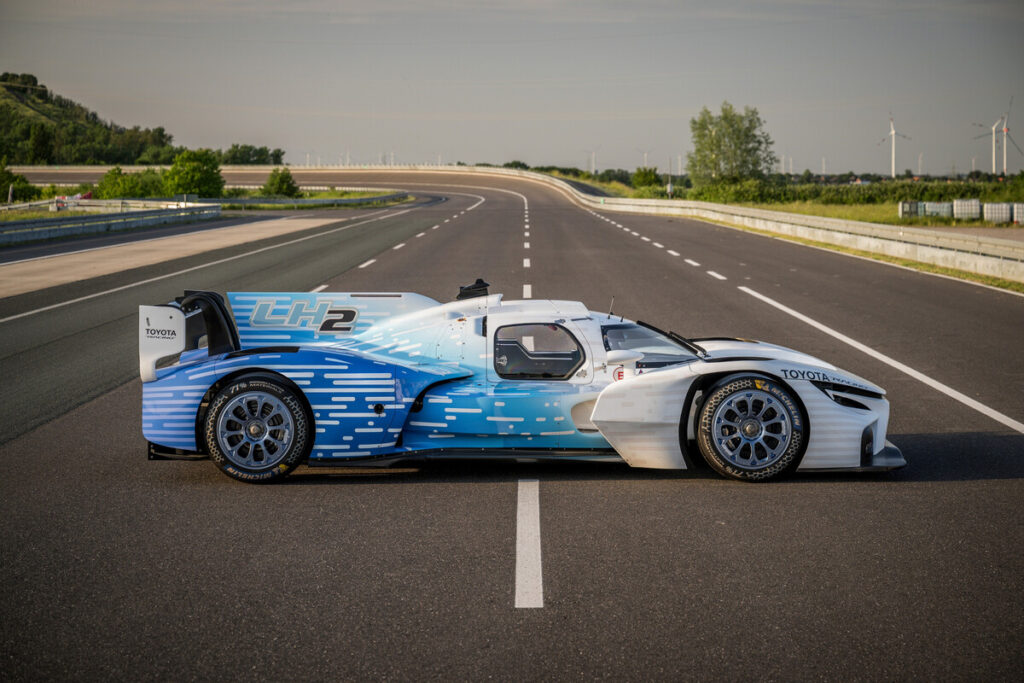
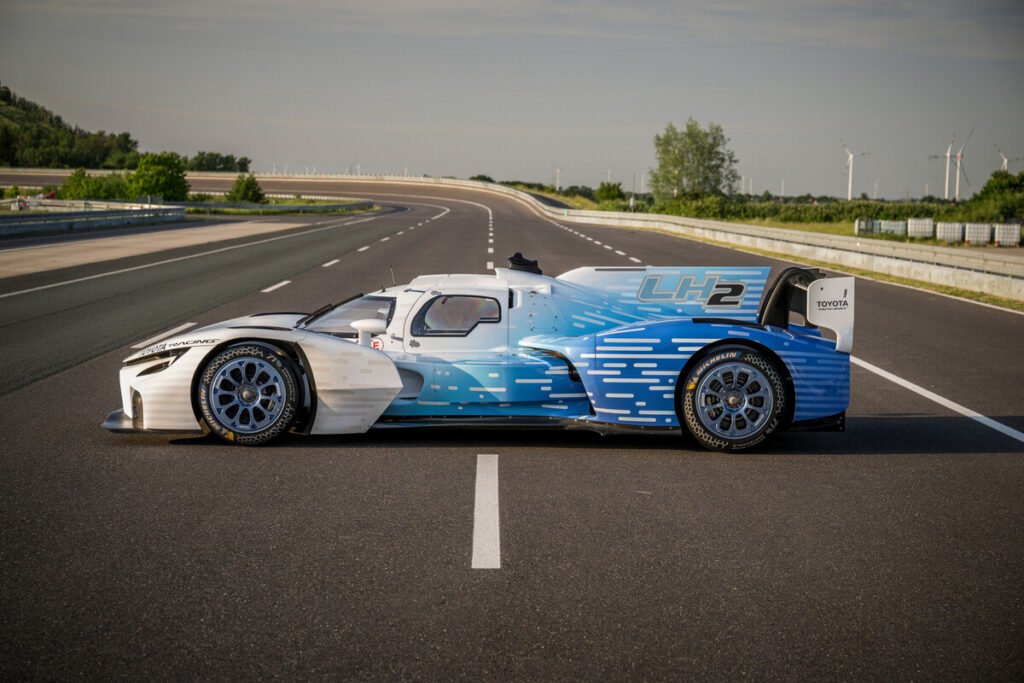
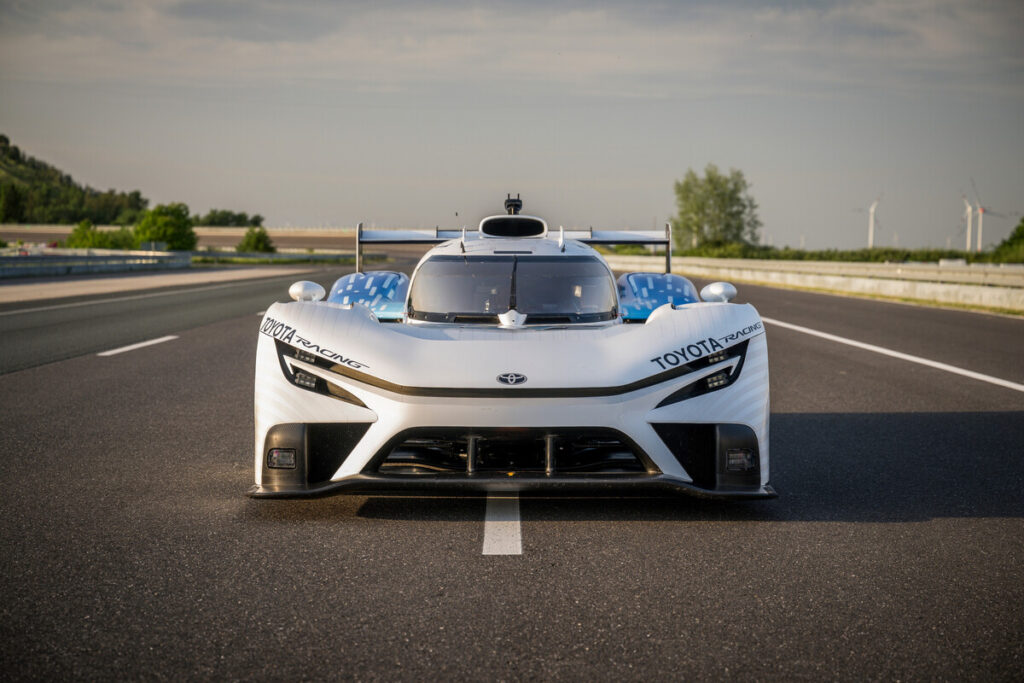
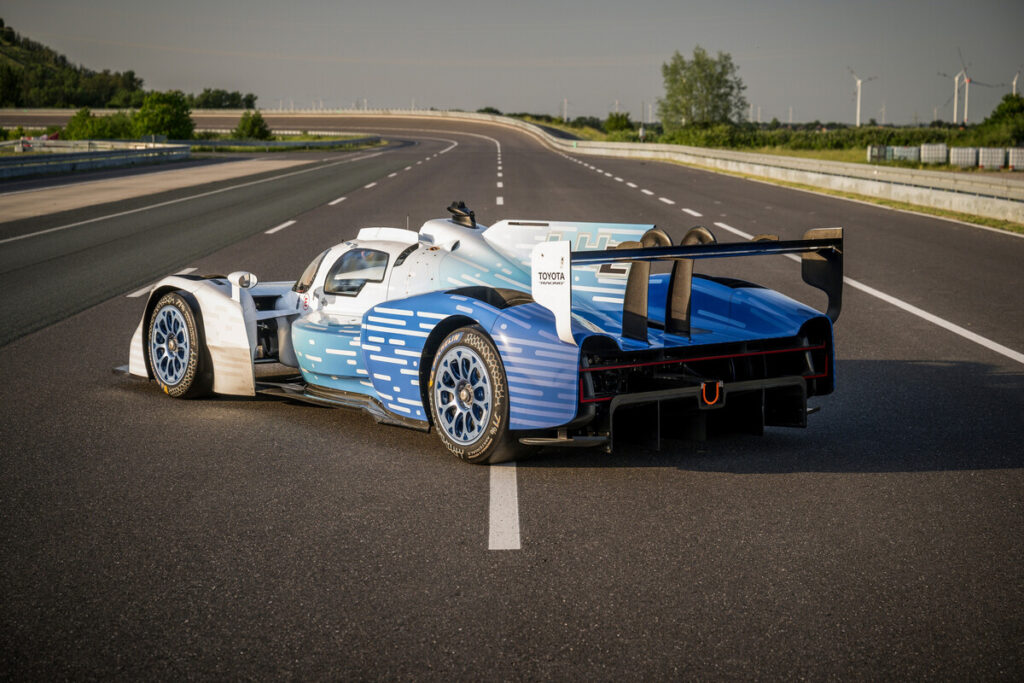
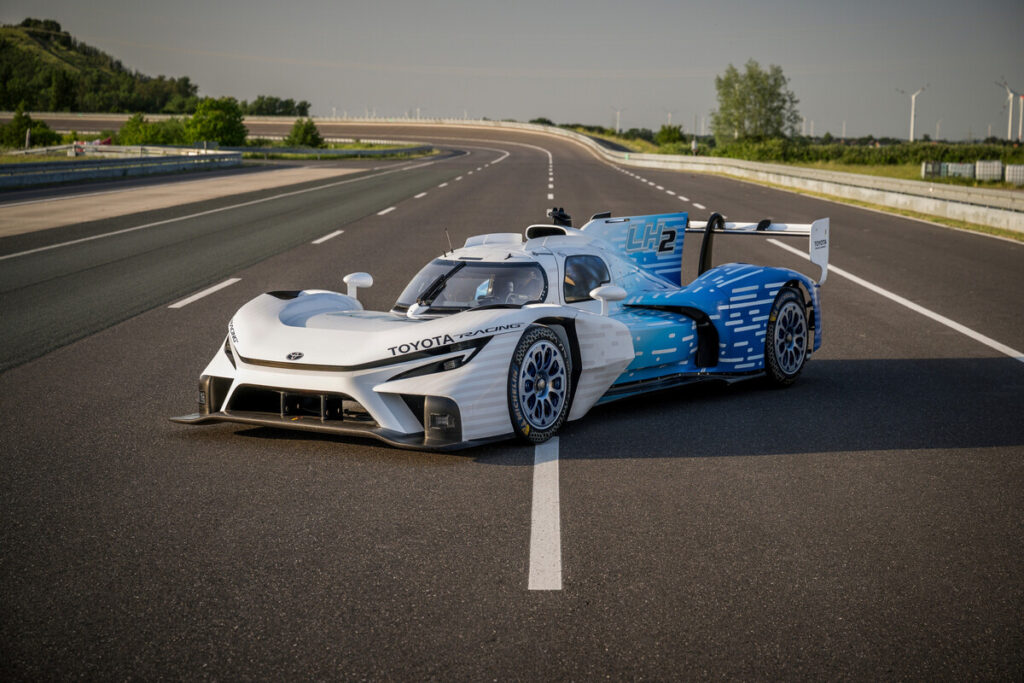
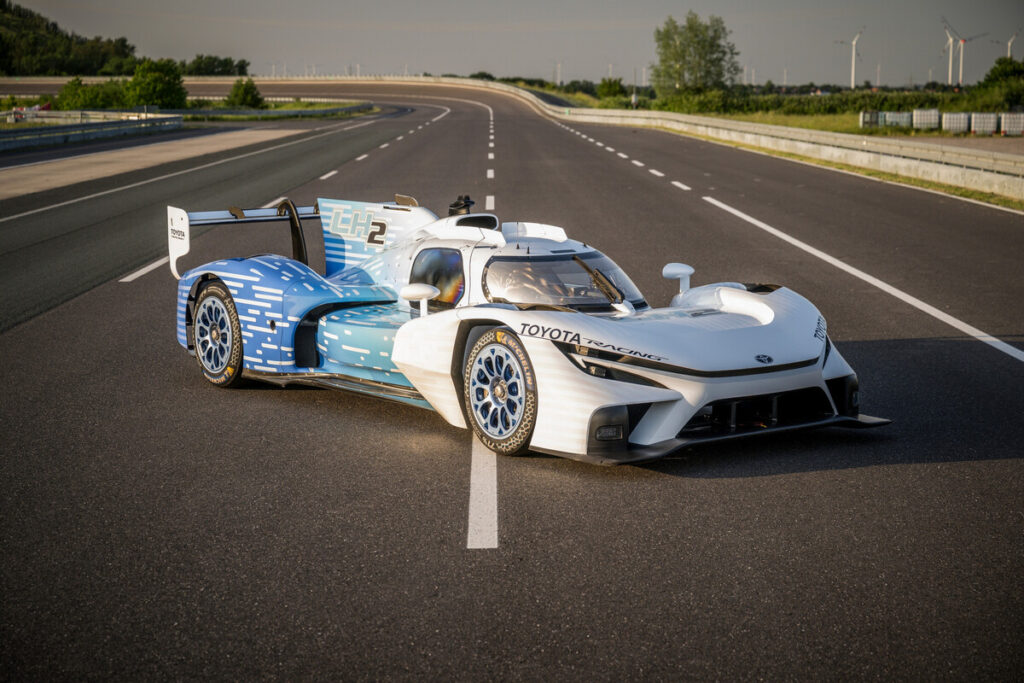
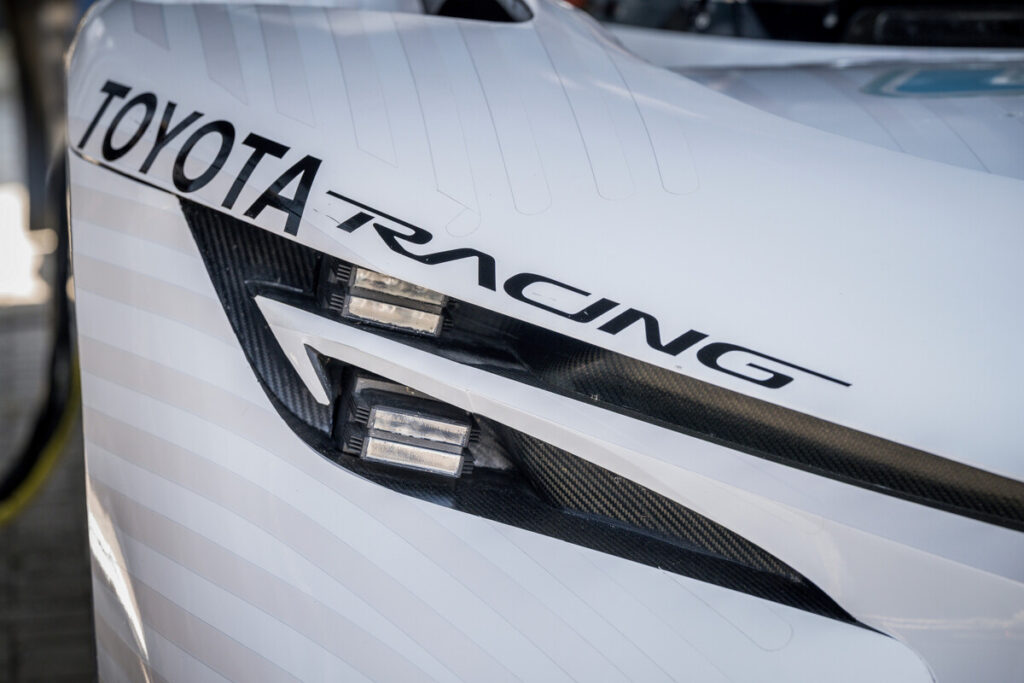
At this year’s 24 Hours of Le Mans, Toyota Gazoo Racing unveiled the GR LH2 Racing Concept, a liquid hydrogen-fueled prototype that represents the latest stage in the company’s pursuit of carbon-neutral motorsport. Displayed at the Circuit de la Sarthe’s Hydrogen Village, the concept offers a glimpse into a future where high-performance racing can retain the sights, sounds, and sensations enthusiasts love while significantly reducing its environmental impact.
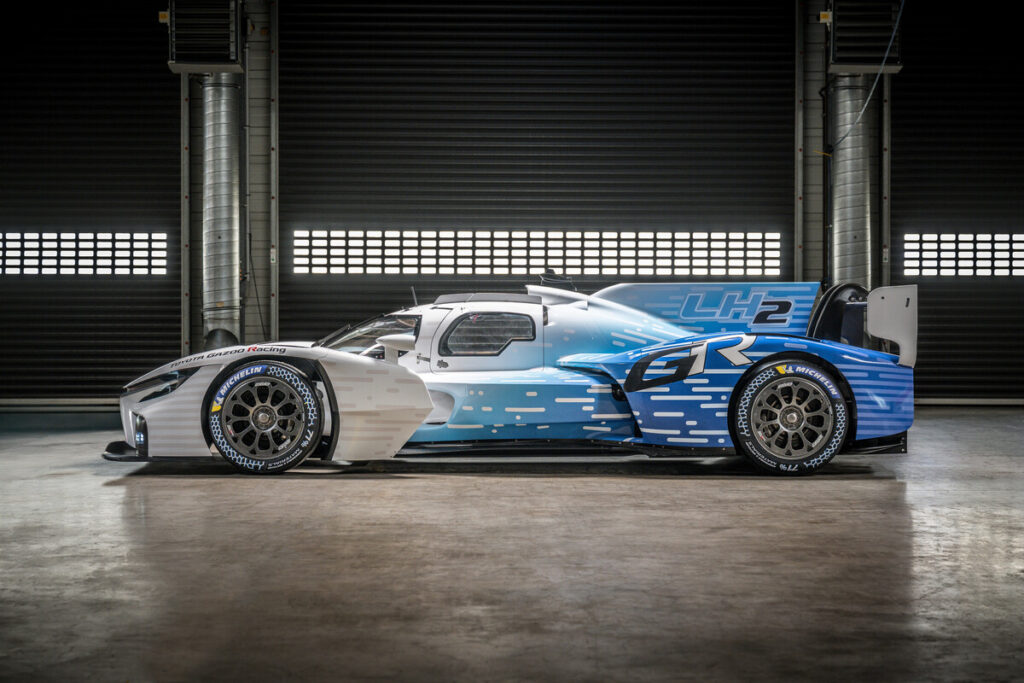
The GR LH2 Racing Concept is based on Toyota’s current GR010 HYBRID Hypercar, which competes in the FIA World Endurance Championship. While still a development vehicle, it serves as a rolling laboratory for advancing hydrogen combustion technology and the infrastructure needed to support it.
Toyota’s hydrogen journey has been years in the making.
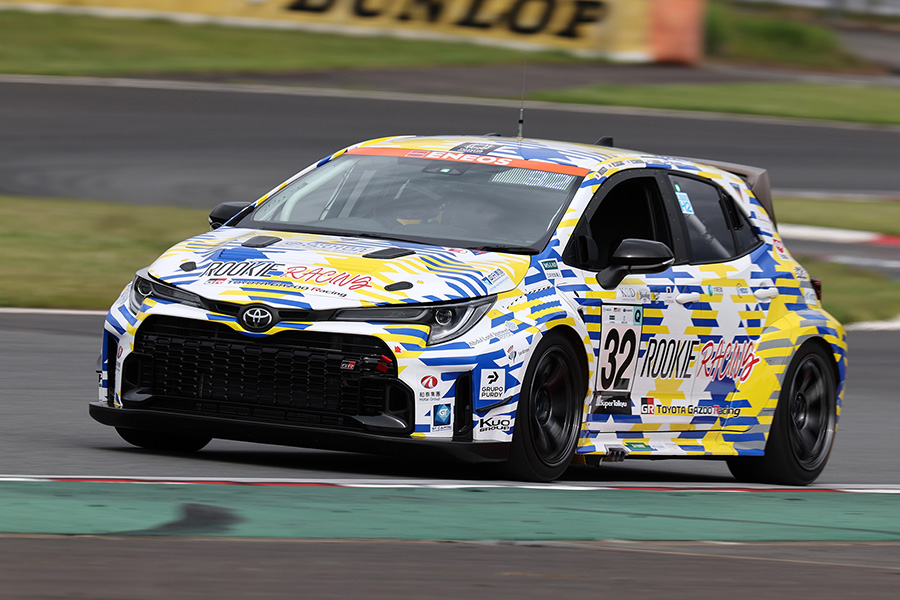
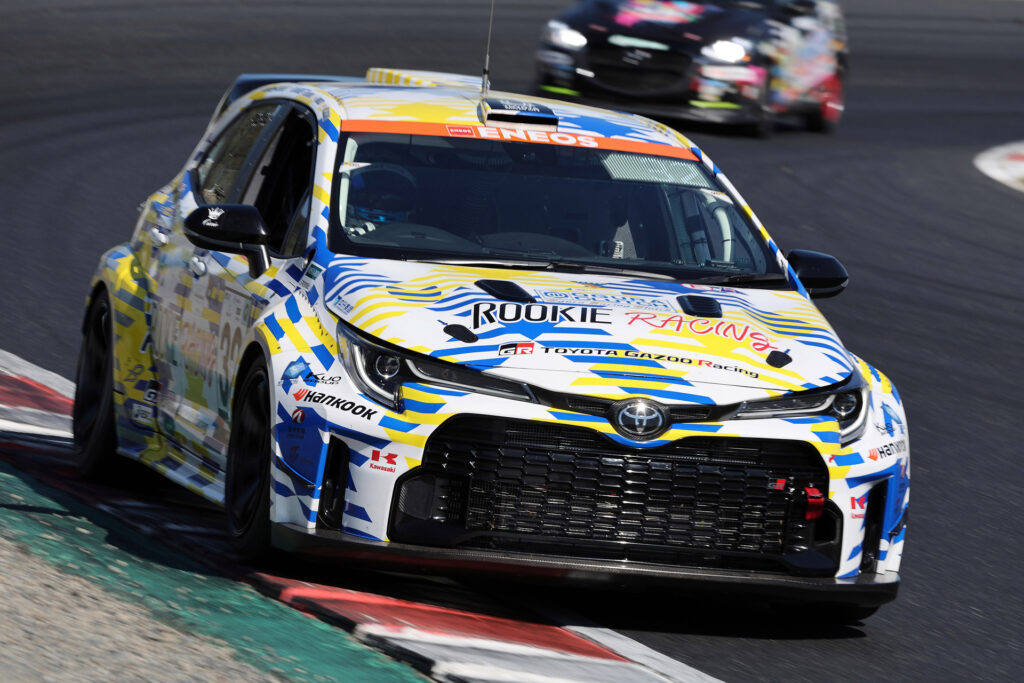
The company first entered the Japanese Super Taikyu endurance series in 2021 with a hydrogen-powered Corolla race car running on compressed gaseous hydrogen. By 2023, the program had progressed to liquid hydrogen, a significant technological step that offers greater energy density and improved packaging efficiency.
The lessons learned through endurance racing have accelerated development across multiple projects and disciplines.
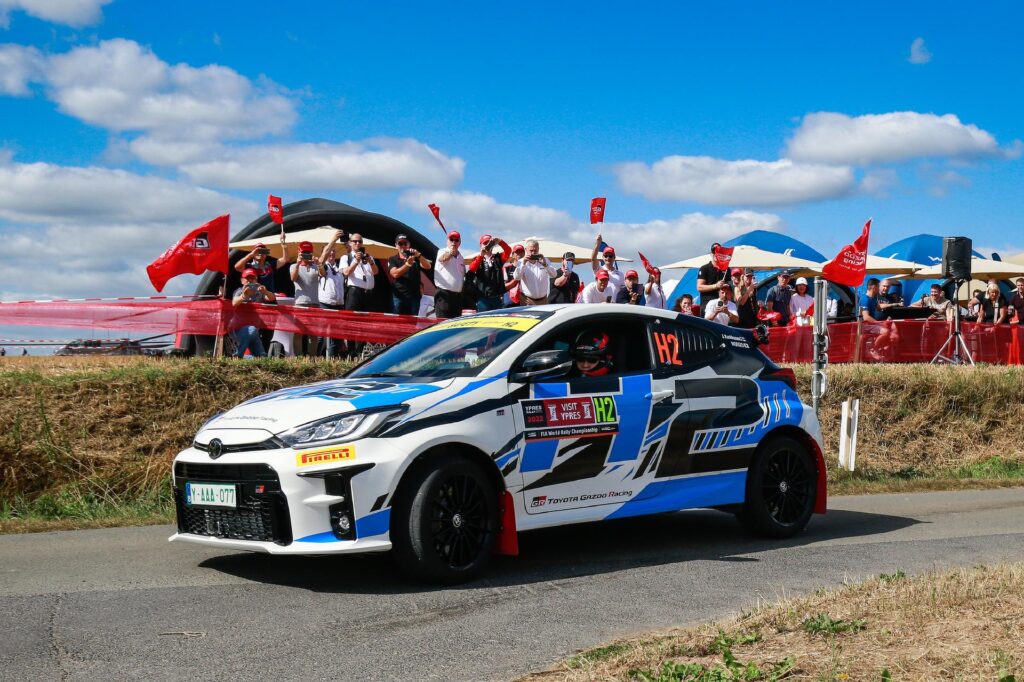
Toyota has also showcased hydrogen’s potential beyond circuit racing. In 2022, the GR Yaris H2 completed demonstration runs at the Ypres Rally, a round of the FIA World Rally Championship, proving that hydrogen combustion engines could be adapted for rally competition as well.
Le Mans has become an important stage for Toyota’s hydrogen ambitions.
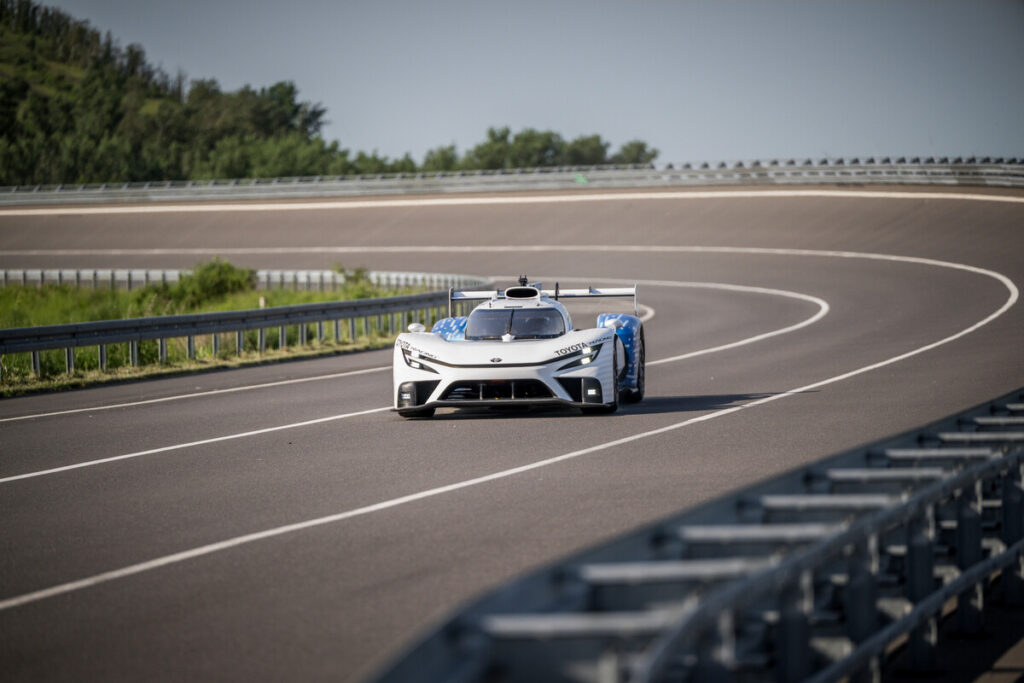
In 2023, the hydrogen-powered Corolla completed a demonstration lap of the legendary Circuit de la Sarthe, while Toyota simultaneously revealed the GR H2 Racing Concept, offering a preview of what a future hydrogen-powered category at Le Mans could look like.
The new GR LH2 Racing Concept builds upon that foundation.
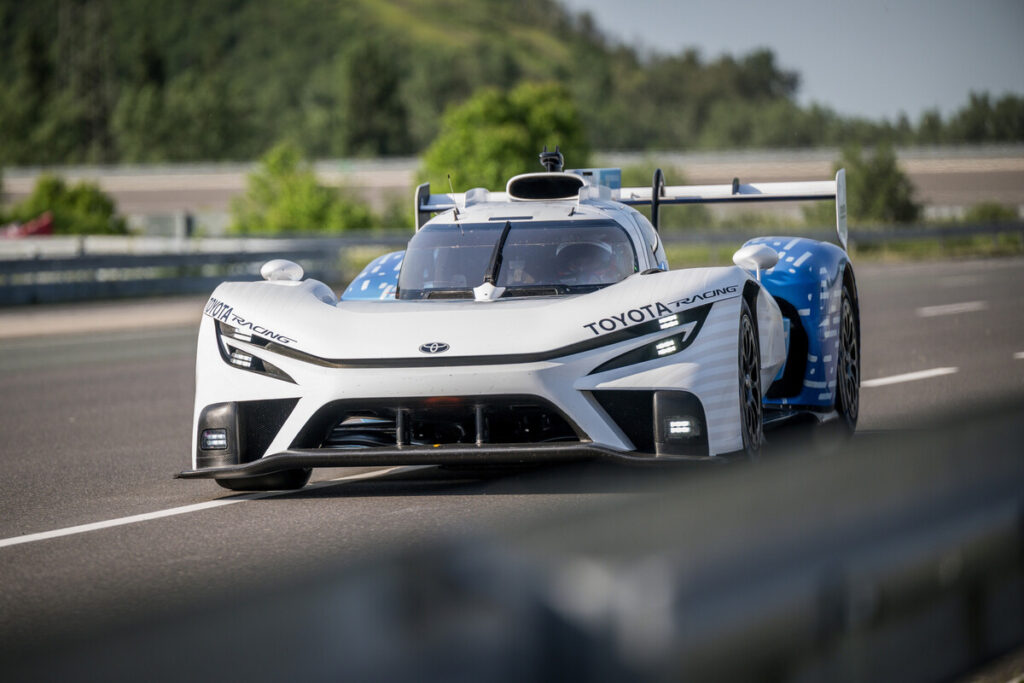
More than a design exercise, it signals Toyota’s continued commitment to developing hydrogen as a viable motorsport fuel. Future track testing will focus not only on vehicle performance but also on the production, storage, transportation, and deployment of liquid hydrogen within a racing environment.
The next phase arrives almost immediately.
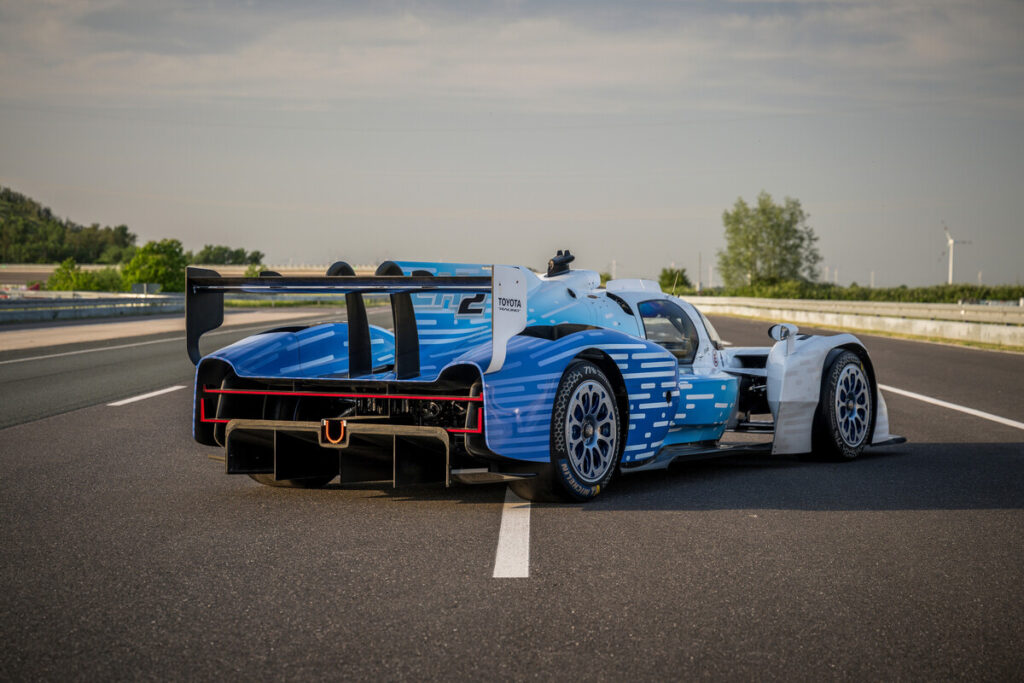
Toyota Racing will conduct the first public demonstration runs of its liquid hydrogen-powered TR LH2 Racing Prototype during the upcoming 94th edition of the Le Mans 24 Hours. Based on the same chassis architecture as the current TR010 HYBRID Hypercar, the prototype will complete demonstration laps around the 13.6-kilometer Circuit de la Sarthe, allowing fans to experience firsthand the unique sound and character of a hydrogen combustion engine at speed.
The demonstrations are intended to prove that alternative fuels need not come at the expense of emotion or performance.
At a time when much of the industry’s attention is focused on battery-electric vehicles, Toyota continues to advocate a multi-pathway approach toward carbon neutrality. The company believes hydrogen can play an important role alongside electrification, particularly in applications where fast refueling, long operating range, and sustained performance remain critical.
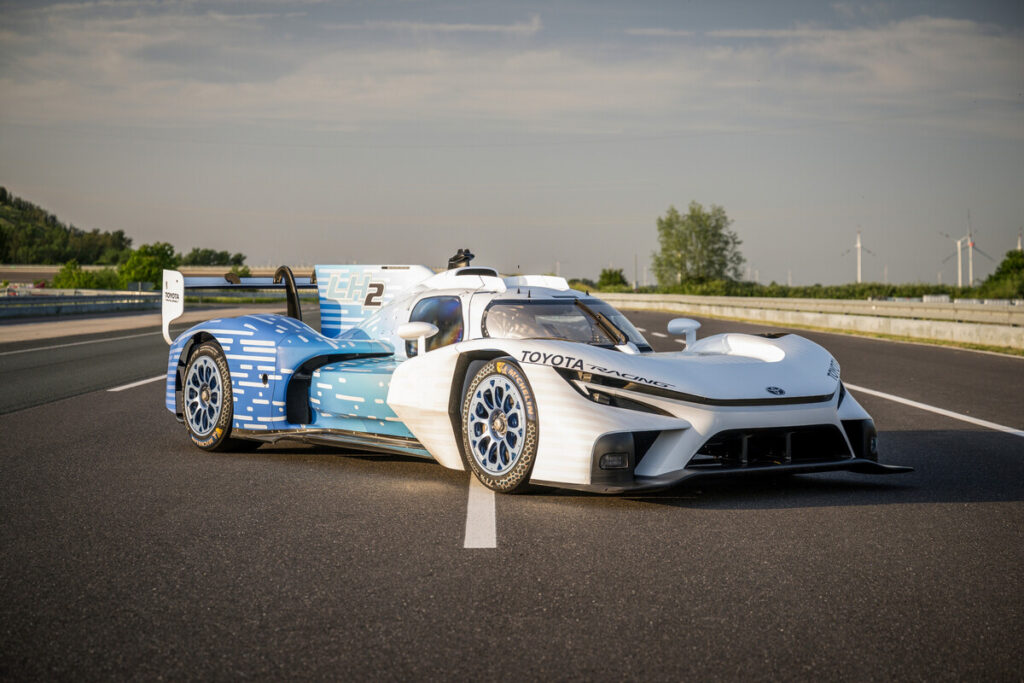
The unveiling of the GR LH2 Racing Concept also forms part of Toyota’s celebration of 40 years at Le Mans.
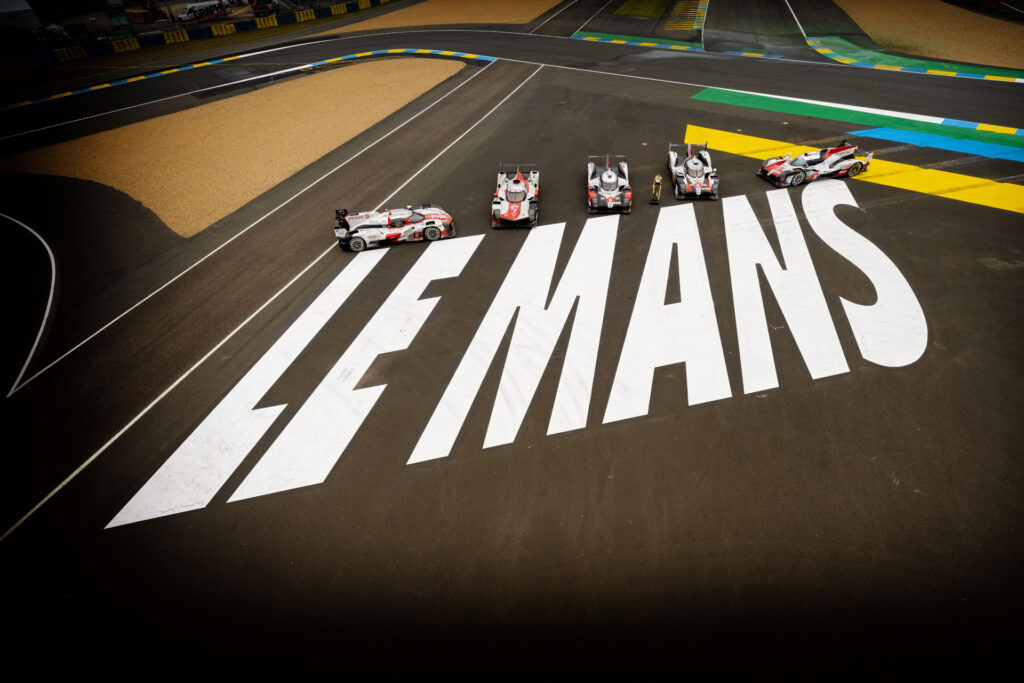
The No. 7 GR010 HYBRID, driven by Mike Conway, Kamui Kobayashi, and Nyck de Vries, wears a red-and-white tribute livery inspired by the iconic TS020 race car of 1998. Meanwhile, the No. 8 GR010 HYBRID of Sébastien Buemi, Brendon Hartley, and Ryo Hirakawa carries a matte-black design that embodies Gazoo Racing’s enduring “Hate to Lose” philosophy.
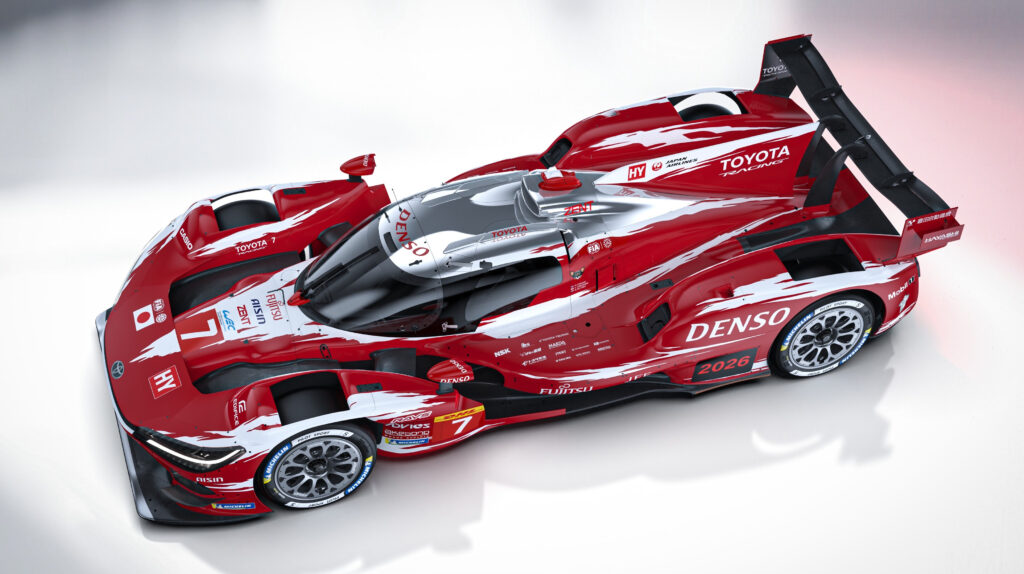
Together, the race cars and hydrogen prototypes tell a larger story. One celebrates Toyota’s past at Le Mans. Another represents its present pursuit of victory. The GR LH2 Racing Concept points firmly toward the future.
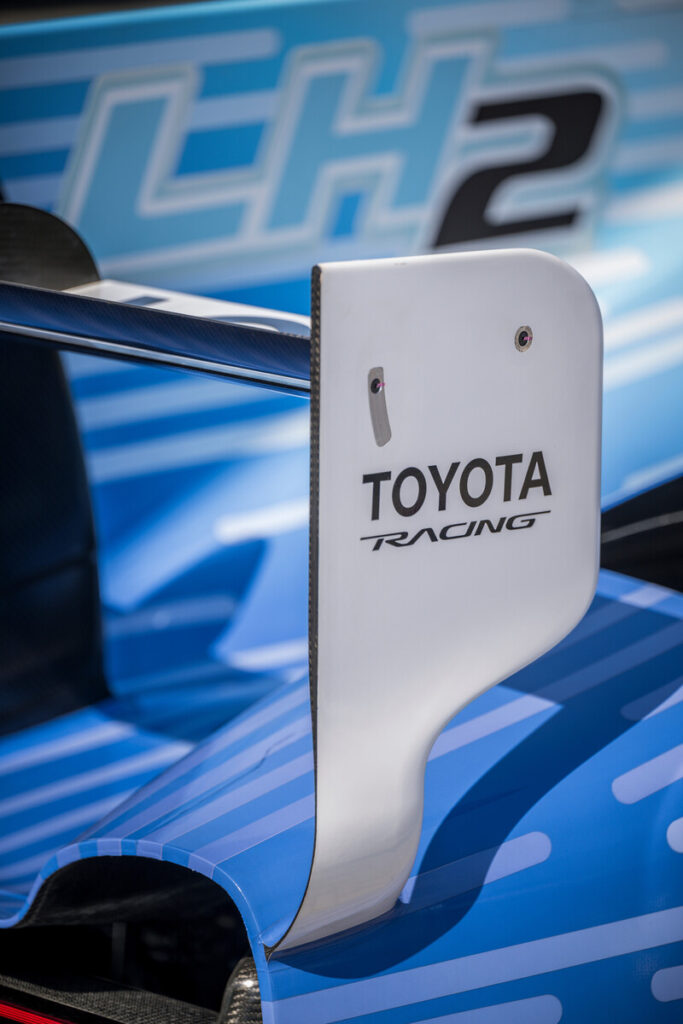
Whether hydrogen ultimately becomes a mainstream motorsport fuel remains to be seen. But Toyota’s willingness to invest, experiment, and demonstrate the technology on one of racing’s biggest stages suggests the company sees genuine potential.
As the automotive world searches for sustainable solutions without sacrificing performance, Toyota is betting that the future of racing may still involve pistons, combustion, and the unmistakable soundtrack of an engine—only this time fueled by hydrogen.