
What makes a sports car different? Why is it special? And why spend so much on something that offers very little in the way of practicality, efficiency, and versatility?
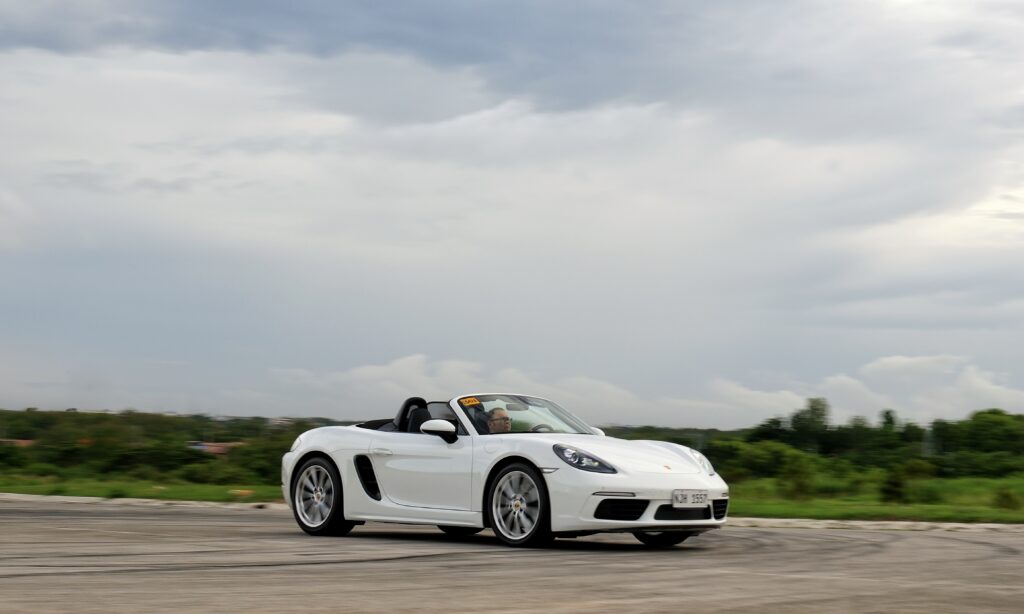
To paraphrase what esteemed motoring journalist Jeremy Clarkson once noted, cars are the ultimate essence of freedom. They allow us to go anywhere we want, anytime we please, entirely at our own convenience. Nothing exemplifies that core sense of freedom better than a sports car—and a convertible one at that.
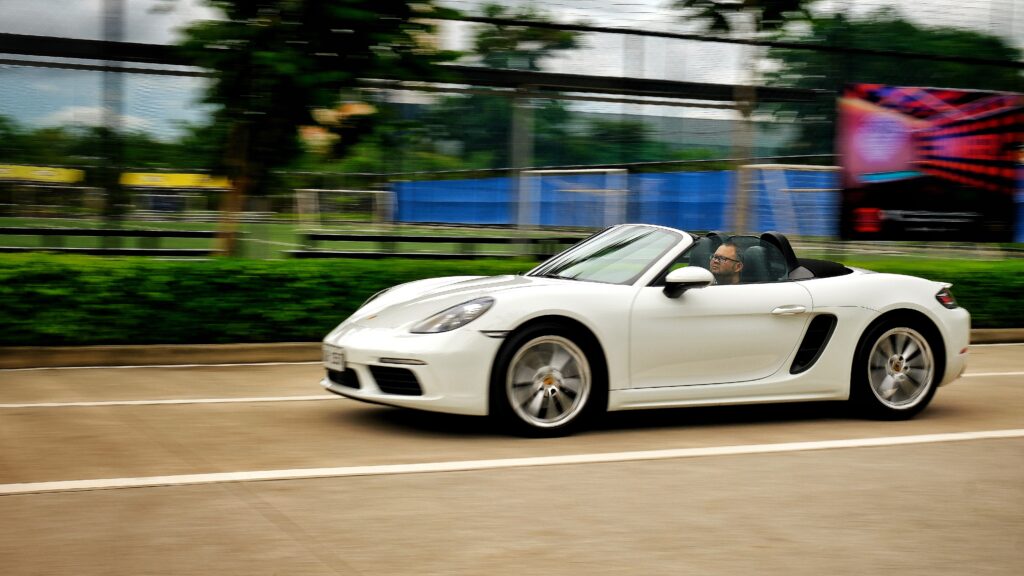
Sports cars are minimalists by definition. They require a great engine, pure steering, and the precise combination of sound and vibration to elicit a deeply emotional response.
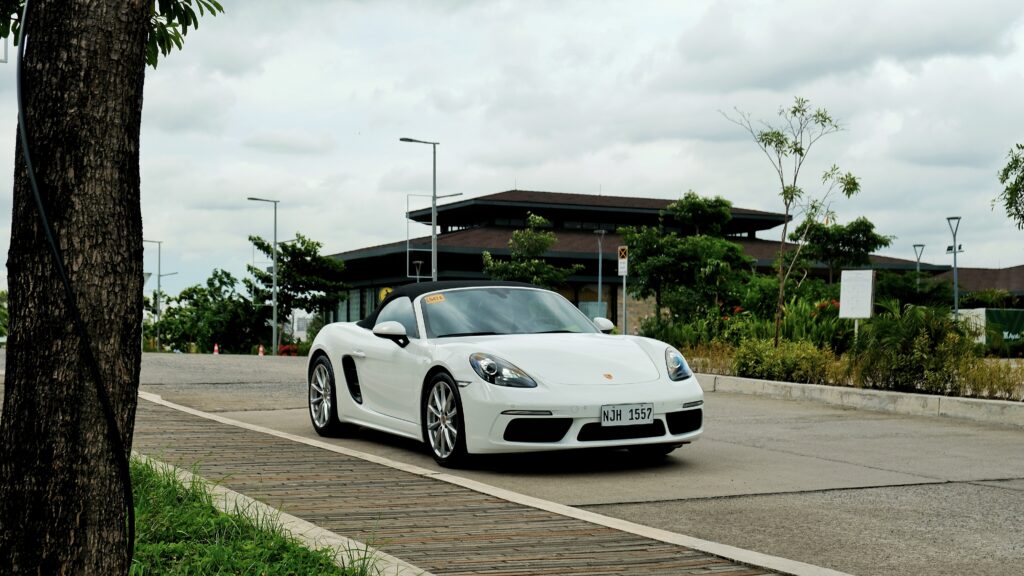
It is a machine engineered specifically to arouse the senses, forcing the driver to remain locked in the absolute focus of the moment. Everything else is secondary. Technologies like autonomous driving have no place in this segment.
If you are not deeply keen on the visceral act of driving, you have no business being behind the wheel of a sports car in the first place.
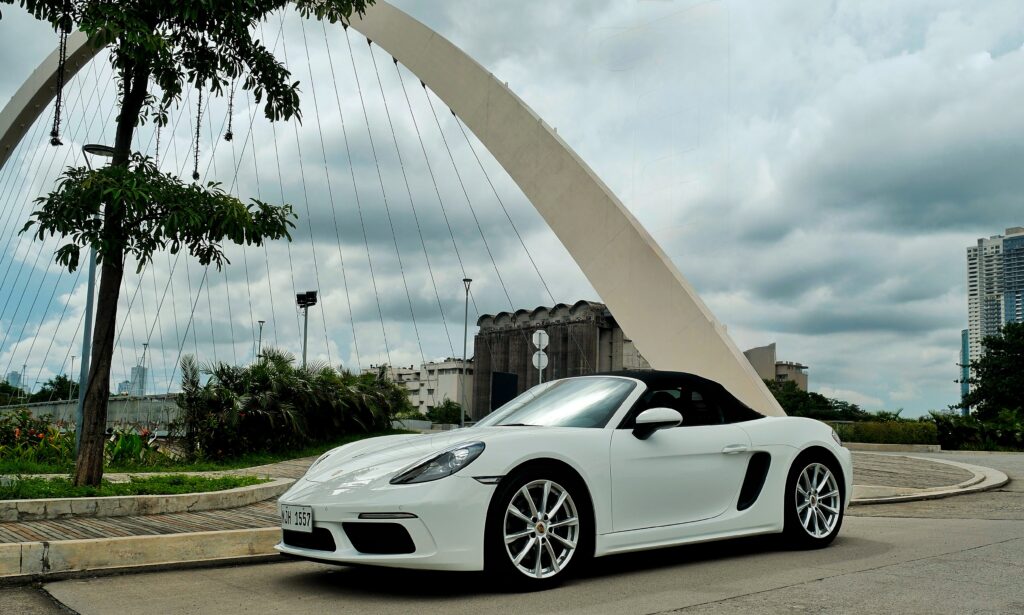
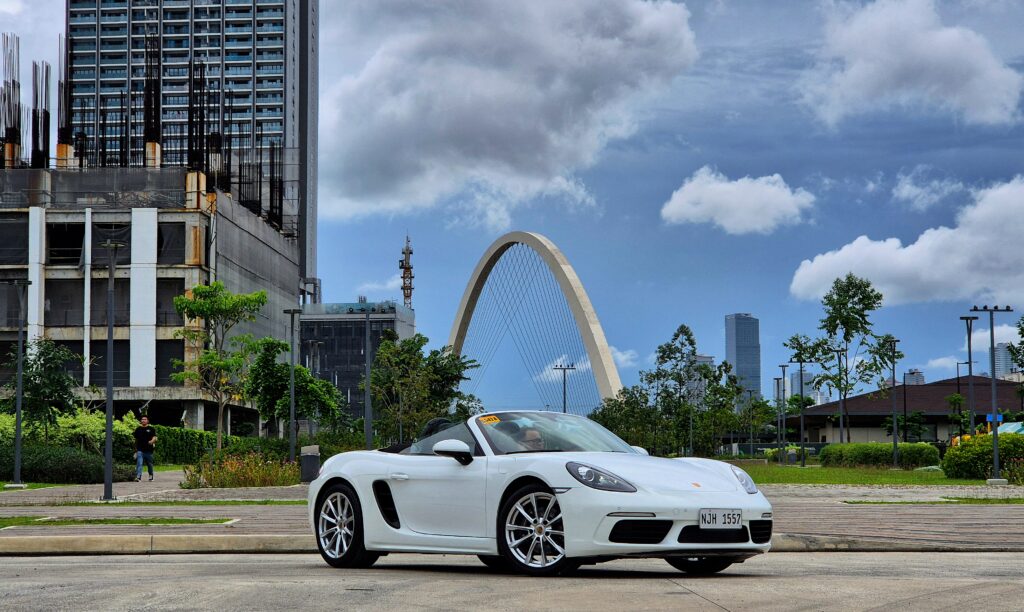
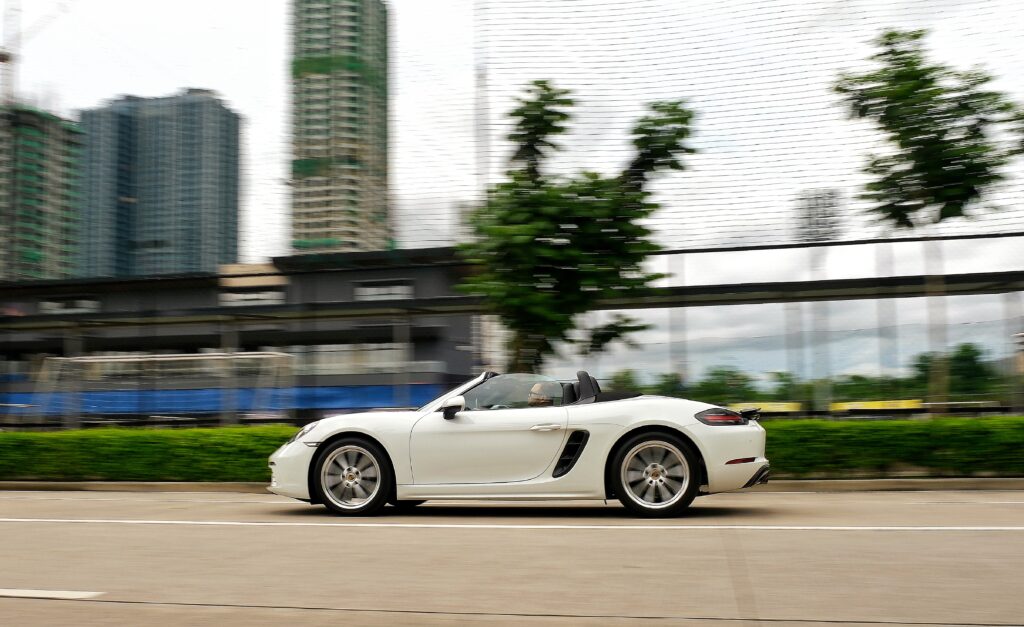
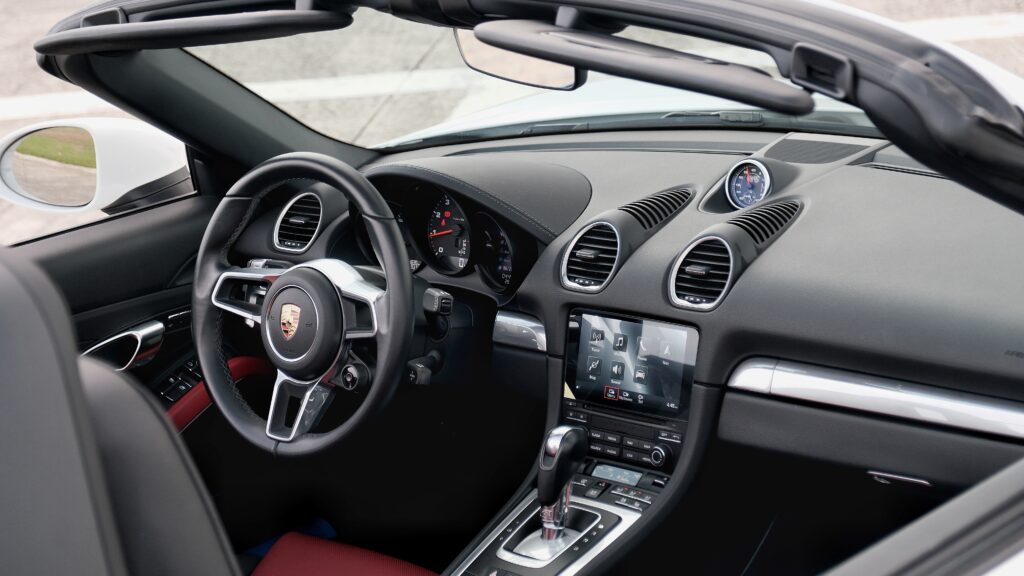
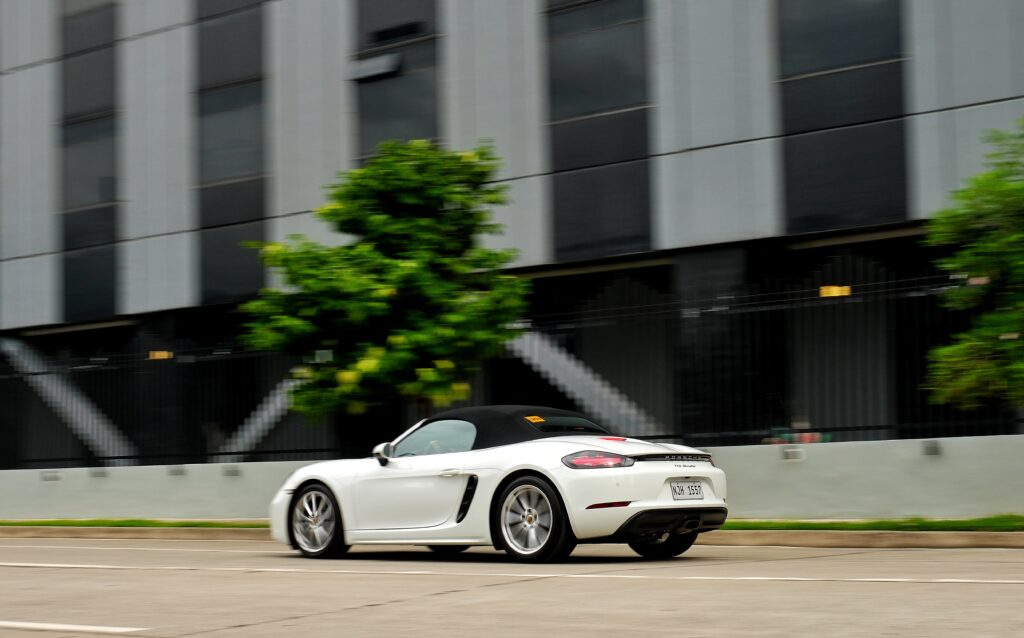
The Porsche 718 Boxster exemplifies these traits to its very core. In its simplest, most focused form, this mid-engined machine is arguably the only sports car an enthusiast will ever truly need.
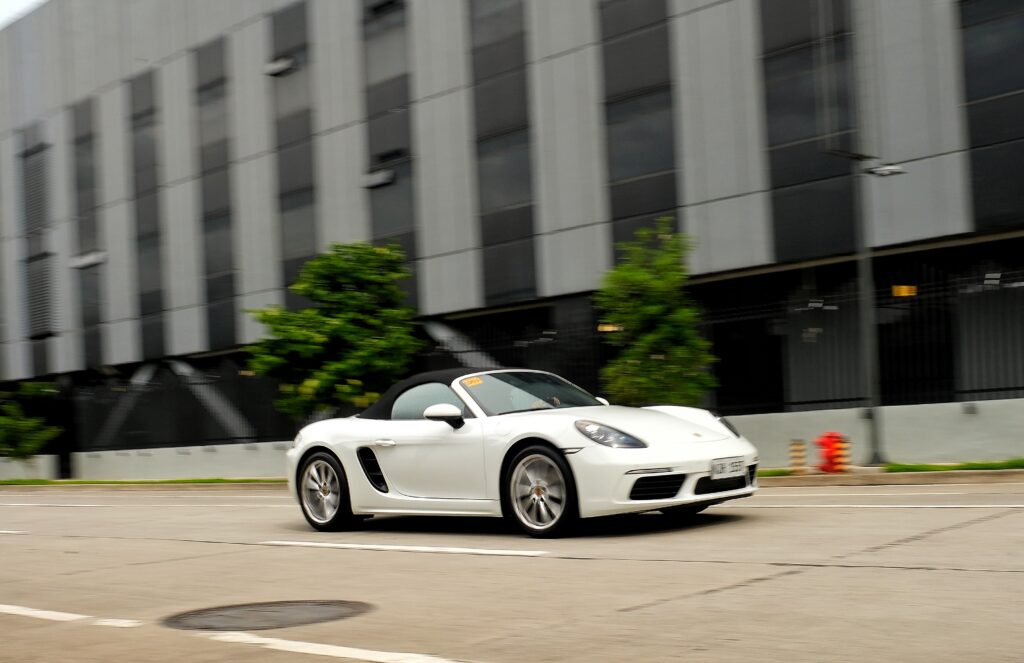
The platform offers a rear-wheel-drive configuration paired with either a precise six-speed manual or an equally brilliant seven-speed dual-clutch PDK automatic transmission.
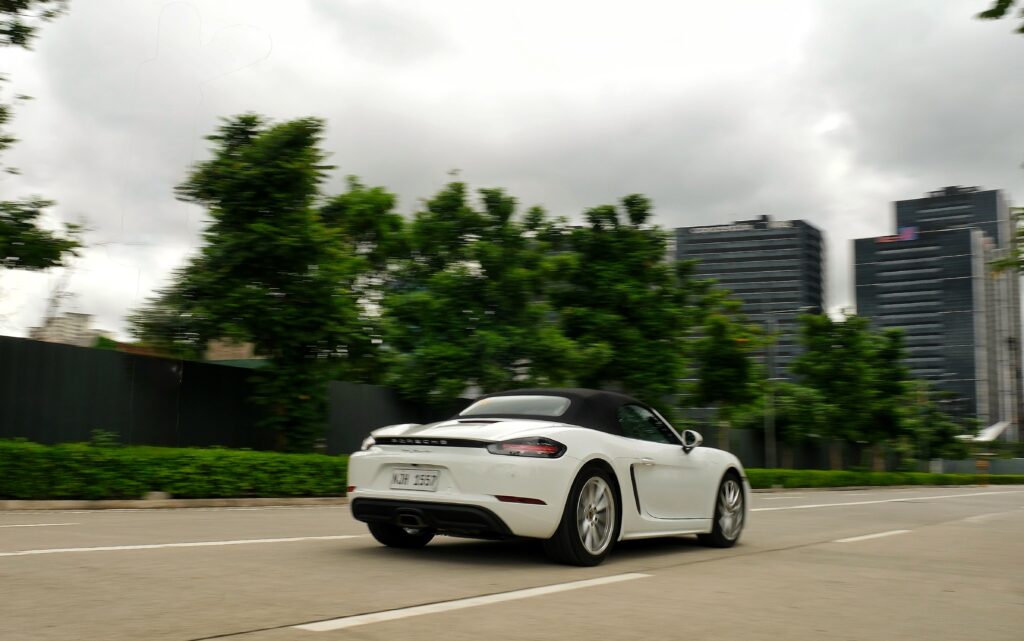
This particular test unit features Porsche’s 2.0-liter turbocharged four-cylinder boxer engine. By moving from a naturally aspirated flat-six to this forced-induction flat-four, Porsche engineering generated a healthy 300 horsepower at 6,500 rpm and 380 Newton-meters (280 lb-ft) of torque.
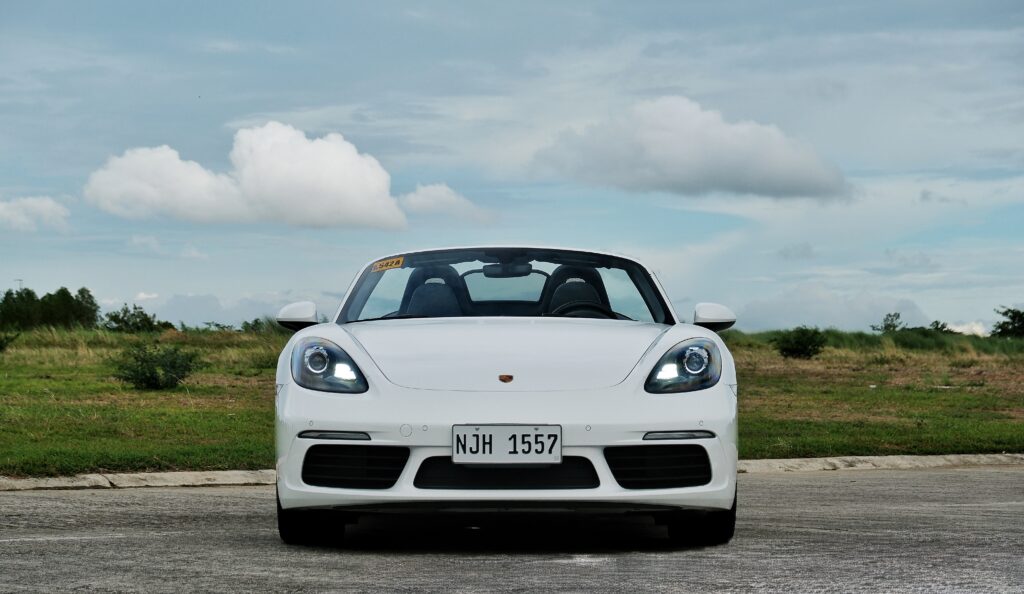
Crucially, that peak torque arrives at a remarkably low 1,950 rpm and holds steady all the way to 4,500 rpm. This provides a significant 36% increase in low-end twisting power over its naturally aspirated predecessor, making the car feel intensely punchy when digging out of tight corners.
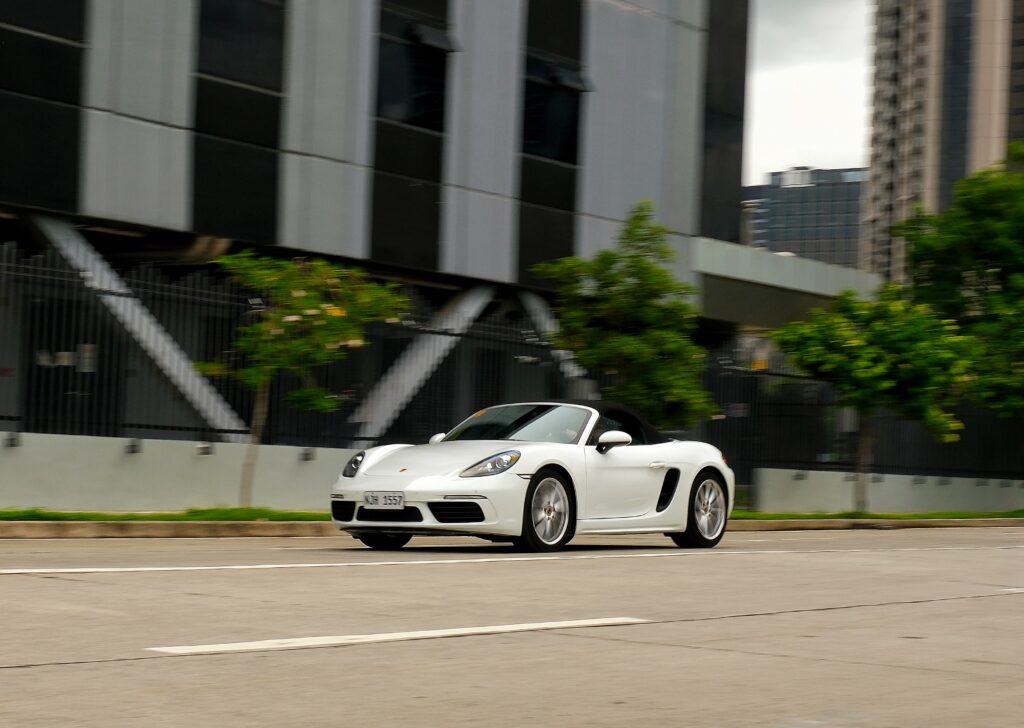
Mated to that industry-standard PDK gearbox, the engine delivers its power with lightning-fast, seamless shifts that never interrupt forward traction.
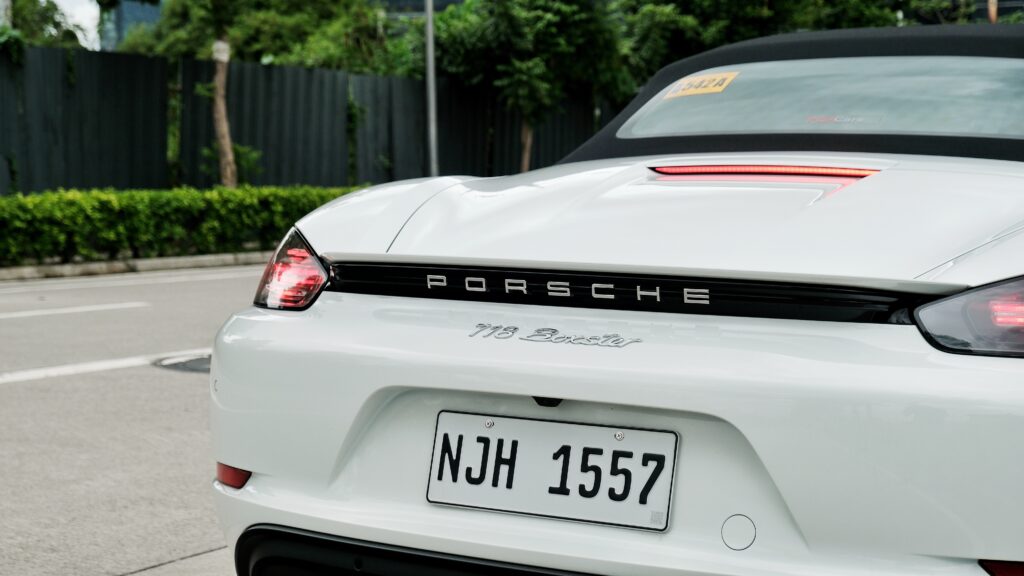
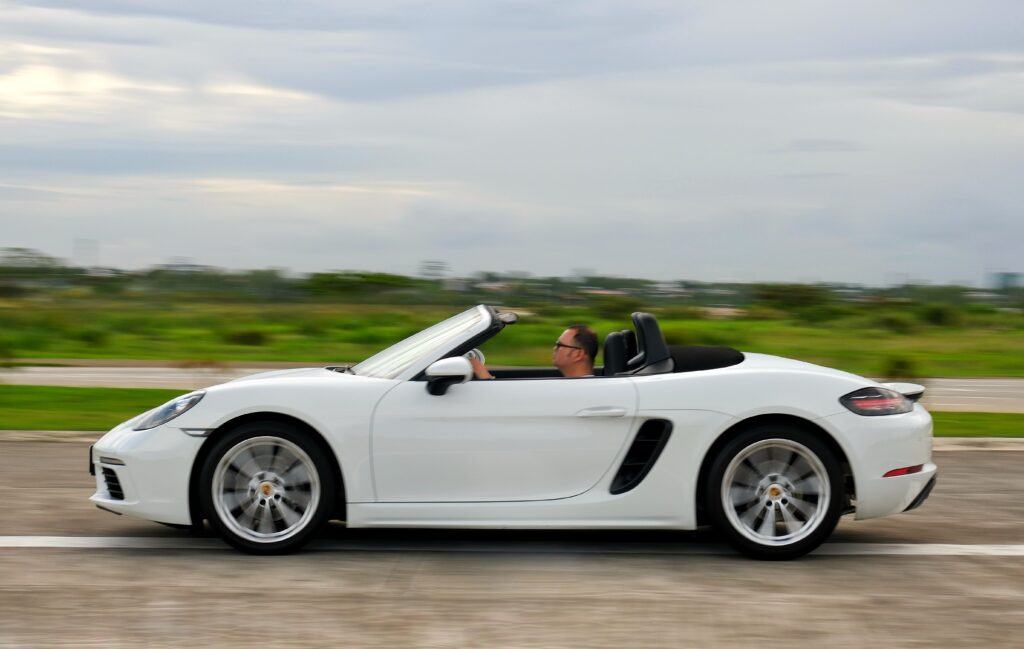
The topless profile represents the vehicle in its best visual light. Purists might argue that removing a fixed roof compromises absolute structural rigidity, leading to minute losses in handling limits, lateral acceleration figures, and overall chassis finesse. However, the experiential trade-off is unmatched.
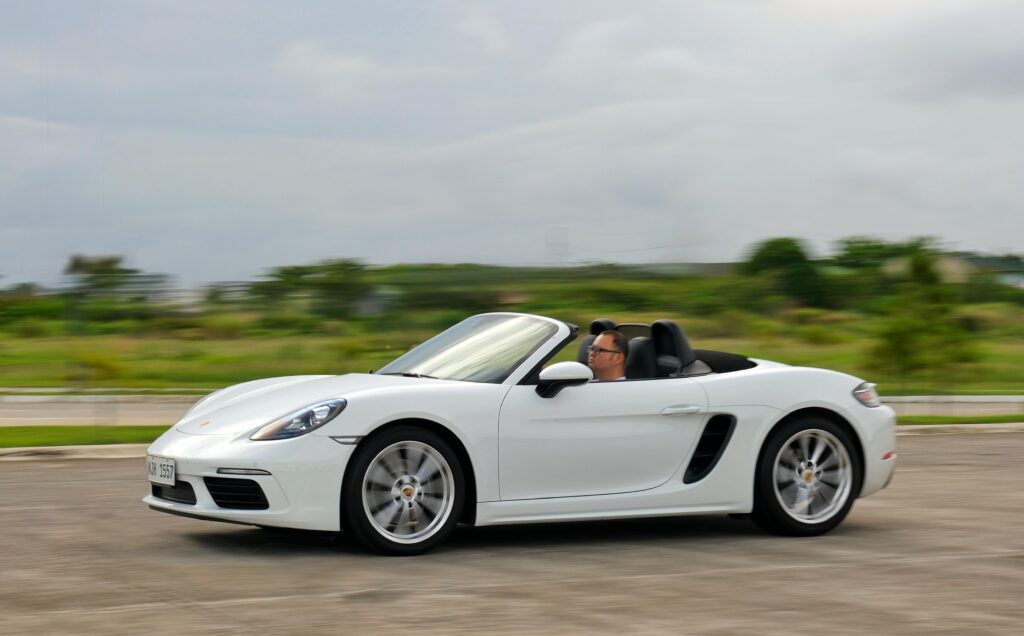
The Z-fold fabric roof drops in just 9 seconds at speeds up to 50 km/h, instantly changing your environment. The absence of a roof brings you infinitely closer to the elements, accentuates the sensation of speed, and delivers a mechanical symphony in high-fidelity surround sound.
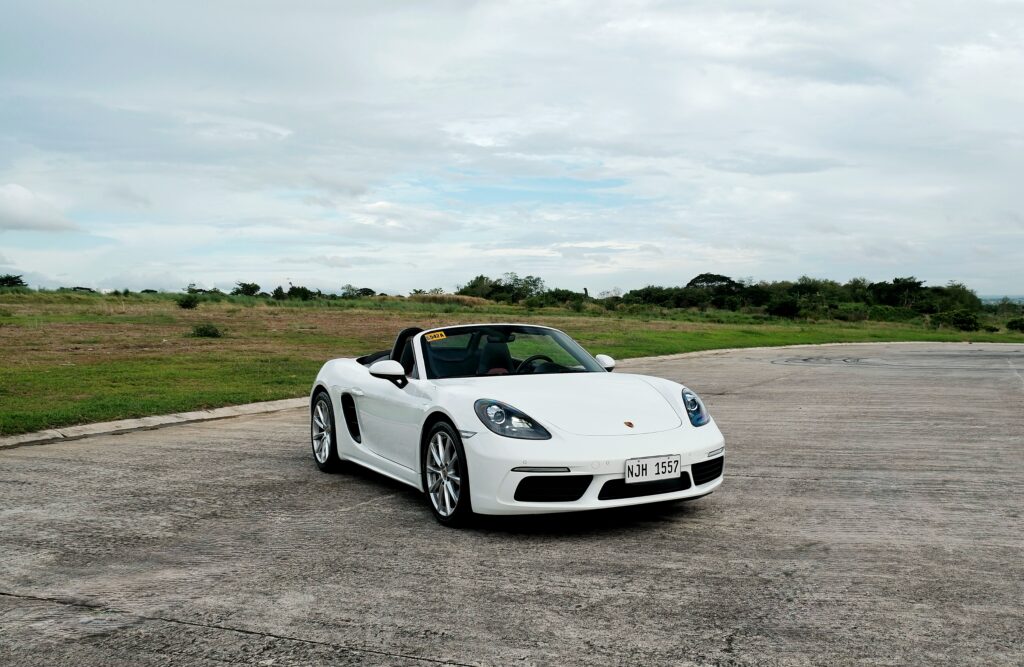
You feel entirely at one with the machine. It is a life-affirming experience, regardless of the velocity on the speedometer.
This begs a fundamental automotive question: does a sports car genuinely need to be fast, or does it simply need to feel fast?
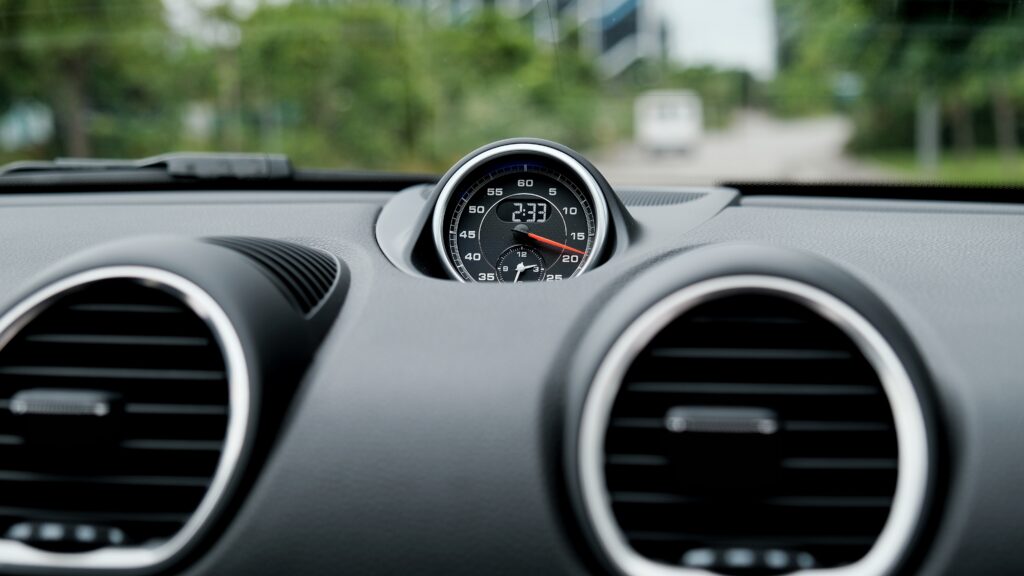
Tactile feedback is the critical element. A great sports car must feel alive. It requires steering that writhes slightly in your hands, transmitting every nuance of the tarmac while remaining entirely faithful and predictable.
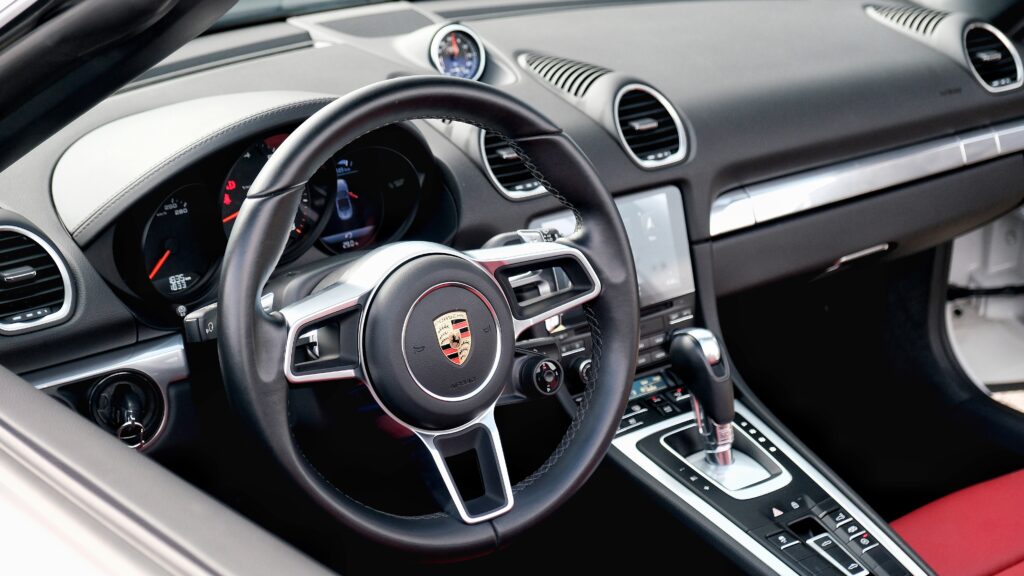
The electromechanical steering rack—borrowed directly from the 911 Turbo—is incredibly sharp, executing changes in direction with total clarity. The brakes must be equally dependable: firm, progressive, easily modulated, and powerful.
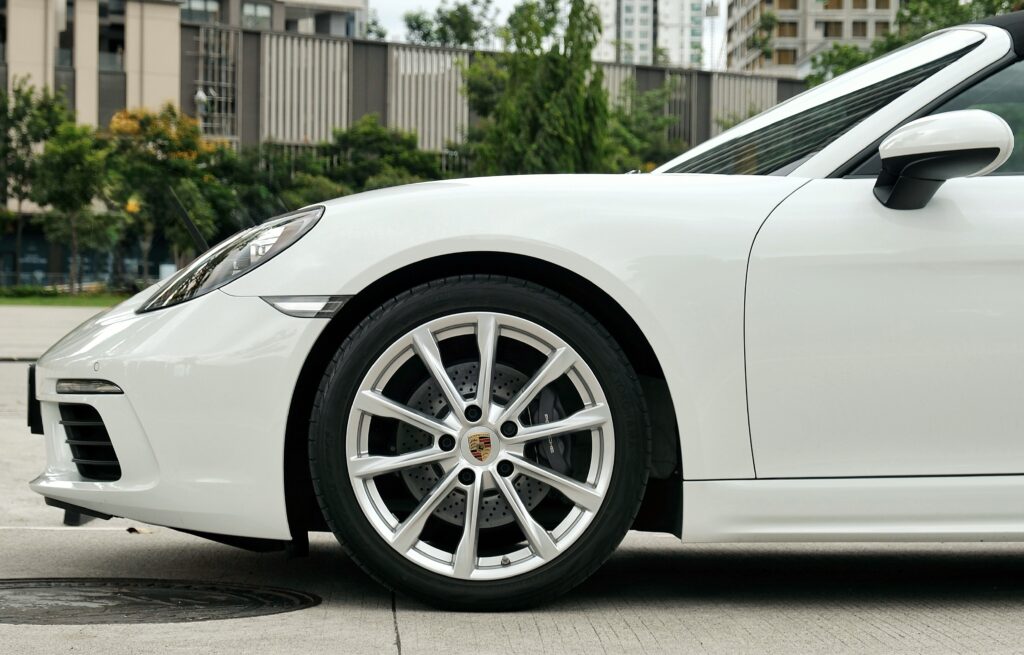
Using Brembo-supplied four-piston aluminum monobloc calipers clamping down on ventilated and perforated discs (330mm front, 299mm rear), the Boxster anchors itself with zero fade. There is truth to the old racing adage that superior brakes, rather than a powerful engine, are what truly make a driver fast on a circuit.
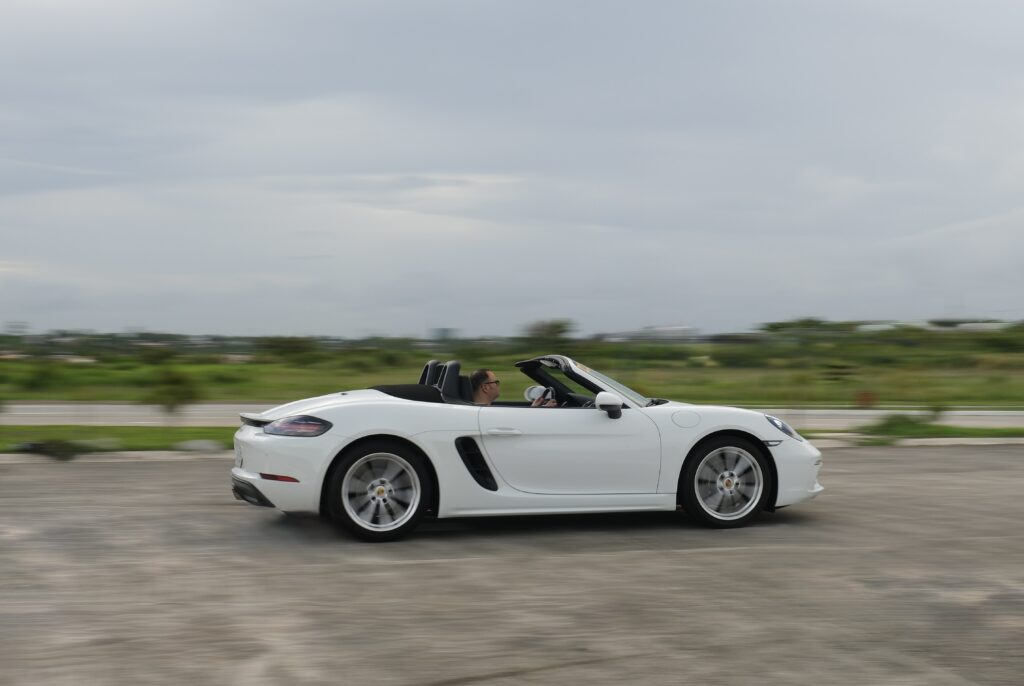
The road-ready mass of the Boxster comes in a bit heavy at 1,365 kilograms (3,009 lbs) with fluids and fuel. However, because the heaviest mechanical components are packaged strictly between the front and rear axles, the chassis maintains flawless composure under duress.
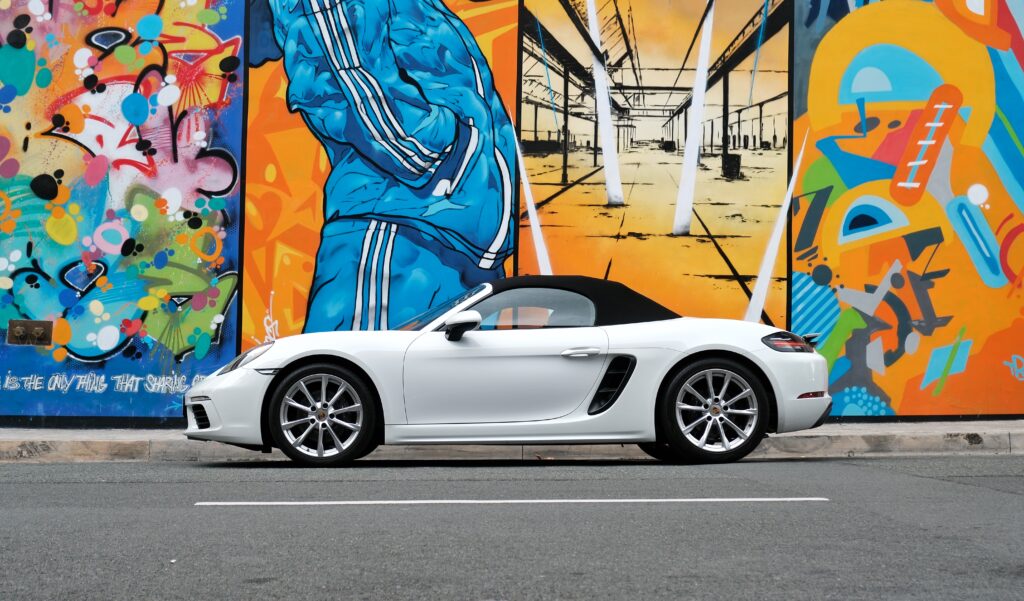
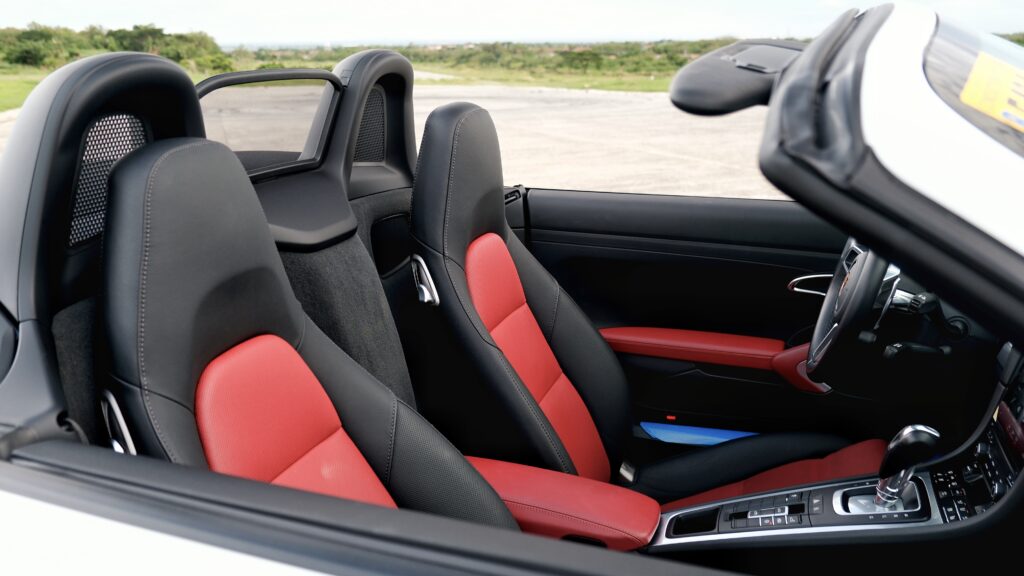
The vehicle features a compact footprint, stretching 4,379 mm in length, 1,801 mm in width, and riding on a 2,475 mm wheelbase. This midship configuration ensures that excess body movement and rotational inertia are virtually nonexistent. But once you’re actually seated inside, it feels snug, yet surprisingly comfortable nonetheless.
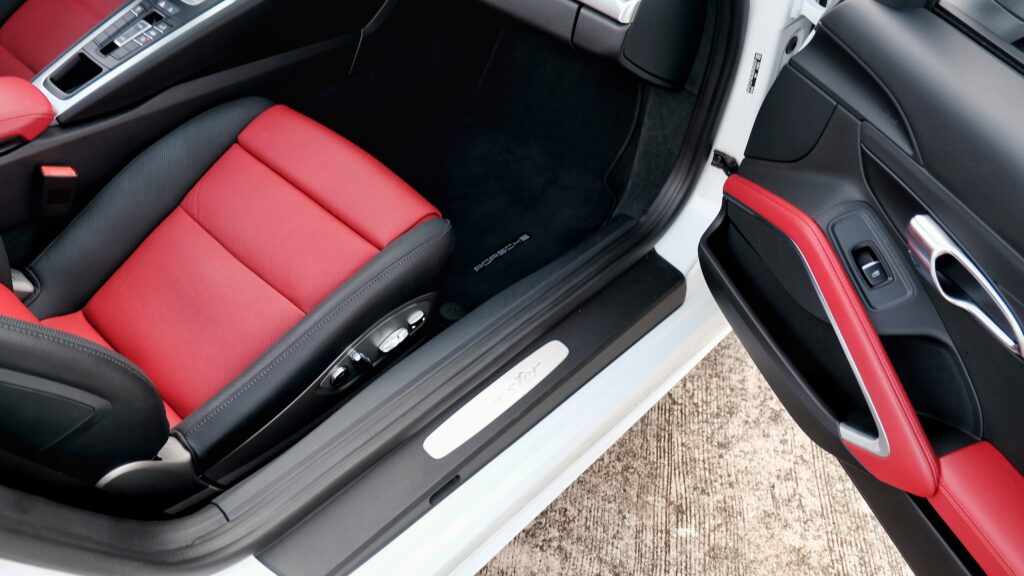
Furthermore, the mid-engine packaging allows for unexpected daily practicality, splitting cargo duties between a 150-liter front trunk (frunk) and a 125-liter rear trunk for a combined 275 liters of storage space.
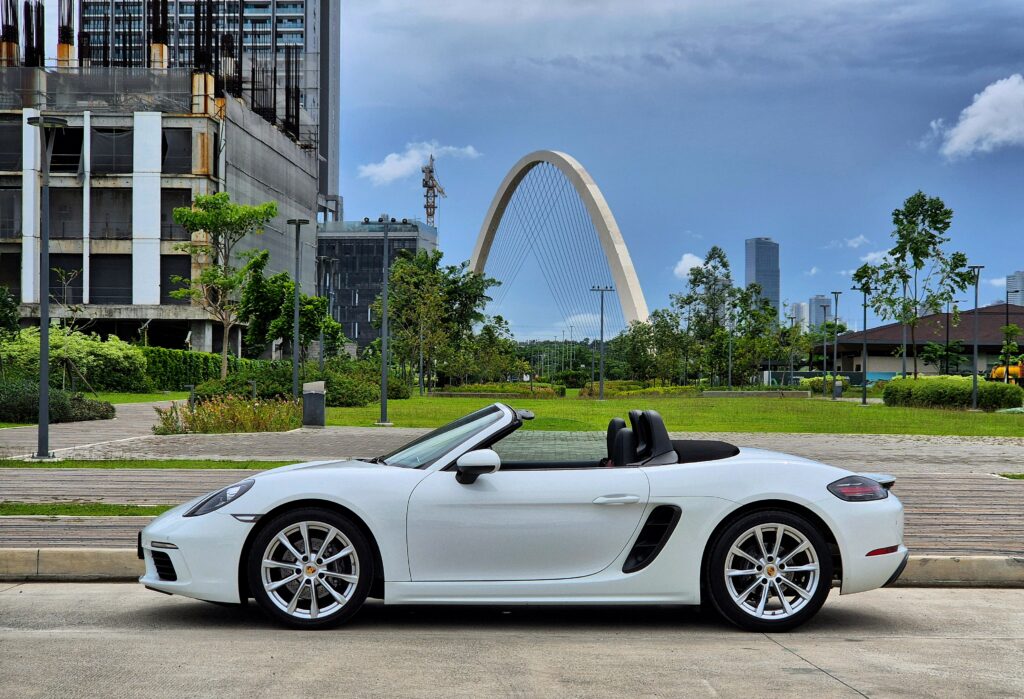
There is absolutely nothing entry-level about the Boxster experience. While the prestigious panache of its larger sibling, the 911, casts a long shadow across the Porsche lineup, the joy experienced behind the wheel on an open road is fundamentally identical.
The absolute performance potential of a modern 911 is undeniably higher, but fully exploring the Boxster’s maximum capabilities is already enough to risk a jail sentence. With the PDK transmission and Launch Control active, the zero to 100 kilometer per hour sprint is cleared in a brisk 4.7 seconds (0-60 mph arrives in 4.0 seconds flat).
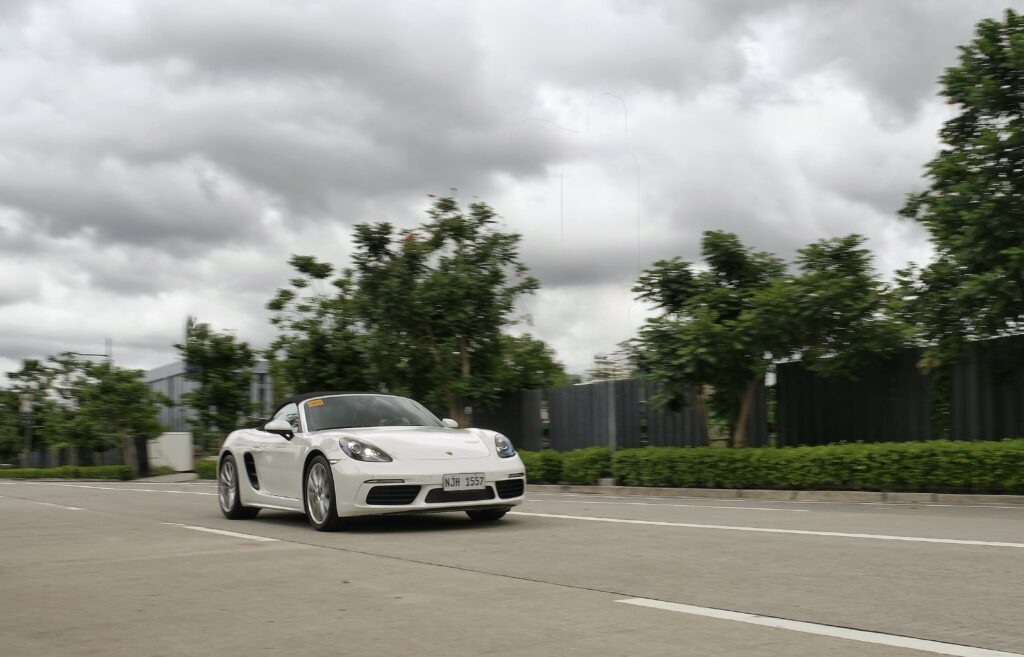
Exploring the 275 kilometer per hour top speed or chasing its 12.4-second quarter-mile time at a trap speed of 179 kilometers per hour is purely academic on public roads.
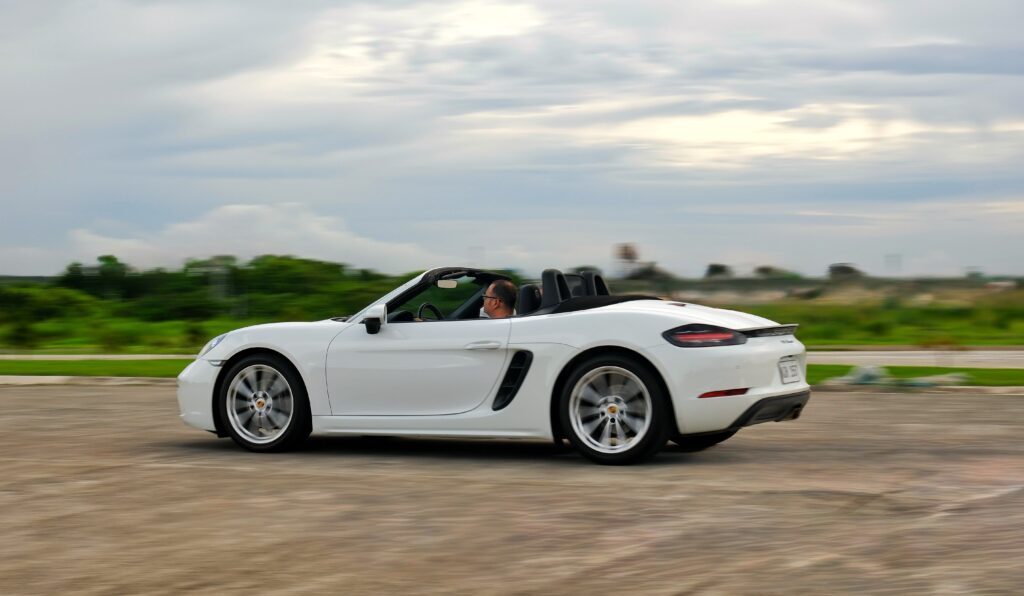
On the skidpad, the balanced midship configuration generates an astounding 1.01 Gs of lateral force, proving that it grips the asphalt with terrifying tenacity.
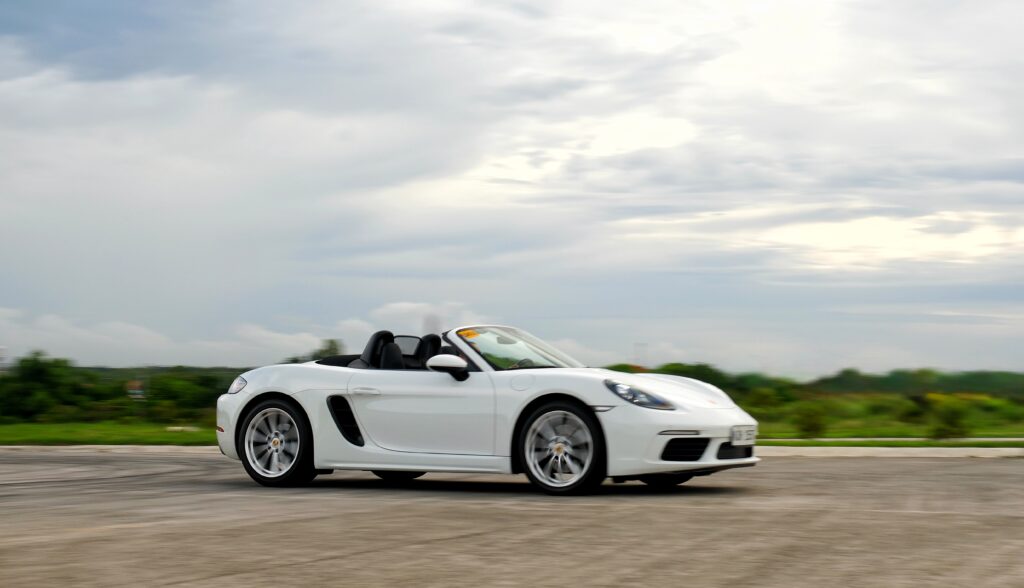
Yet, more than the absolute mechanical grip, it is the predictability at the absolute limit that defines this car. The ease of probing those limits—and seamlessly recovering the car once you have overstepped them—puts the Boxster in a class of its own.
The 911 will always command a more storied past, a larger cult following, and higher performance boundaries. But if your ultimate goal is to simply drive and enjoy the open road, the Boxster stands completely unrivaled, brilliant and all you and I will ever need.