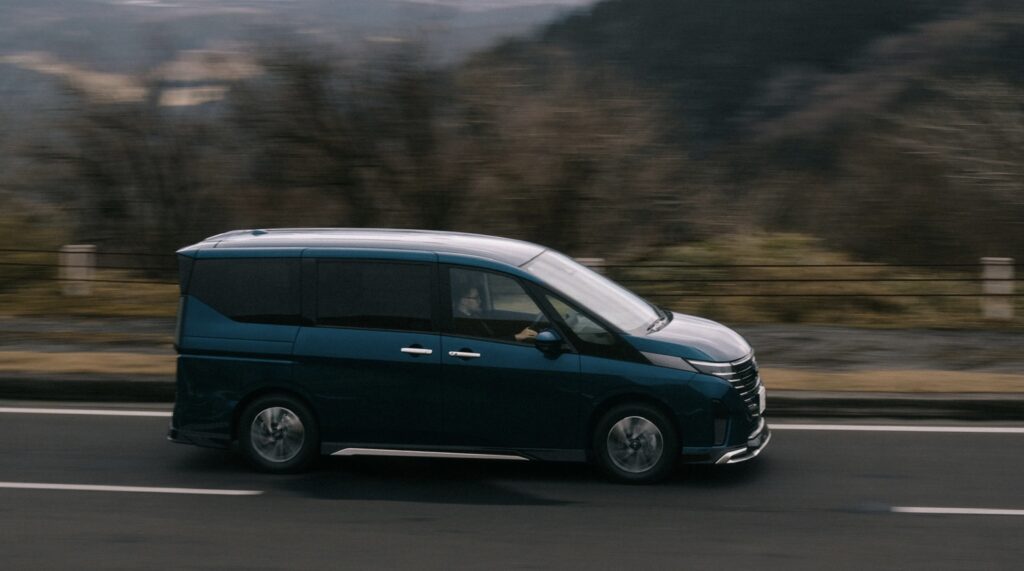

Not many people realize it, but Japan’s finest driving roads exist in a quiet, brooding realm far beyond the bright flashing lights of Shibuya, Shinjuku and Ginza, and past the overplayed tropes of JDM nostalgia. There is truth to the overhyped anime such as Initial D.
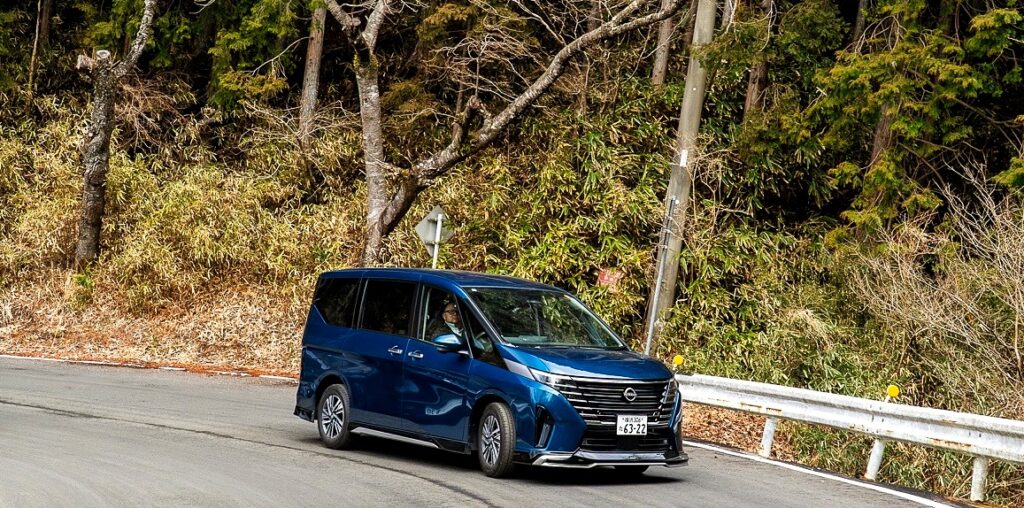
Look past the urban hype, step out of Tokyo’s suffocating density, and the Land of the Rising Sun reveals a truly moody and mysterious landscape.
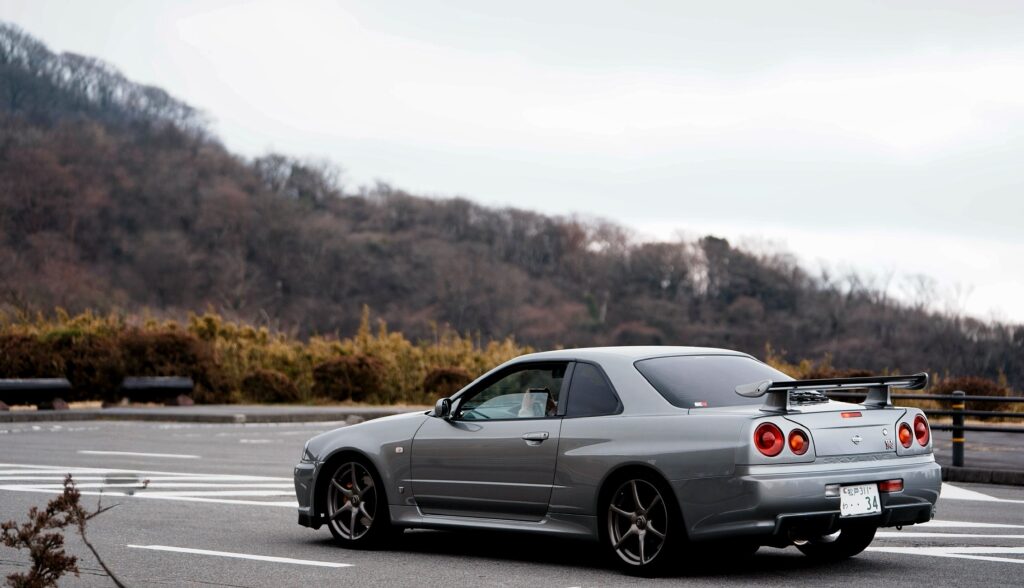
The typical enthusiast fantasy dictates tackling mountain passes in a car from the golden era of tuning, a 90s JDM icon: GT-R, Supra, RX-7 or NSX. But the limitations of the real-world are never a sleek cinema cut.

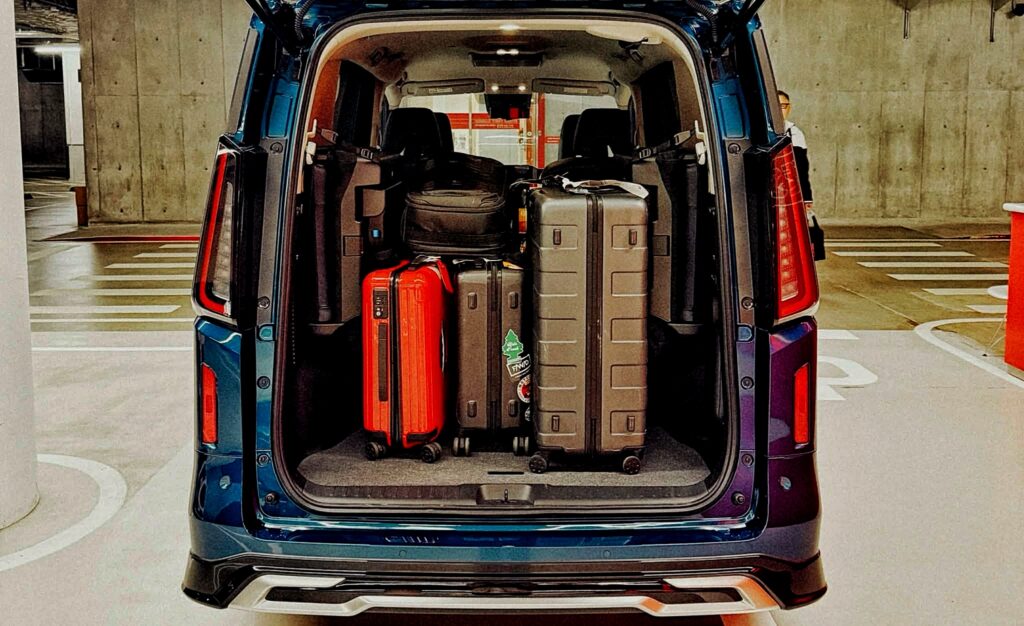
What happens when your itinerary requires hauling four adults, camera gear, six oversized suitcases, and a mountain of retail acquisitions for the family waiting back home?
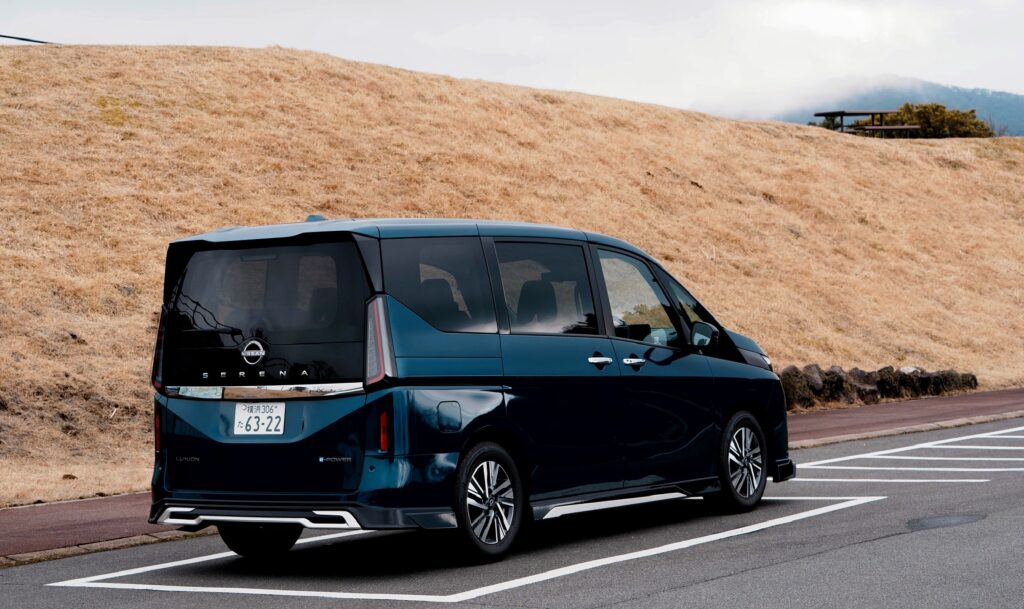
You turn to a workhorse integral to daily Japanese life: the MPV. Specifically, the 2026 Nissan Serena e-Power.
Yokohama Deliveries and the Electric Heart
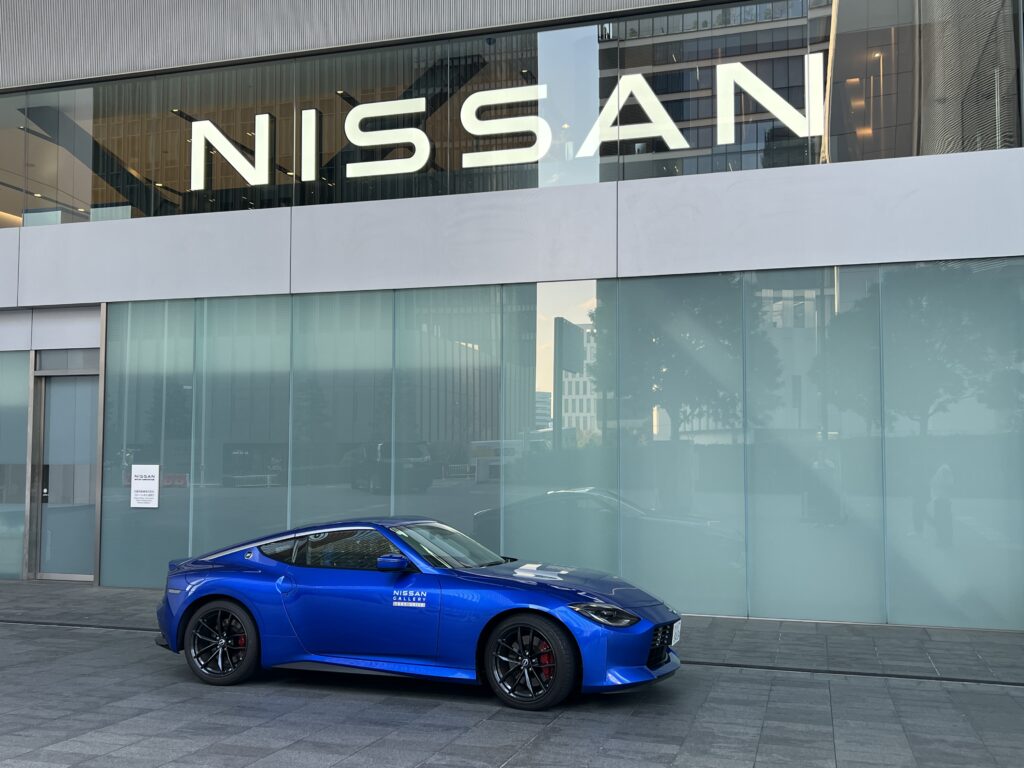
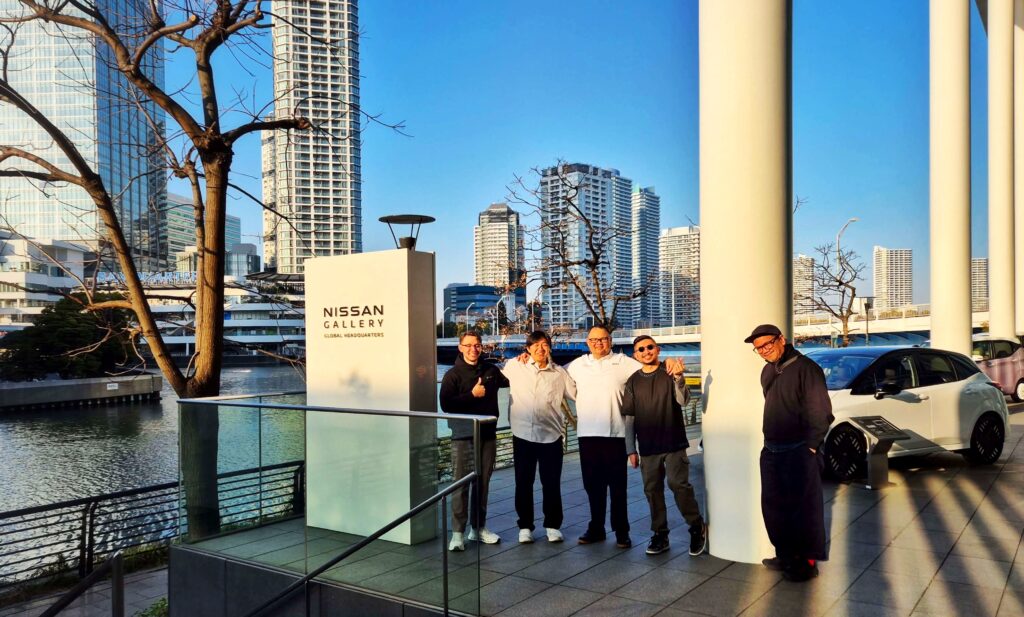
We landed at Narita under a heavy gray sky and rushed to Nissan’s Global Headquarters in Minato Mirai, Yokohama. Roughly a hundred clicks away, we were worried that we might not make it as we had a 6PM deadline to pick-up the car.
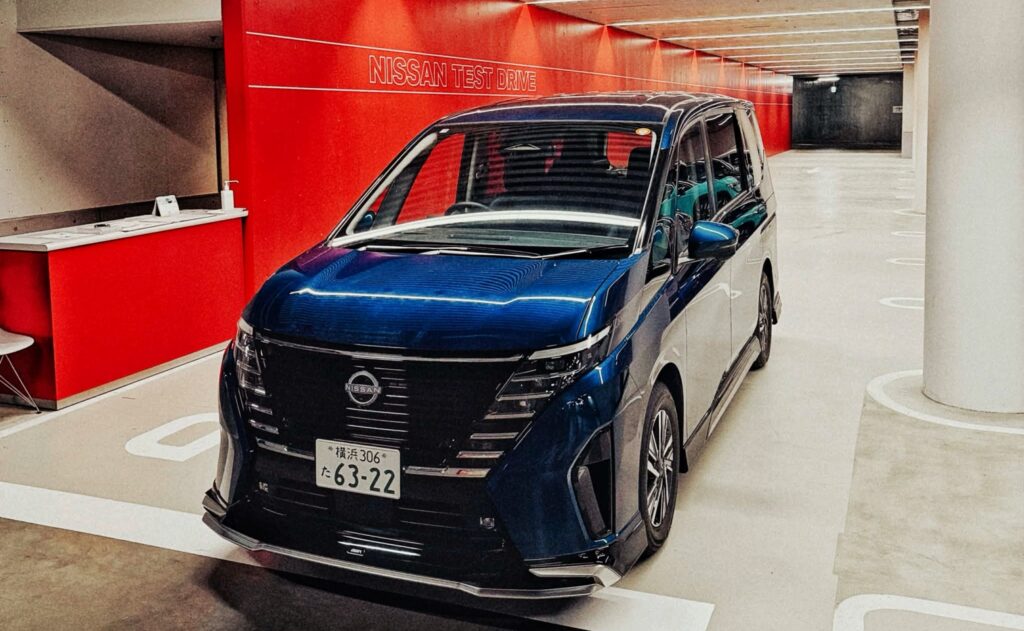
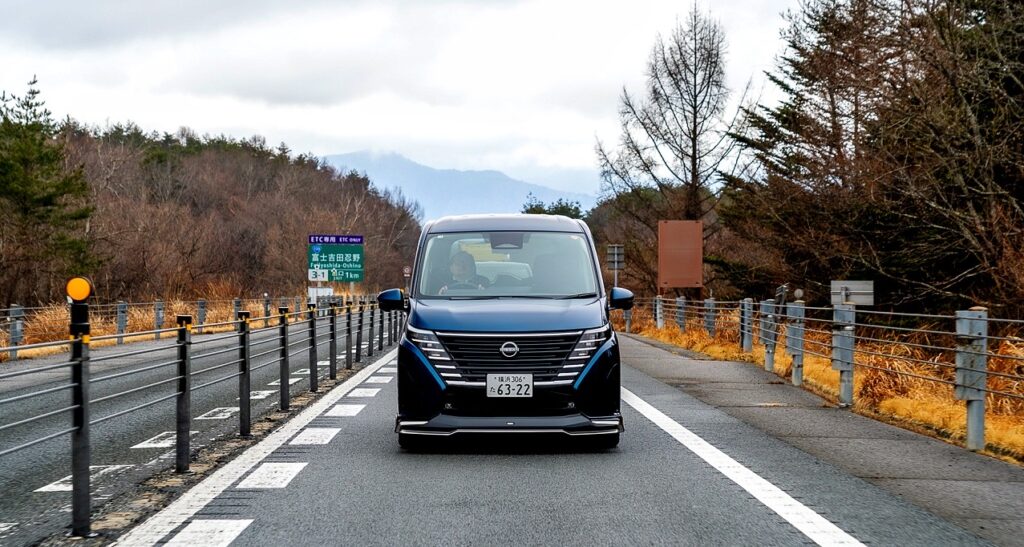
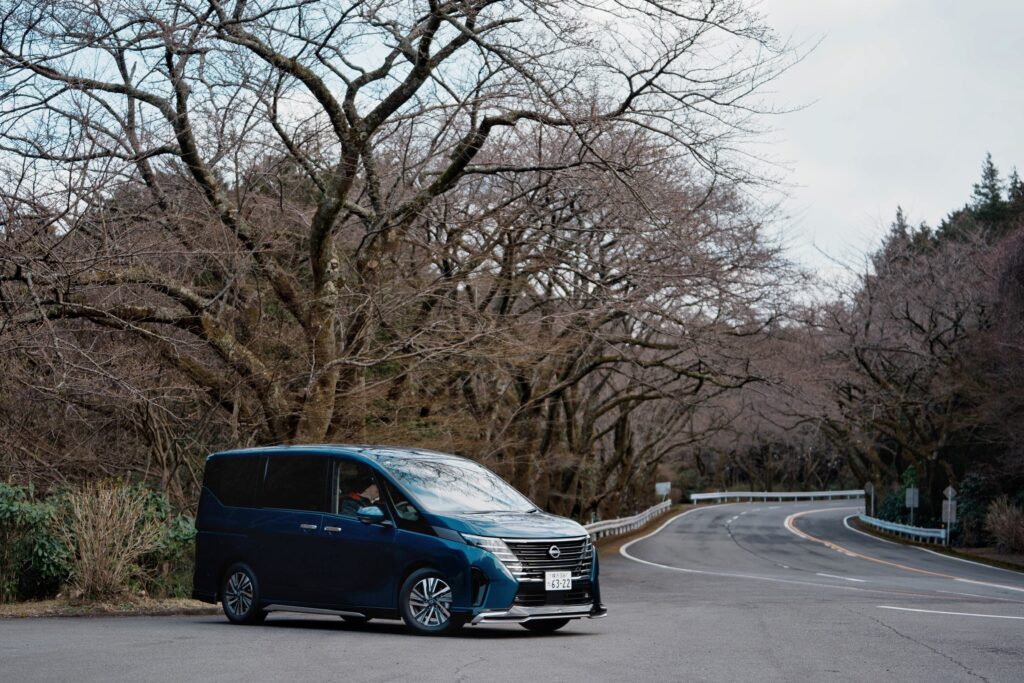
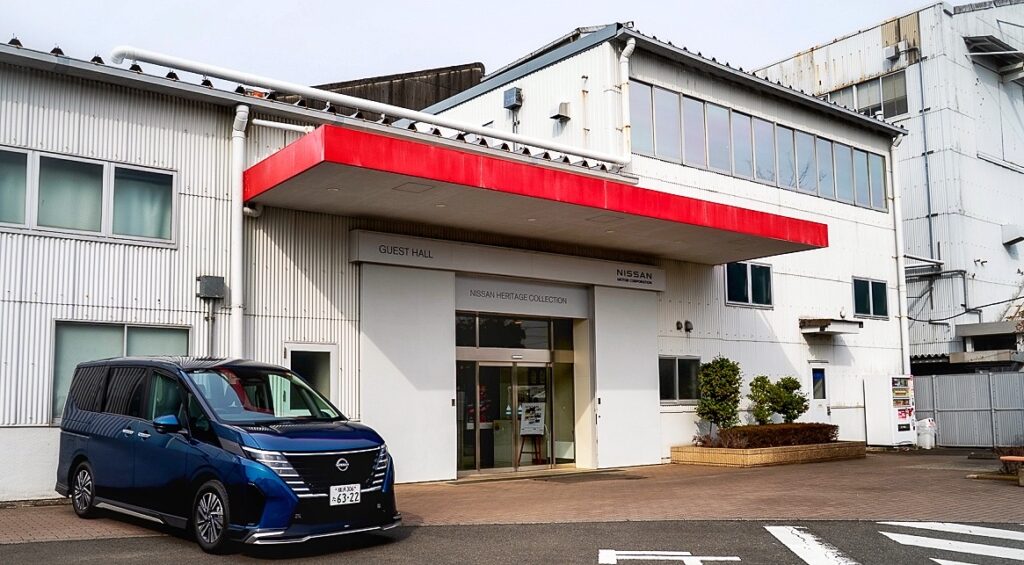
Through our friends Kyle Drubek and Kaito Sato of Nissan, we arrived with time to spare to collect our loaner as daylight faded and people started clocking out: a top-spec C28-generation 2026 Nissan Serena e-Power finished in dark metallic blue with a factory aero kit.
The Serena presented an intriguing paradox in our adventures. On paper, it is a tall commuter designed for efficiency and praticality. Under its skin, it operates like an EV with an onboard generator emitting next to zero carbon emissions. And yet it would keep company with some very special machinery over the next few days.
The Serena relies on a single front-mounted electric motor delivering 163 horsepower and 315 Newton-meters of instant torque directly to the front wheels. A 1.4-liter three-cylinder internal combustion engine (designated as the HE14DDe) works exclusively as a generator, with nary a mechanical link between the internal-combustion engine and the wheels.
It then charges a minuscule 1.77 kWh lithium-ion battery stored beneath the front seats. Nissan claims a fuel efficiency figure of 18.5 km/ liter (5.4 liters /100 km). In a country where high-octane fuel costs 170 yen per liter, efficiency isn’t just an academic metric—it dictates the pace and perimeter of your journey.
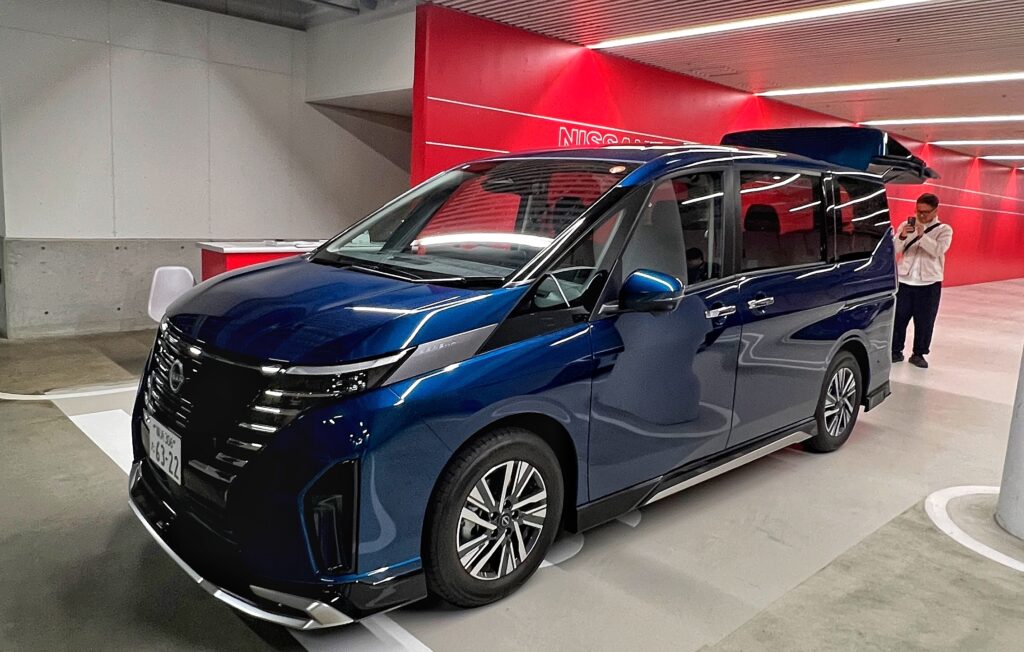
With six suitcases lining the curb, we folded the third-row seats against the cabin walls, utilizing the maximum 894-liter cargo hold (which scales down to 203 liters when the third row seats are upright). Adjusting the Serena’s versatile 6-seater layout to suit our gear, we merged straight into the red-tail-light ocean of Tokyo’s peak evening rush hour toward Tsukiji near Ginza.
Nocturnal Encounters and Porsche Pilgrimages
Over the following days, the Serena assumed a quiet but integral presence as our mobile command post.
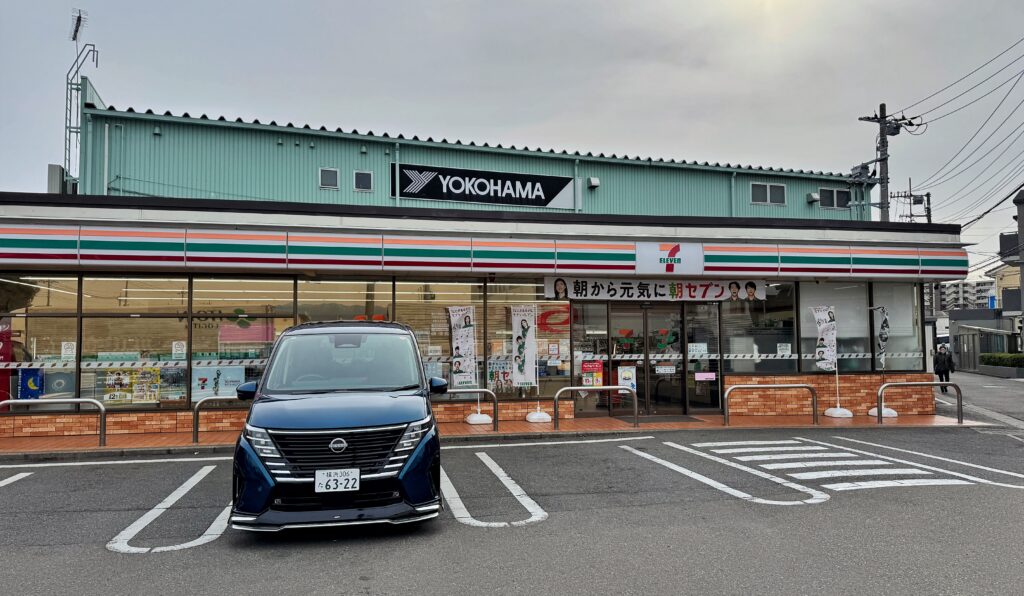
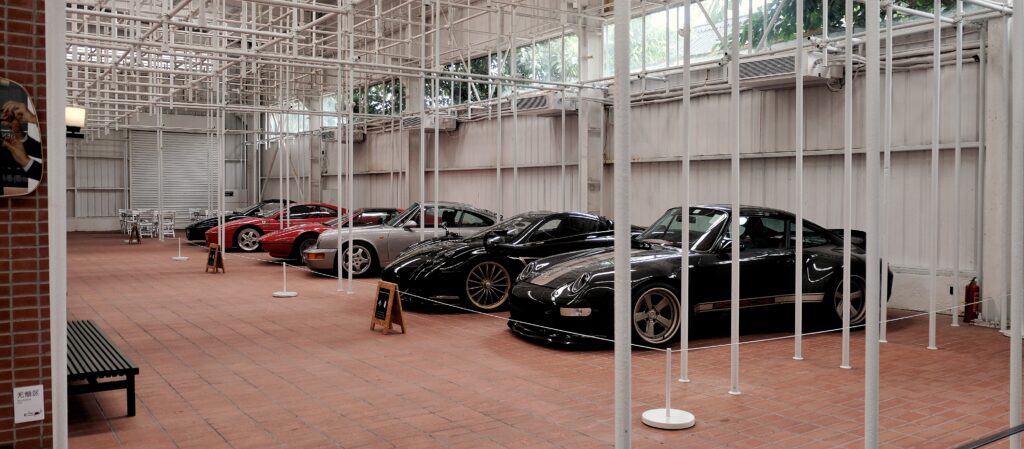
On Friday, we visited the legendary Nissan Heritage Collection in Zama under an exclusive slot secured by Kaito-san. Surrounded by Nissan’s family jewels, the Serena waited patiently outside in the cold damp air.
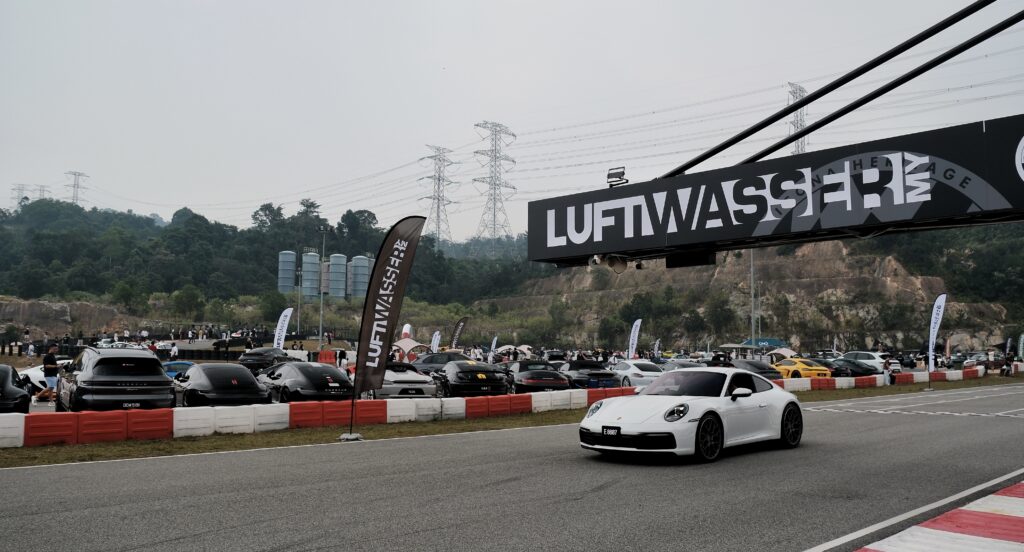
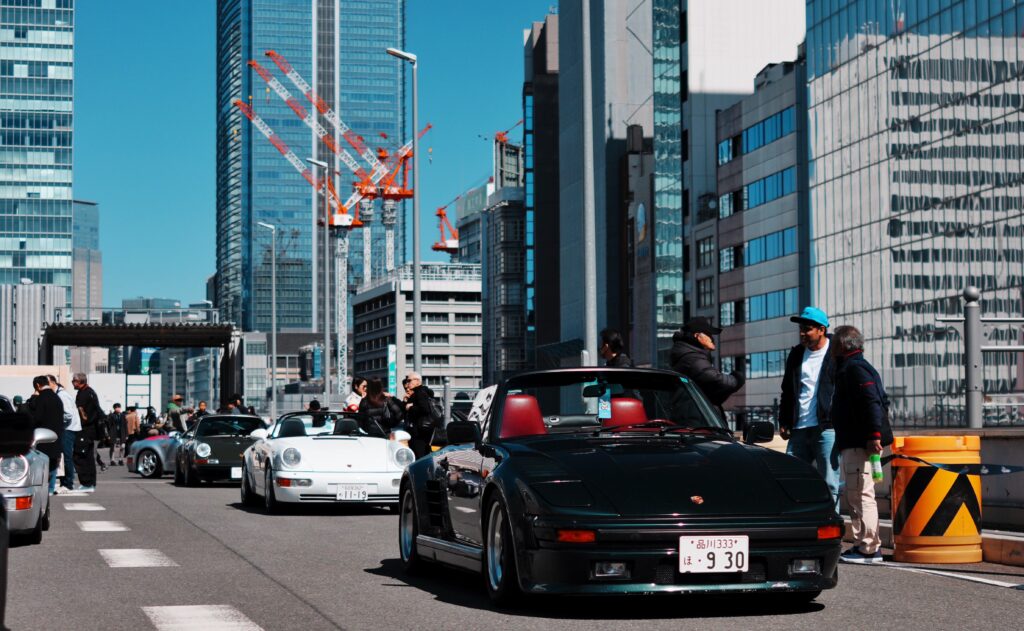
By Saturday, the MPV rested while we covered Luftgekühlt Tokyo on the concrete ribbon monolith that is the KK Line expressway cutting across Ginza, where air-cooled engines cast an interesting juxtaposition against the sharp steel, concrete and glass Ginza skyline.
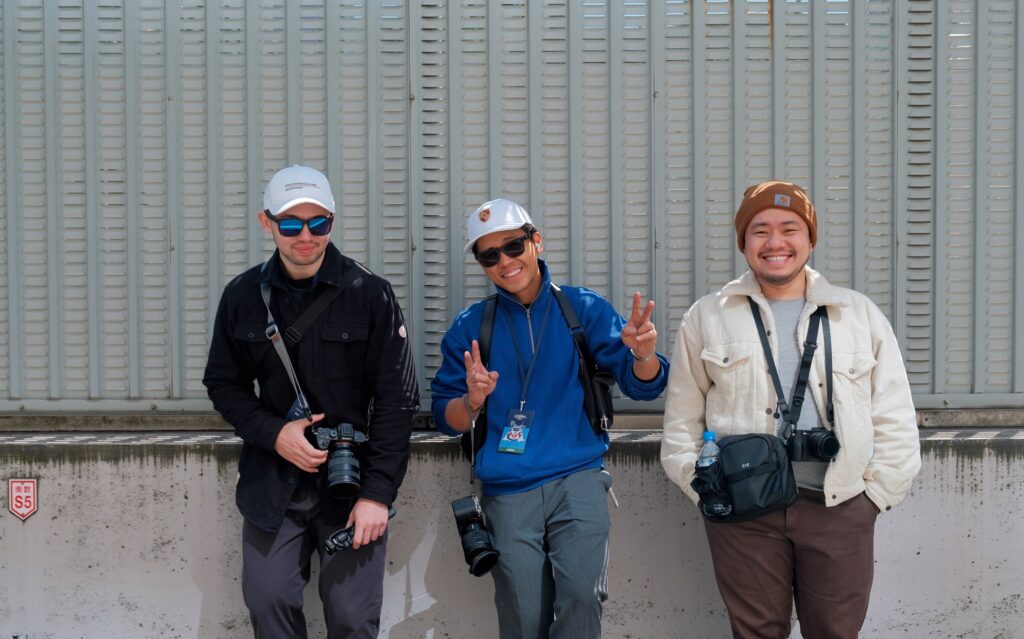
We also reconnected with Kenji, our Japanese contributor and as well as Kyle from Fitment Engineering, whom we would be driving with once more time.
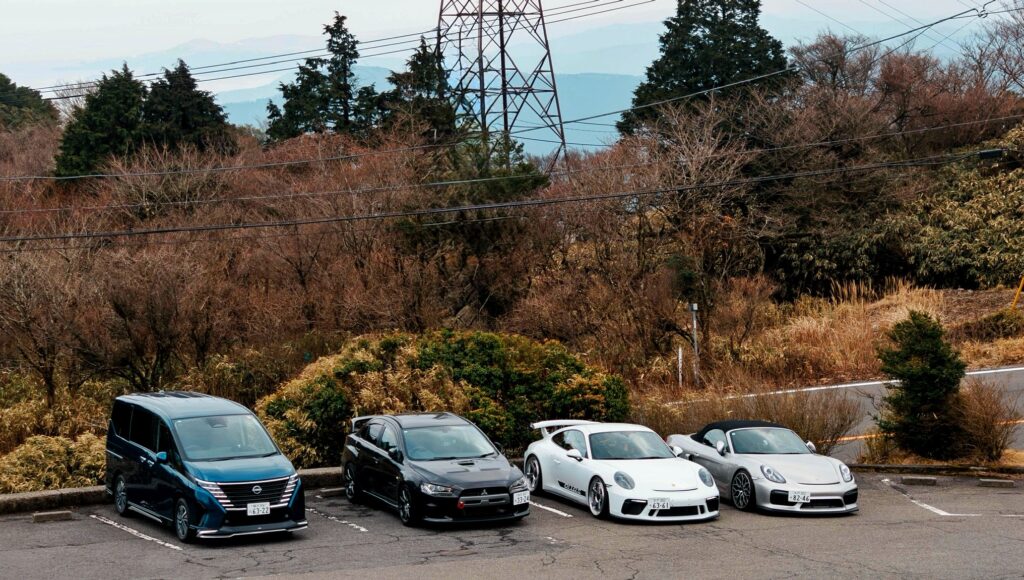
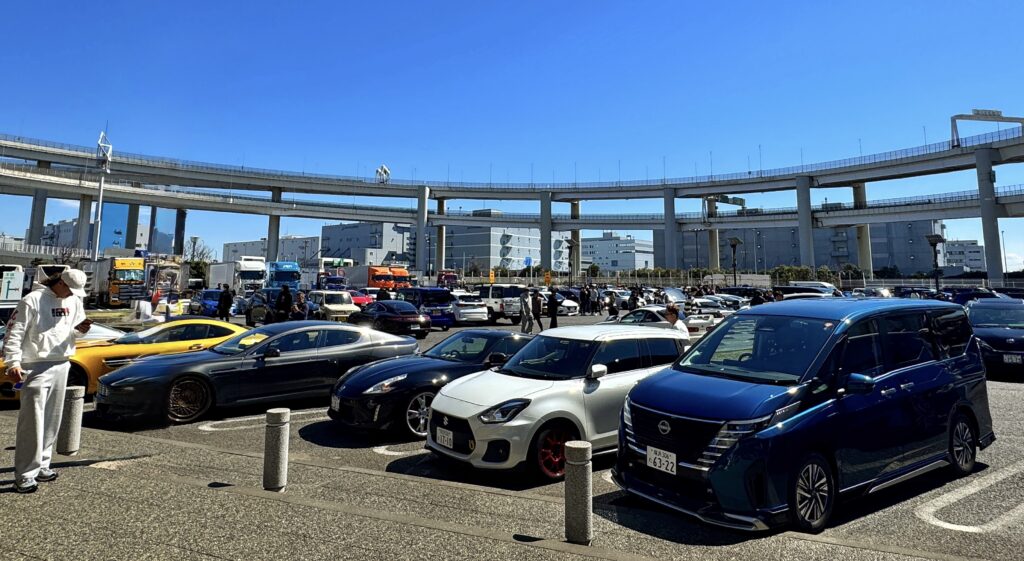
Sunday morning brought an early start. At 6:00 AM, fog hung low over Tokyo Bay as we rolled into Daikoku Parking Area—a surreal Mecca of Japanese car culture where multi-million-dollar exotics and vintage Japanese iron sat side by side.
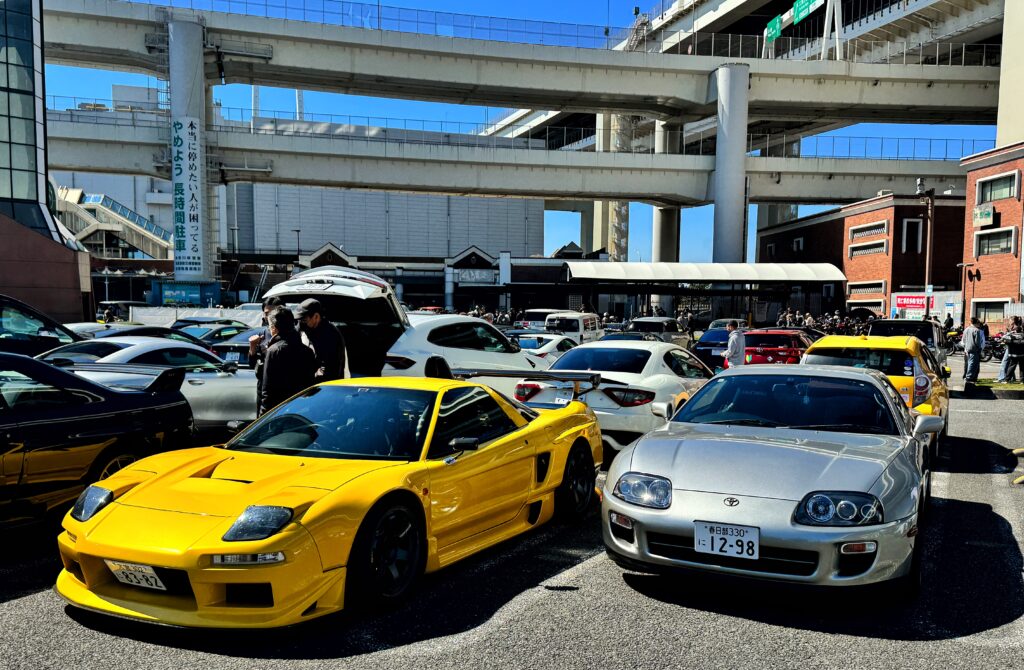
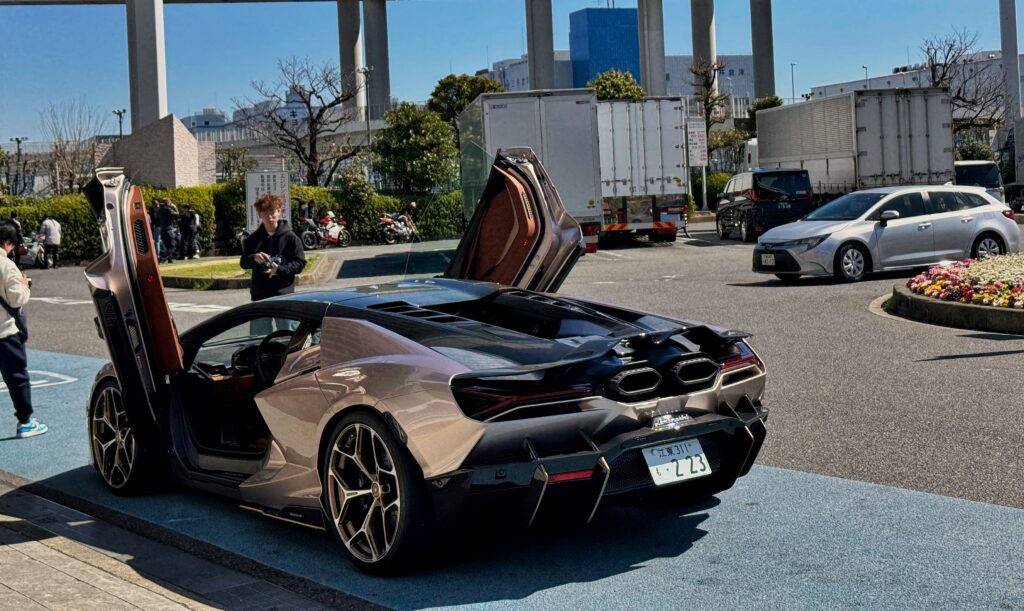
Japan’s car culture is arguably the most diverse in the world, which for some people (like me) make it the best. Yet, the tall Serena fit right in. In Japan, the utilitarian box is respected as much as the supercar, provided it serves its purpose with dignity.
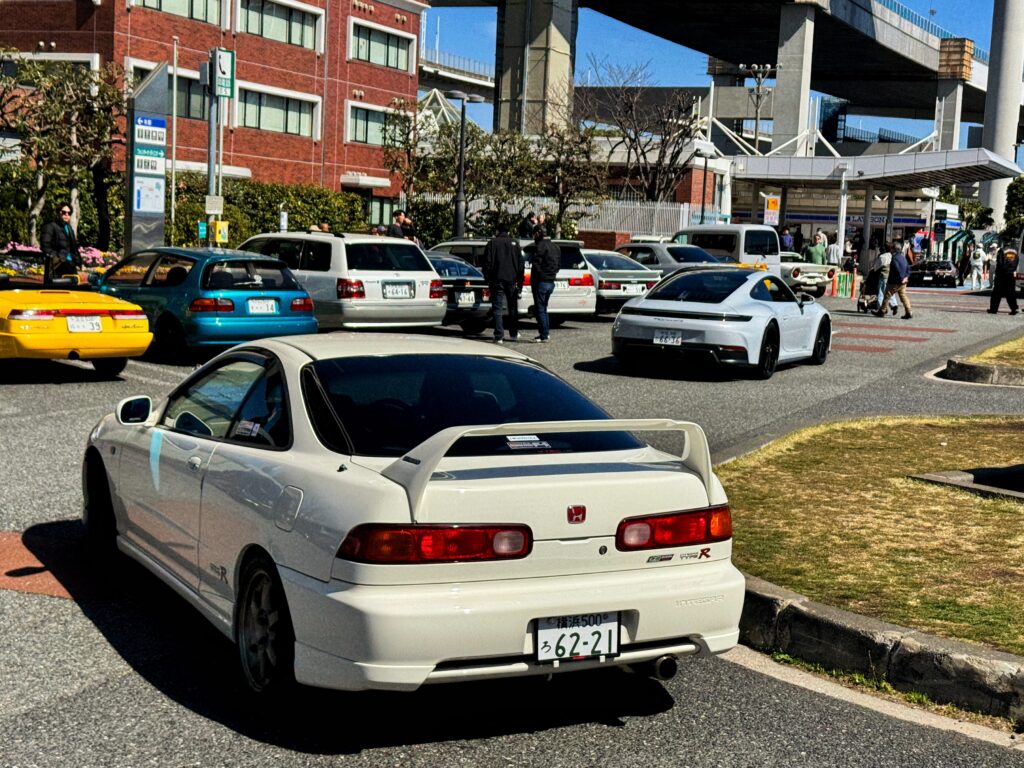
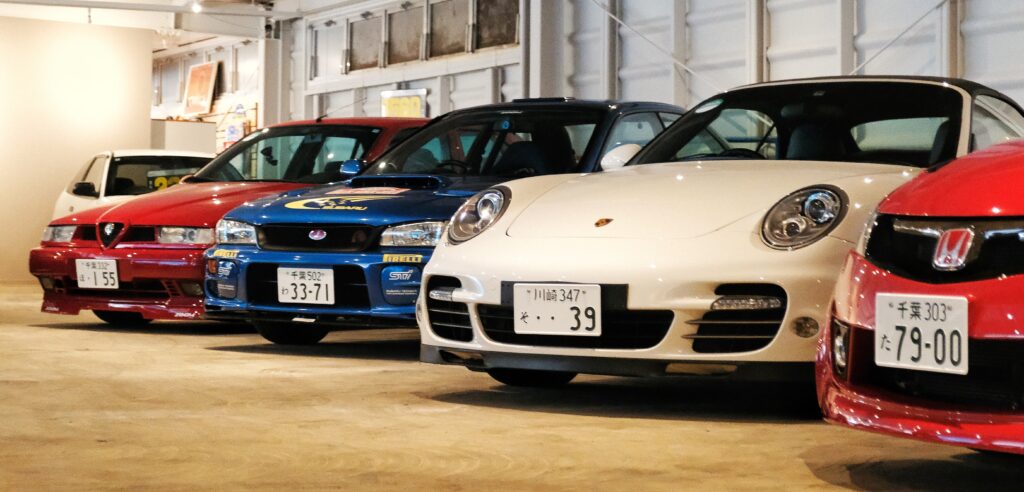
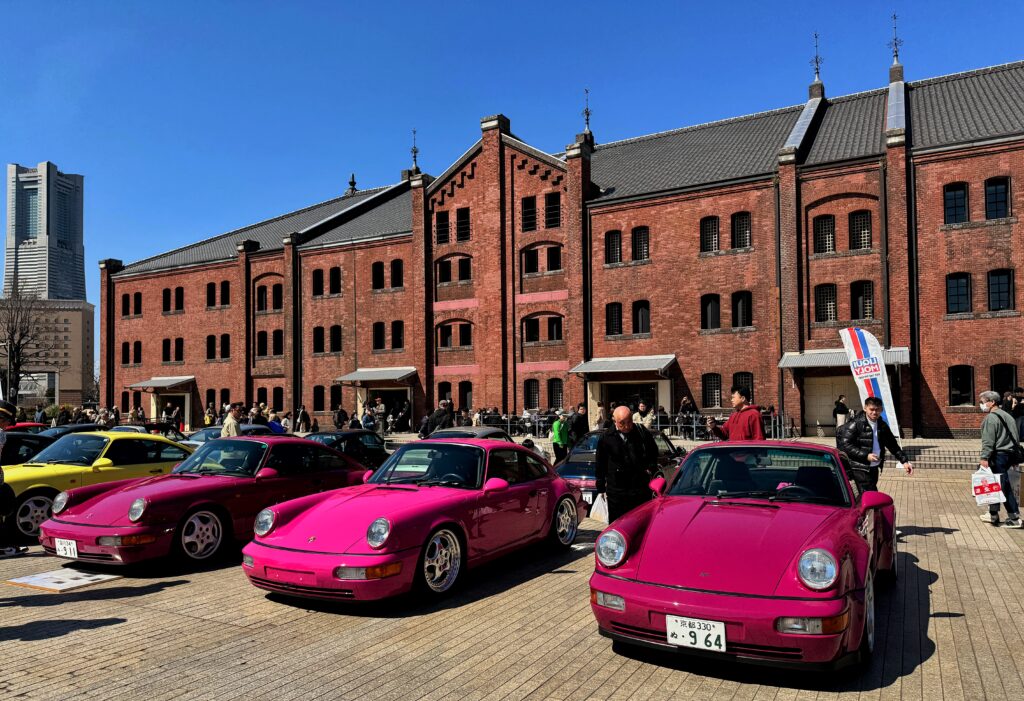
From Daikoku, we navigated toward Yokohama’s historic Red Brick Warehouse for the Exciting Porsche Meeting 2026—a display of battle-tested Porsche sports car machinery driven hard, showing heavy mileage, yet maintained with obsessive perfection.
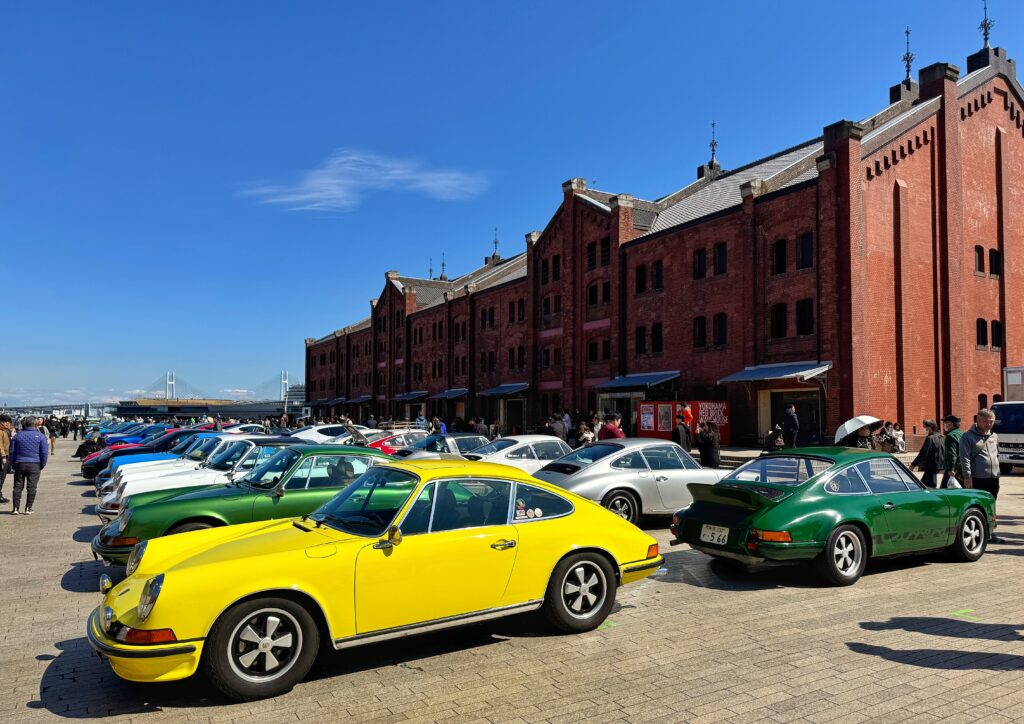
Like Luft Tokyo, the collection of cars were amazing, but the people behind it were truly outstanding. Watch for our coverage on this soon!
Drive of a Lifetime
Monday brought the ultimate trial.
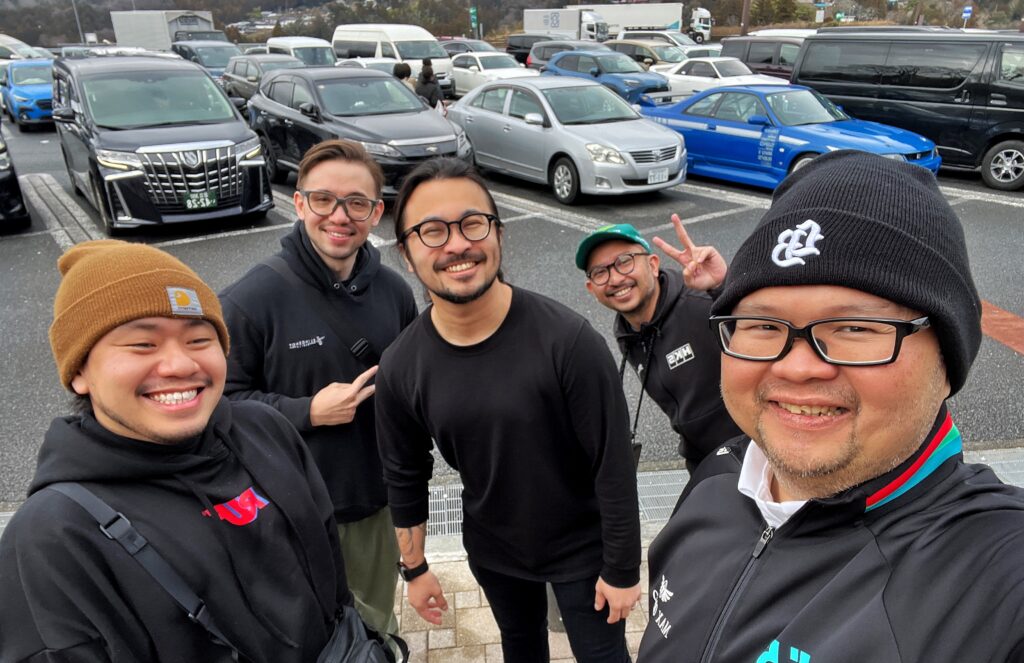
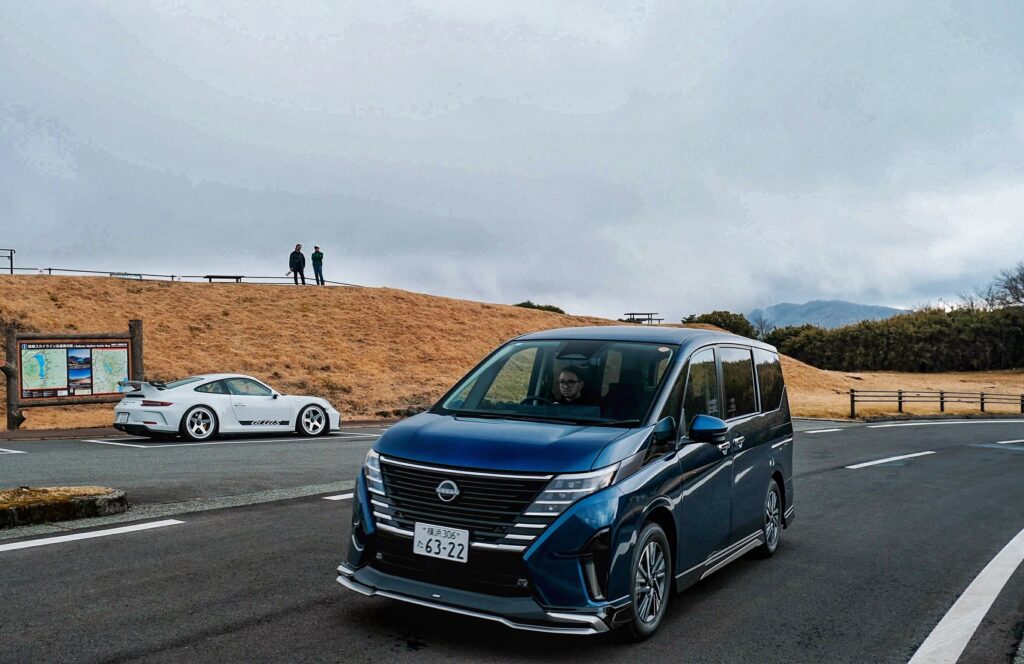
We pointed the Serena toward Gotemba, assigned as the high-speed camera support vehicle for a convoy attacking the Ashinoko Skyline and the world-famous Hakone Turnpike.
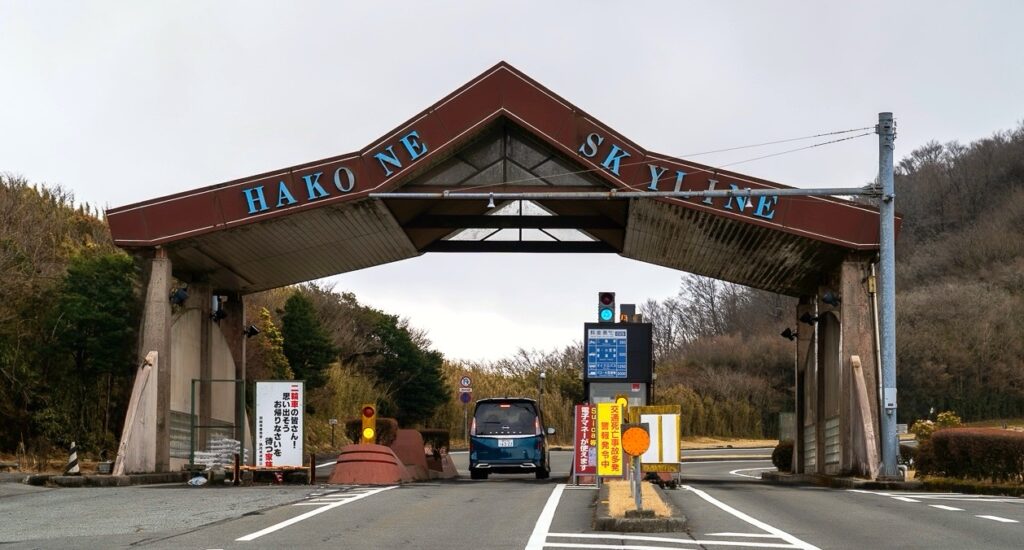
The Hakone Turnpike is an unforgiving toll road carved into steep mountainsides, often shrouded in thick fog. It was here that the Serena shed its mundane family-car identity.
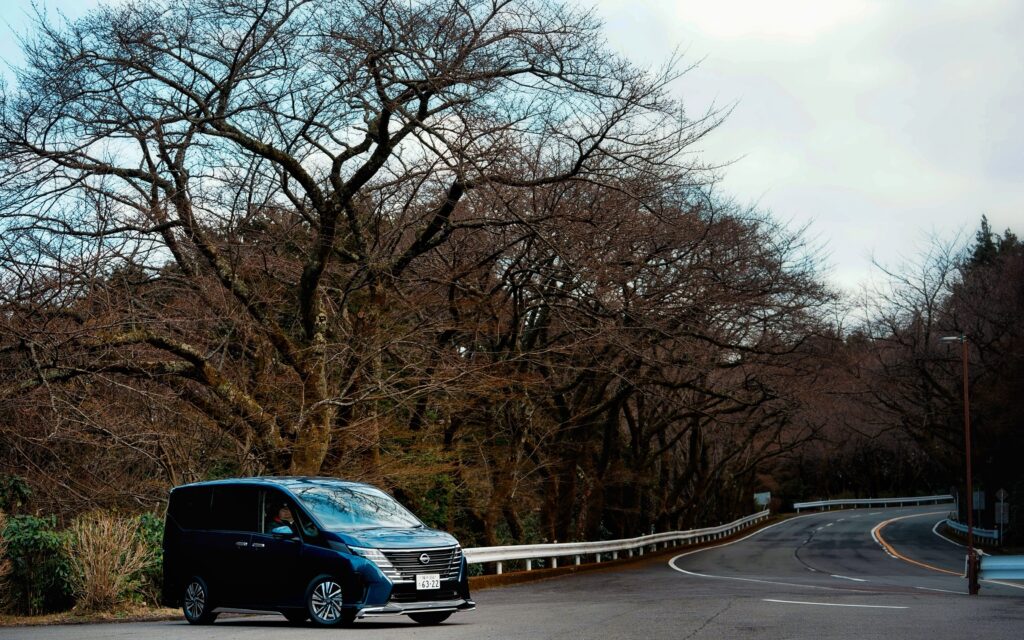
In contrast, Ashinoko is the lesser known, yet even more challenging piece of road because it’s tighter, more undulating and even more deserted. Get it wrong, and you will be stuck for hours because there are days where hardly anyone passes here.
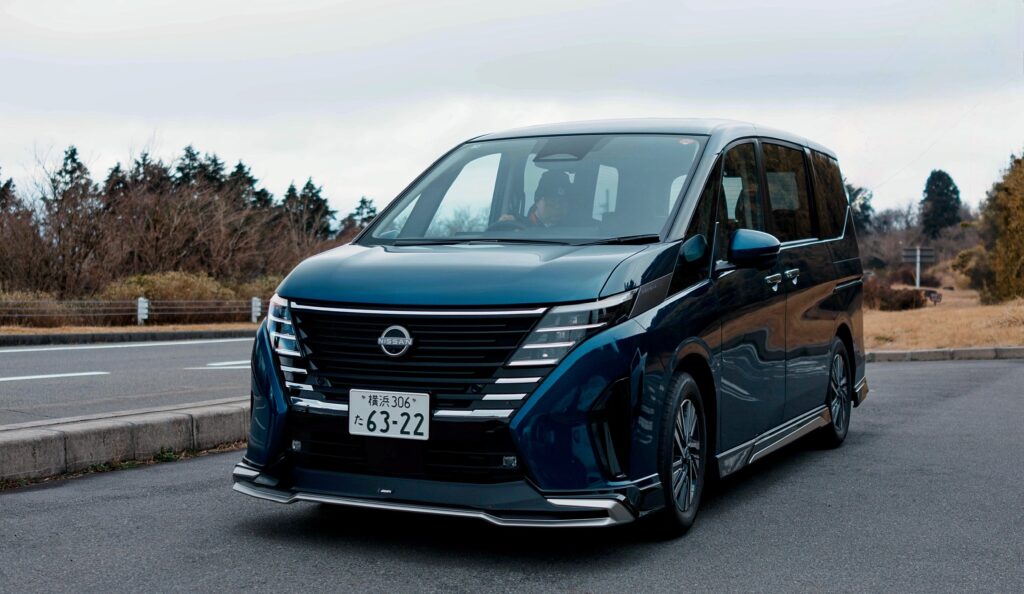
Pinning the accelerator, the electric motor delivered its full 315 Nm of instant torque without downshift delay. The 1.4-liter generator engine roared to life, revving hard to keep the 1.77 kWh battery juiced-up. The tall MPV surged up mountain gradients with shocking momentum and clung to the tarmac with intense ferocity, as its literal life depended on it.
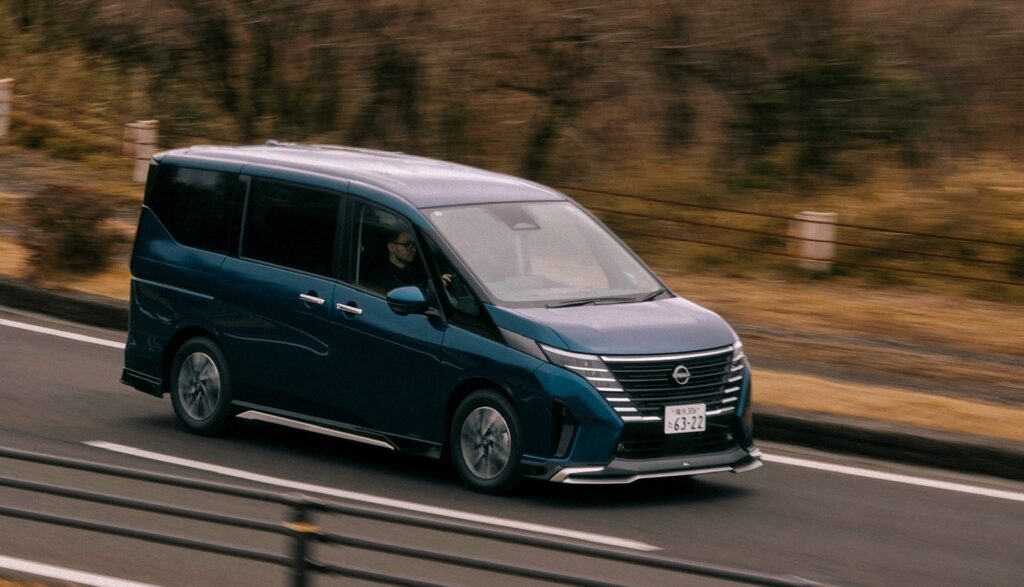
Equally surprising was its chassis composure. Despite its tall stance, the Serena’s suspension resisted body roll. Through tight sweepers and heavy braking zones, it held its line with absolute tenacity. Driving the boxy MPV hard through the twisties was quite a visceral, unexpected thrill.
The Verdict
By the time we returned the Serena to Nissan’s headquarters in Yokohama, we had logged roughly 580 kilometers across gridlocked city centers, highway runs, and mountain passes.
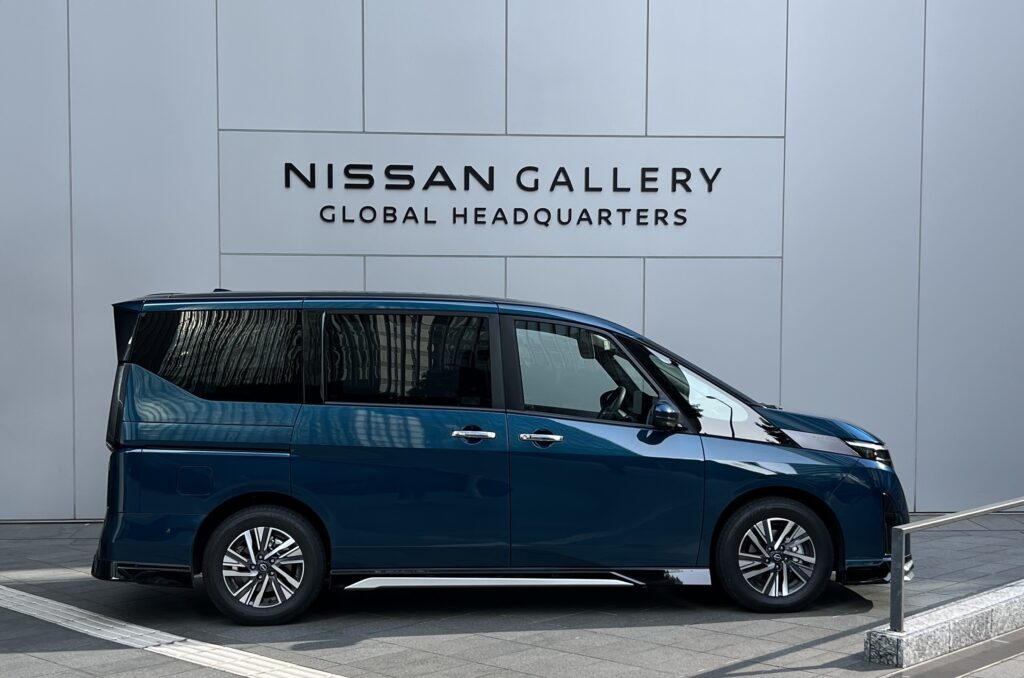
Despite driving the vehicle well beyond its intended envelope—half of it flat-out and close to fully-laden—we only consumed roughly three-quarters of its 52-liter fuel tank, a testament to the real-world efficiency of the e-Power system.
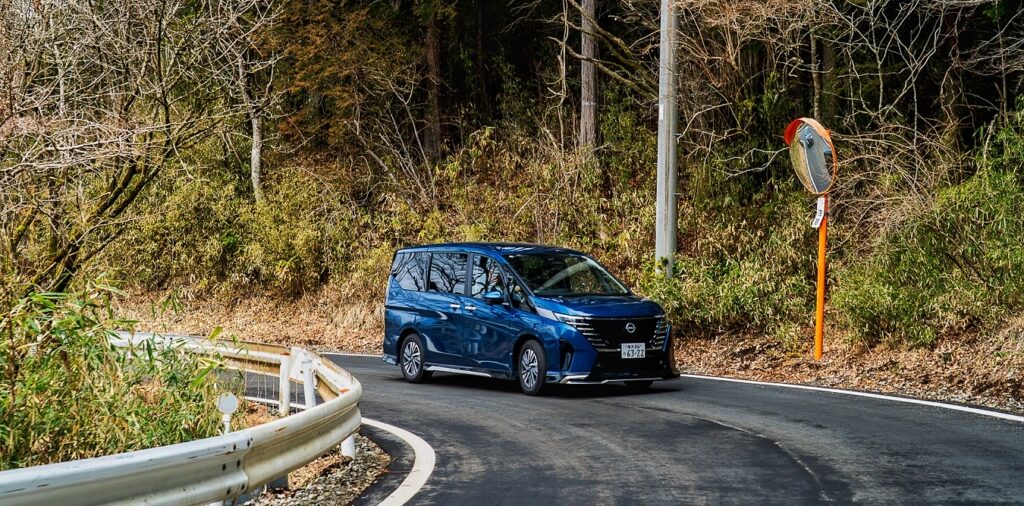
The Nissan Serena e-Power is not a glamorous sports car. It is an unpretentious, highly functional Japanese tool that swallows miles, gear, and people without complaint, yet possesses enough mechanical spirit to tackle demanding roads when pushed.
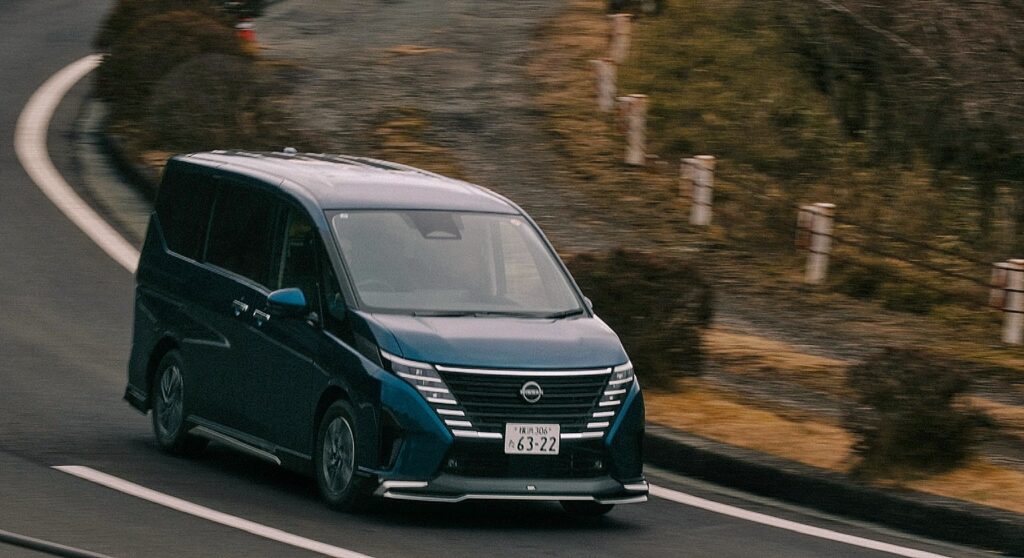
It has character. It has soul. If Nissan ever brought this into the Philippines, I would buy one without a second thought.
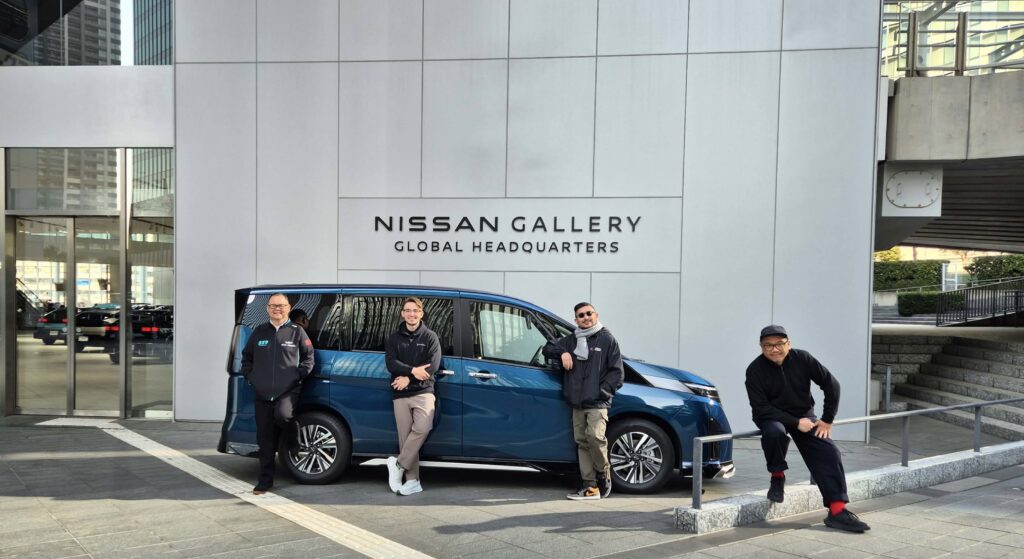
Thank you again to Nissan Global Headquarters, Nissan Gallery Yokohama, Kyle Drubek (who sadly we didn’t get to meet up with this time) and Kaito Sato for arranging things! We’ll be back in November for more adventures!