
The weather was gloomy, the sky over Fuji Speedway completely gray. If we were being sensible, it probably was not the ideal day to spend hours walking around an outdoor car event.
But we decided to go to FuelFest Japan anyway.
Founded by Cody Walker in memory of his brother Paul, FuelFest is a global automotive festival that blends high-octane track action, live music, and massive car showcases—all while supporting disaster relief efforts through the Reach Out WorldWide foundation. It is a traveling celebration of car culture, film nostalgia, and community.
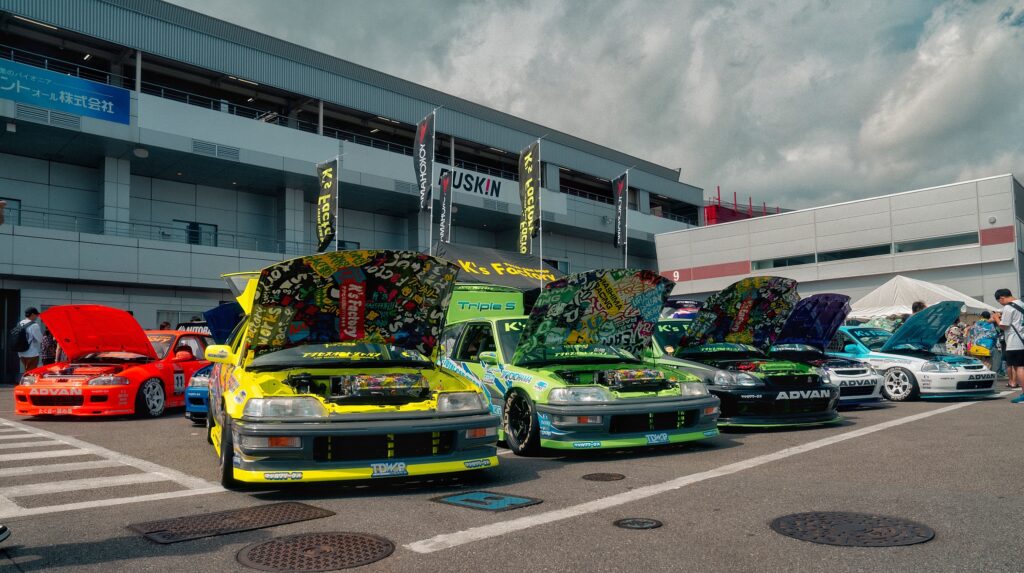
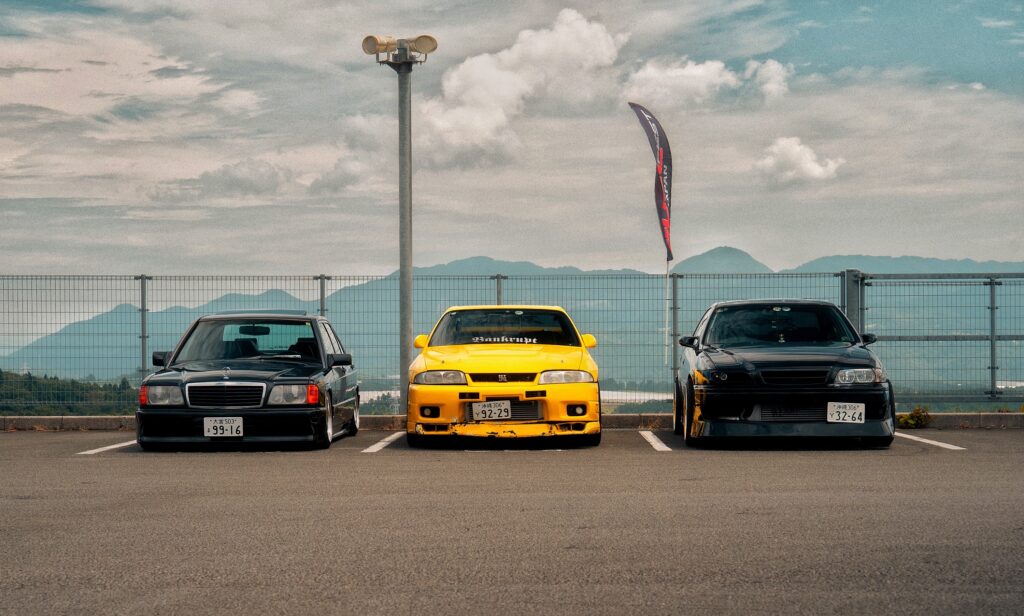
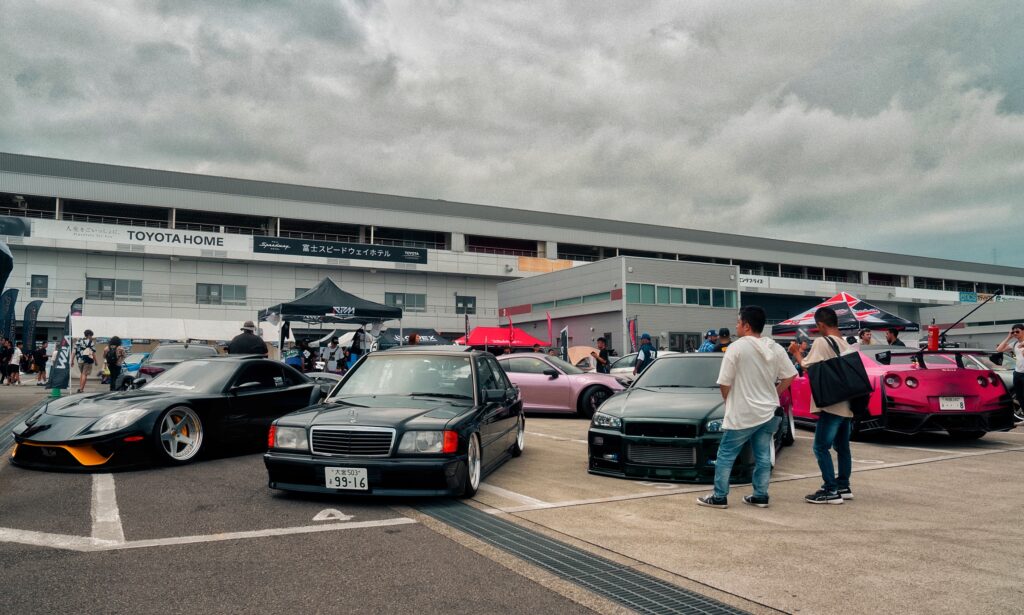
It was a last-minute decision for us to attend, which meant we arrived about an hour later than planned. In hindsight, arriving late almost made the first impression better. Before we had even properly entered the venue, the parking areas surrounding Fuji Speedway gave us a vivid glimpse of what lay ahead: Japanese car culture, in almost every form imaginable.
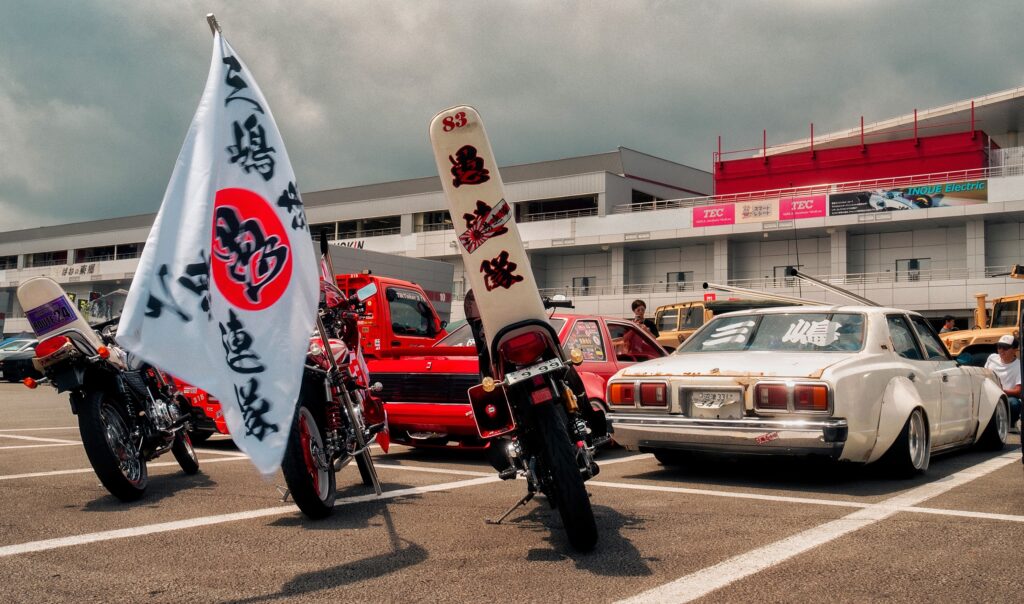
There were Fast & Furious replicas, Initial D recreations, heavily modified supercars revving loudly enough to echo across the valley, low-slung VIP sedans sitting impossibly close to the asphalt, American police car replicas,
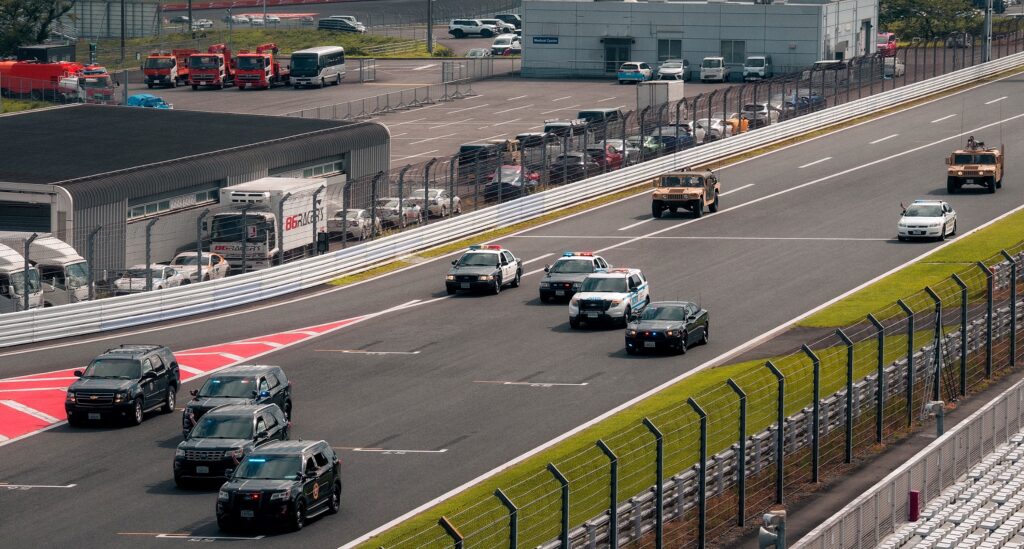
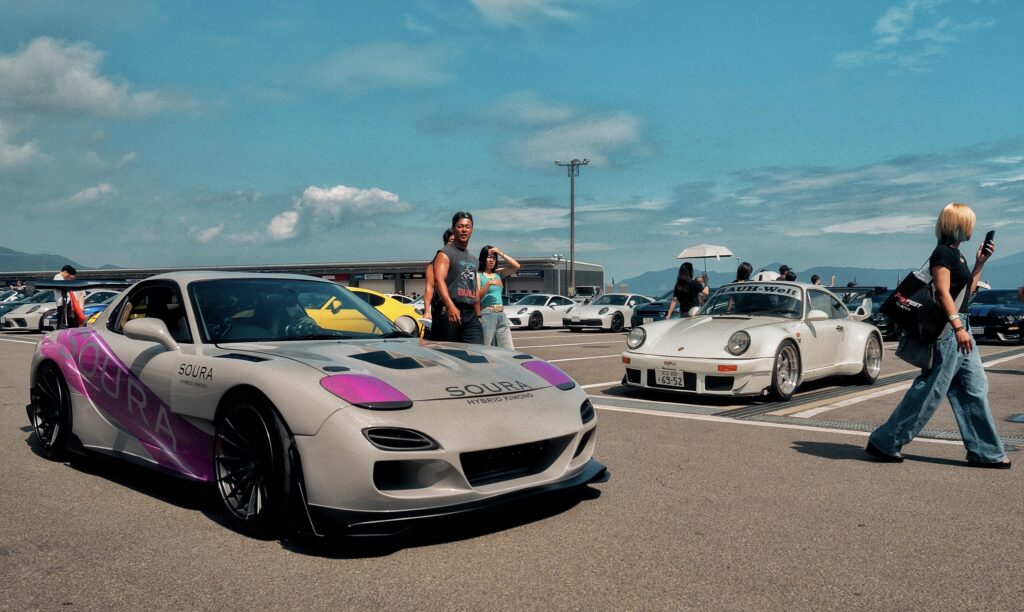
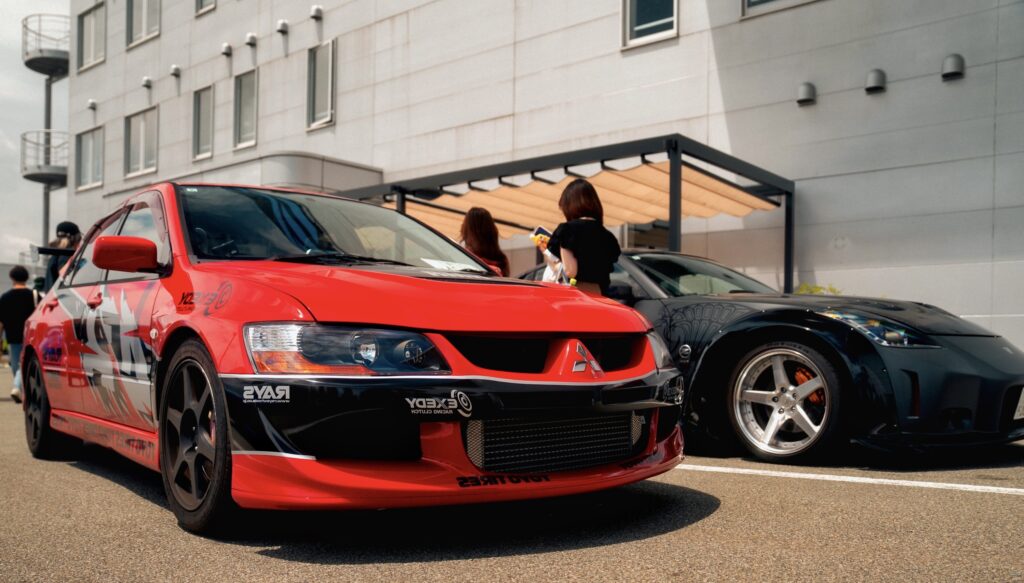
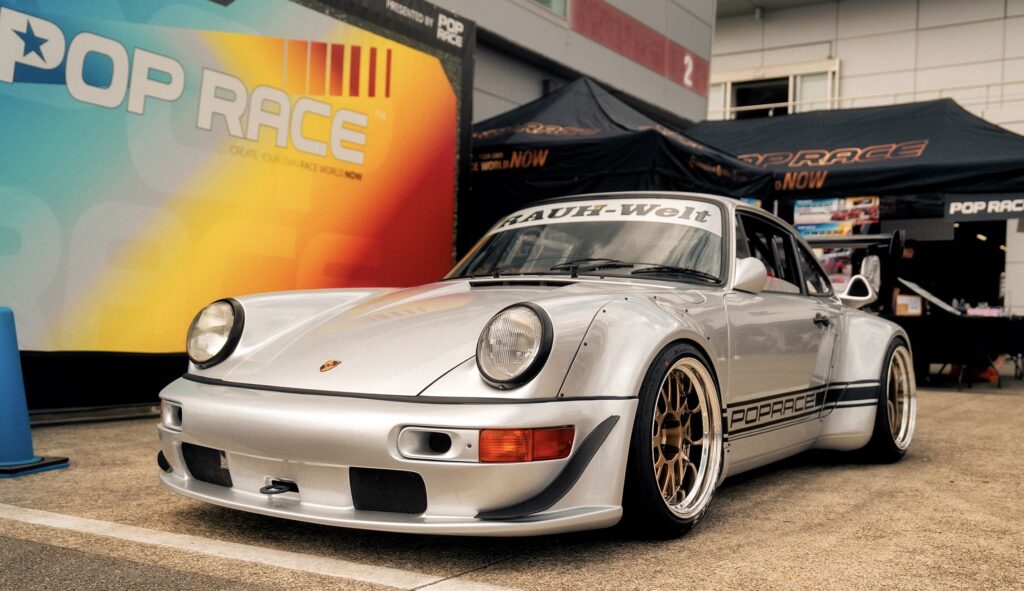
and endless JDM builds scattered throughout the grounds.
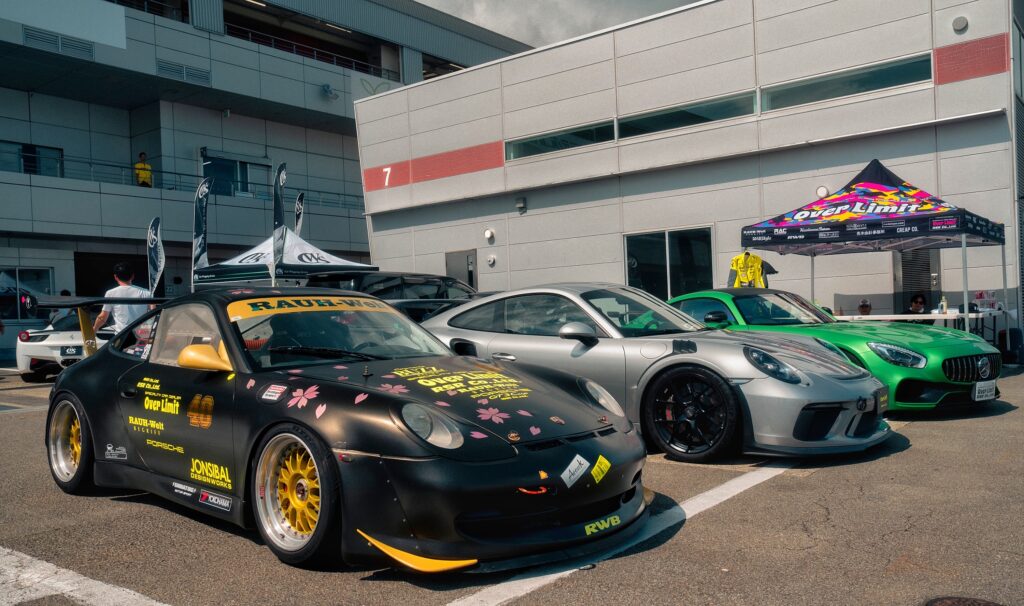
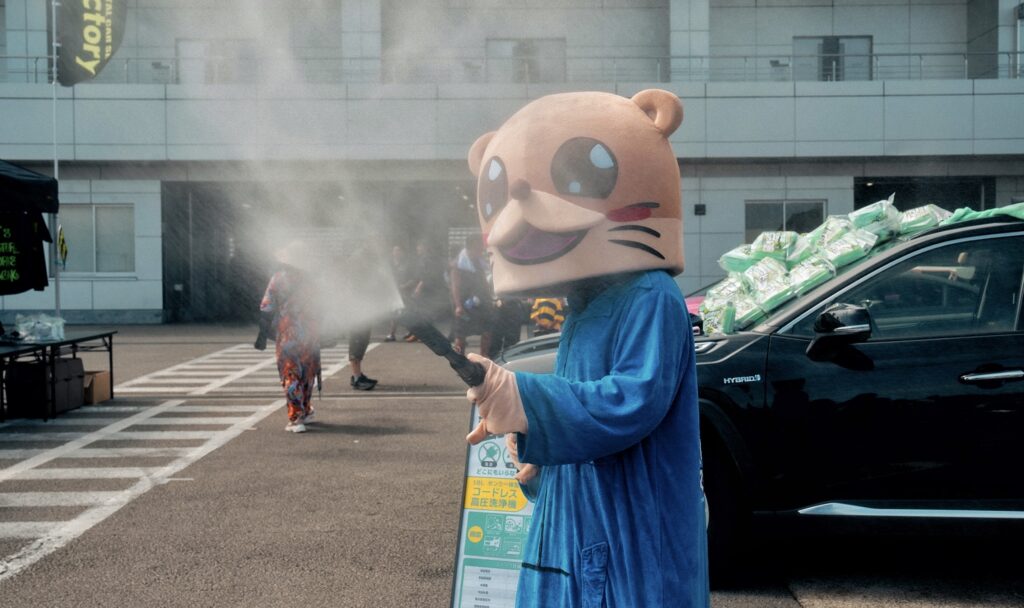
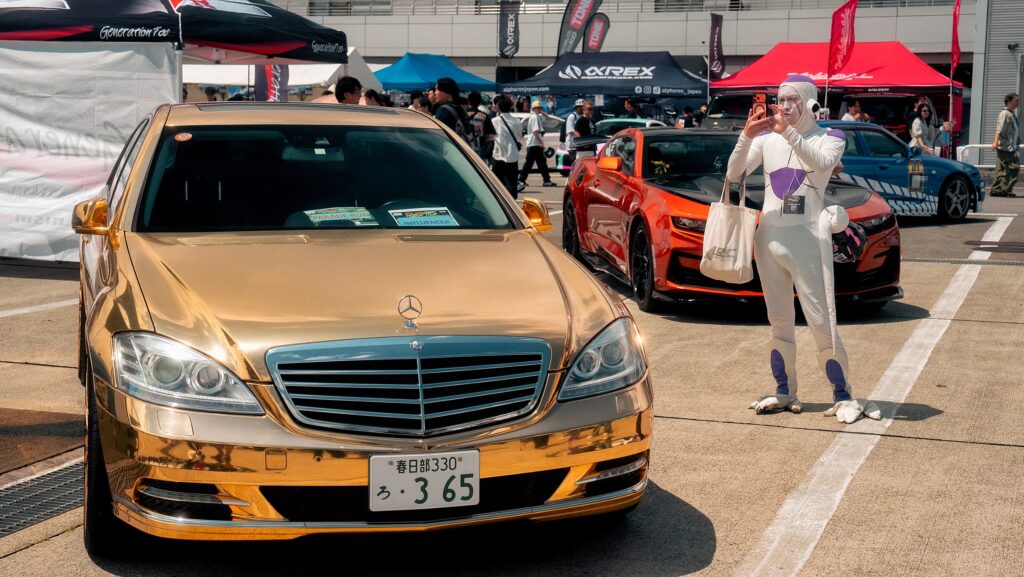
Somewhere between all of that, even Frieza from Dragon Ball was casually walking around the venue, because FuelFest had already abandoned conventional logic.
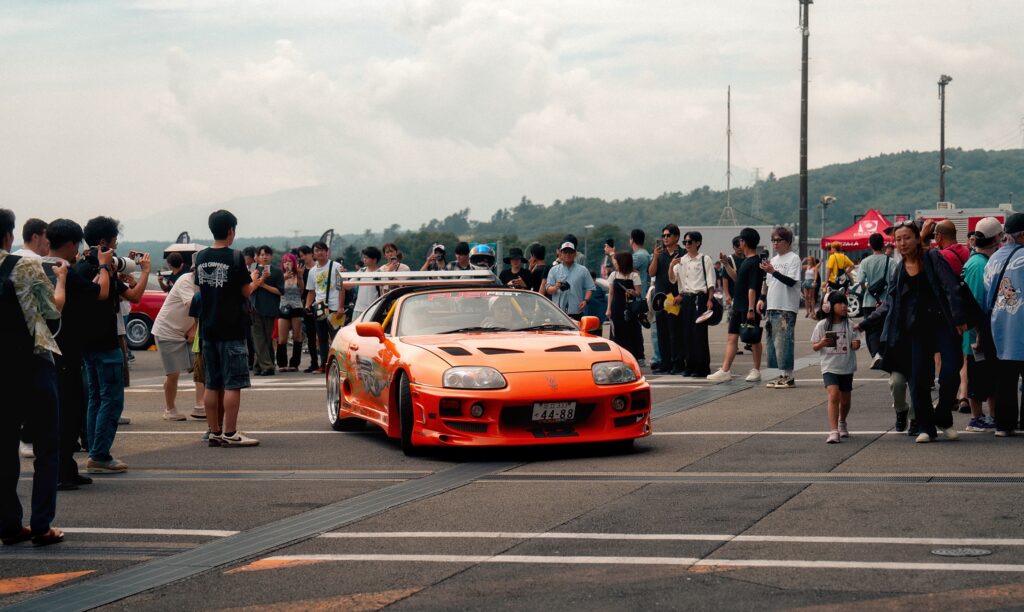
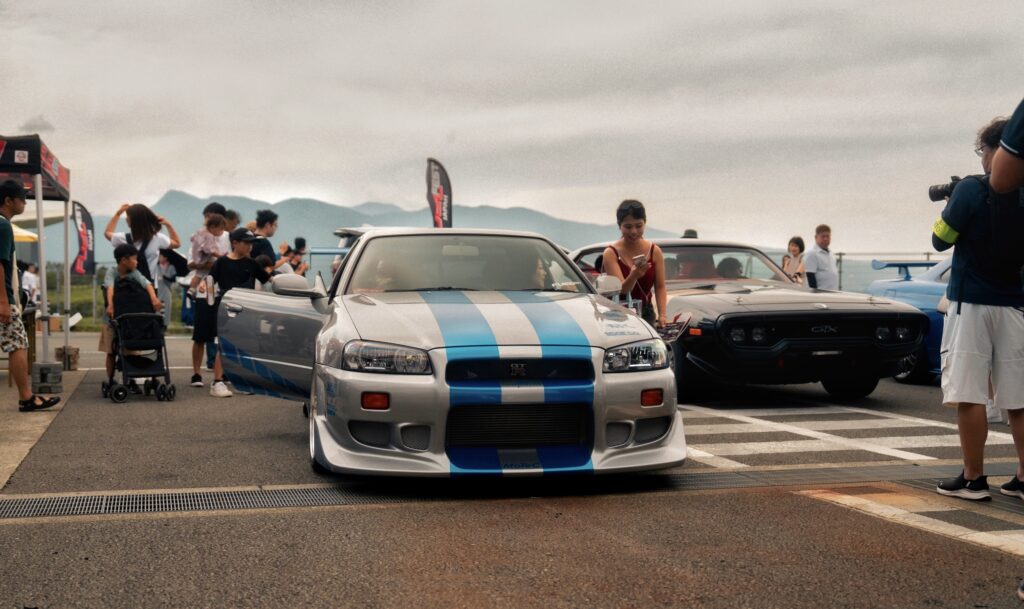
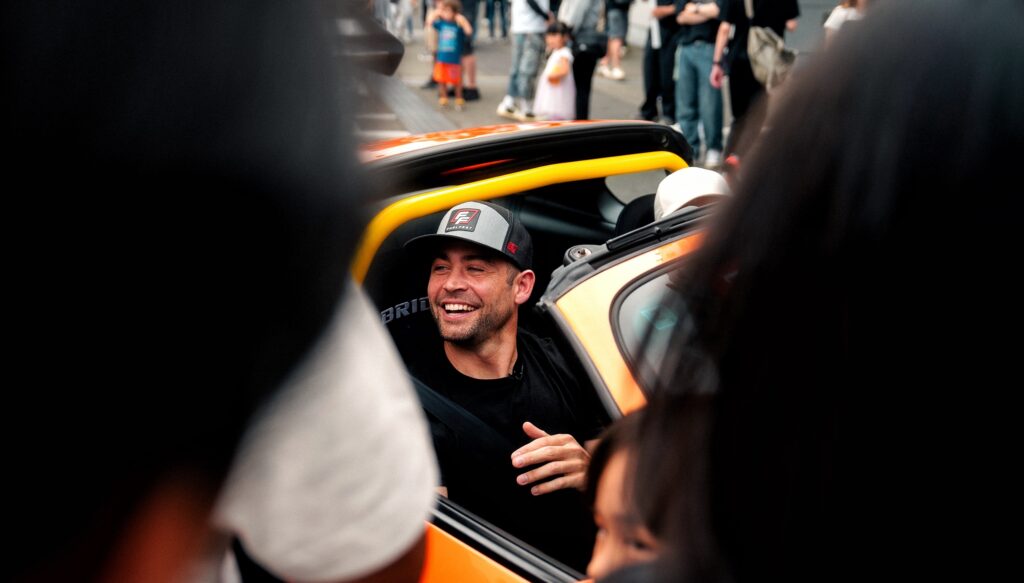
Because of its roots, the Fast & Furious influence was front and center. At times, it felt like dozens of Paul Walker homage builds had descended on the track, with silver-and-blue Skyline GT-Rs seemingly everywhere. Early in the day, we caught a real connection to the franchise up close when Cody Walker passed by in an iconic orange Toyota Supra.
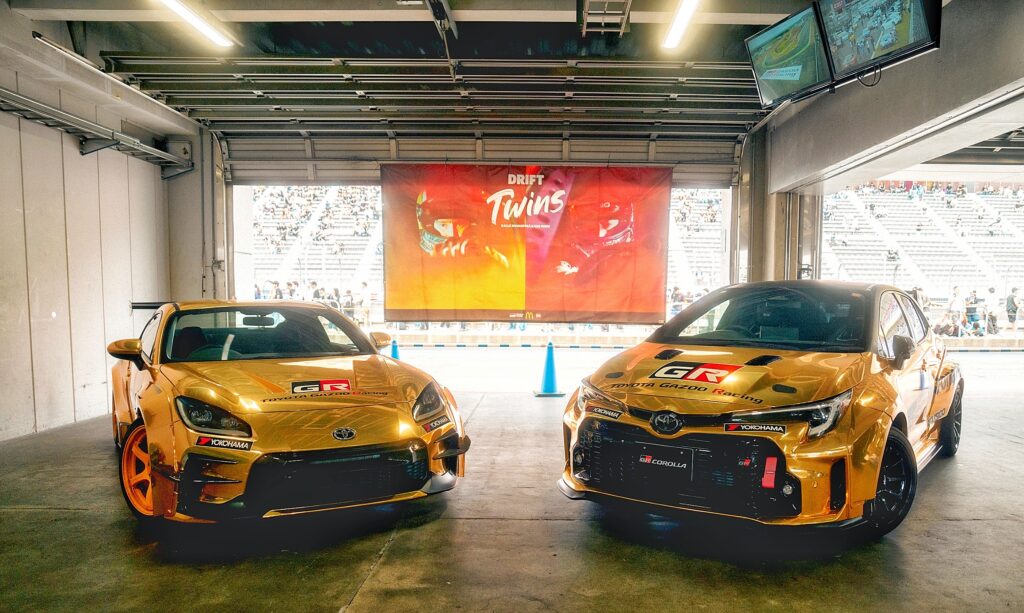
Even McDonald’s joined the spectacle, rolling out its gold GR cars, which fitted seamlessly into the chaotic mix of movie nostalgia, tuned Japanese steel, and modern performance machinery.
Alongside that Hollywood flair was something completely different, and distinctly Japanese: bosozoku-style motorcycles and old-school kaido racer (or street racer, as a reference to illegal underground street racing from the 60’s, 70’s and 80’s in Japan) builds.
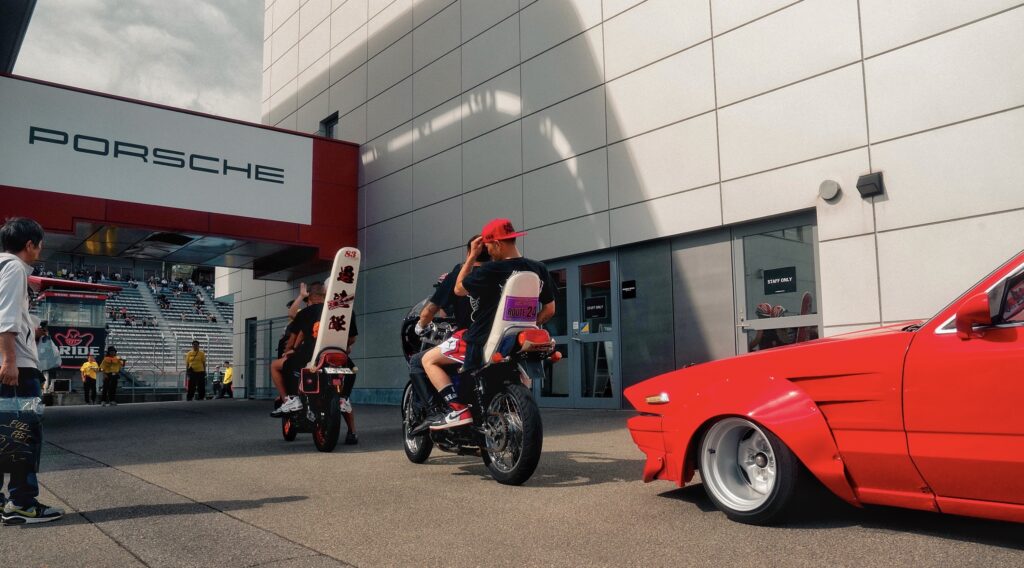
For anyone unfamiliar, bosozoku refers to a Japanese youth and motorcycle subculture that peaked in the 1970s and 1980s. The bikes became famous for their outrageous modifications—towering seat backs, extended fairings, wild paint schemes, and unsilenced exhausts. That rebellious design language heavily bled into car culture, giving birth to the extreme machines known as kaido racers.
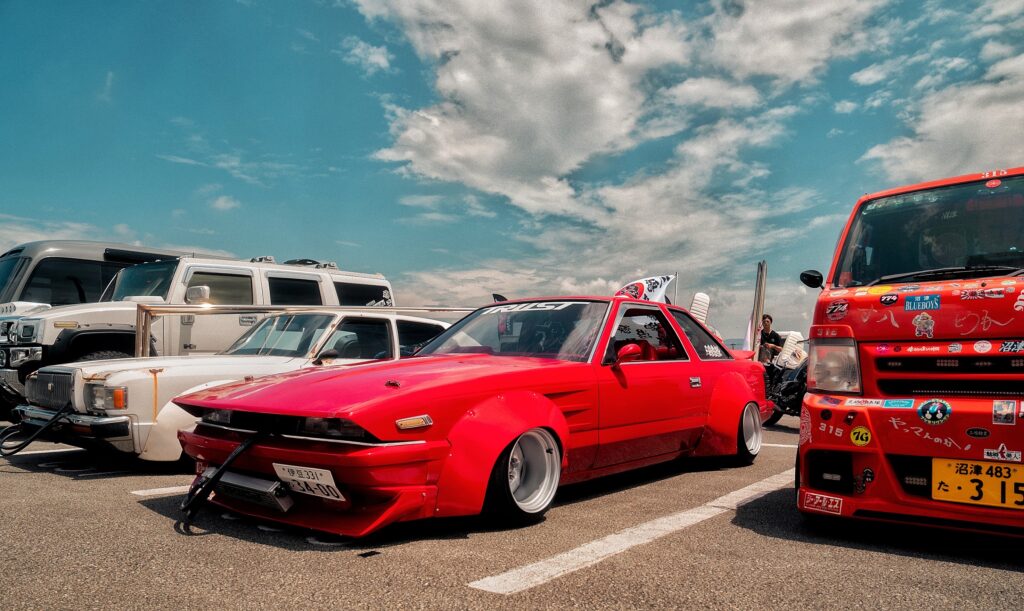
At Fuel Fest, those cars immediately stood out: massive overfenders, ultra-deep dish wheels, exaggerated bodywork, exposed oil-cooler lines, sticker-plastered glass, and interiors full of period-correct details.
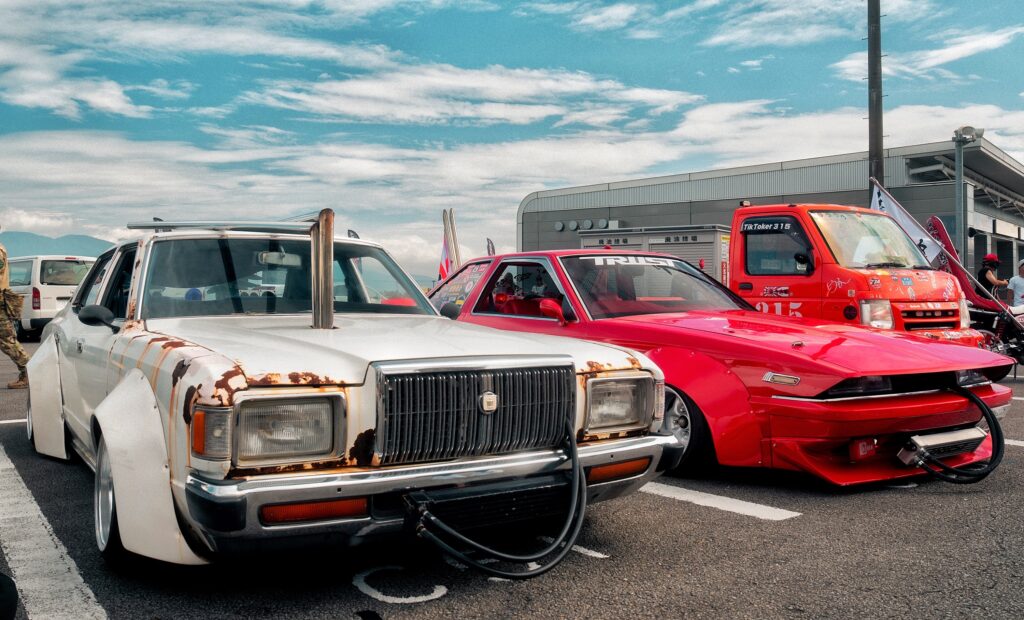
Parked beside modern metal, they looked as if they had warped in directly from another era. They were easily among the most compelling builds on display.
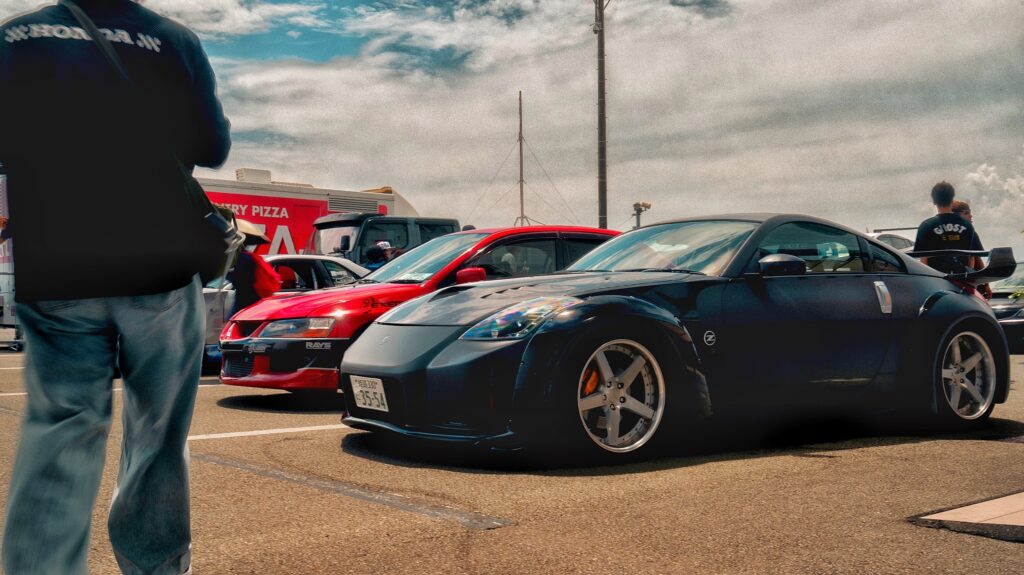
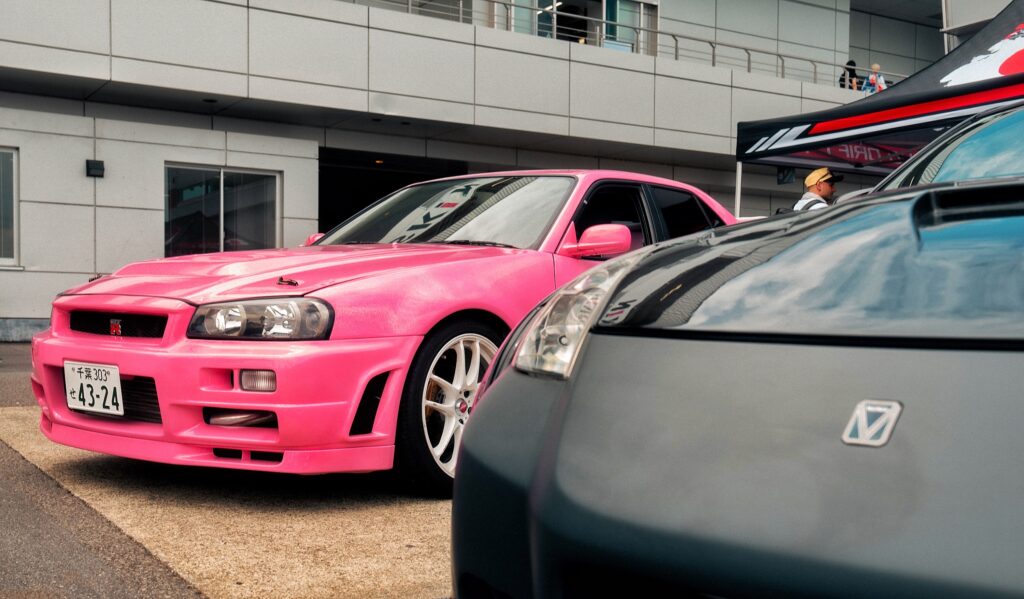
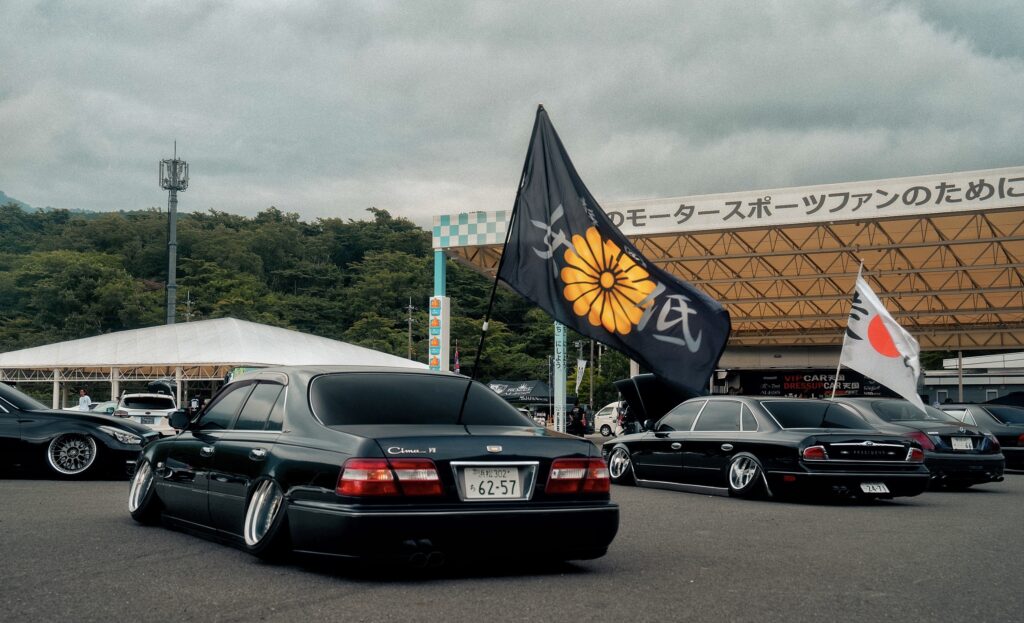
Still, the deepest impression FuelFest left on me wasn’t from seeing these cars parked. It was seeing them move.
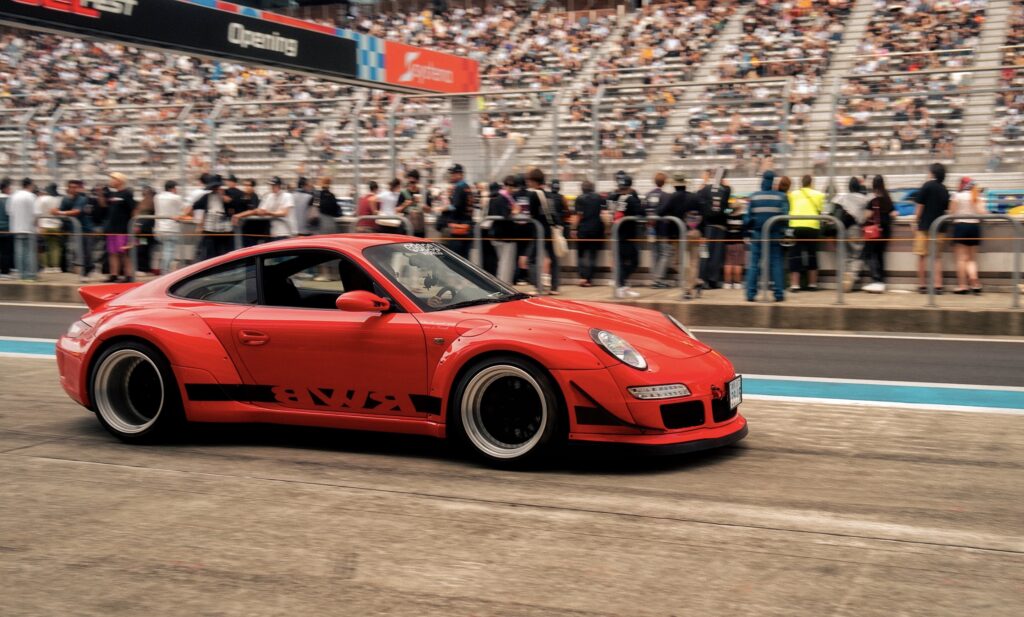
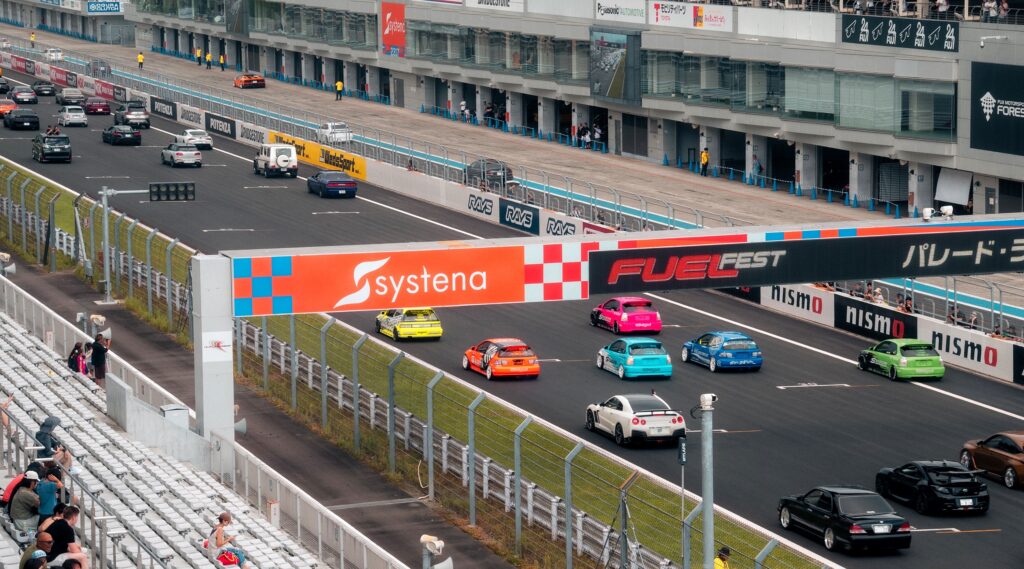
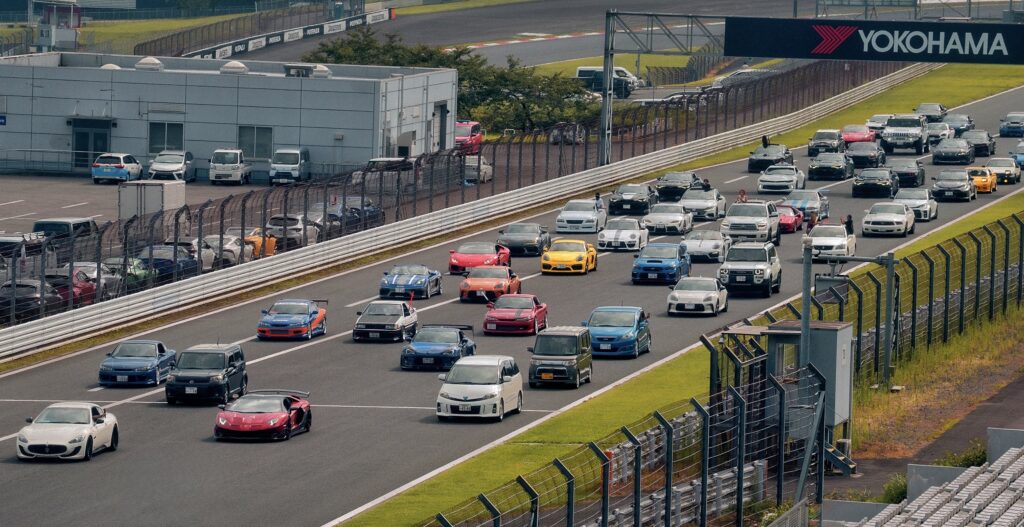
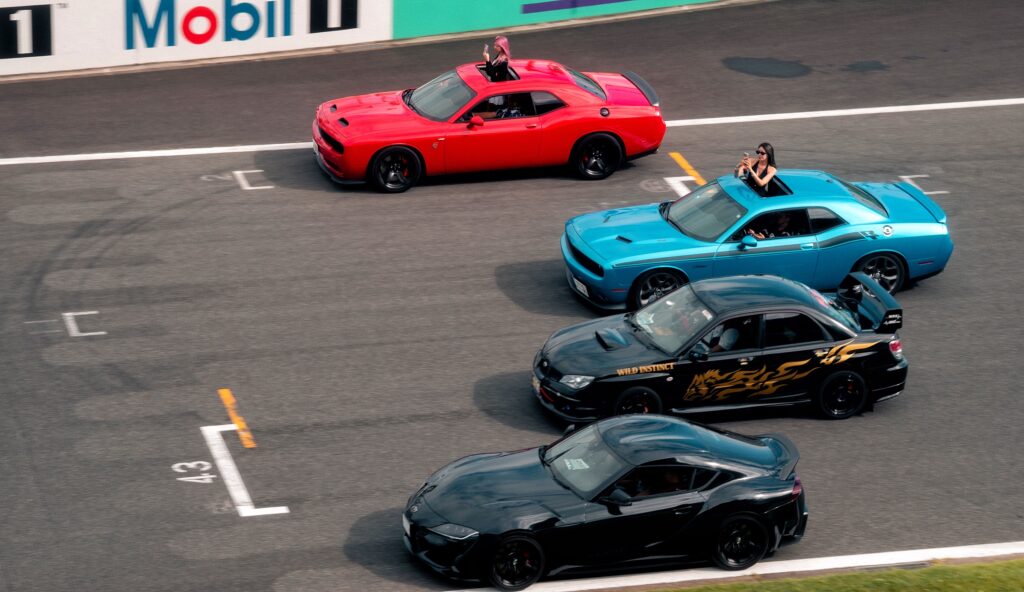
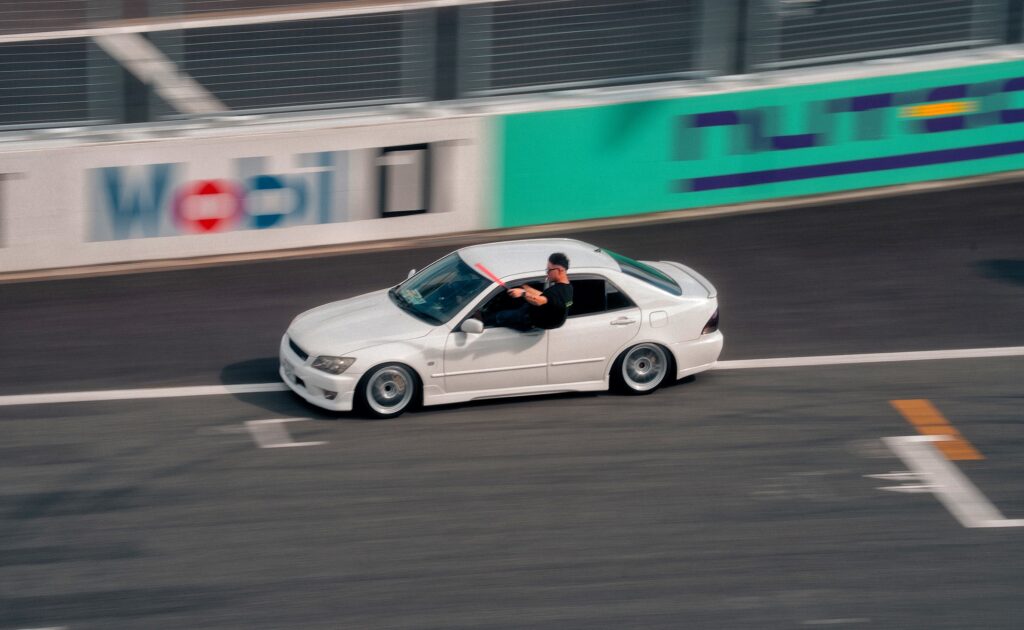
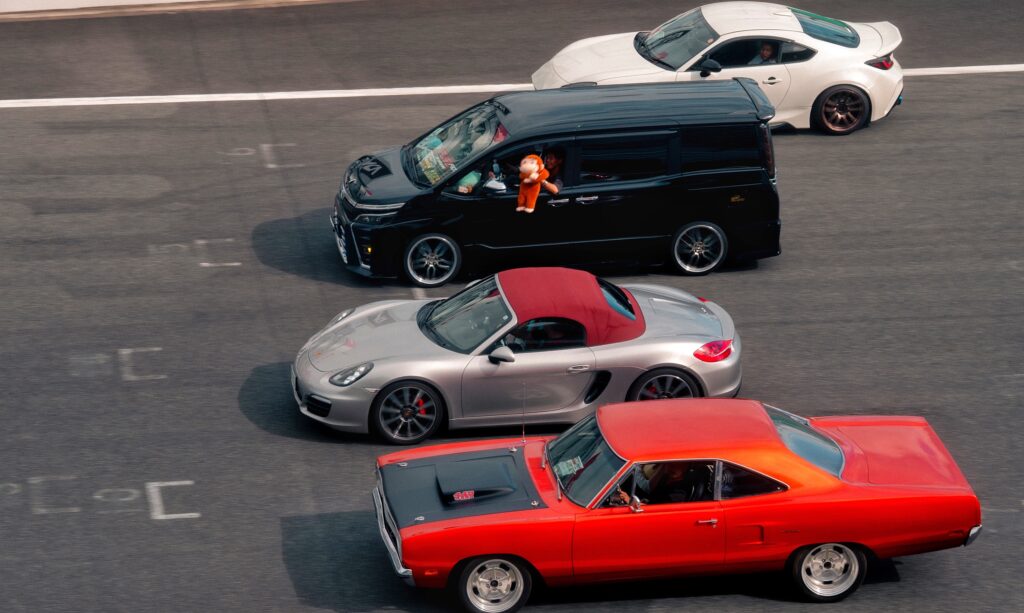
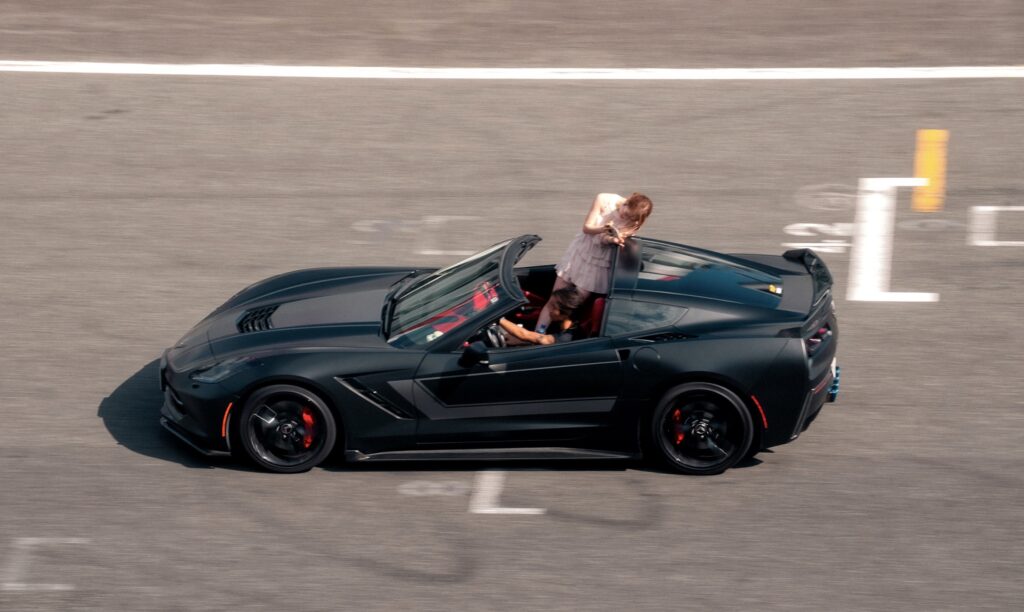
One of the main highlights was watching roughly 1,000 modified cars take to Fuji Speedway. A static car show is one thing, but seeing that volume of machinery circulating on one of Japan’s most hallowed circuits transformed the atmosphere.
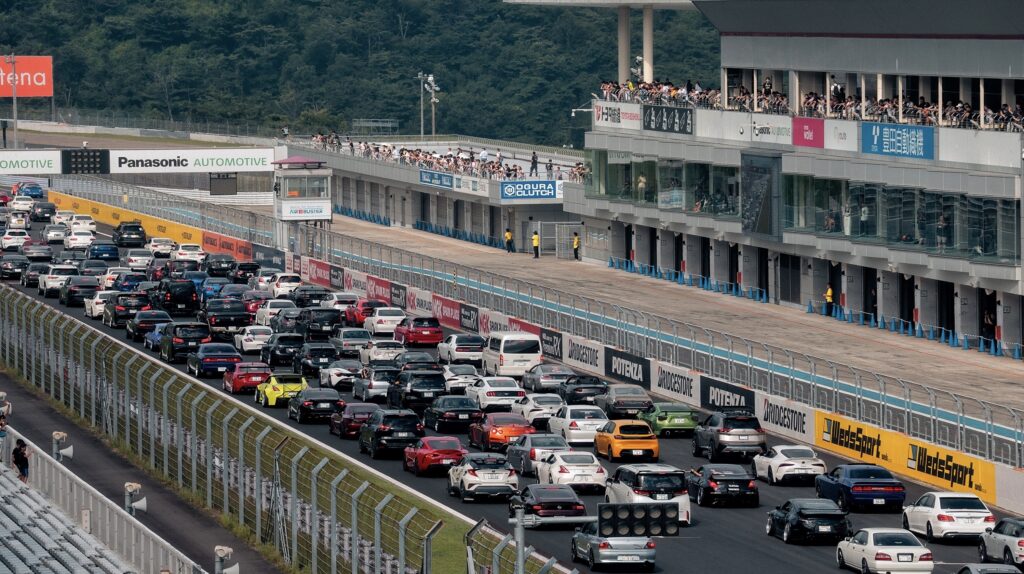
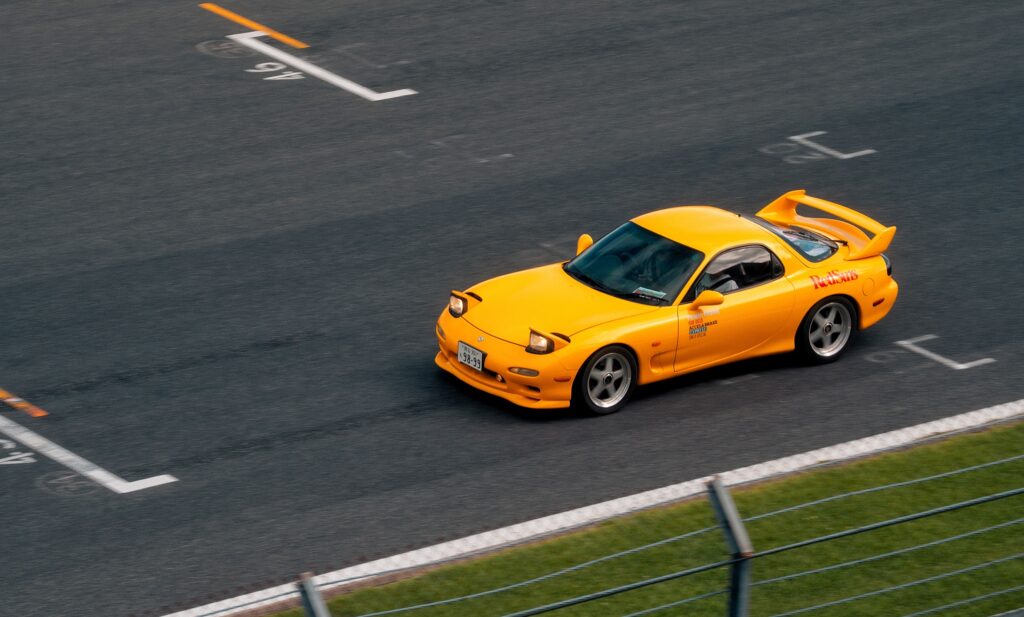
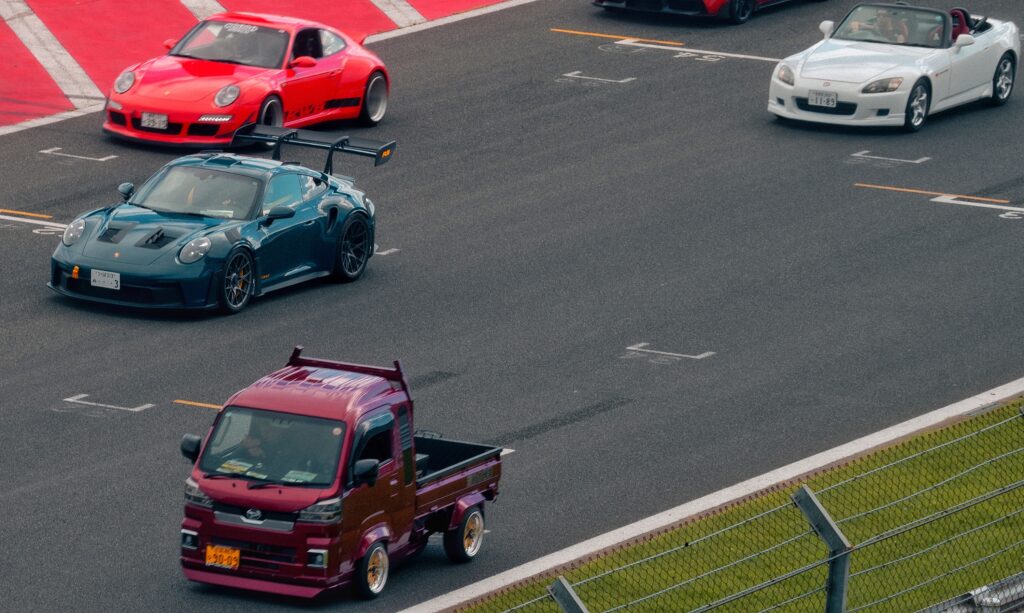
Builds that had spent the morning sitting neatly in rows suddenly came alive. Modern supercars ran alongside tuned Japanese classics, while replica cars, drift builds, and VIP sedans joined the same rolling procession.
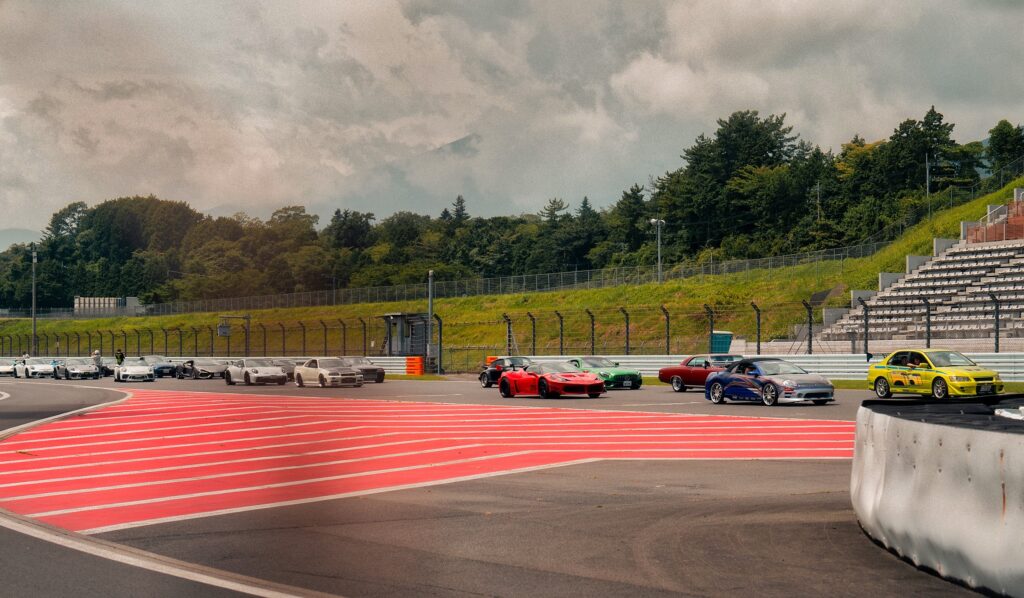
And then there were the modified kei trucks. Tiny Japanese utility vehicles, transformed with custom wheels, slammed suspension, and aggressive body kits, were lapping the circuit alongside GT-Rs, Porsches, and exotic supercars.
Seeing something originally built to haul goods around Japanese farmland taking a parade lap at Fuji Speedway perfectly encapsulated the sheer variety of FuelFest.
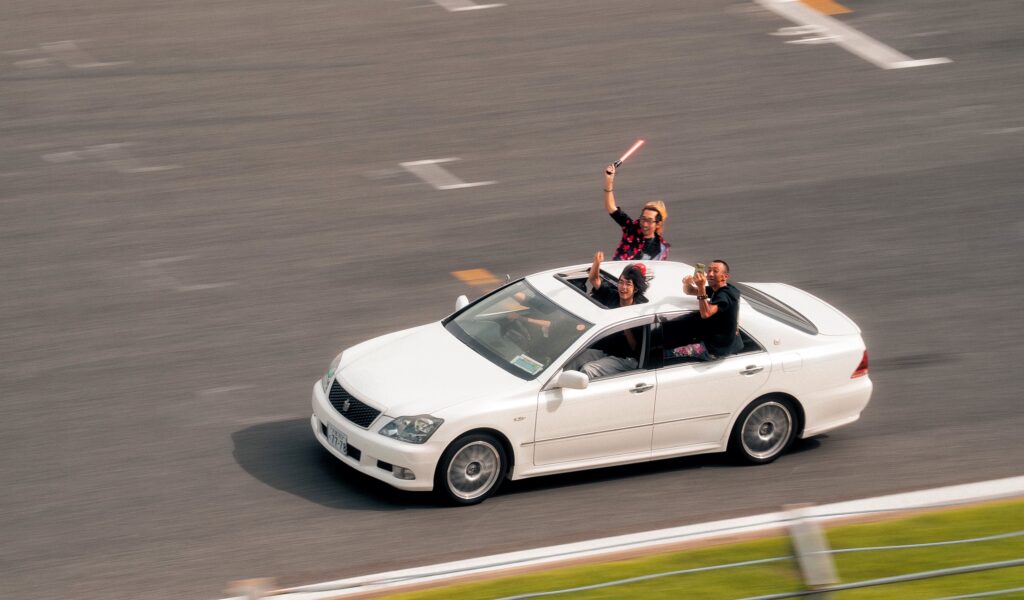
Some drivers rolled past with passengers leaning halfway out of the windows, waving glowing red light sabers above the roof as the parade moved along—looking less like a track day and more like a cinematic battle scene.
Off the circuit, the subculture spectacle continued. A crowd had formed around a young kid sitting atop a bosozoku-style motorcycle. Rather than simply revving the engine, the rider works the throttle rhythmically, creating a sequence of exhaust notes that feels almost musical. It is a niche aspect of Japanese motorcycle culture that is difficult to appreciate until experienced in person.
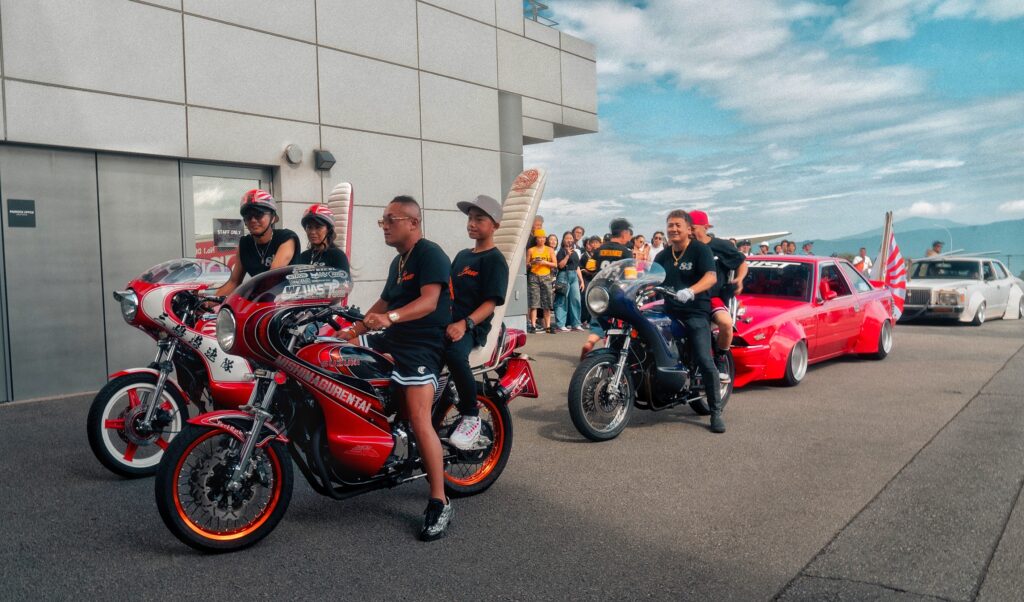
The kid could barely touch the ground, yet he was already controlling the throttle with surprising rhythm and precision. People stopped walking, phones came out, and everyone watched as this tiny rider enthusiastically blipped the throttle on what was likely a family member’s bike. It was funny, surreal, and deeply fitting: a piece of heritage passed down to the next generation right in front of us.
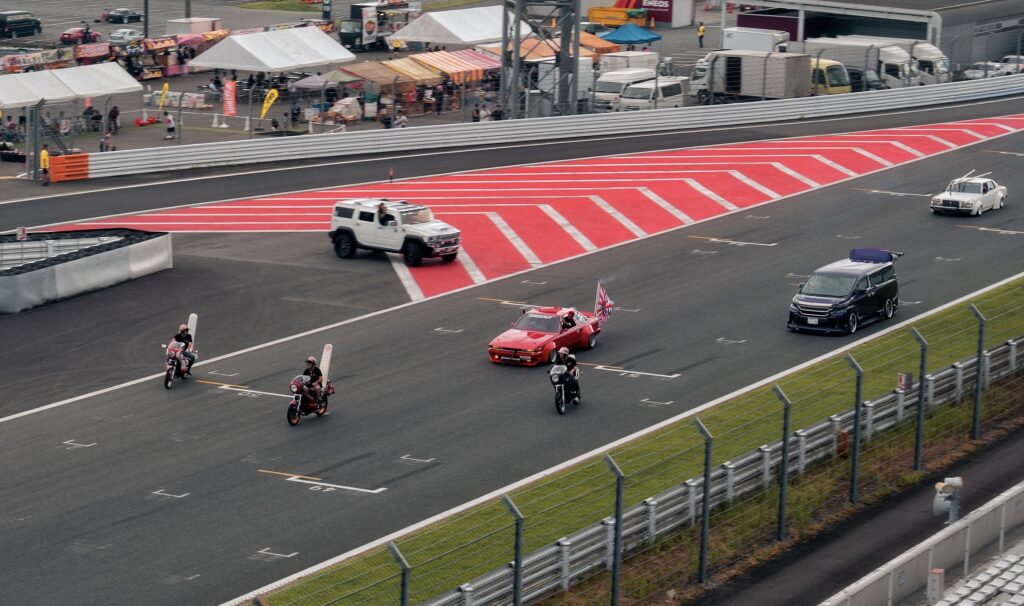
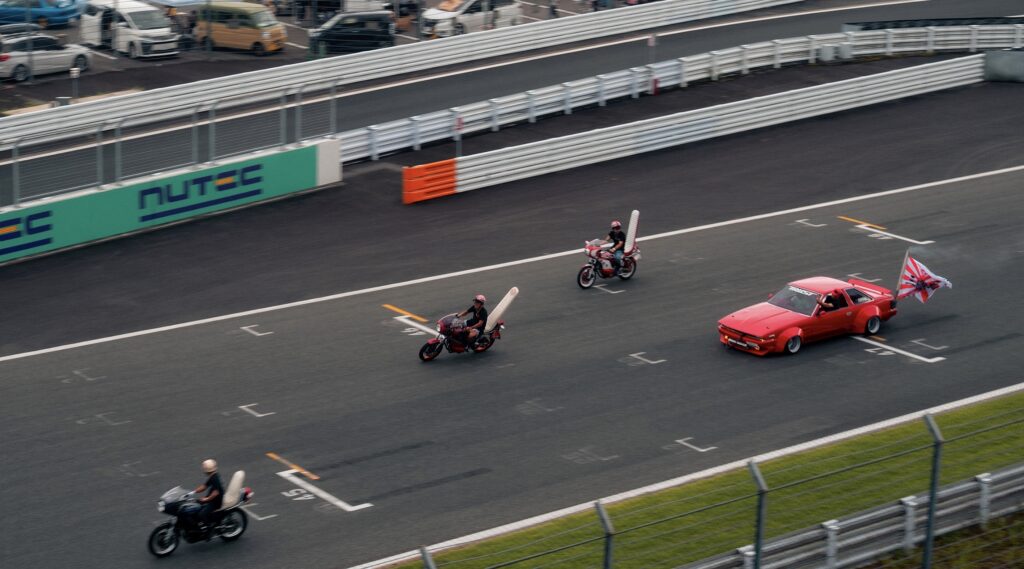
Fuji Speedway is traditionally a place reserved for serious motorsport and Japan’s absolute fastest machinery. But for a few hours, it became something else entirely—a living, breathing cross-section of Japanese car culture.
A thousand modified cars running around Fuji is an impressive headline. The supercars were loud, the replicas were nostalgic, and there were enough rare builds to keep any photographer busy for days.
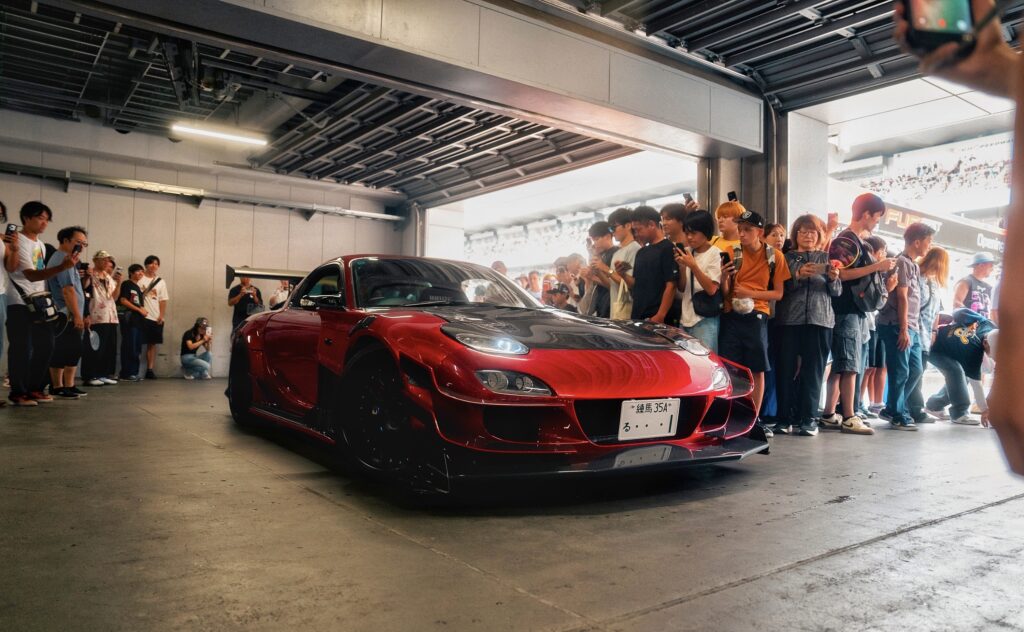
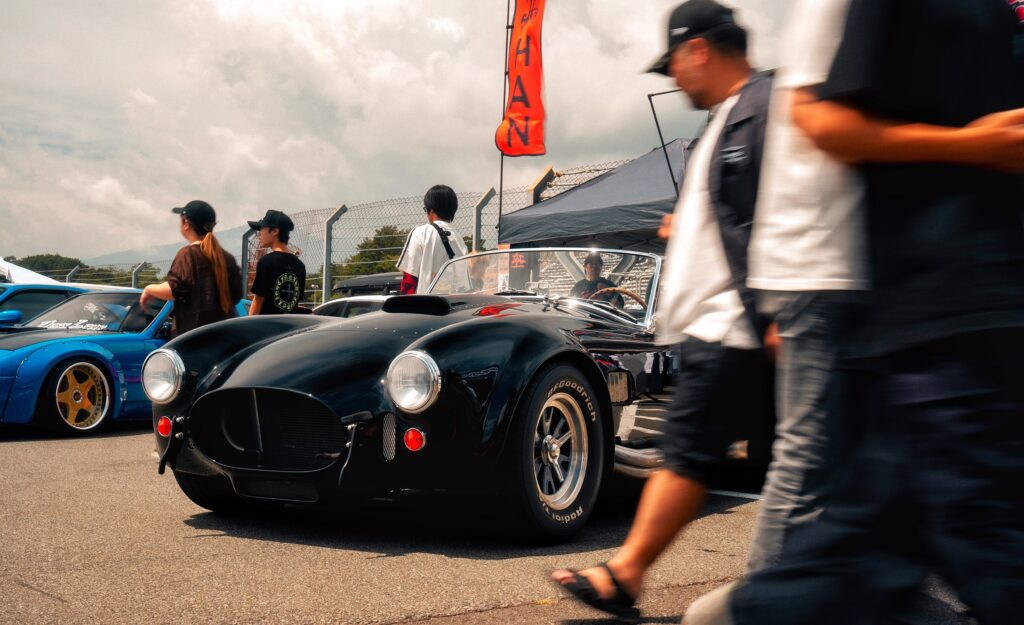
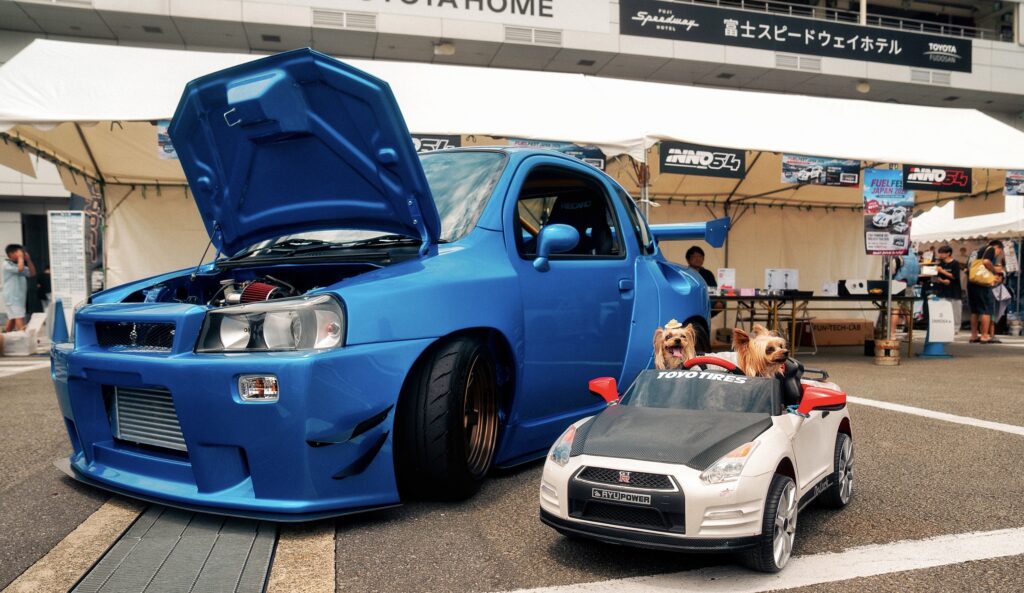
But the moments I remember most were the unexpected ones: an old kaido racer parked beside modern supercars, modified keitrucks sharing tarmac with track weapons, and a young kid learning the rhythmic call of a bosozoku exhaust.
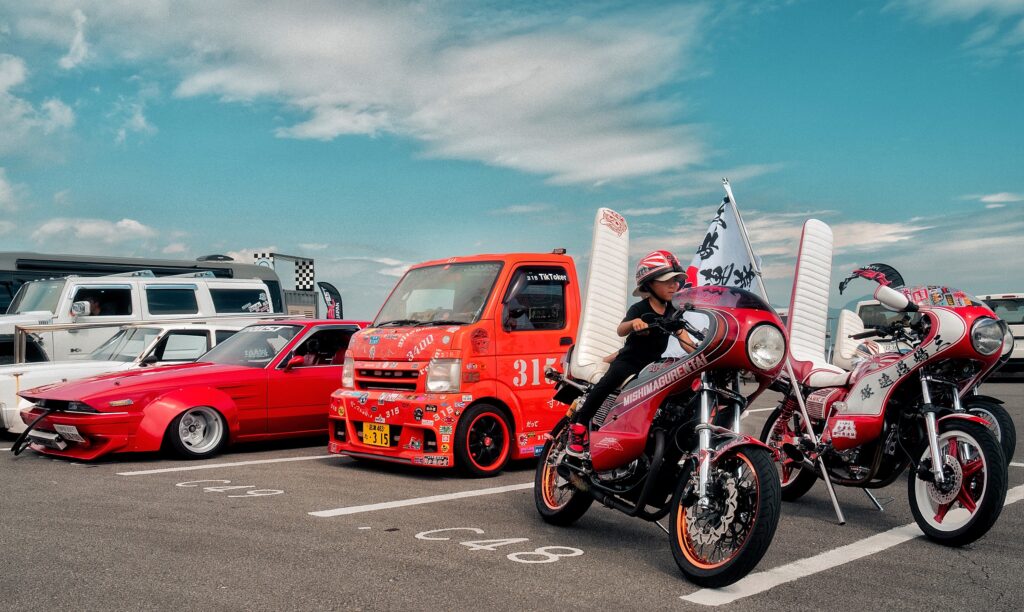
We went to Fuji Speedway on a gloomy day, arrived late, and didn’t know what to expect. We left having witnessed one of the widest snapshots of Japanese automotive culture available in a single place.
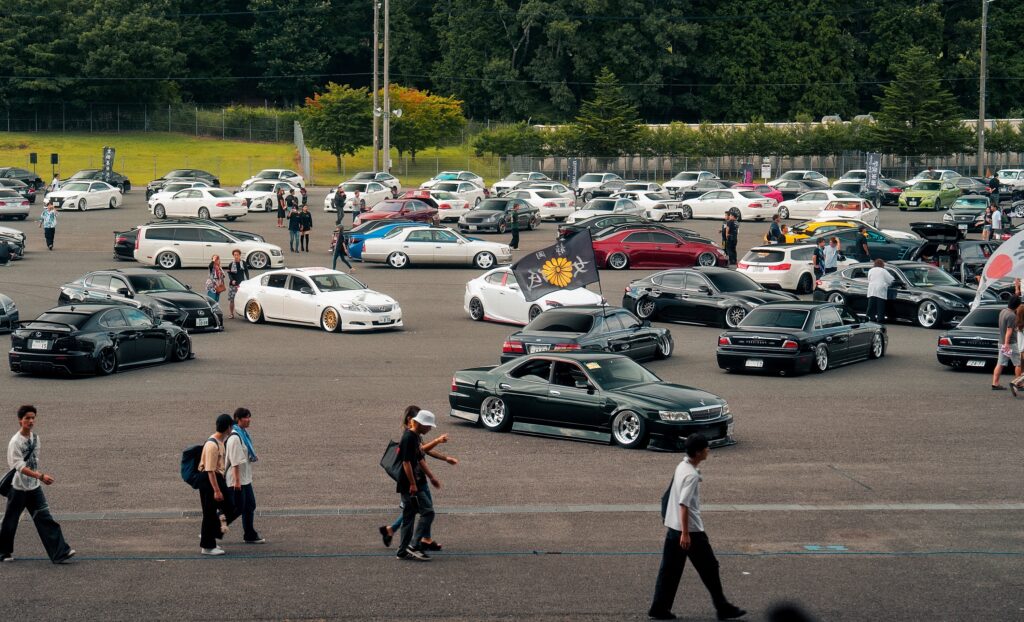
And somehow, the gray weather suited it perfectly.