
For a civilization whose cultural lineage has endured uninterrupted for five millennia, the world outside knows surprisingly little of China—or, more accurately, harbors deep misunderstandings.
The name “China” owes its global provenance to the Qin Dynasty, popularized by 16th-century Portuguese traders navigating the Silk Route, though its roots trace further back to Sanskrit texts where Persian merchants referenced Cina.
Yet, the romanticized title of “The Middle Kingdom” derives from Zhongguo—the Central States of the Zhou Dynasty, which predates the Qin by centuries. My favorite origin, however, remains purely mythological: The Kingdom Beneath the Heavens.

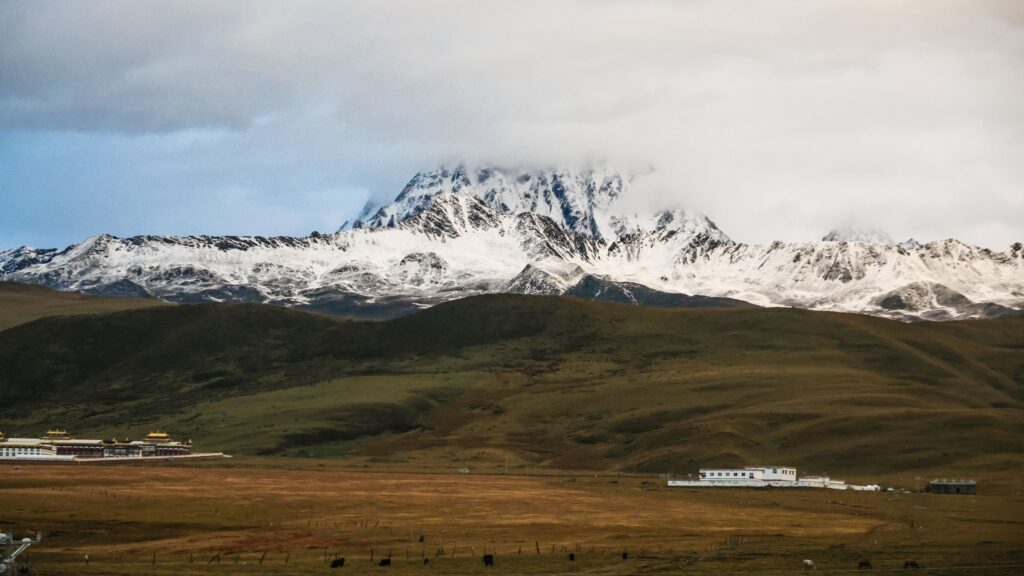
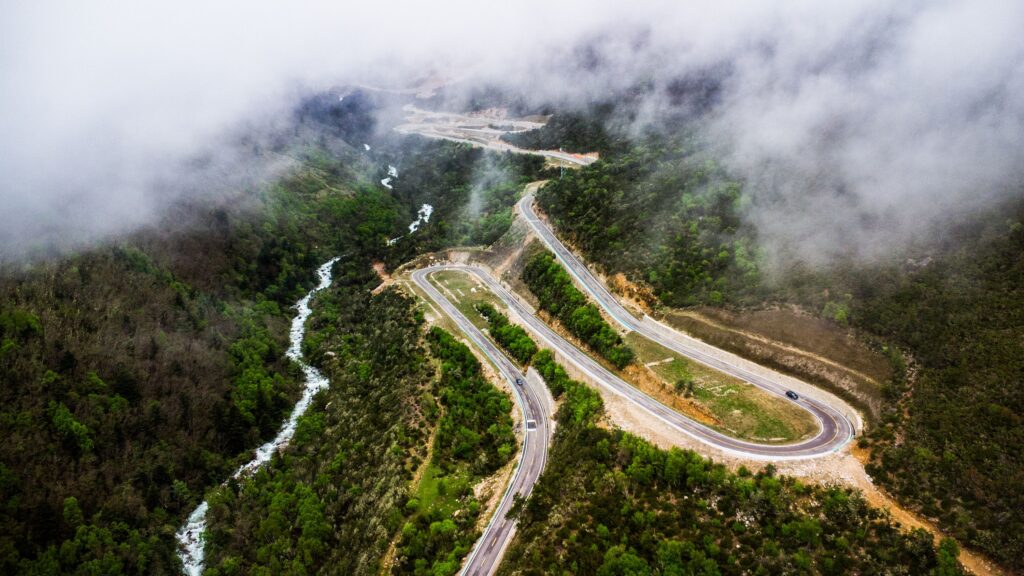
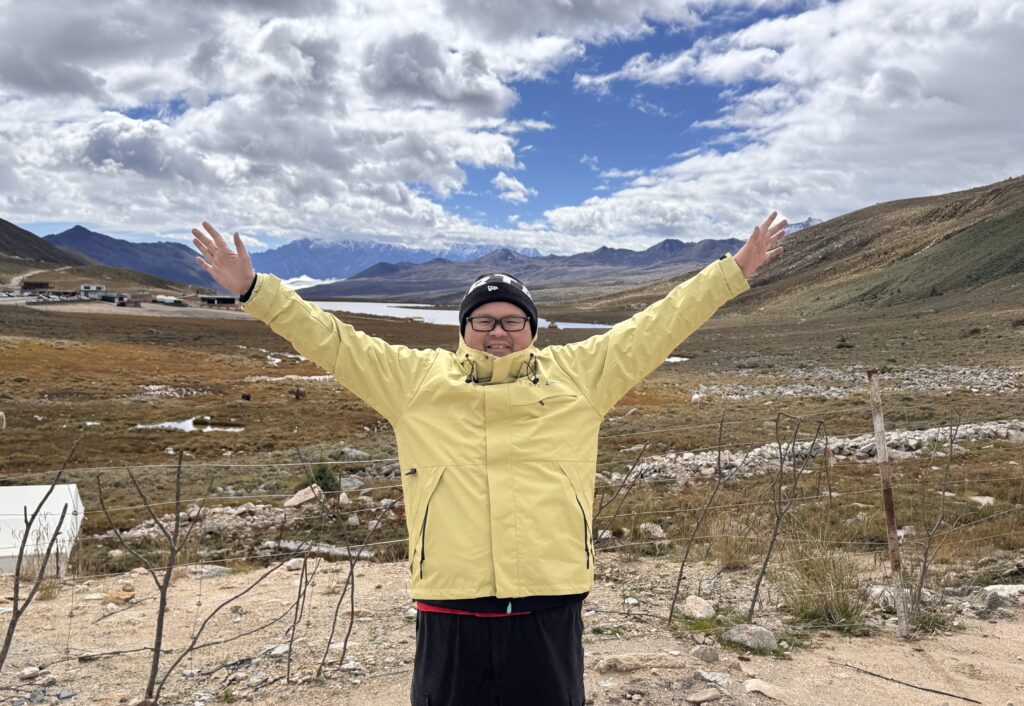
When BYD Global and Denza Philippines extended an invitation to experience this land as few ever have, I accepted without hesitation. The objective was ambitious: traverse the rugged highlands of Sichuan Province, pushing toward the high-altitude frontier bordering the Special Administrative Region of Tibet.
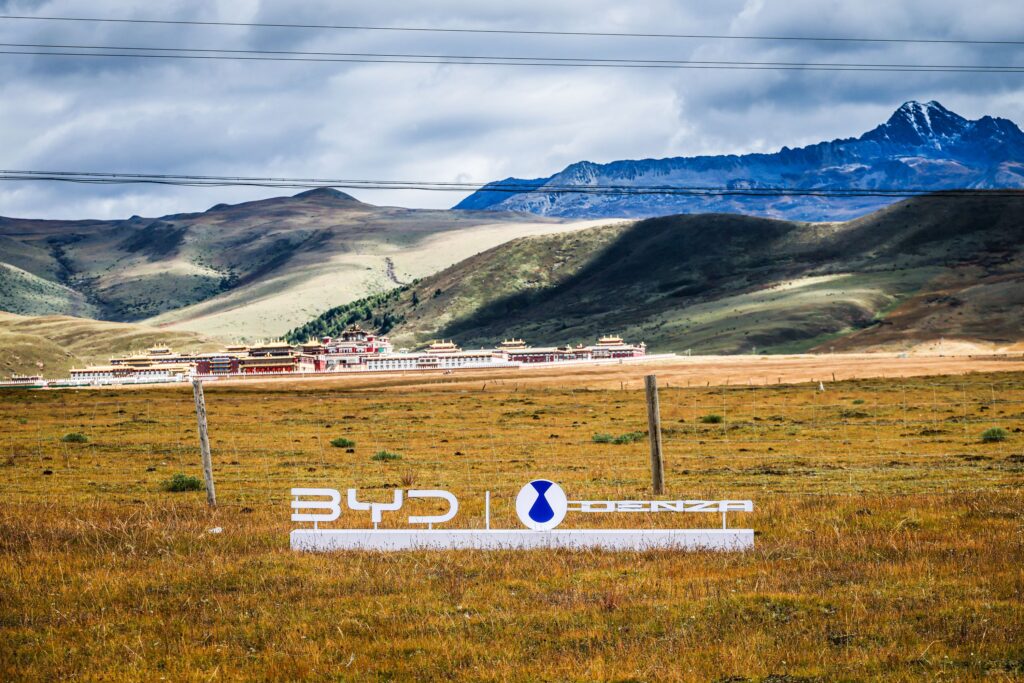
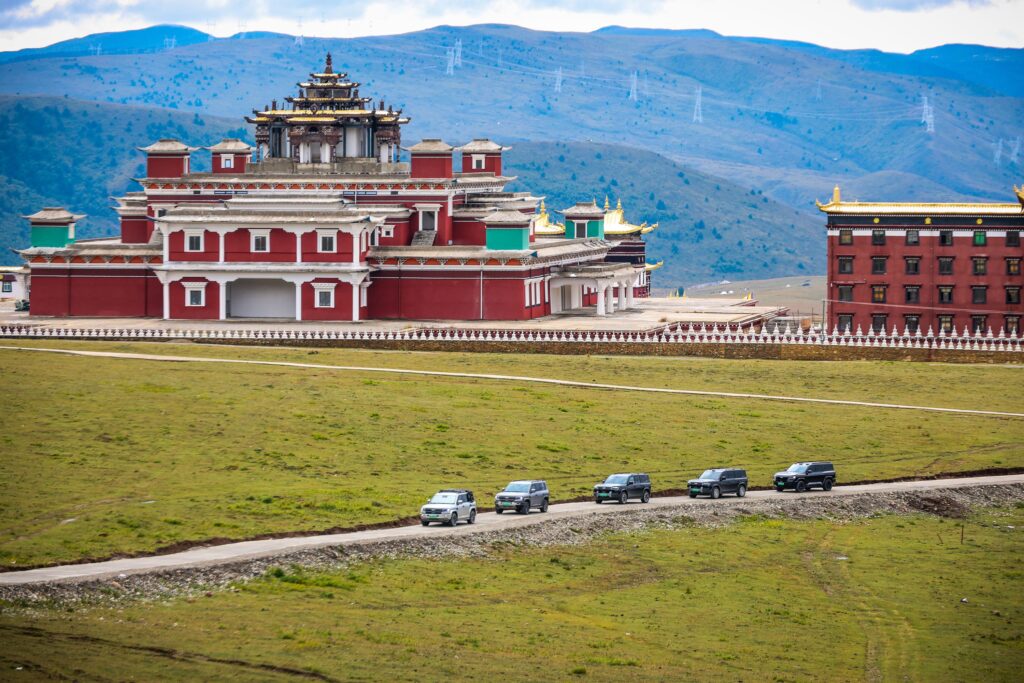
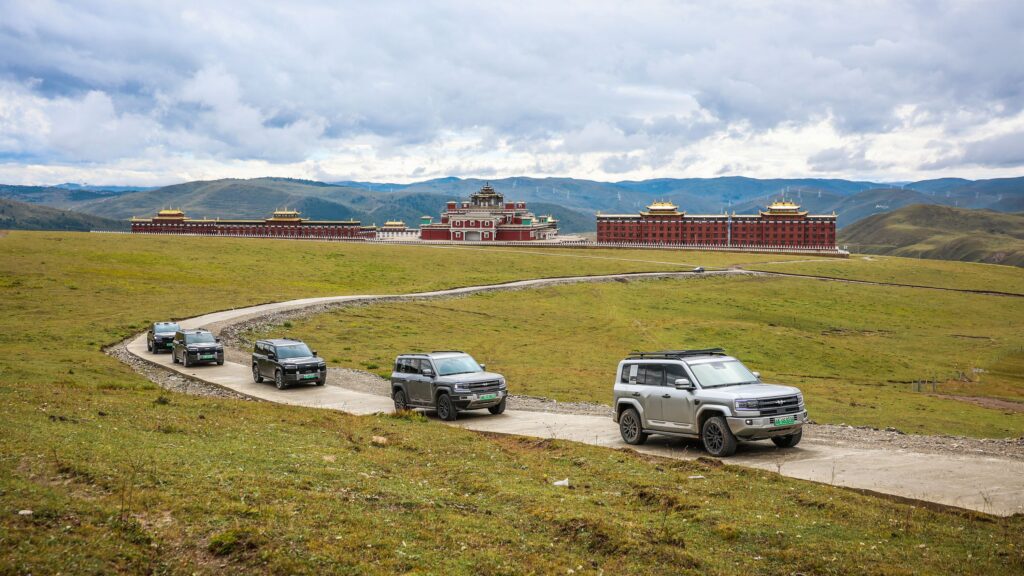
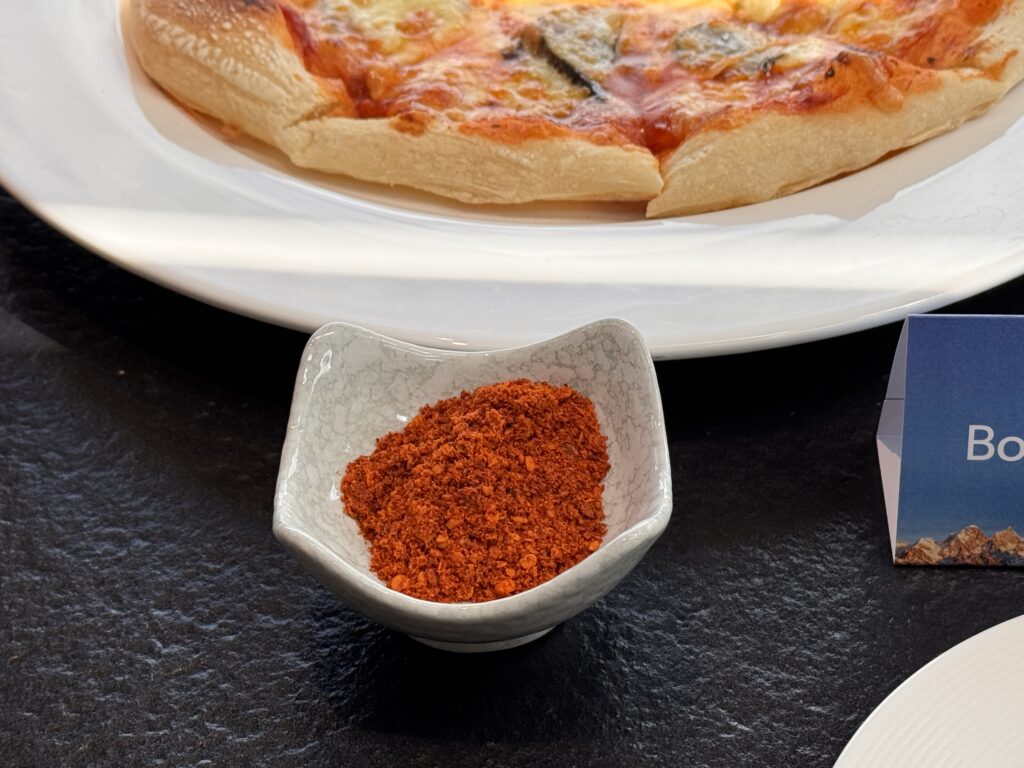
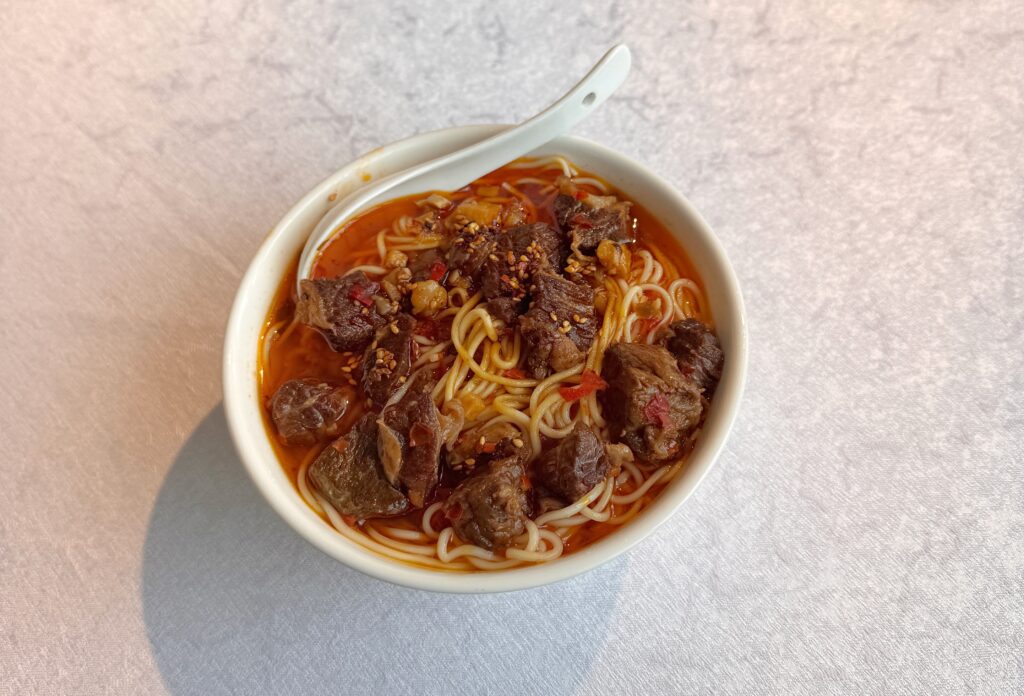
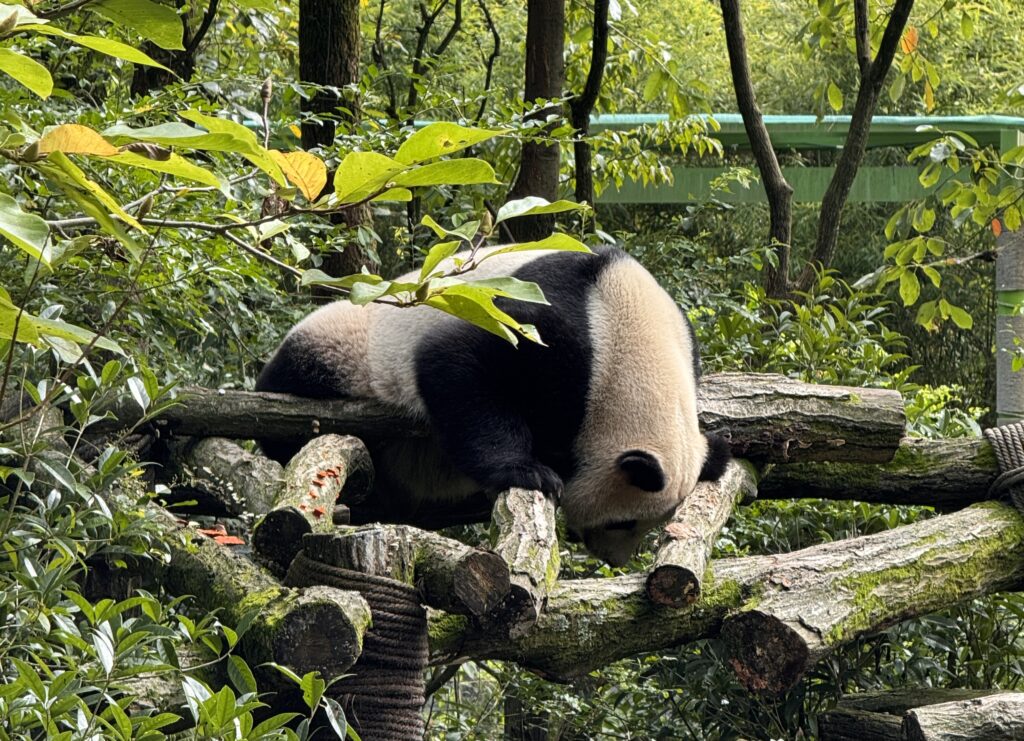
We landed in Chengdu, an inland metropolis on China’s western flank—an untypical entry point compared to coastal economic centers like Shanghai, Shenzhen, or Xiamen. Think Chengdu and you think of cute pandas, spicy Sichuan cuisine and electronics manufacturing. Already situated 500 meters above sea level, Chengdu served as our launchpad into the clouds.
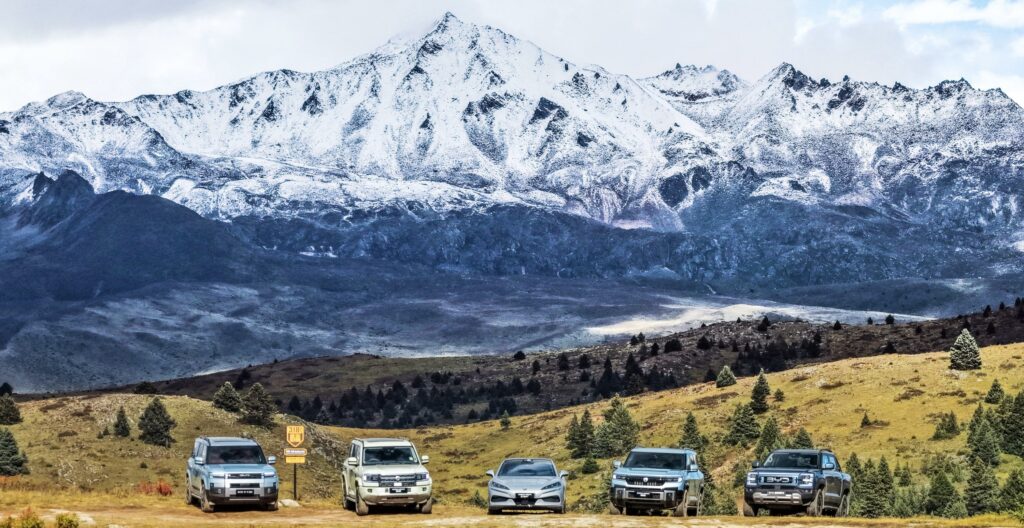
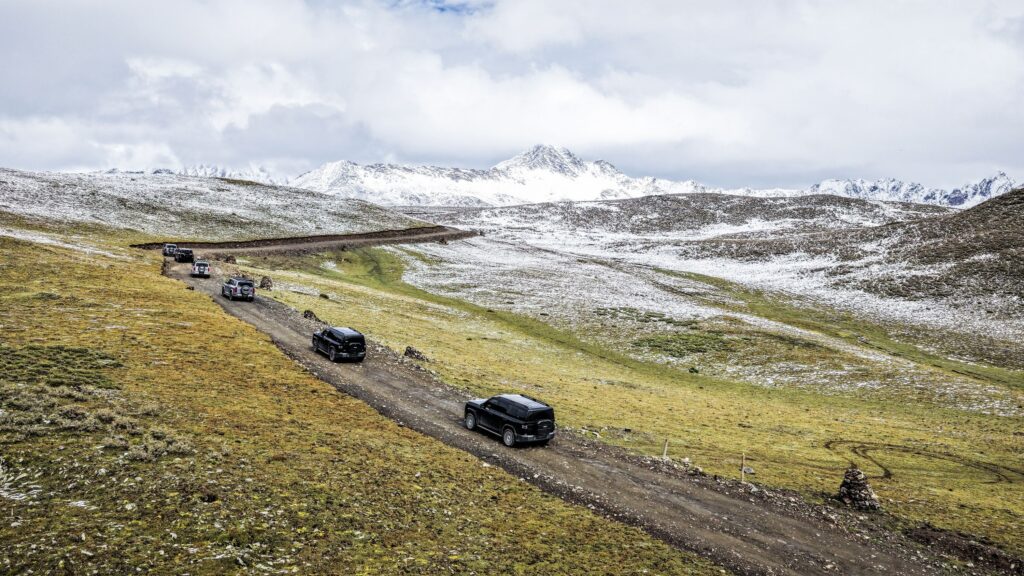
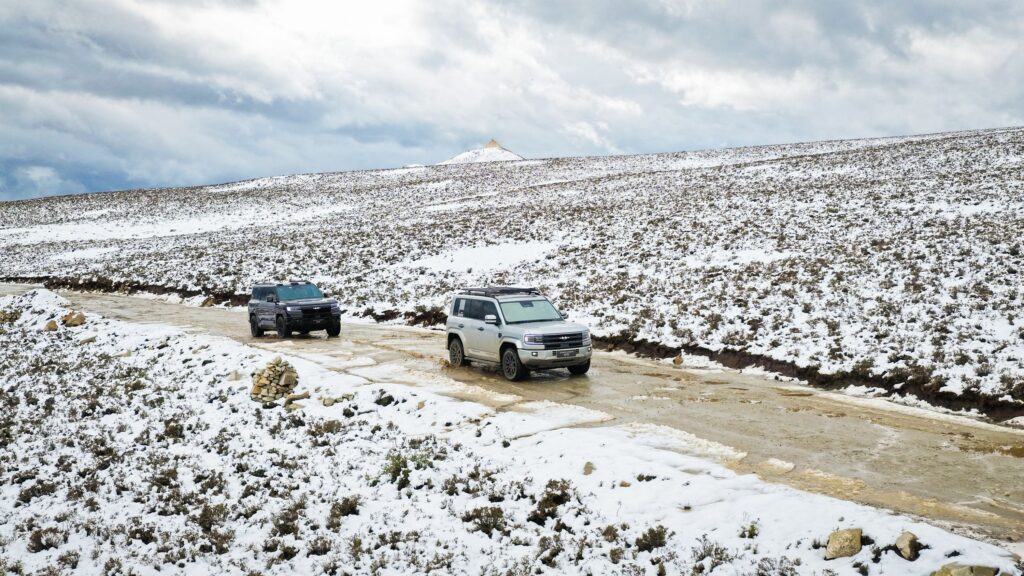
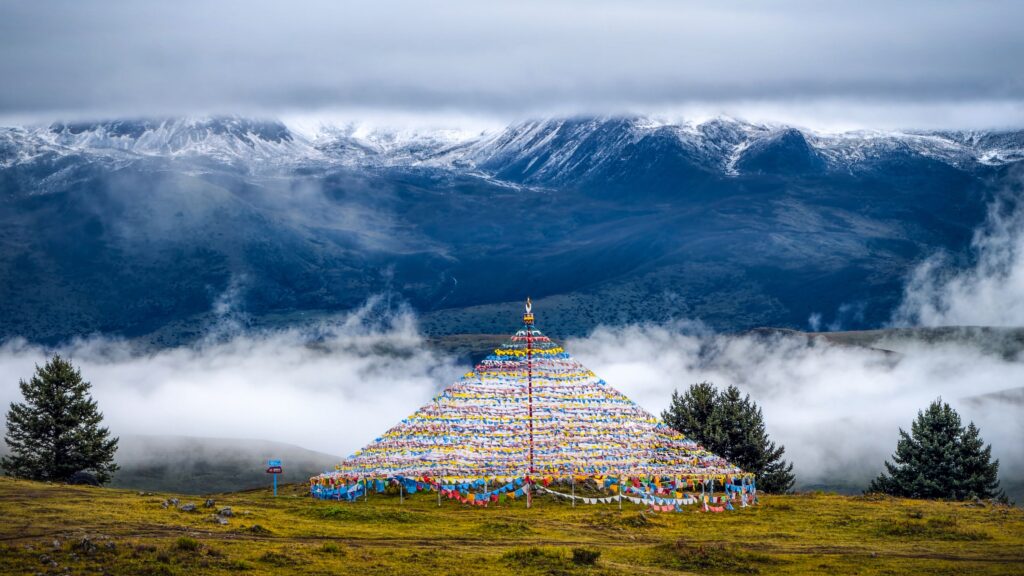
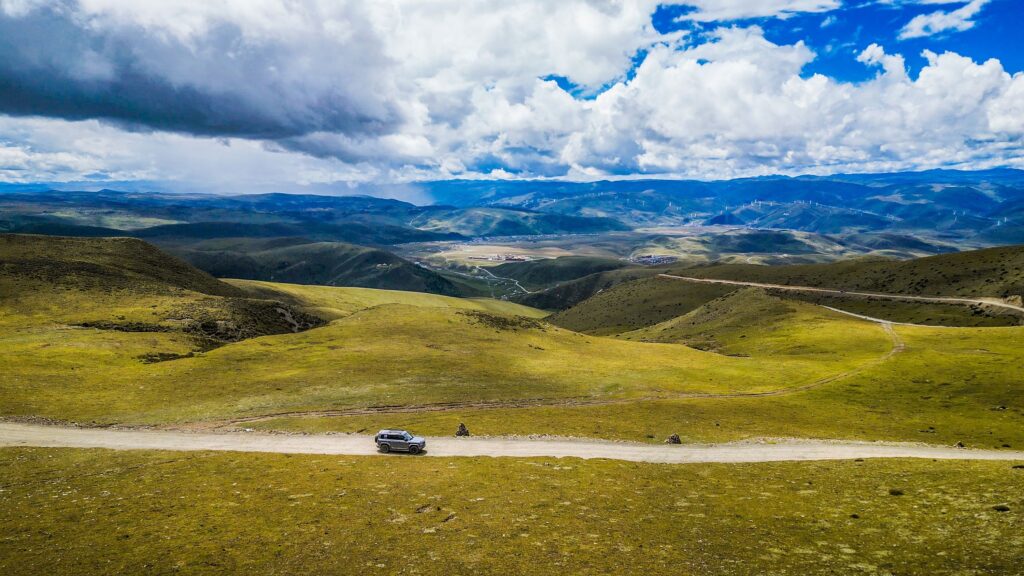
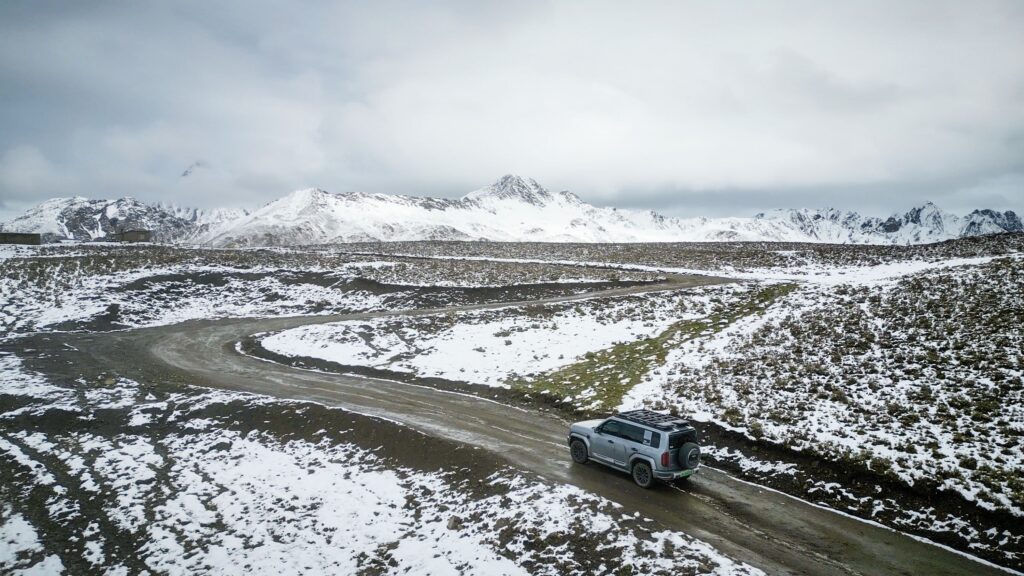
Over the coming days, our route climbed through the snow-capped and glacier-filled Hailuogou Mountains and across the vast Tagong Grasslands further west, reaching peak elevations of 4,400 meters and averaging 3,700 meters—offering direct vistas across the plateau into Tibet.
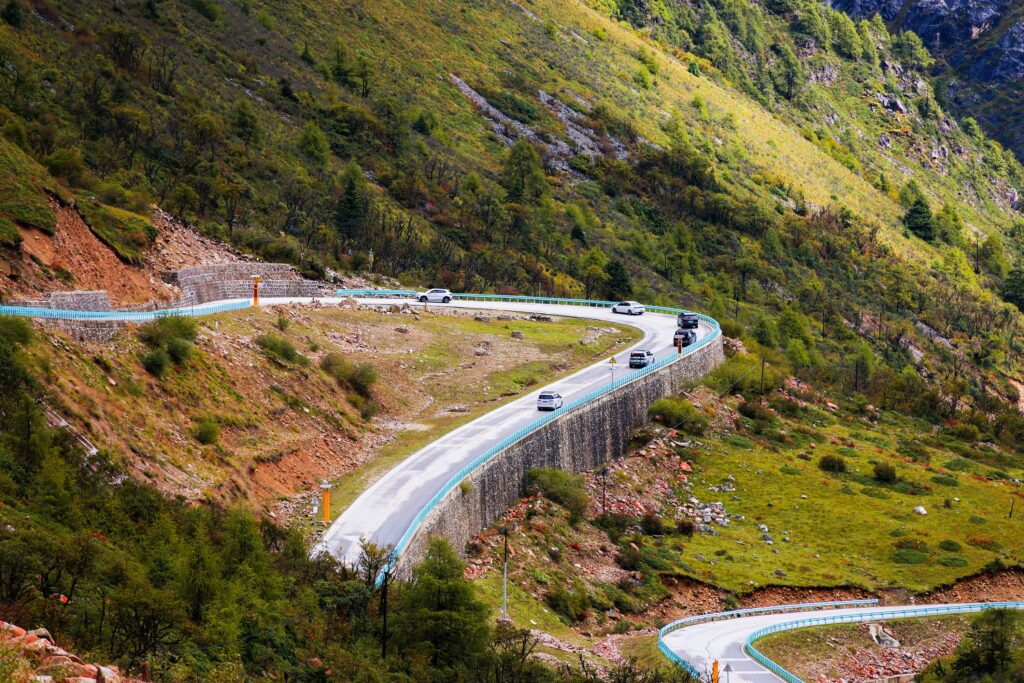
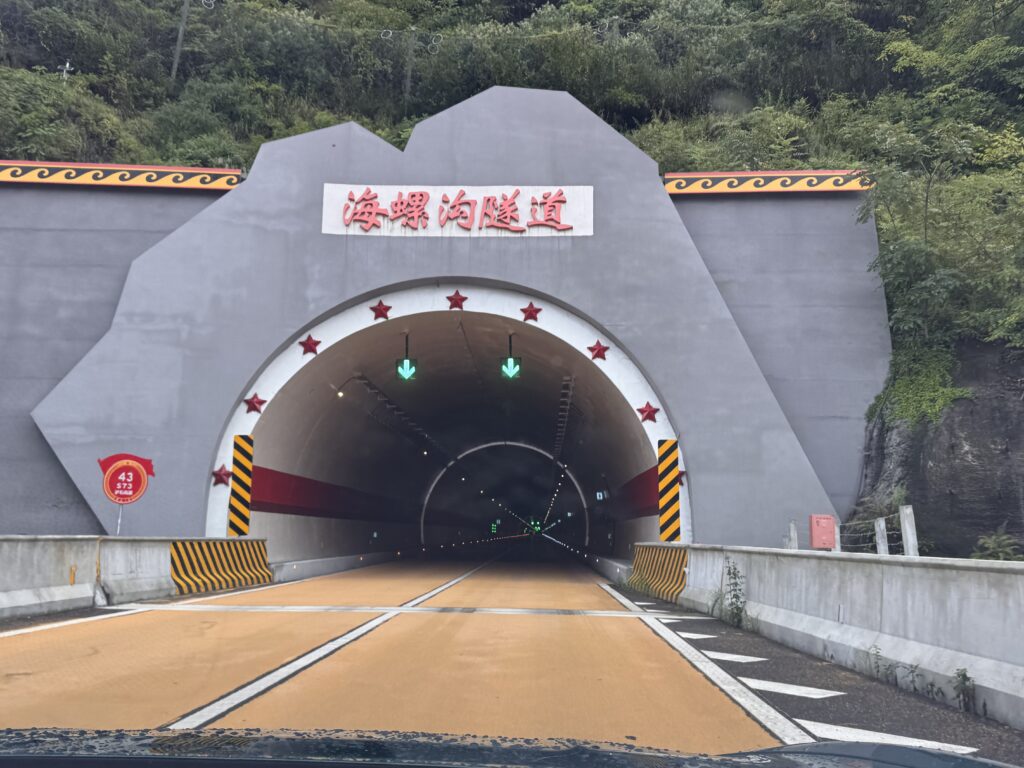
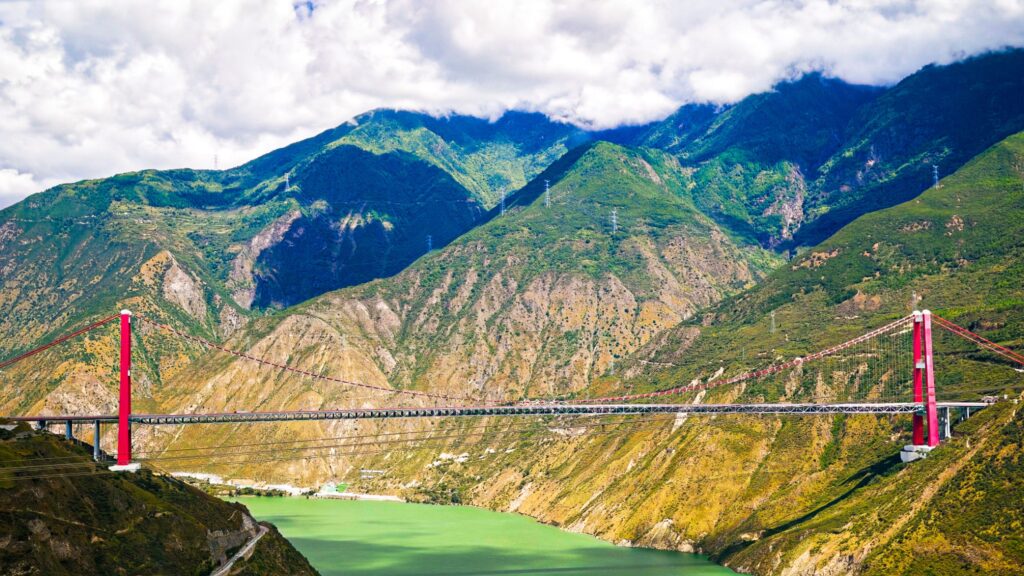
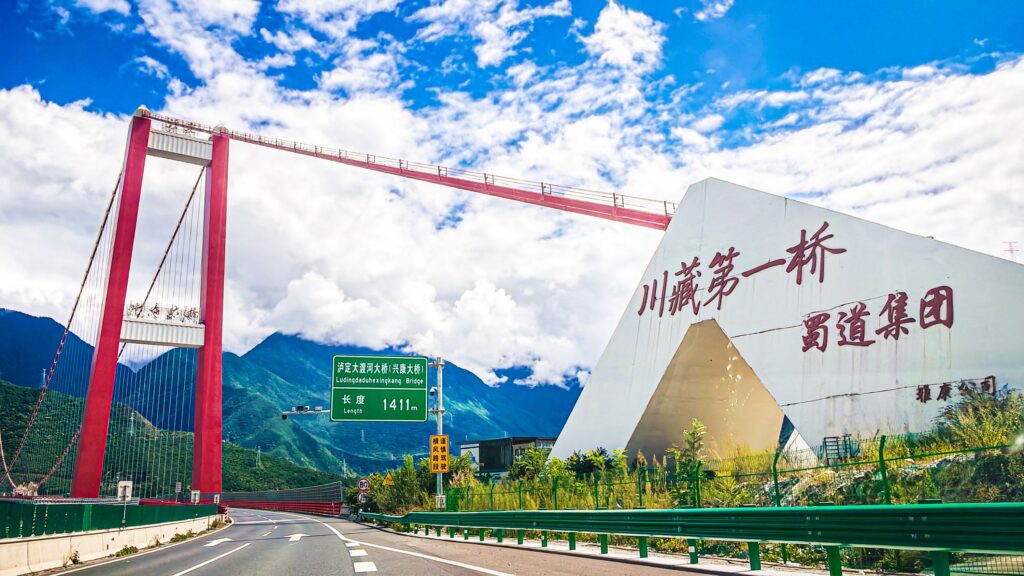
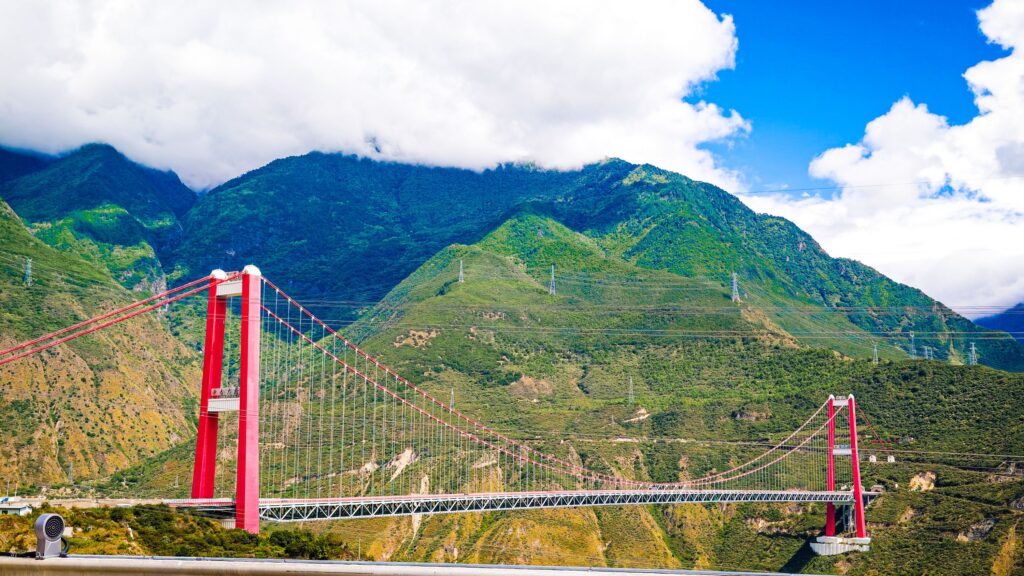
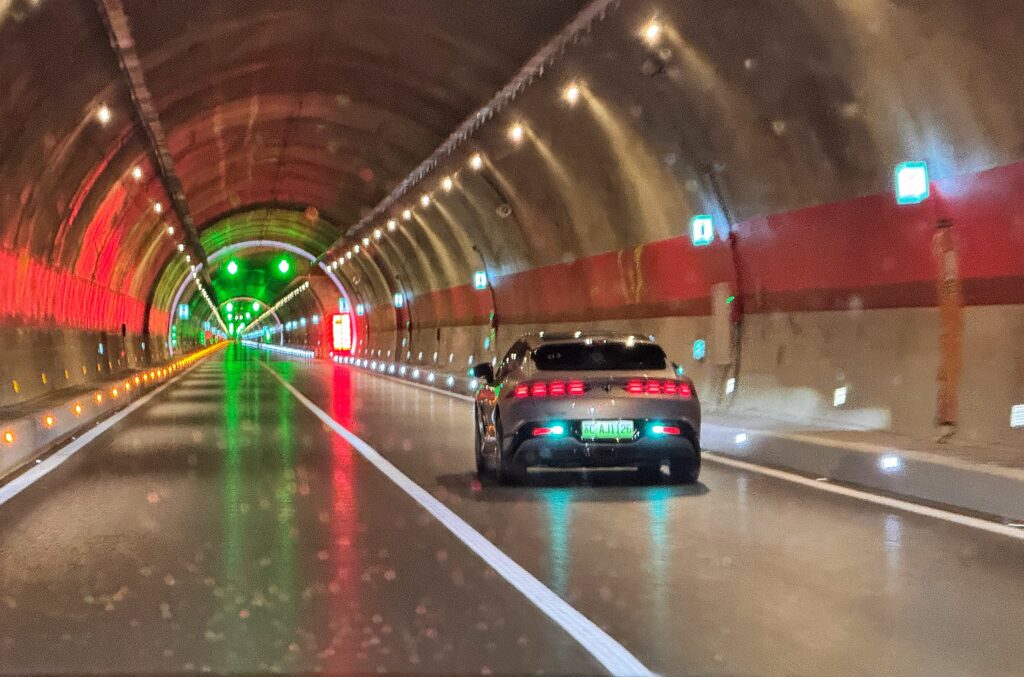
Leaving Chengdu behind, the urban cityscape yielded to extraordinary engineering marvels: expressways elevated hundreds of meters above valley floors on massive concrete pillars, plunging into endless mountain-piercing tunnels—ranging from a few hundred meters to a staggering 13 kilometers in length.
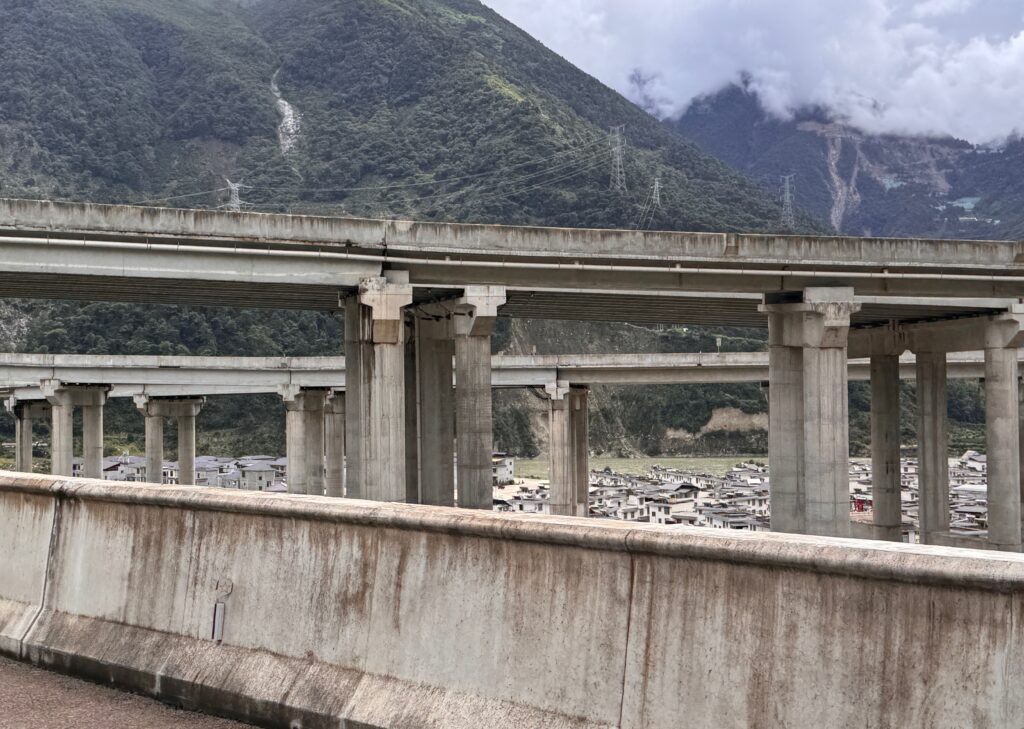
Though unpopular, the bridges connecting mountain highways and tunnels were just as impressive as the more globally famous once such as the Golden Gate Bridge in San Francisco, USA, or the Rainbow Bridge in Tokyo, Japan.
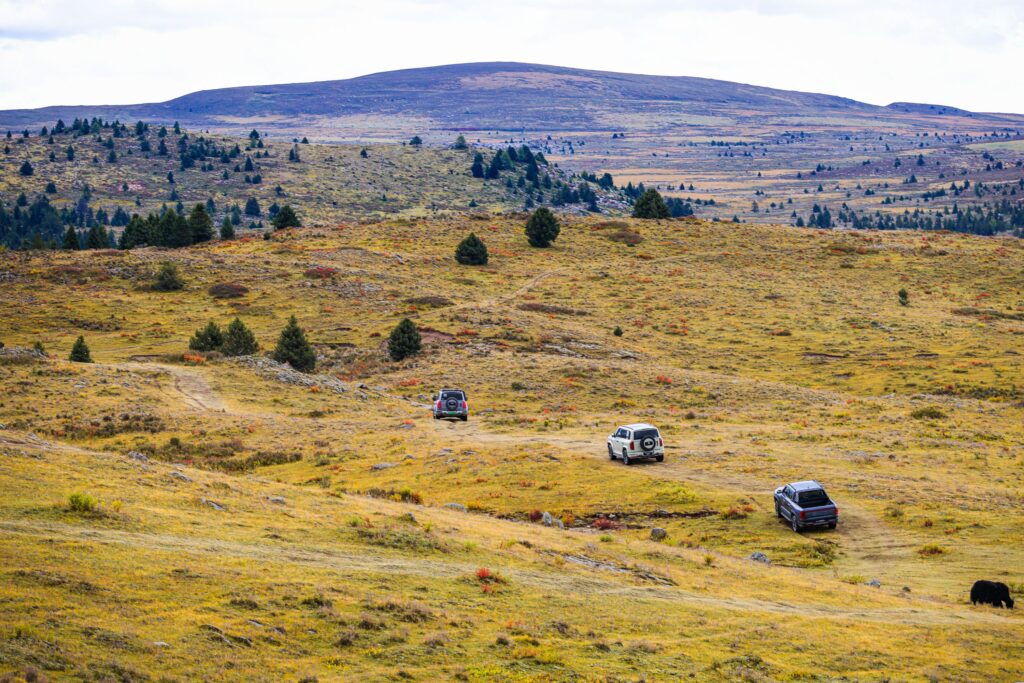
As our hosts explained, China’s economic metamorphosis was driven by infrastructure-first development, building organic capacity before demand. The proof was absolute: even on the remote Tagong Grasslands, hundreds of kilometers from any city, and only grasslands, vast plains and snow-capped mountains around, we operated with seamless high-voltage grid power, running water, and uninterrupted mobile data coverage. There were even a few charging guns for the cars.
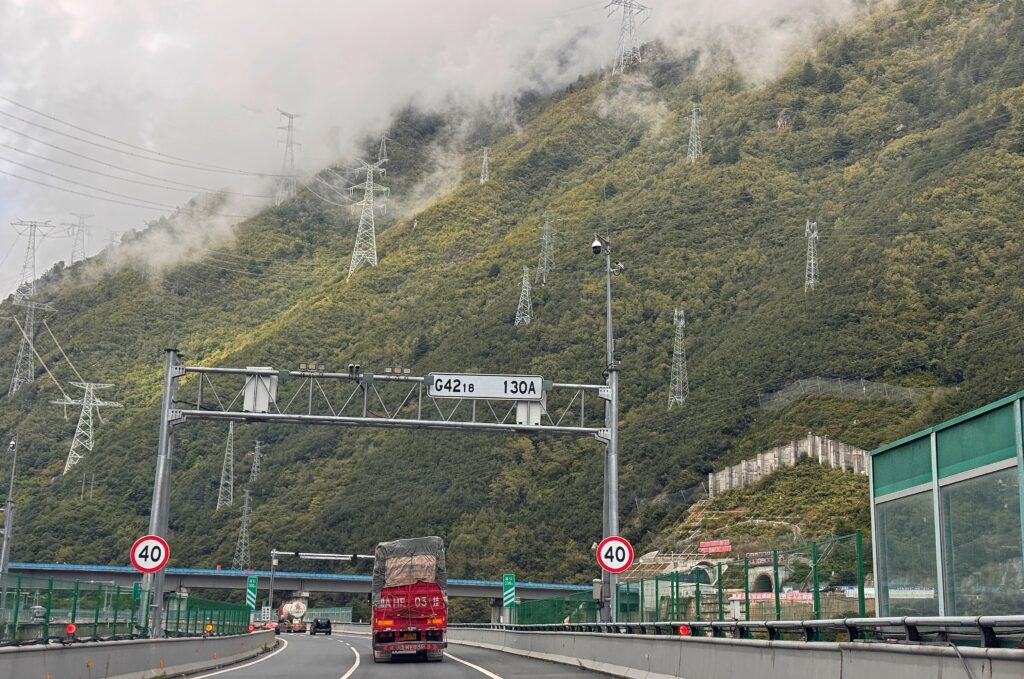
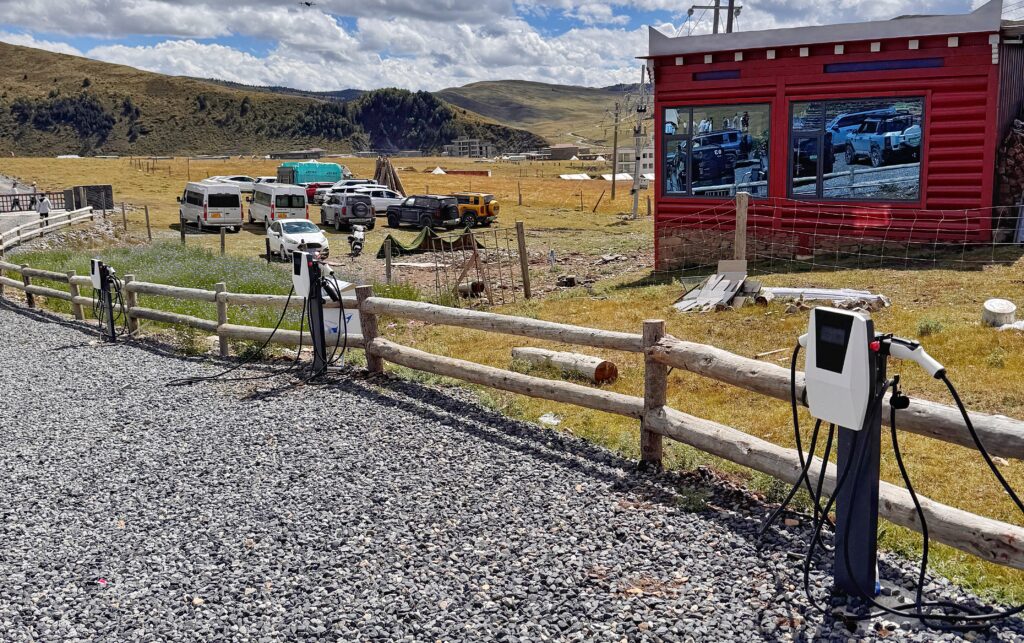
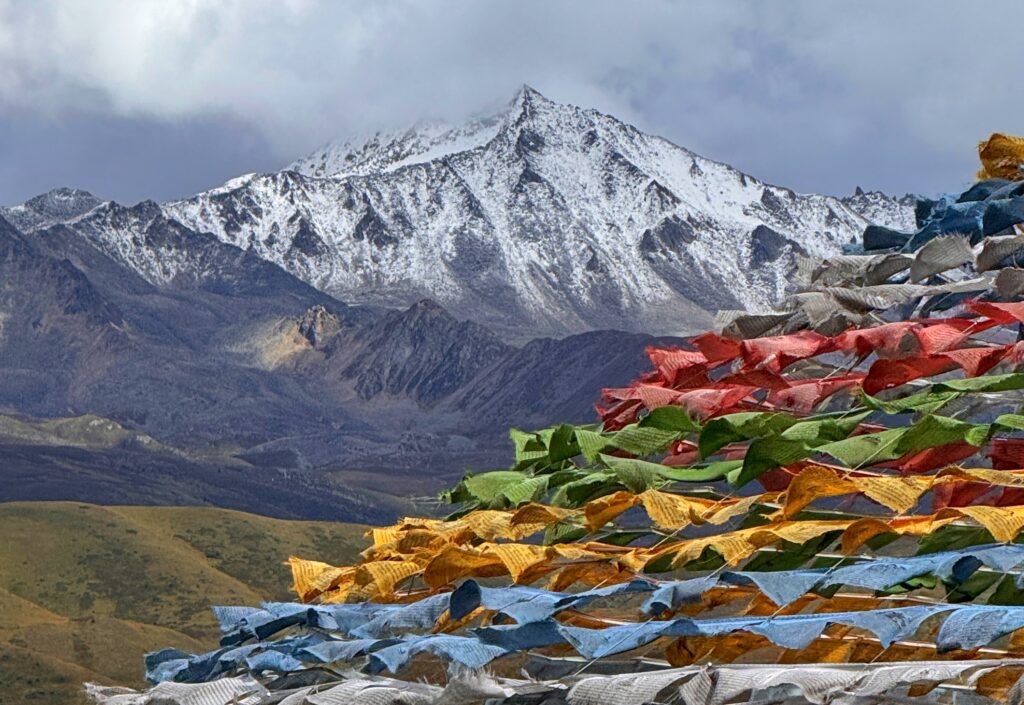
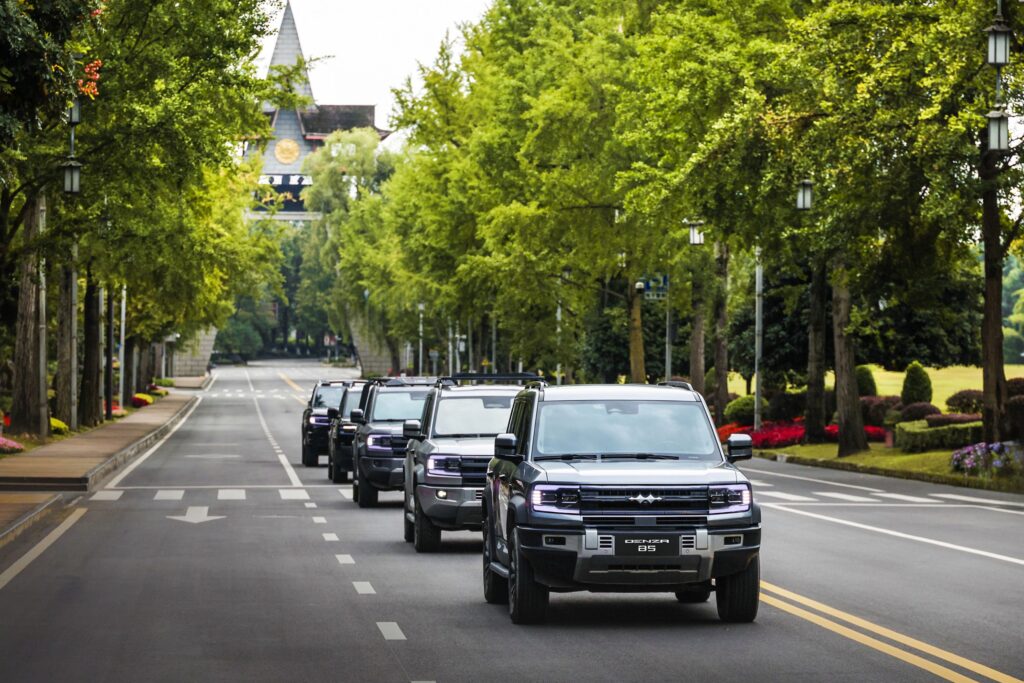
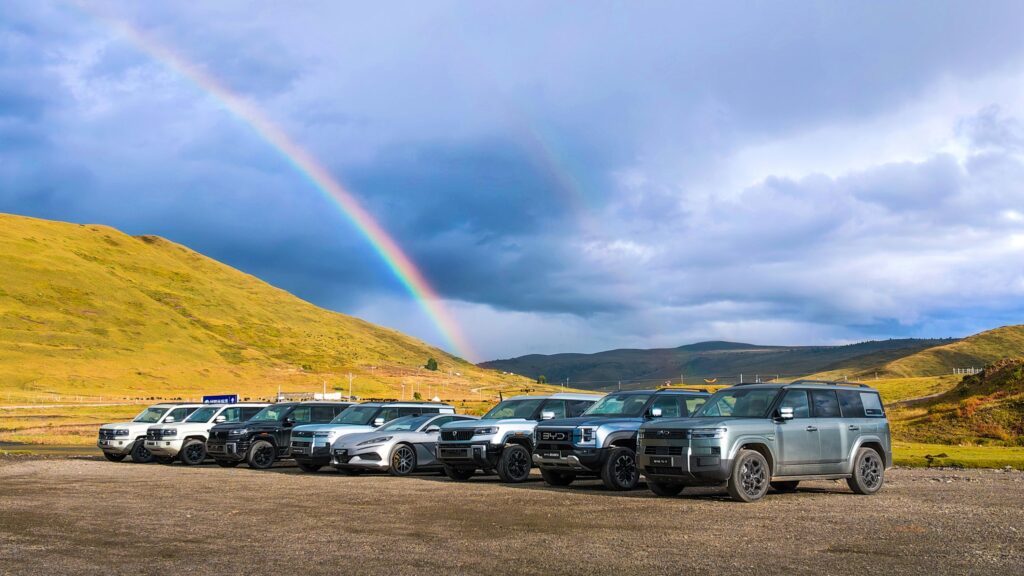
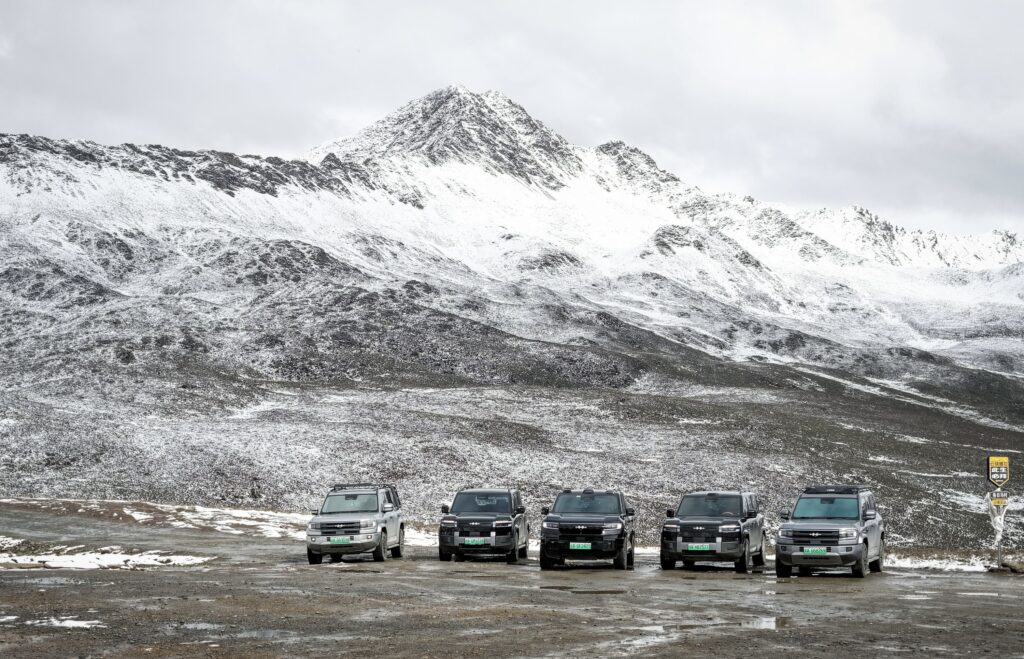
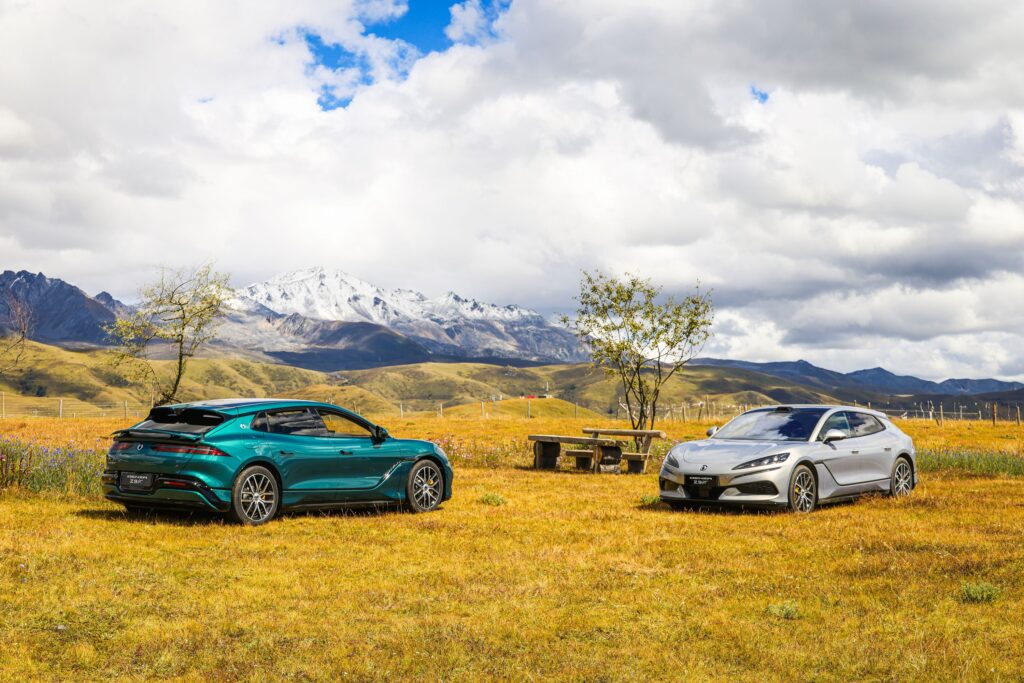
Our journey was no standard excursion; it was a grueling high-altitude proving ground for BYD and Denza’s latest innovations. Our 30-car convoy featured the Denza B5 and B8, the BYD Shark, and two upcoming models scheduled for their Philippine debut: the Denza Z9 GT and the Fangchengbao Ti7, which will bear BYD badging upon its local release next year.
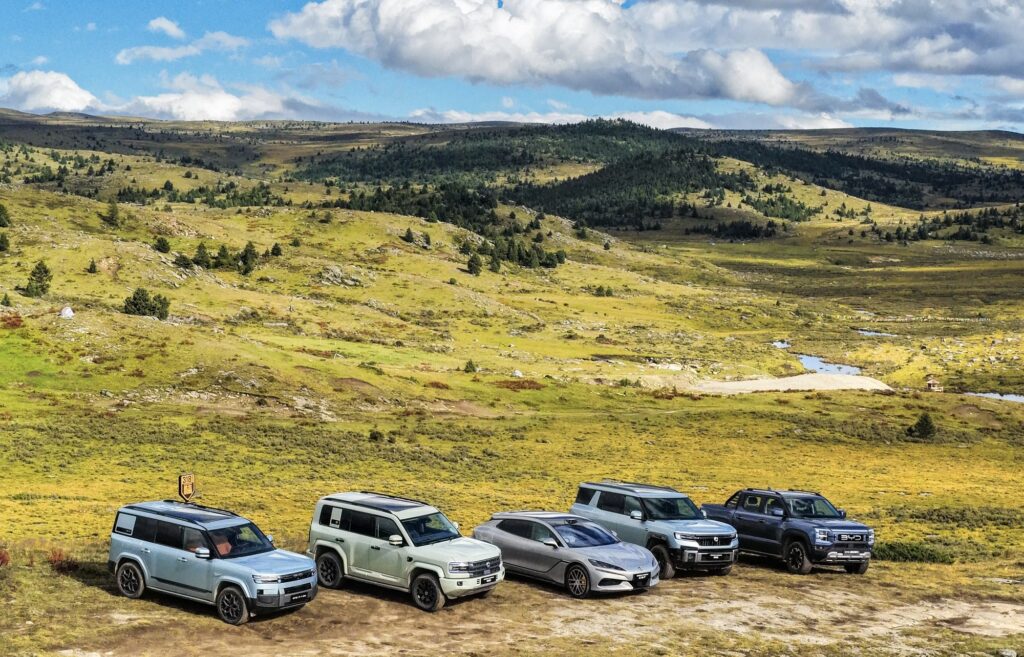
The Denza Z9 GT is a grand-touring shooting brake that marries sophisticated elegance with brutal performance metrics. Packing over 1,150 horsepower and 1,210 Newton-meters of torque from its tri-electric all-wheel drive system, the Z9 GT accelerates from rest to 100 km/h in a scant 2.7 seconds before peaking at a 270 km/h top speed.
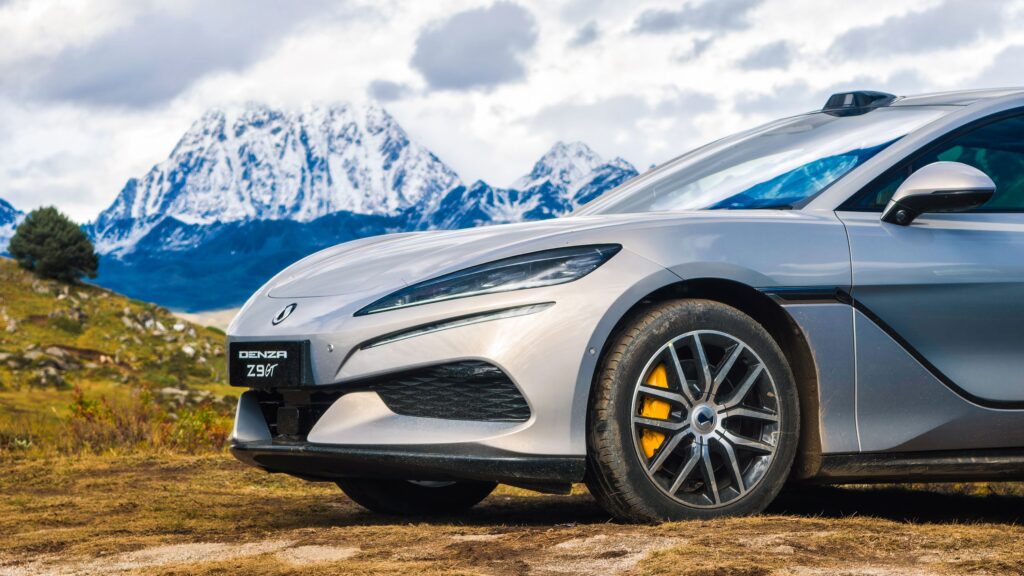
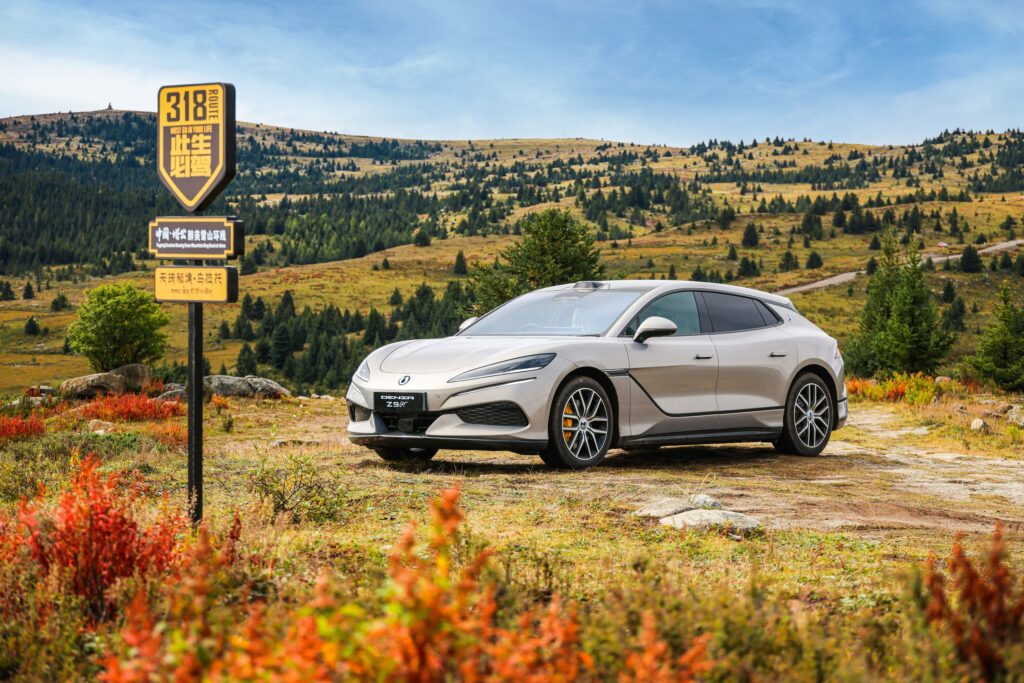
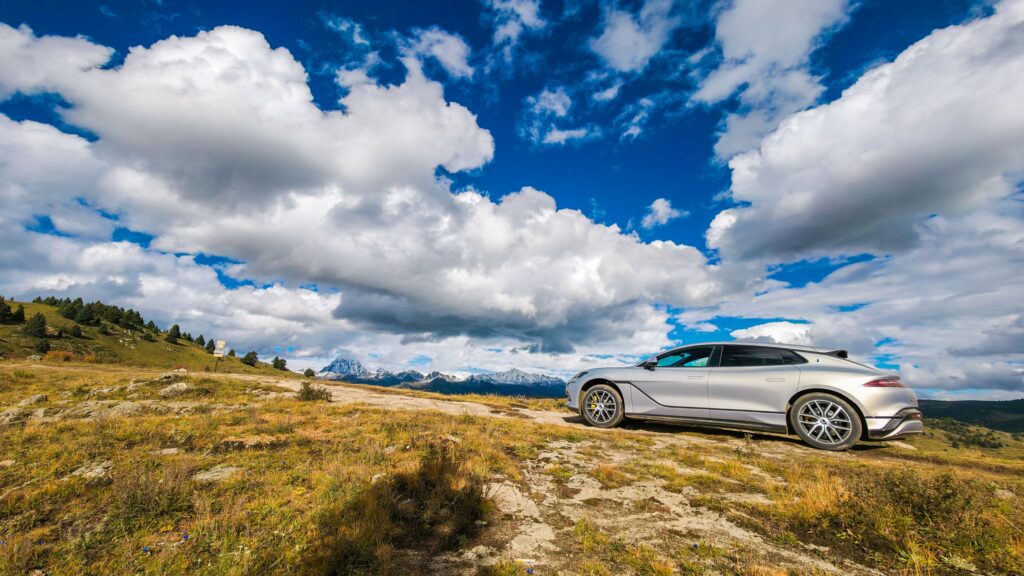
Its heavy 122.5 kilowatt-hour battery features Cell-to-Body integration and supports BYD’s 1-megawatt Flash Charging, enabling a 10 to 80 percent charge in just 10 minutes for the Z9 GT. While Denza claims up to 1,063 kilometers of range under normal driving conditions, Western testing standards indicate a more realistic 630 kilometers. A valiant first effort from Denza for a luxurious yet sporty model, with an interior as opulent as any marque brand from the West.
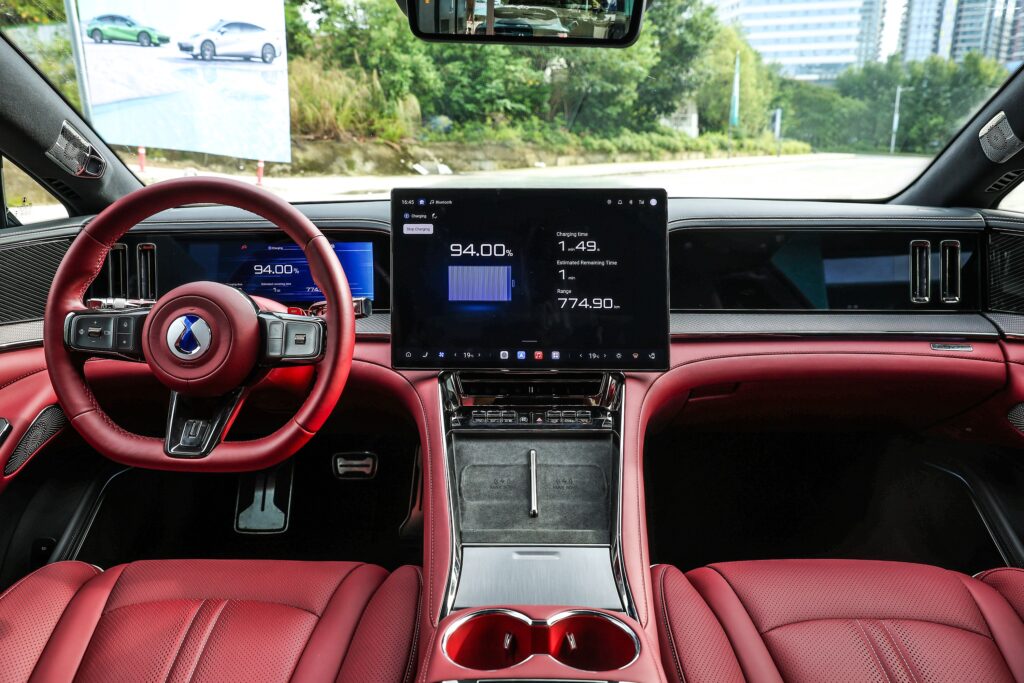
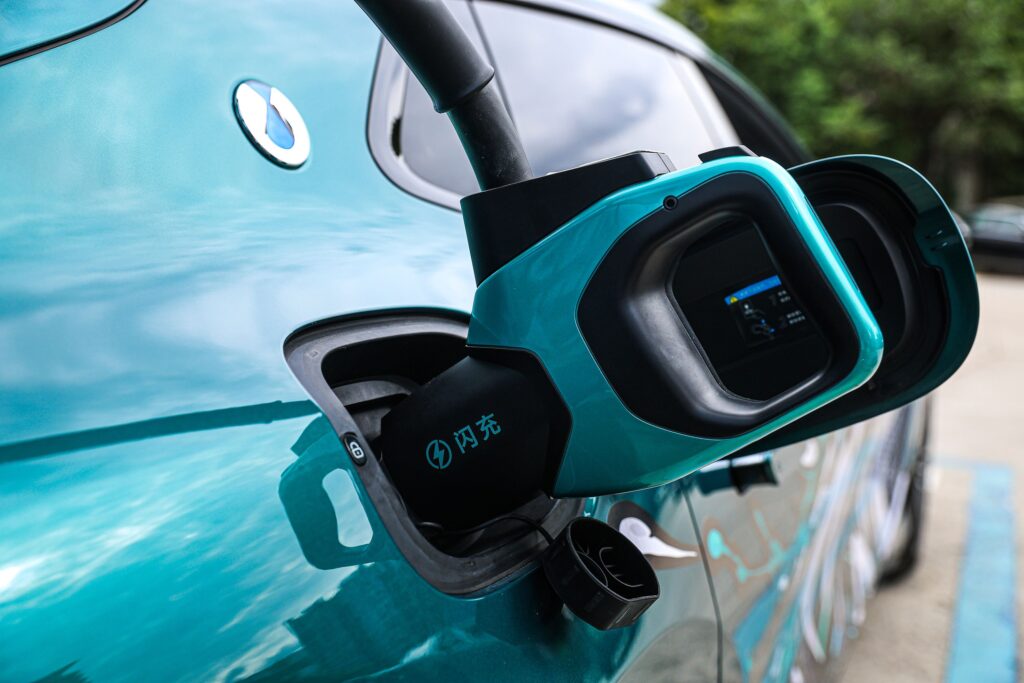
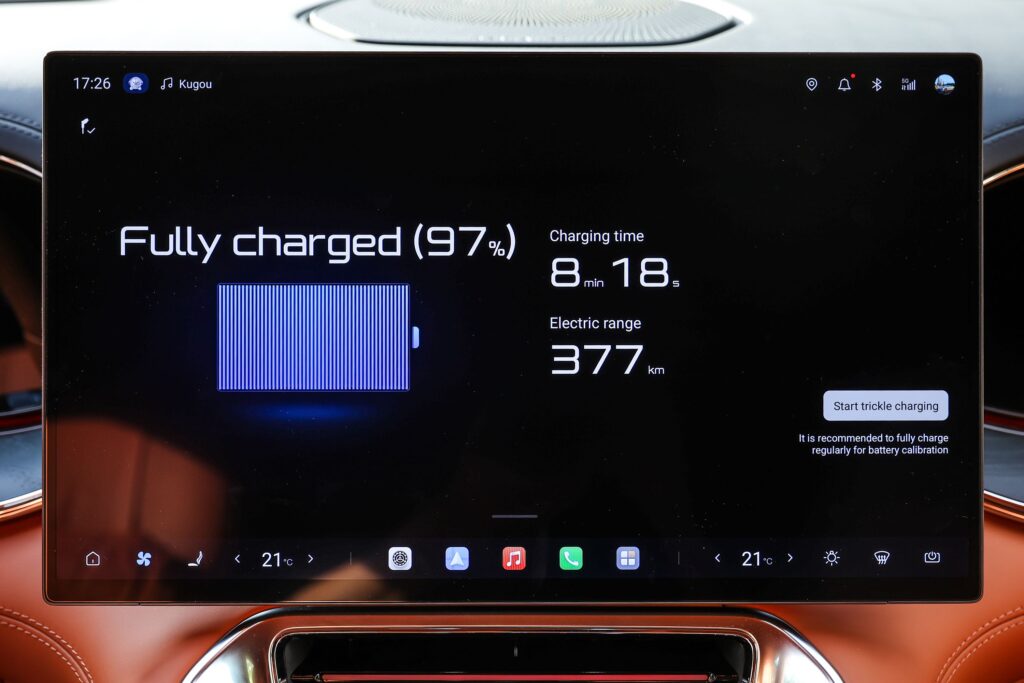
Flash Charging is important to note because Denza and BYD Philippines plan to introduce thirty Flash Chargers throughout the Philippines starting next year.
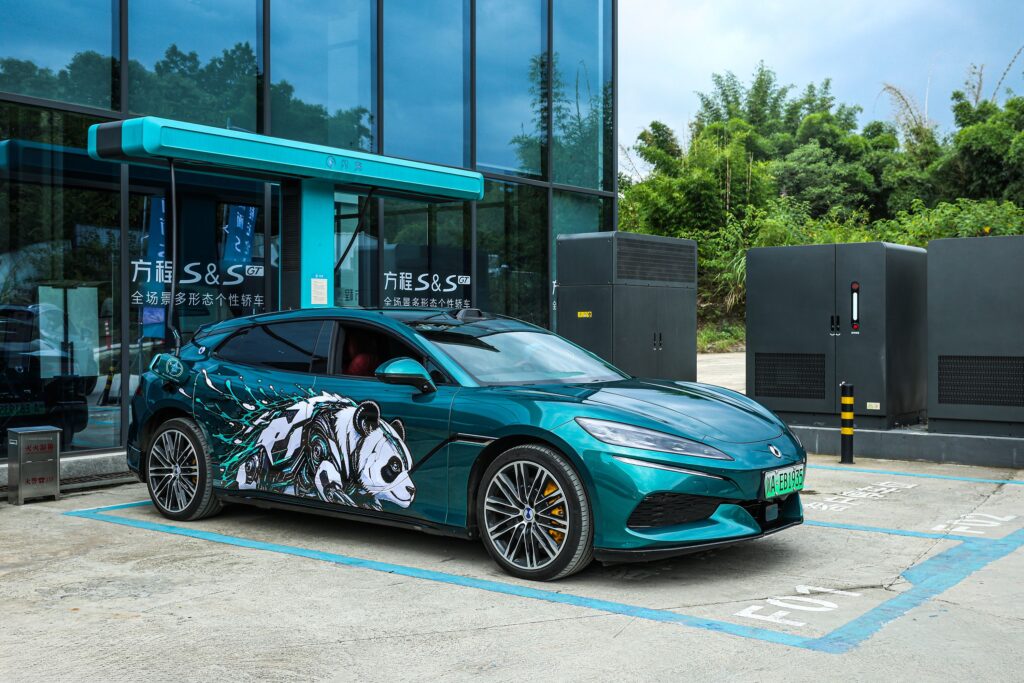
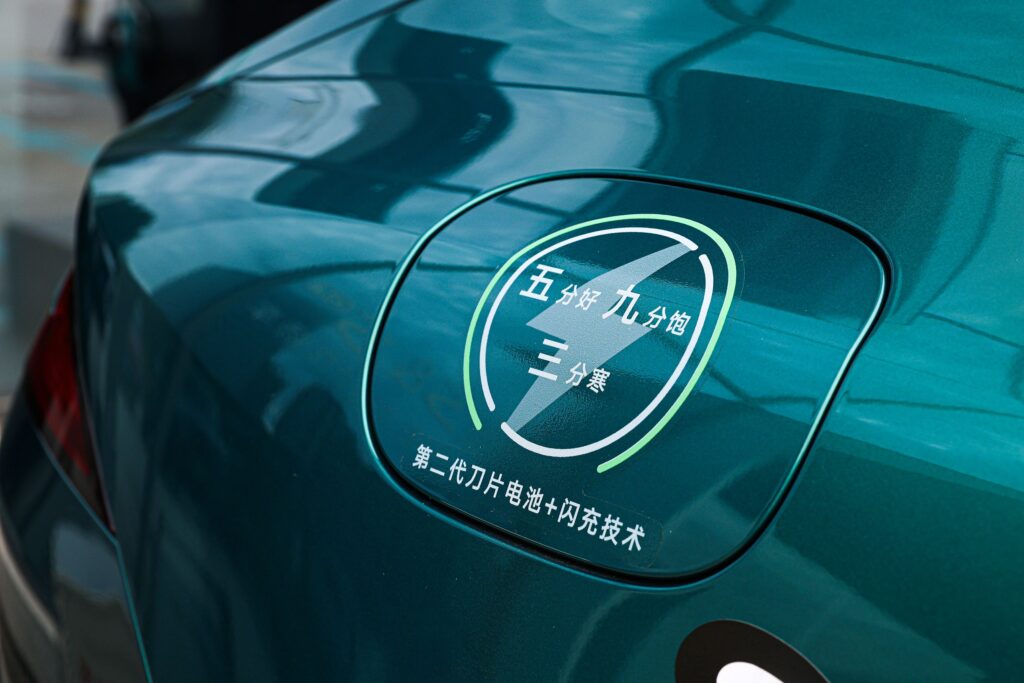
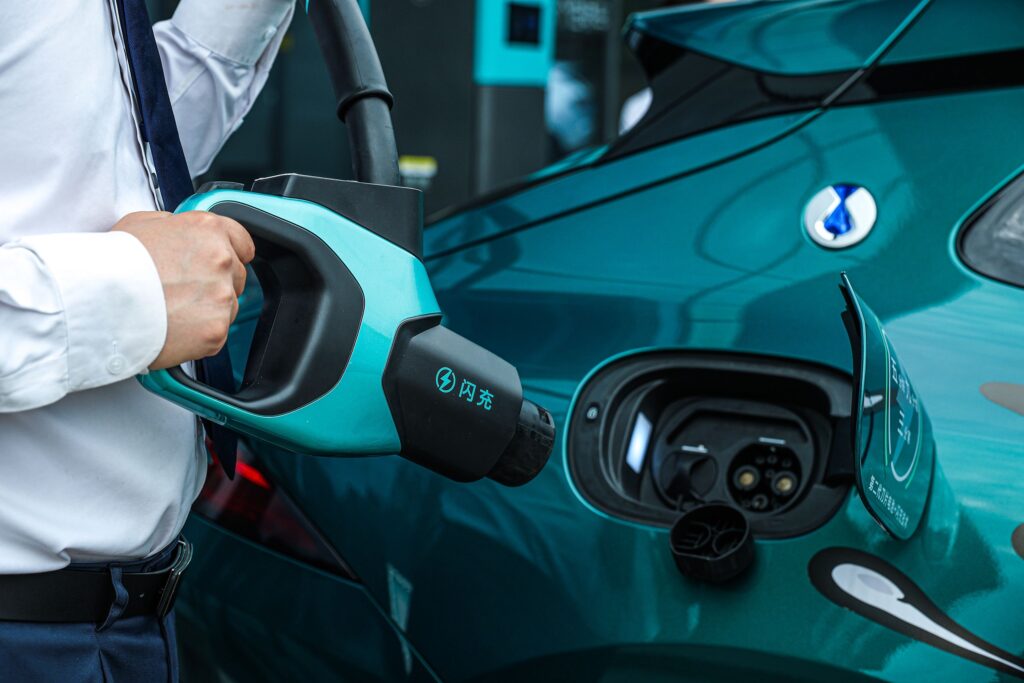
On the sweeping mountain passes of Sichuan, the Z9 GT exhibited immaculate high-speed composure and whisper-quiet refinement. The rear passenger cabin proved so expansive that my colleague, Anjo Perez, set up his laptop in the back, completed layout edits for his newspaper, and transmitted the final files back to the Philippines using the onboard Wi-Fi—all while carving through mountain twisties at high altitude.
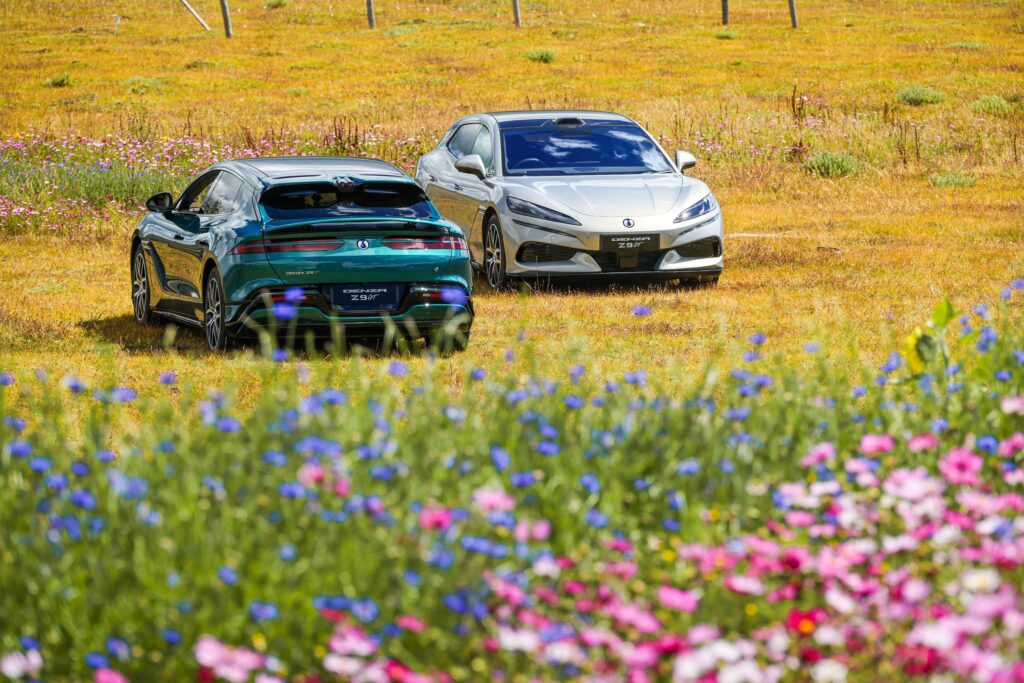
When our driver would get tired and a bit sleepy due to the rapid elevation change after a continuous three to four hours of driving, full self-driving (FSD) was activated, which gave a brief respite to allow him to catch his breath and his senses. FSD in action is identified by the blue lights behind the car.
For the final leg through rugged terrain, we transitioned into the Fangchengbao Ti7. While the Z9 GT captures the imagination and the passion, this boxy, five-seat plug-in hybrid electric vehicle (PHEV) represents a pivotal volume player for BYD’s global expansion, and continued dominance in the electrified segment in the Philippines.
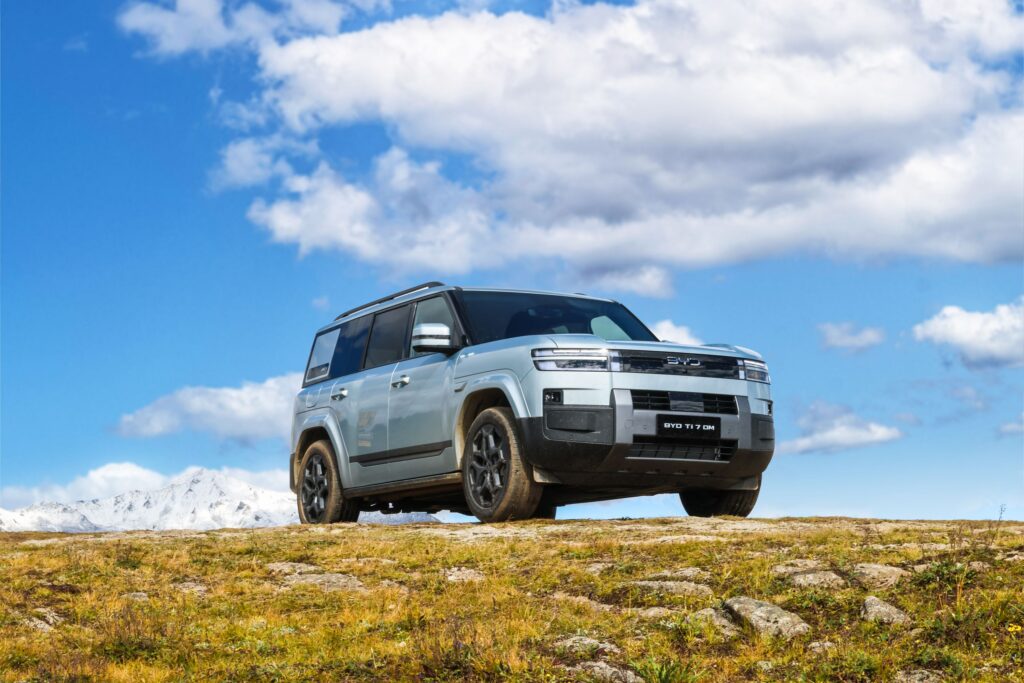
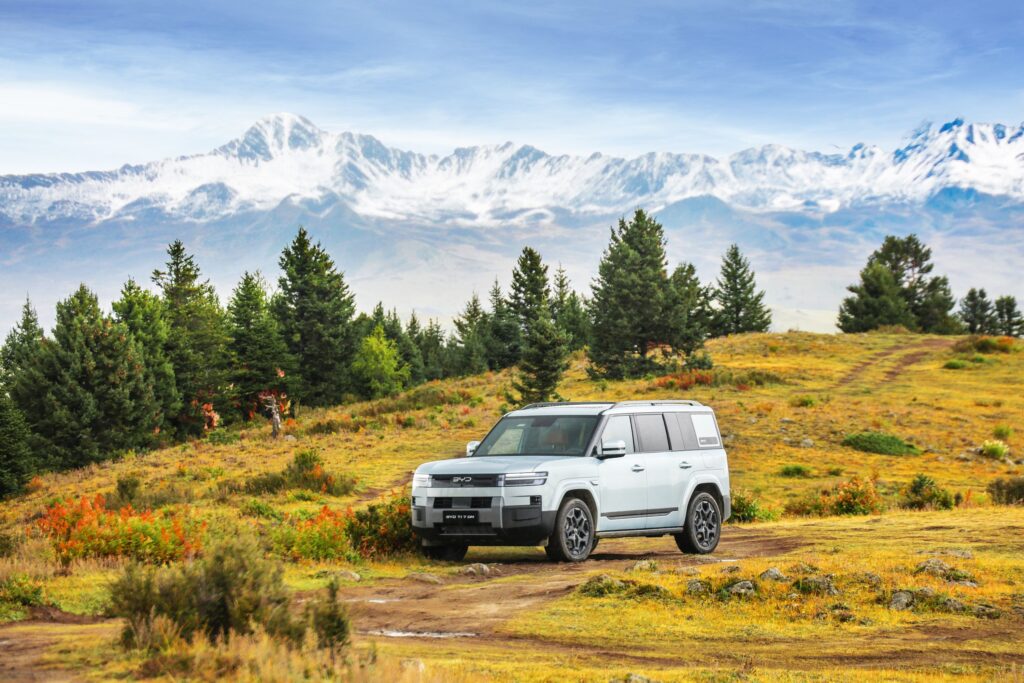
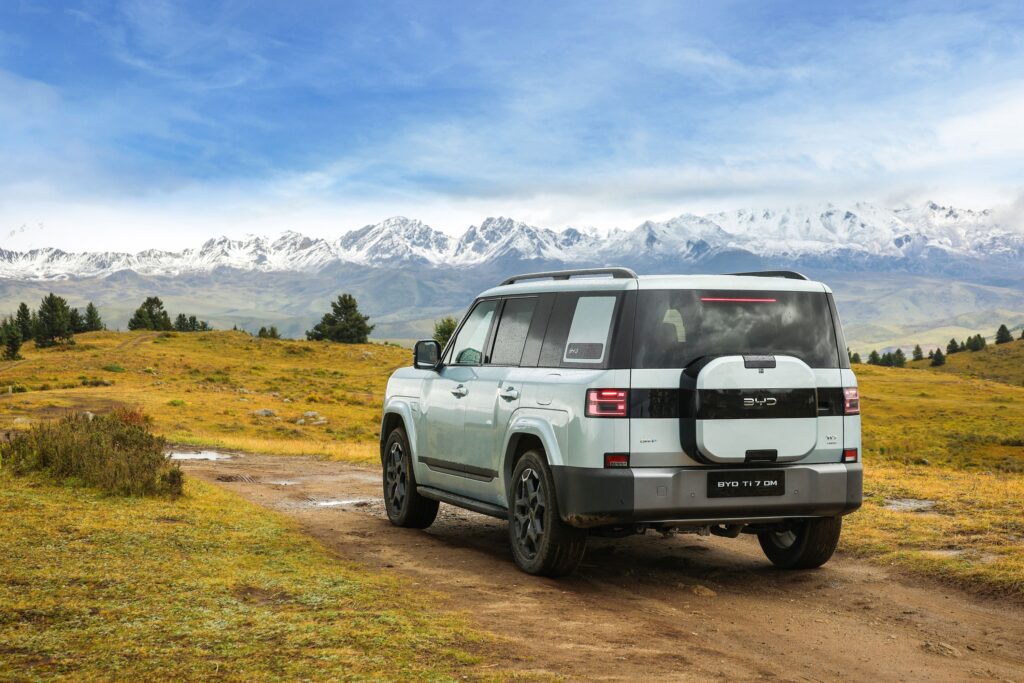
The Ti7 utilizes a classic two-box silhouette popularized by iconic off-roaders like the Land Rover Defender. Its minimalist, utilitarian proportions allow engineers to push structural components outward to the absolute periphery, maximizing cabin volume and legroom. The size compares directly to the popular 7-seat diesel SUV segment, albeit missing the 3rd row.
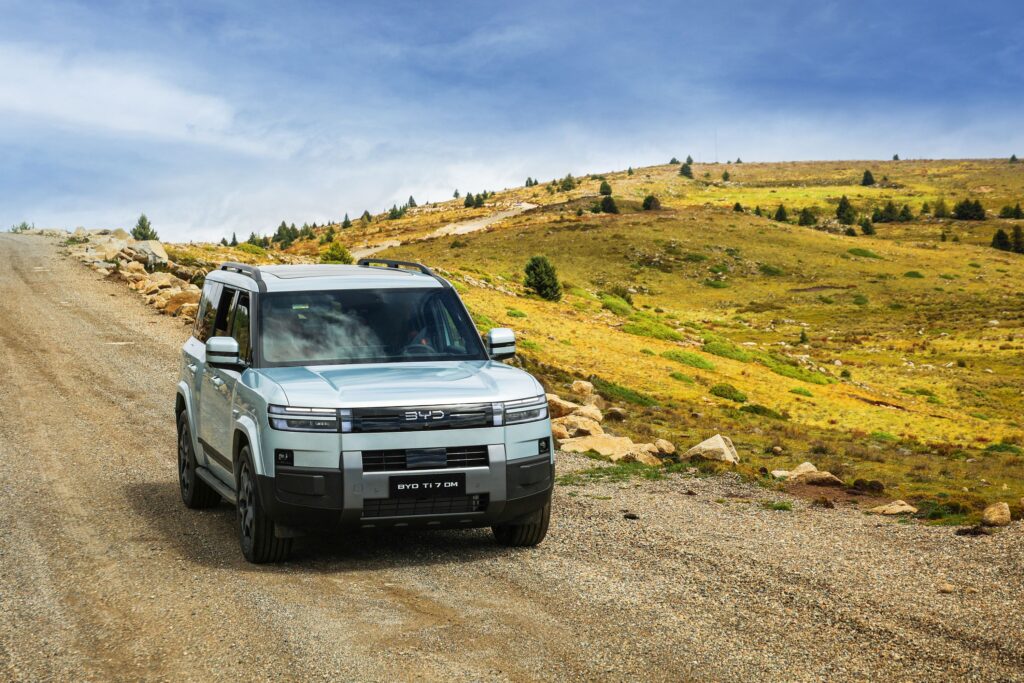
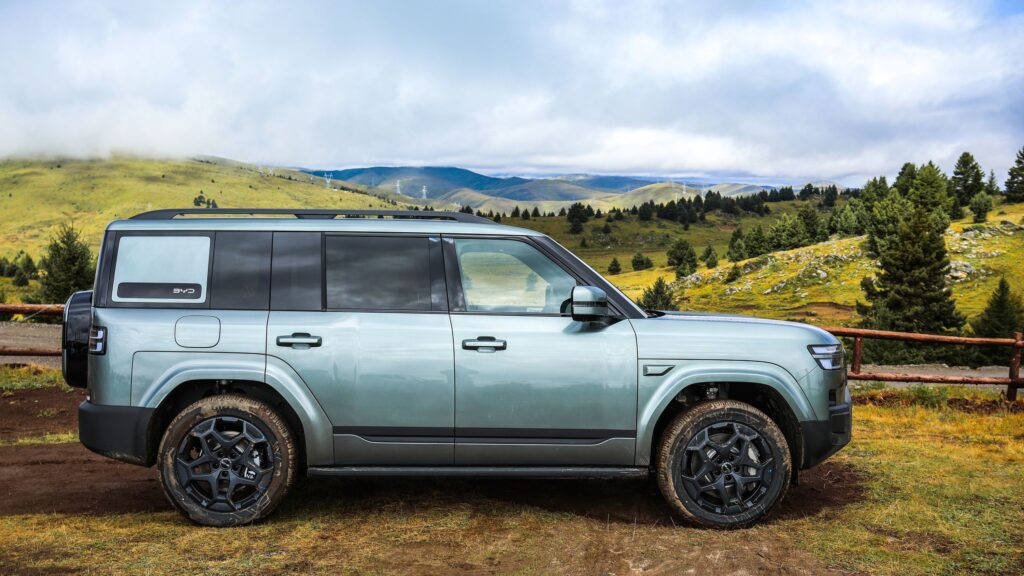
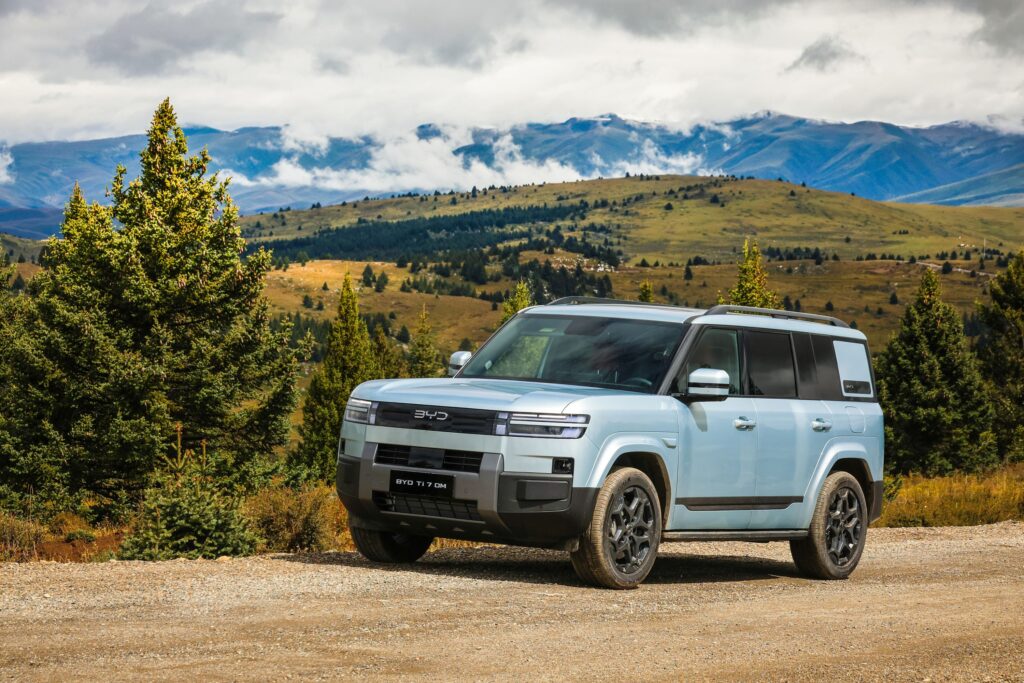
Powering the Ti7 is a 1.5-liter turbocharged inline-four engine that acts primarily as a high-efficiency generator for the battery pack. The vehicle is offered in both single-motor rear-wheel drive and dual-motor all-wheel drive configurations, with power outputs spanning from a base 272 horsepower up to a massive 691 horsepower, paired with battery capacities of 26.6, 35.6, or 50.0 kilowatt-hours. When the model reaches the Philippine market, we can realistically expect to see the 272-horsepower rear-wheel drive base variant alongside the mid-tier 483-horsepower all-wheel drive option.
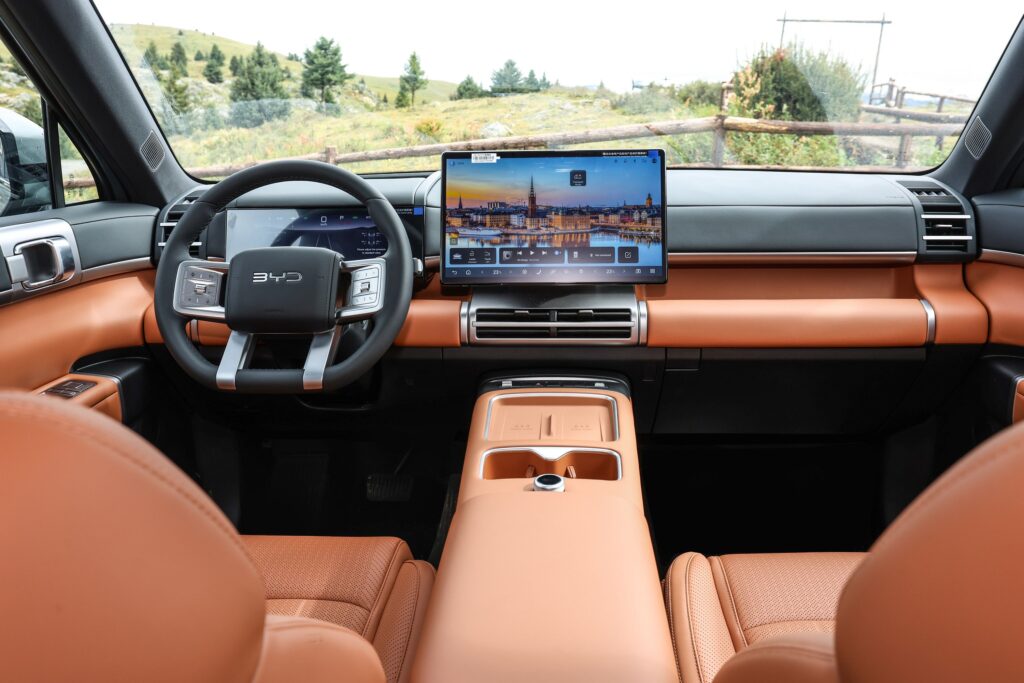
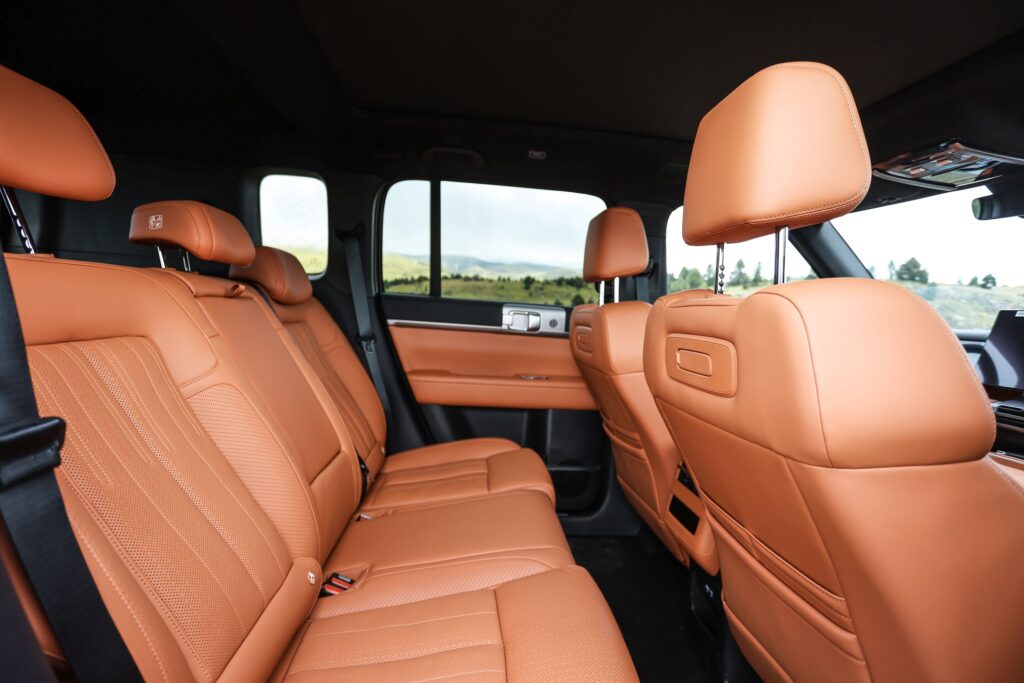
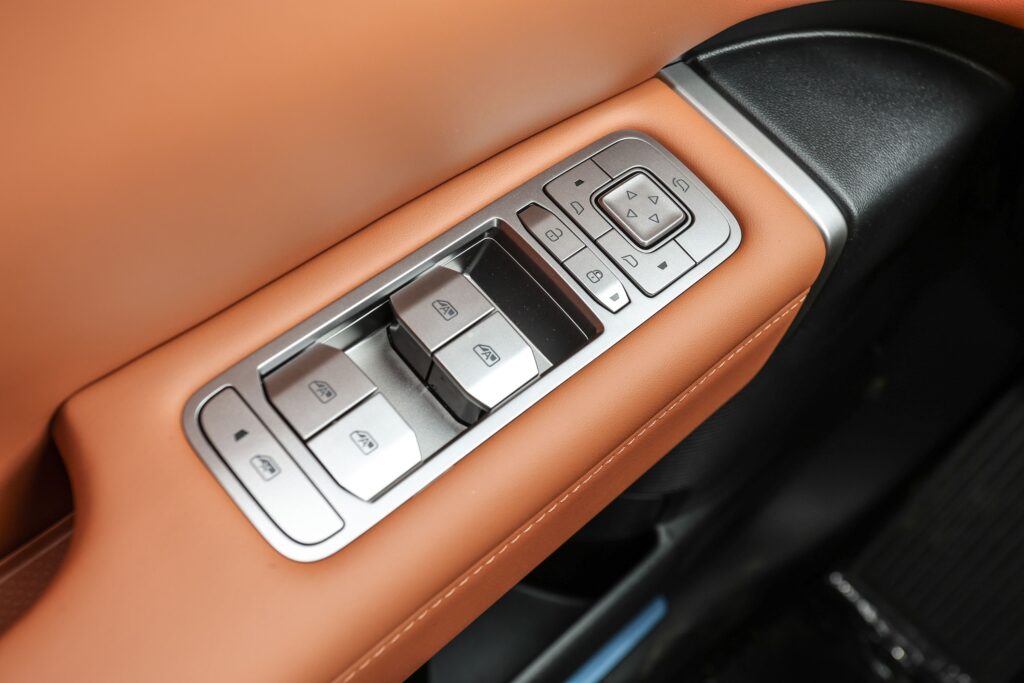
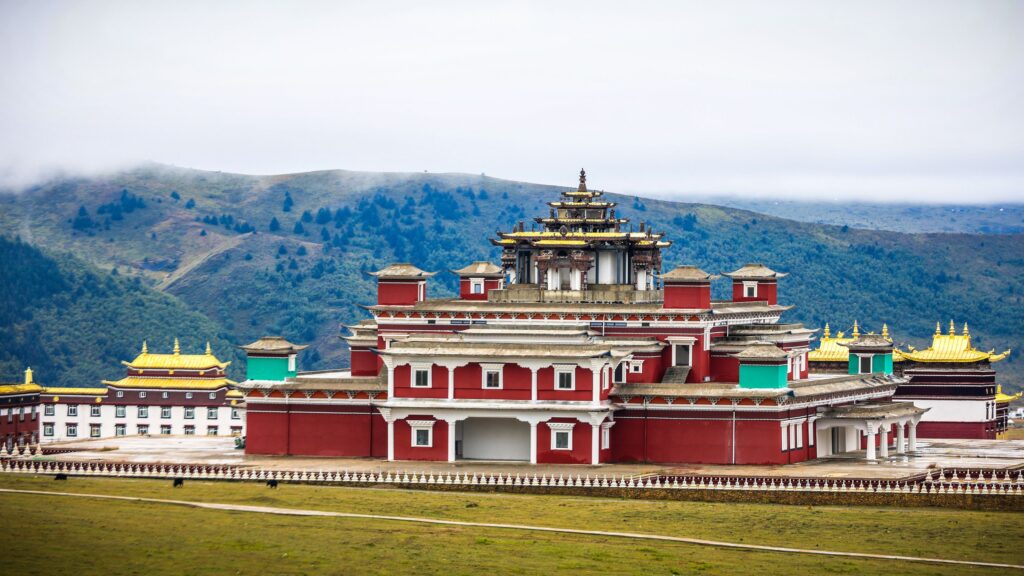
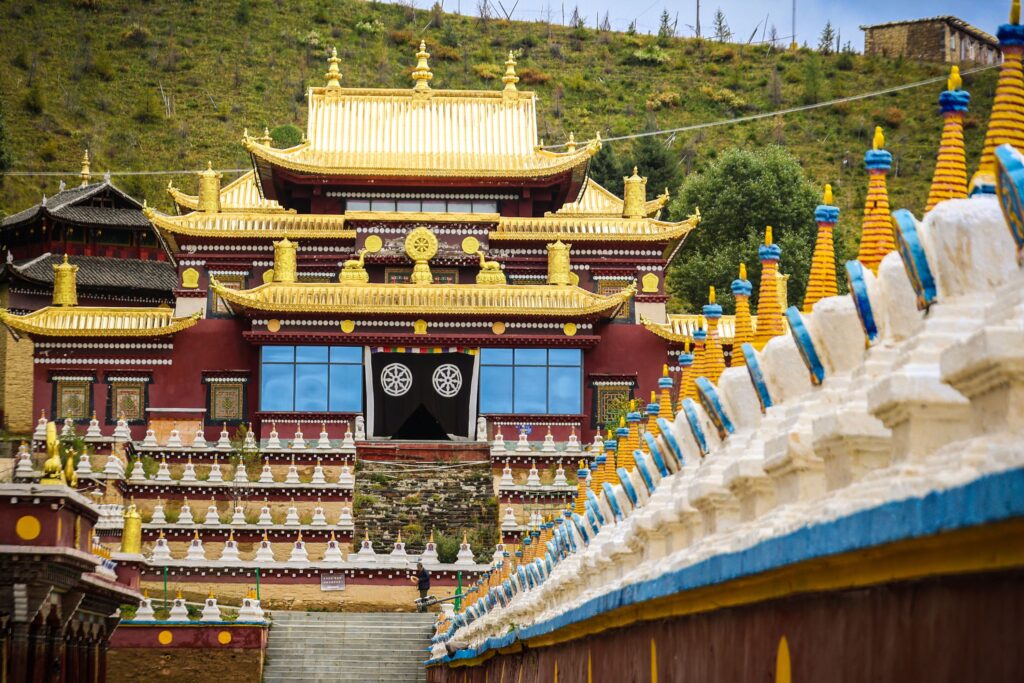
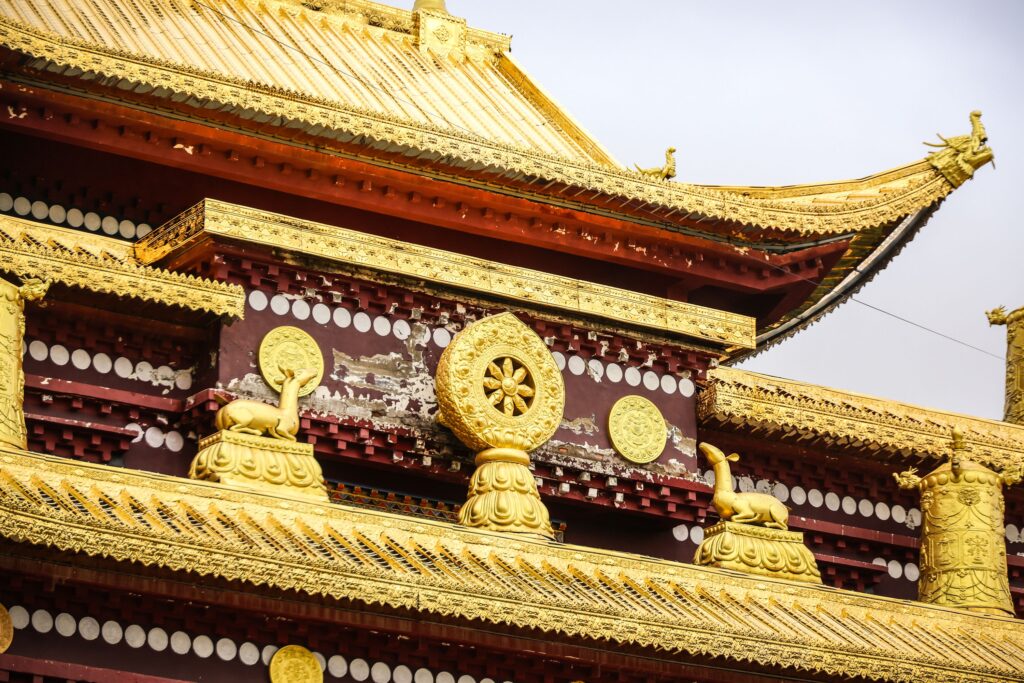
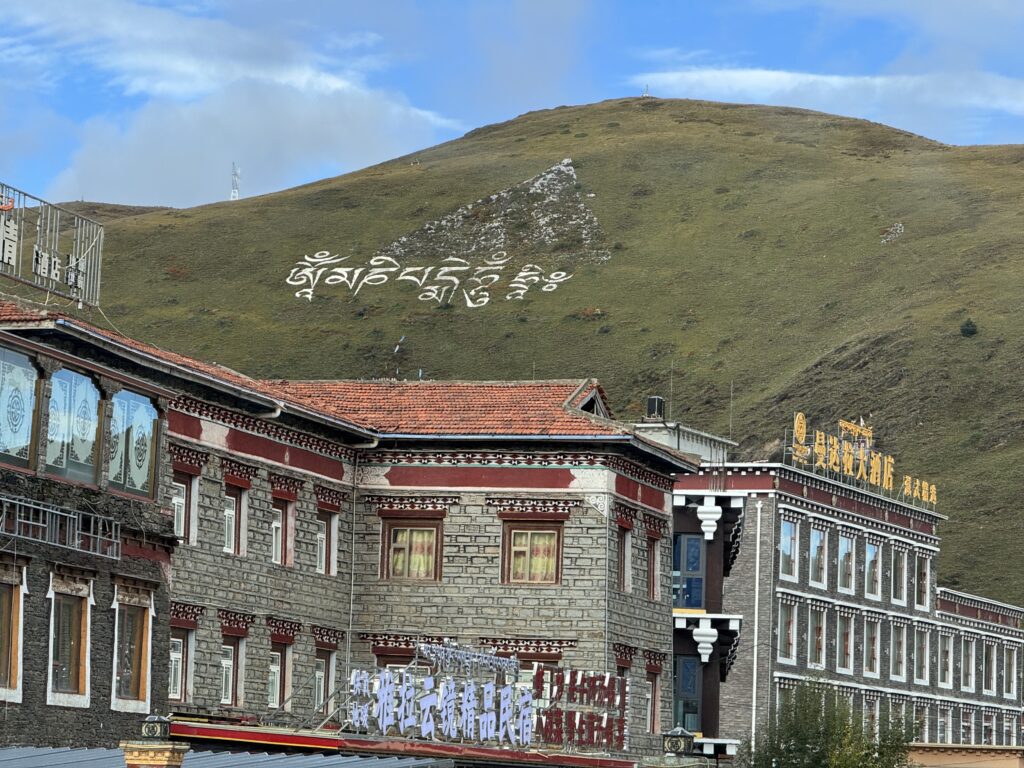
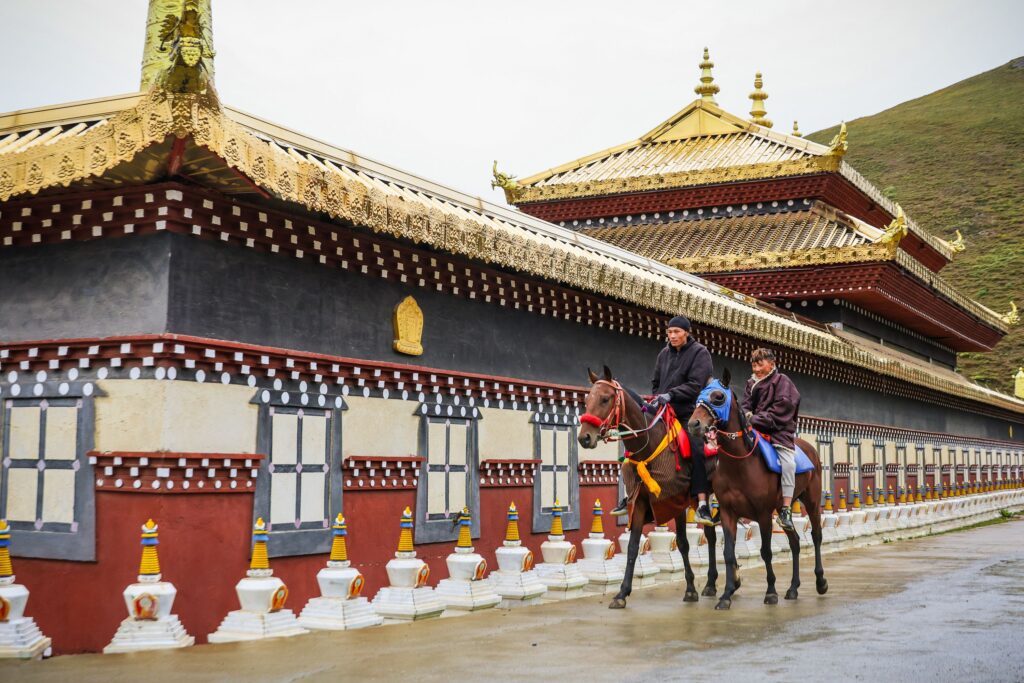
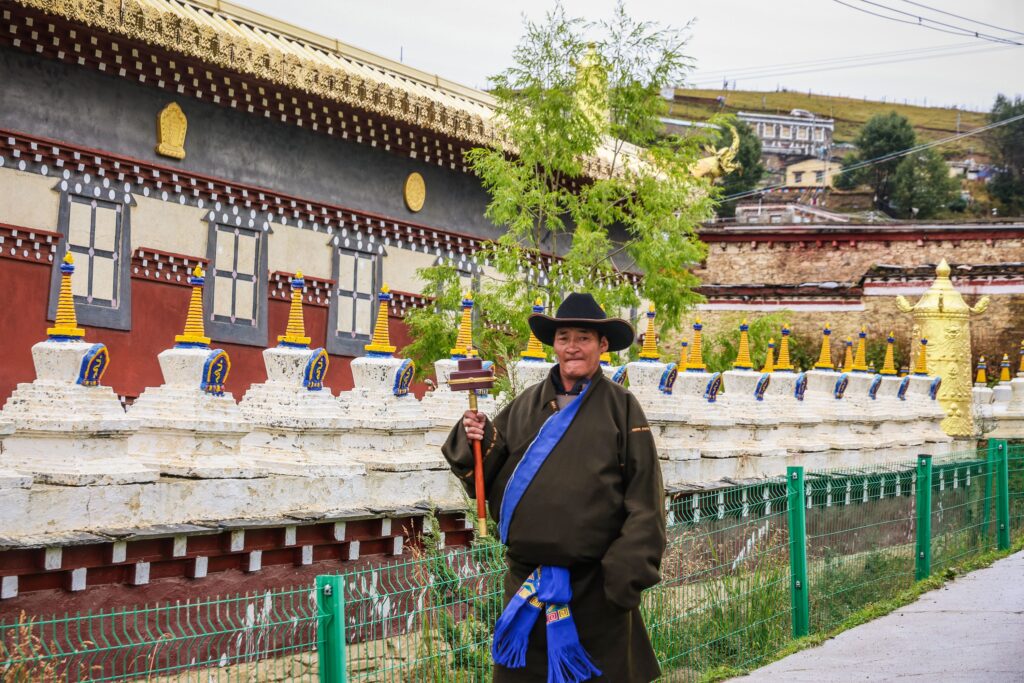
Sichuan Province stands as a land of staggering contrasts: virgin wilderness framed by mountain peaks and crisp, thin air, set against the backdrop of modern hyper-infrastructure. The sweeping expanse of the Tagong Grasslands feels straight out of a cinematic scale—an untouched domain where Mandarin road signs slowly give way to Sanskrit script, and Han culture blends into the ancient heritage of Tibet.
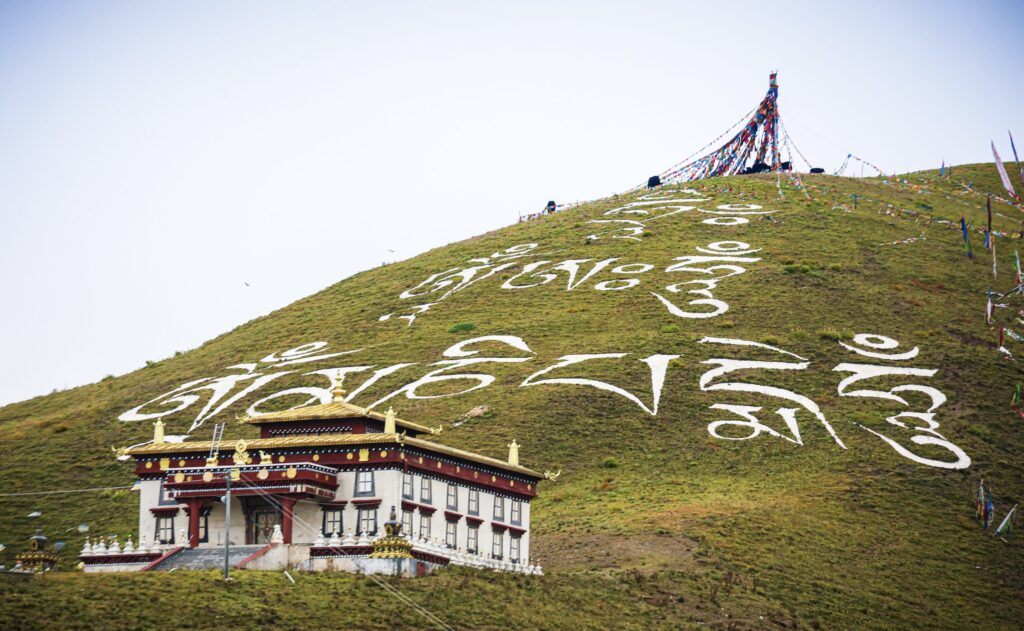
Combined with Sichuan’s legendary, fire-laced, mouth-numbing cuisine, the voyage revealed a territory that remains a frontier even to those who live within its borders. Magnificent, enigmatic, and endlessly surprising—China remains a world to be discovered.
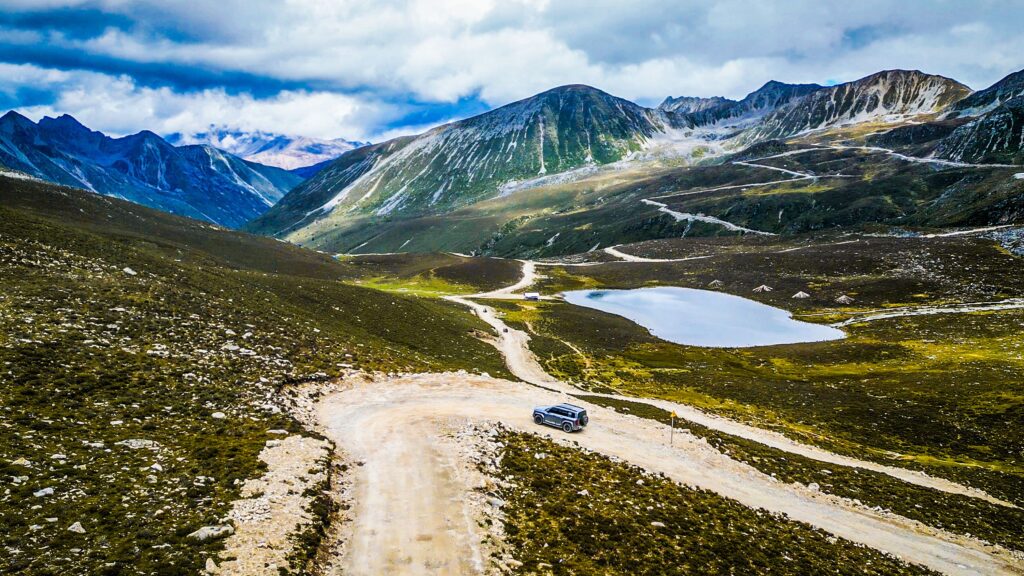
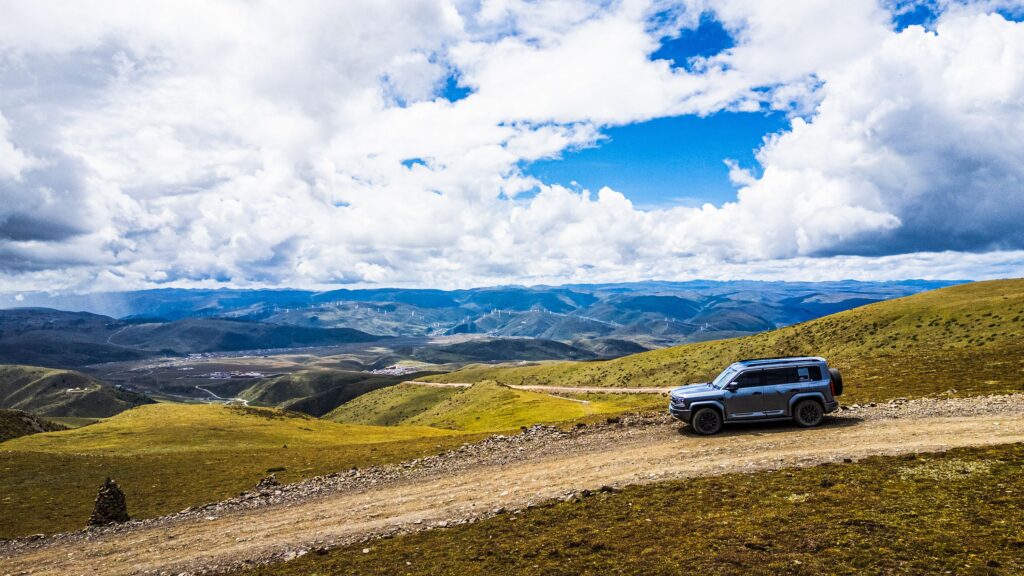
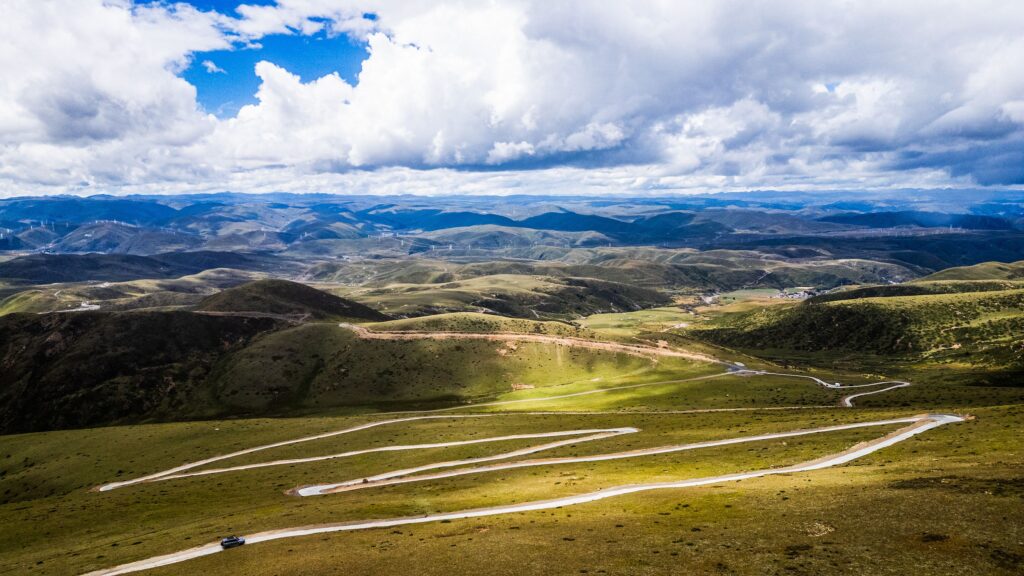
On a personal note, this was closest I have ever been to the Heavens with my feet still stuck on terra firma.
We will be back.