
It had been a rainy stretch in Tokyo when Ferrari Festival arrived at Tokyo Midtown. Fortunately, on the Monday I went, the rain stopped for a brief moment and the entire display was out in the open. I arrived right around opening time expecting the garden to be almost empty. To my surprise, there were already around ten people walking between the cars, taking photos and slowly making their way through the display.
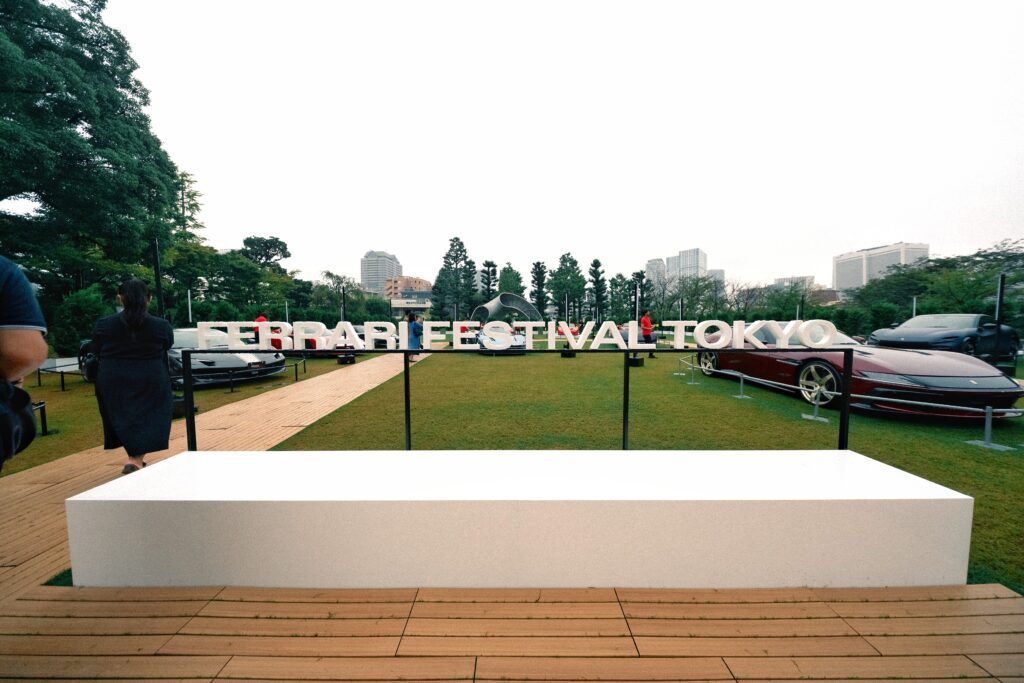
Even under a gloomy sky, the setting somehow made the whole event feel more elegant.
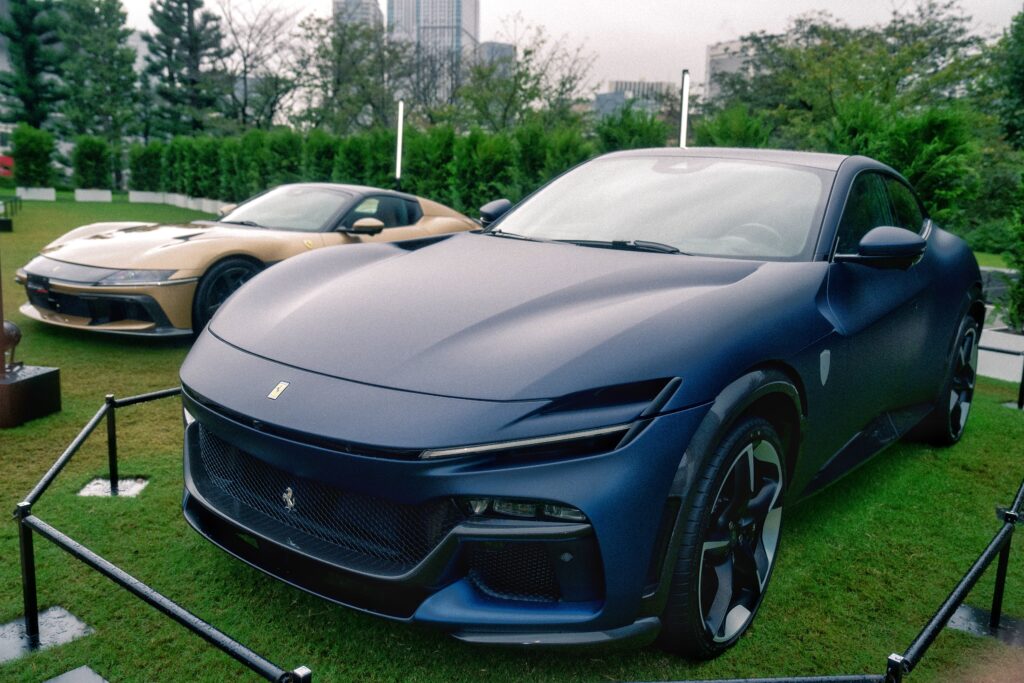
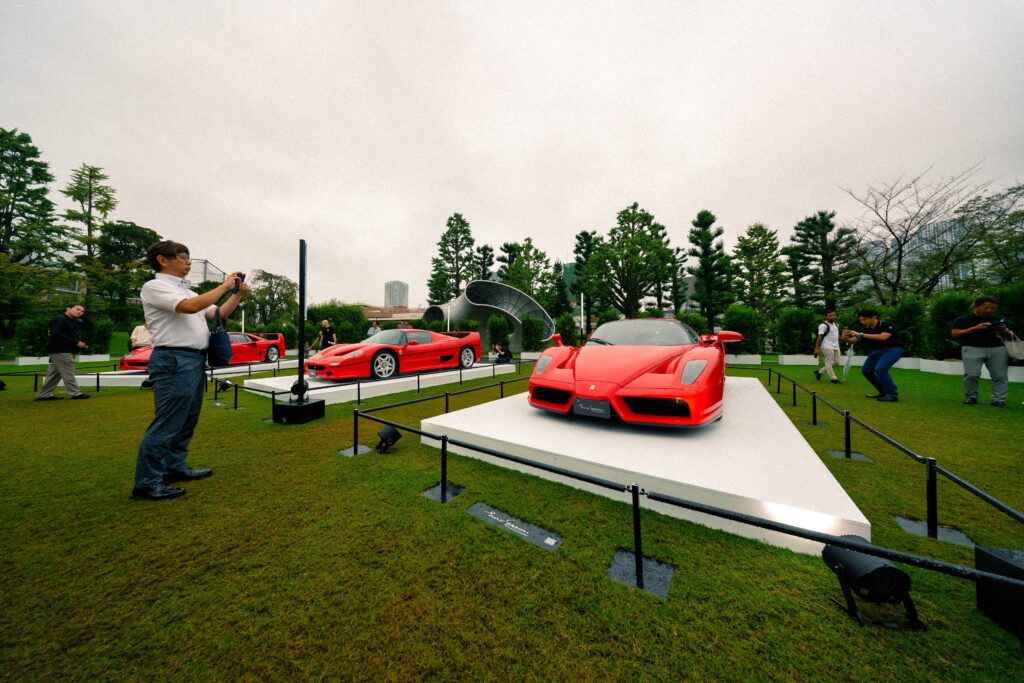
Instead of being lined up inside a convention hall, the cars were placed throughout the Tokyo Midtown Garden in Roppongi, surrounded by trees, grass and the architecture of the city. The pavement was still wet from the rain, with drops of water sitting on some of the bodywork. If anything, it added to the atmosphere.
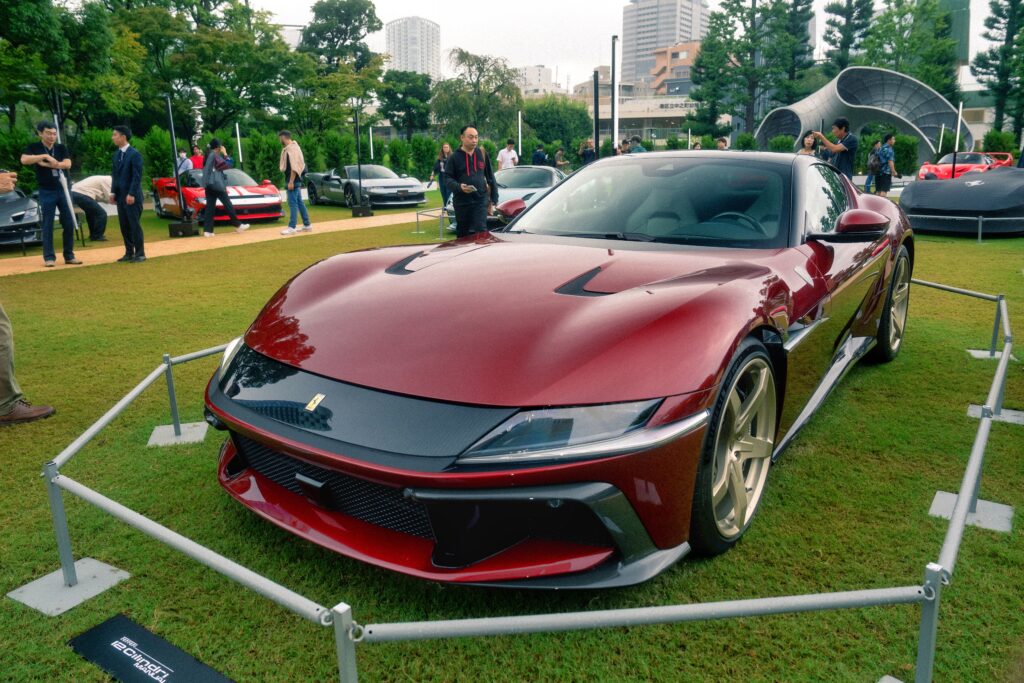
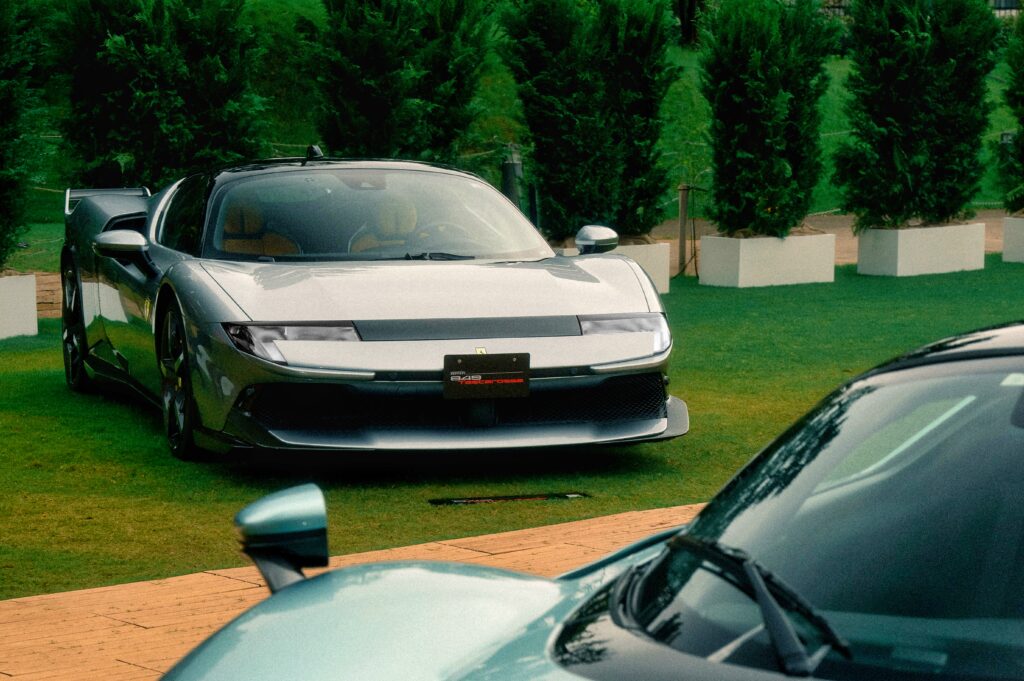
As soon as you entered, you were greeted by the 296 Speciale A and the 849 Testarossa sitting right at the front. From there, the display quickly opened up into several very different generations of Ferrari.
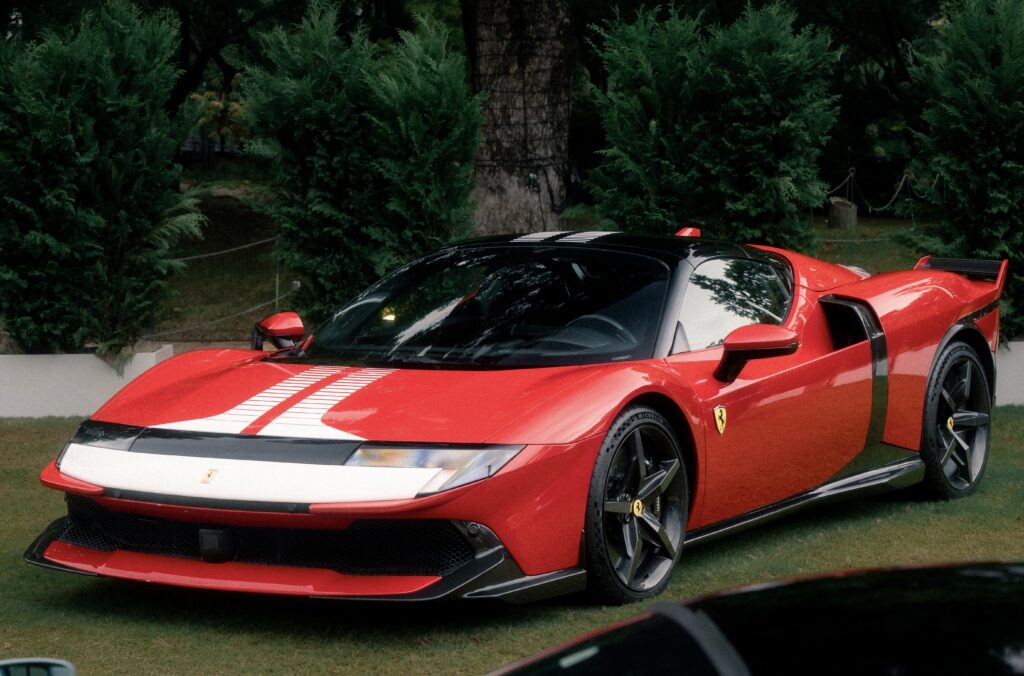
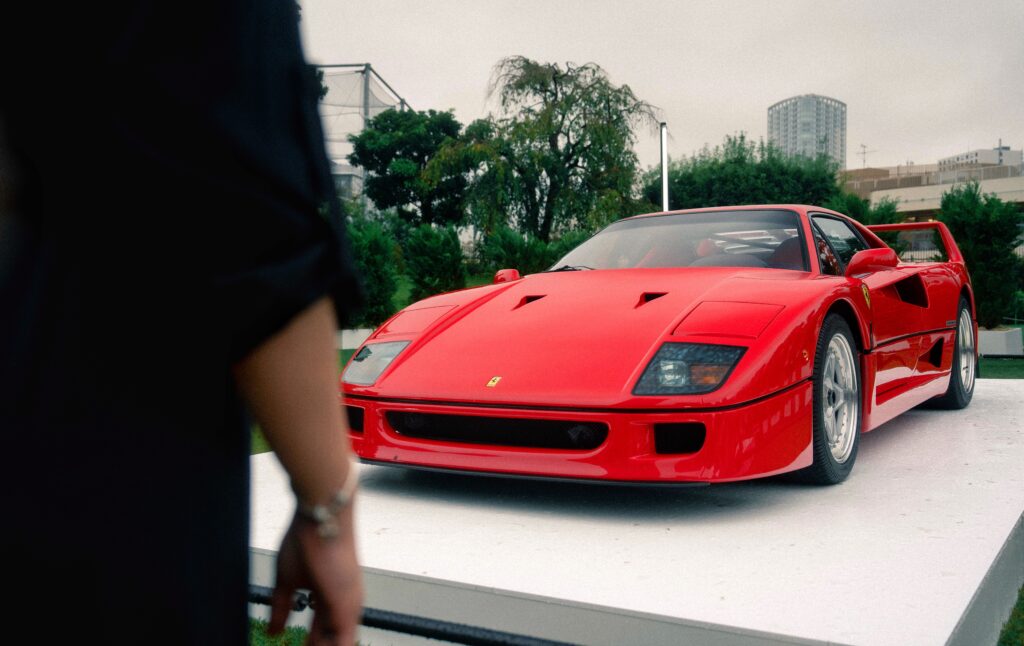
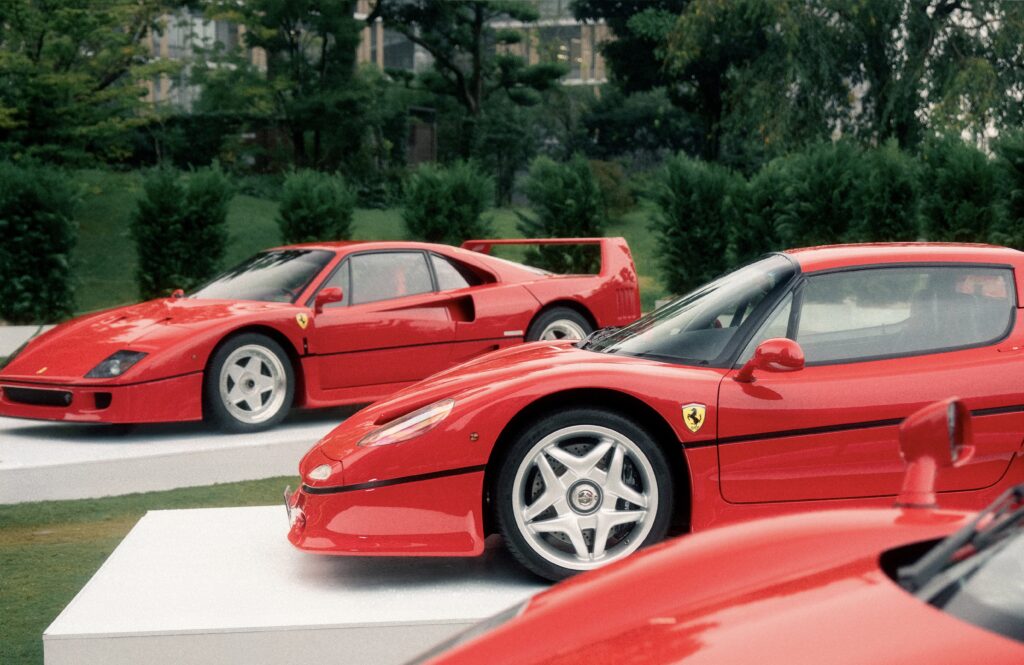
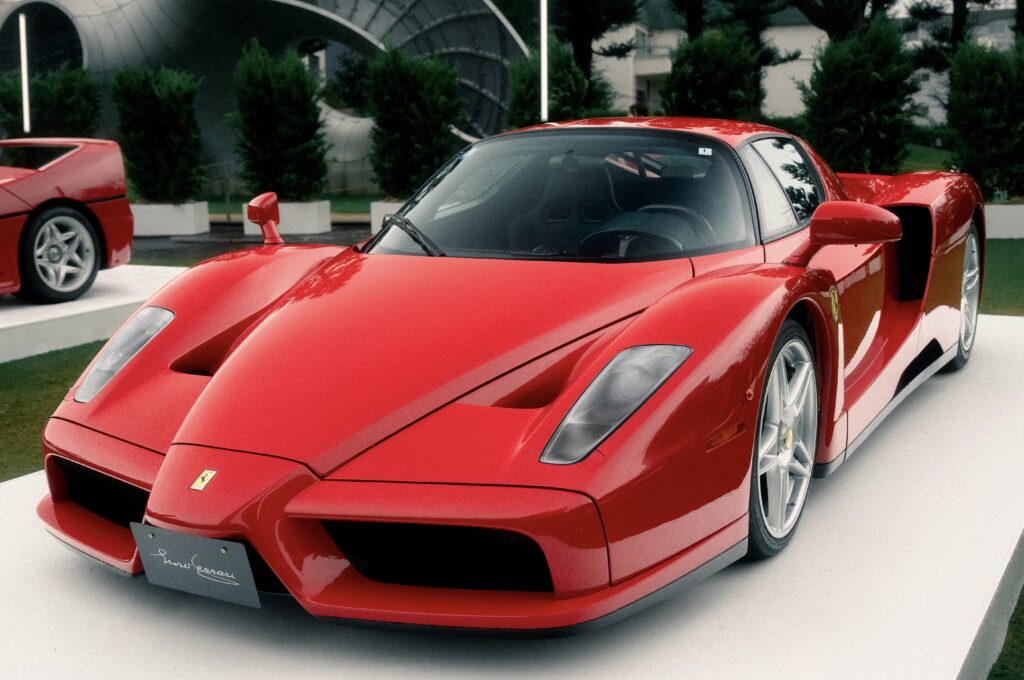
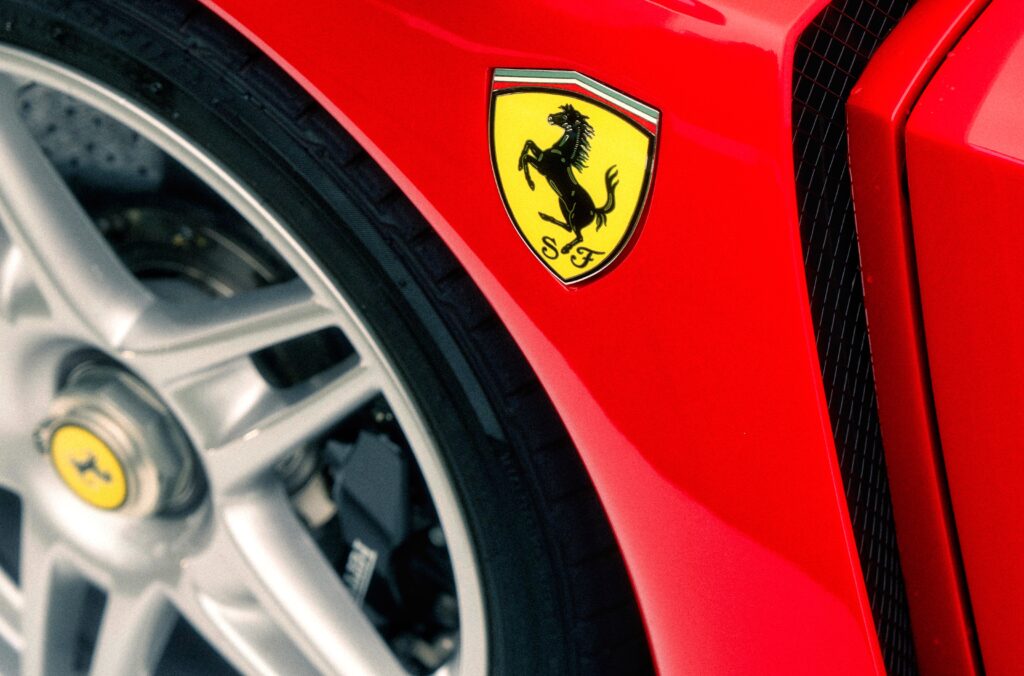
One of the highlights was seeing the F40, F50 and Enzo together. Each represents a completely different era, and seeing the three side by side made that evolution much easier to appreciate. The F40 still looks incredibly raw.
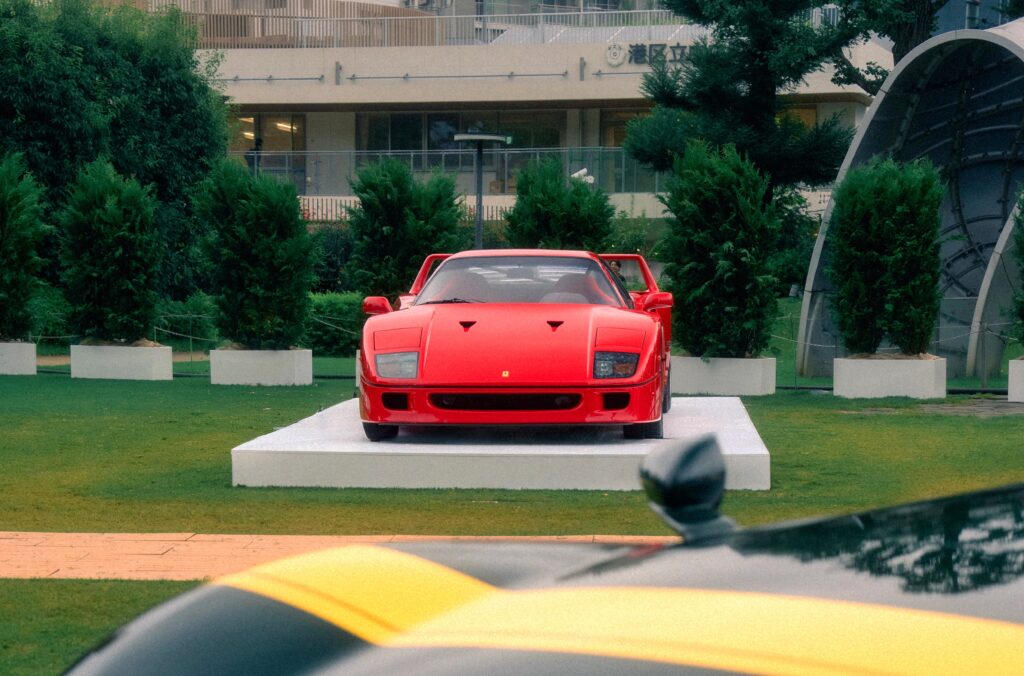
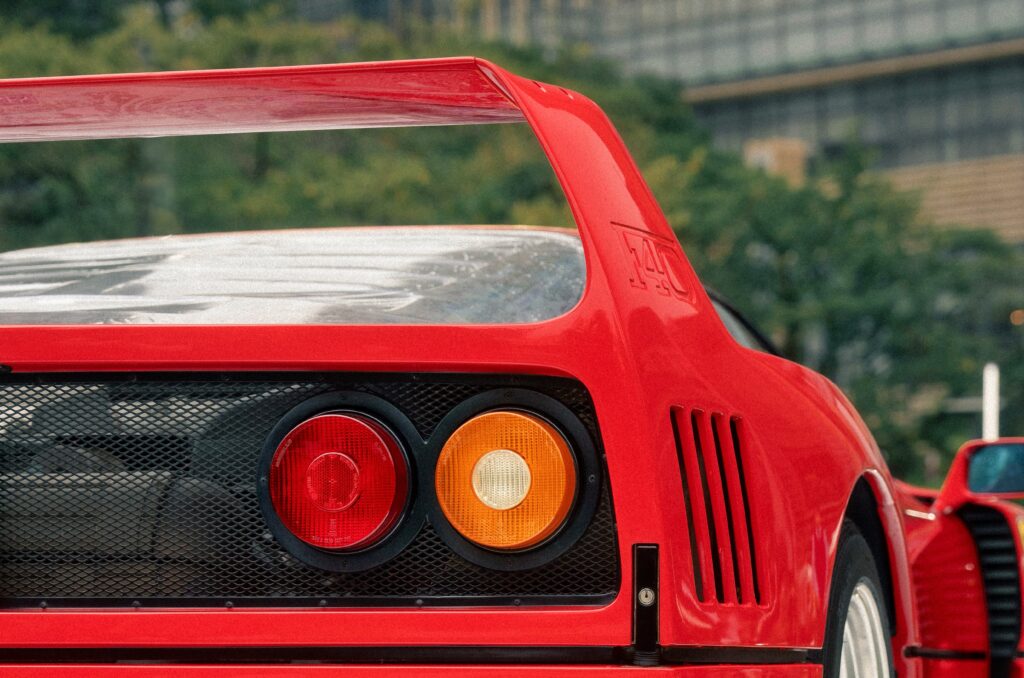
The F50 feels more exotic and almost like a road-going race car, while the Enzo marks a much more modern chapter in Ferrari design. Seeing all three together would already have been enough to make the visit worthwhile.
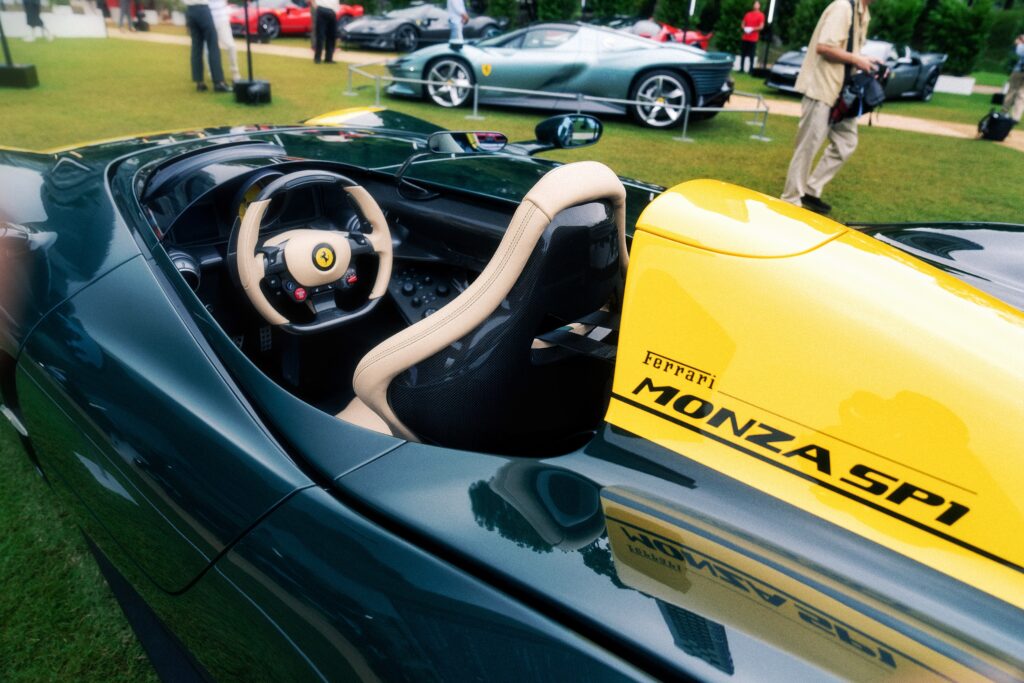
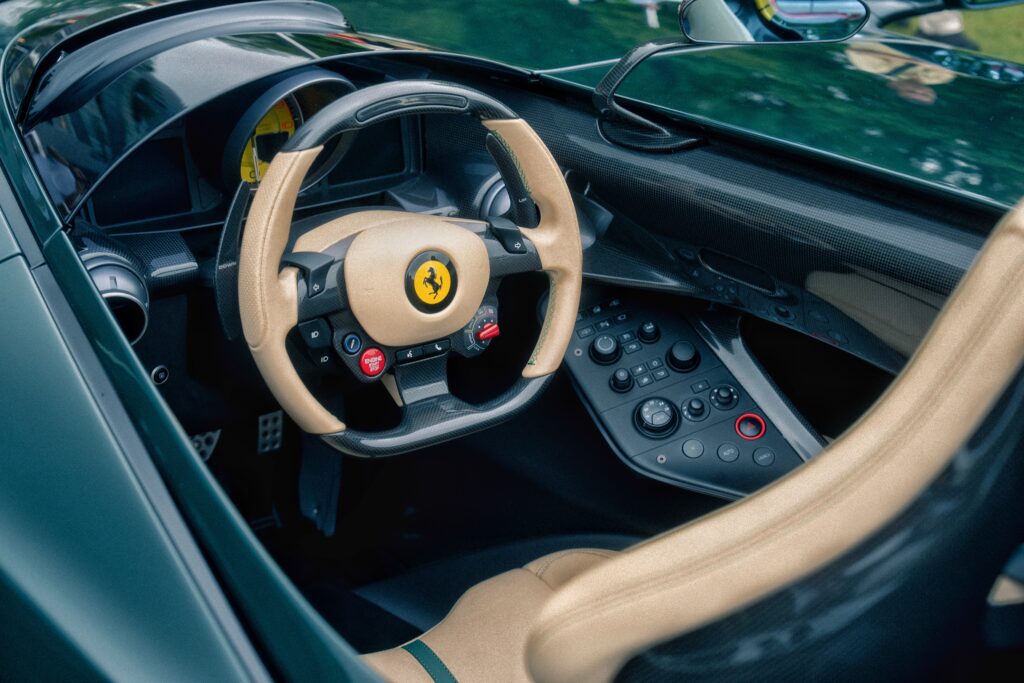
But nearby were cars like the Monza SP1 and Daytona SP3, showing a completely different side of Ferrari. When I first arrived, the single-seat Monza SP1 was still hidden beneath its cover. Not long after, the cover came off and the car was finally revealed. Its proportions are unusual even by Ferrari standards, with the single-seat layout making it feel more like a piece of automotive sculpture than a conventional road car.
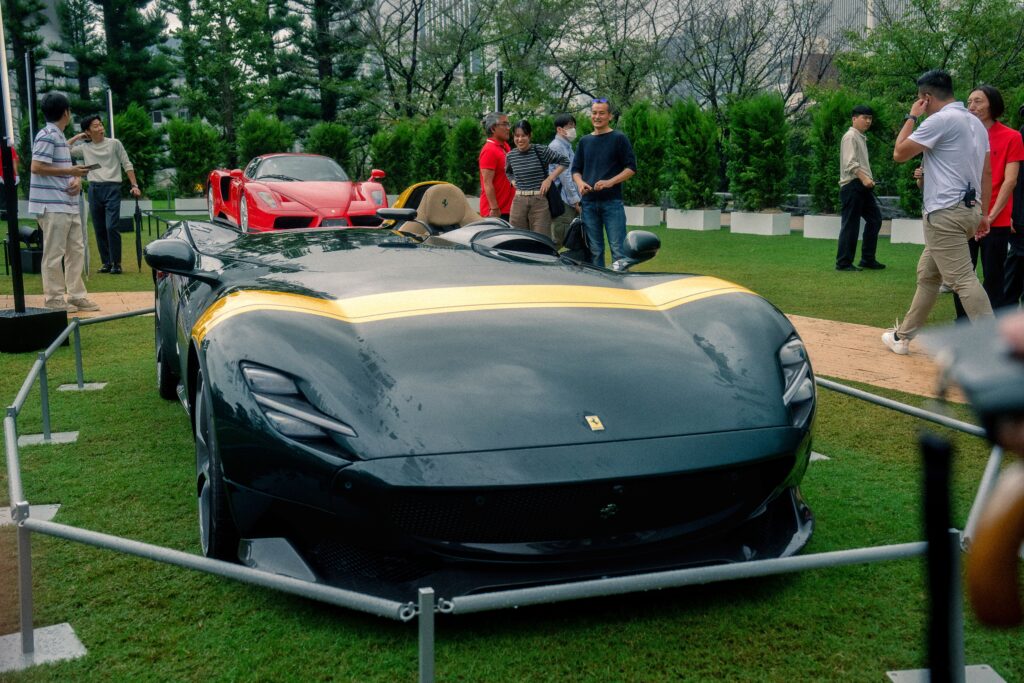
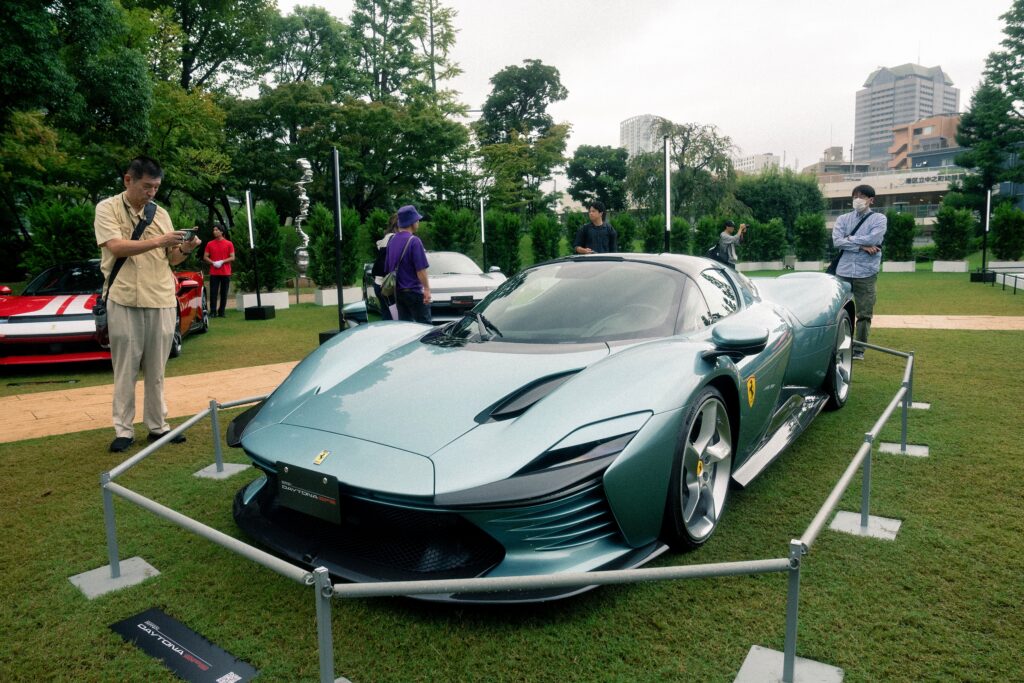
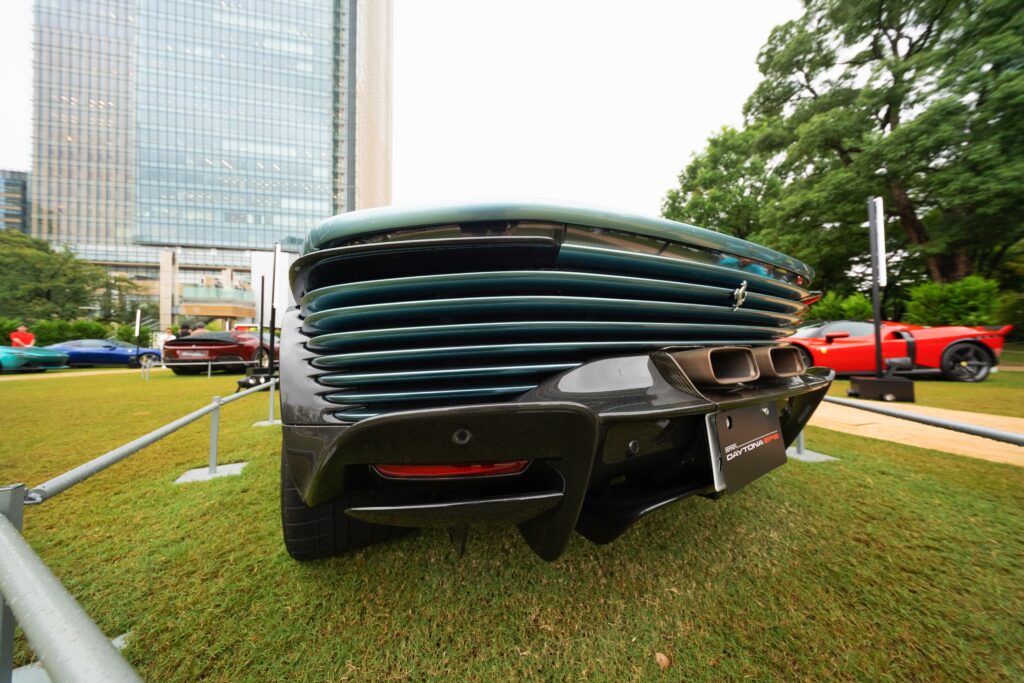
Beside it, the Daytona SP3 took a very different approach. It still draws heavily from Ferrari’s past, but translates that history into something far more futuristic.
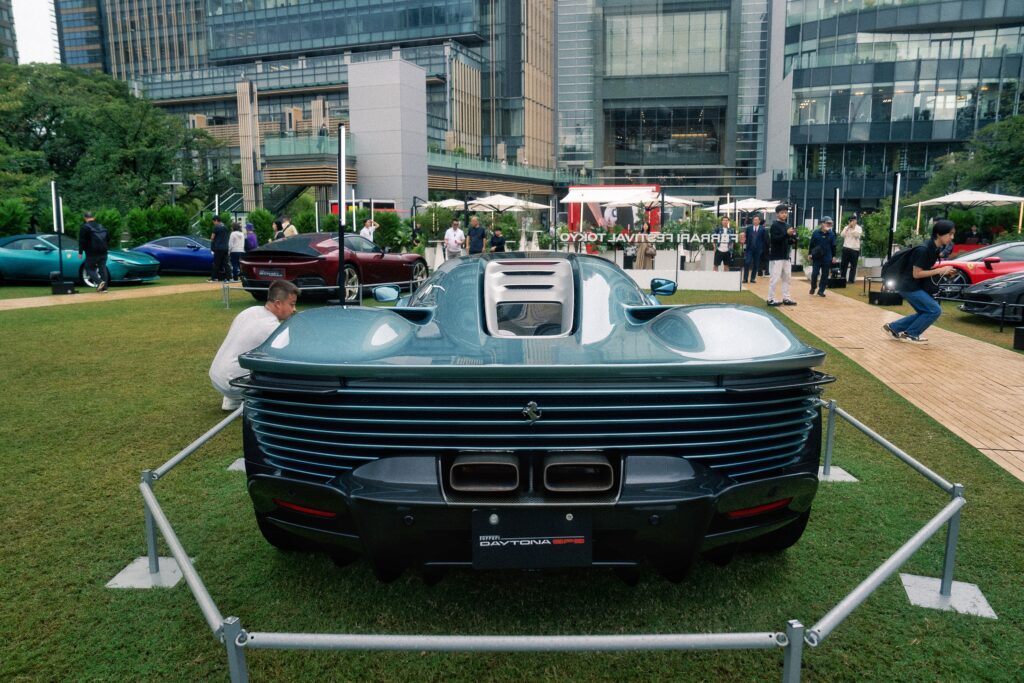
By this point, walking through the garden felt less like moving around a normal car show and more like going through different chapters of Ferrari history. That was probably what made the location work so well. These are cars that normally feel more at home on a race circuit, inside a museum or behind ropes at a private event. Here, they were simply sitting among trees and landscaped gardens in the middle of Roppongi. No loud pit lane. No dark exhibition hall. Just Ferraris in the middle of Tokyo.
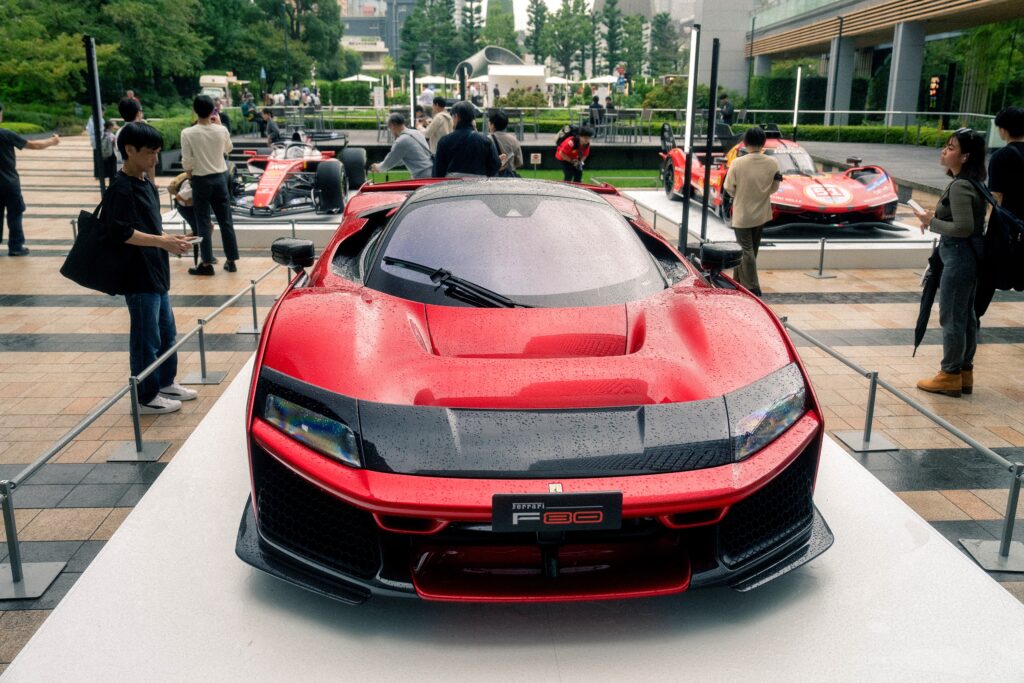
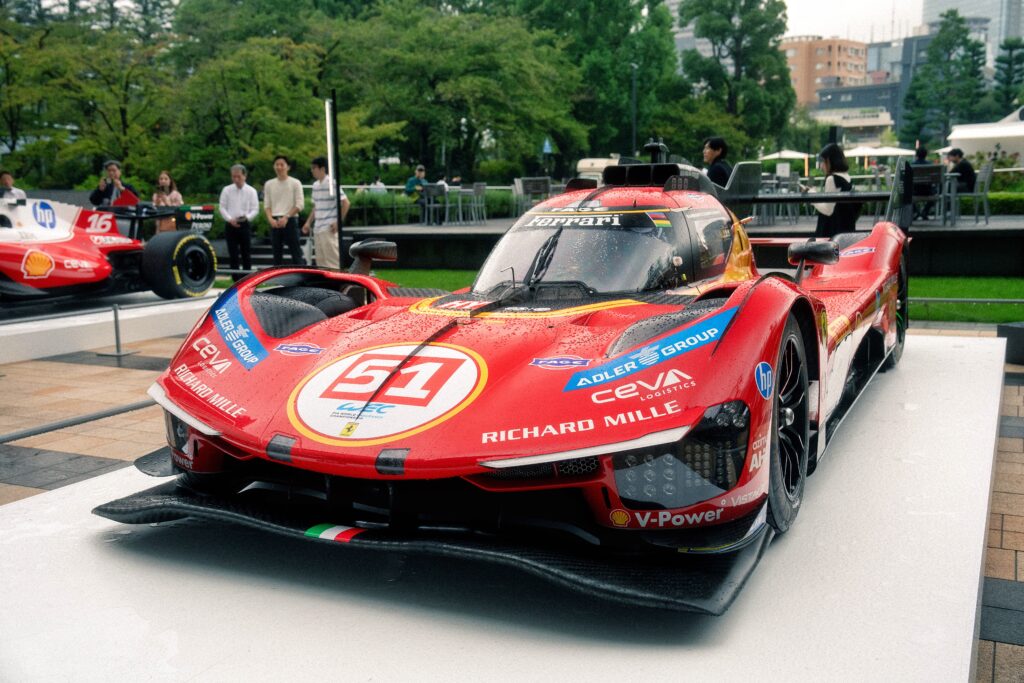
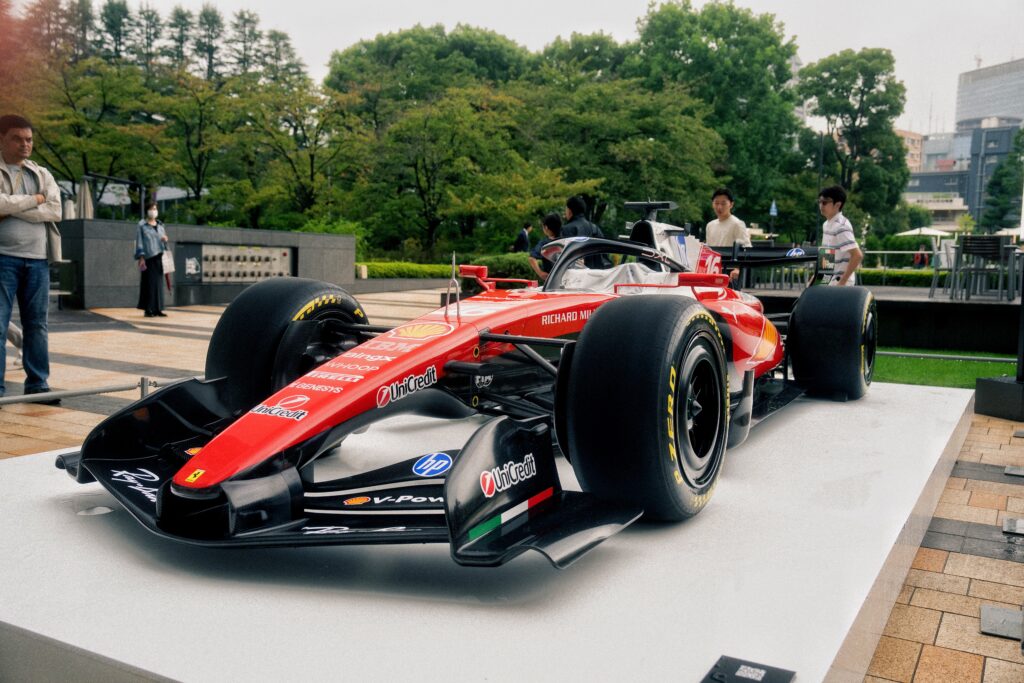
And the display did not end there. After making my way through the garden, there was still another trio waiting just across the street, right by the entrance of Tokyo Midtown Roppongi: the F80, the number 51 Ferrari 499P and the SF-26 Formula 1 car.
The mood immediately changed. The garden had been about Ferrari’s road-car history and design. This side of the event felt much closer to the brand’s racing world. The F80 sat right in the middle of the two. It already looks dramatic in photographs, but in person you get a much better sense of just how low and wide it is. Sitting beside the 499P and SF-26 also made the connection to Ferrari’s motorsport side feel much more obvious.
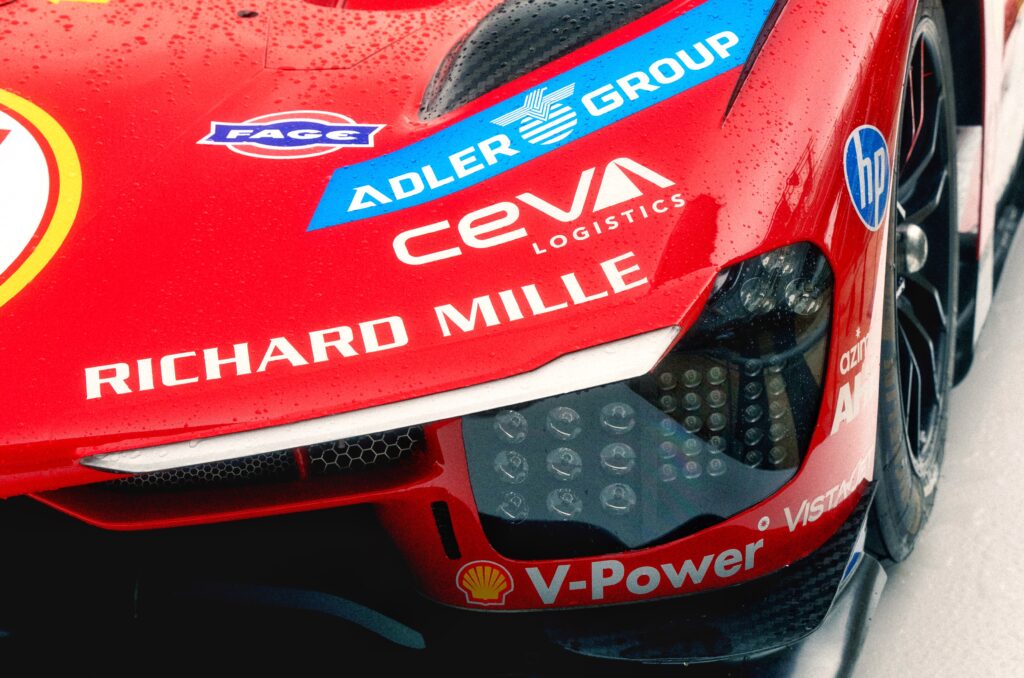
The 499P was probably the car I spent the most time looking at. Seeing an endurance prototype this close is completely different from watching one on television or seeing it disappear past a fence at a circuit. There are huge openings and channels throughout the bodywork, with almost every surface shaped around airflow. From certain angles, it barely looks like a conventional car at all.
Then beside it was the SF-26 Formula 1 car. Up close, an F1 car is difficult to take in all at once. The exposed suspension, massive slick tires and layers of aerodynamic surfaces make it look almost alien compared with the road cars just across the street. And yet there it was, sitting right outside a shopping mall in Roppongi. That contrast might have been my favorite part of Ferrari Festival.
Within the space of one short walk, you could go from the F40, F50 and Enzo, to the Monza SP1 and Daytona SP3, then cross the street and find an F80 sitting beside Le Mans and Formula 1 machinery. It covered an enormous amount of Ferrari history without ever feeling like a history lesson. And perhaps that was what made the event unforgettable.
There were no engines screaming down a straight, no race start, and no need for anything particularly dramatic to happen. The cars themselves, placed in the middle of Tokyo, were enough. For a brief moment during a rainy stretch in the city, Ferrari had simply taken over a small part of Roppongi. Even under a gray sky, it felt completely at home.