
For many enthusiasts, a trip to Japan means chasing the country’s legendary tuner culture. From early morning or late-night gatherings at Daikoku PA to spotting GT-Rs, Supras, RX-7s, and countless modified machines roaming Tokyo’s streets, the Japanese automotive experience is often defined by performance tuning and underground culture.

But on a recent visit, I decided to take a different route.


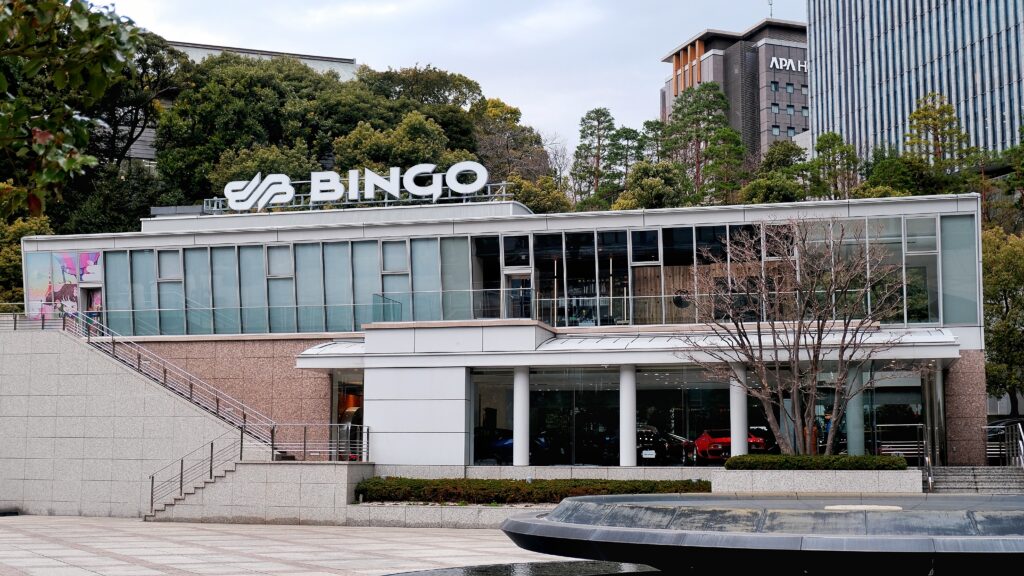
Aside from searching for tuner icons, I found myself stepping into the world of automotive collectibles at Bingo Sports. A destination that showcases a completely different side of Japan’s passion for cars.
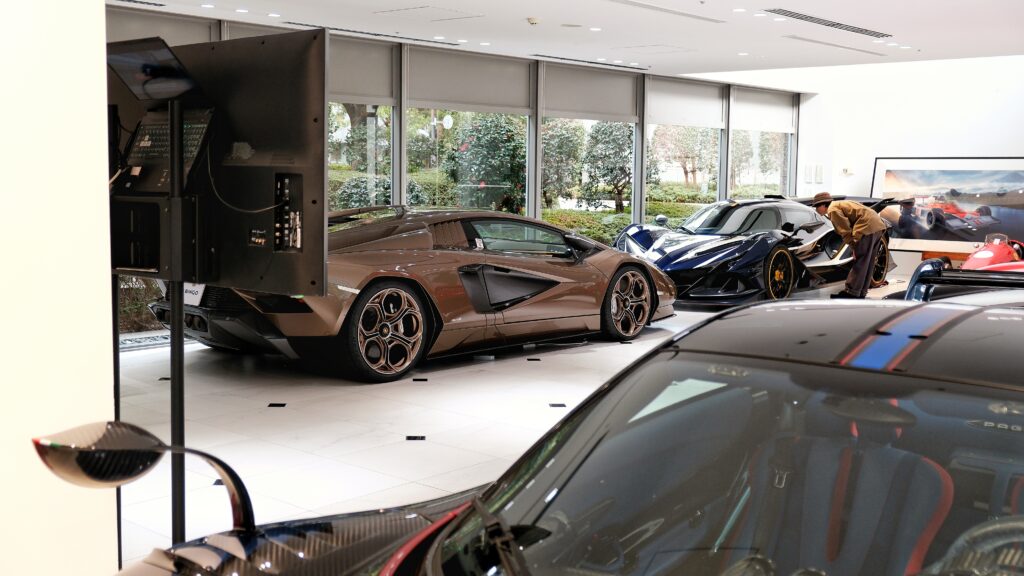
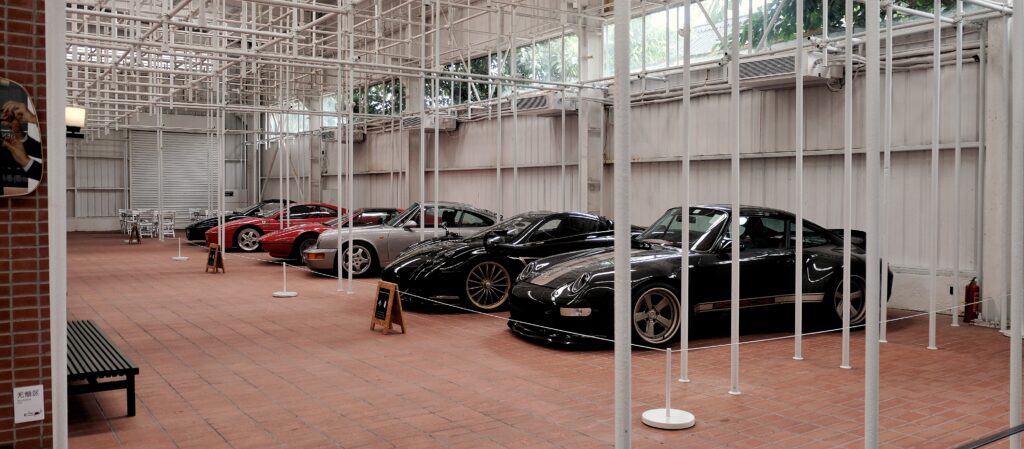
Known globally among collectors, Bingo Sports has established itself as one of Japan’s leading specialists in rare, historic, and ultra-exclusive automobiles. Walking into its facility felt less like entering a dealership and more like being granted access to a private automotive gallery.
Hypercar Royalty: Apollo IE and the Modern Countach

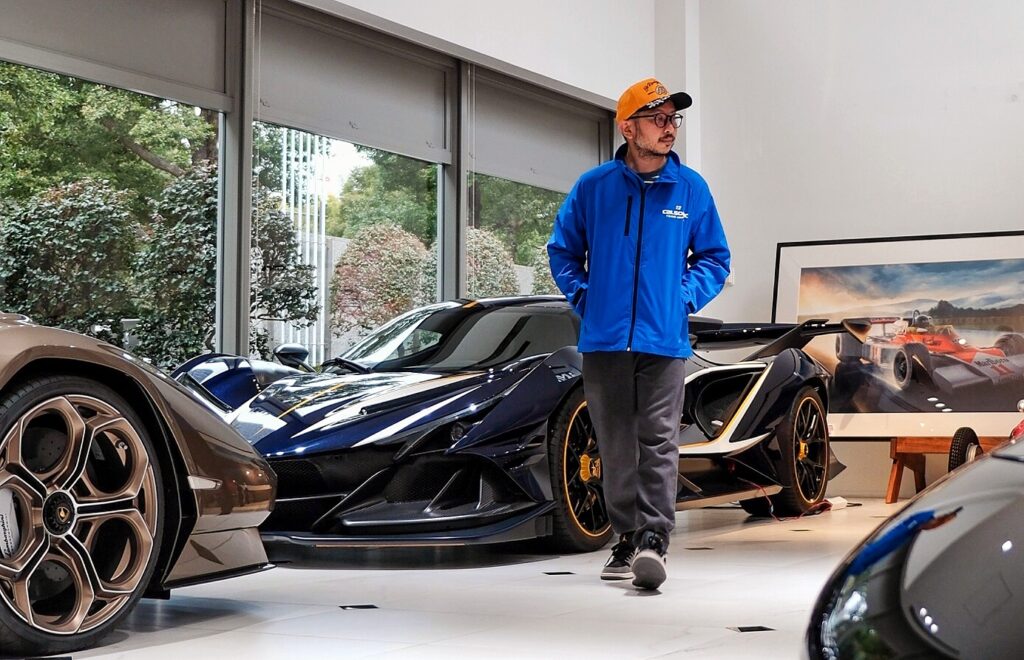
The first car that immediately drew my attention was the Apollo Intensa Emozione, more commonly known as the Apollo IE.

Even among hypercars, the Apollo looks outrageous.
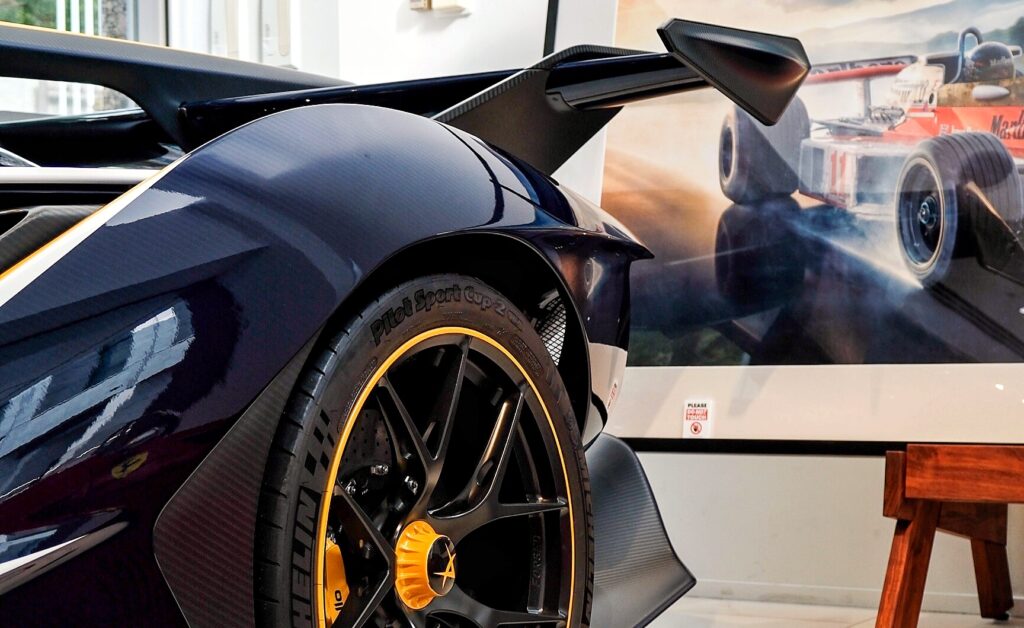
Its aggressive aerodynamic elements, massive rear wing, and race-car-inspired bodywork make it appear more suited for a futuristic endurance race than a public road.
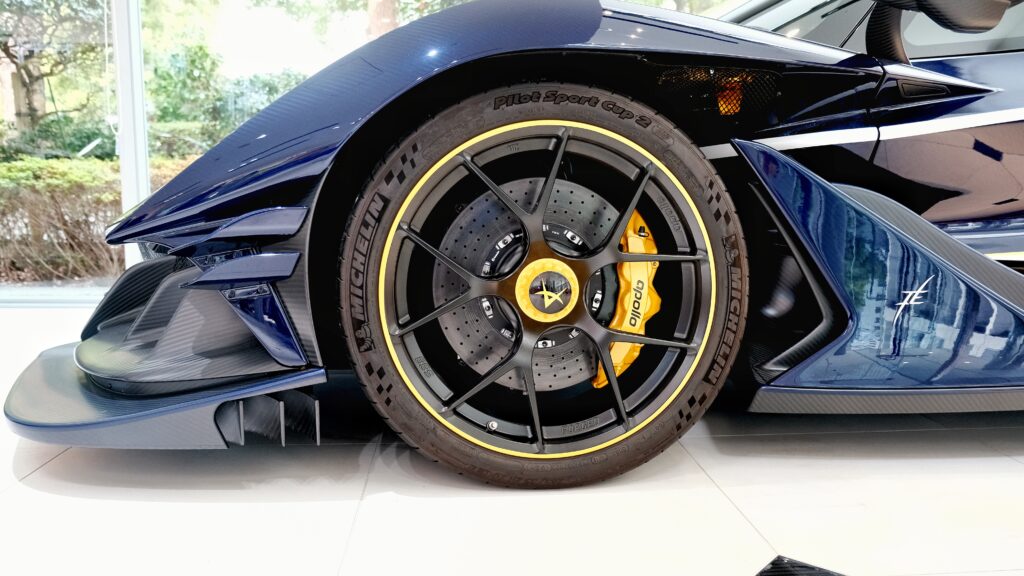
Powered by a naturally aspirated V12 producing nearly 800 horsepower, the IE represents one of the last celebrations of pure, unfiltered mechanical drama.
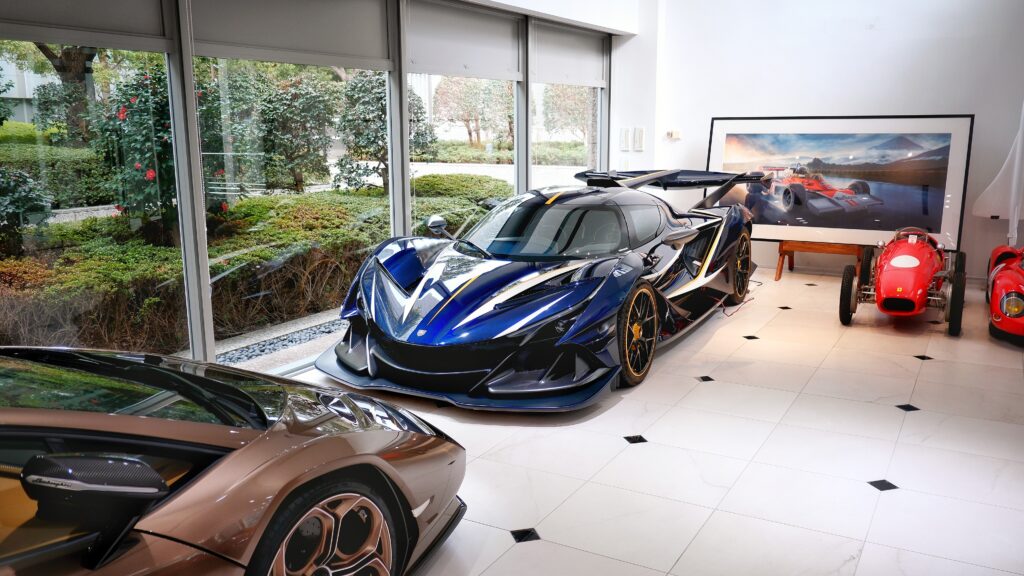
Adding to its mystique is its rarity. Only ten examples were produced worldwide, instantly making it one of the most exclusive hypercars of the modern era.
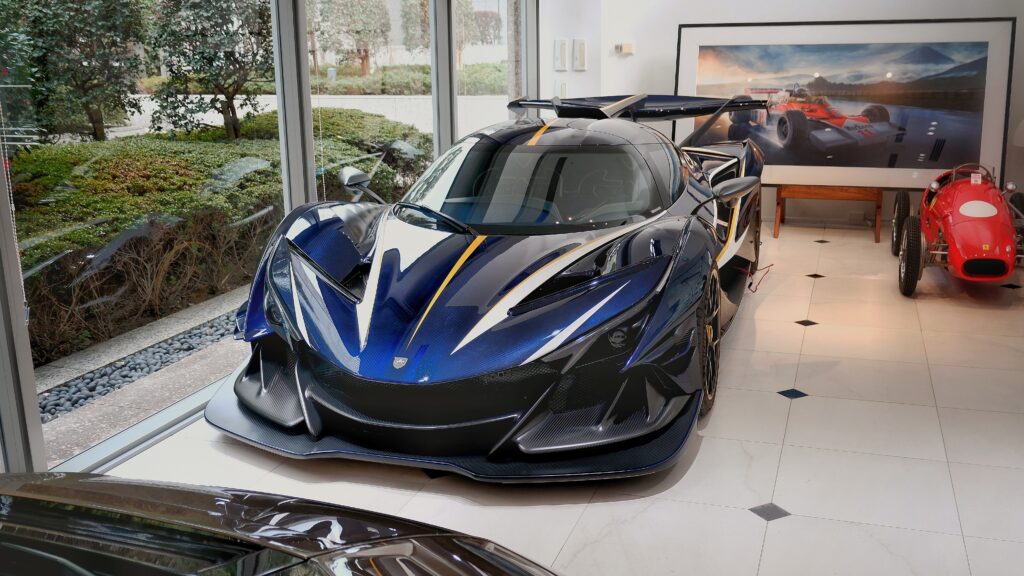
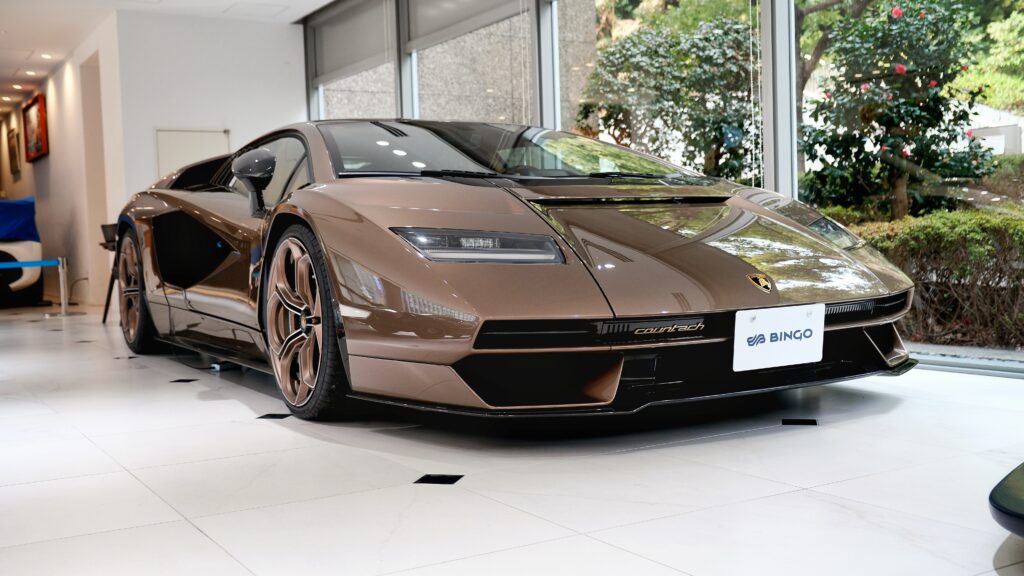
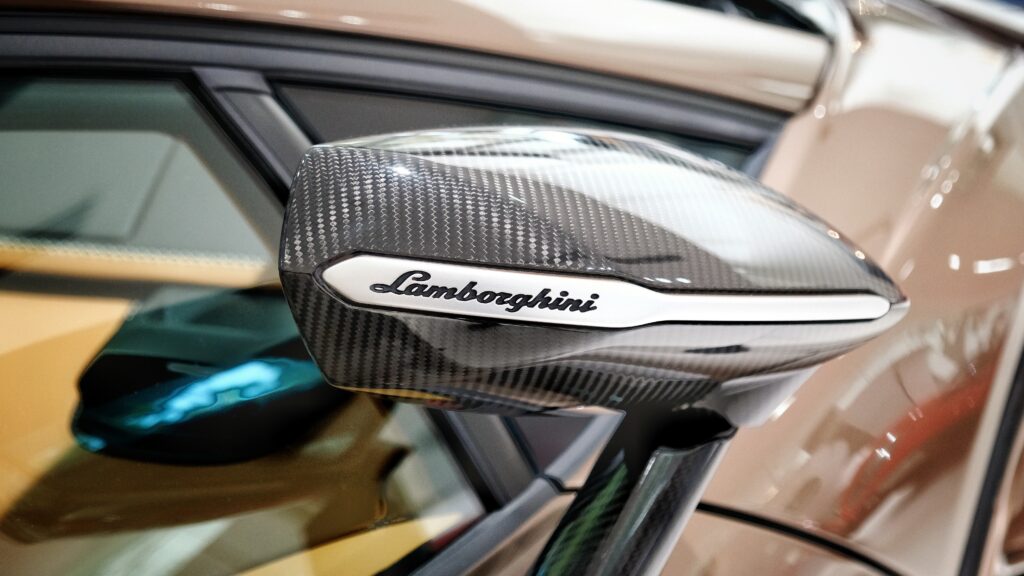
Parked close was another V12 masterpiece. A Lamborghini Countach LPI 800-4.
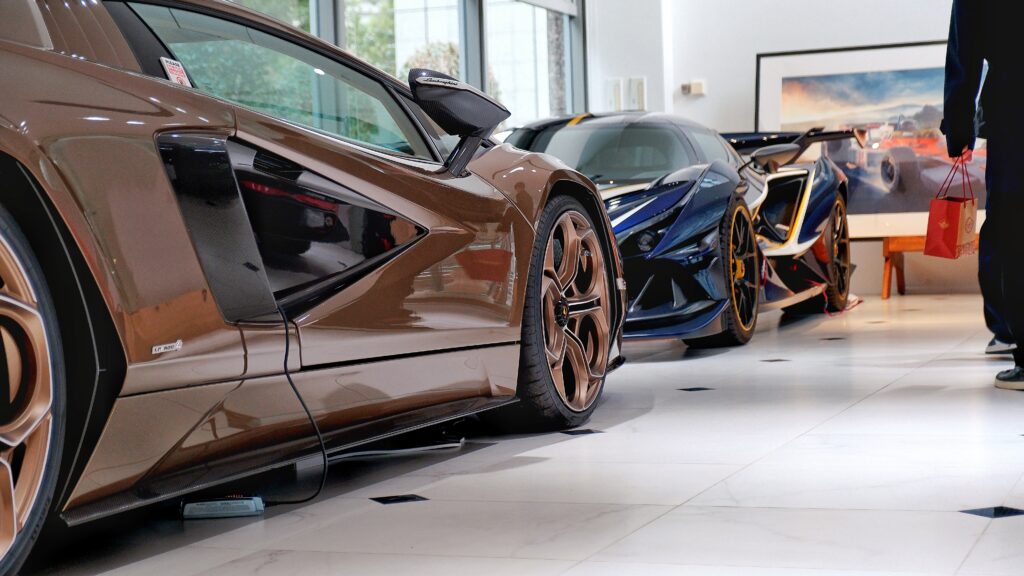
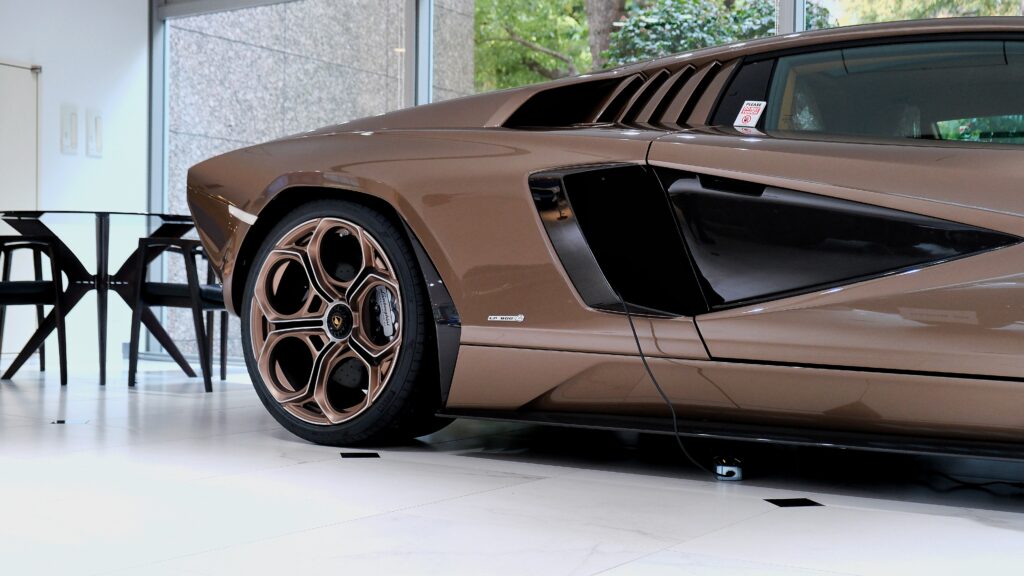
Positioned face to face with the Apollo IE, the Countach offered a fascinating contrast. While the Apollo looked toward the future, the Countach celebrated Lamborghini’s heritage.
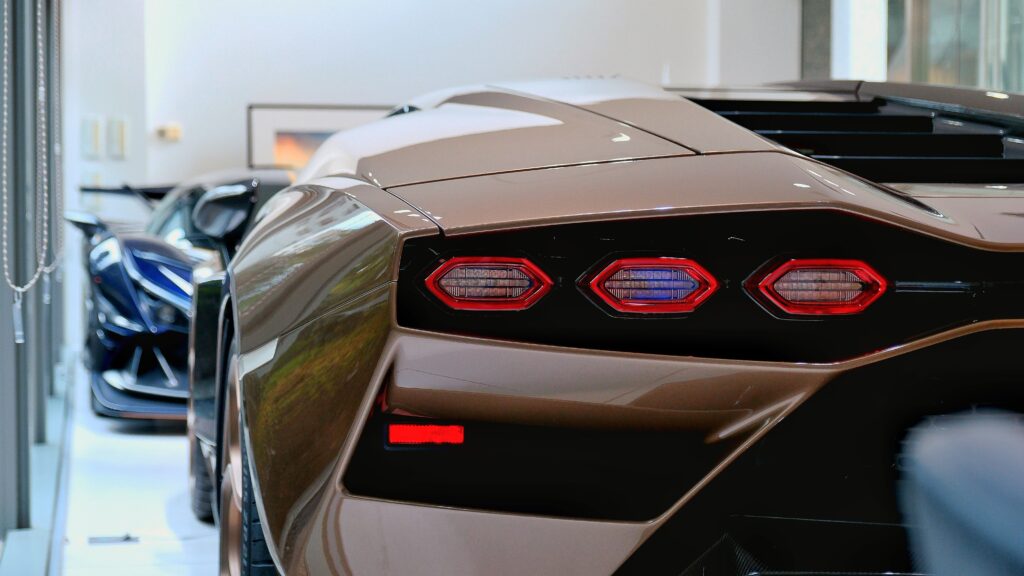
Inspired by the legendary Countach that adorned bedroom walls for decades, the modern version combines retro styling cues with contemporary hybrid technology and performance.
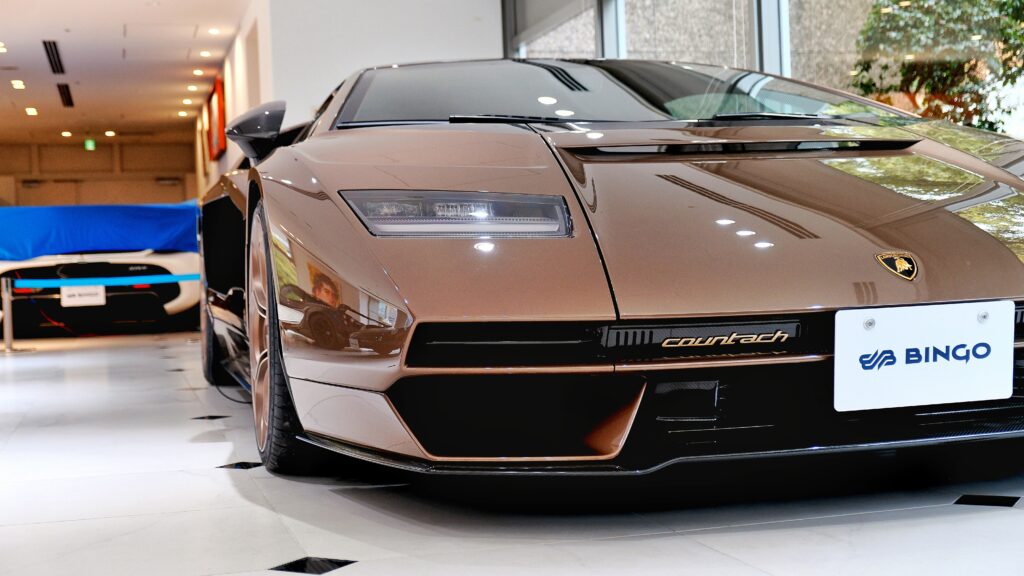
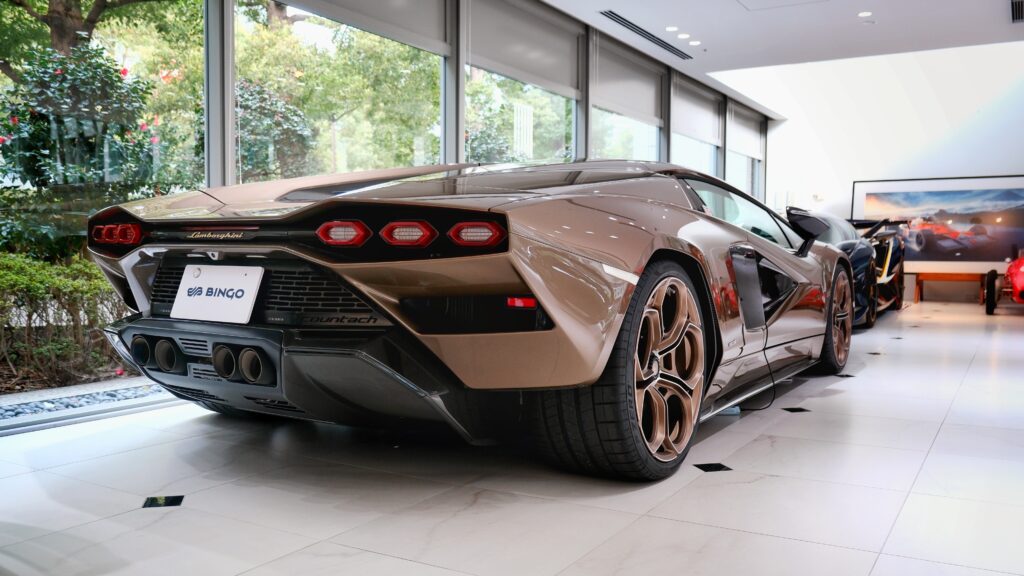
A notable trivia is its production run of just 112 units, a tribute to the original Countach project’s internal designation: LP112. Seeing both cars together felt like witnessing two completely different interpretations of automotive passion.
The Art of Carbon Fiber: Pagani Huayra BC
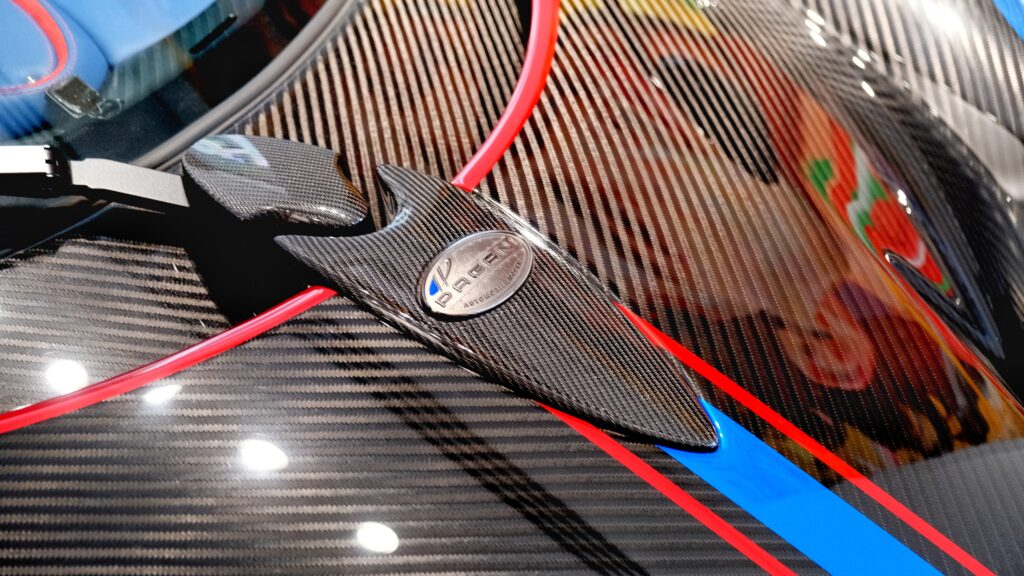
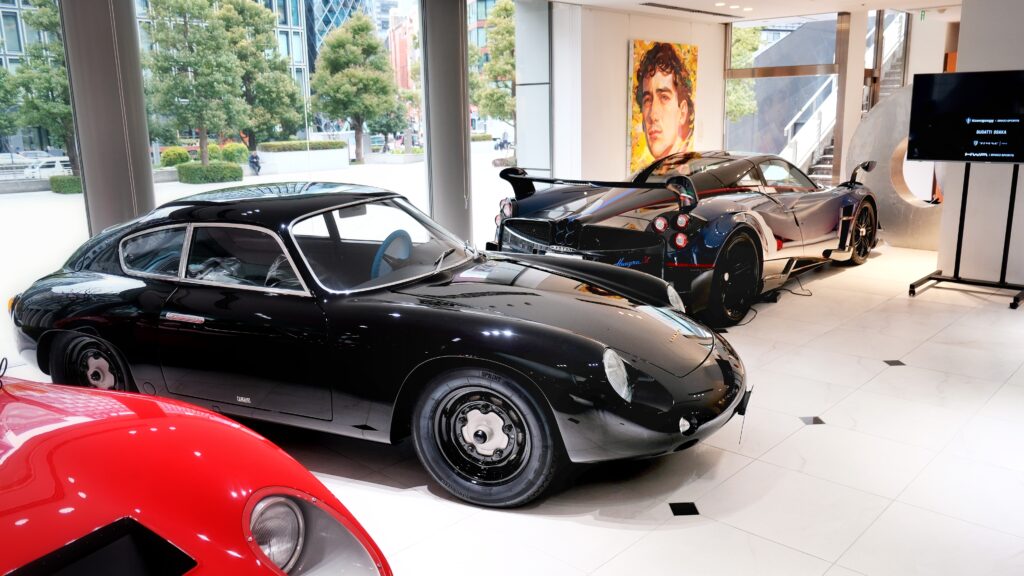
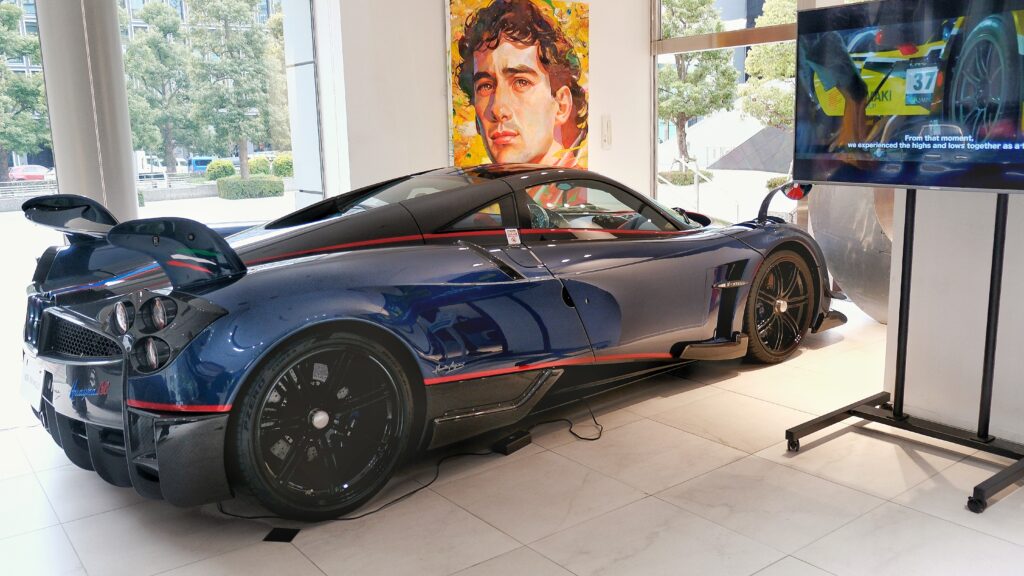
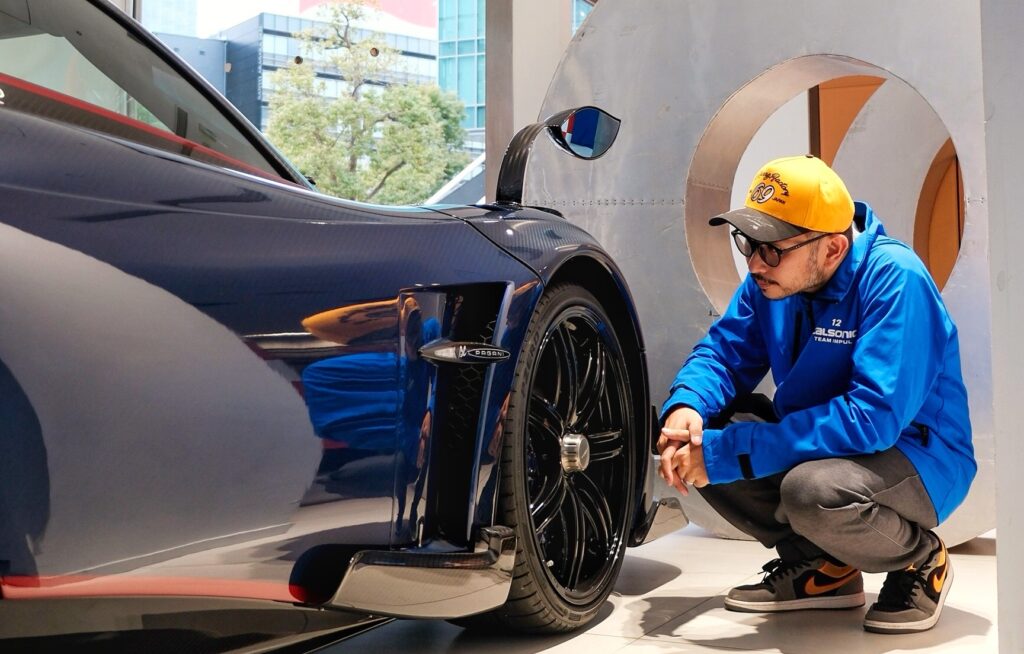
Not far away sat one of the most beautiful hypercars ever created, the Pagani Huayra BC.
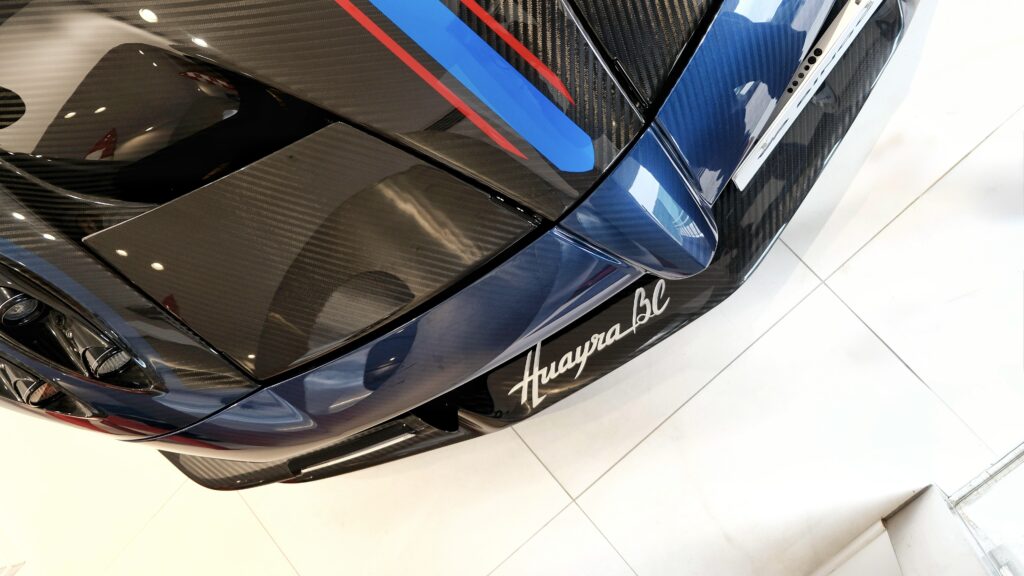
Named after Benny Caiola, Horacio Pagani’s first customer and close friend, the BC is the more focused and aggressive version of the already spectacular Huayra. Every component seems handcrafted, from the exposed carbon fiber body panels to the intricate aerodynamic elements.
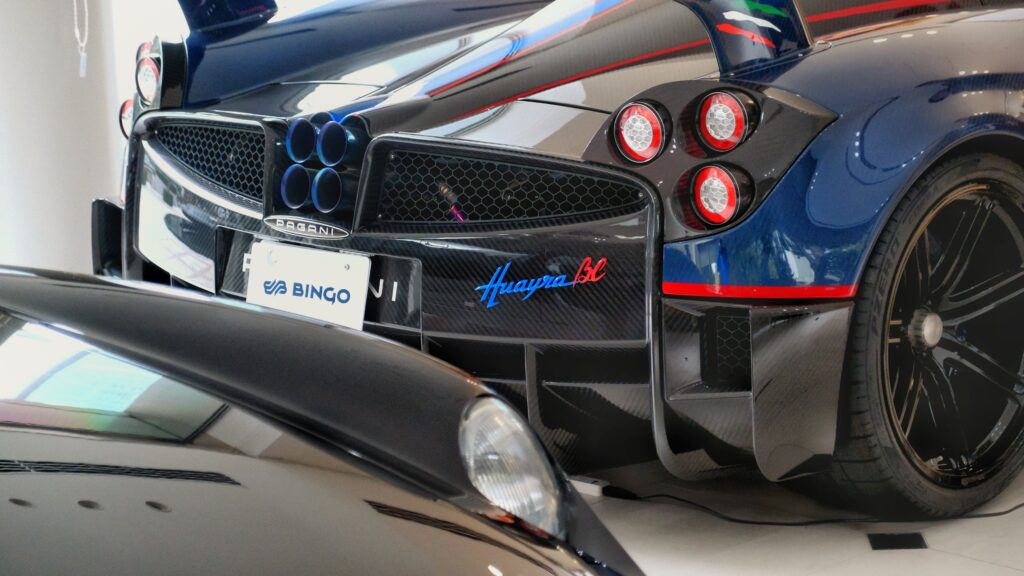
Unlike many performance-focused variants, the Huayra BC wasn’t simply engineered for speed.
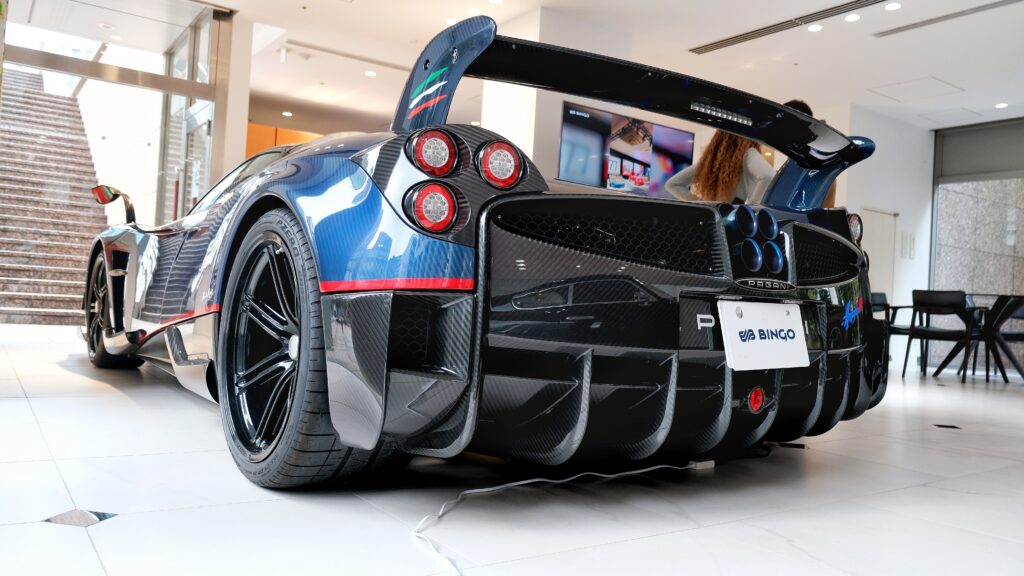
It was designed to create a deeper emotional connection between driver and machine. The result is a car that feels more like rolling artwork than transportation.
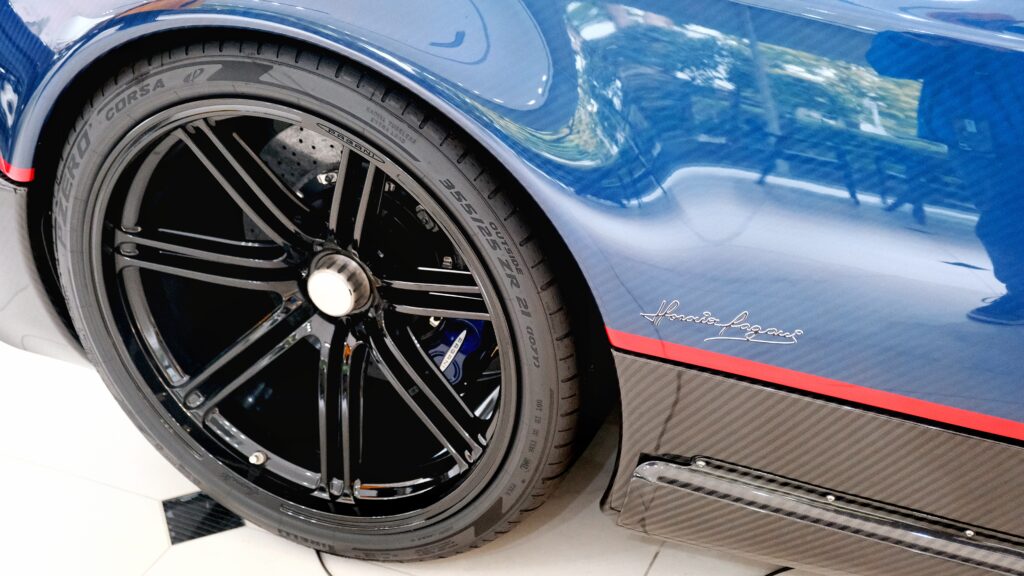
Even among a collection filled with automotive legends, the Pagani managed to command attention.
A Rare Porsche Few Have Seen
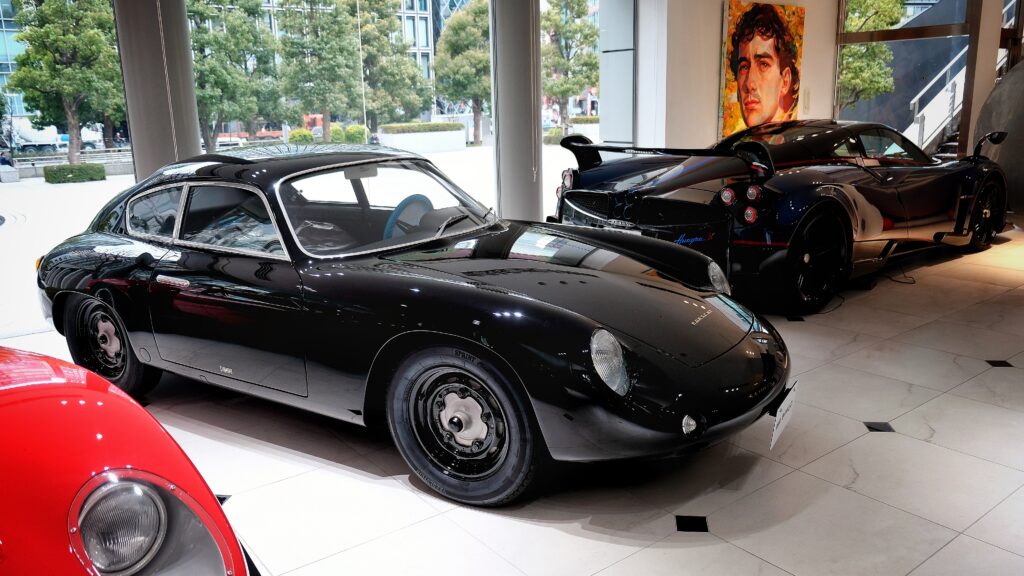
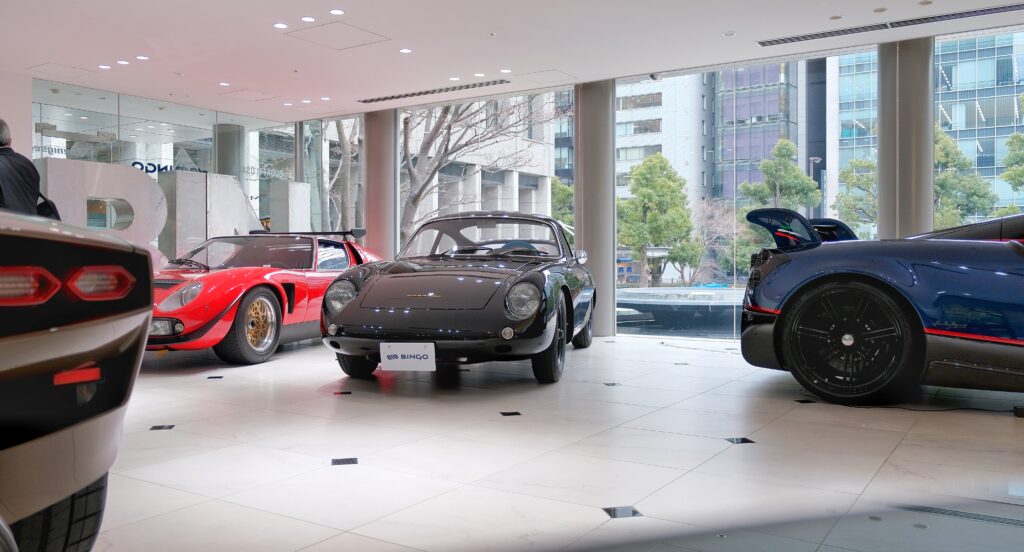
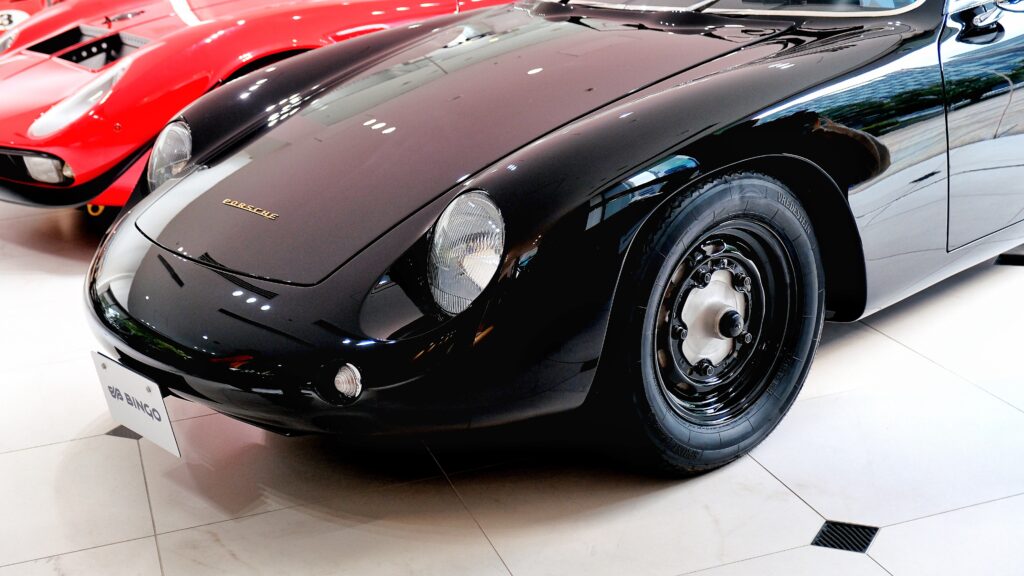
One of the biggest surprises of the visit was encountering the Porsche 356 Zagato.
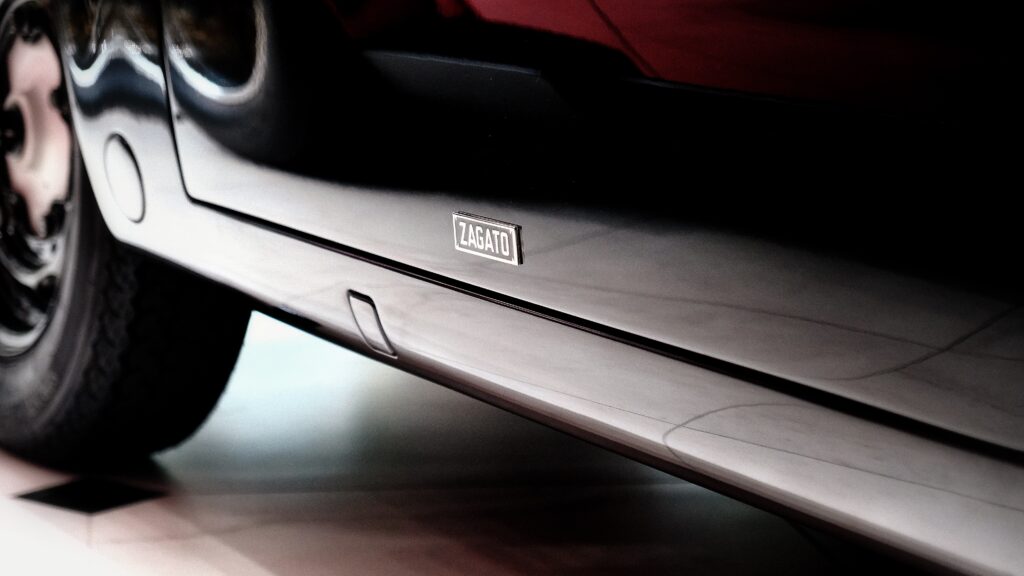
While the Porsche 356 itself is an automotive icon as the brand’s first production sports car, the Zagato interpretation introduces a unique Italian twist to the German classic. The collaboration blends Porsche’s engineering heritage with the timeless styling philosophy of renowned Italian coach builder Zagato.
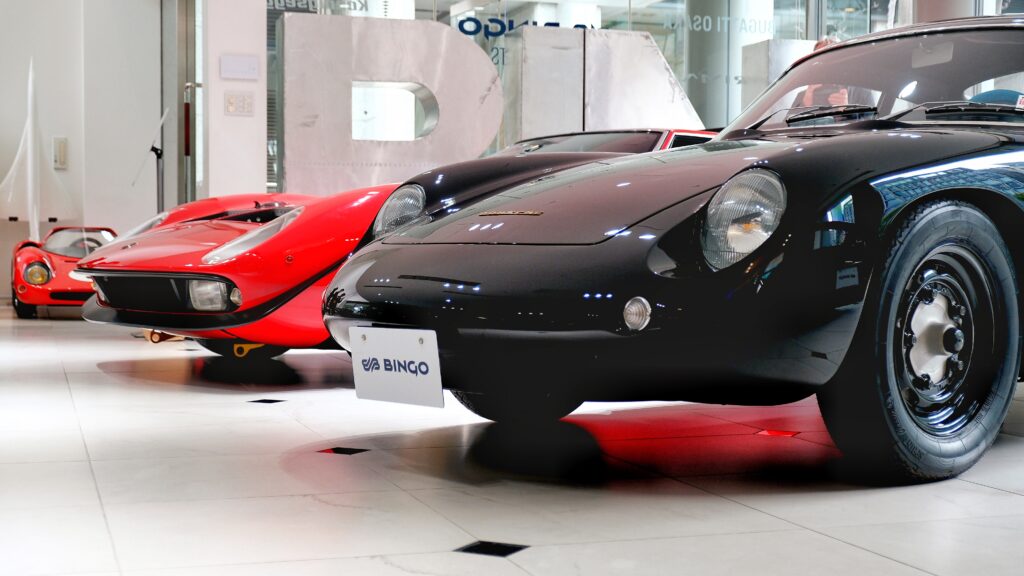
Its rarity alone makes it special, but what stood out most was how effortlessly it connected two distinct automotive cultures under one design.
Meeting the Car That Started It All
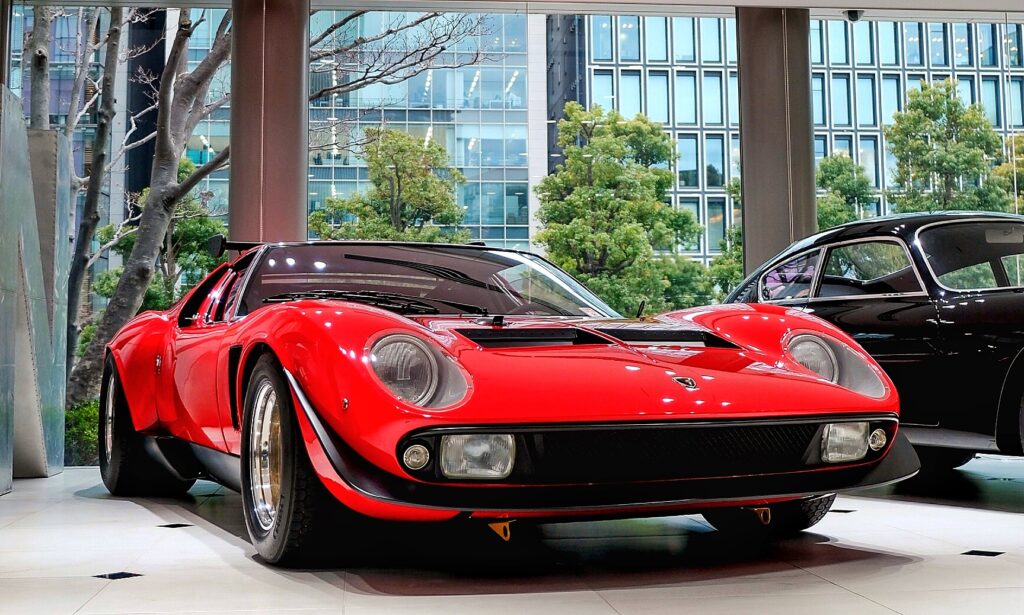
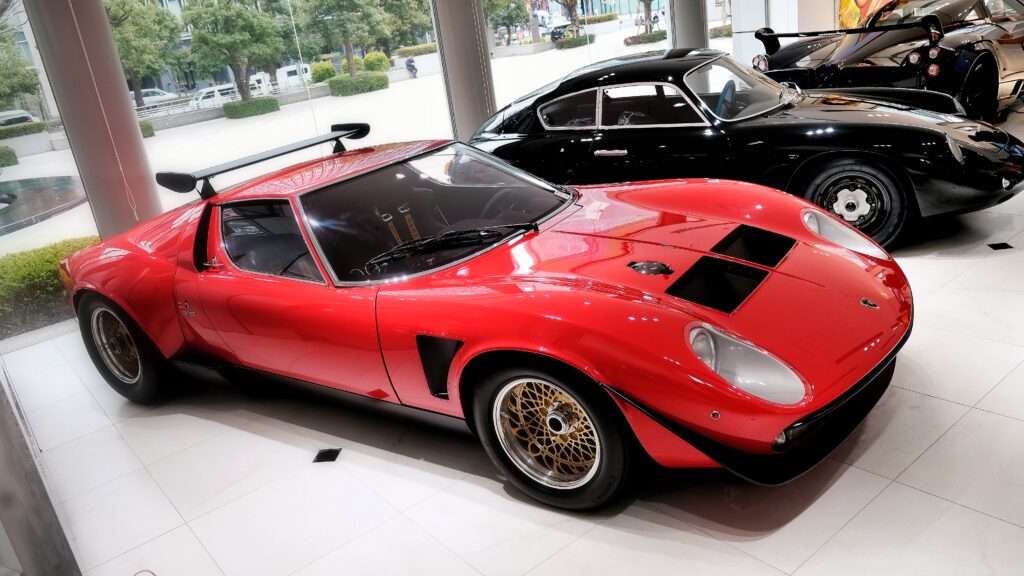
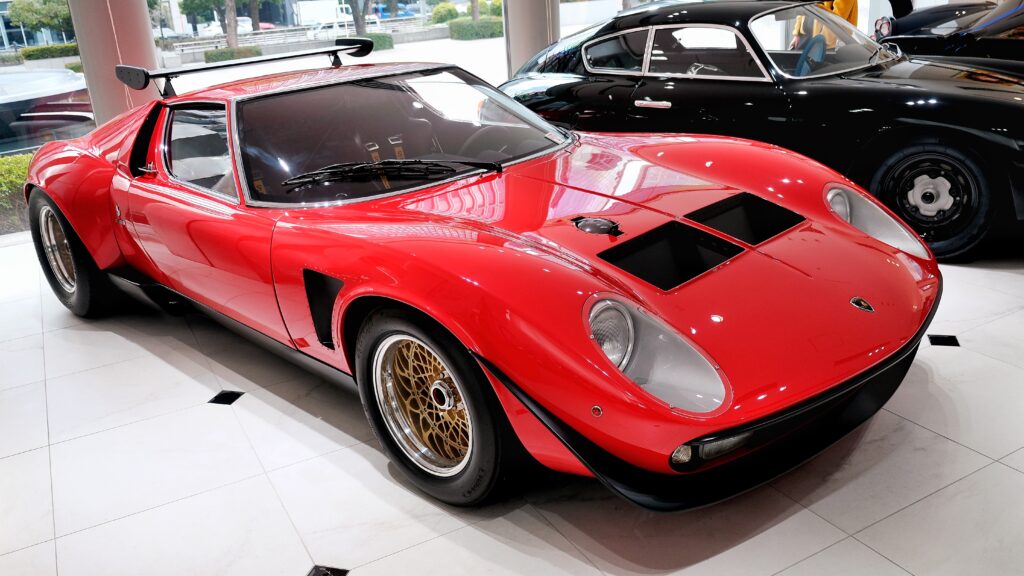
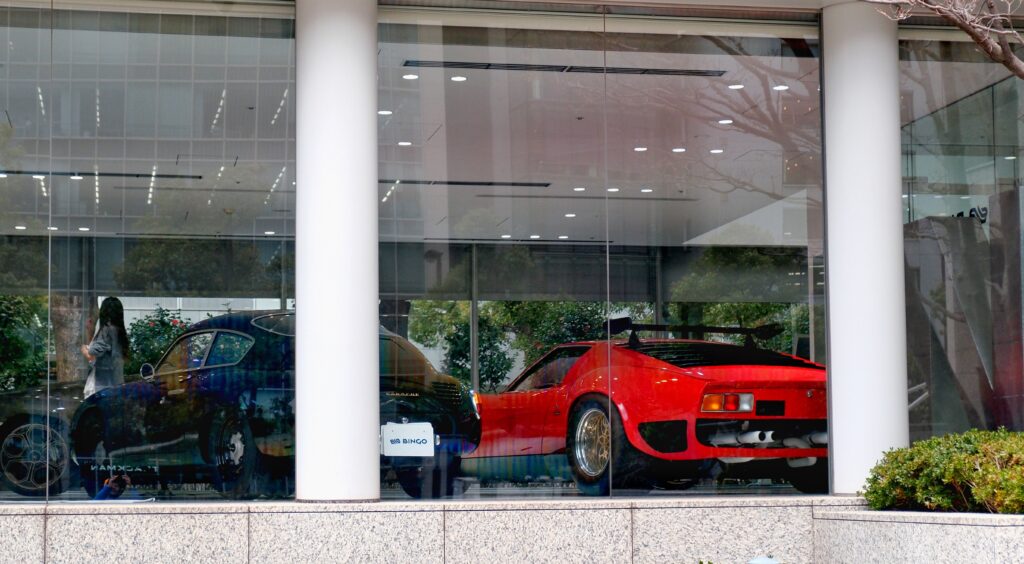
If one vehicle truly represented automotive history, it was the Lamborghini Miura.
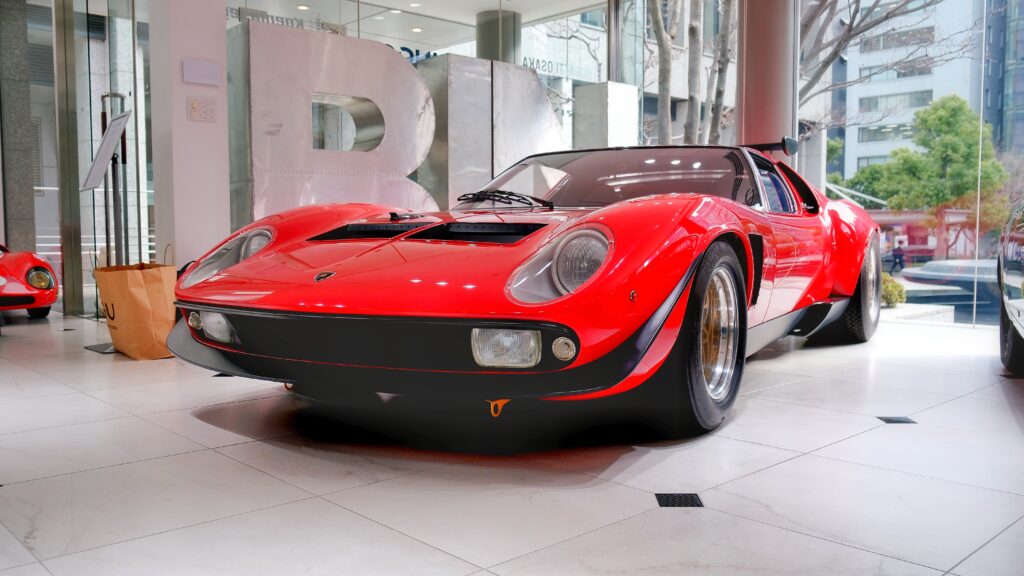
Introduced in the 1960s, the Miura is often credited as the world’s first true supercar. Its revolutionary transverse mid-engine layout transformed performance car design and established a formula that continues to influence exotic cars today.
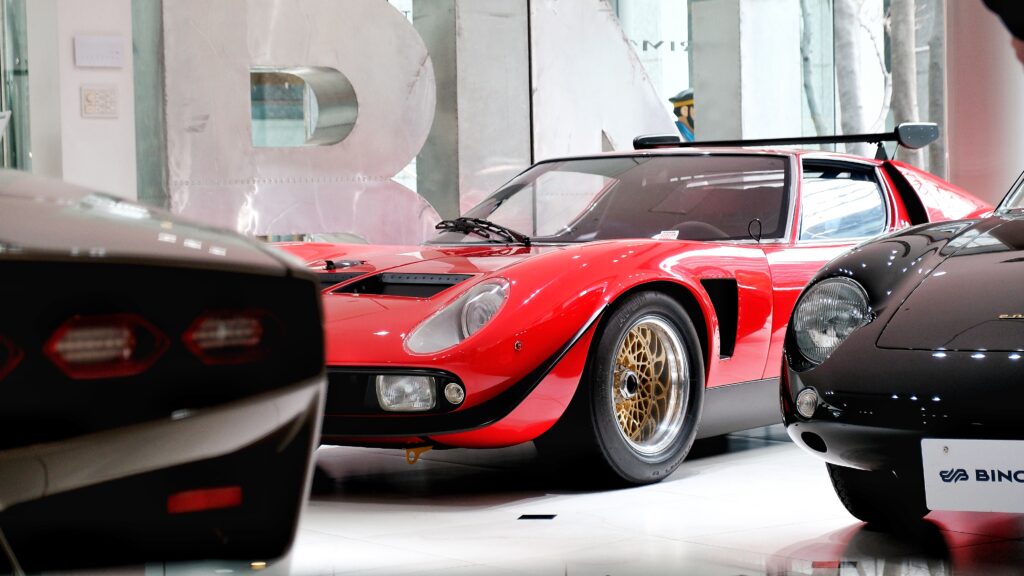
Despite being surrounded by modern hypercars with astronomical performance figures, the Miura still captivated me upon seeing it. Its proportions remain timeless, and its influence is impossible to overstate.
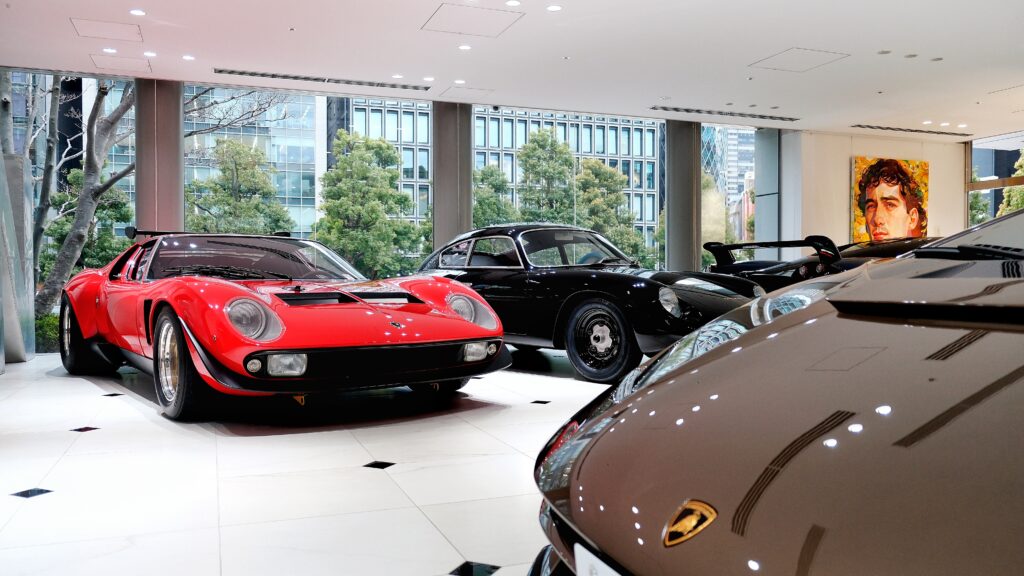
Standing between the Miura and the modern Countach felt like witnessing Lamborghini’s evolution across generations. From the car that helped invent the supercar category to one that became one of the most recognizable automotive shapes in history.
Hidden Beneath the Covers
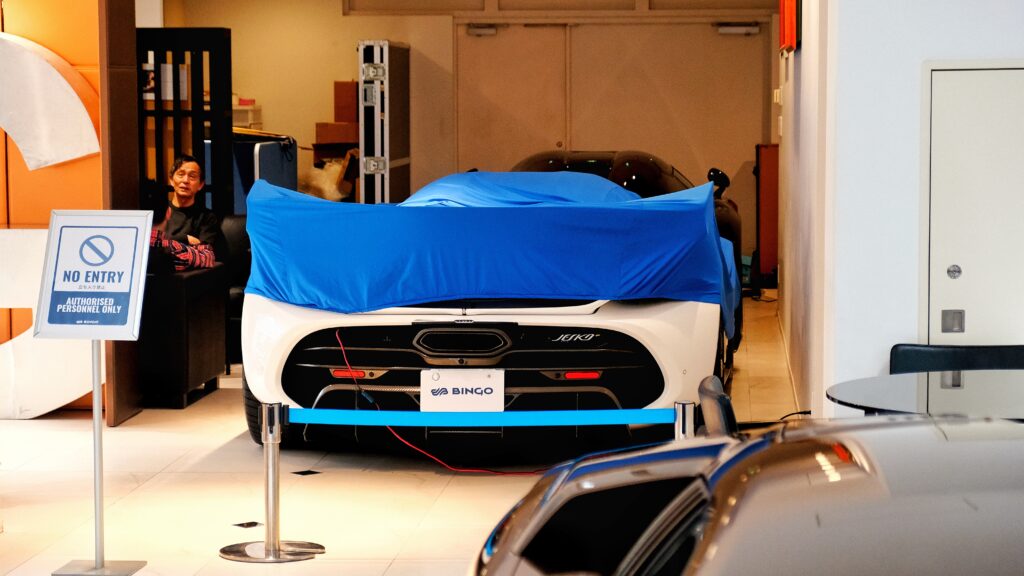
Interestingly, some of the most exciting cars weren’t fully visible.

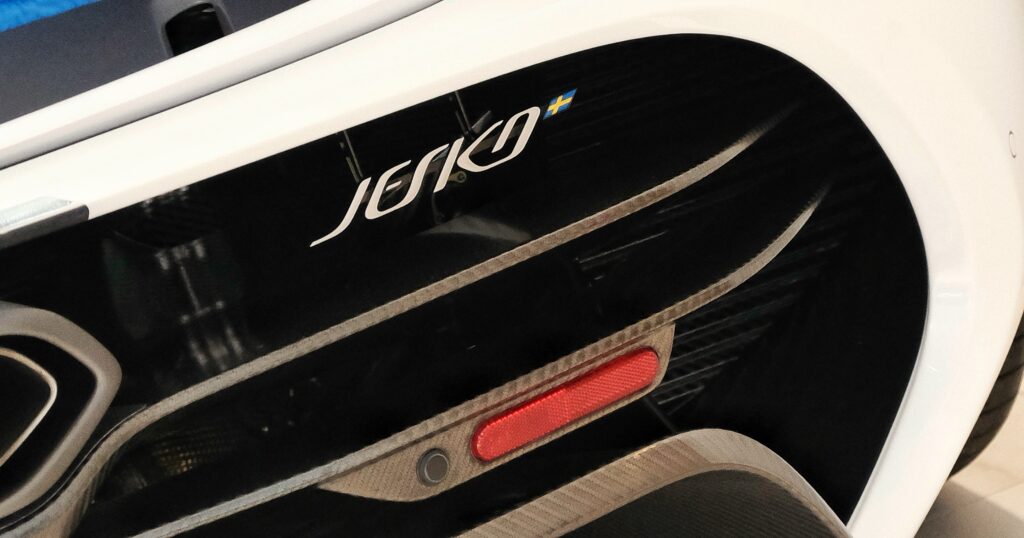
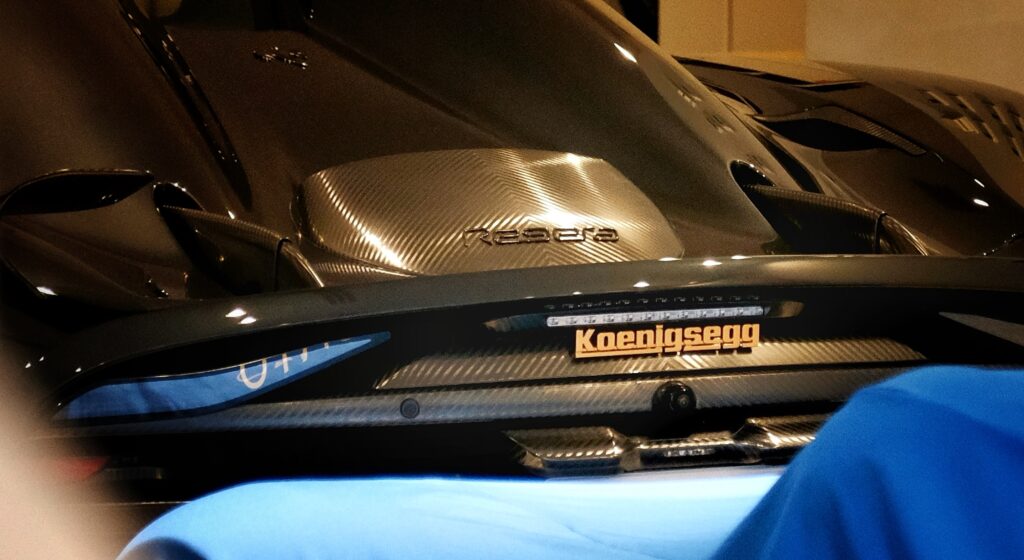
Two vehicles remained covered, yet their unmistakable silhouettes gave away their identities. With some parts showing, one appeared to be a Koenigsegg Jesko, while the other was a Koenigsegg Regera.
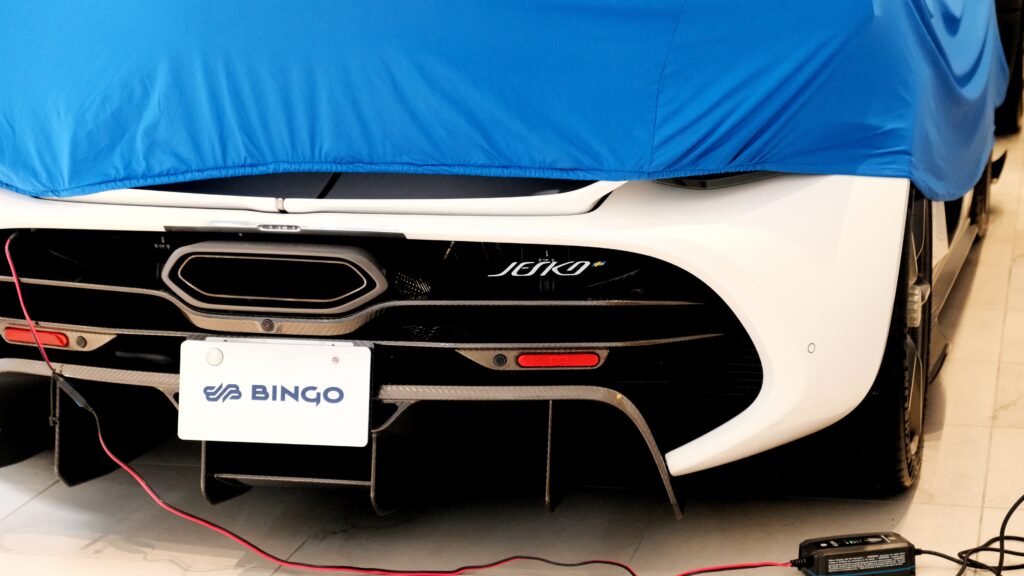
For enthusiasts, these hidden machines felt like automotive Easter eggs.
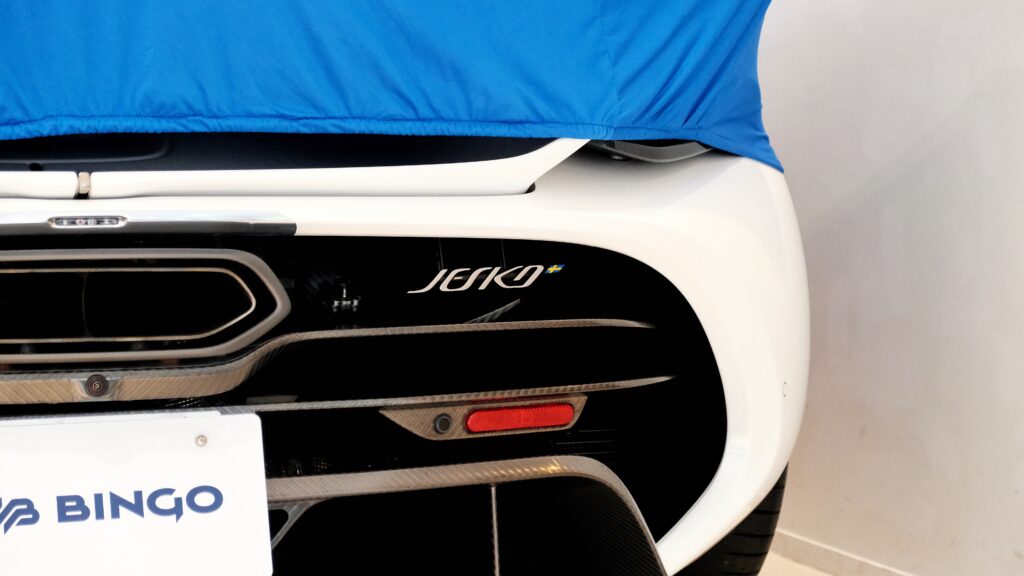
The Jesko represents Koenigsegg’s relentless pursuit of performance and aerodynamic efficiency. Named after founder Christian von Koenigsegg’s father, it continues the Swedish manufacturer’s quest to push engineering boundaries.
The Regera, meanwhile, remains one of the most technologically innovative hypercars ever built.
The Auction House Behind the Collection
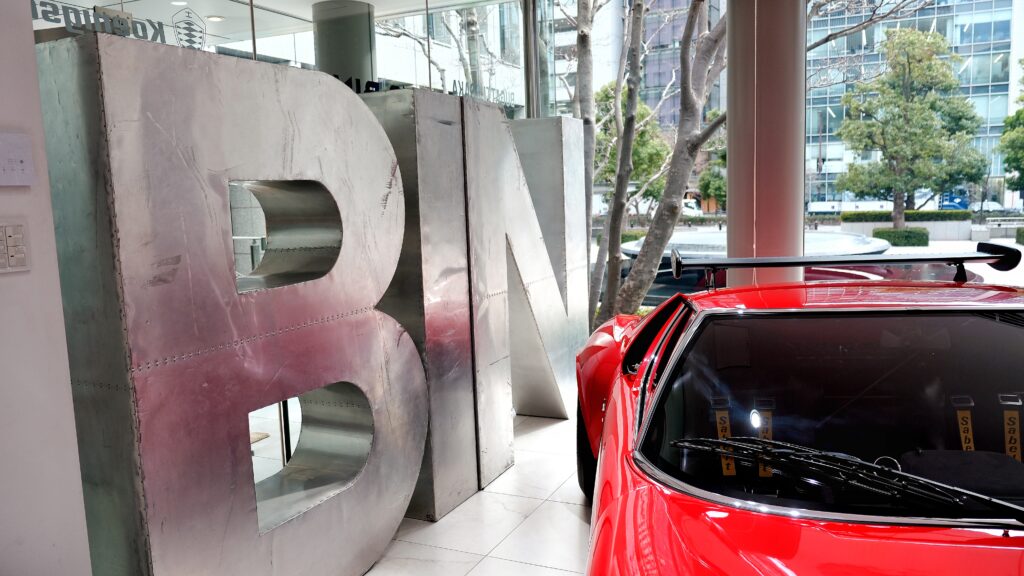
Beyond the stunning display of vehicles, Bingo Sports carries significant influence within the collector-car market.
The company has spent decades building a reputation as one of Japan’s foremost specialists in rare and investment-grade automobiles. Through private sales, international brokerage services, and auctions, it has become an important bridge connecting collectors around the world.
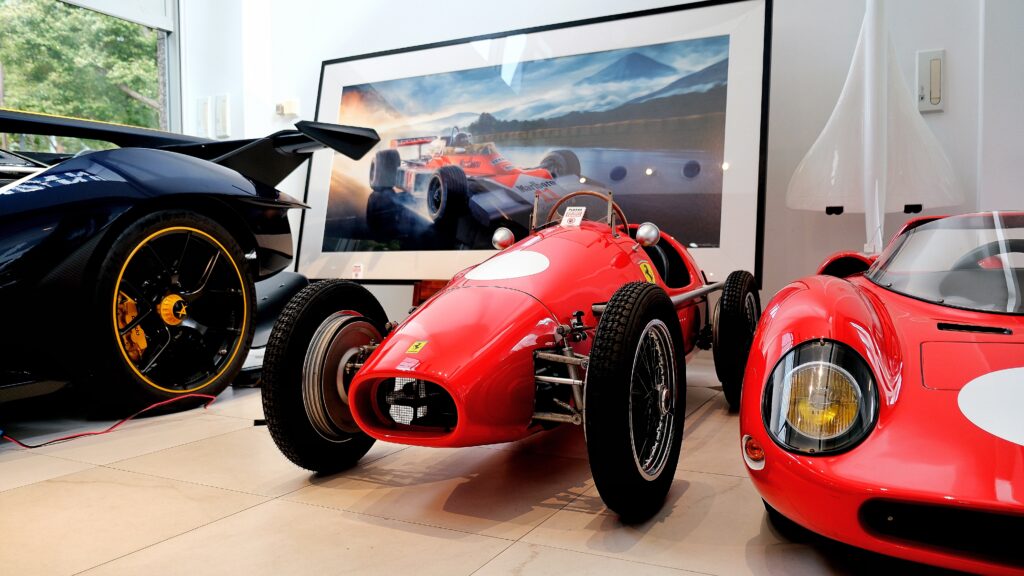
Every car passing through its doors carries a unique story. Whether it’s a historically significant classic, a modern hypercar, or a low-production collector’s item destined for another owner.
A Different Kind of Automotive Pilgrimage
What made the experience memorable wasn’t simply the value of the cars on display. It was the perspective they offered.
Japan’s automotive culture is often associated with jdm icons, drift cars, and tuner legends. Bingo Sports reminds us that there is another side to that culture. One rooted in preservation, history, craftsmanship, and collecting.
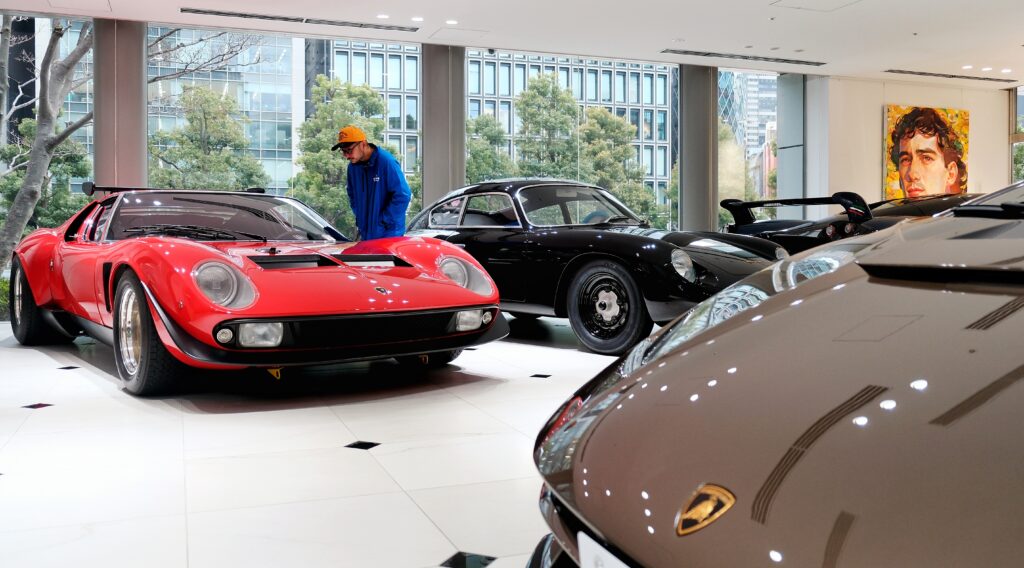
For a traveling car enthusiast, it was an amazing automotive detour. A brief escape from what we typically see around Tokyo and an opportunity to appreciate some of the world’s most extraordinary machines under one roof.
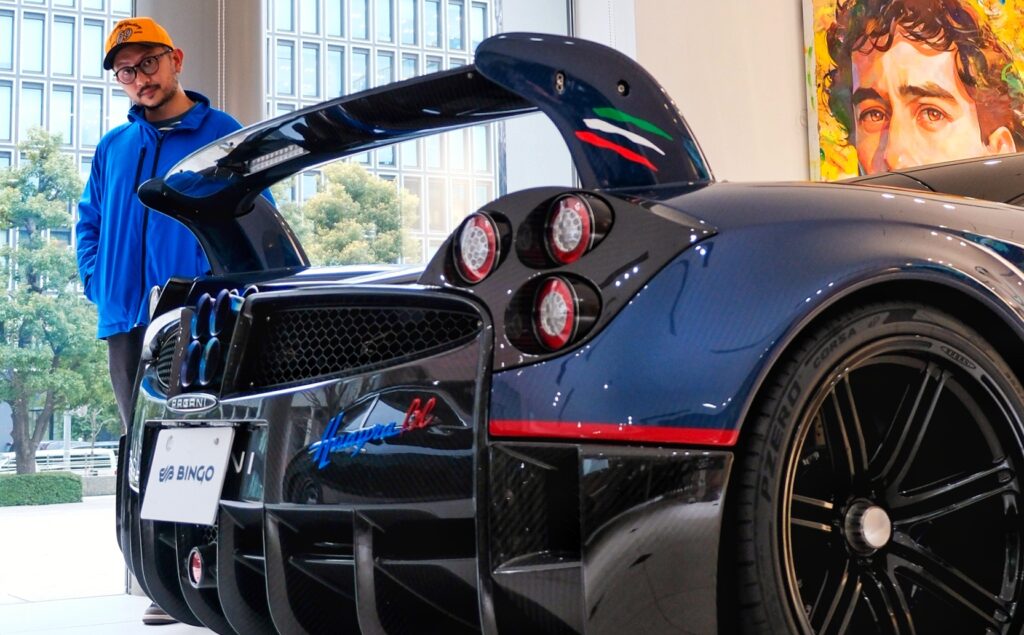
And sometimes, discovering the unexpected becomes the highlight of the journey.