
Most adventures are are meticulously planned. But some of the best ones happen entirely by accident.
Mine came while planning a business trip to Tokyo, Japan with my wife Erica, our resident food and fashion expert.
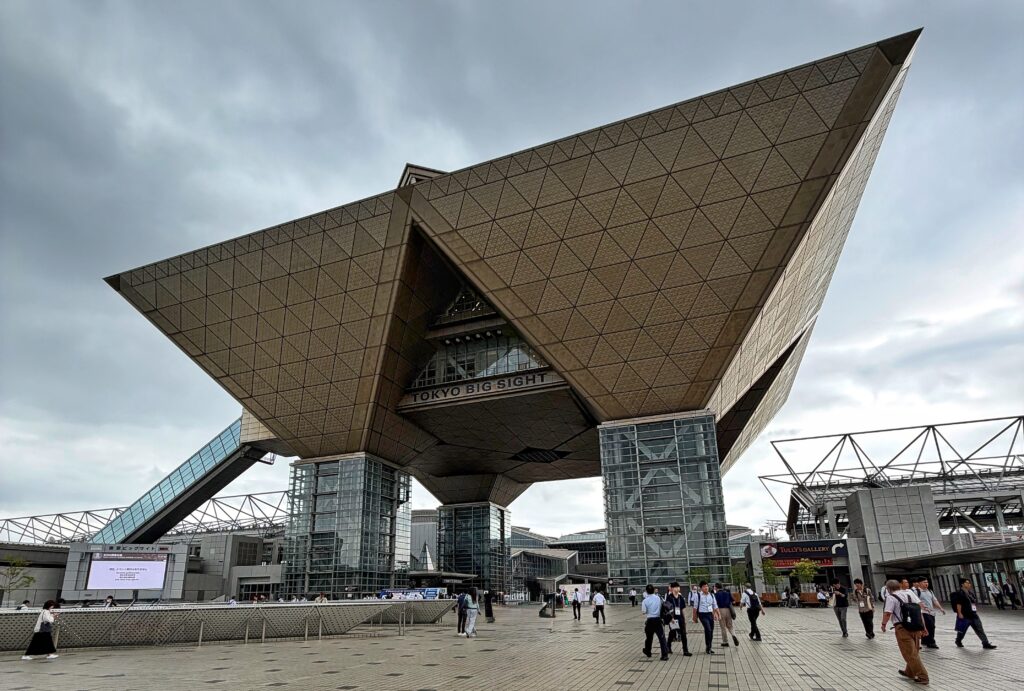
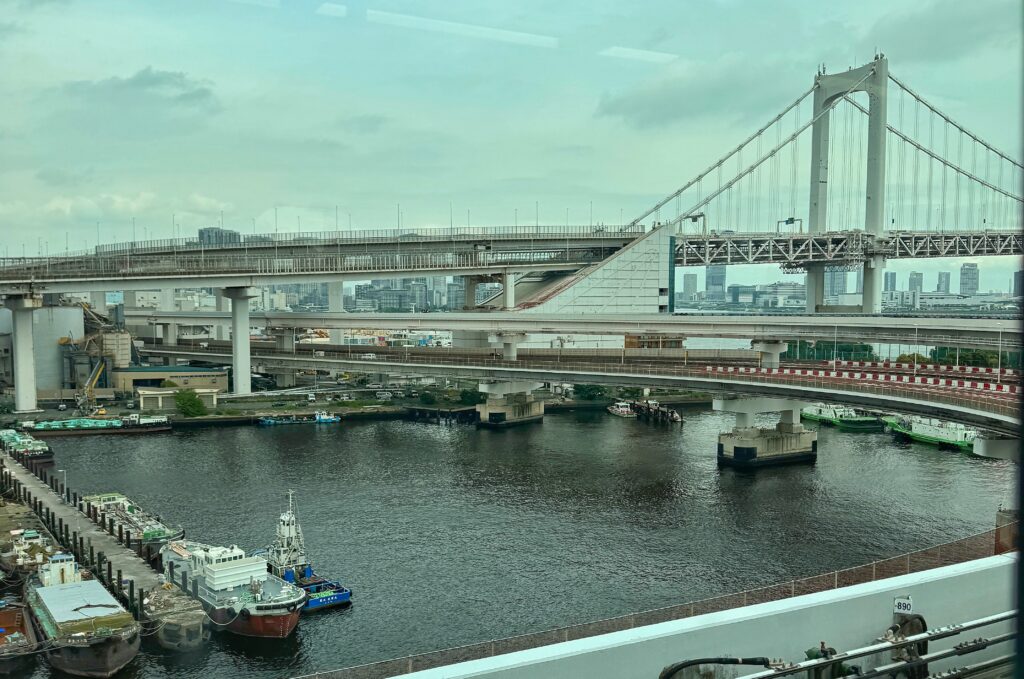
We were attending a trade show at Tokyo Big Sight, and I wanted a hotel with direct access to the venue via the Yurikamome Line which stops directly in front of Tokyo Big Sight. As an y Japan veteran knows, anything other than the train and walking is expensive in Tokyo.
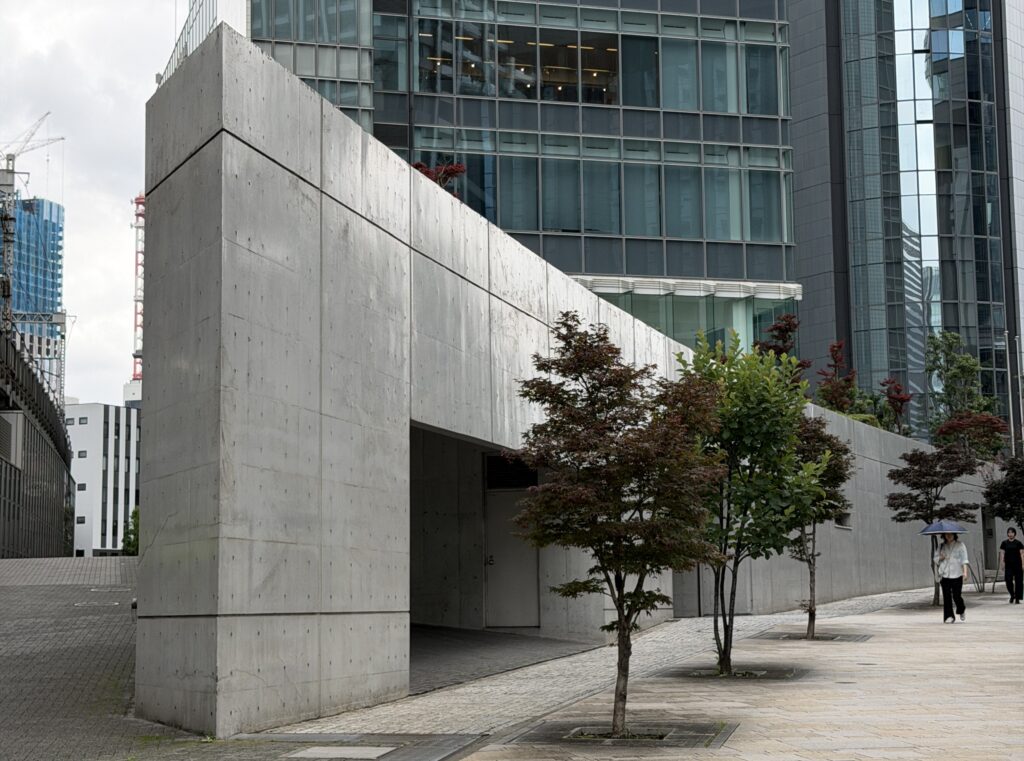
While studying the route, one marker on Google Maps immediately caught my attention: TOM’S Showroom, located beside Odaiba-Kaihinkoen Station and inside the Daiba Frontier Building.
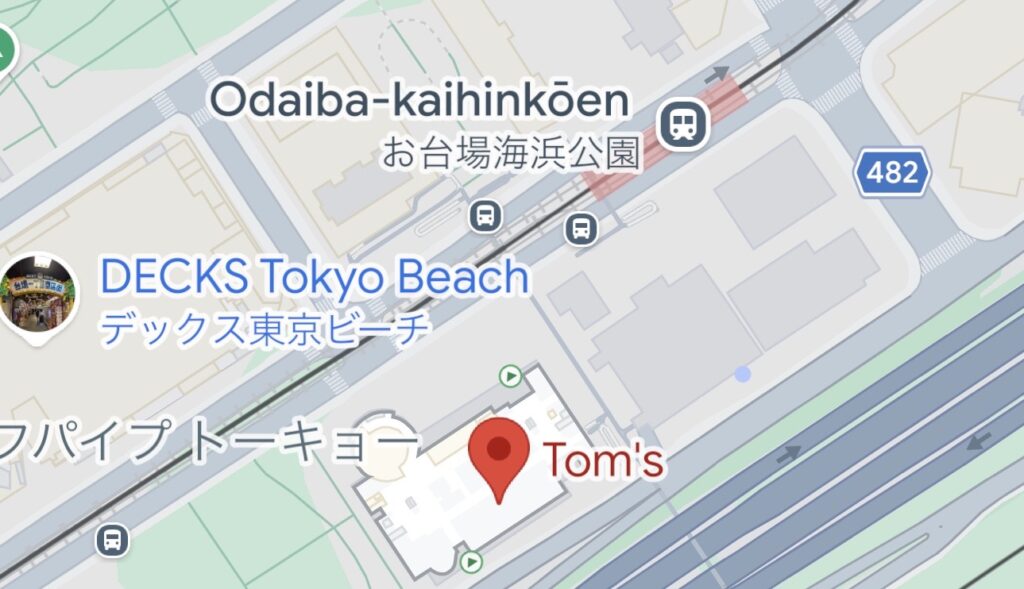
The itinerary suddenly gained another destination. I hadn’t planned any car related activities, and it was the first time since I started going to Tokyo way back in 2005, that I didn’t plan on going to A-Pit Autobacs, only a station or so away from Tokyo Big Sight.
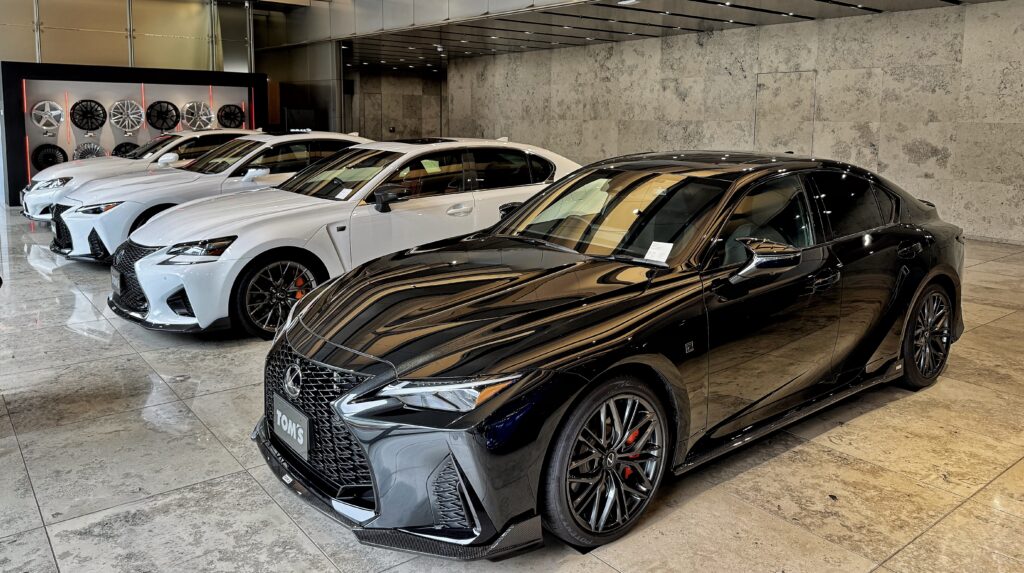
But since this was only a few stops before our stop at Tokyo Big Sight, and within easy access to our hotel via the Yurikamome Line, we decided to go check it out and satisfy my curiosity.
For anyone with even a passing interest in Toyota performance cars, TOM’S is a name spoken with reverence. Founded in 1974 by former Toyota factory driver Nobuhide Tachi and dealership engineer Kiyoshi Oiwa, Tachi Oiwa Motor Sport—better known as TOM’S—grew from humble beginnings during the 1970’s oil crisis and into Toyota’s most celebrated third-party racing and tuning partner.
Toyota officially recognized TOM’S as an authorized tuning company just a year later, beginning a partnership that has produced decades of success.
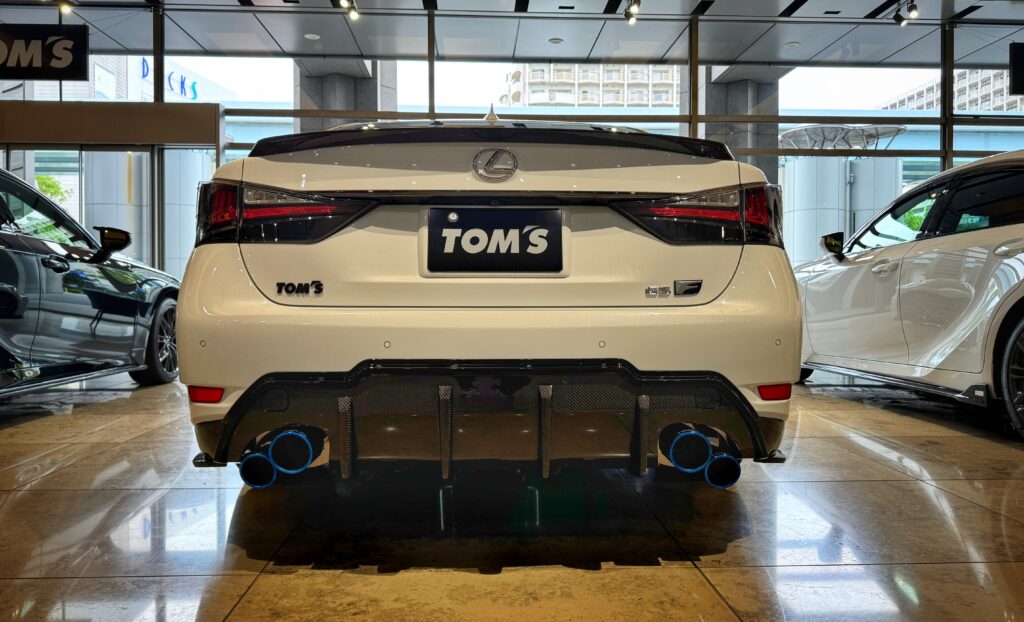
On the racetrack, TOM’S has won championships in Formula 3, Super Formula and Super GT, while achieving a remarkable second-place overall finish at the 1992 24 Hours of Le Mans with the iconic Toyota TS010 Group C prototype.
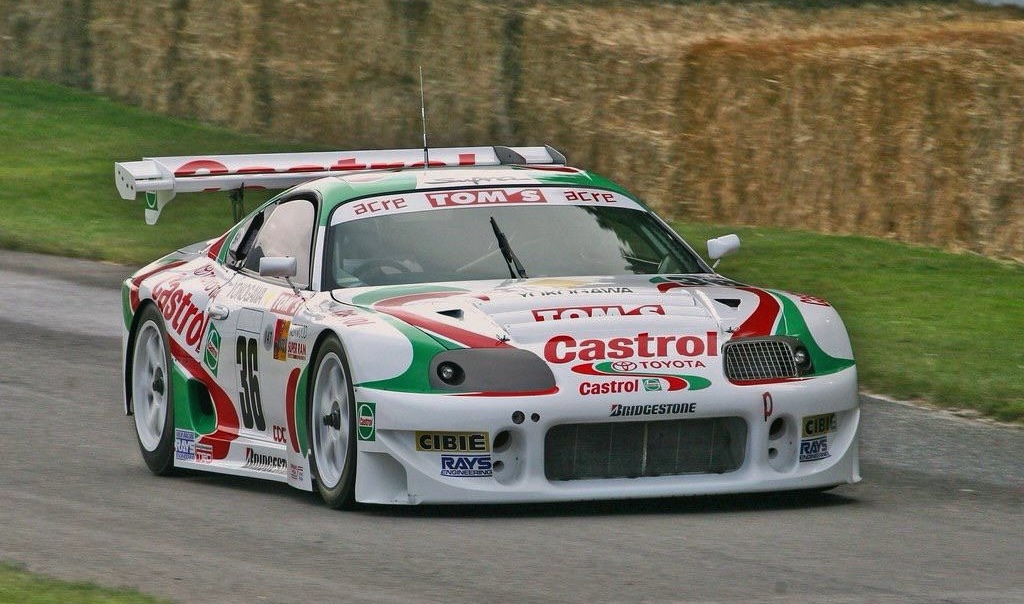
Away from competition, TOM’S became equally influential in Japan’s tuning scene. Its legendary Igeta mesh wheels became a cult classic, with original examples being highly sought after today. Meanwhile, complete cars such as the C5 Soarer, Turbo Altezza and today’s GR Corolla Type TK showcased the company’s philosophy of elevating the performance, styling and exclusivity of Toyota and Lexus models without compromising factory refinement or reliability.
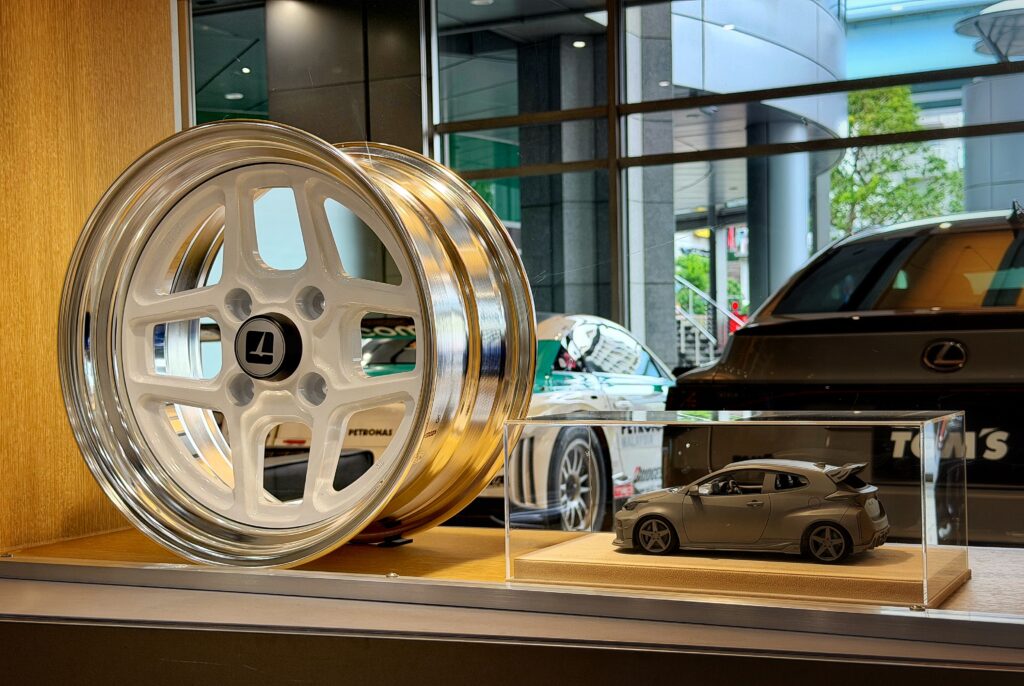
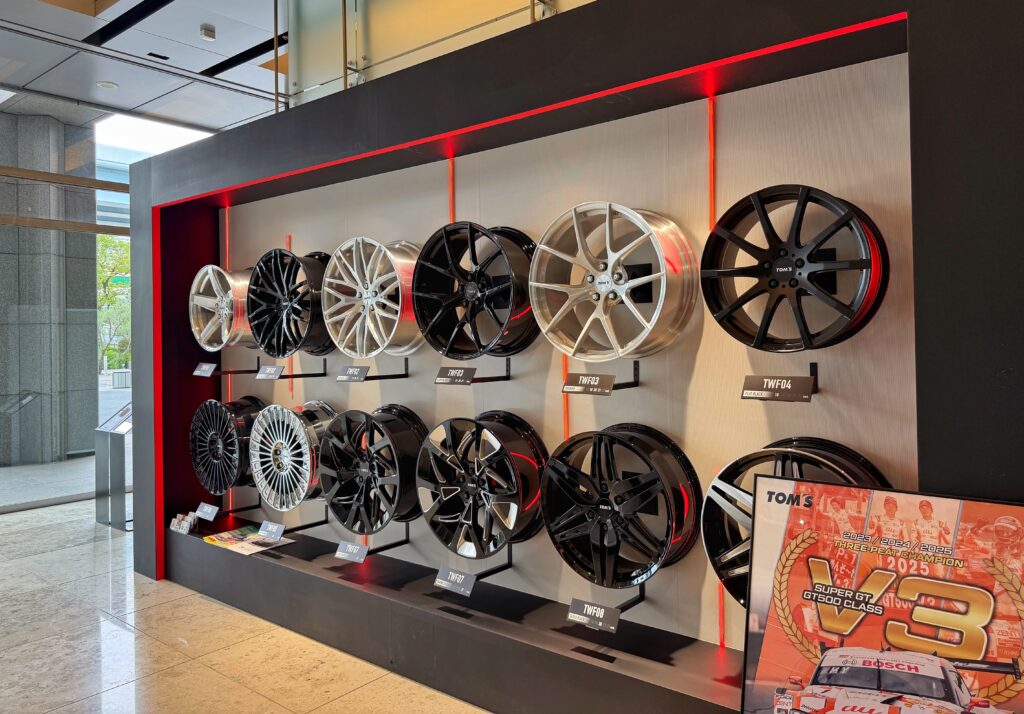
Today, TOM’S continues to bridge motorsport and the road, managing Toyota-backed racing teams while developing premium performance parts and exclusive complete TOM’S-tuned vehicles sold through select Toyota dealerships across Japan.
With that pedigree, visiting TOM’S had long been on my automotive bucket list. Ironically, I found it by accident.
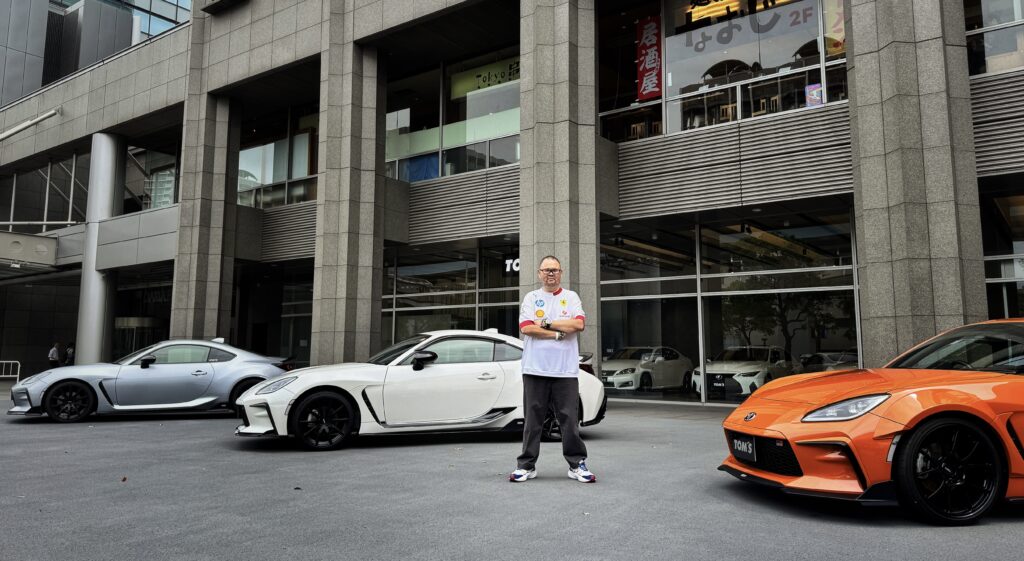
Once our work commitments were over, we took the short ride to Odaiba-Kaihinkoen Station. The showroom proved almost impossible to miss, sitting only a few steps from the station exit.
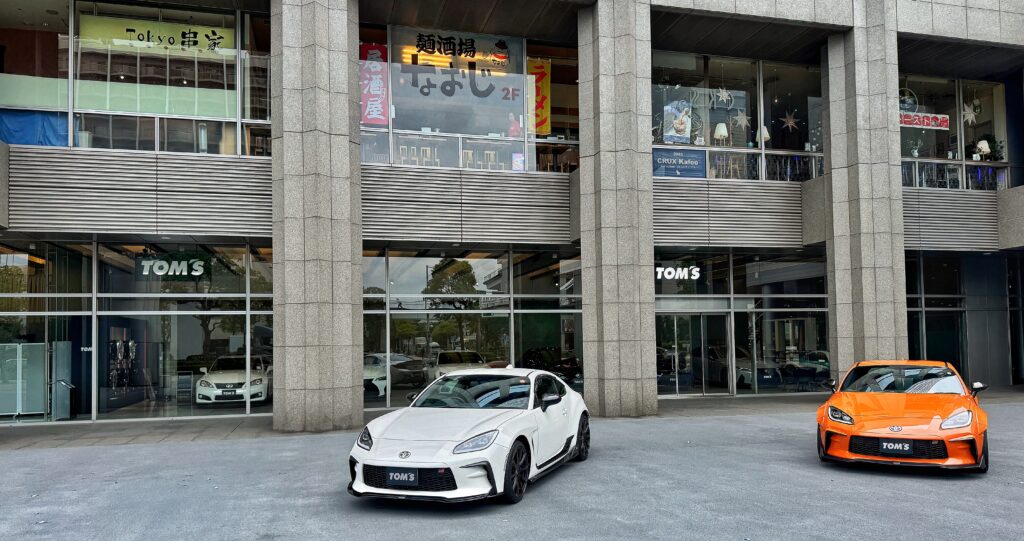
First impressions, however, were initially underwhelming. I was somehow expecting a mini-museum, but instead camme face to face with a literal showroom.
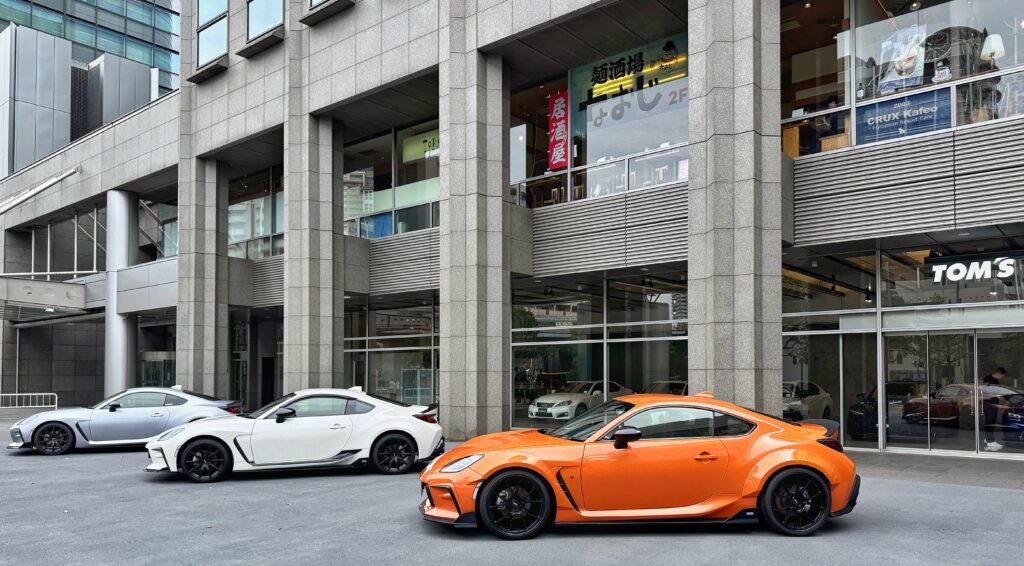
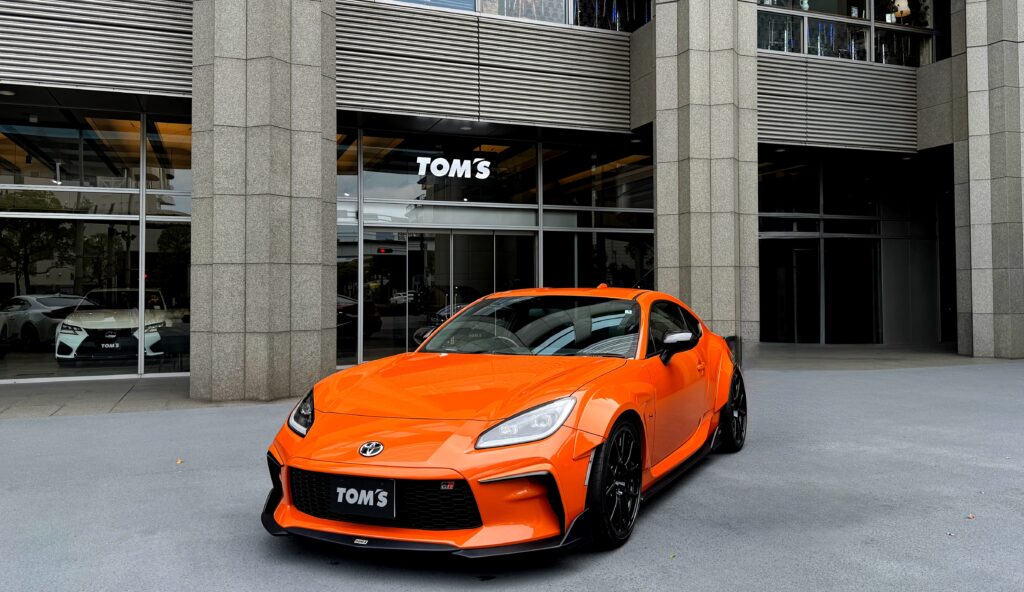
Outside sat several tastefully modified Toyota GR86s wearing subtle TOM’S enhancements. Nice cars, certainly, but hardly the dramatic welcome I had imagined from one of Japan’s greatest tuning houses.
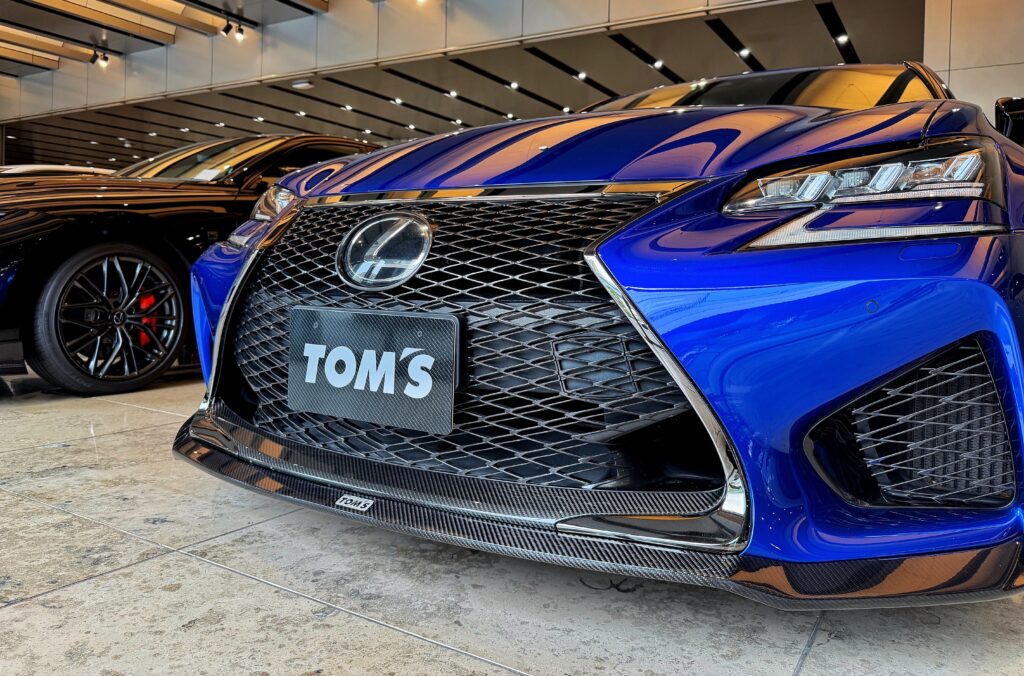
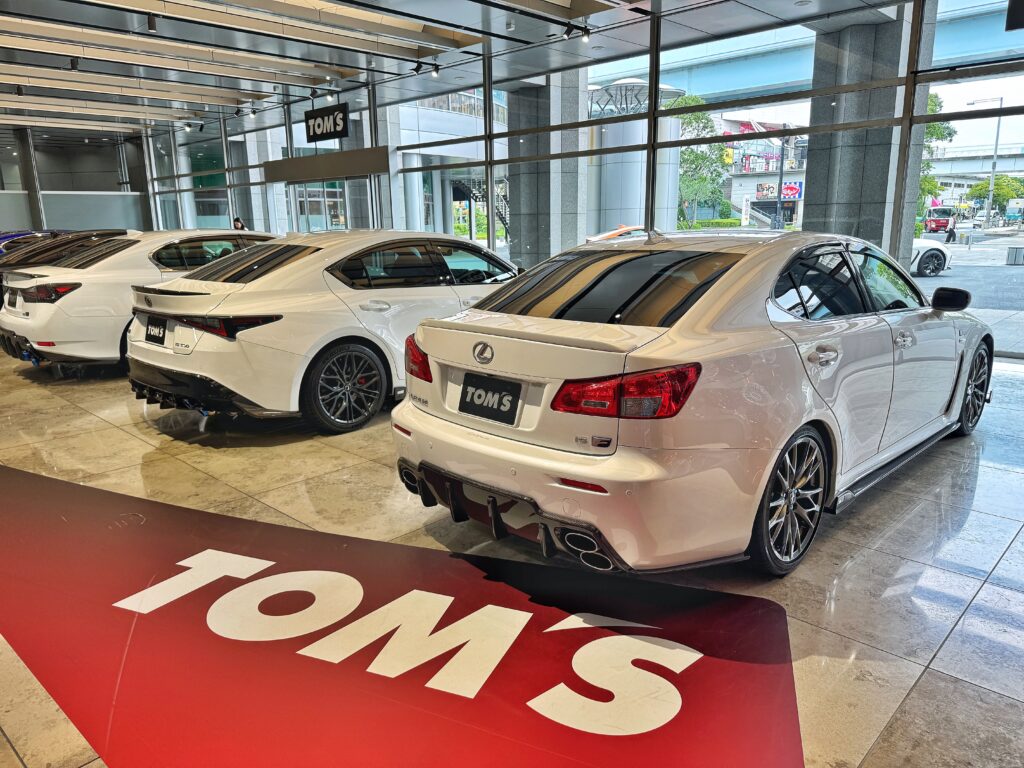
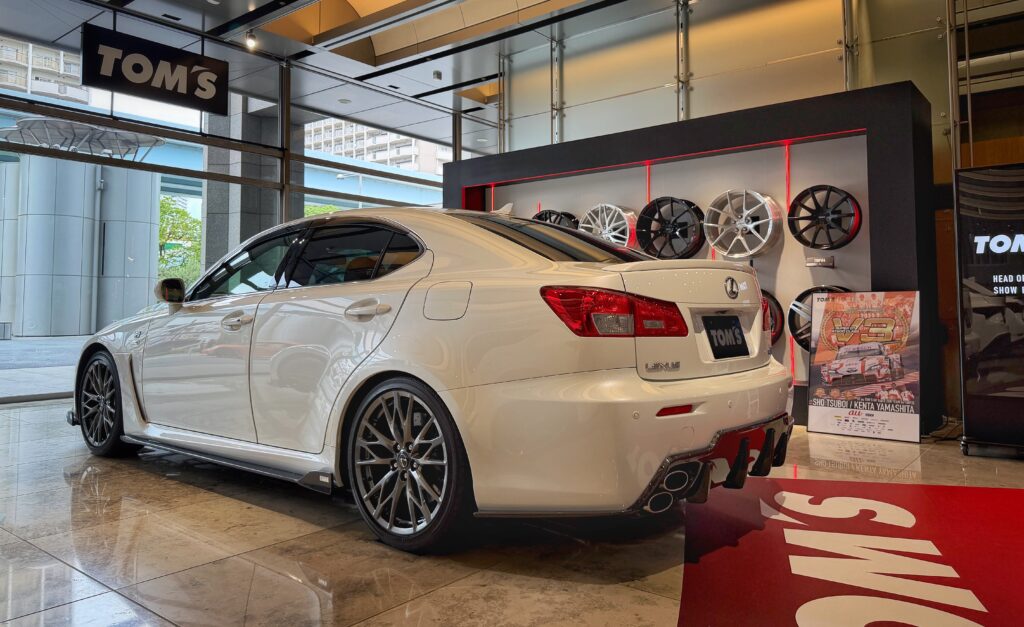
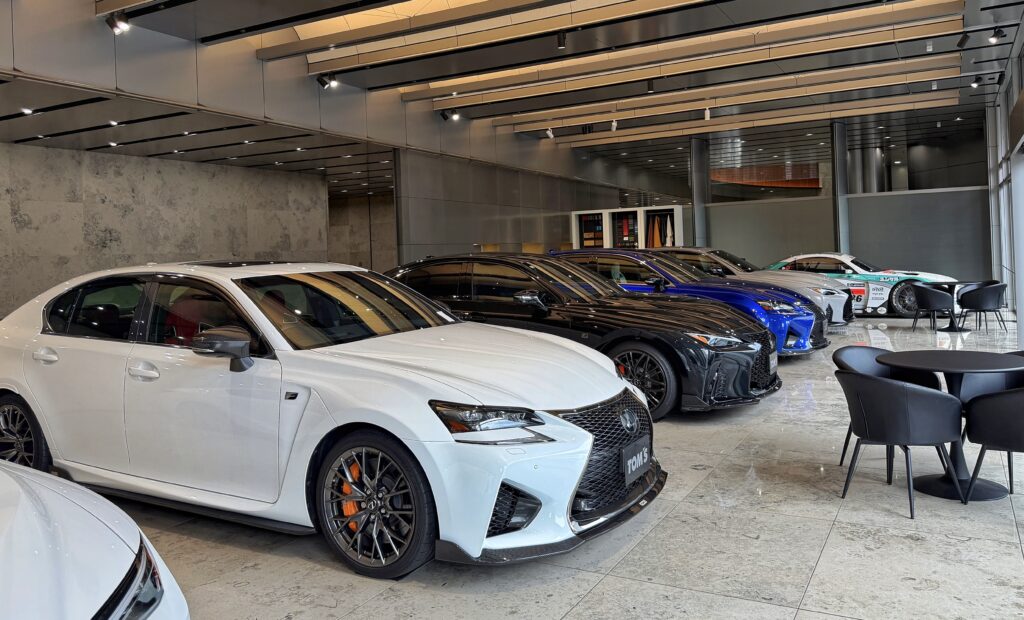
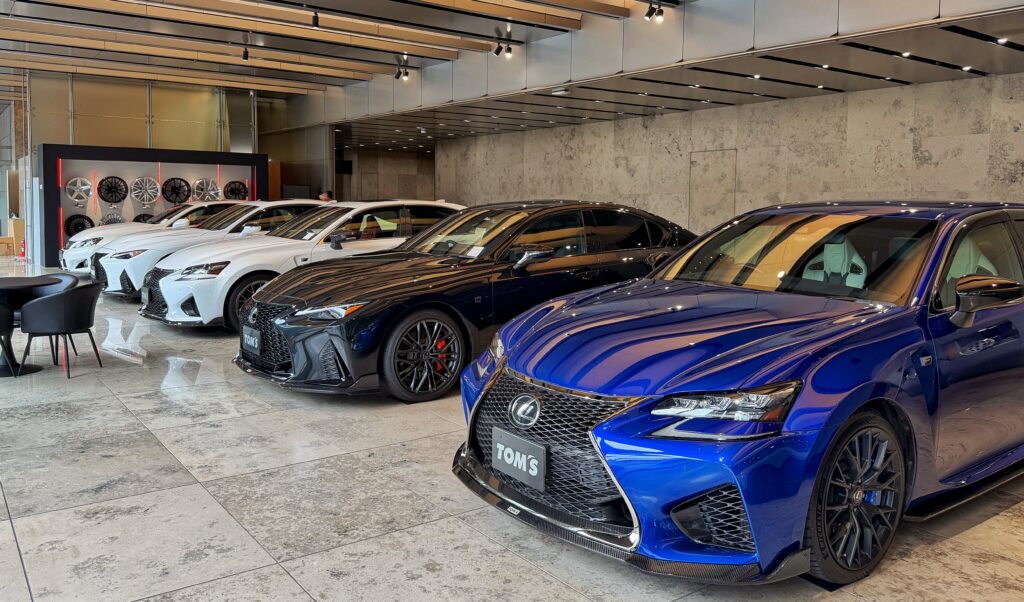
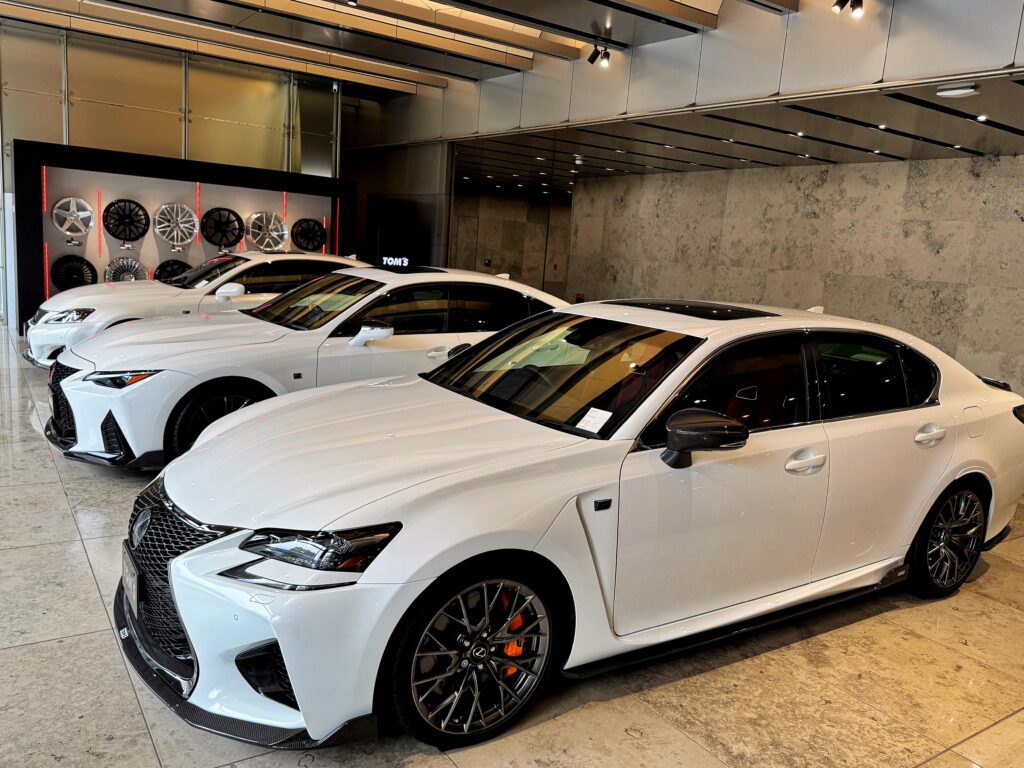
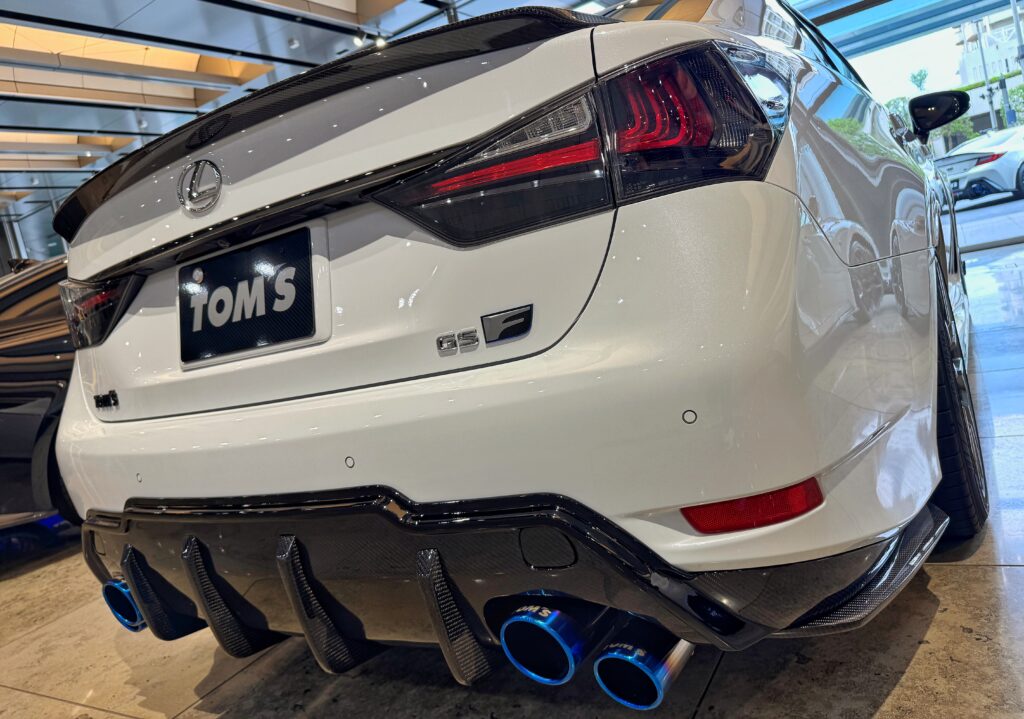
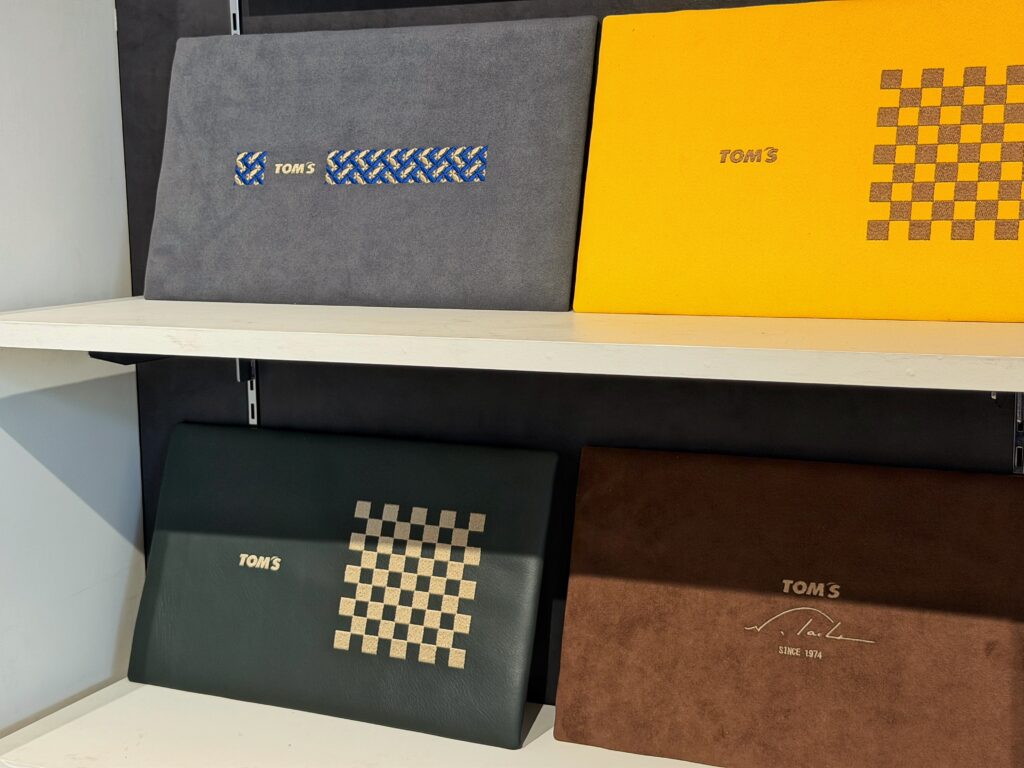
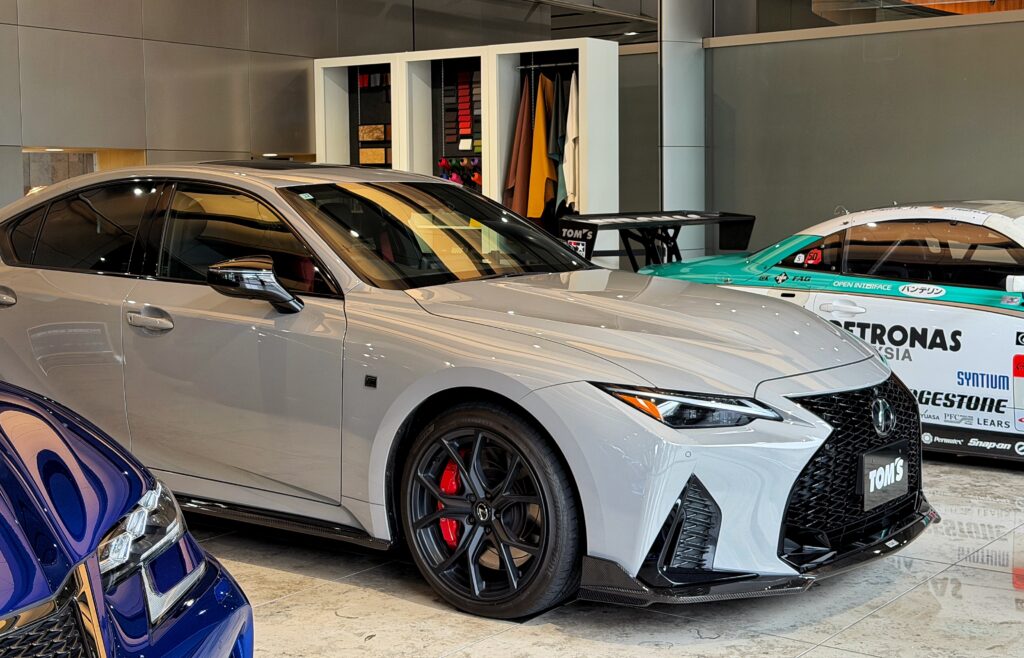
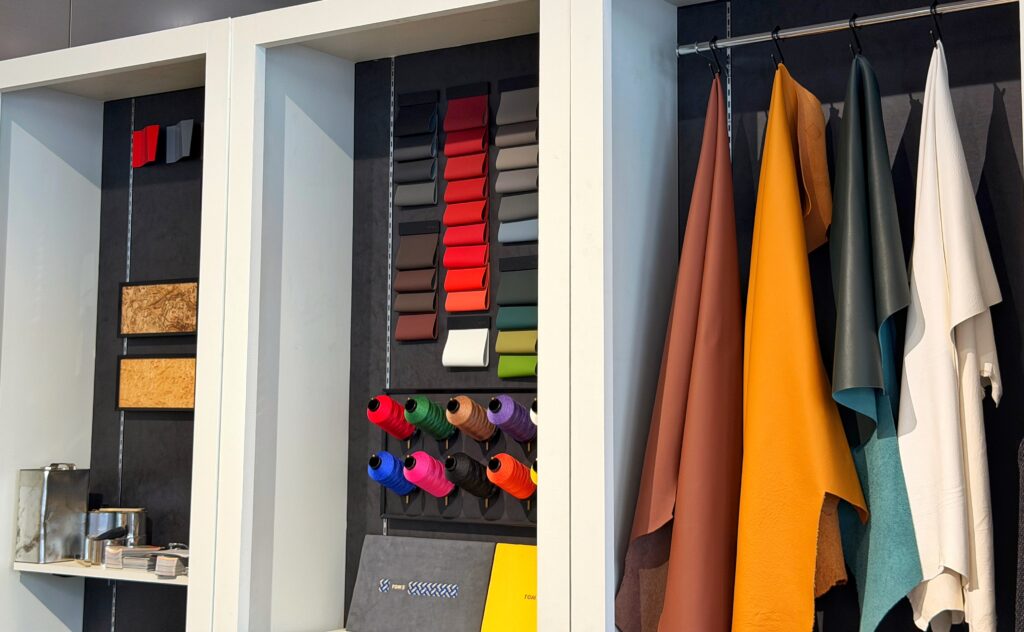
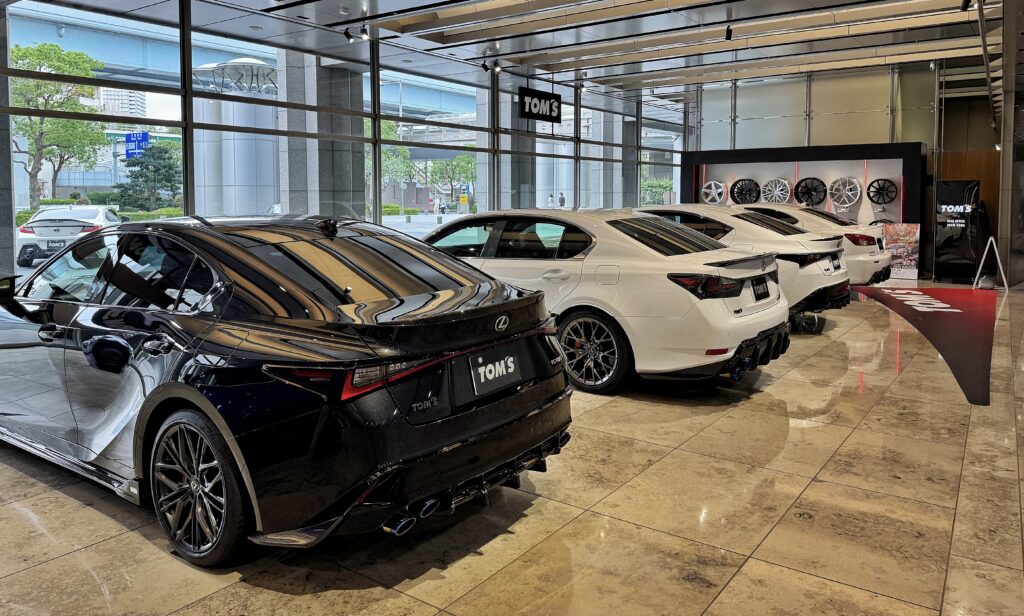
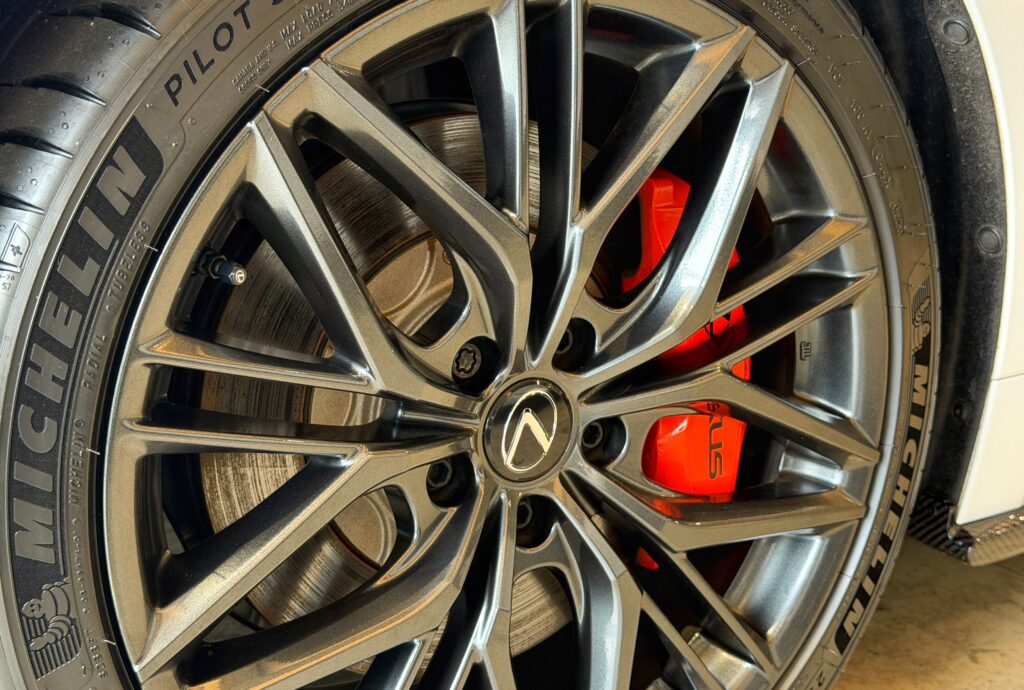
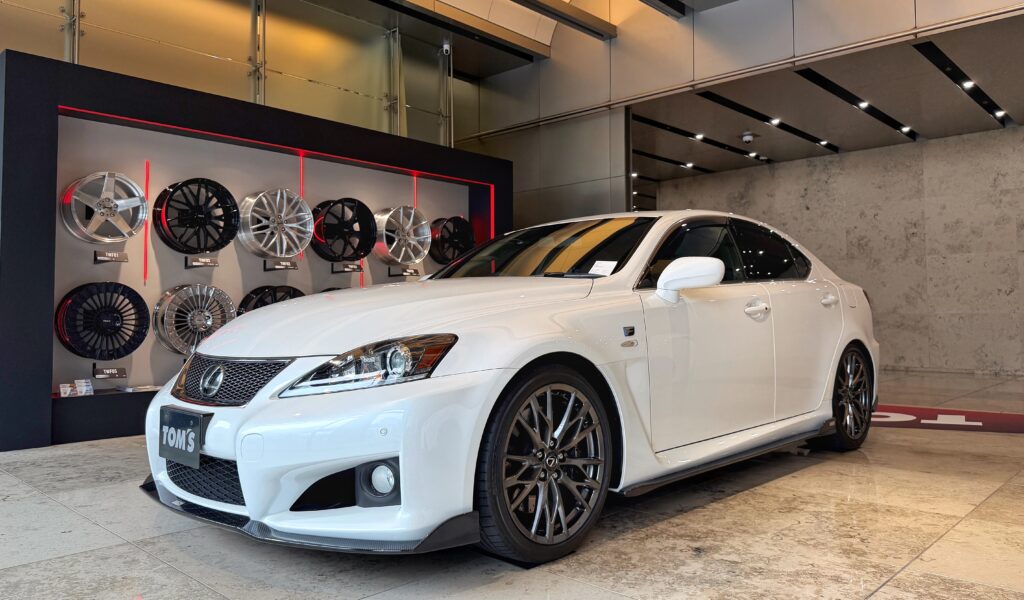
Inside, the showroom felt more like an elegant corporate lounge than a museum. A handful of Lexus F models—including an IS F, GS F and an IS F-Sport variant—shared space with displays of forged wheels, carbon-fiber trim, leather upholstery, body kits and interior finishes available for TOM’S complete-car programs.
Then I spotted the centerpiece.
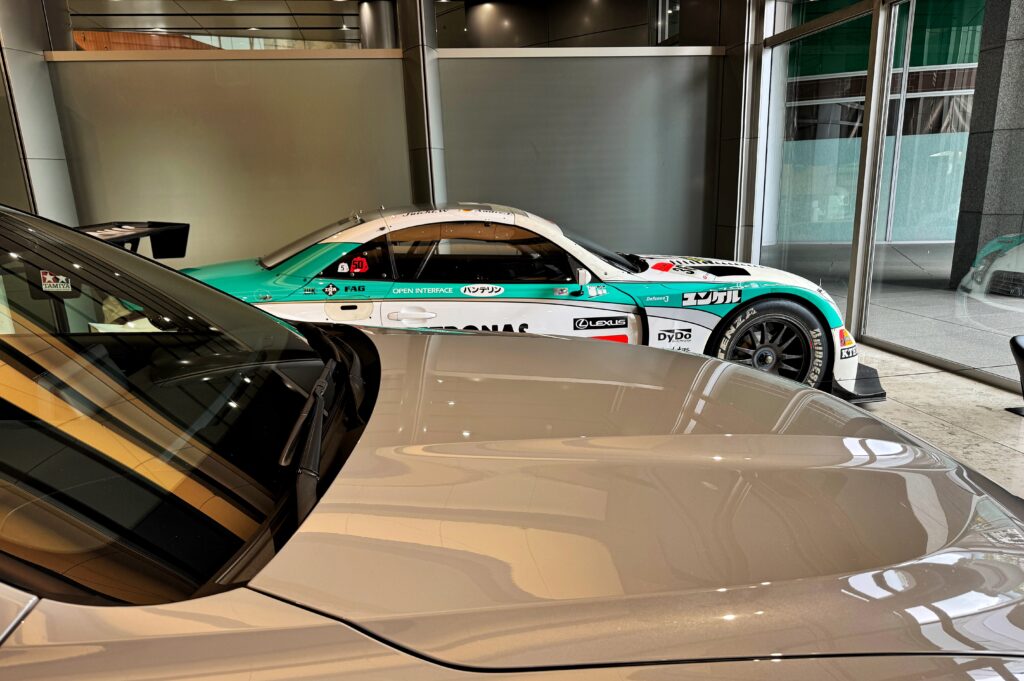
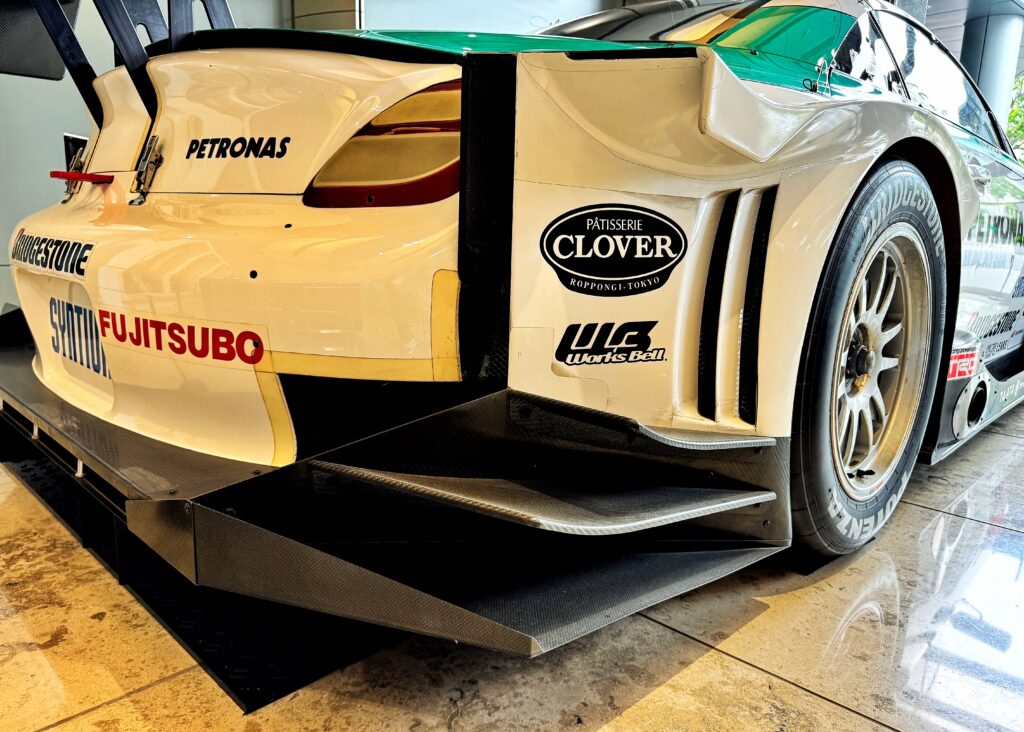
A GT500-spec Lexus SC race car sat quietly beneath the lights.
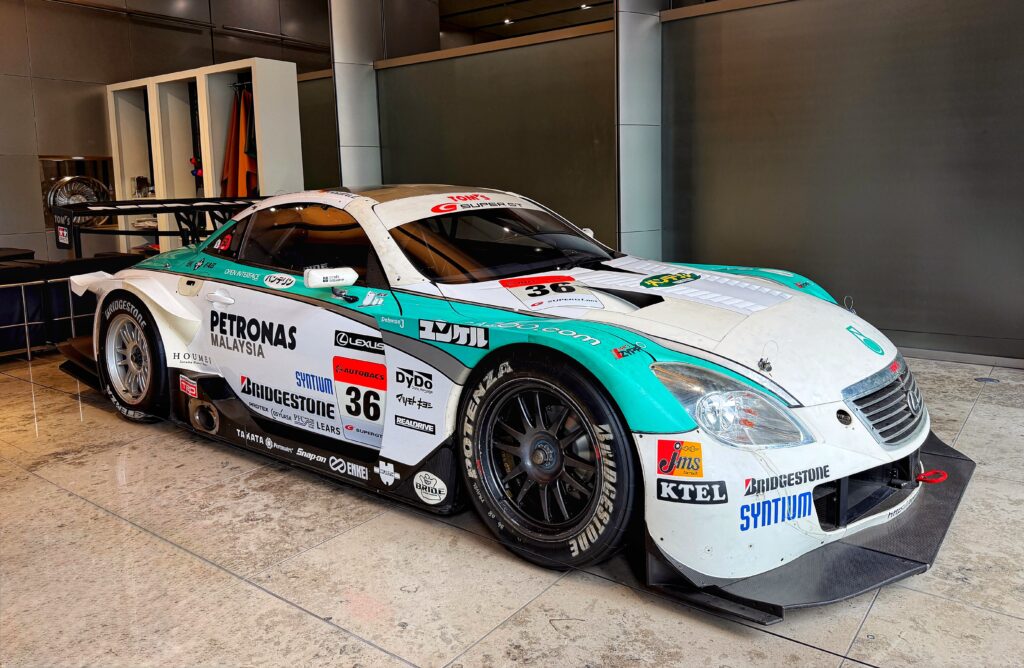
Instantly, the visit became worthwhile.
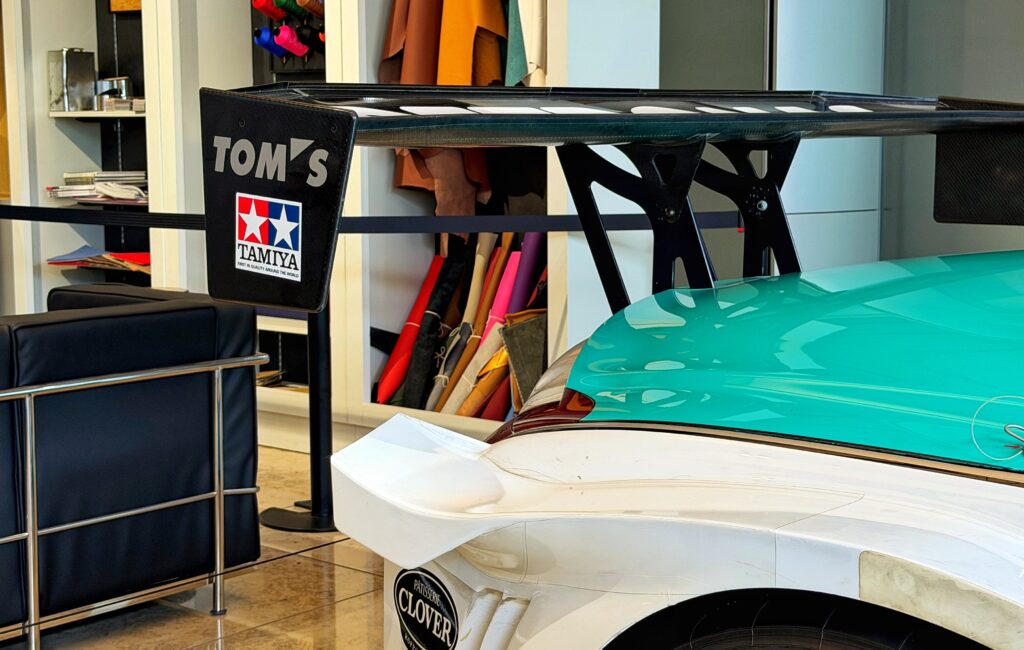
The SC occupies an important chapter in Toyota and Lexus motorsport history. Introduced after the retirement of the legendary A80 Supra, it helped establish Lexus as a genuine performance marque while continuing Toyota’s success in Super GT.
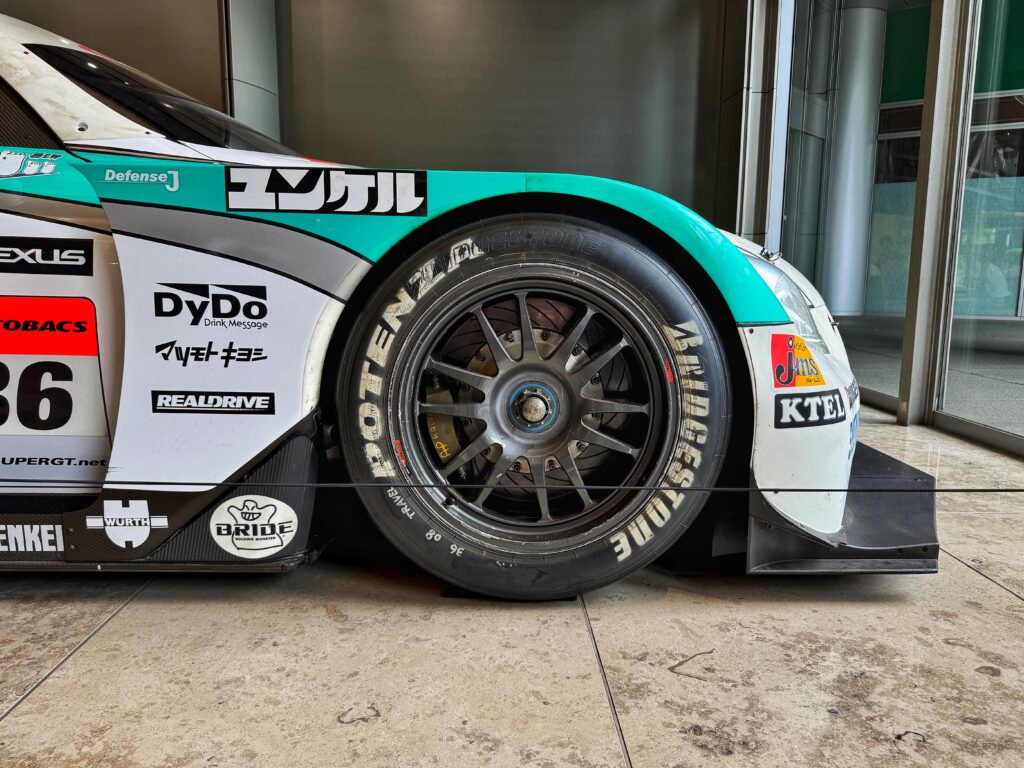
And it introduced the Lexus brand in Japan, as it was previously only available abroad, particularly in the US Market.
For me, though, the car carried a far more personal significance.
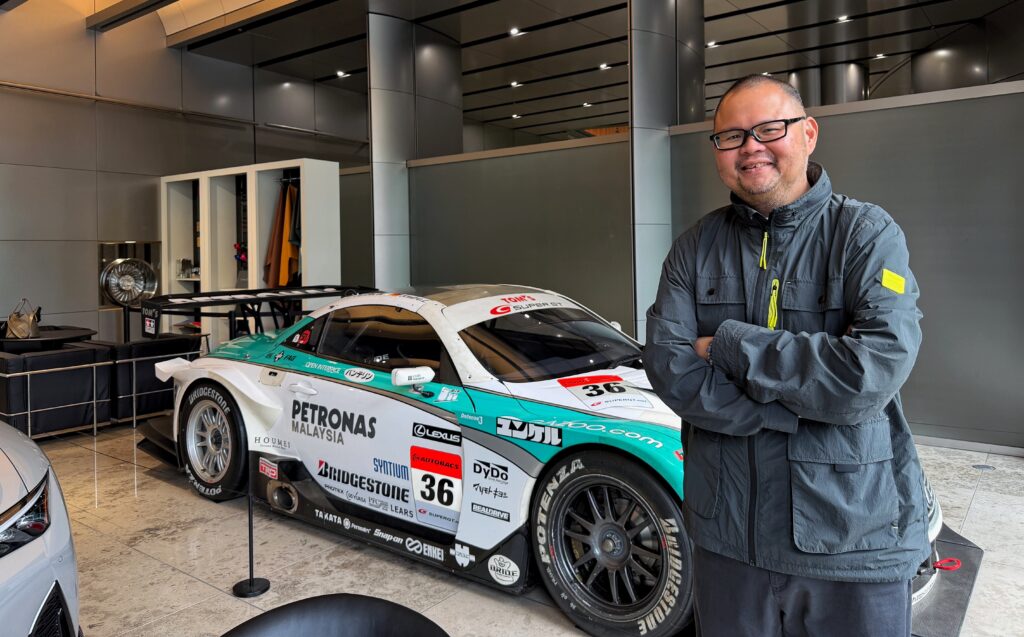
I had watched the Super GT’s Malaysian round in 2006 at Sepang International Circuit. Seeing each other nearly two decades later, this time in Tokyo instead of Malaysia, felt like reconnecting with an old friend. Not a particularly close friendship, but one that shared a very special, unforgettable, almost larger-than-life experience.
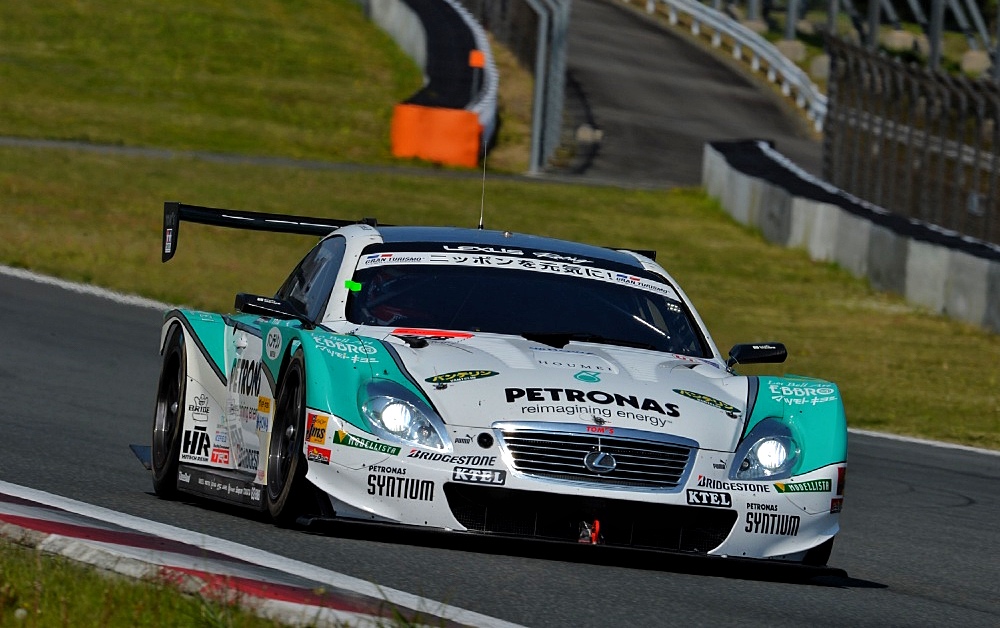
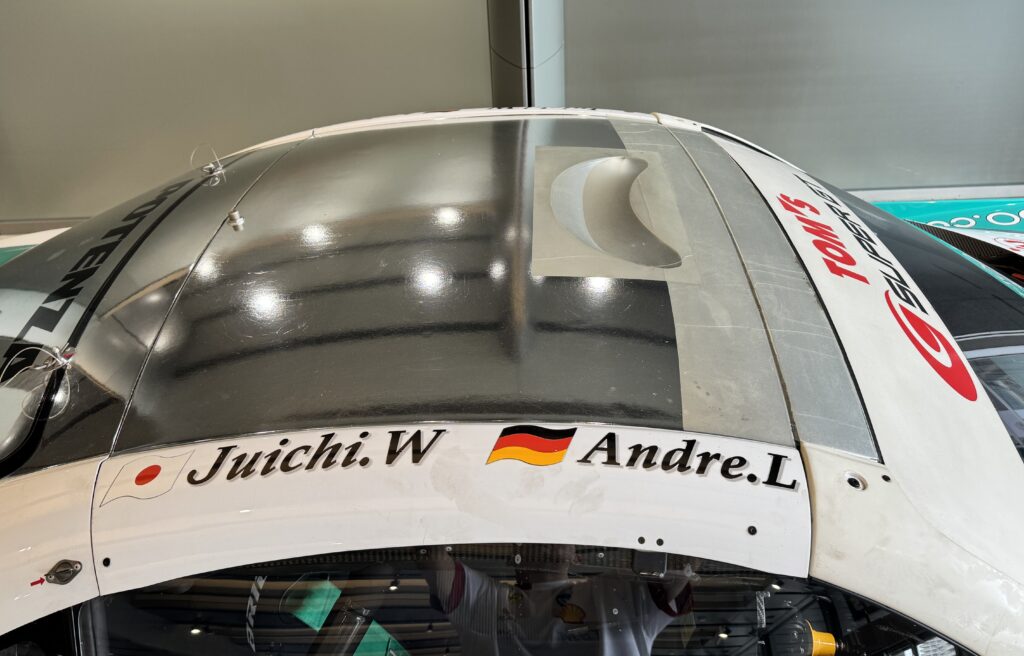
It was one of those rare moments that instantly transports you back to a different stage of life, reminding you why Japanese motorsport captured your imagination in the first place. The Team didn’t win at Sepang that year, but the ace duo of Juichi Wakisaka and André Lotterer (whose car was the one on display) eventually went on to win the Championship that year.
Around the showroom were a few framed racing photographs and memorabilia awaiting installation, subtle reminders that this remains a working corporate headquarters rather than a polished tourist attraction. There were no elaborate exhibits or interactive displays—just decades of engineering excellence presented with simple, quiet confidence. No gimmicks: the products (and the pedigree) spoke for themselves.
I asked if any TOM’S merchandise was available.
The gentleman assisting us smiled apologetically and explained that sales had moved online.
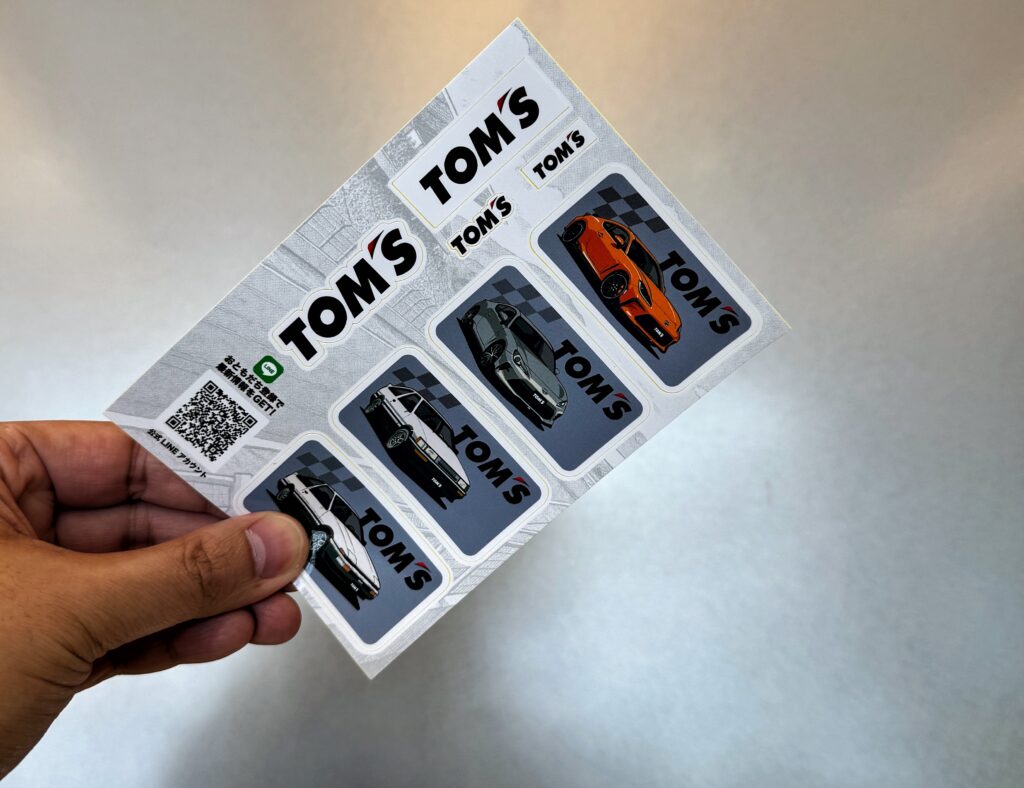
But he did give me and Erica free TOM’S stickers right before we left!
Fortunately, that didn’t stop me from ordering a TOM’S Supra T-shirt later that evening.
The showroom itself isn’t particularly large, nor should anyone expect the scale of Toyota’s former Mega Web or the Toyota Automobile Museum in Nagoya.
Think of it instead as an intimate glimpse into one of Japan’s most influential performance companies—a place where racing heritage and road-car craftsmanship quietly coexist.
If you’re already visiting Odaiba or attending an event at Tokyo Big Sight, TOM’S makes for a worthwhile detour.
It won’t occupy an entire afternoon, but every display carries the weight of half a century of Toyota motorsport history.
Sometimes the most memorable automotive destinations aren’t the biggest or the busiest.
Sometimes they’re simply the ones you never expected to find.