
The story of Akio Toyoda, GAZOO Racing, Rookie Racing and the establishment of Rookie Racing Garage Manila is quite remarkable. It is a story of personal conviction, unlikely beginnings and a genuine passion for cars that has grown into something much bigger.
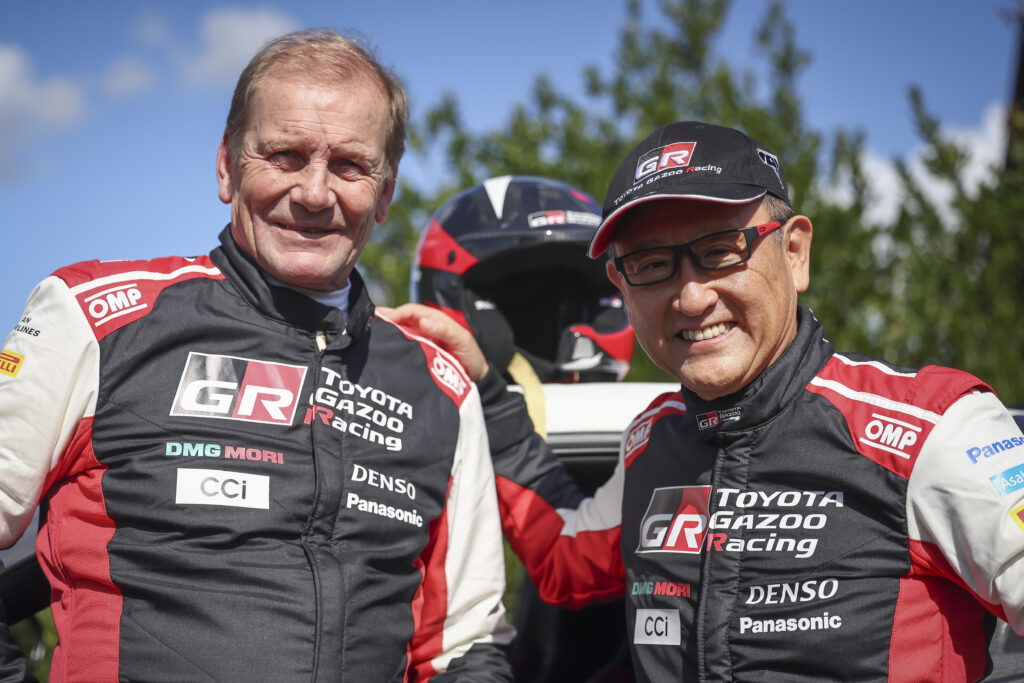
In 2000, Akio Toyoda, fresh from a stint in Toyota’s American operations intended to broaden his understanding of the global marketplace, was encouraged by his father, the late Chairman and CEO Shoichiro Toyoda, to meet the late Hiromu Naruse, then Toyota’s most respected Master Test Driver.
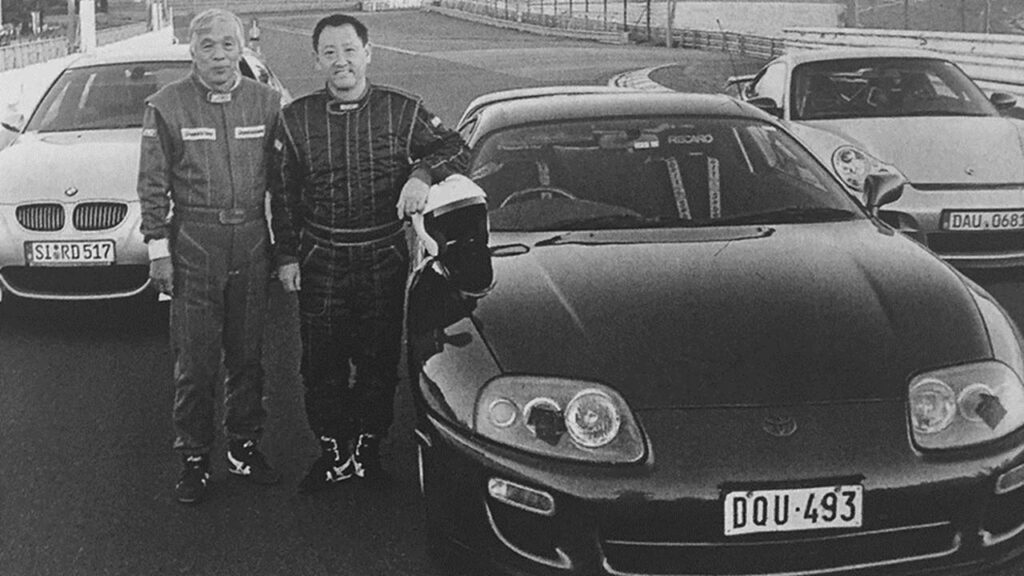
Toyoda considered himself a car enthusiast and was not shy about expressing his opinions on Toyota’s products. Naruse, however, was unimpressed. He reportedly told Toyoda that he had no business judging cars unless he knew how to drive them properly, particularly at their limits. It was Genchi Genbutsu — the Toyota principle of going to see and experience things firsthand — in its most direct form.
A challenge was born, and so was their partnership. Toyoda trained under Naruse, learning the art of driving at one of the world’s most demanding circuits: the Nürburgring Nordschleife, better known as the Green Hell.
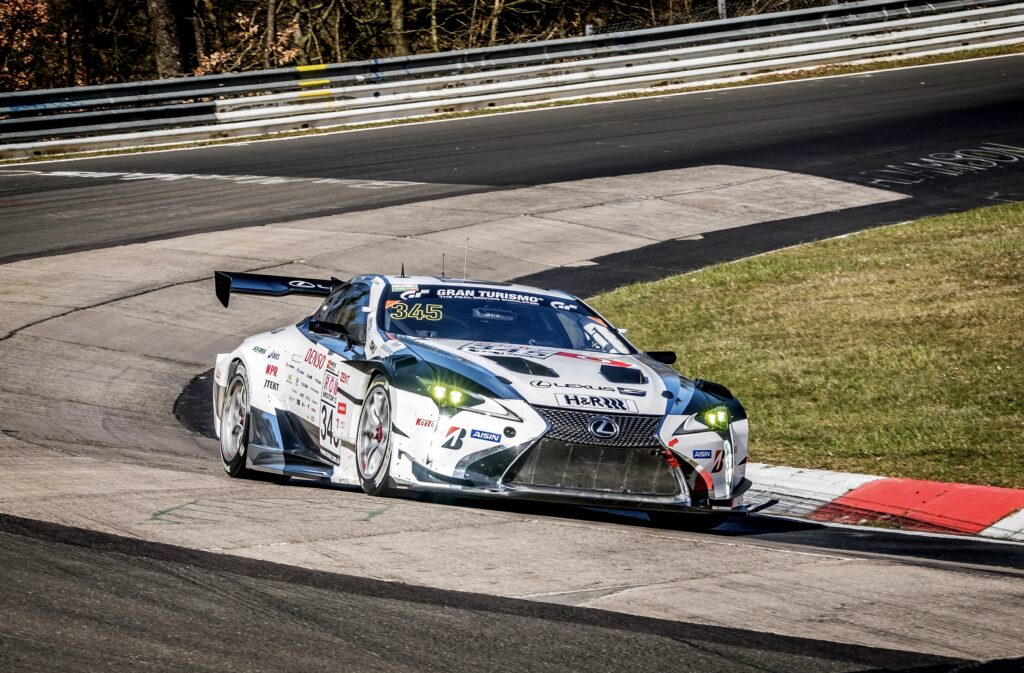
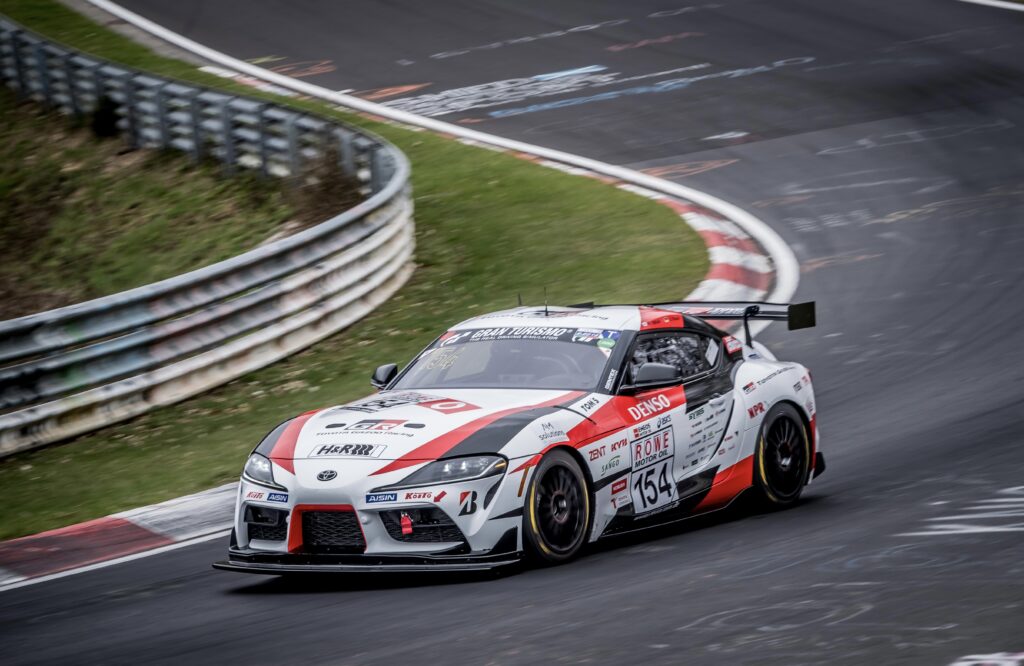
Their relationship eventually led to an unofficial racing team, personally funded by Toyoda.
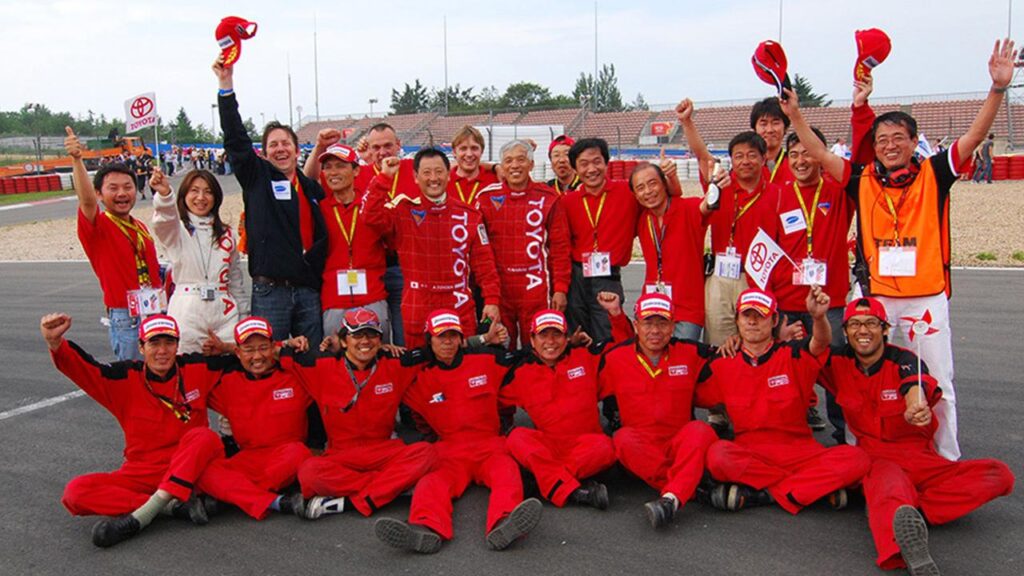
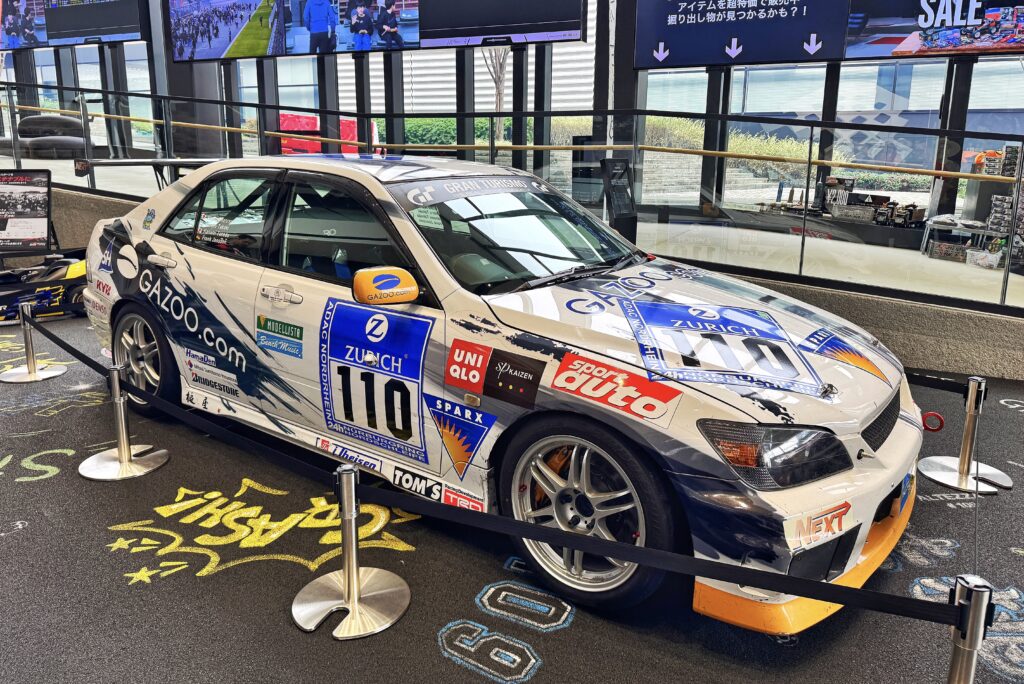
GAZOO Racing was born in 2007, beginning with a pair of used Toyota Altezzas entered in the ADAC 24 Hours of Nürburgring. The Lexus LFA followed the next year, and what began as a personal passion project would eventually develop into one of Toyota’s most important motorsport and vehicle-development initiatives.
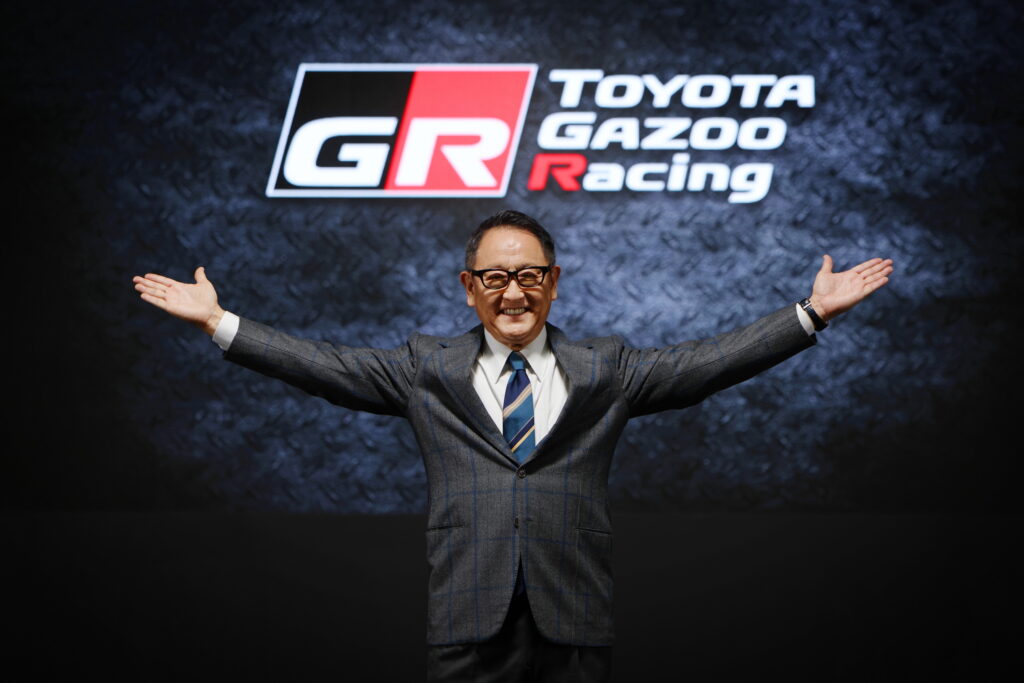
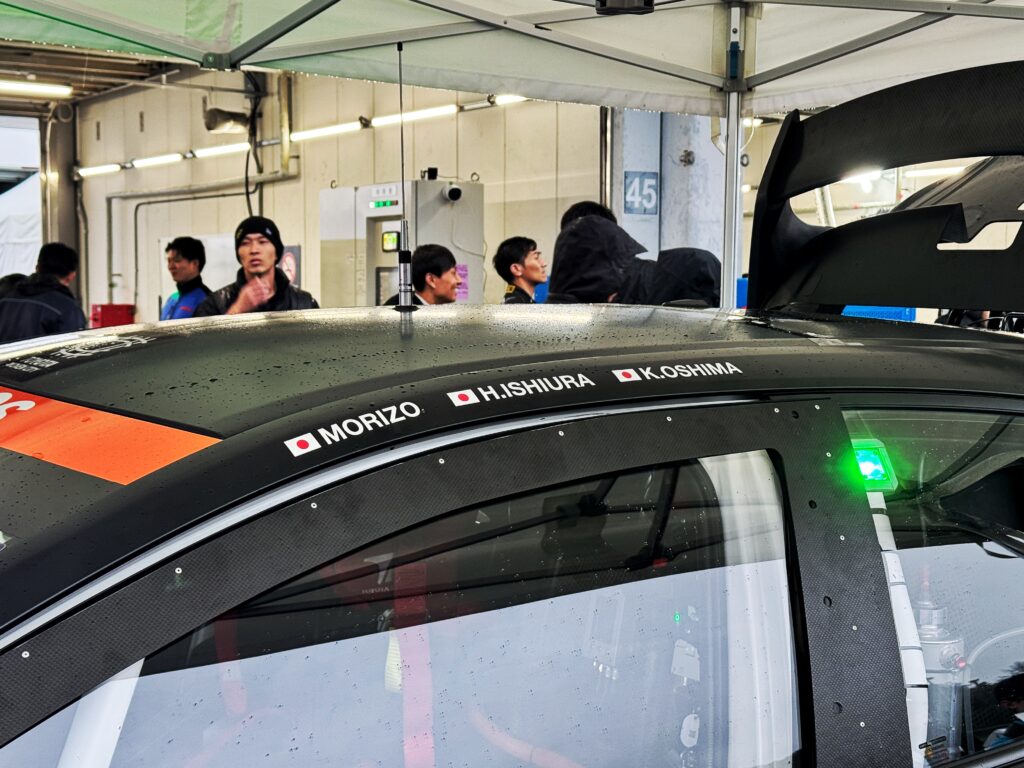
There is another interesting part to the story. Toyota’s board reportedly did not initially approve of Toyoda, then an active executive, competing at the ‘Ring. He therefore raced under the pseudonym Morizo. Today, that name is familiar to enthusiasts around the world.
In 2015, Toyota consolidated its various motorsport activities under the GAZOO Racing identity. Its involvement now spans the World Endurance Championship, World Rally Championship, Super GT, Super Formula and Super Taikyu. By 2017, the GR name had also become Toyota’s performance-car identity, giving us models such as the GR Yaris, GR Corolla and GR86, with the forthcoming GR GT flagship set to take the philosophy further.
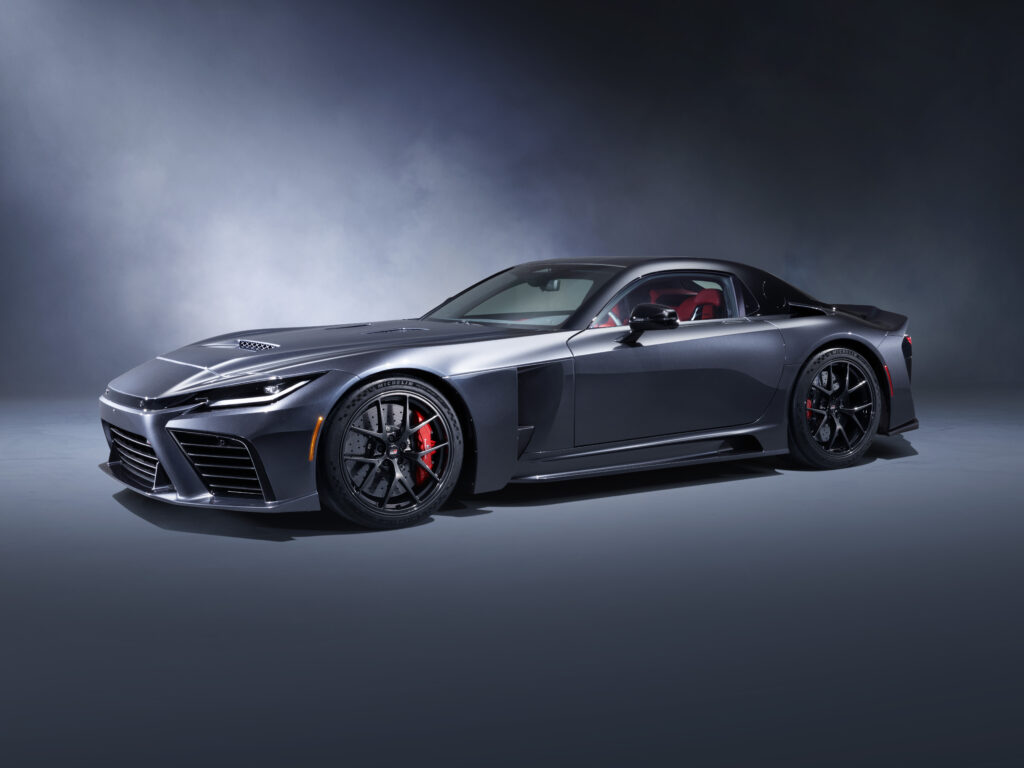
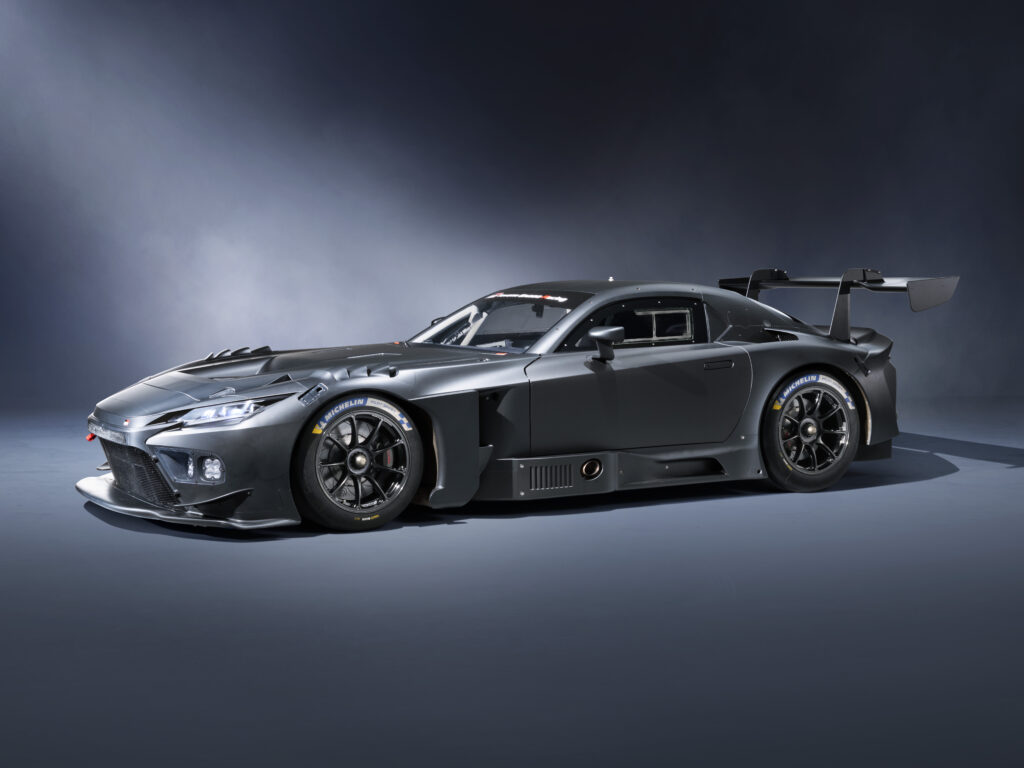
But Toyoda wanted to reach beyond the Toyota organization and engage a wider community of enthusiasts. He recognized that car culture was not limited to one marque, and that a team operating entirely within Toyota could be restrictive. Rookie Racing became an outlet for that vision.
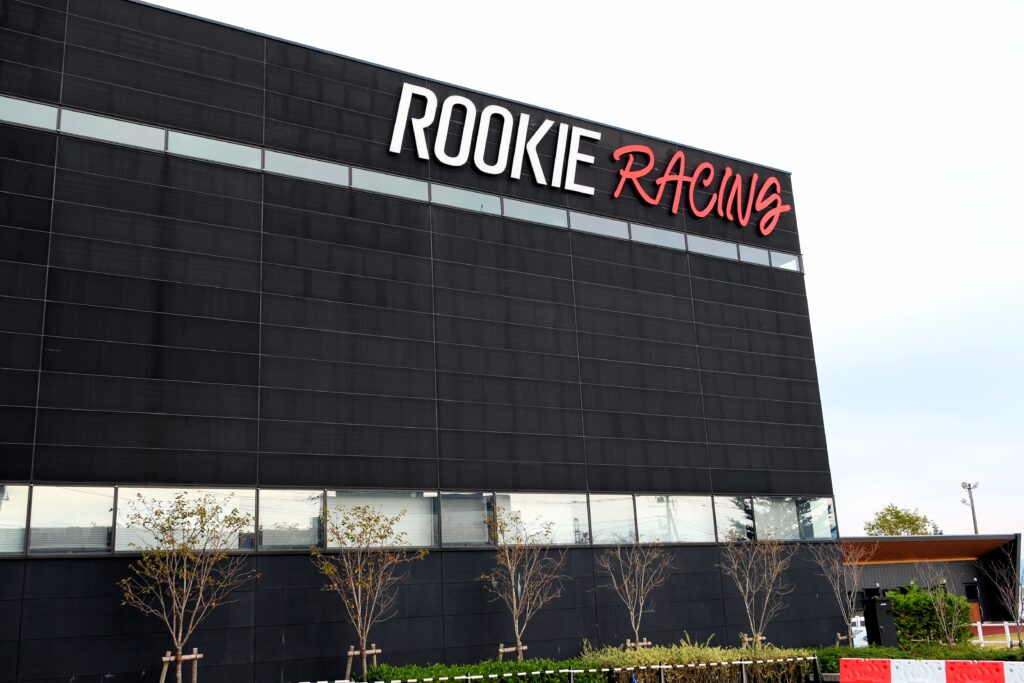
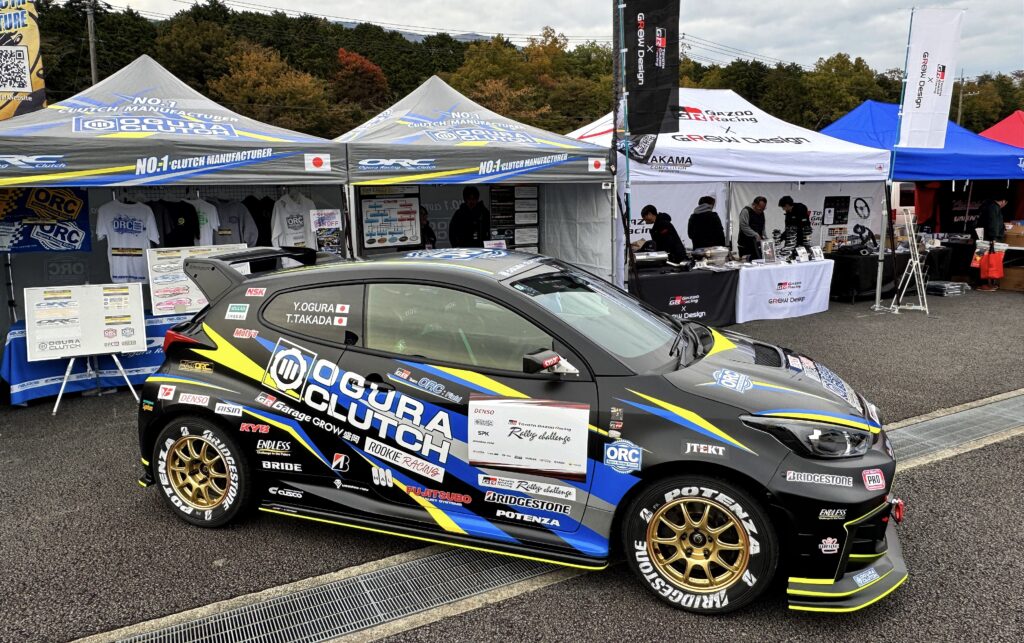
Although it primarily campaigns Toyota machinery, Rookie Racing has also supported and competed with cars from other manufacturers. Its identity is deliberately more inclusive, welcoming enthusiasts regardless of the badge on their cars. Like GAZOO Racing, it is driven by Toyoda’s personal commitment, rather than simply being another corporate motorsport program.
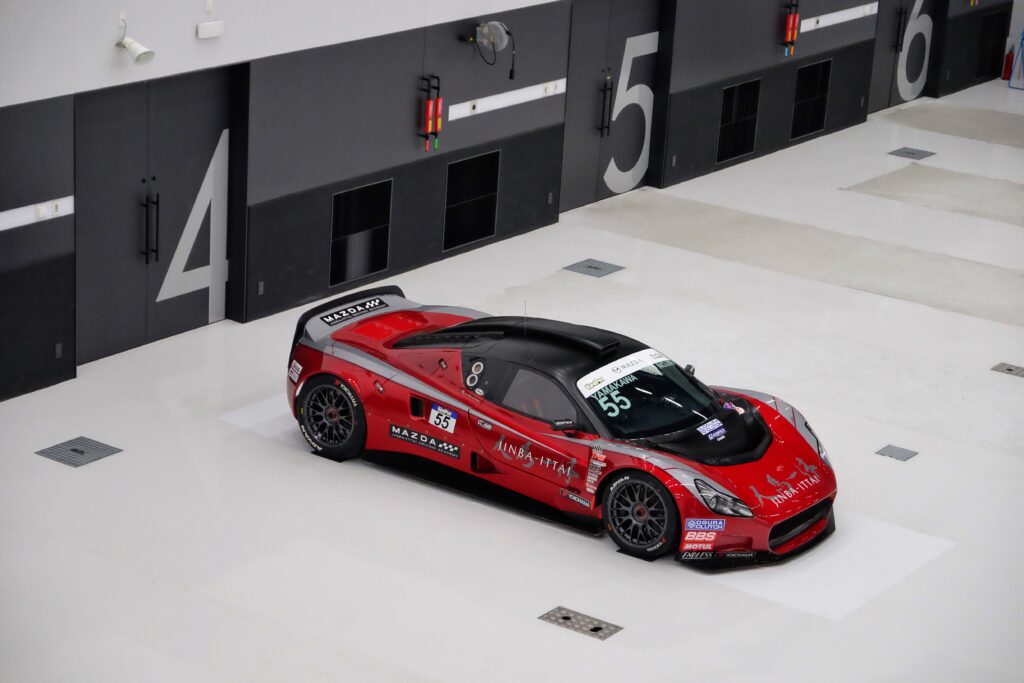
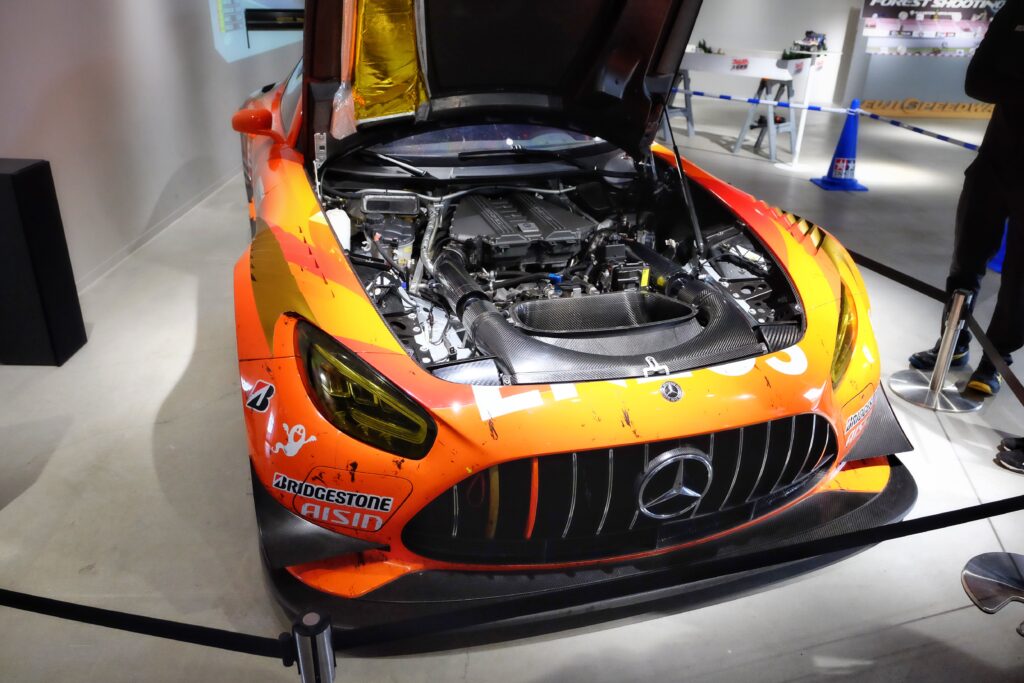
The team also supported a Mercedes-AMG GT in the Super GT GT300 category.
At the preceding Super GT race in Motegi, it had also run the new GR GT3 race car, as preparations began for a full campaign in 2027.
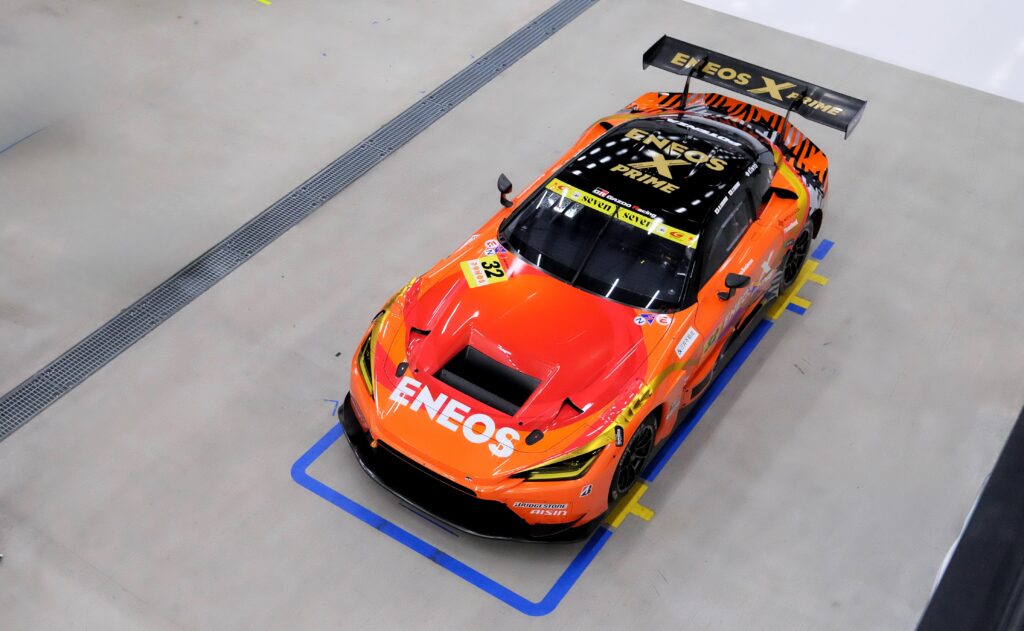
So where does Rookie Racing Garage Manila fit into this story?
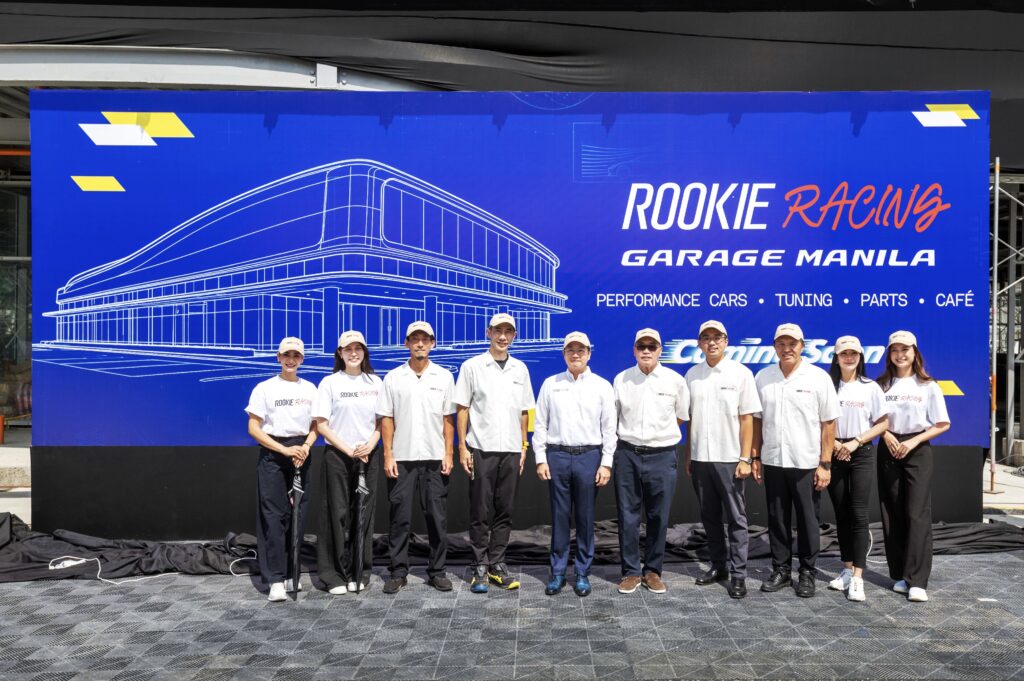
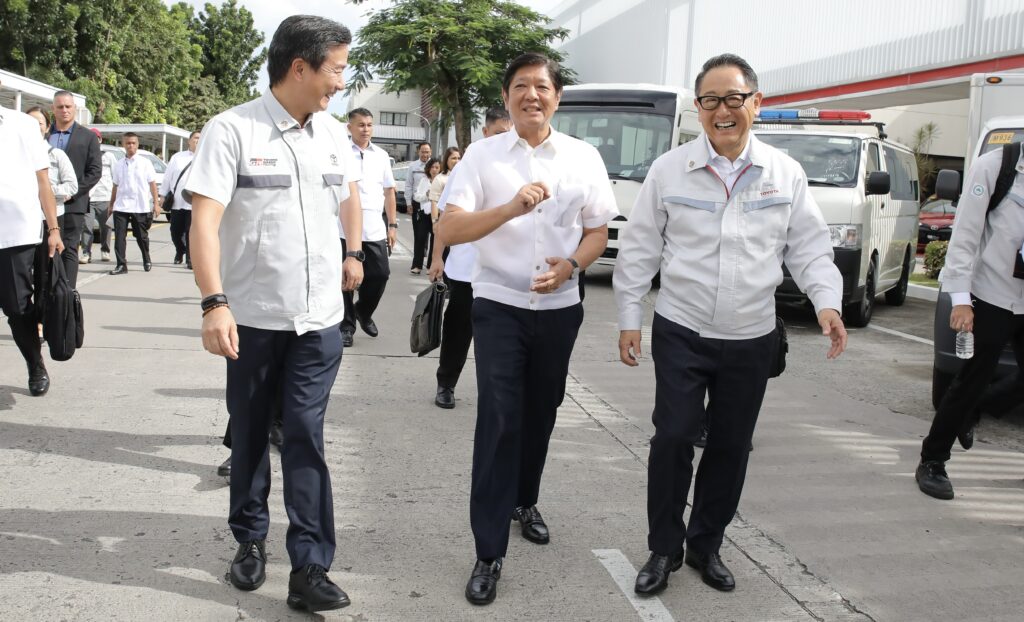
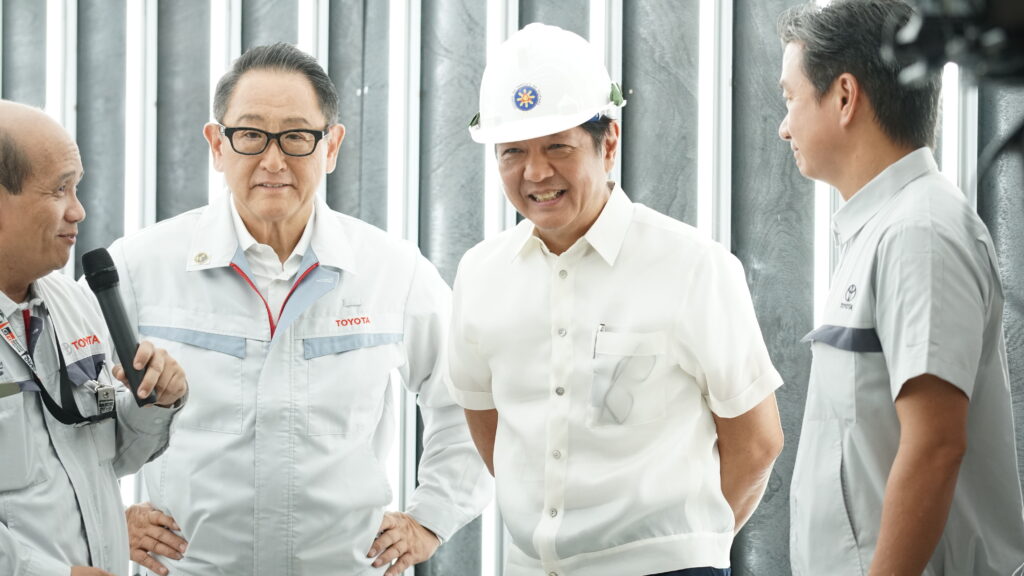
We go back to 2023, when Toyoda attended the first-ever GAZOO Racing Festival in the Philippines. He gave demonstration rides to local enthusiasts and saw firsthand how deeply Filipinos appreciate cars. The enthusiasm was unmistakable, and Filipino car culture was clearly strong enough to support something more substantial.
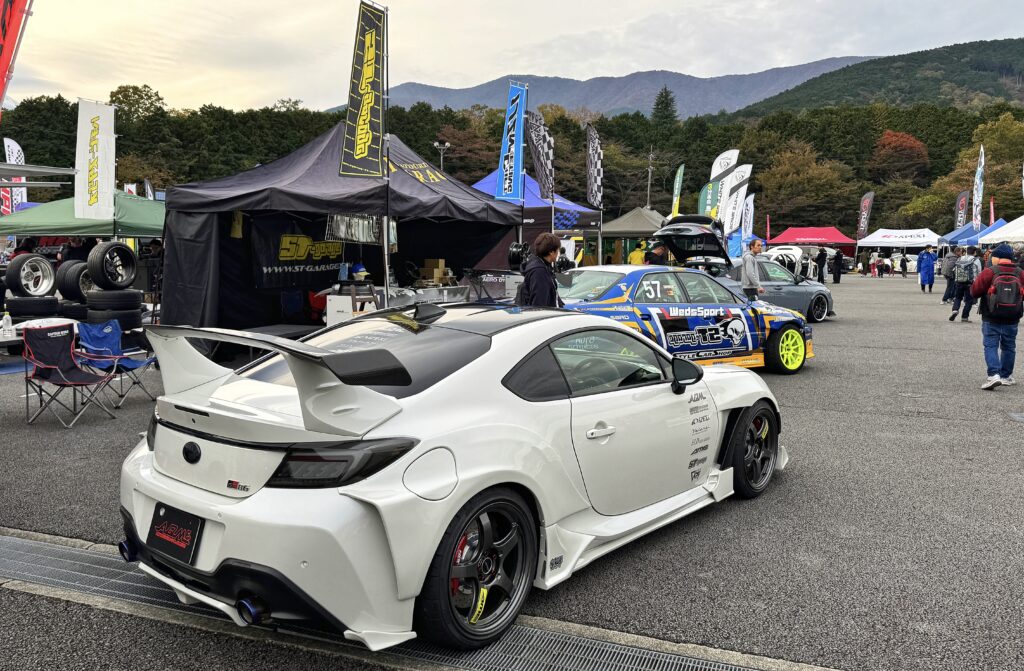
When the GAZOO Racing Garage in Taiwan opened in 2025, Toyota Motor Philippines Chairman Alfred Ty and President Masando Hashimoto were invited to attend by Toyoda. According to Chairman Ty, Toyoda told him: “Alfred, you should also open one in the Philippines.” It was less a suggestion than a clear expression of intent.

The Philippine car community has the numbers and enthusiasm to sustain such a facility. But given the variety of cars owned by local enthusiasts, the Rookie Racing name made more sense. It would provide a more welcoming home for people who share a passion for cars, whatever they happen to drive.


To understand the thinking behind the project, Toyota Motor Philippines brought a group of journalists and members of the local Toyota car community to Japan. Our destination was Fuji Speedway in Shizuoka, the heart of Toyota’s motorsport activities.
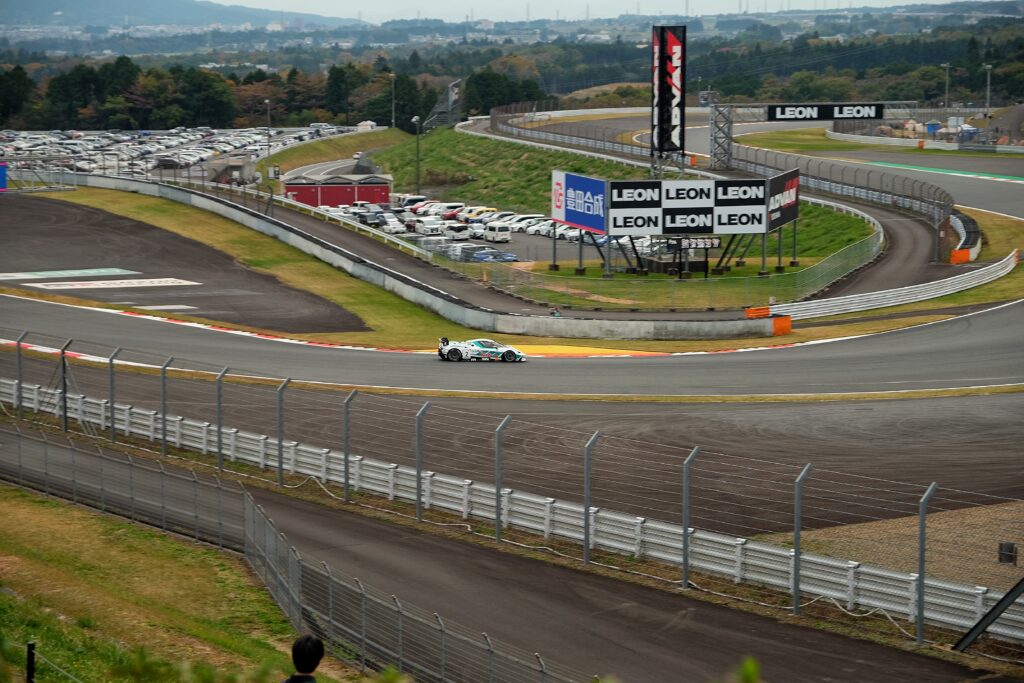
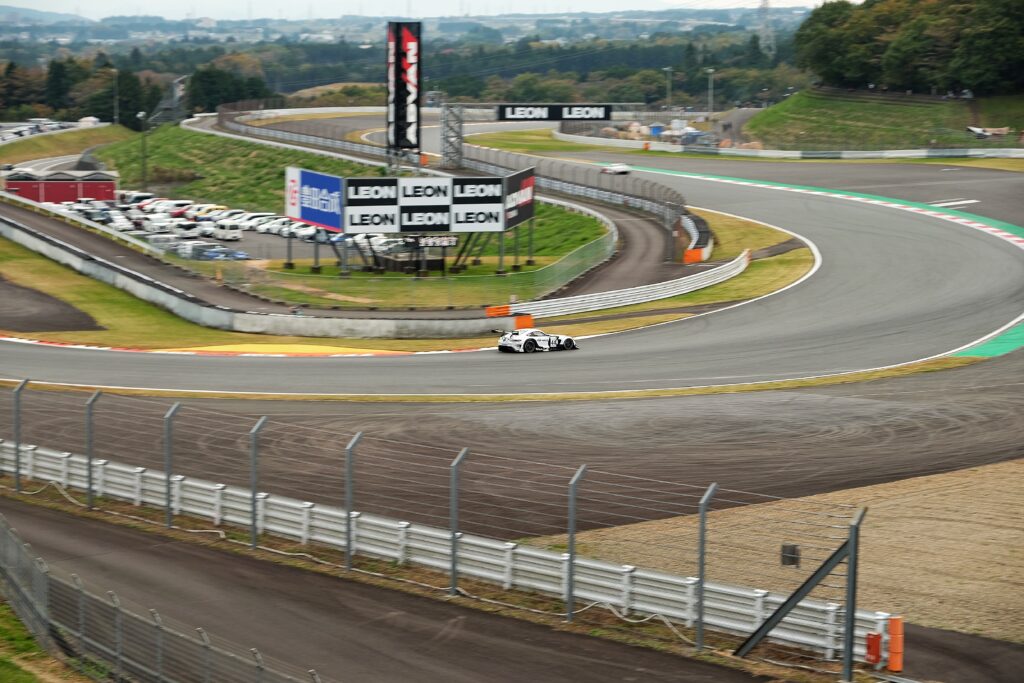
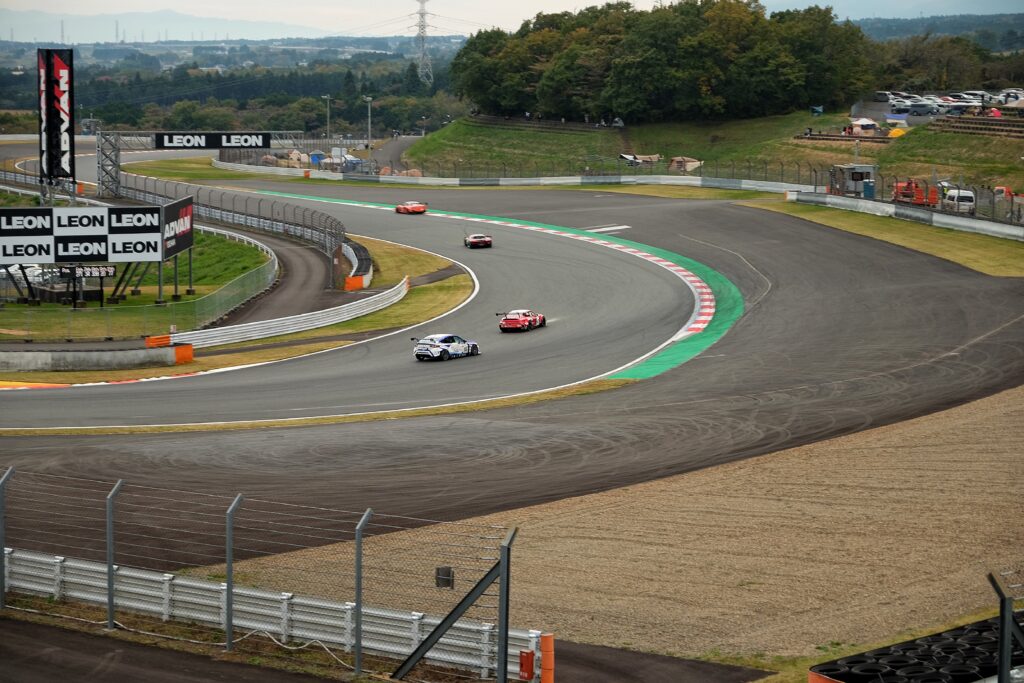
We stayed at the Hyatt-operated Fuji Speedway Hotel, which is part of a larger motorsport destination that includes the Fuji Motorsports Museum. The museum is a tribute to competition, engineering and the relentless pursuit of performance. Its collection traces the evolution of motorsport and the machines that have pushed its boundaries. It is well worth a visit, and deserves a feature of its own.
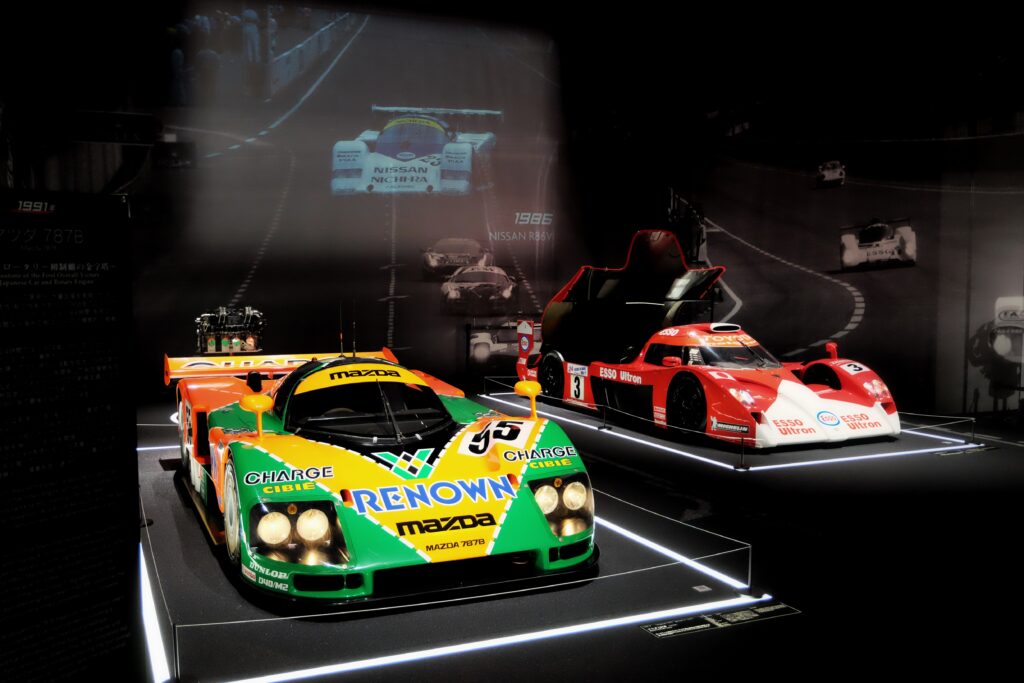
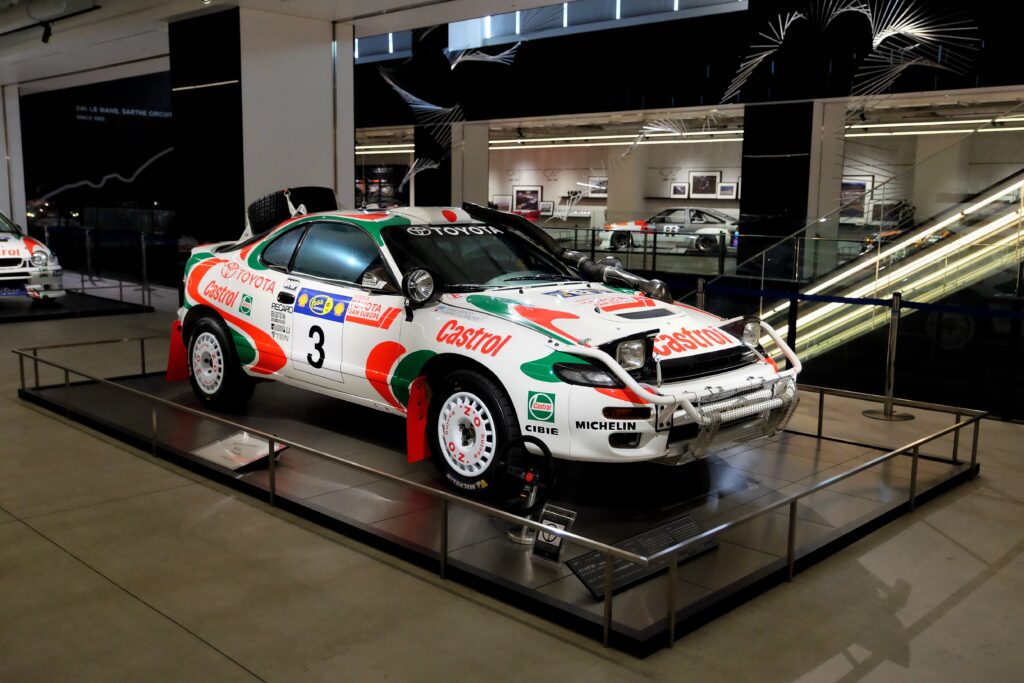
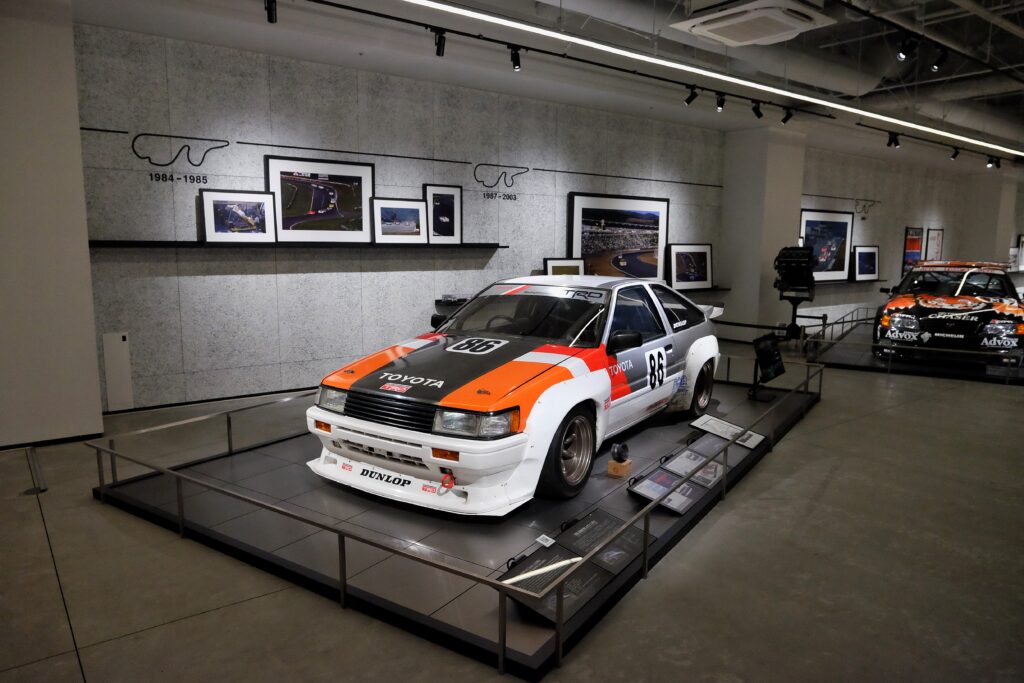
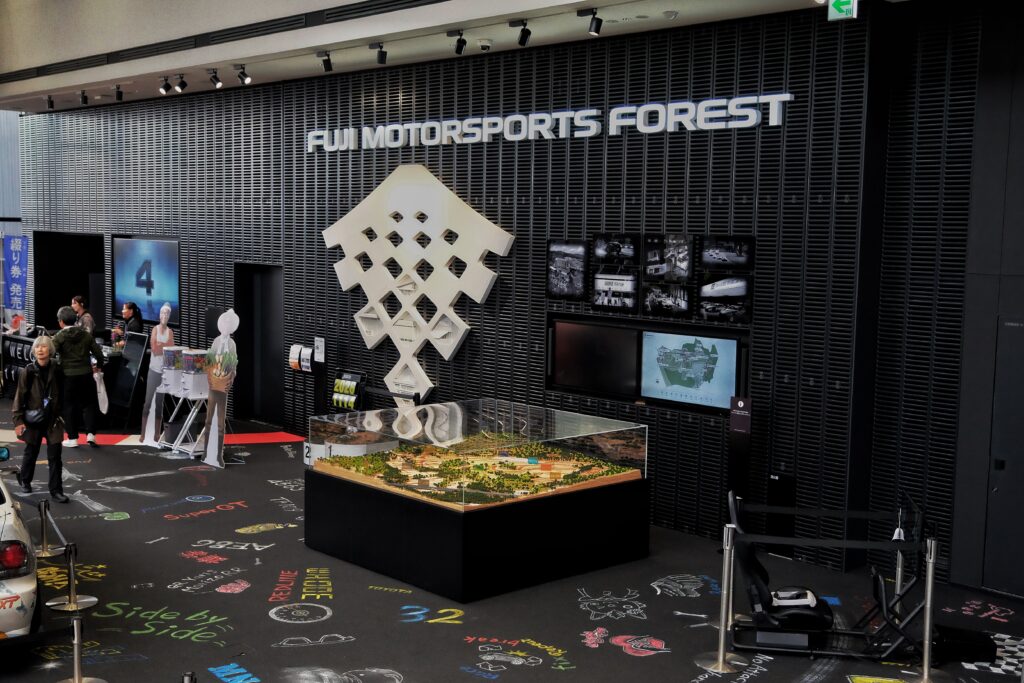
We also visited Fuji Motorsports Forest, a more interactive display showcasing Toyota and GAZOO Racing’s more recent motorsports activities, and Toyota’s plans for the immediate area around Fuji Speedway. It’s also a child-friendly facility, with horseback riding and a bicycle trail outdoors, plus a mini-4WD RC track inside.
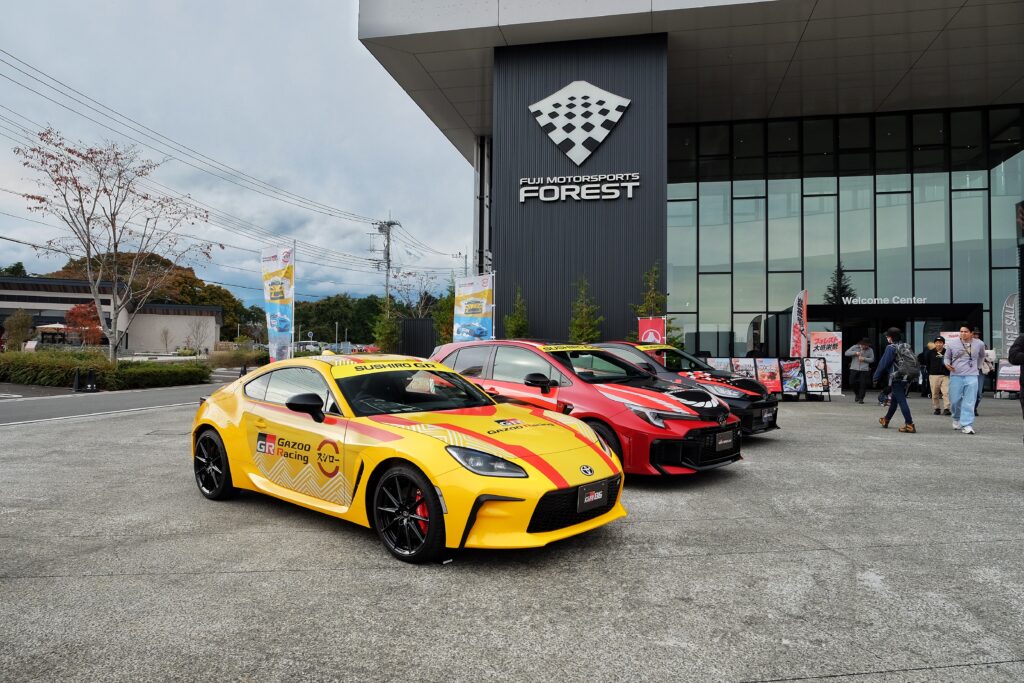
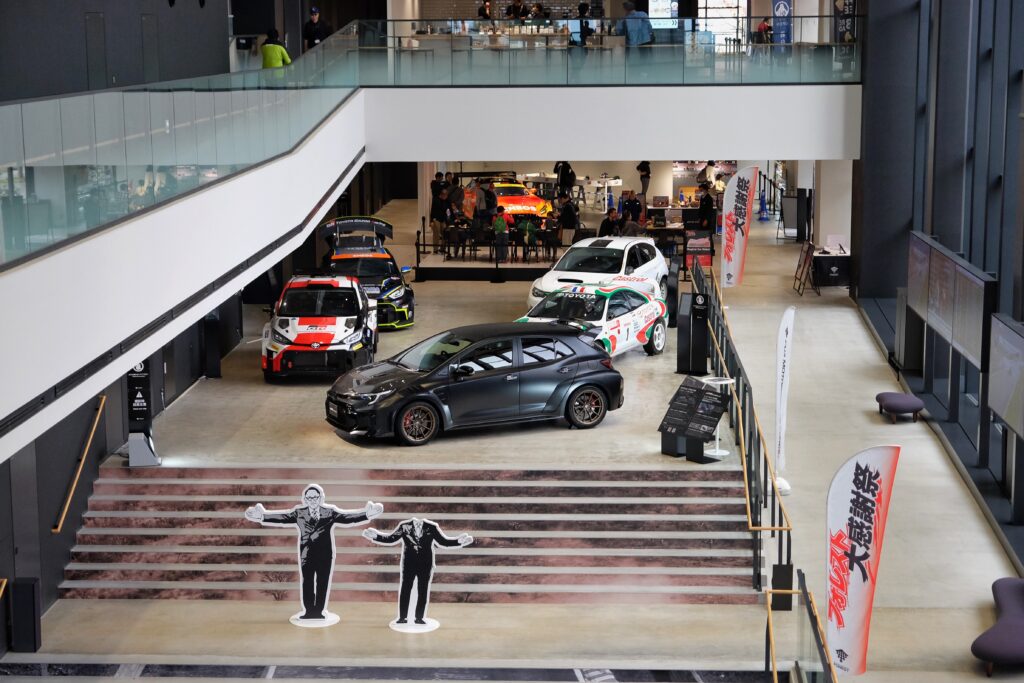
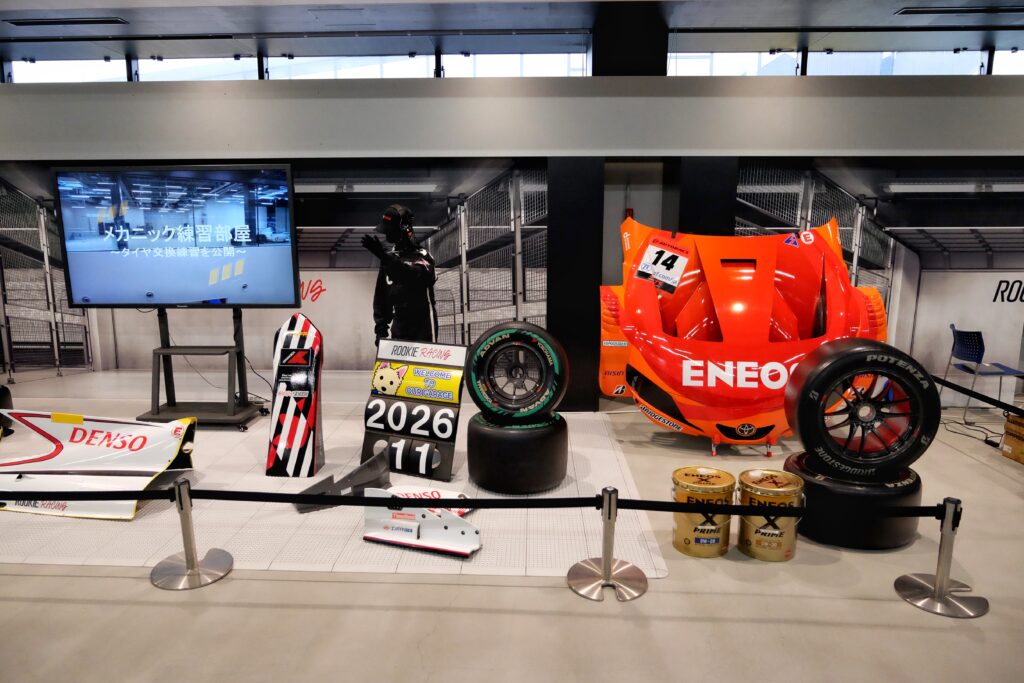
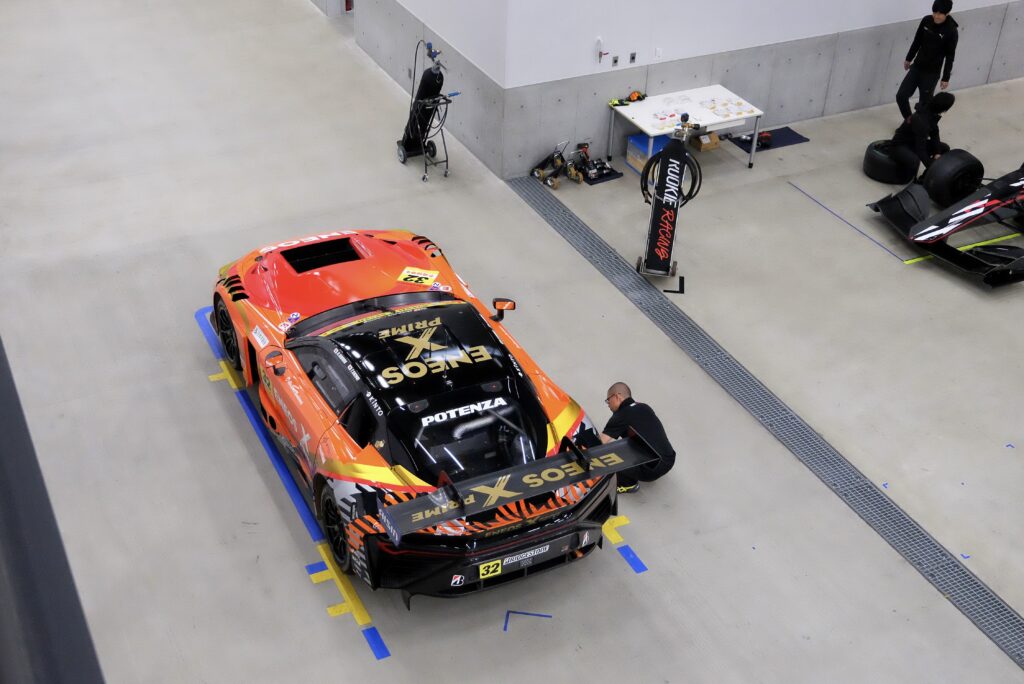
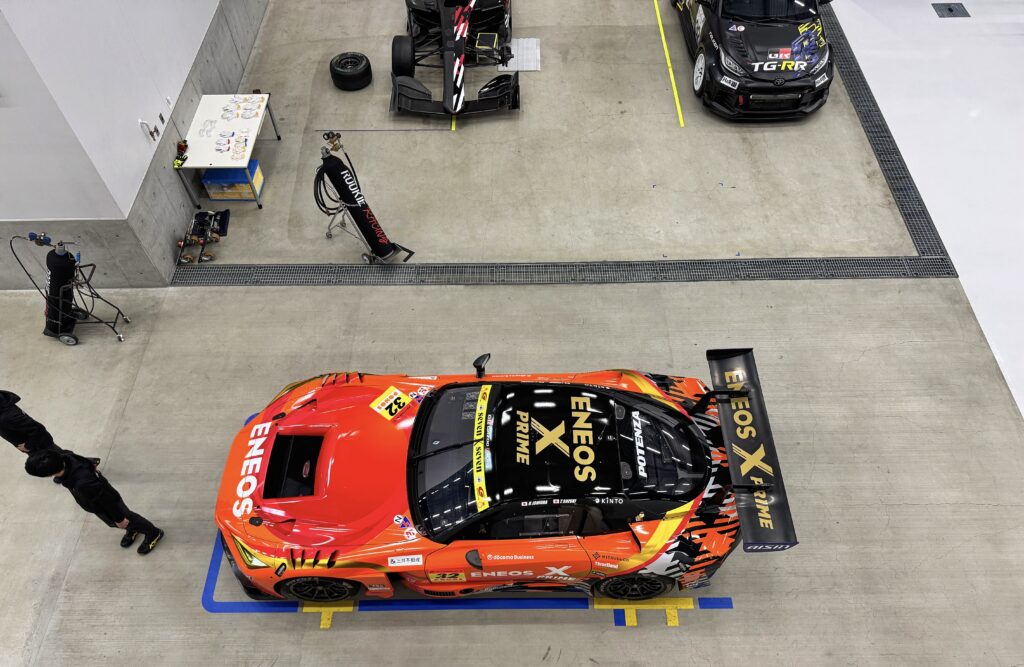
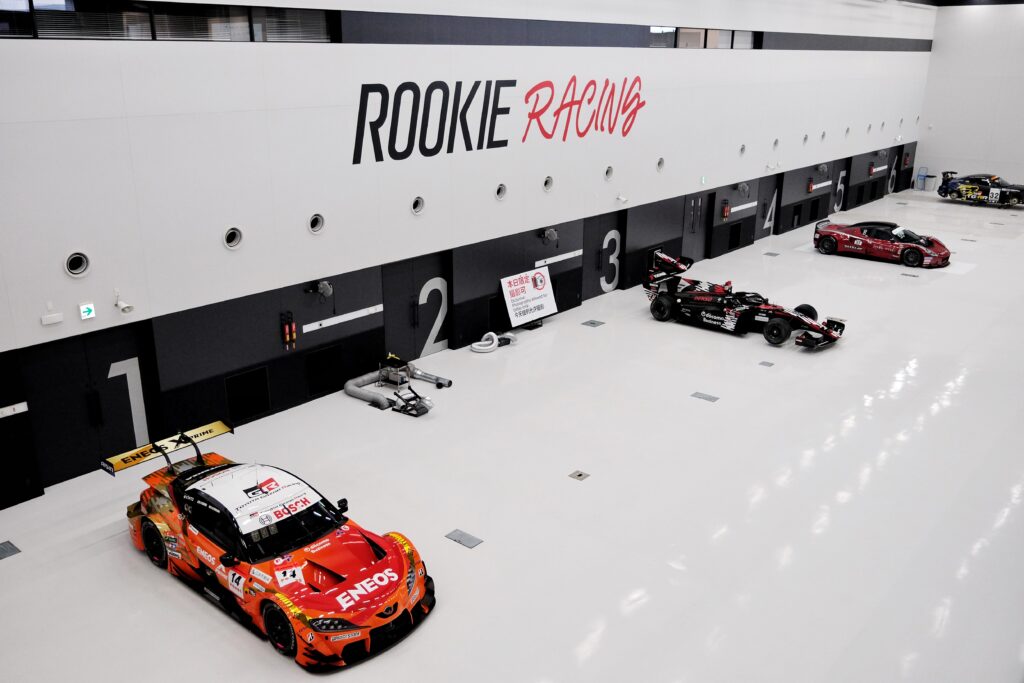
This connects to the Rookie Racing facility. Inside the workshop, we caught a glimpse of the GR GT3 race car being prepared, alongside a Super Formula machine, a Super GT GT500 Supra and another Super Taikyu GR Corolla. Seeing these cars up close offered a better appreciation of the work that goes into developing and campaigning them.
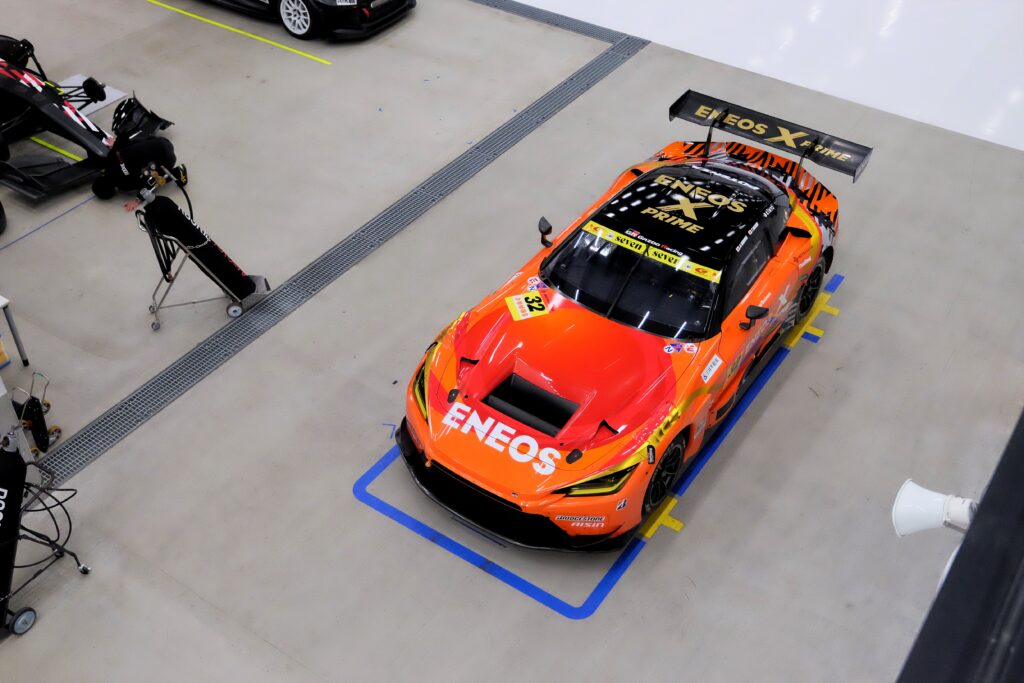
The weekend’s main event was the Super Taikyu season finale at Fuji Speedway.
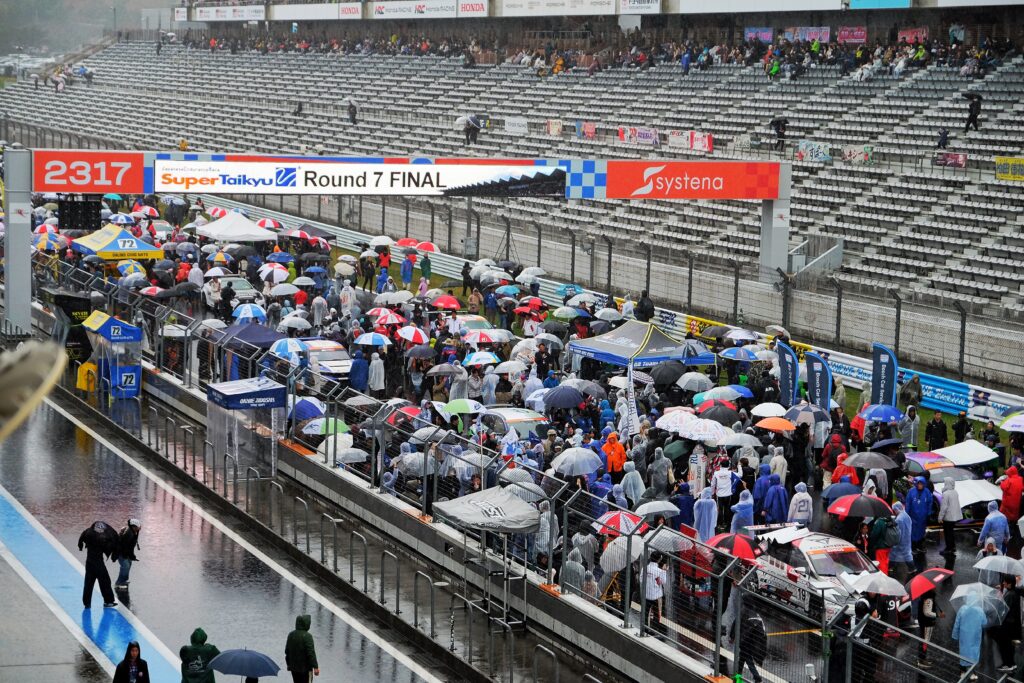
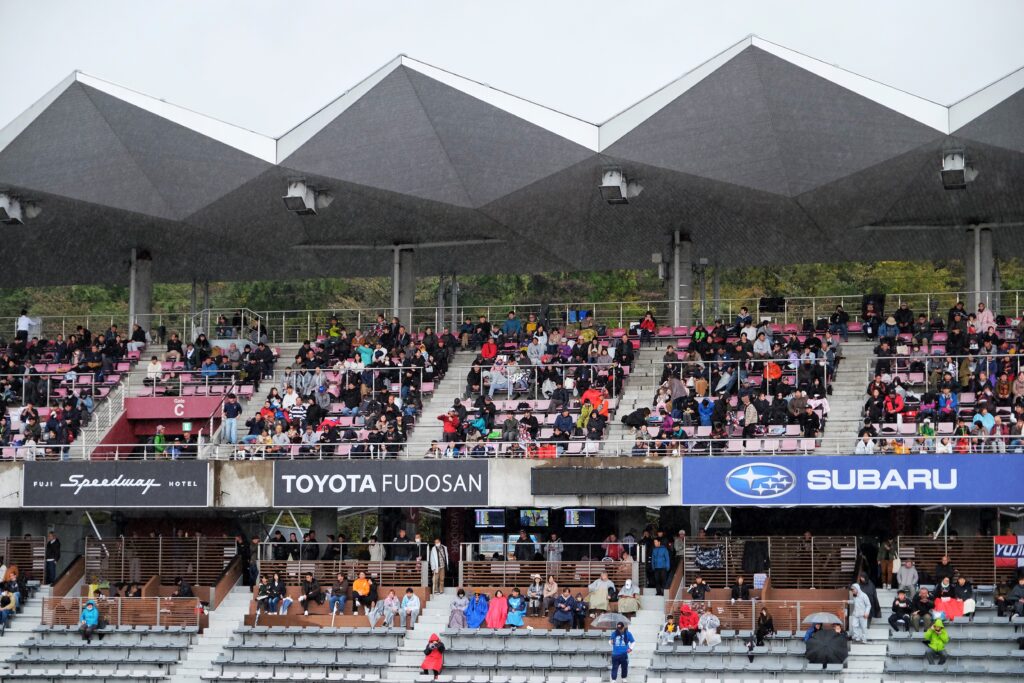
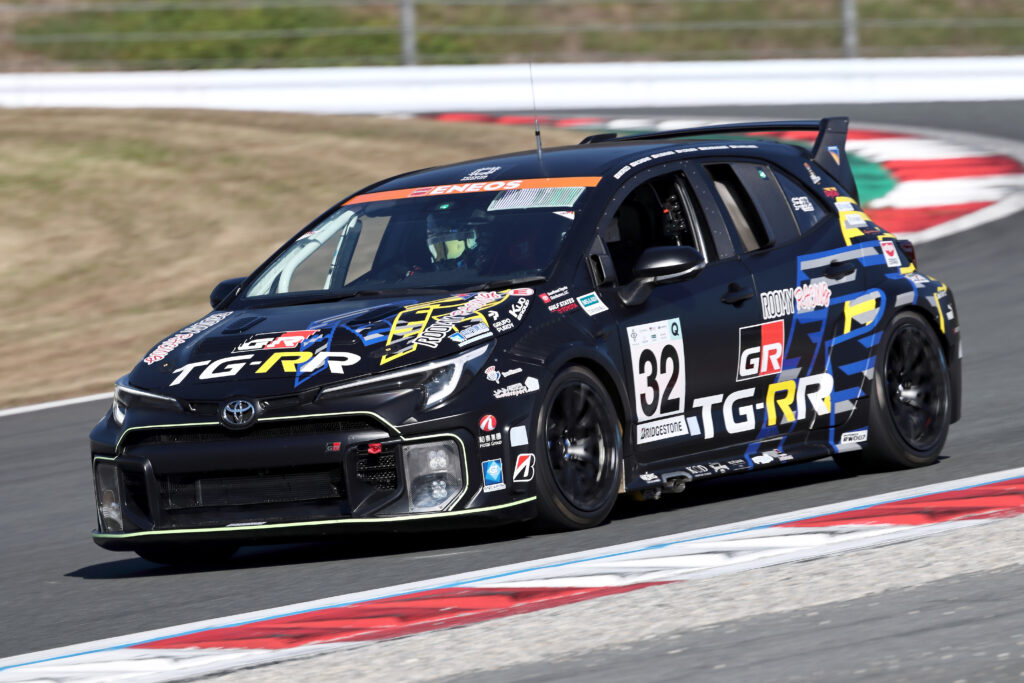
Toyota and GAZOO Racing regard motorsport as a rolling test bed for technology, with some of the development work supported by research and development budgets rather than marketing. The hydrogen-powered GR Corolla competing in the experimental ST-Q class was a particularly good example of this philosophy.
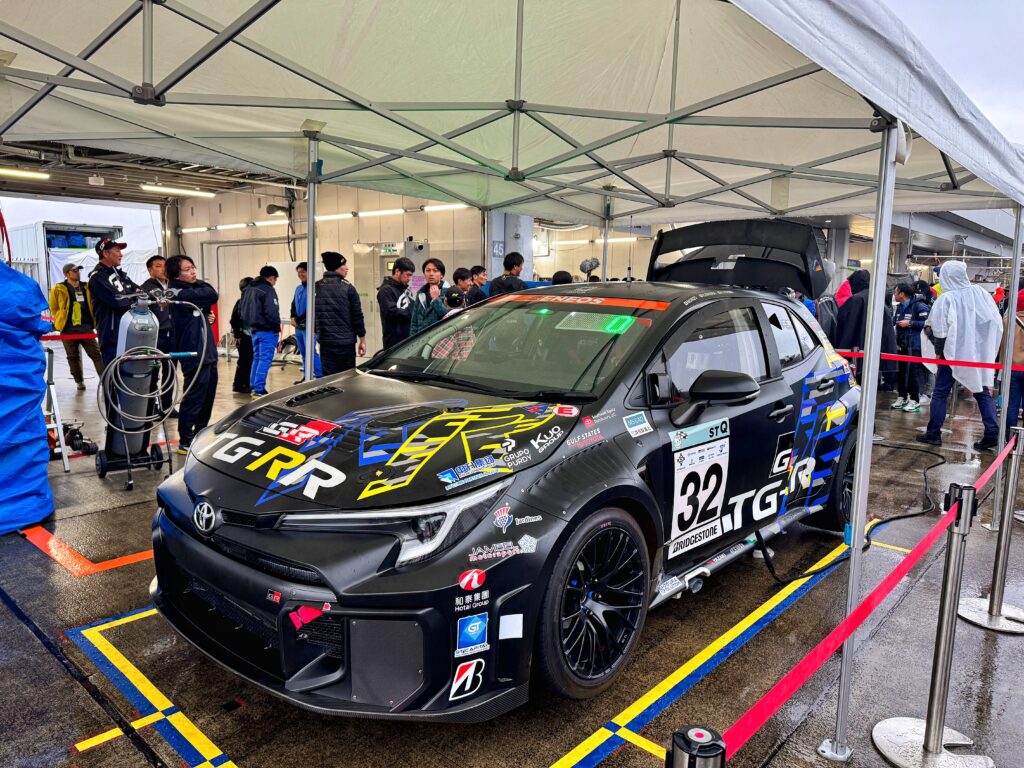
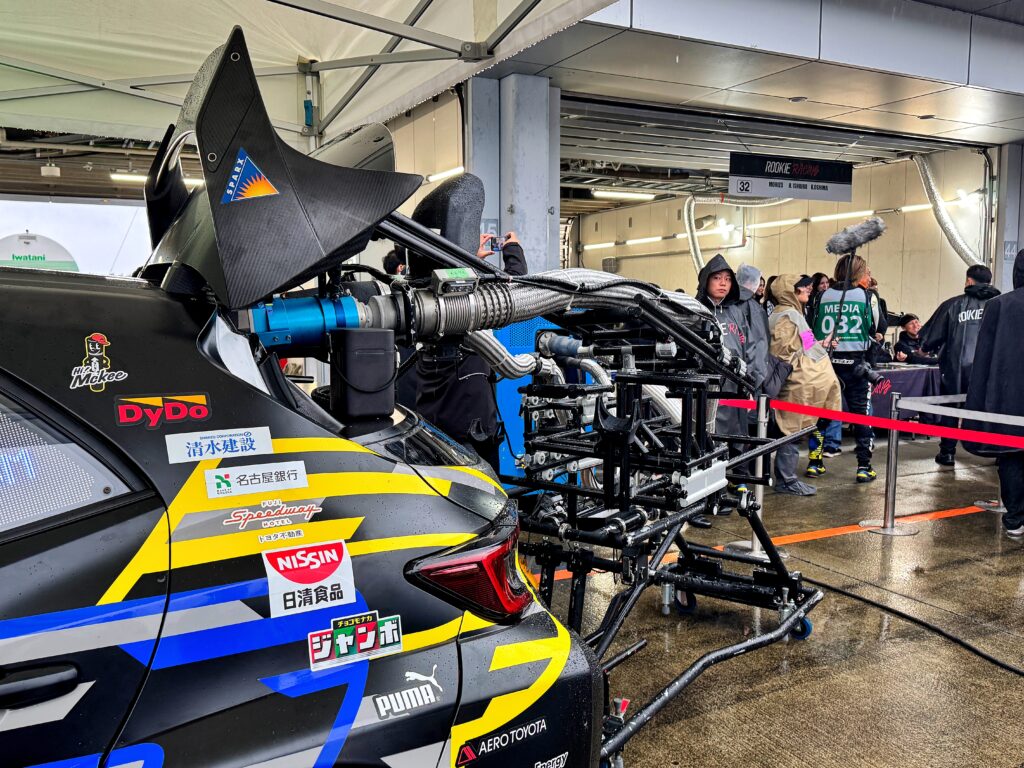
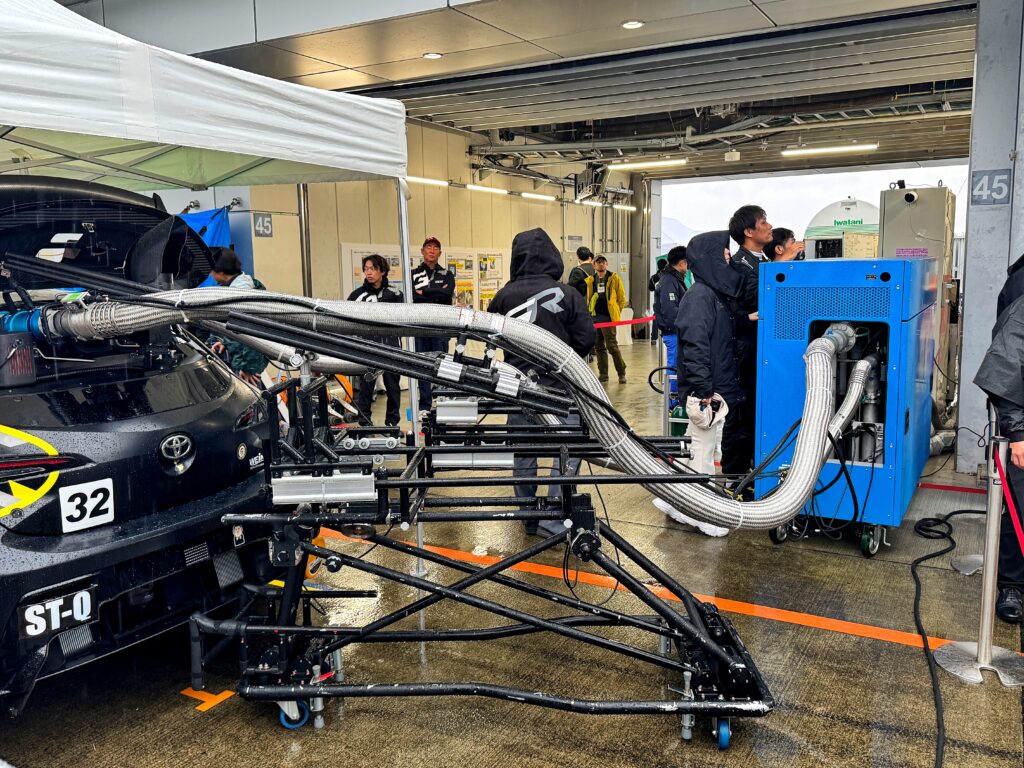
Unfortunately, the weather had other plans. The pit walk was wet and chaotic, and the crowded paddock offered little shelter from the rain. I eventually retreated to avoid getting soaked.
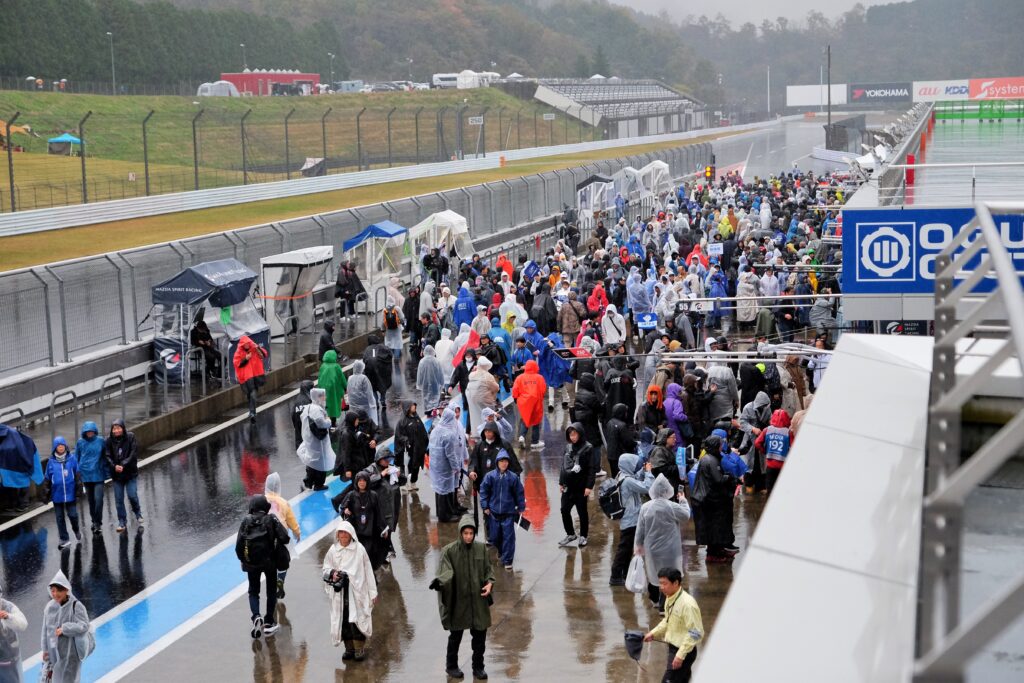
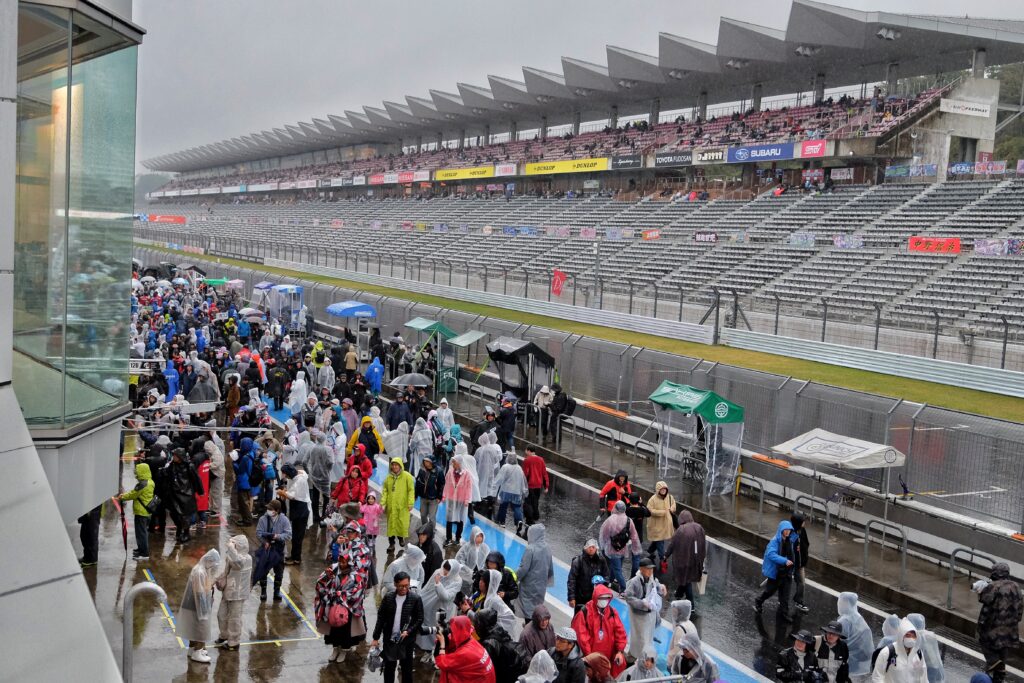
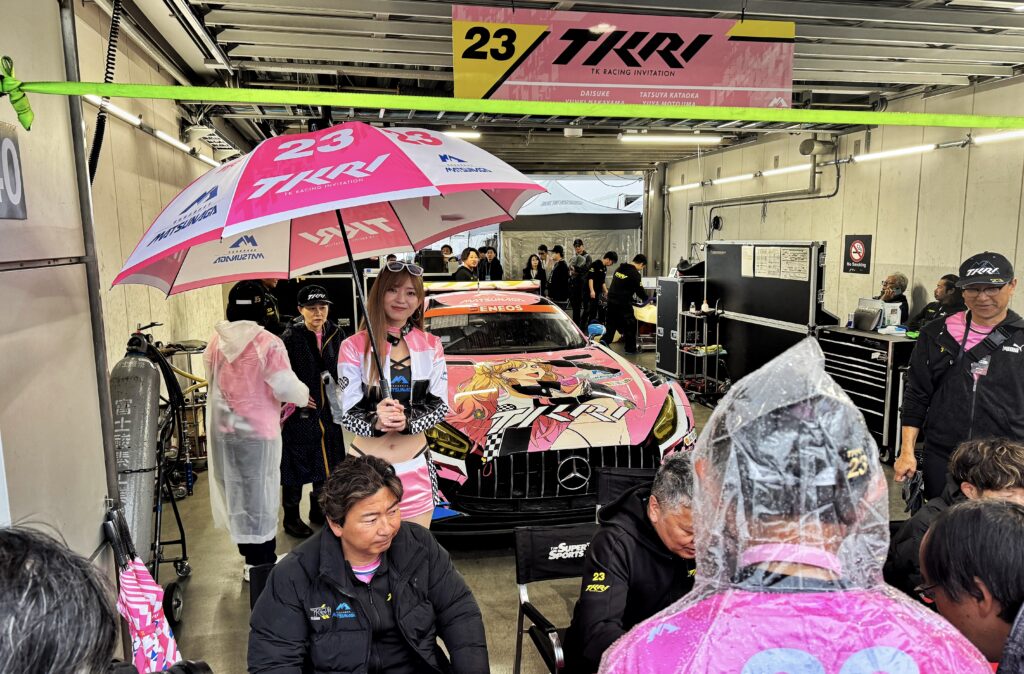
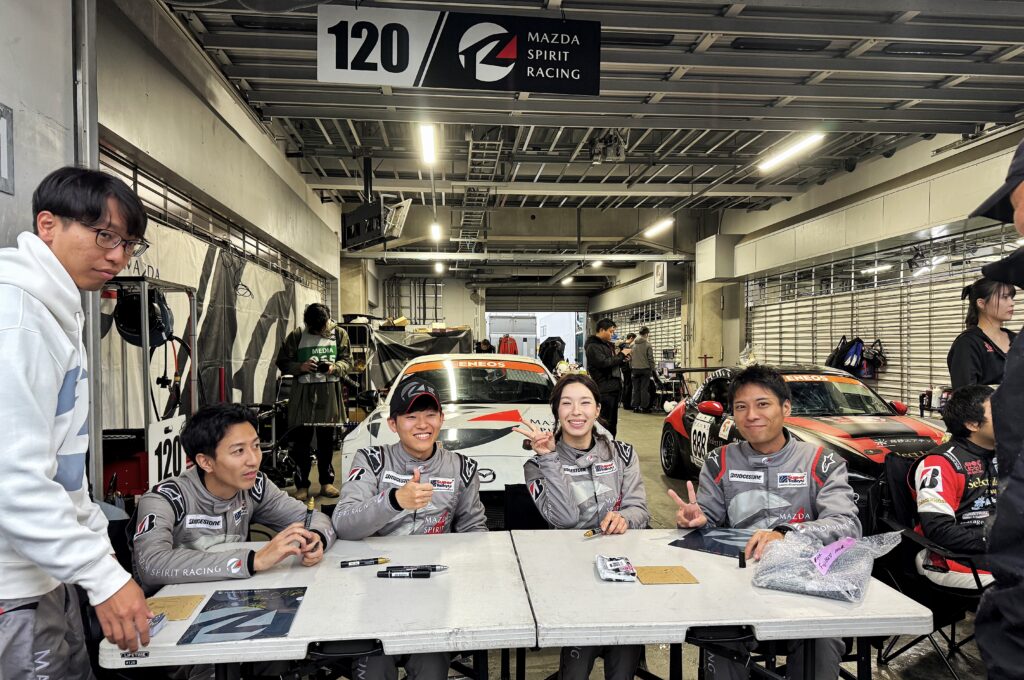
The grid walk was no better, so I settled for taking photographs from the covered deck overlooking the main paddock.
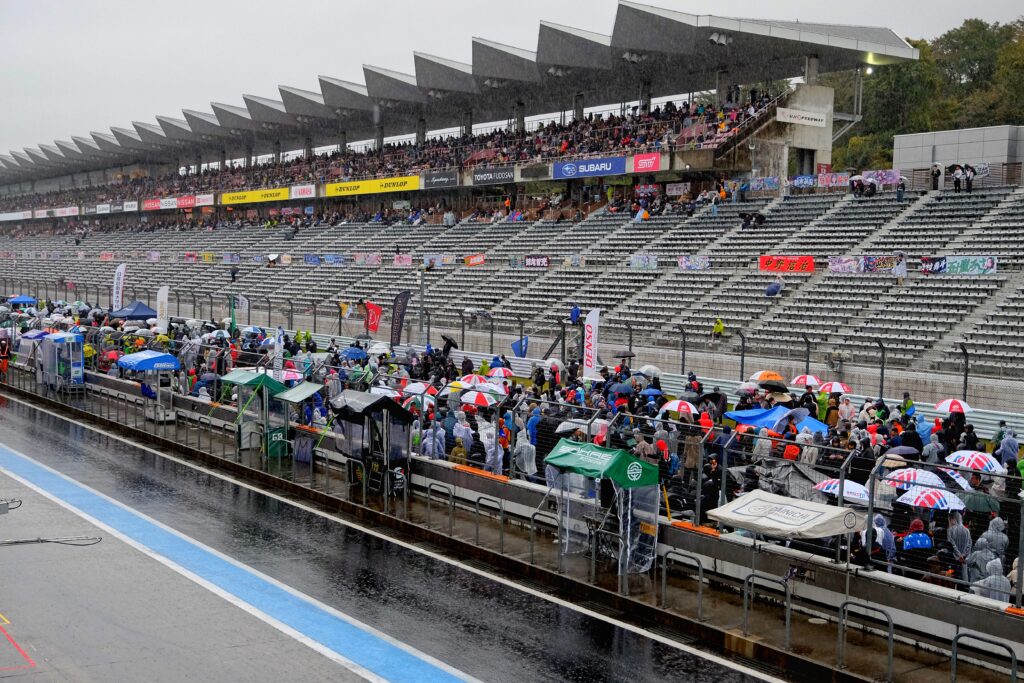
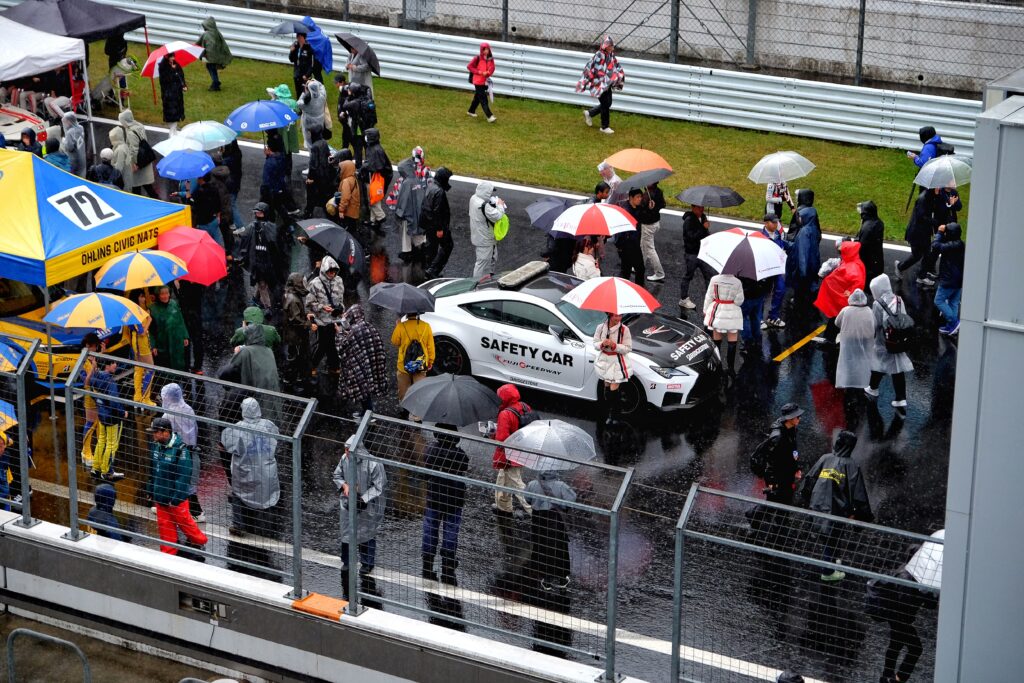
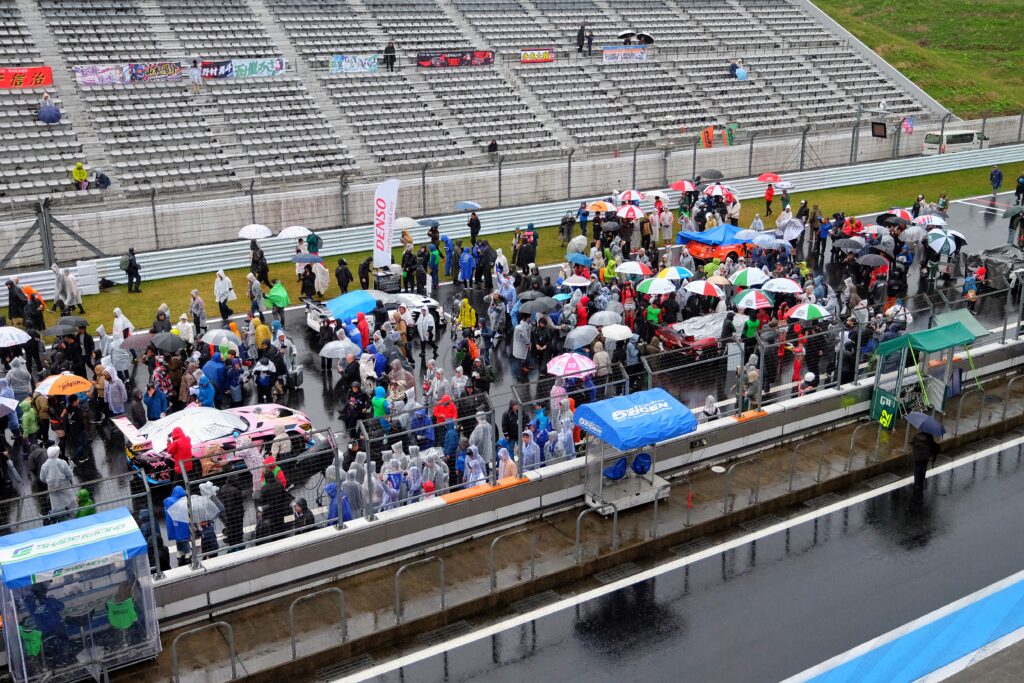
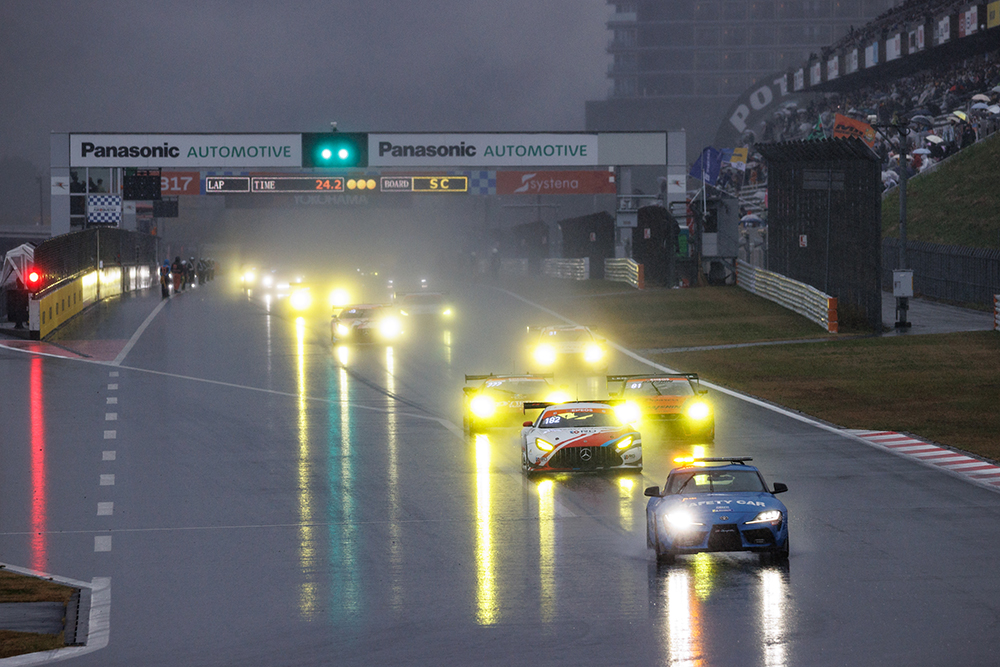
The race began behind the safety car, but a series of accidents after only a handful of laps forced the organizers to cancel the event. It was an anticlimactic end to the weekend, but safety understandably came first.
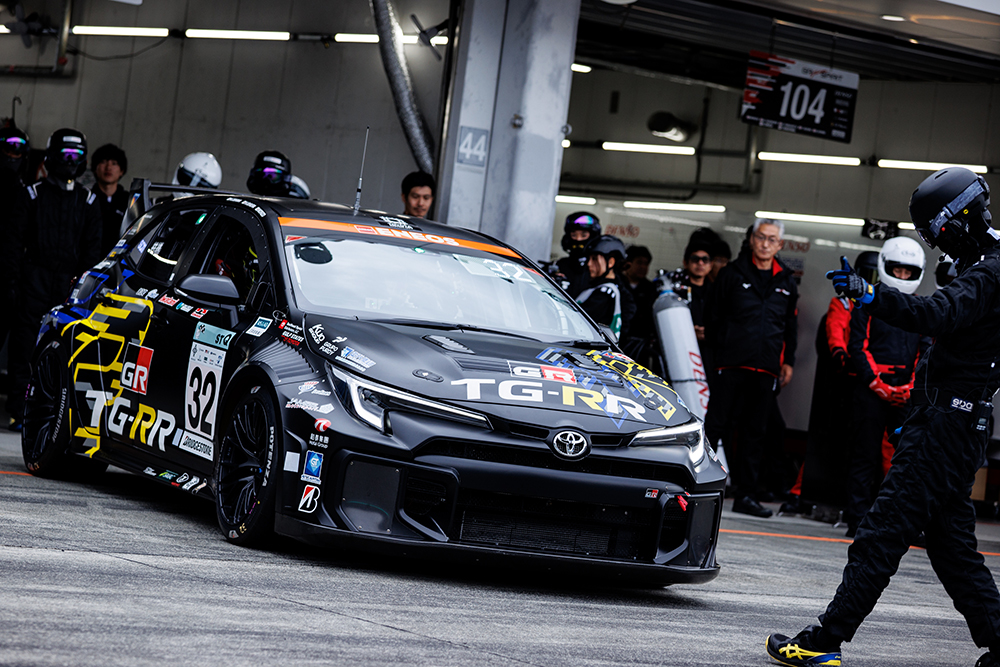


In a gesture that said much about his character, Toyoda, who also serves as chairman of the Super Taikyu organizing body, personally visited each team’s garage to apologize for the cancellation. It was a small but telling reminder that his involvement in motorsport goes beyond titles and corporate responsibilities.
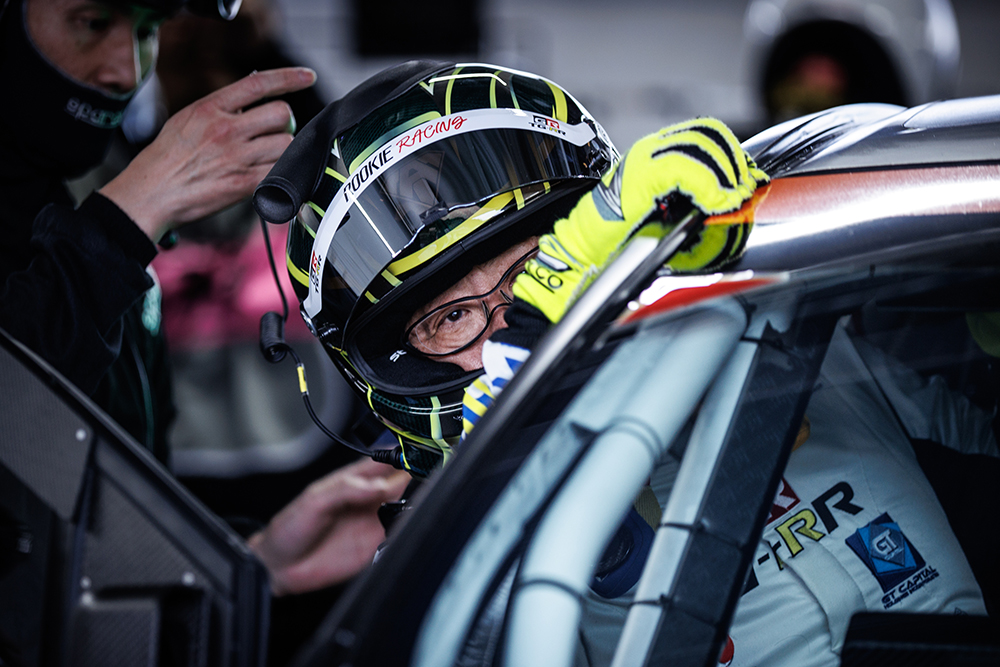
In an era when the automotive industry is rapidly moving towards electrification, automation and increasingly disposable mobility, Toyota’s approach offers a different perspective. Through GAZOO Racing and Rookie Racing, it continues to invest in the people, skills and experiences that make driving meaningful.
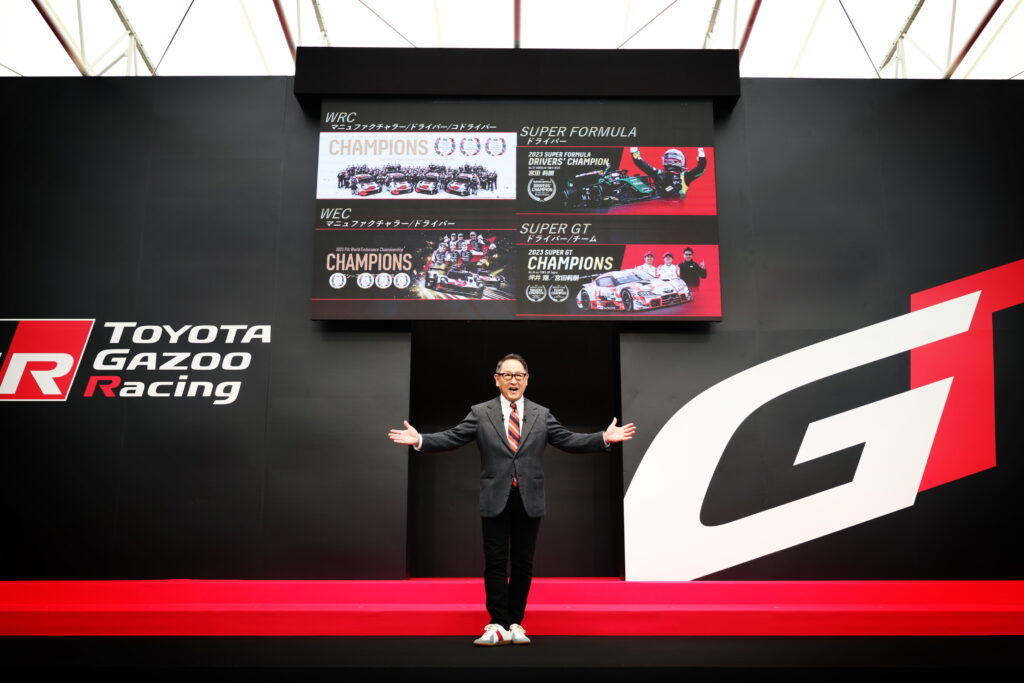
That, ultimately, is what Rookie Racing Garage Manila represents. It is not simply another showroom or a place to display performance cars. It has the potential to become a meeting point for enthusiasts and a home for a broader Filipino car culture. That is Morizo’s mission, beyond making ever better cars.
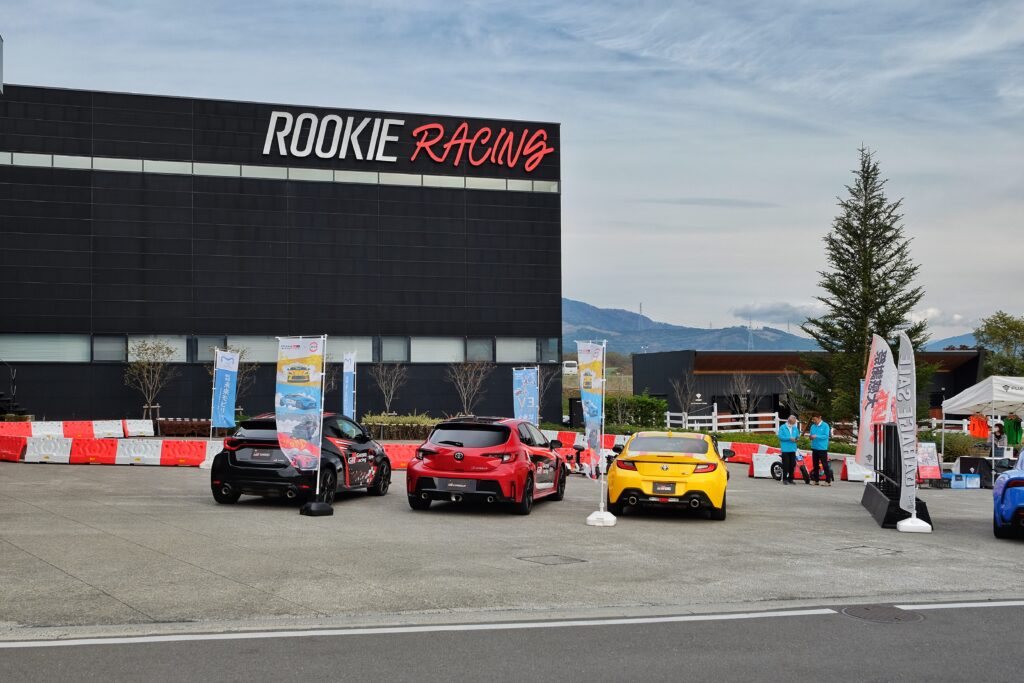
Hopefully, when its doors finally open, it will live up to that promise.