
For the past two Christmas holidays, we’ve found ourselves in Japan—timed perfectly with my son’s birthday. It’s a rhythm we’ve come to enjoy: familiar streets, predictable winter scenes, and the quiet comfort of returning to somewhere we already understand. But this year felt different.
There was a sense that we were starting to repeat ourselves. The family wanted something new—new sights, new energy—while still holding on to that feeling of winter. So we traded familiarity for curiosity and set our sights on China.
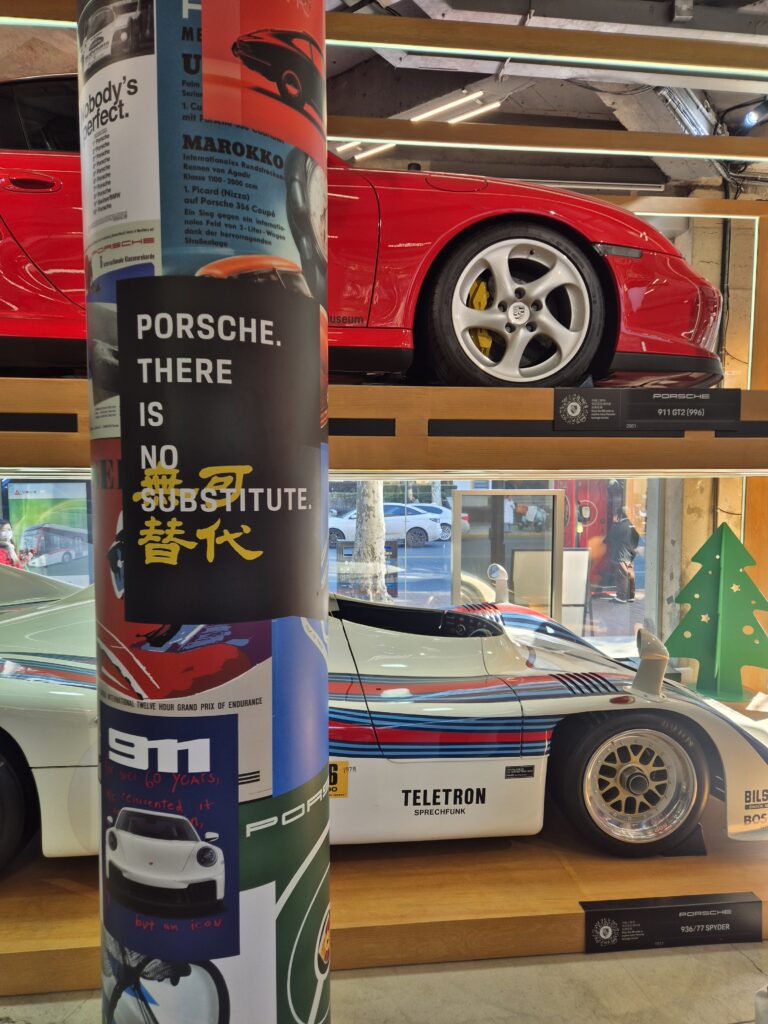
Multi-city trips tend to move quickly, especially with family, but I’ve learned to always carve out time for the things that matter to me. Somewhere between the sightseeing and the inevitable holiday rush, I HAD to go looking for car culture.
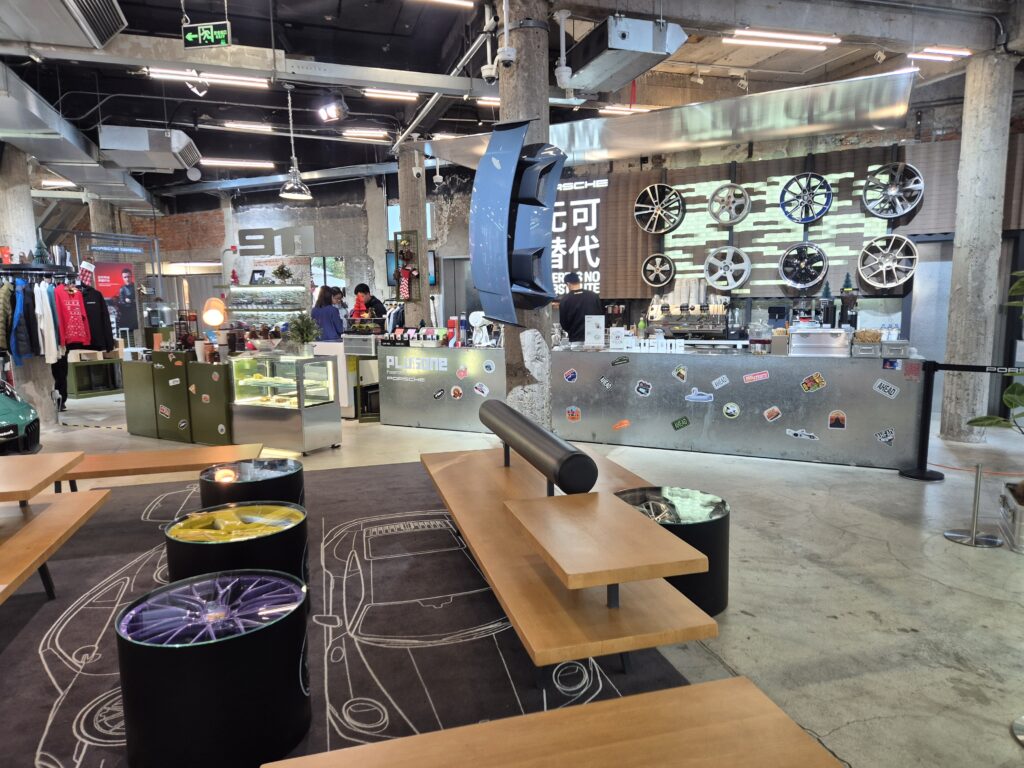
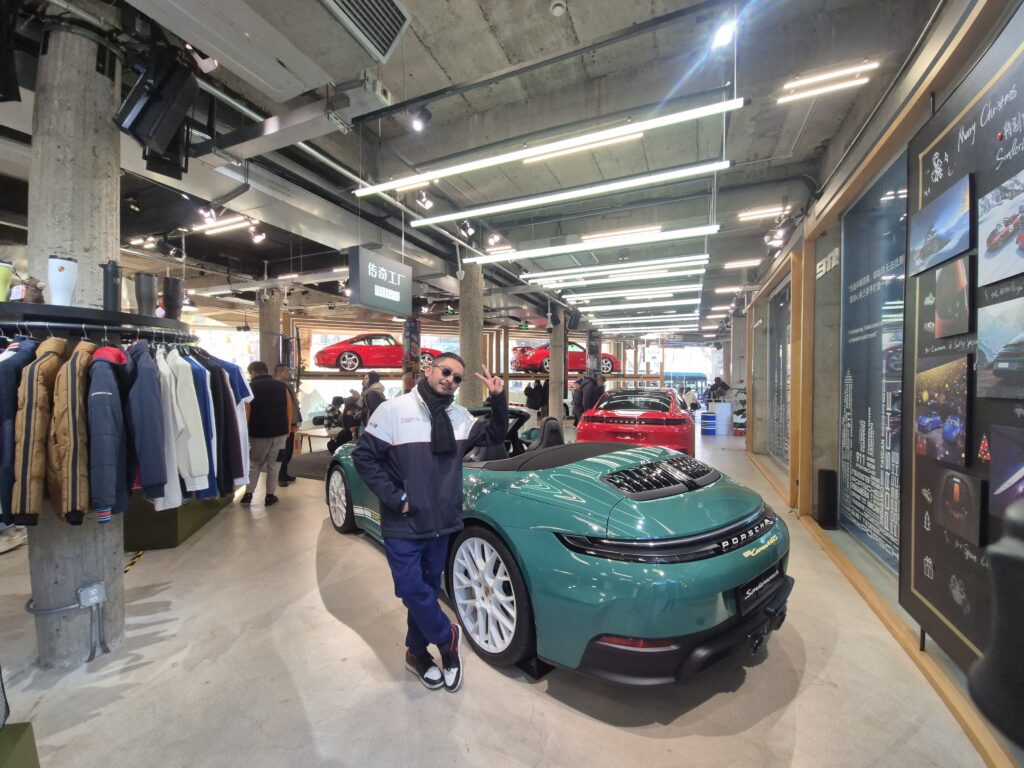
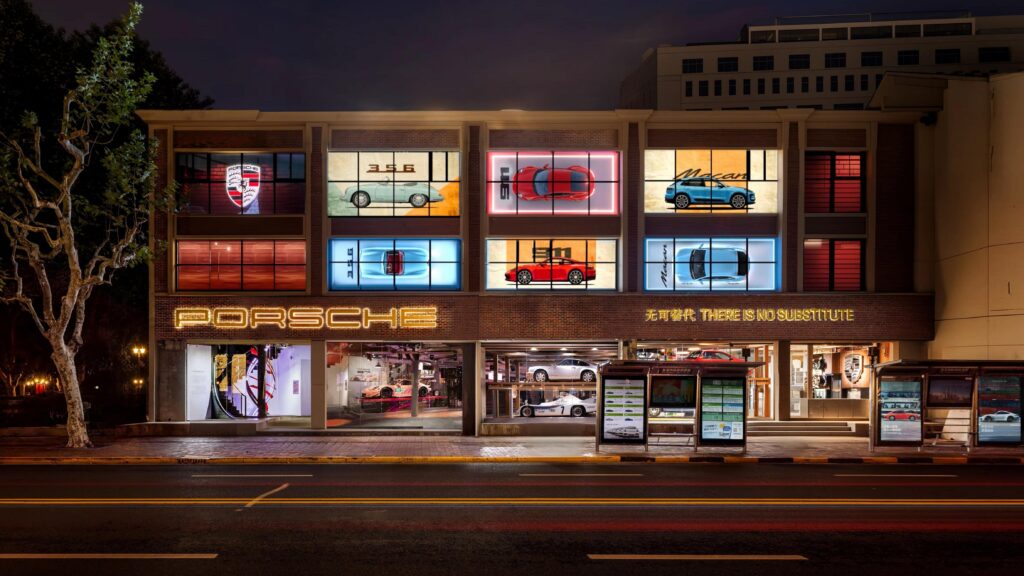
That search led me to Shanghai, specifically along Huaihai Road—a street that already feels like a blend of heritage and modernity. It’s an appropriate setting for what Porsche chose to build there: its first Asian brand pop-up.
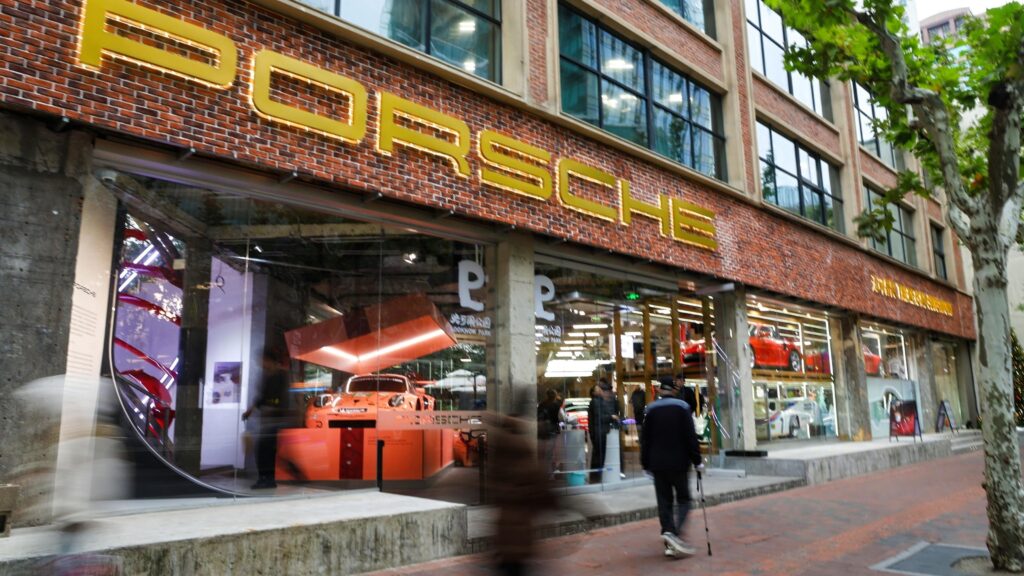
Calling it a showroom wouldn’t quite be accurate. There’s a clear intention to move away from that traditional format. Instead, the space feels more like an intersection—where sports car culture meets design, history, and urban lifestyle.
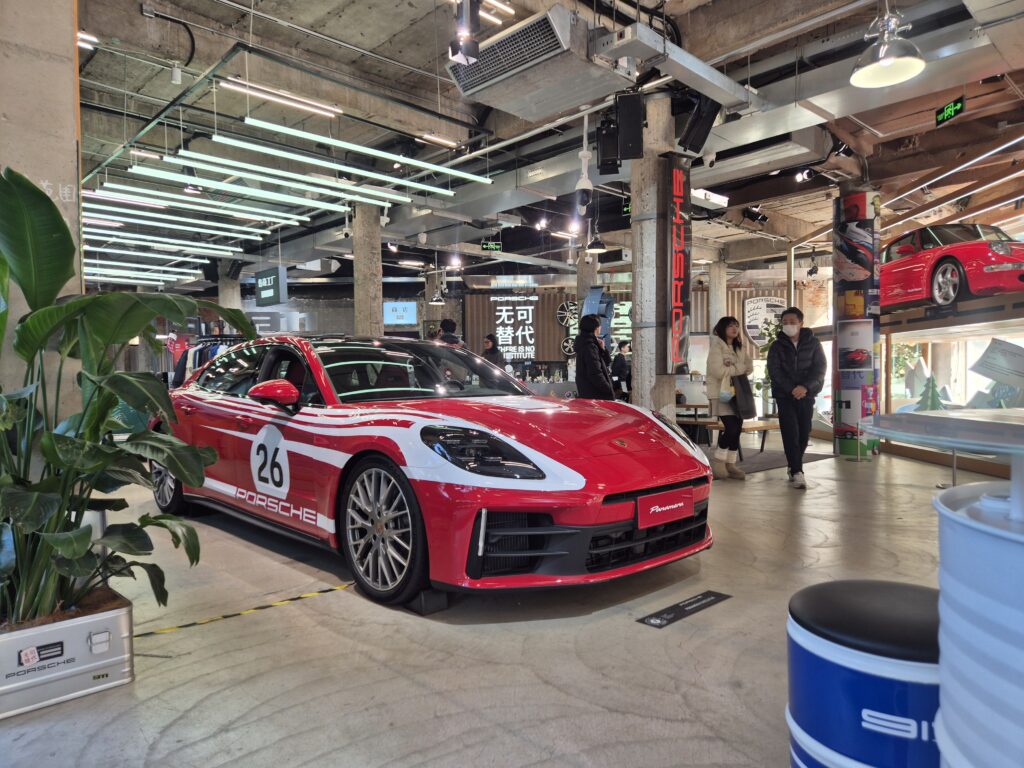
It’s as much about how the brand feels as it is about what the brand sells.
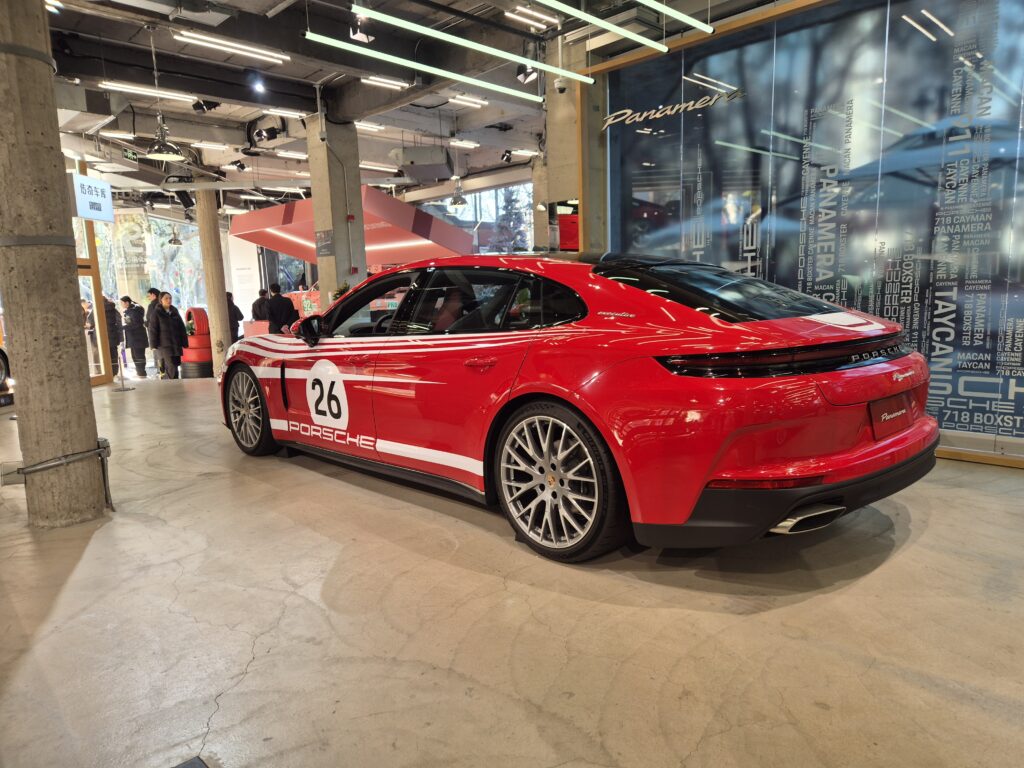
For someone who already owns a Porsche, that difference is immediately noticeable. You’re not being introduced to the brand—you’re being invited to reconnect with it.
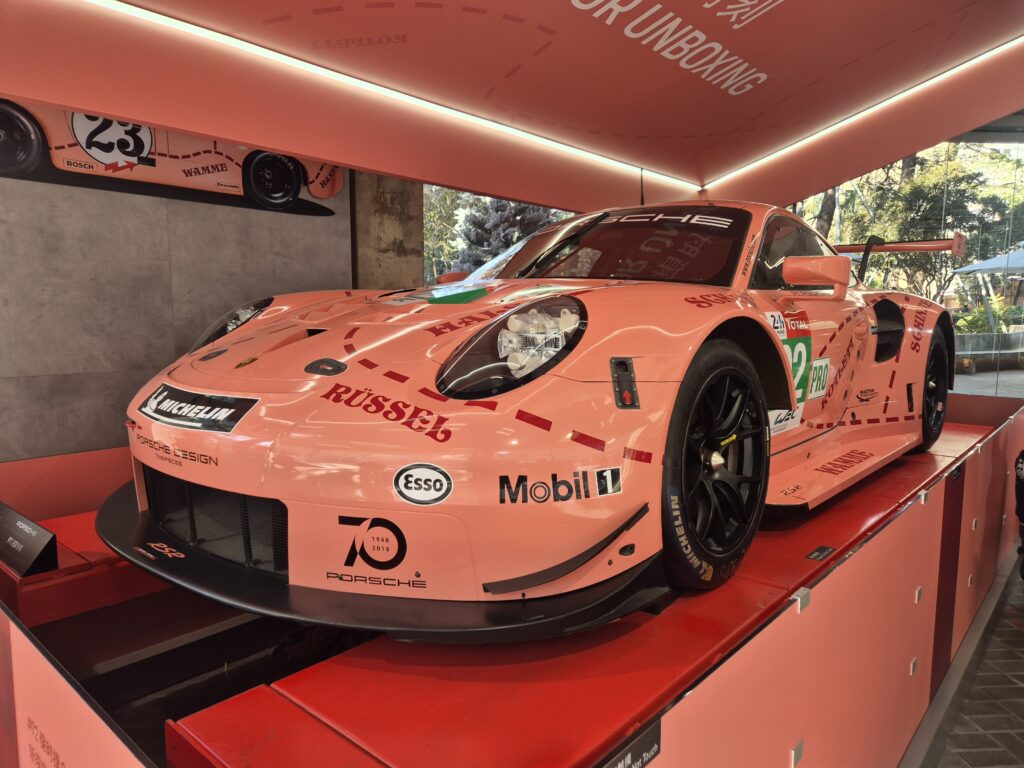
To see it not just as a machine, but as something shaped by decades of racing, engineering, and cultural relevance.
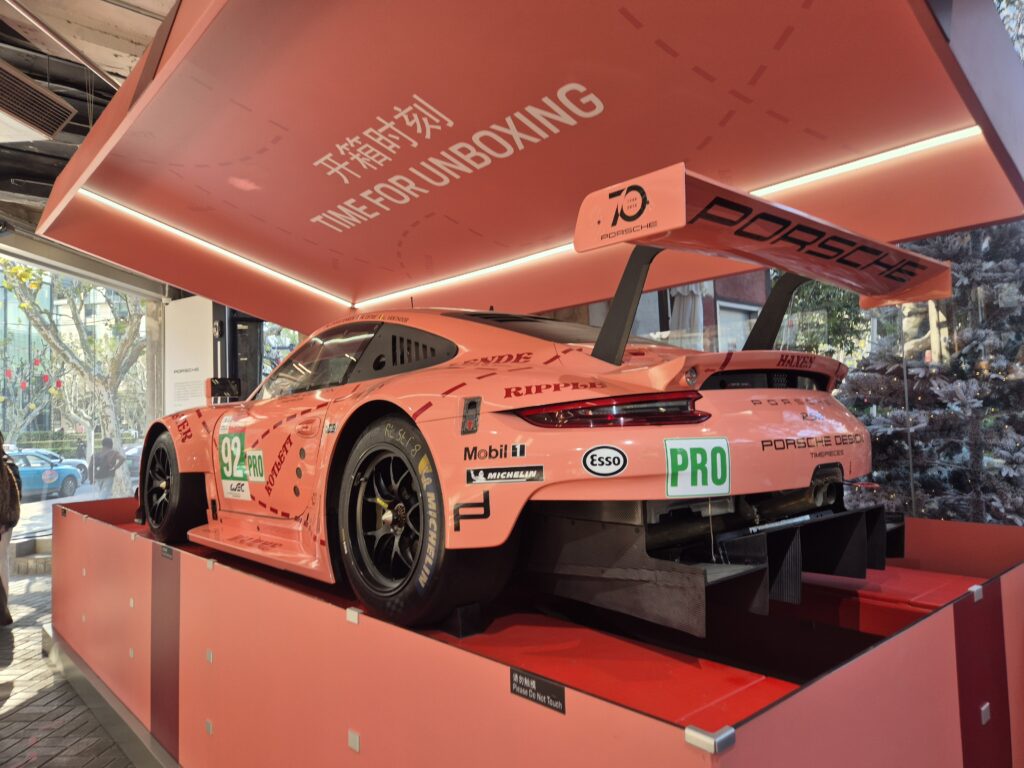
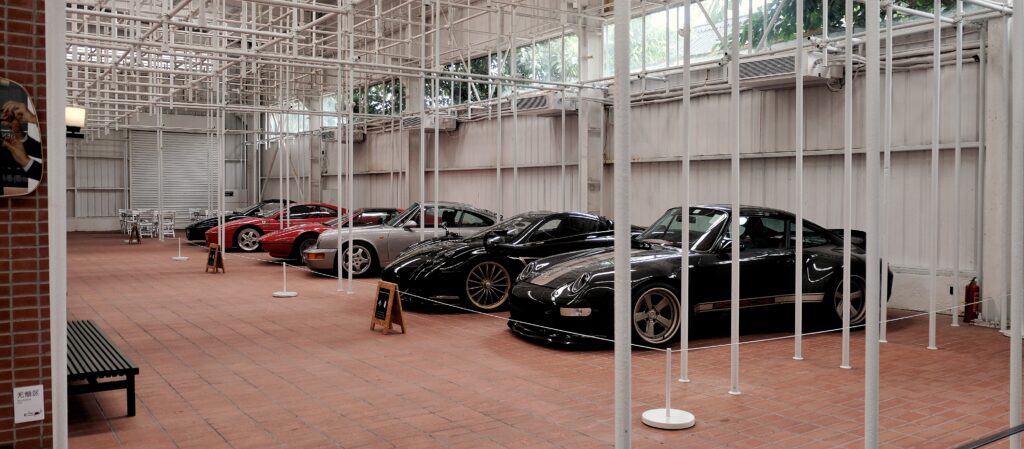
The layout reinforces that idea. On the ground floor, the focus is unmistakably on heritage. Cars are displayed in a double-decker format that subtly echoes the Porsche Museum in Zuffenhausen, Porsche’s spiritual home. Pairing race cars with production models, this aims to tell a broader story.
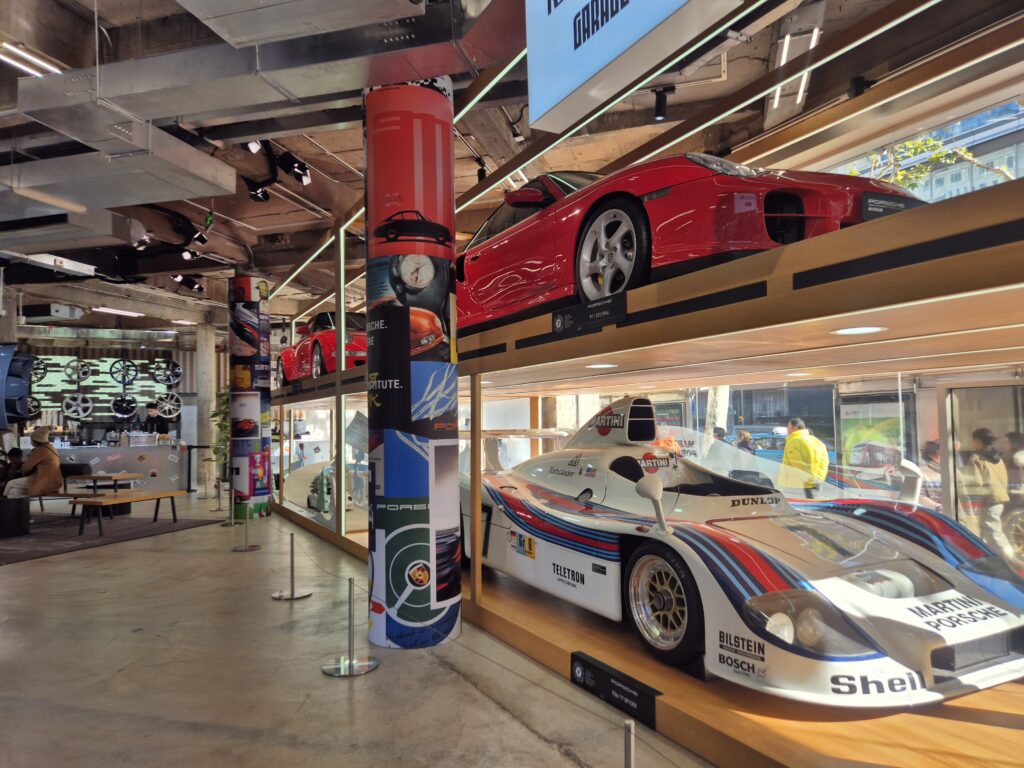
It’s not just about showcasing individual vehicles—it’s about showing progression. You can trace the evolution of design, performance, and identity as you move through the space.
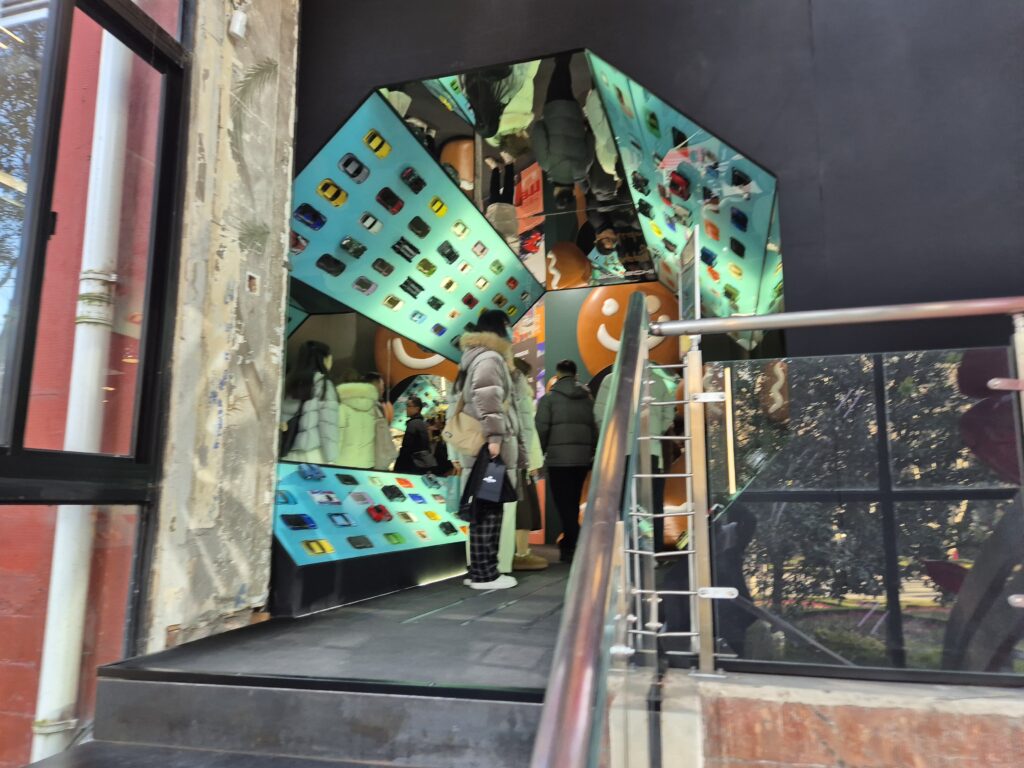
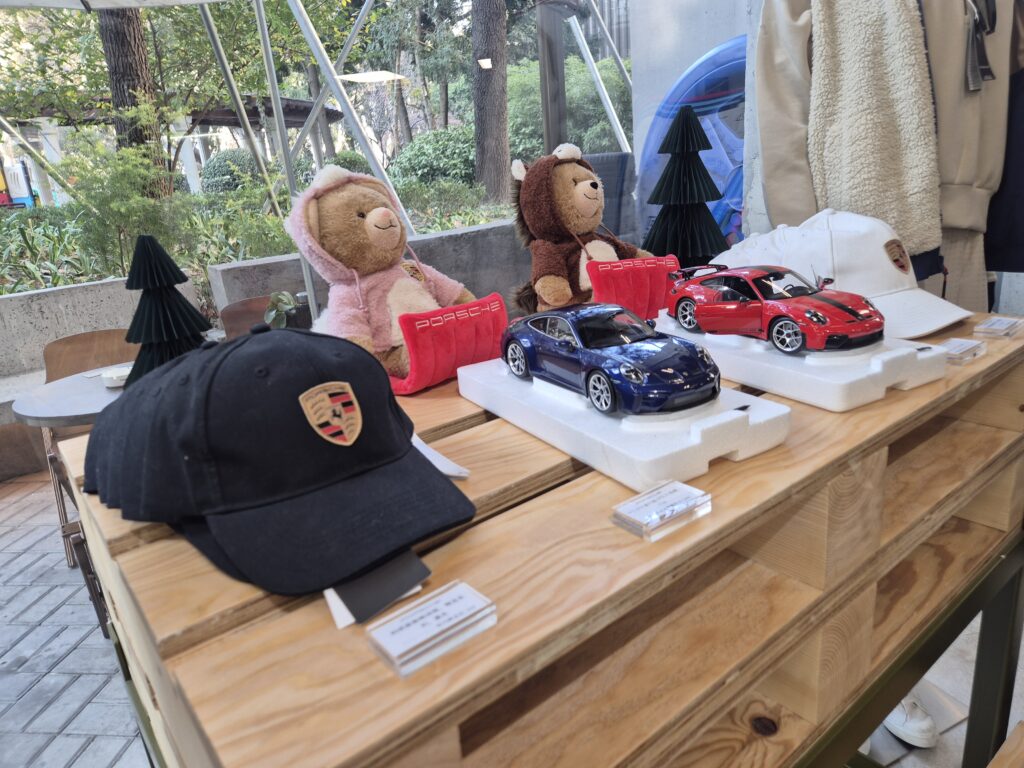
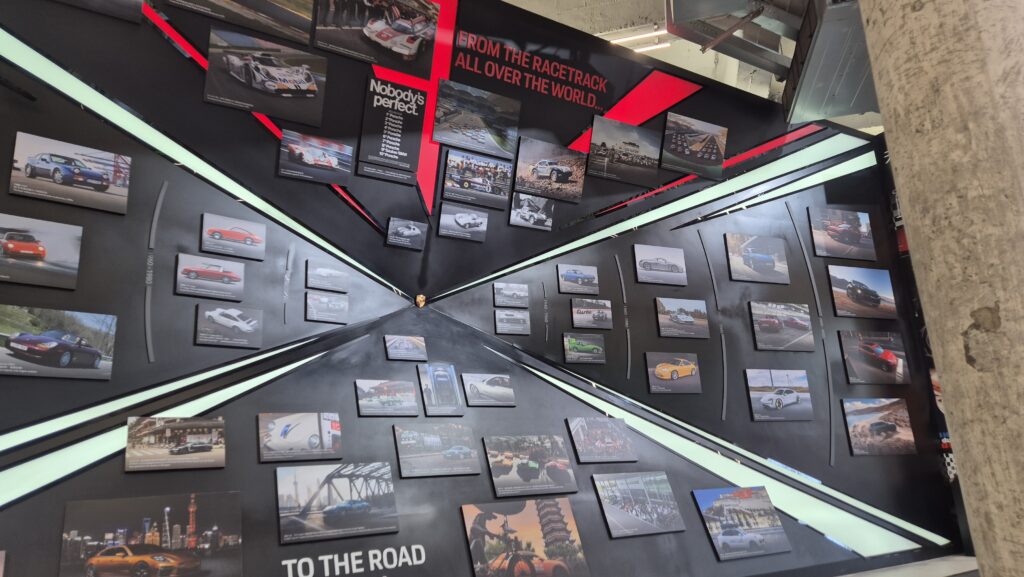
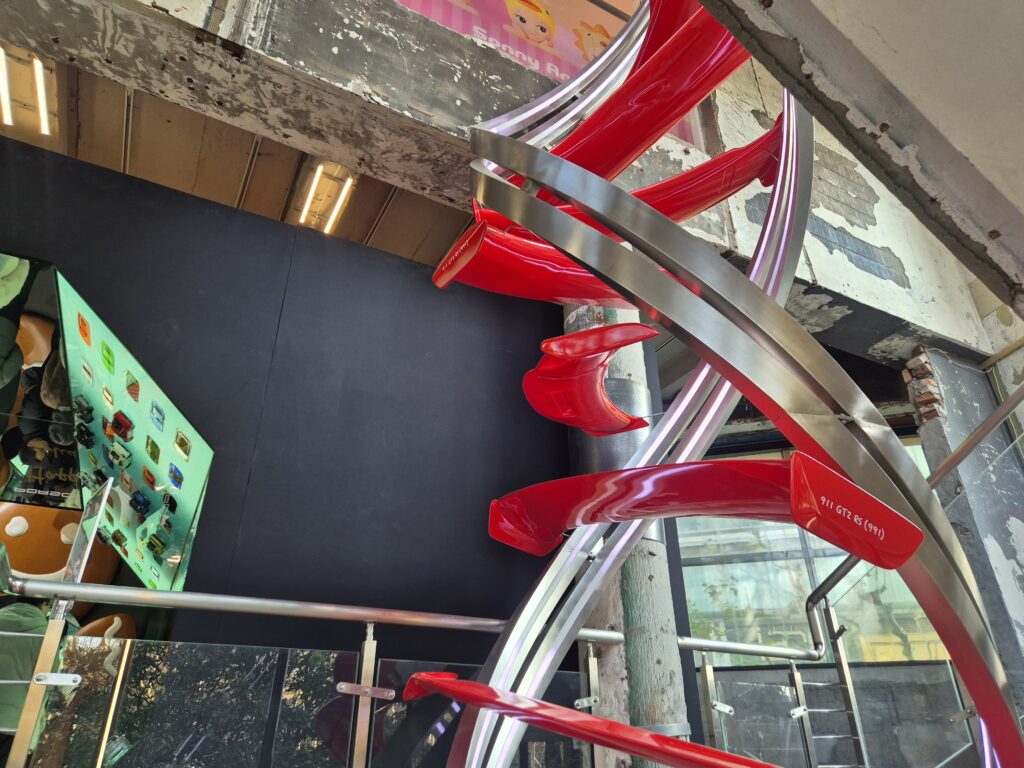
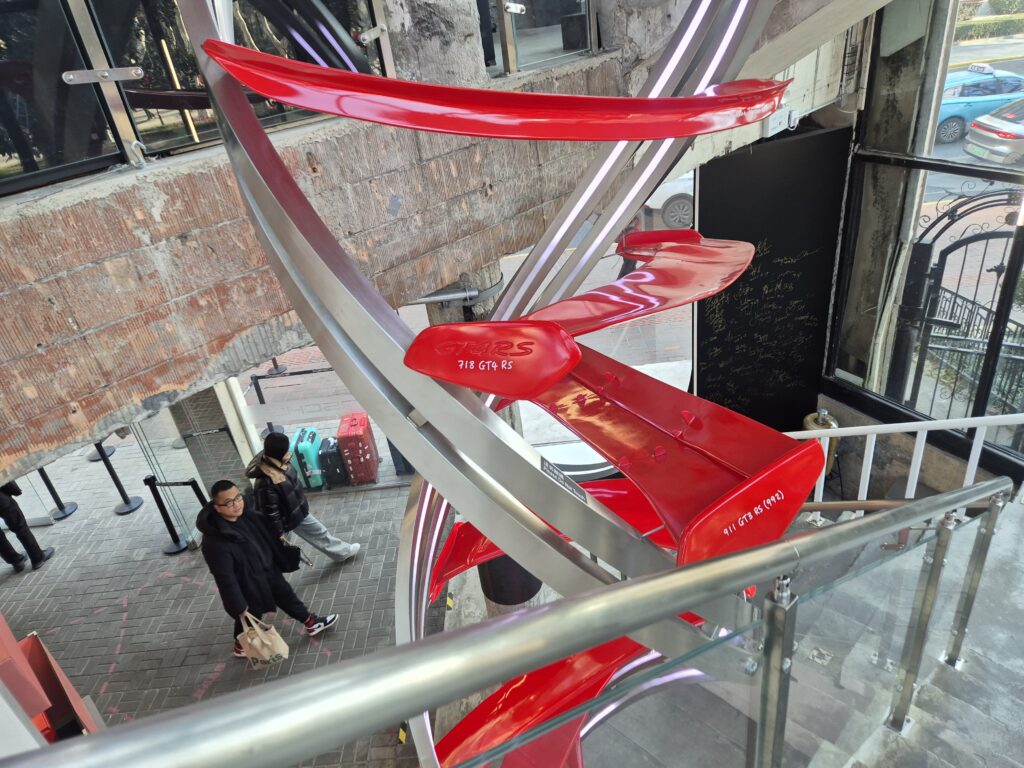
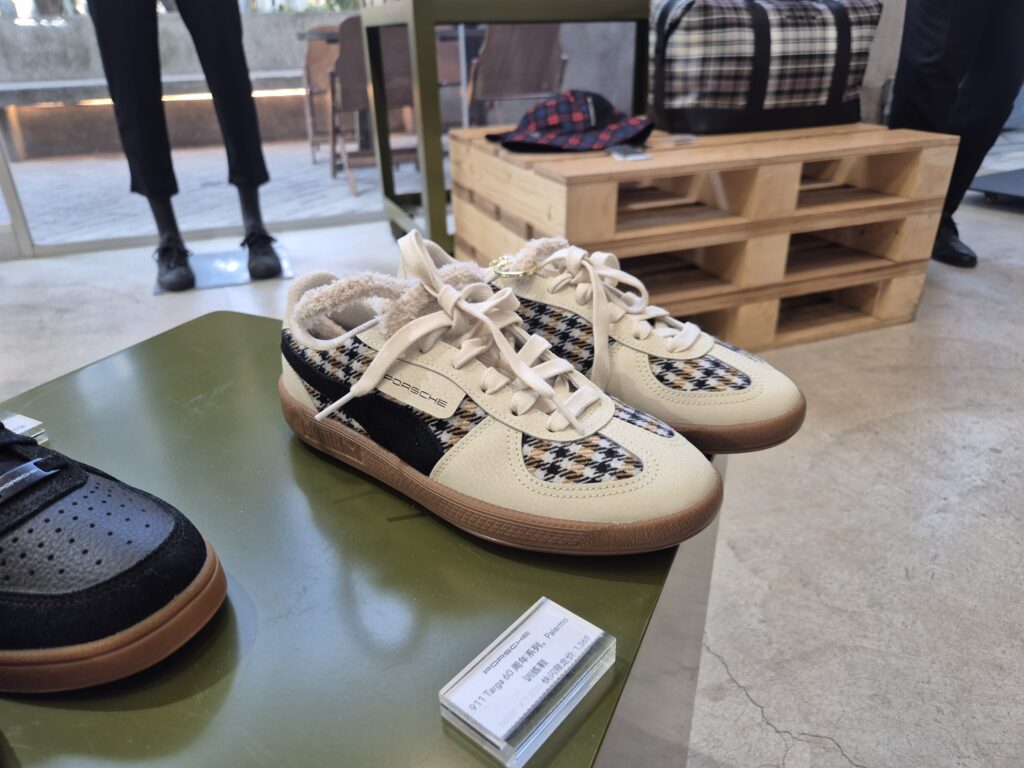
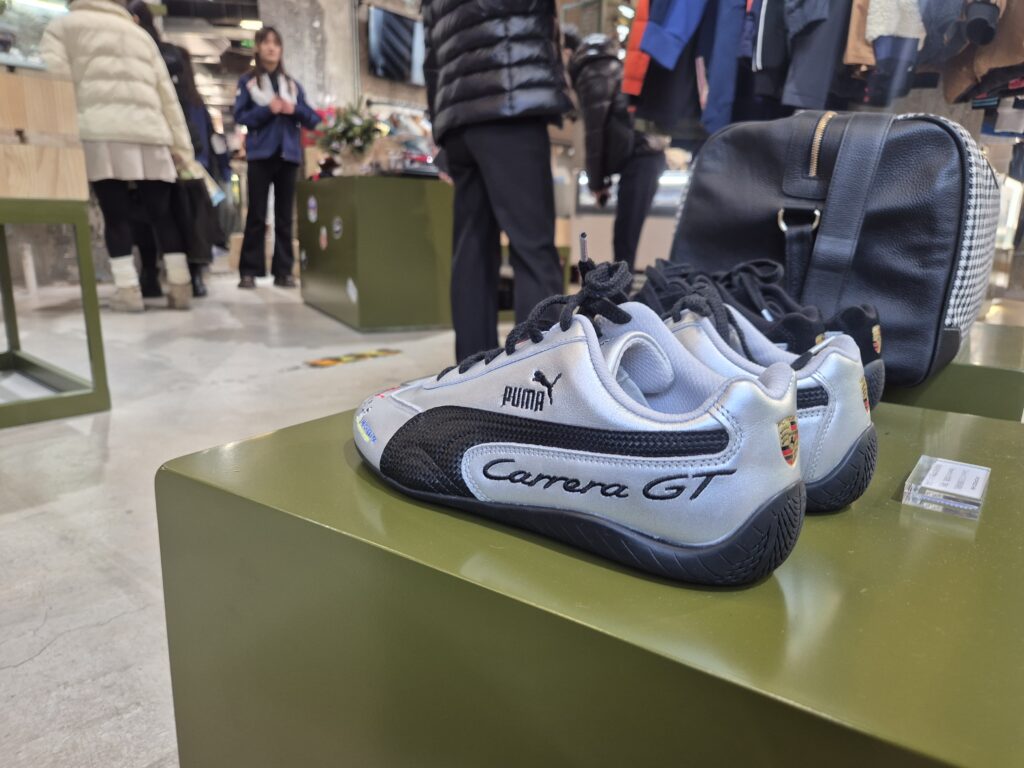
Upstairs, the tone shifts. It becomes less about the cars themselves and more about the people who connect with them. Personalization, craftsmanship, and storytelling take center stage.
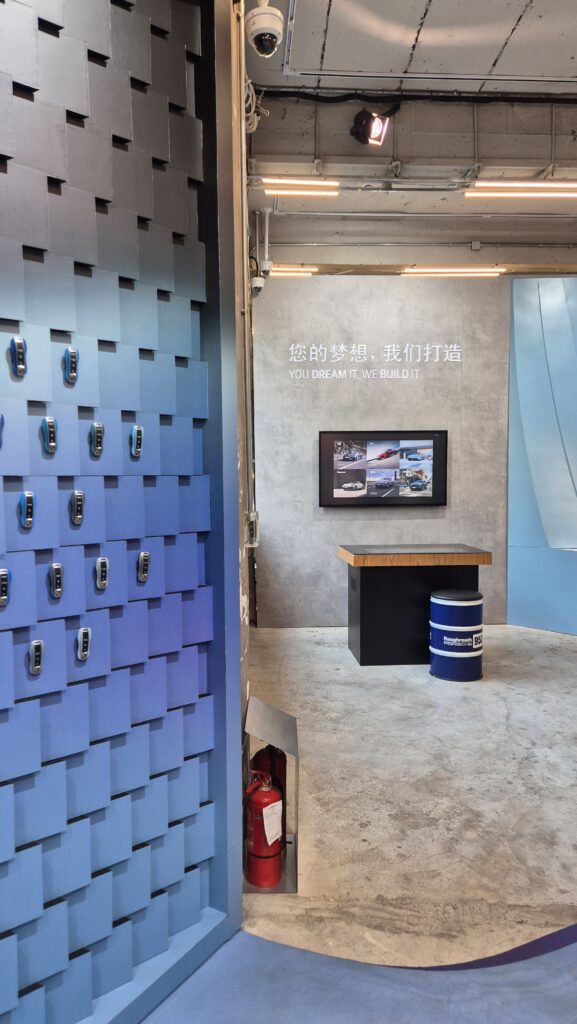
There’s a timeline that spans over 70 years of sports car development, but it’s presented in a way that feels almost artistic—through color, materials, and lifestyle displays rather than technical specifications.
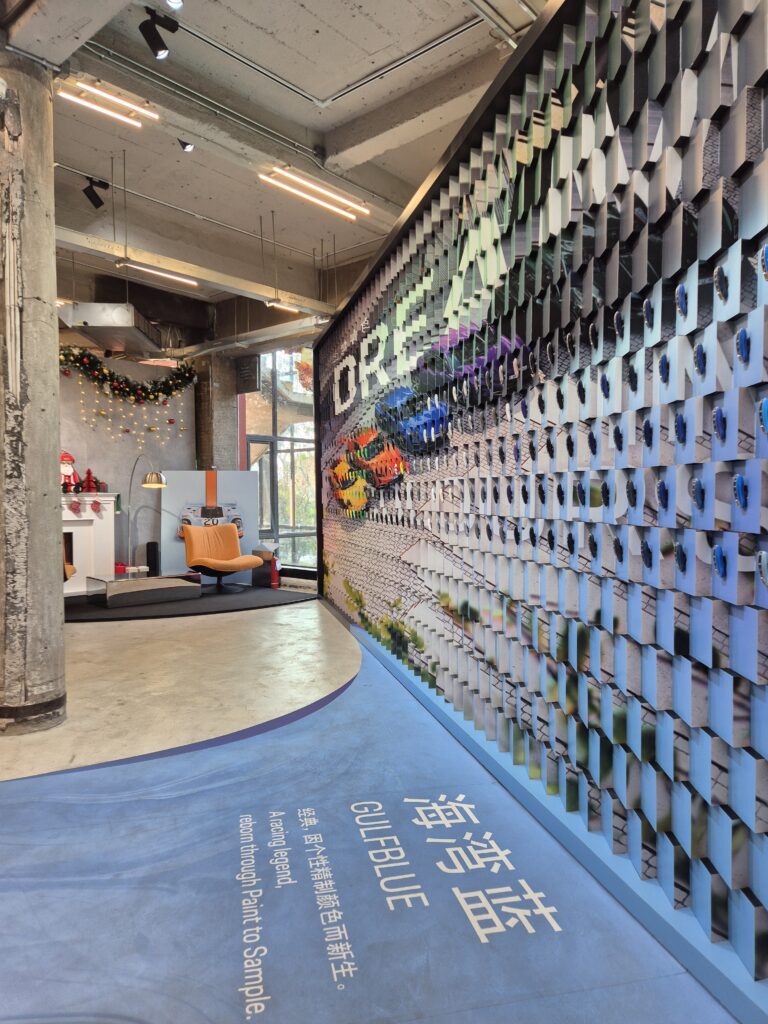
It speaks to a different kind of appreciation, one that goes beyond horsepower or performance figures.
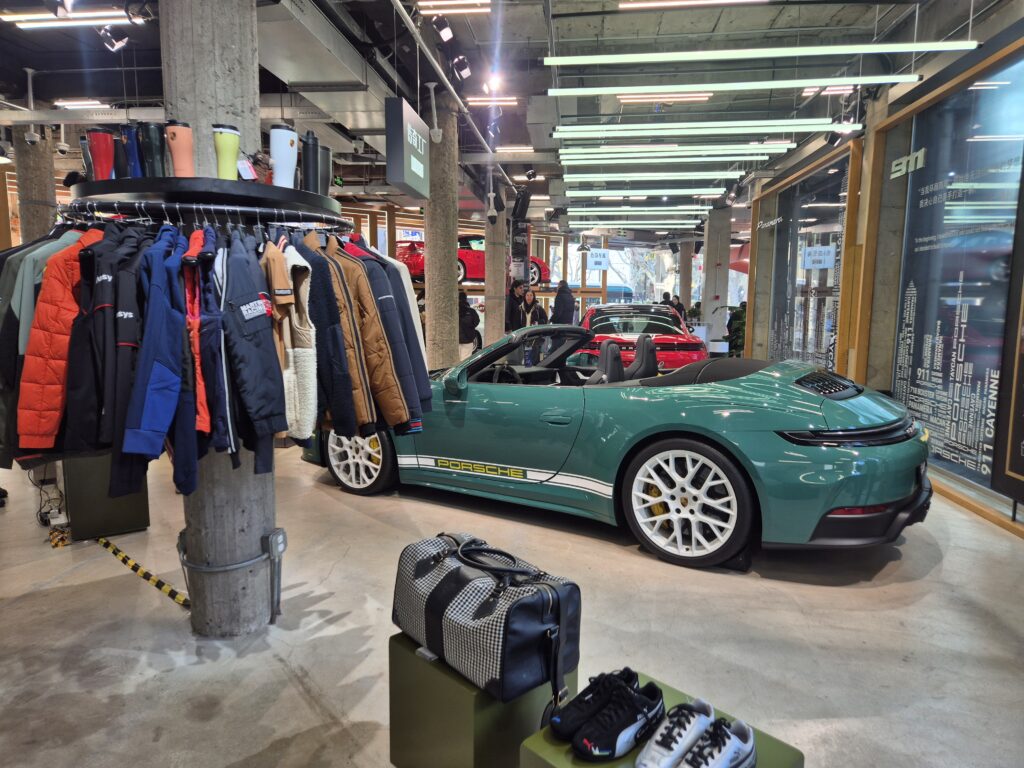
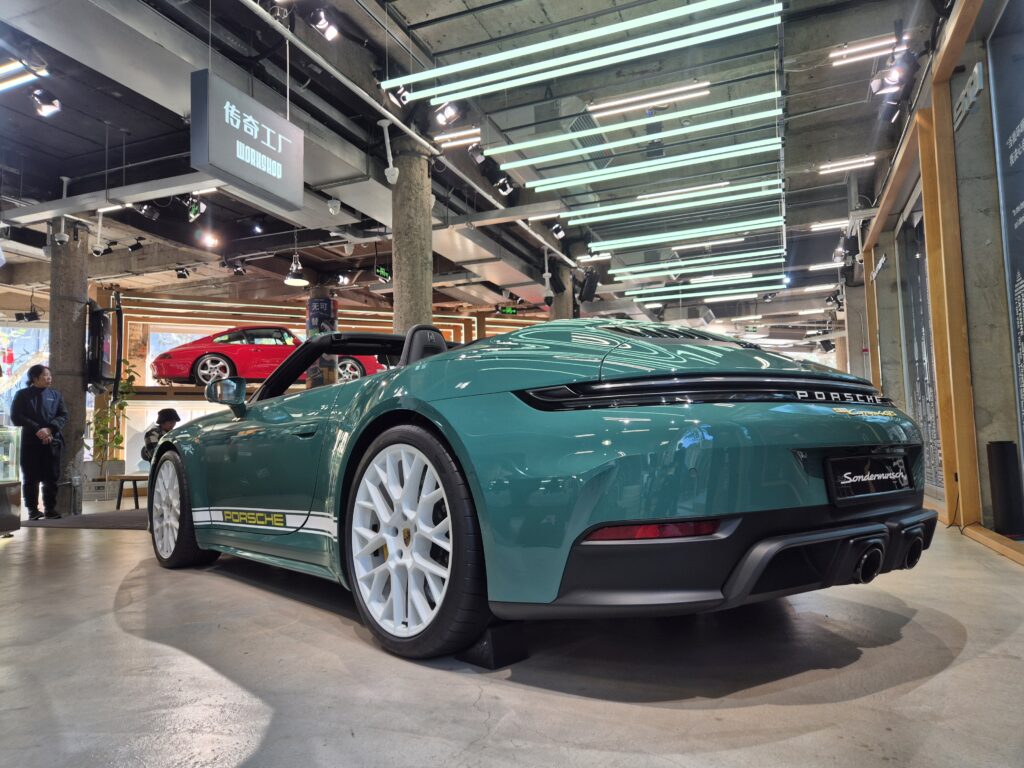
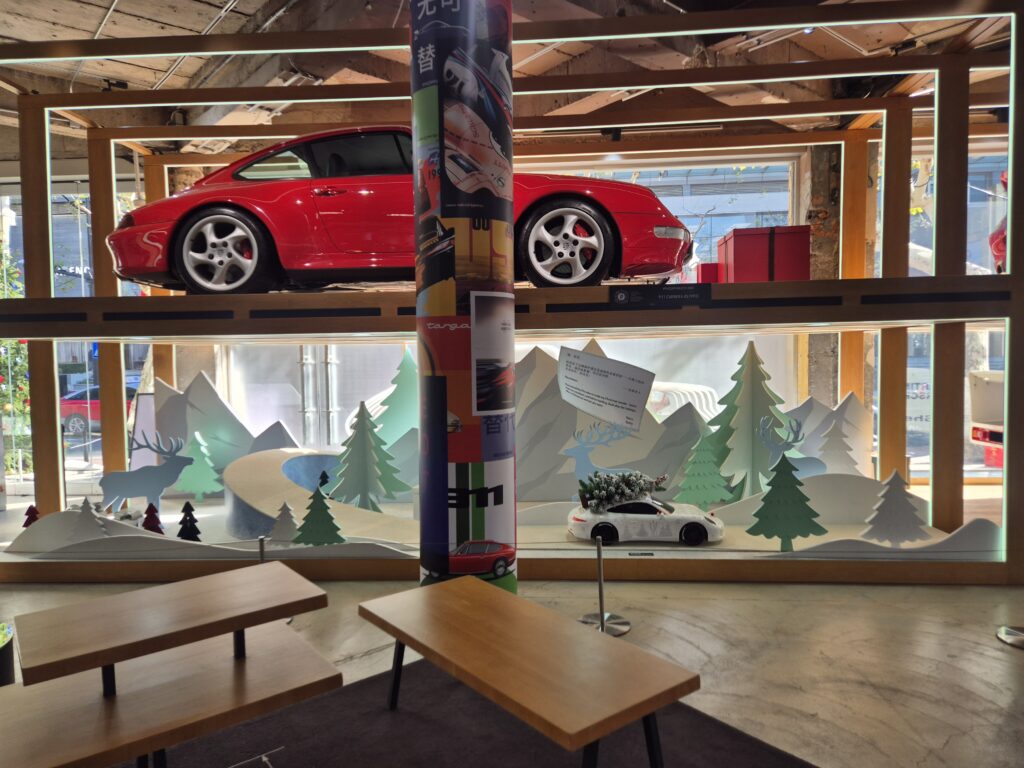
What makes the space particularly compelling is its impermanence. Throughout its run, the pop-up evolved—moving from the original “There is No Substitute” concept into seasonal reinterpretations.
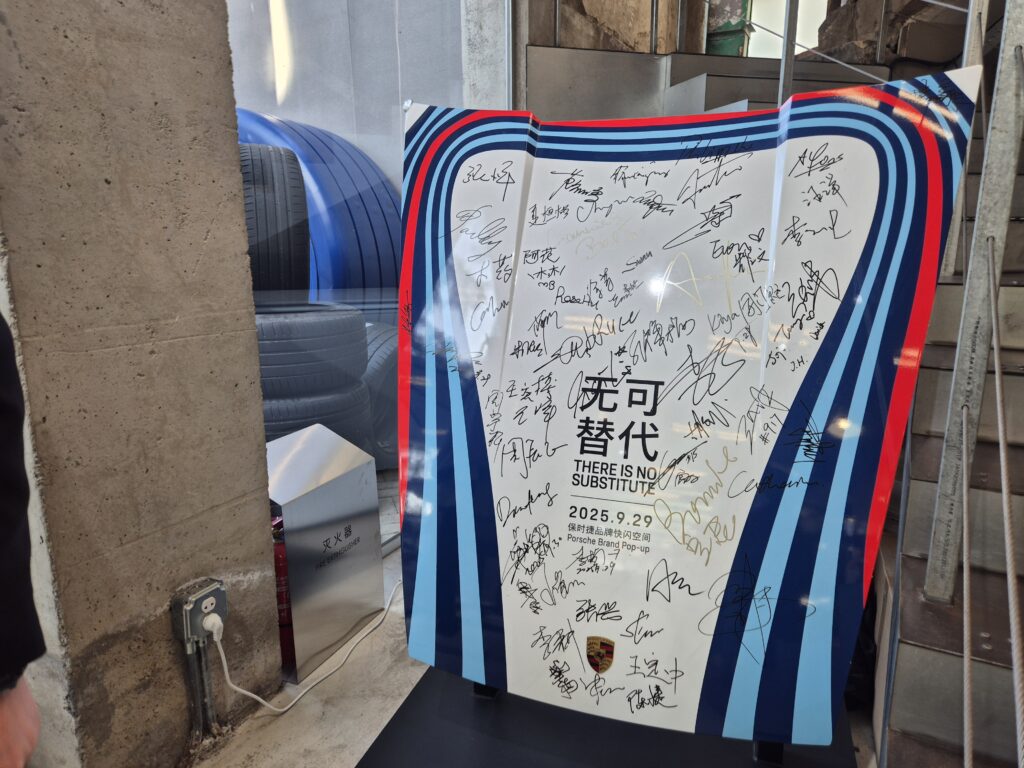
When I visited, it had taken on a winter theme inspired by Porsche’s Ice Experience, which made the space feel especially fitting against the cold outside.
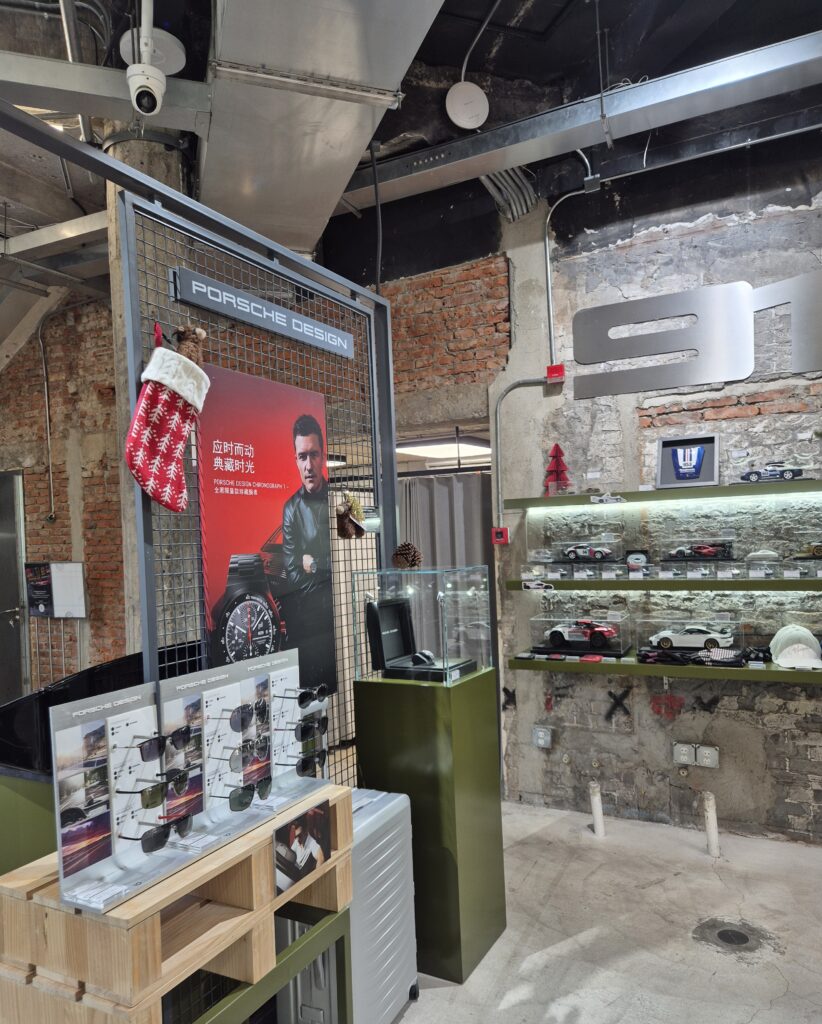
Its final installation, “Horsepower Unleashed,” ties into Chinese New Year—marking both a celebration and an ending. After that, the concept moves on, expanding into other cities across China.
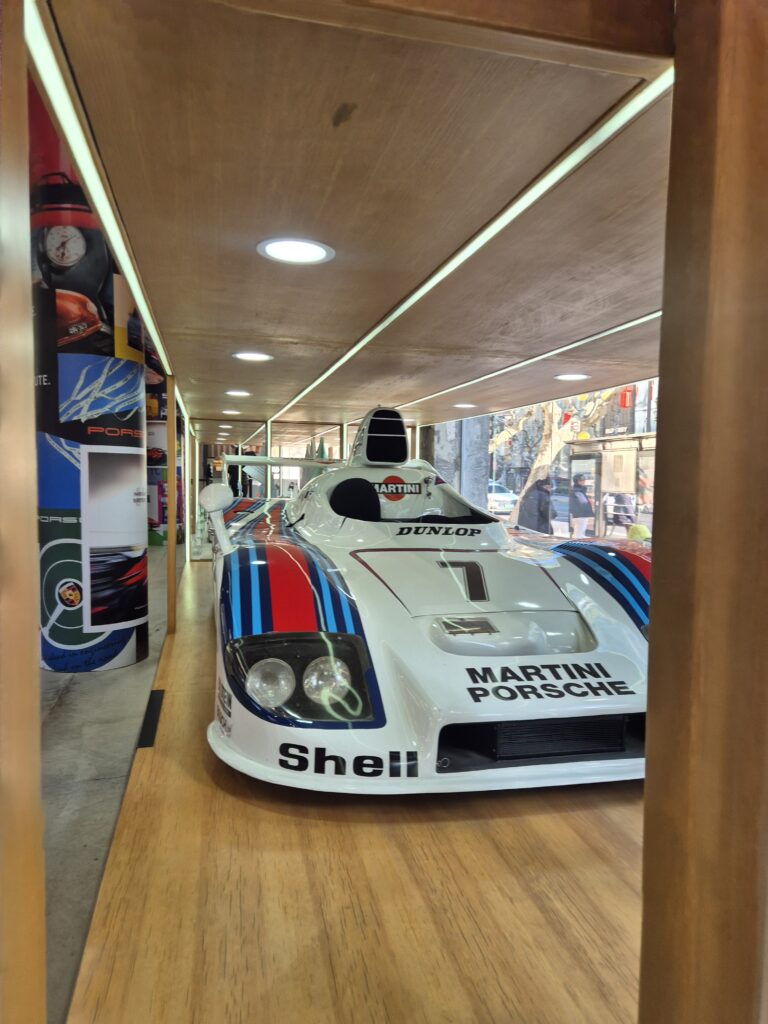
And maybe that’s what stayed with me the most.
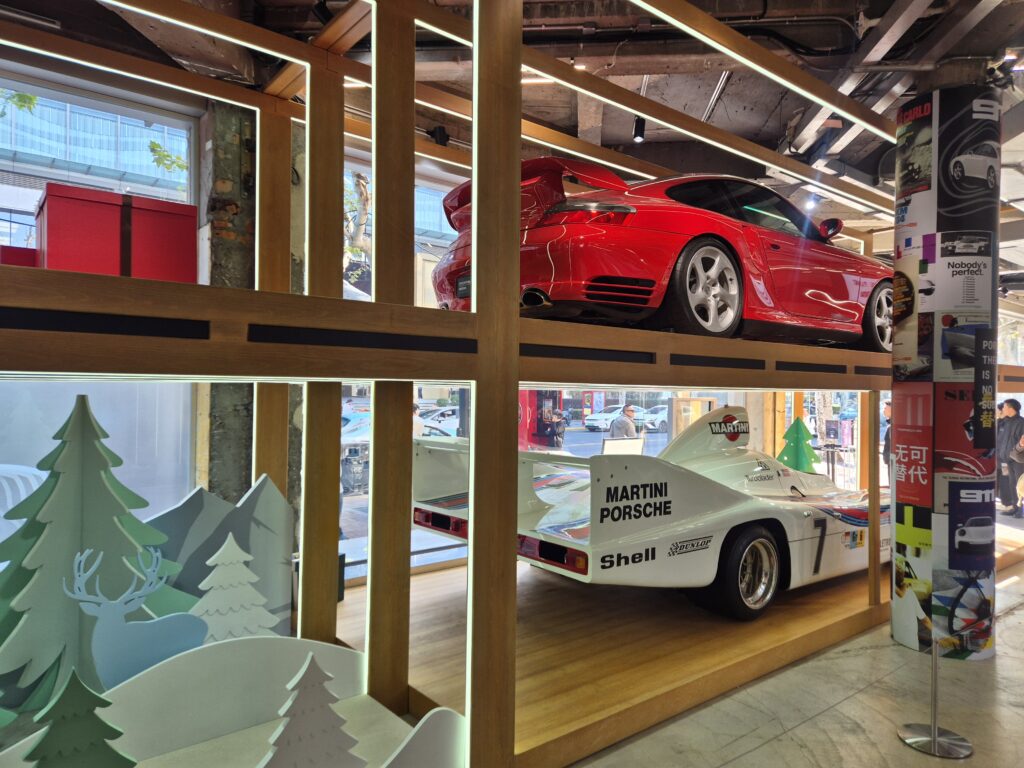
The design was thoughtful. The cars were expertly curated. Even the small details—the warmth of a drink on a cold day—added to the experience. But what made it memorable was the fact that it was never meant to last.
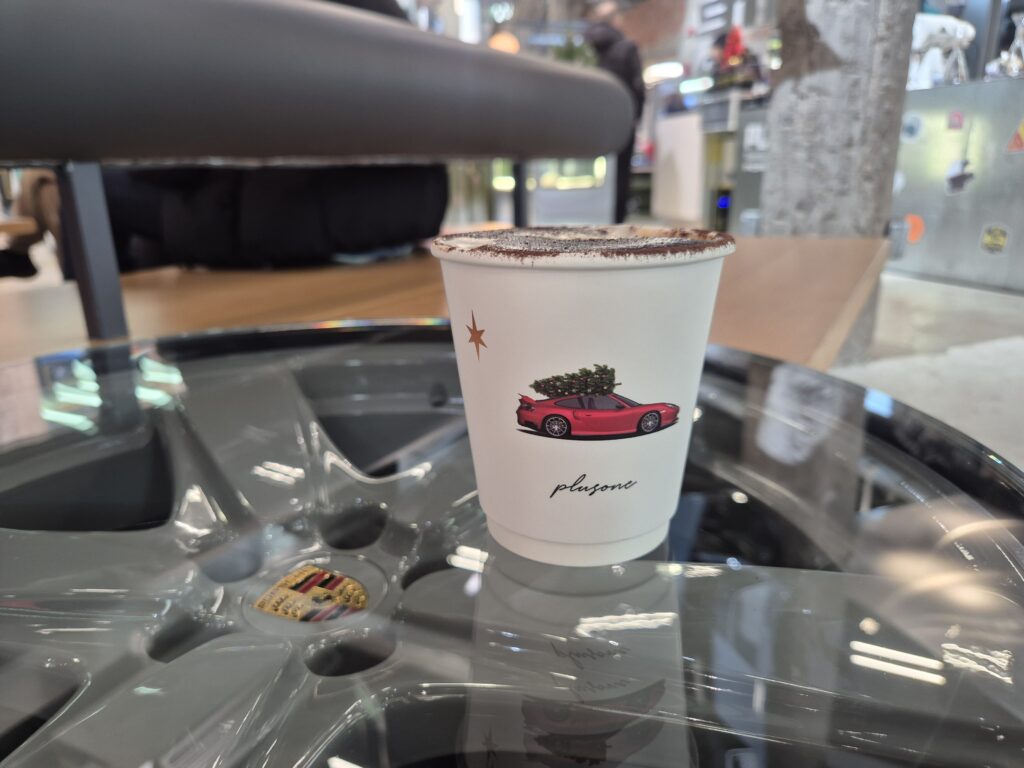
Unlike a museum or a permanent showroom, there’s no coming back to see it again. No chance to revisit it with a different perspective. It exists for a moment, and then it’s gone.
There’s something rare about that in a world where almost everything is designed to be revisited, replayed, or repeated.
Here’s hoping we come across more of these fleeting experiences—ones that feel a little more special simply because they don’t stay.