
Some invitations stay with you long after the event is over.
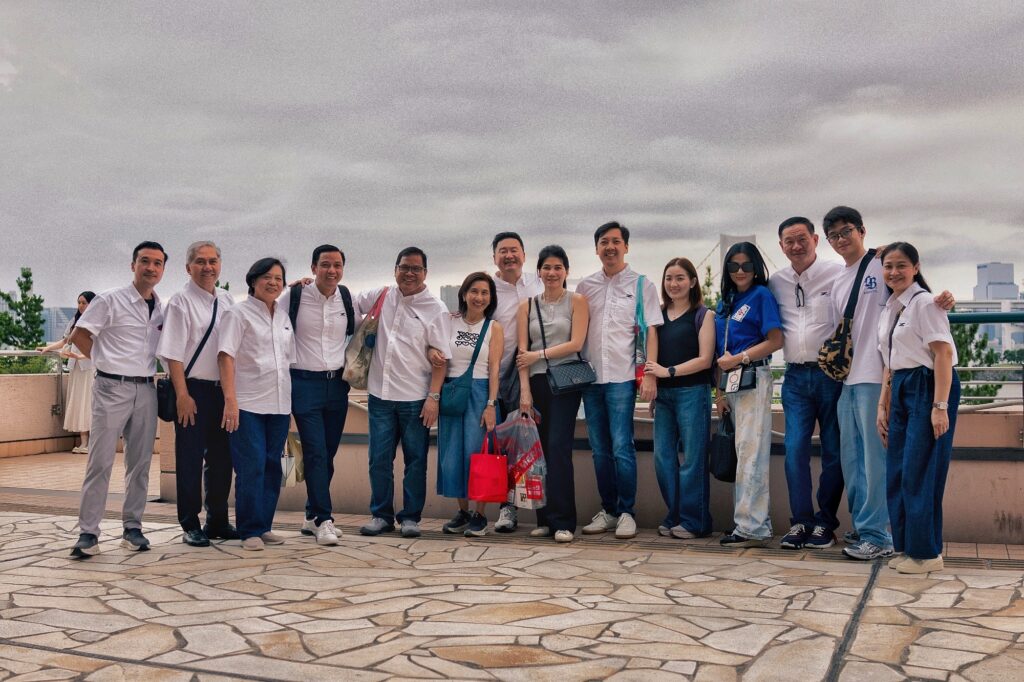
Mine began on a gloomy summer afternoon in Odaiba, where Nissan Philippines had gathered members of the Philippine motoring media, dealer principals, and guests before the 2026 TDK Tokyo E-Prix.
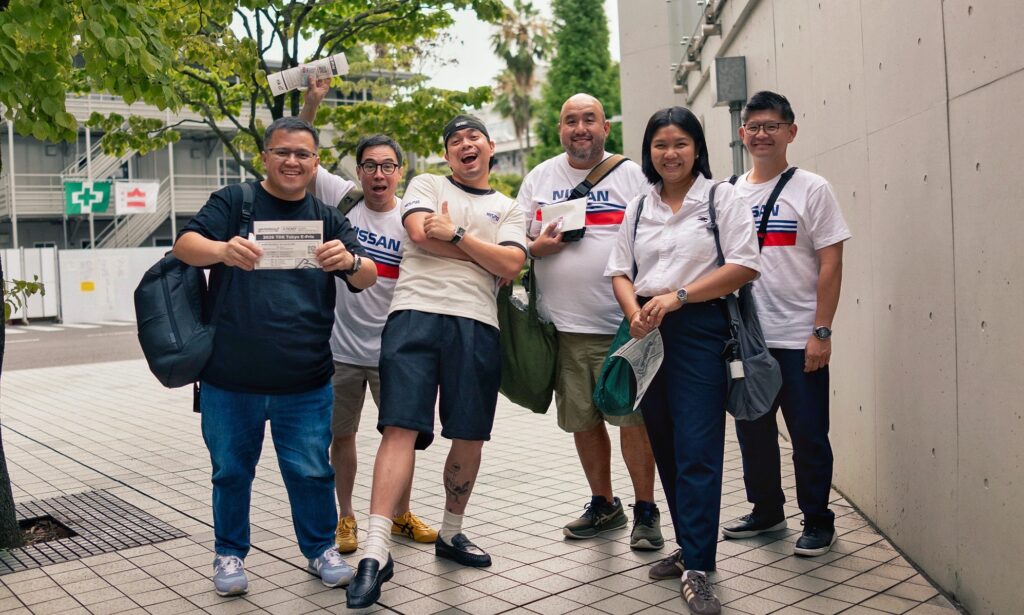
Over lunch, conversations drifted naturally between cars, Japan, and motorsport. Dark clouds had settled over Tokyo all afternoon, creating a dramatic backdrop for what would become a memorable evening at the Tokyo E-Prix.
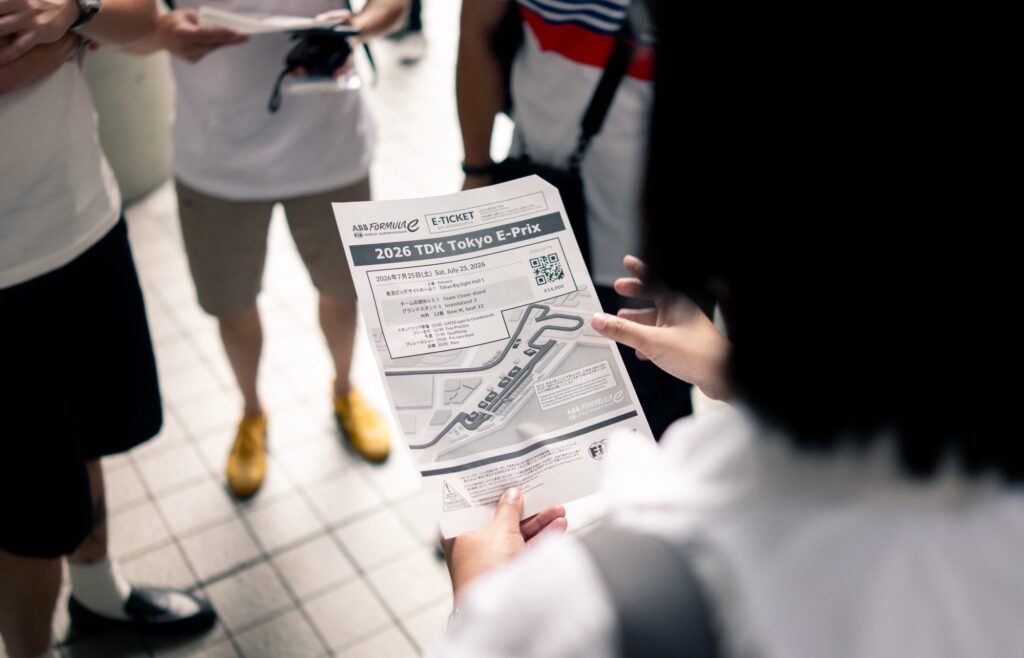
Soon after, we boarded a shuttle bound for the Tokyo Big Sight street circuit.
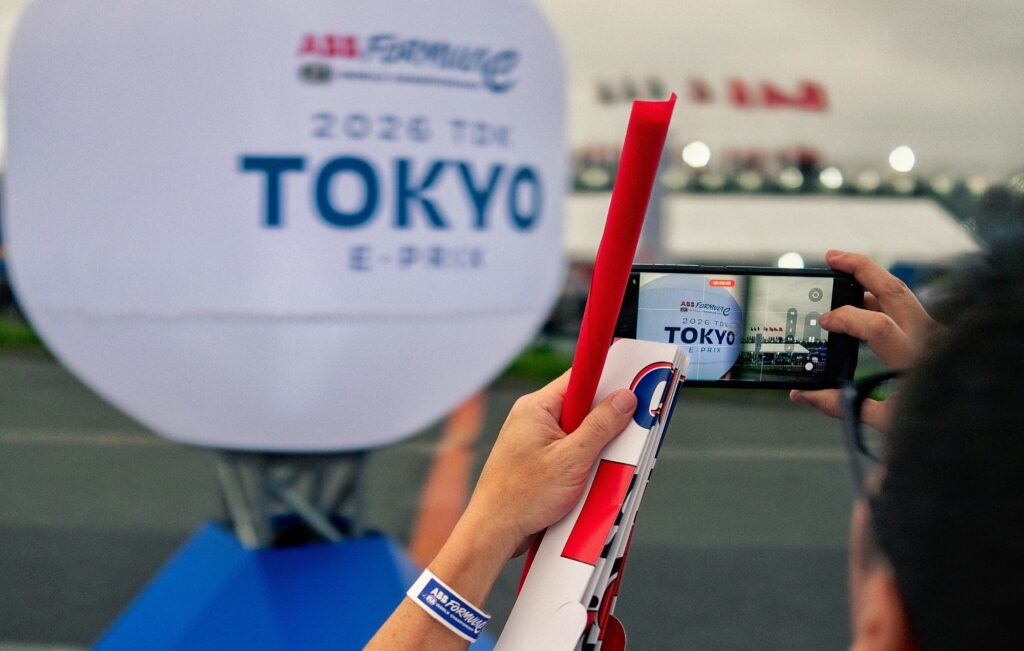
Stepping off the bus, Nissan staff welcomed us with event passes and rain ponchos before leading us through Tokyo Big Sight with a small NISMO flag held above the group.
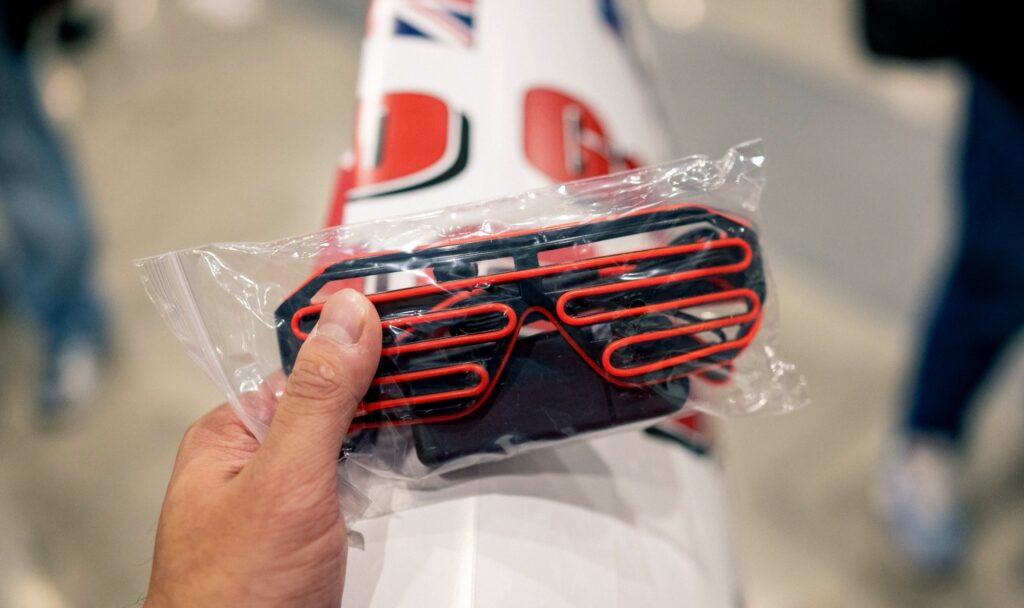
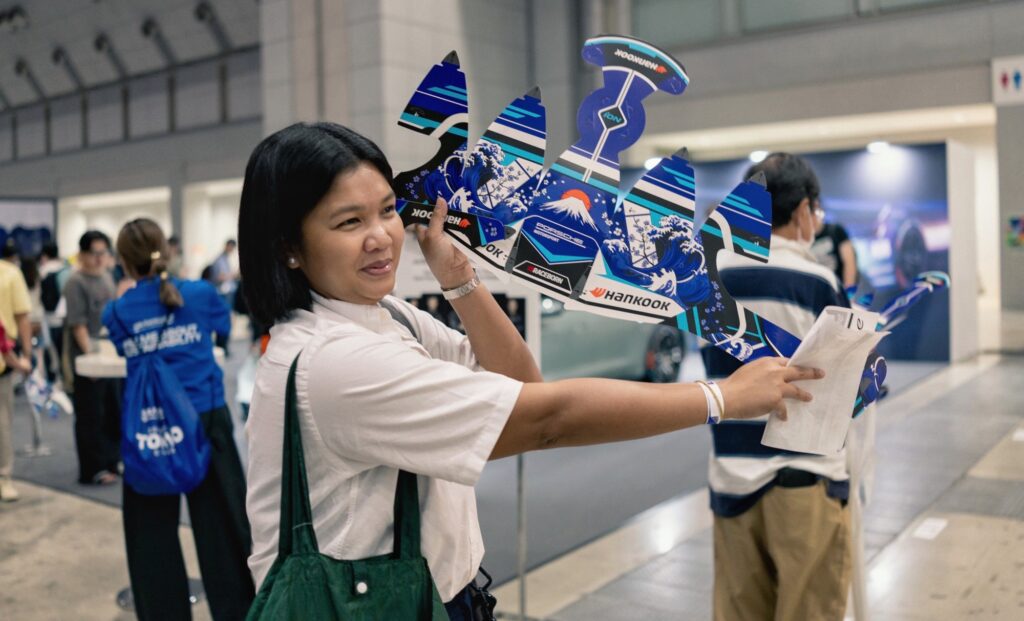
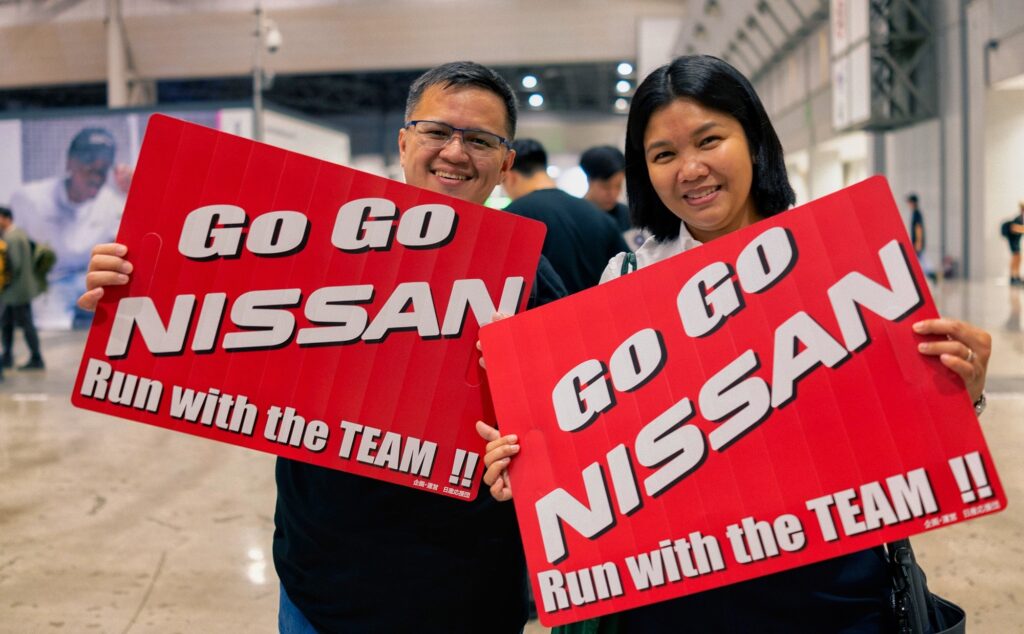
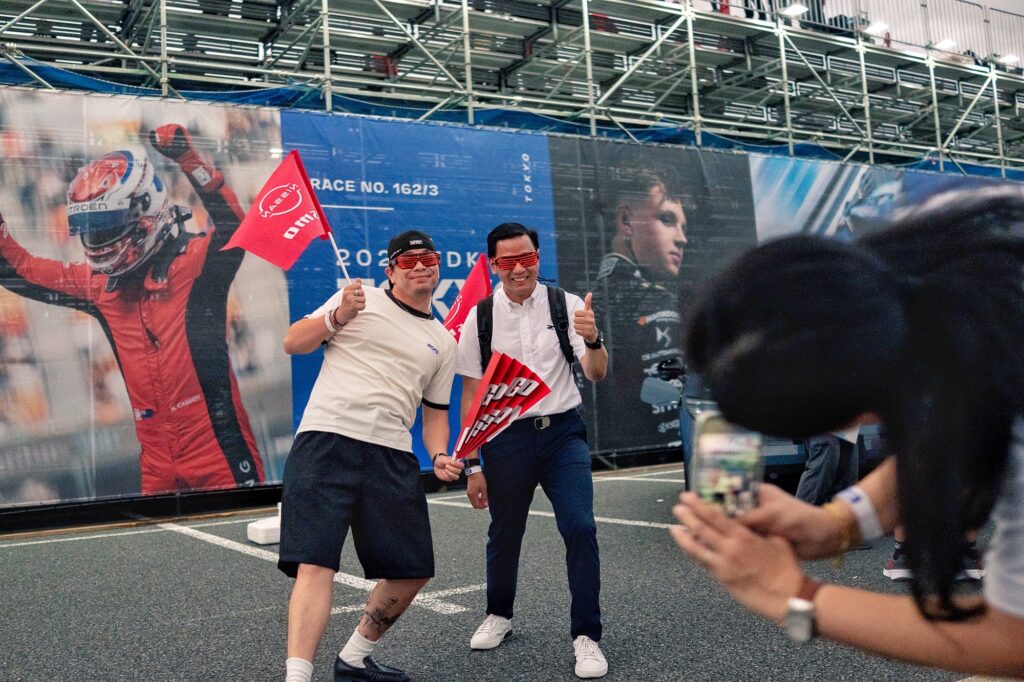
As we walked through the exhibition halls, Formula E slowly revealed itself. Along the way, we received Nissan flags, illuminated LED cheering glasses, and traditional Japanese harisen—foldable paper clappers that would soon echo through the grandstand.
Outside, the atmosphere changed instantly.
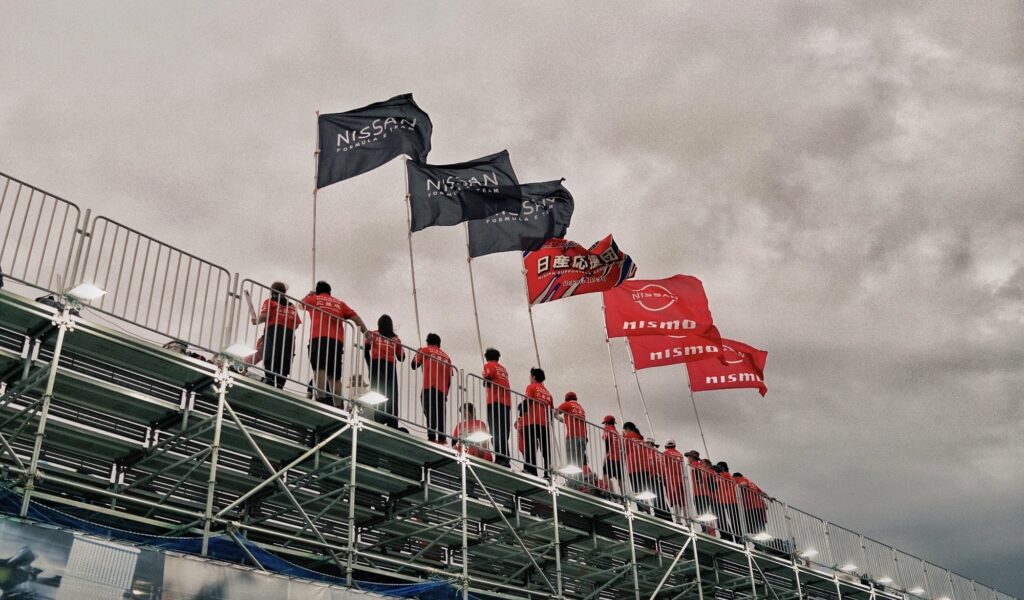
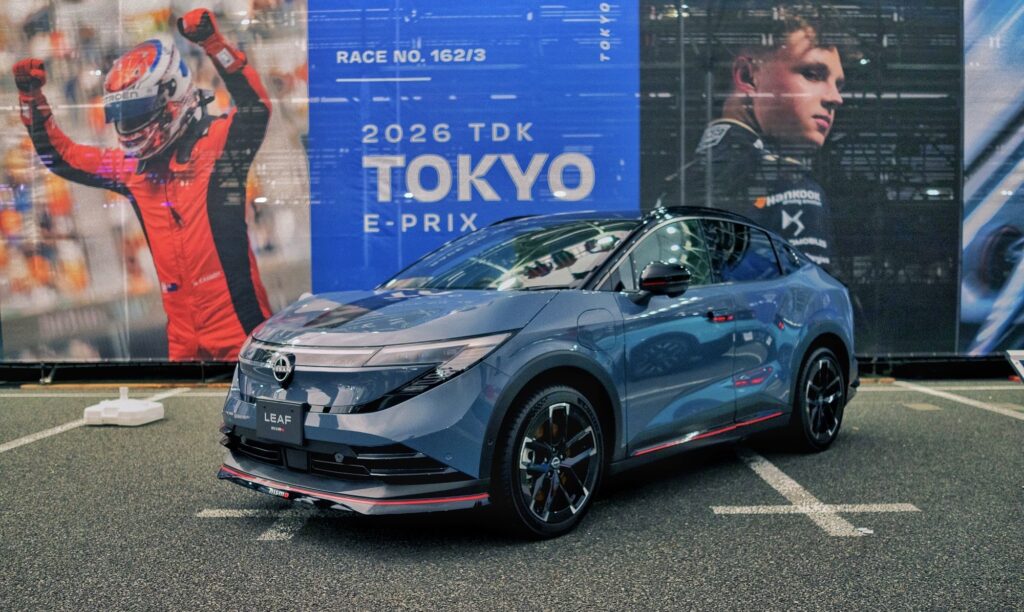
Nissan Formula E Team and NISMO flags fluttered beneath the darkening sky, while the all-new Nissan LEAF and LEAF NISMO quietly linked the brand’s road-going EVs with its Formula E program.
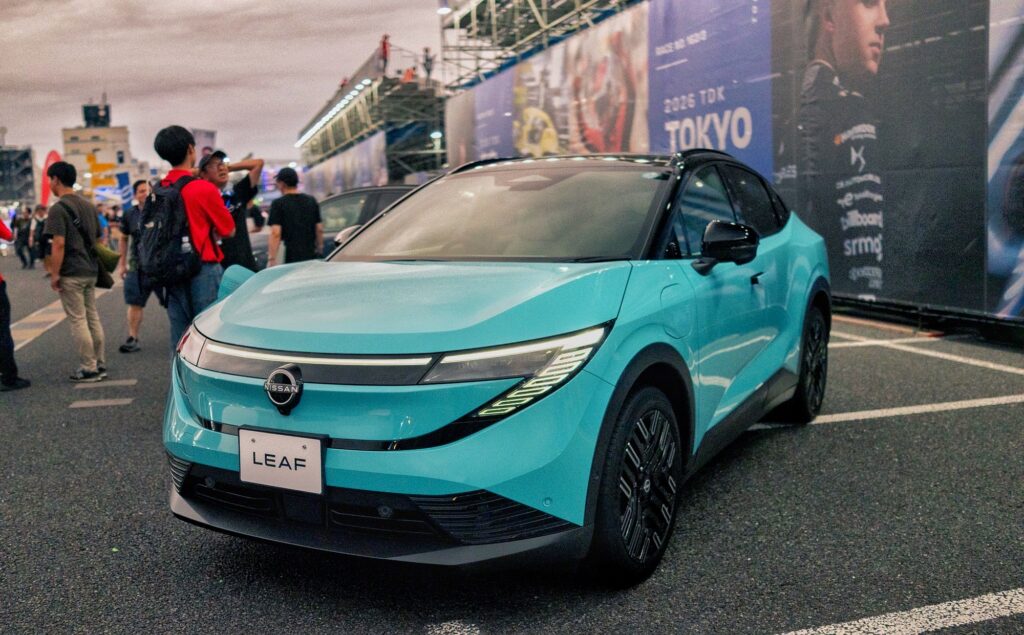
Compared to the standard model, the LEAF NISMO adds sharper suspension tuning, revised aerodynamics and unique styling, emphasizing driver engagement rather than outright power—a philosophy that has long defined Nissan’s performance division.
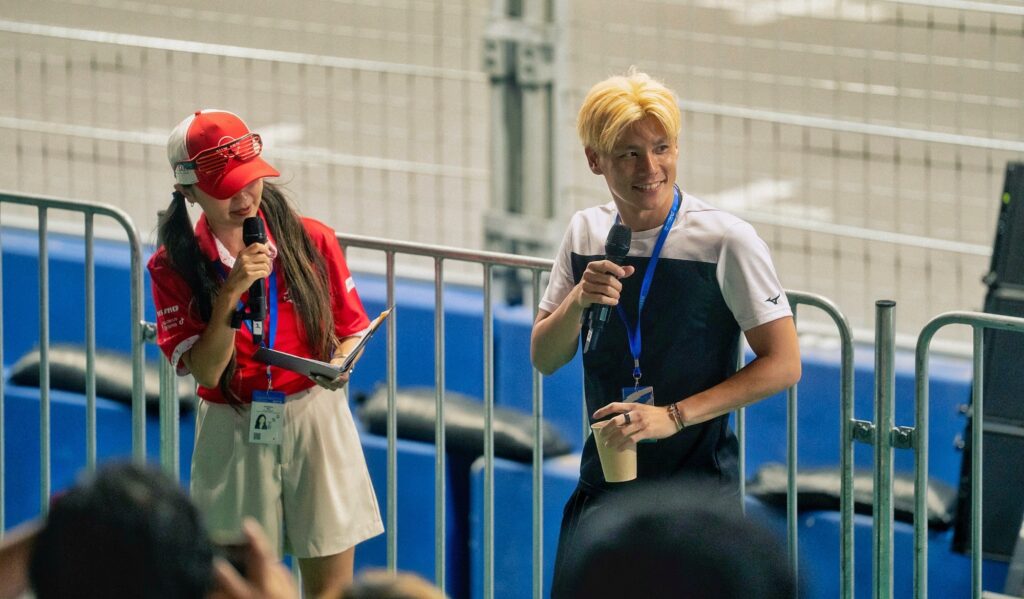
Before the race, Nissan Super GT driver Mitsunori Takaboshi greeted invited guests and shared a few stories from Japan’s premier GT championship.
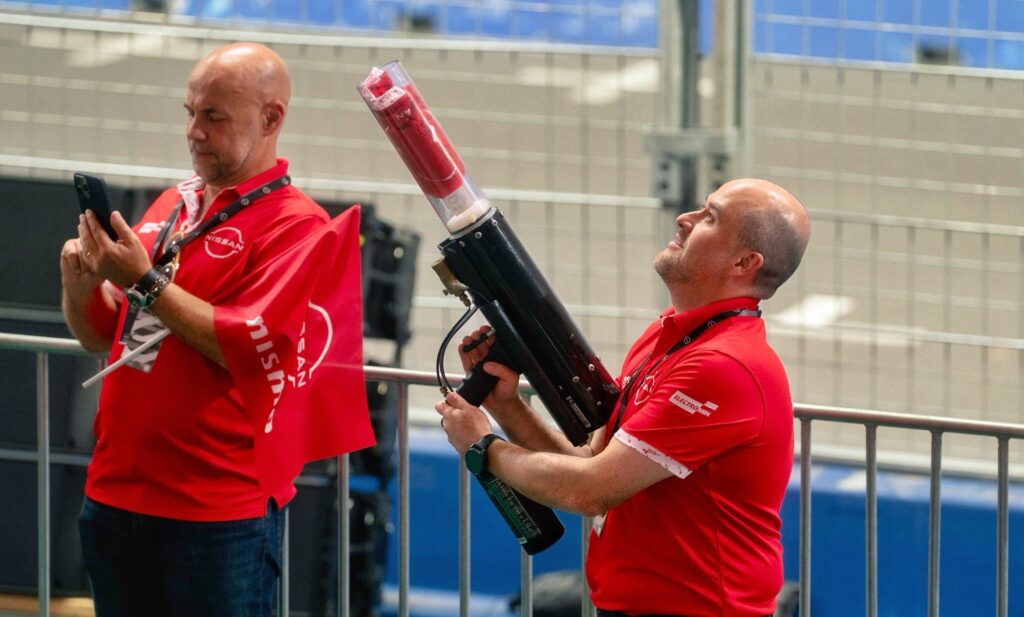
The atmosphere quickly turned playful when Nissan CEO Ivan Espinosa stepped in, firing commemorative t-shirts into the crowd using an air cannon, drawing cheers and laughter from supporters before the action shifted to the circuit.
As dusk settled over Tokyo Bay, supporters began filling the surrounding sections.
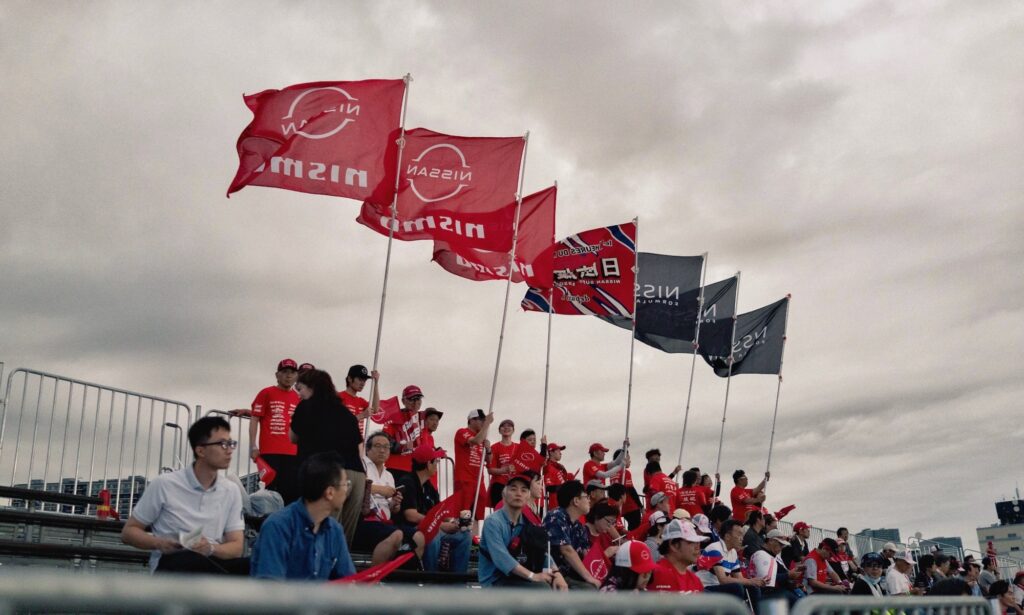
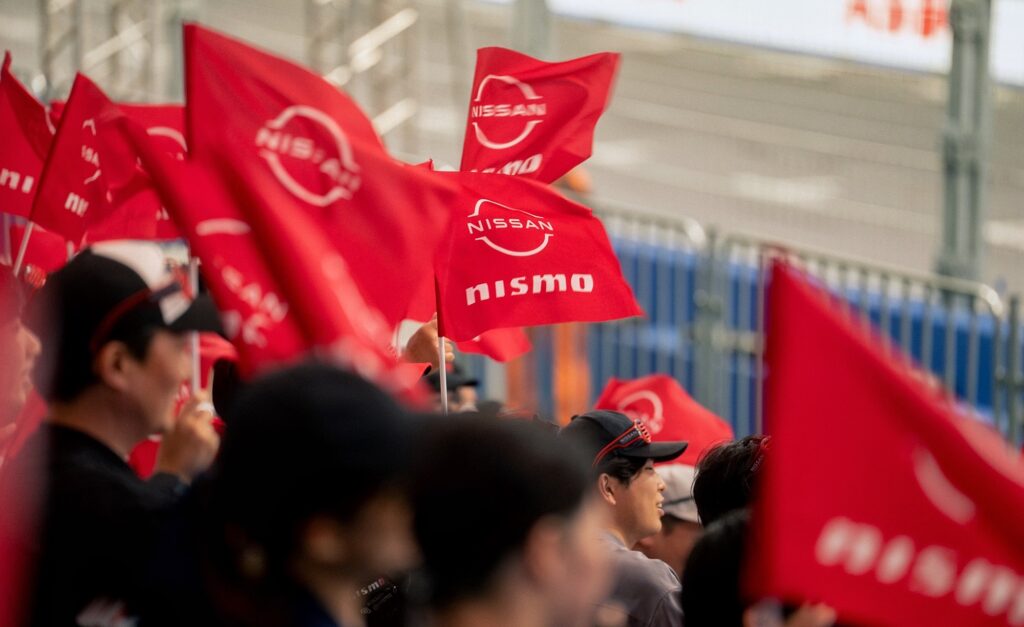
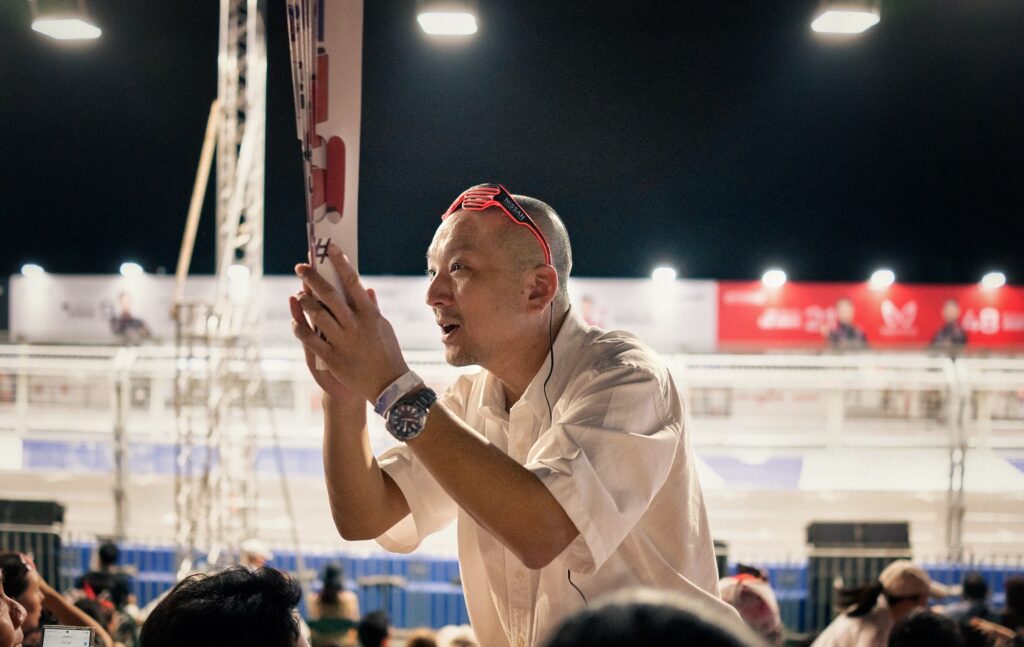
Then one of the Nissan Supporters Association members stepped to the front with nothing more than a red plastic cone. Despite a voice that had clearly grown hoarse, he tirelessly led the chants while coordinating the supporters waving the giant Nissan and NISMO flags.
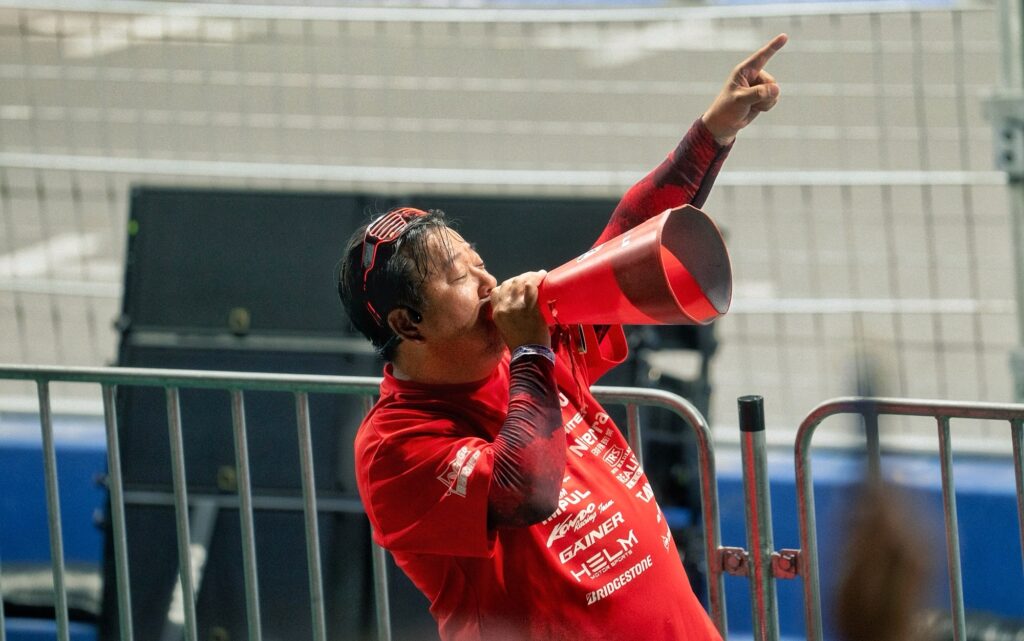
“Nissan! Nissan! Nissan!”
It wasn’t the volume that stayed with me. It was the dedication.
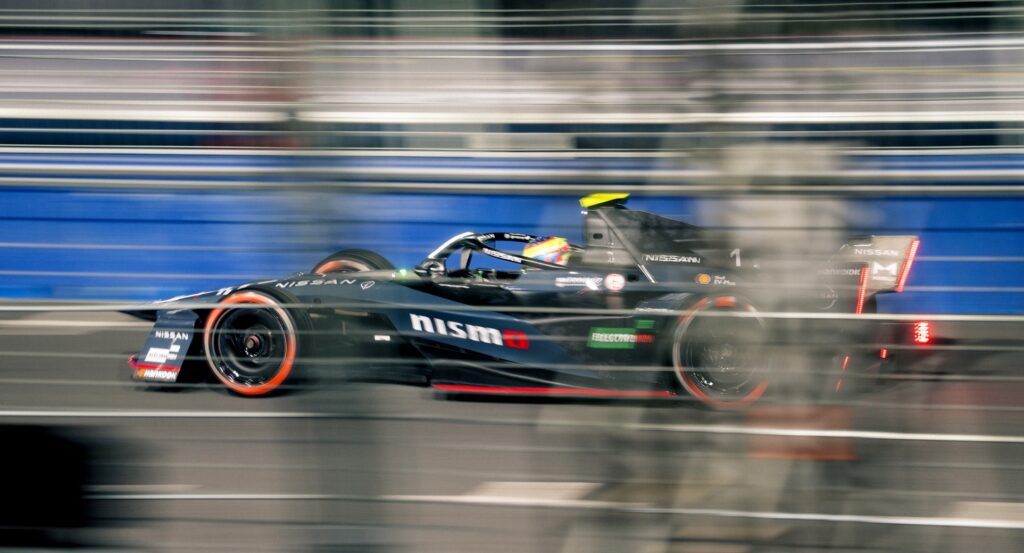
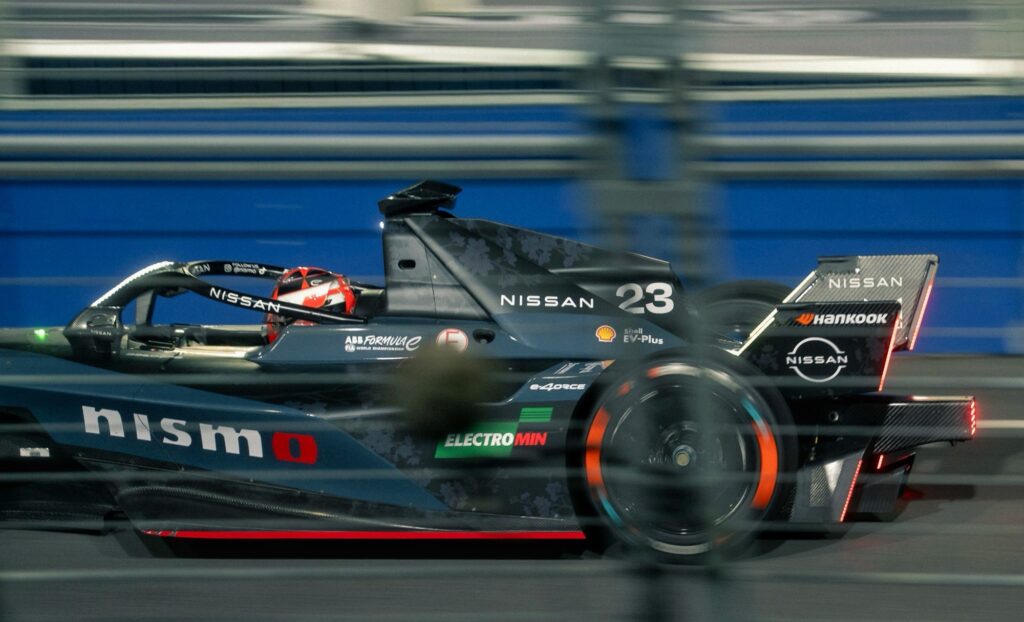
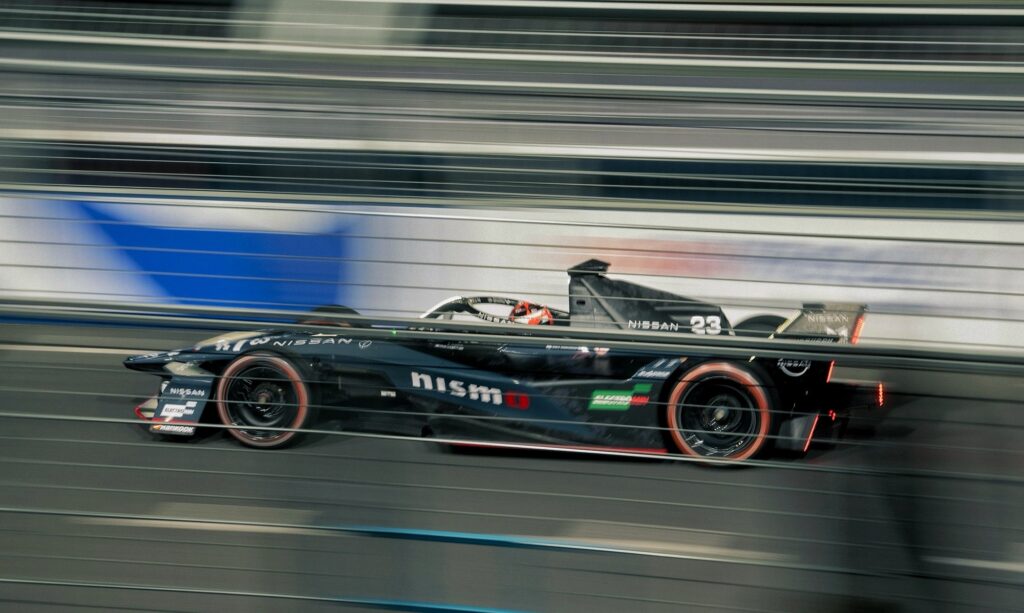
Having never watched Formula E in person before, I was surprised by just how much the championship had evolved over the years. The current GEN3 Evo cars are significantly quicker than many people realize.
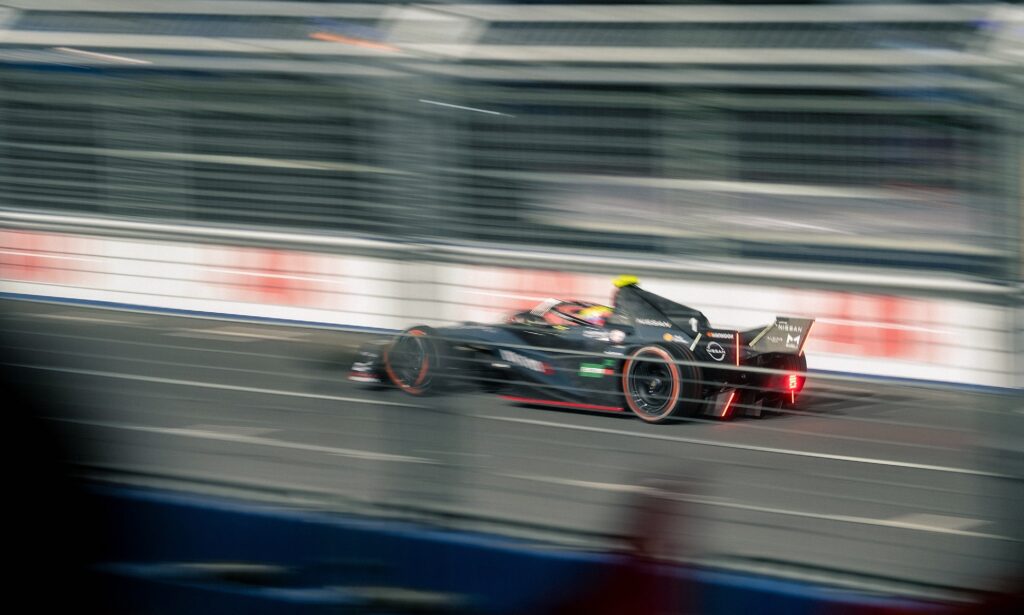
These are capable of sprinting from 0 to 60 mph even faster than a current Formula 1 car thanks to the instant torque delivered by their electric motors.
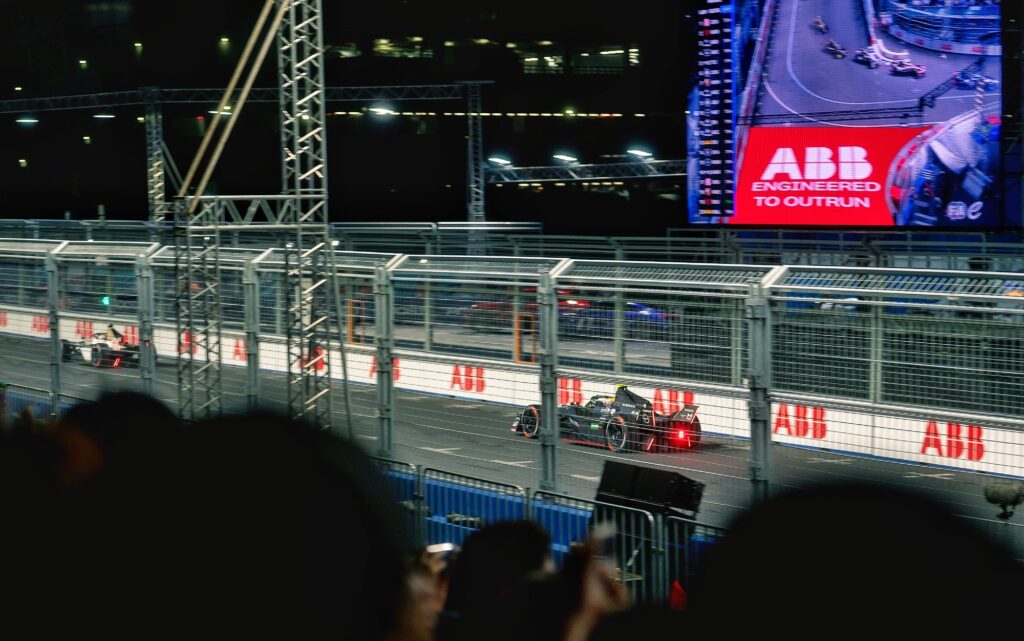
Beyond outright speed, the Gen3 Evo showcases Formula E’s relentless focus on energy efficiency. Its 600 kW regenerative braking system is capable of recovering nearly 50 percent of the energy required to complete a race, meaning the cars generate much of their own usable energy under braking rather than relying solely on the battery.
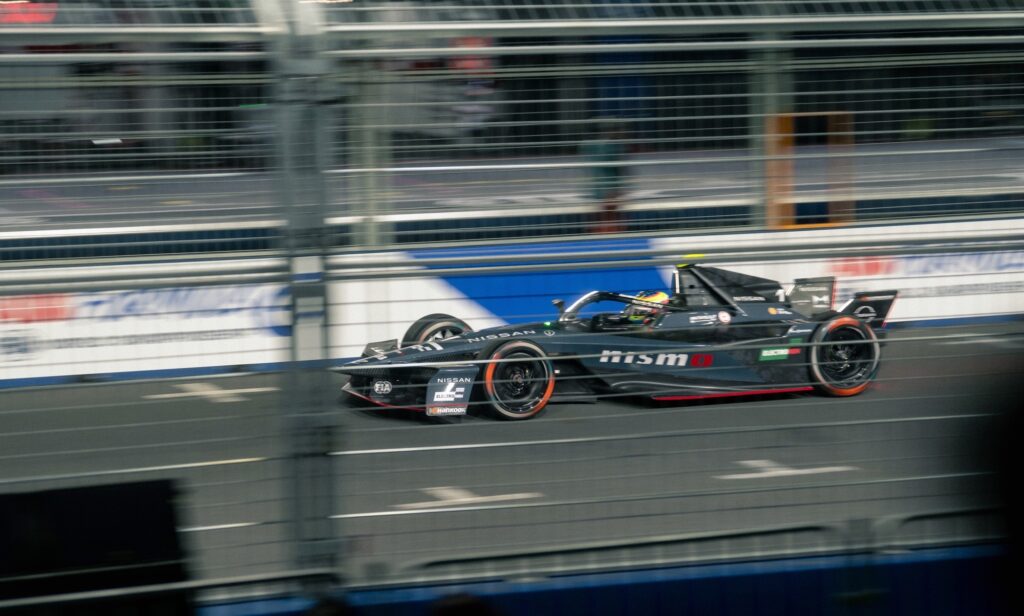
The powertrain itself operates at over 95 percent efficiency, far exceeding the thermal efficiency of even the most advanced internal combustion racing engines. Revised Hankook iON all-weather tyres offer 5–10 percent more grip than before while incorporating 35 percent recycled and sustainable materials.
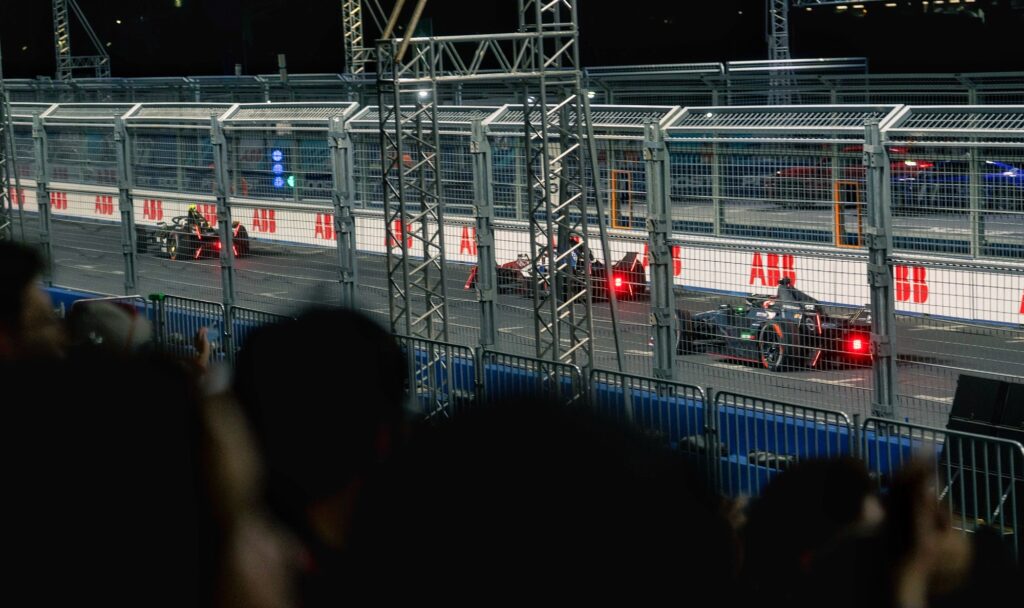
There is also a redesigned aerodynamic package delivers greater stability, stronger front-end grip, and closer wheel-to-wheel racing on Formula E’s tight street circuits.
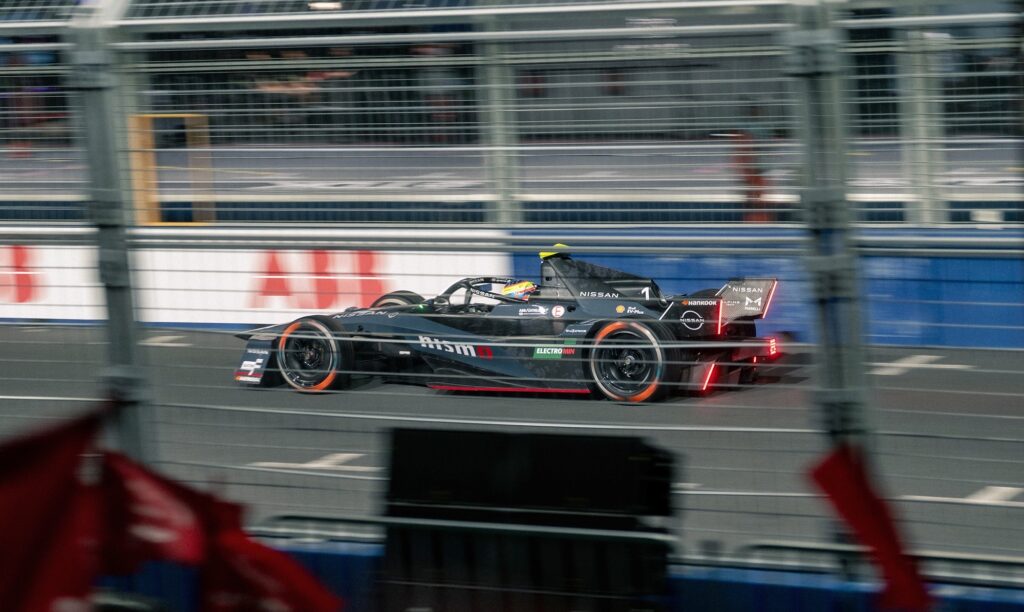
Tokyo marks one of the Gen 3 Evo’s final appearances. The series will soon be switching to the more powerful Gen 4 cars. Truly, Formula E has gone a very long way.
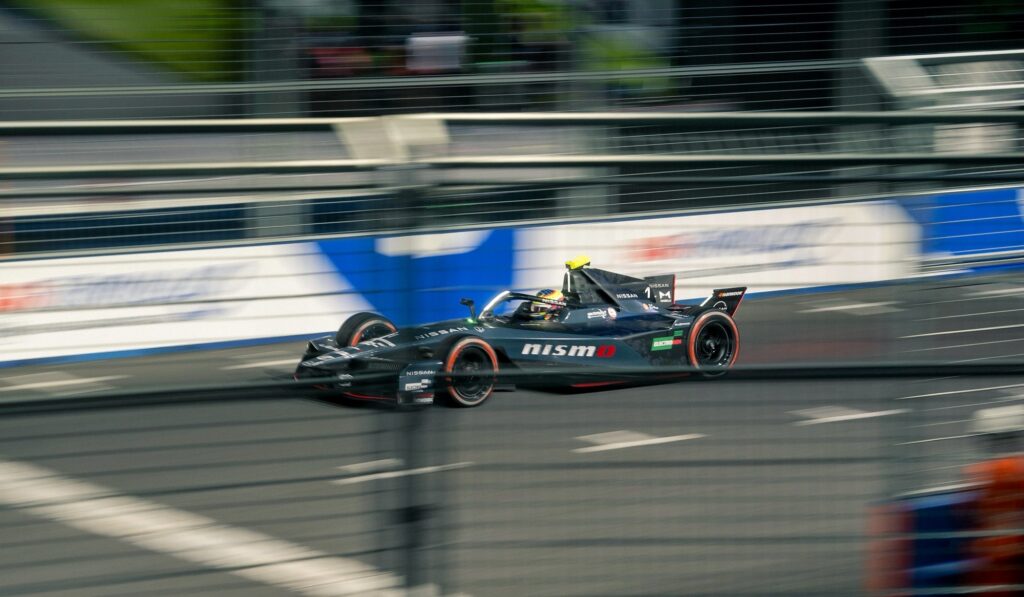
The racing has evolved as well, with drivers constantly balancing outright speed against energy management throughout the race. One of its most fascinating strategic elements is Attack Mode, where drivers briefly leave the racing line to activate a temporary power boost.
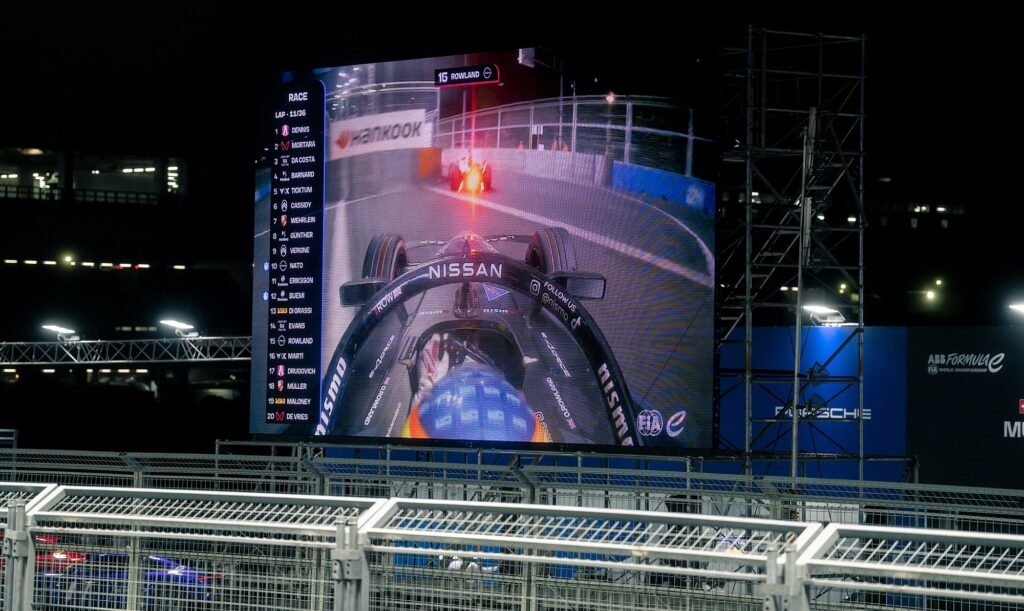
Giving up track position in the short term often creates overtaking opportunities only a few laps later.
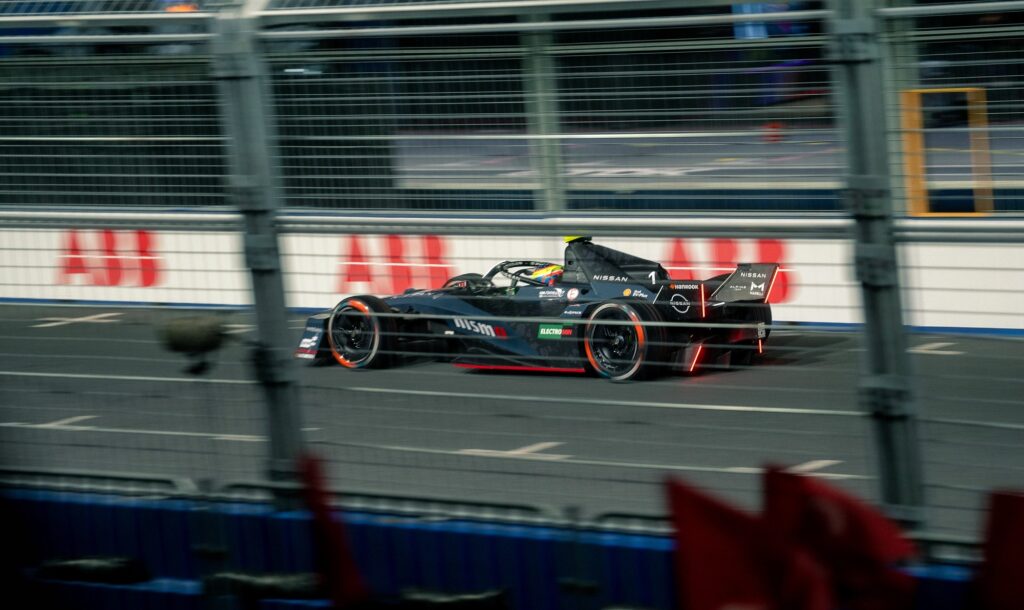
Moments later, the Formula E field launched into the Tokyo night.
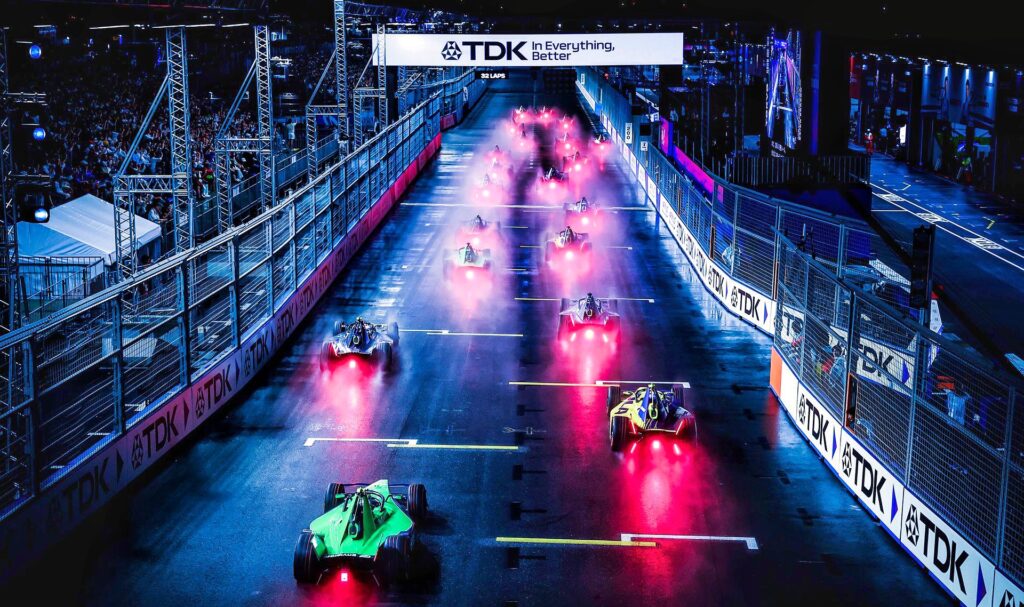
It was my first Formula E race, and while I expected to miss the soundtrack of traditional motorsport, I quickly found myself captivated by the precision of the drivers, the close racing, and the speed at which they threaded their cars between concrete barriers only metres away.
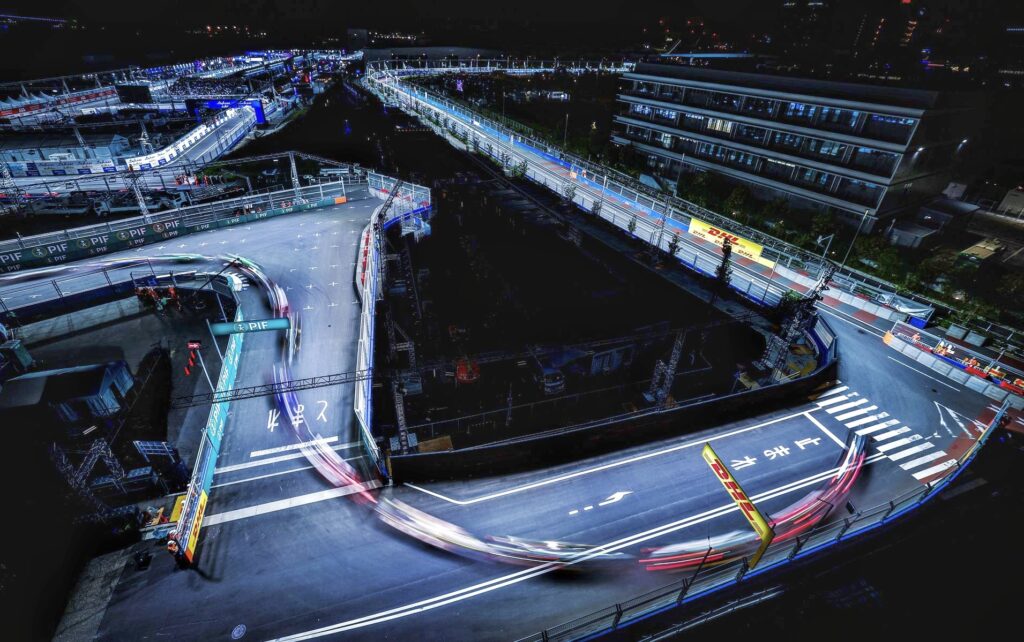
Midway through the race, the rain finally arrived. A few spectators quietly made their way for cover, but most simply pulled on their rain ponchos and carried on cheering through the warm, humid evening.
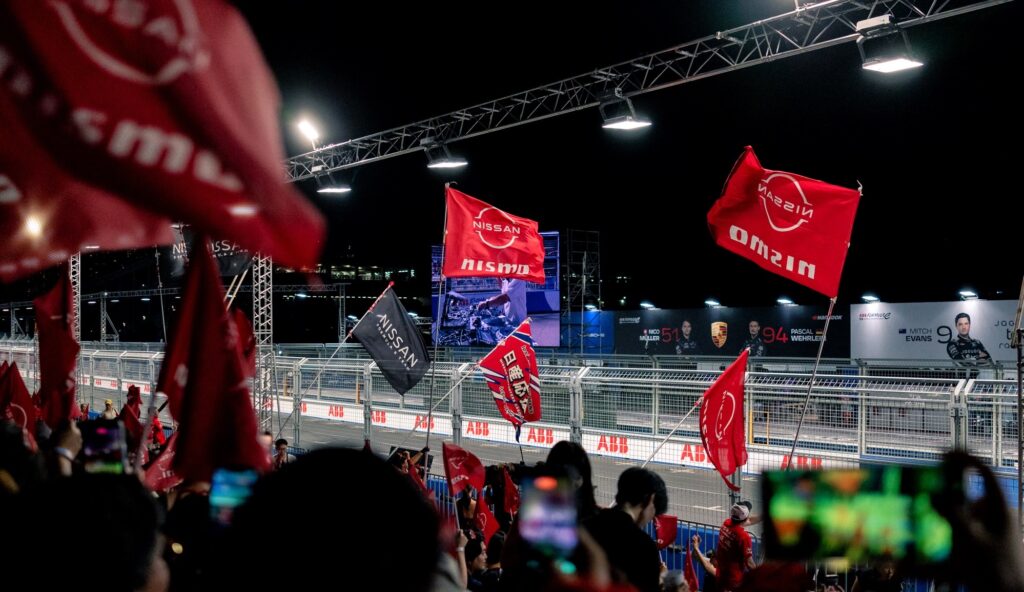
The chants continued, the harisen kept cracking, and the energy in the grandstand barely changed.
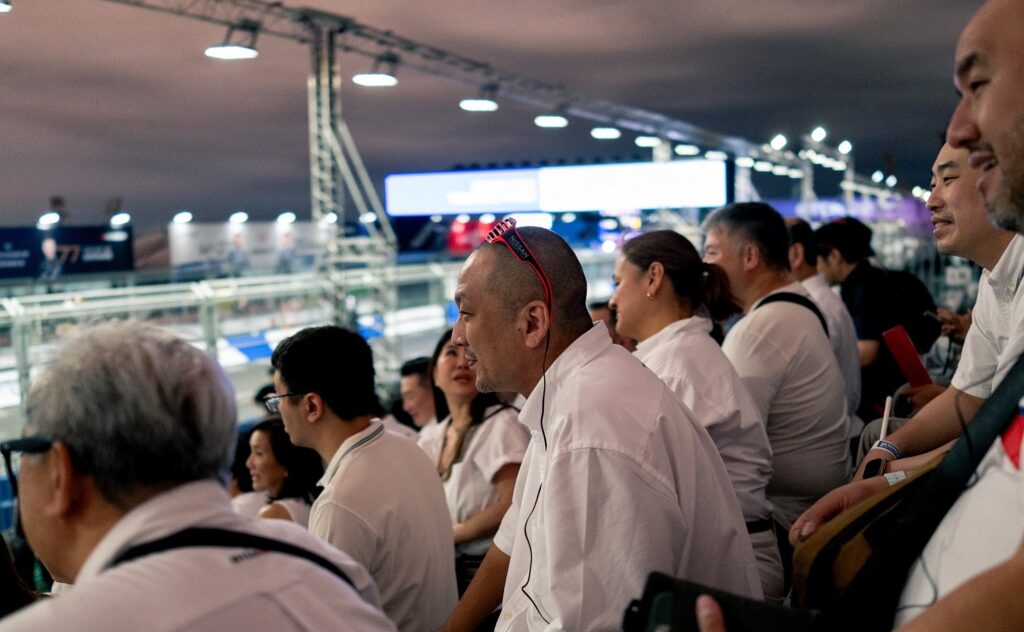
More than once, I caught myself lowering my camera—not because there wasn’t anything worth photographing, but because I simply wanted to experience the moment.
Looking back, the evening felt like one of those rare full-circle moments.
Nissan had quietly been part of my automotive journey for years—from admiring its cars as a kid, to studying in Tokyo and interning with the company during my time at Waseda University.
Standing in the Nissan grandstand at my first Formula E race, I couldn’t help but appreciate how naturally those chapters had come together.

Some invitations are easy to forget. This wasn’t one of them.