
In a world steadily moving toward electrification, the sports car is going the way of the dinosaur – a convenient pariah in an era defined by greenhouse gases and dwindling fossil fuels. It’s a sobering reality and perhaps an inevitable future.
But until sports cars and other internal combustion fuel-fed, fire breathing, flame-spitting, smoke spewing machined are outlawed, enthusiasts and aficionados alike will continue to fan the flames of passion for these four-wheeled wonders.
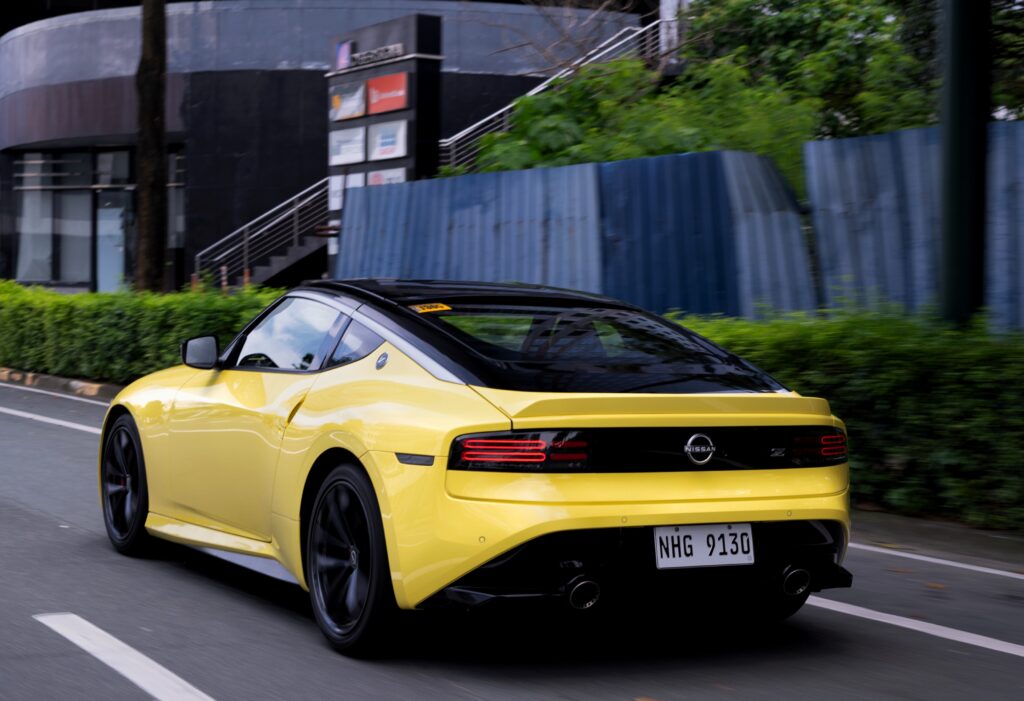
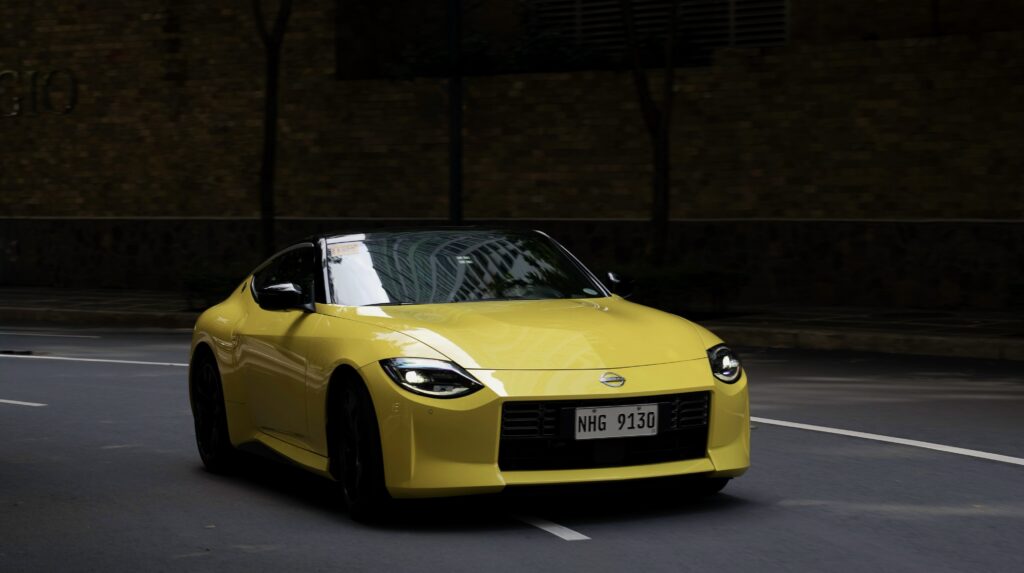
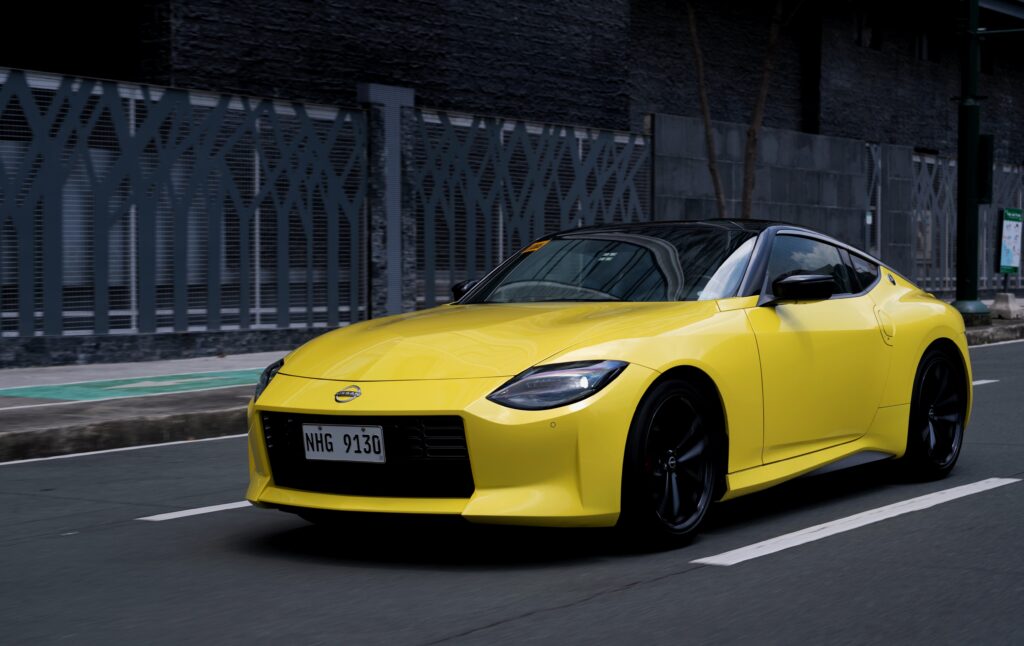
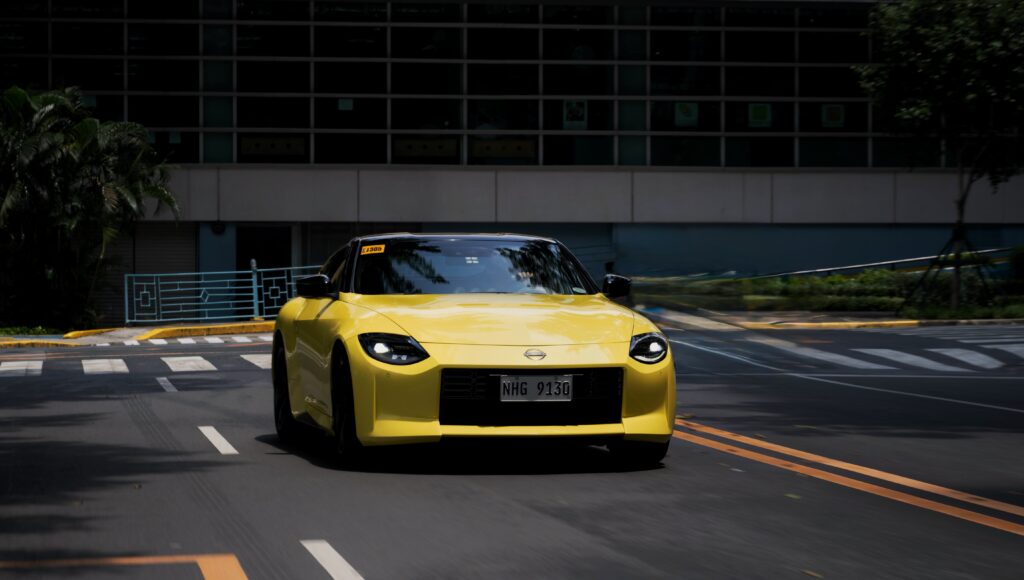
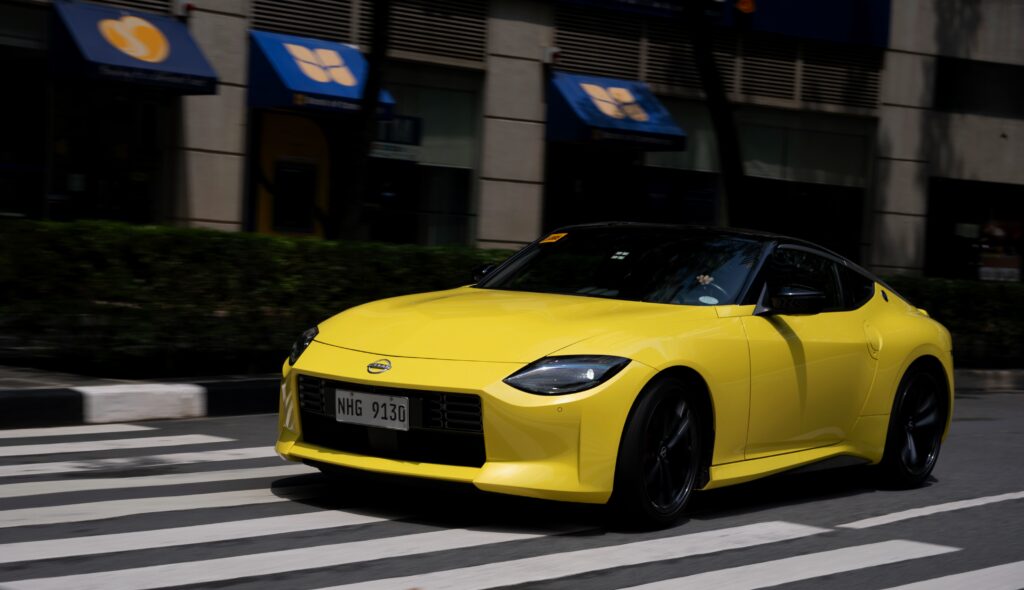
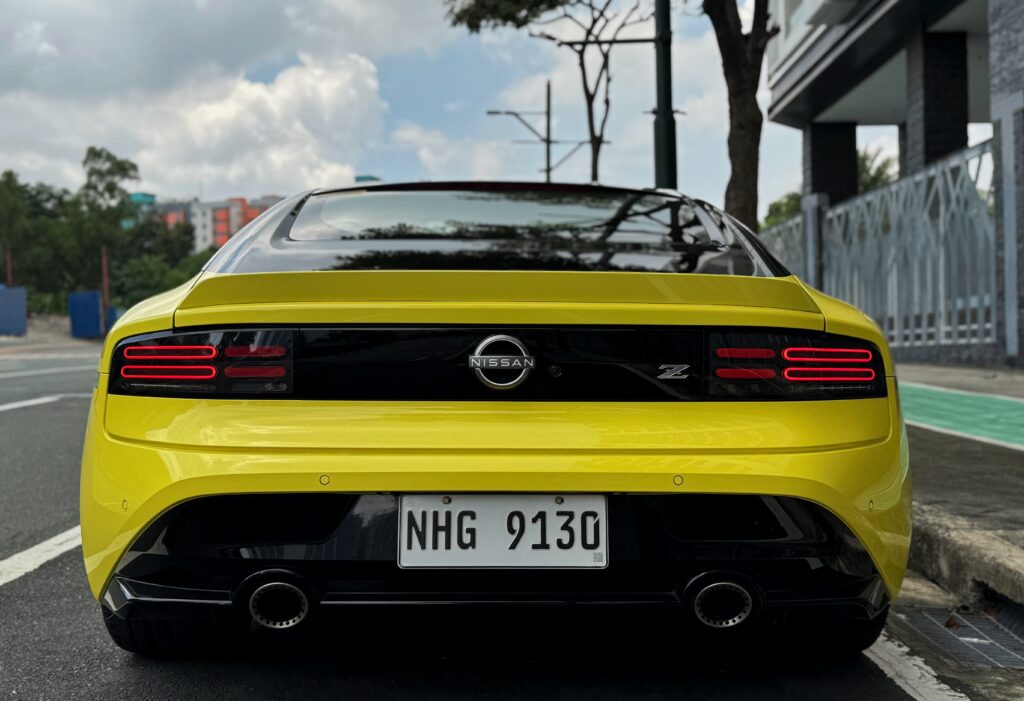
The latest Nissan Z is one of those cars with a long and proud history, deeply embedded in mainstream culture worldwide. It was launched in 1969 – the decade many consider the golden era of sports cars.
During that era, Jaguar launched the iconic E-Type, Ferrari the legendary 250 GTO, Porsche the seminal 911, Ford the ubiquitous Mustang, and Chevrolet the unforgettable Corvette Sting Ray. Japan, of course, made its mark as well.
The original Nissan Z democratized performance, making sports car ownership more accessible. Suddenly, a pure driving experience – once out of reach – was within the grasp of enthusiasts.
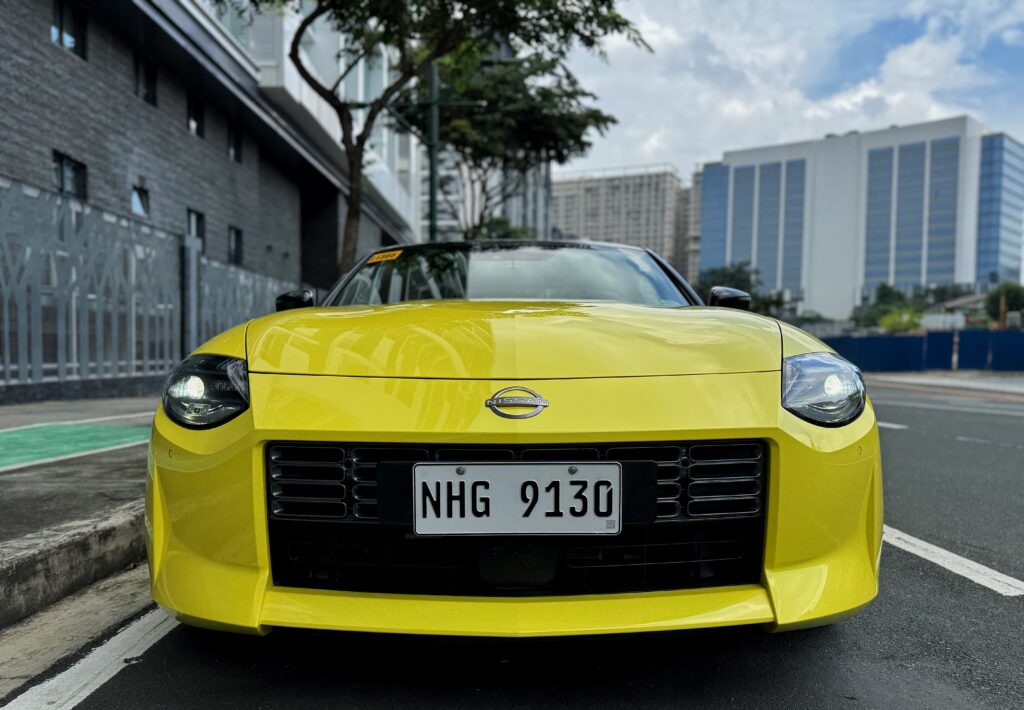
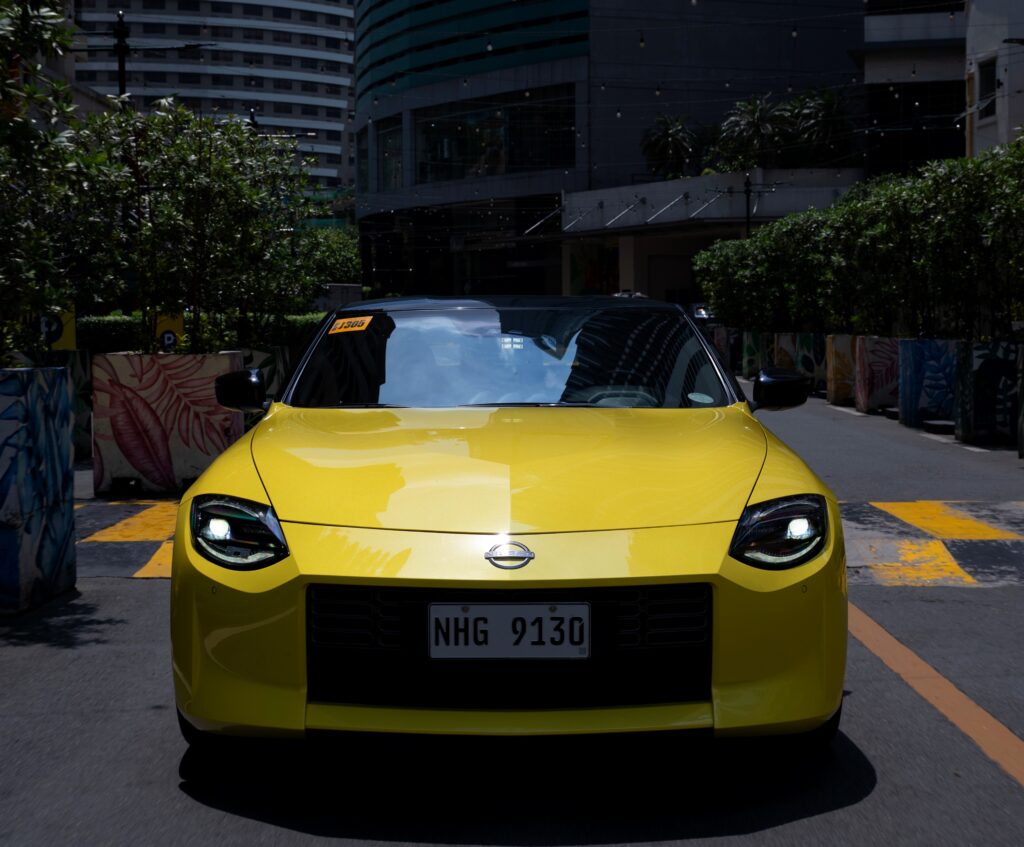
Today, after seven generations, the Z comes full circle, touching on various cues and influences from its past, while embracing the latest technology today.
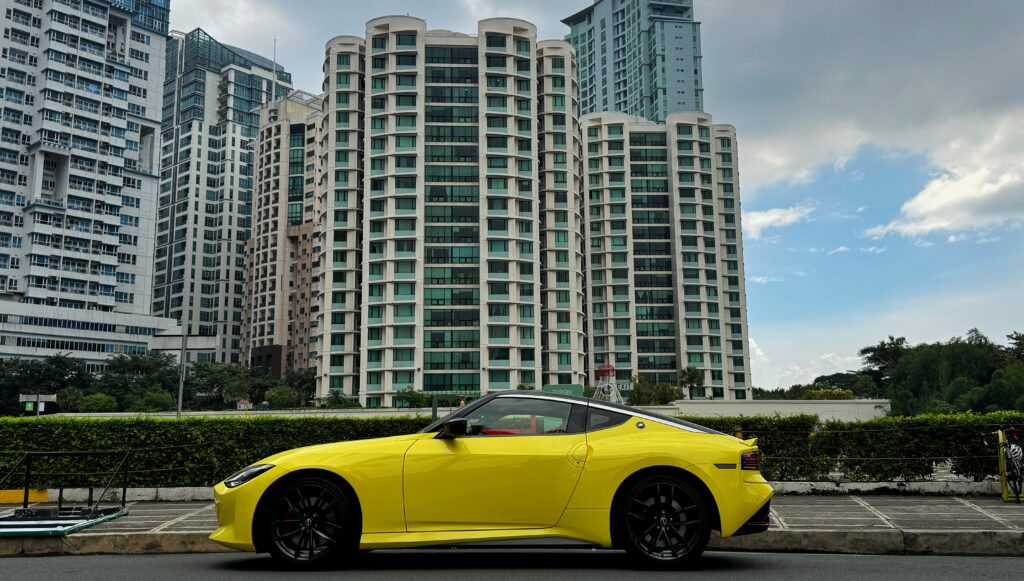
The styling is retro; the powertrain anything but. Yet despite many iterations, the Z returns to its sportscar roots: a simple formula promising strong performance for relatively modest cost.
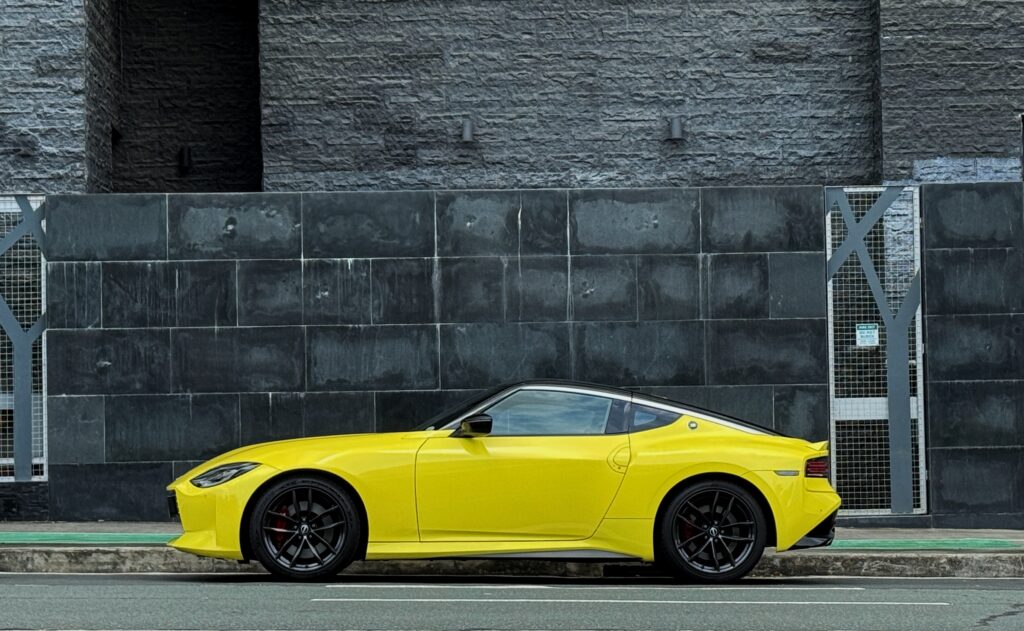
Powering the Z is a direct-injected VR30DTT, a 3-liter six-cylinder arranged in a V formation. Output stands at a healthy 400 hp, with torque at 475 Nm. Power is sent to the rear wheels via a 9-speed automatic transmission with paddle shifters. A 6-speed manual is available for those who really want the joy of rowing your gears.
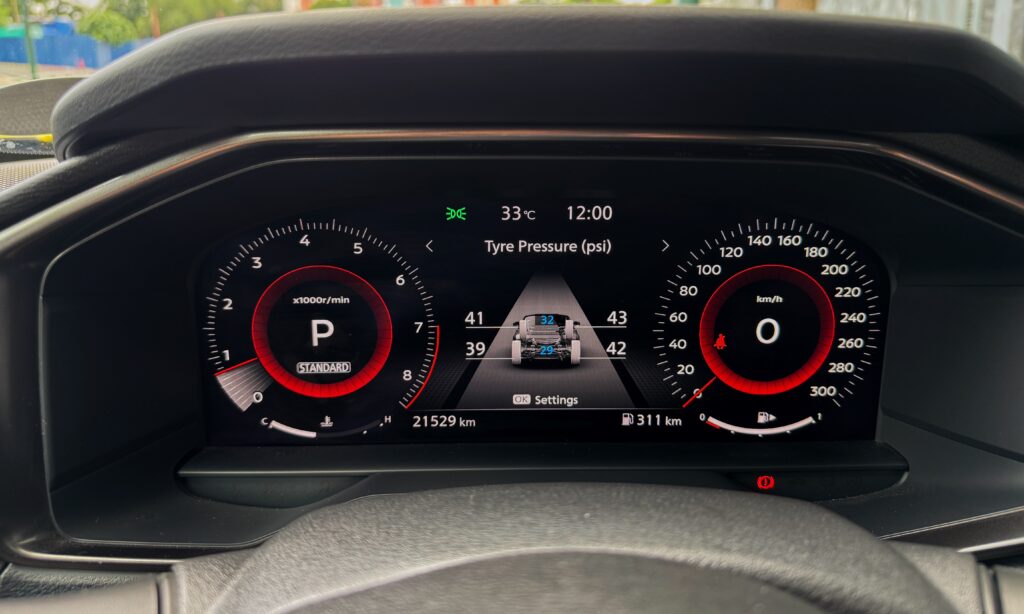
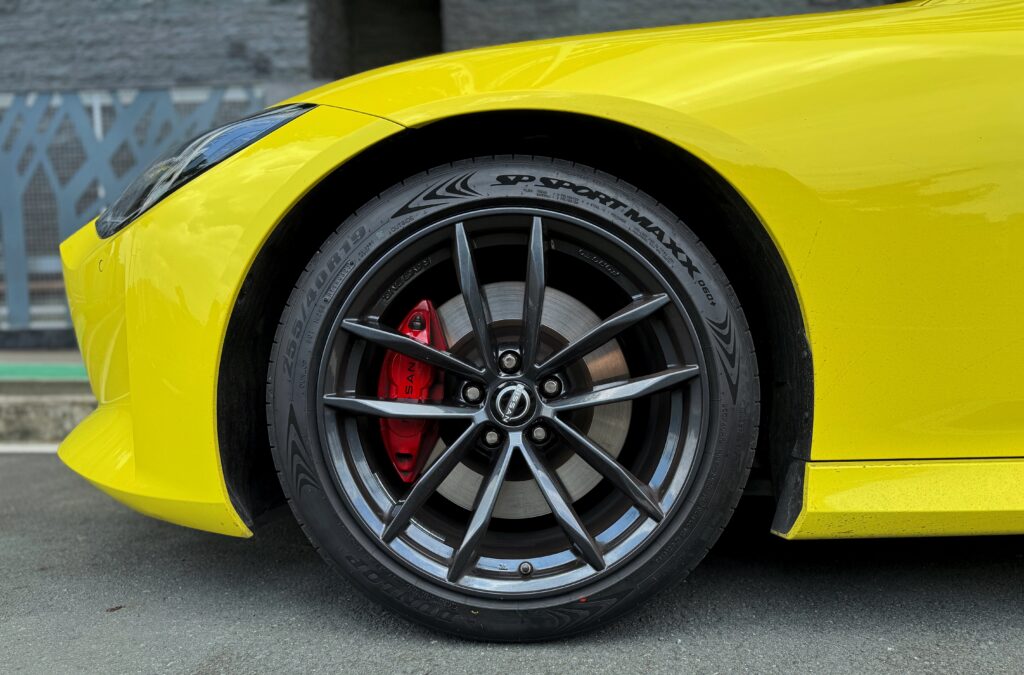
It rides on 19-inch wheels made by RAYS Engineering, suspended by sport-tuned suspension that’s barely enough to keep you from rattling your teeth fillings out. But it’s also noticeably more livable as compared to the NISMO Z we tried a few months ago with its tight and firm Recaro bucket seats and lower, firmer Nismo-spec suspension.
Even in daily driving, the Z feels sharp. It feels a bit restless in slow-moving traffic, seemingly brooding as it yearns to be uncaged from the constraints of mundane motoring.
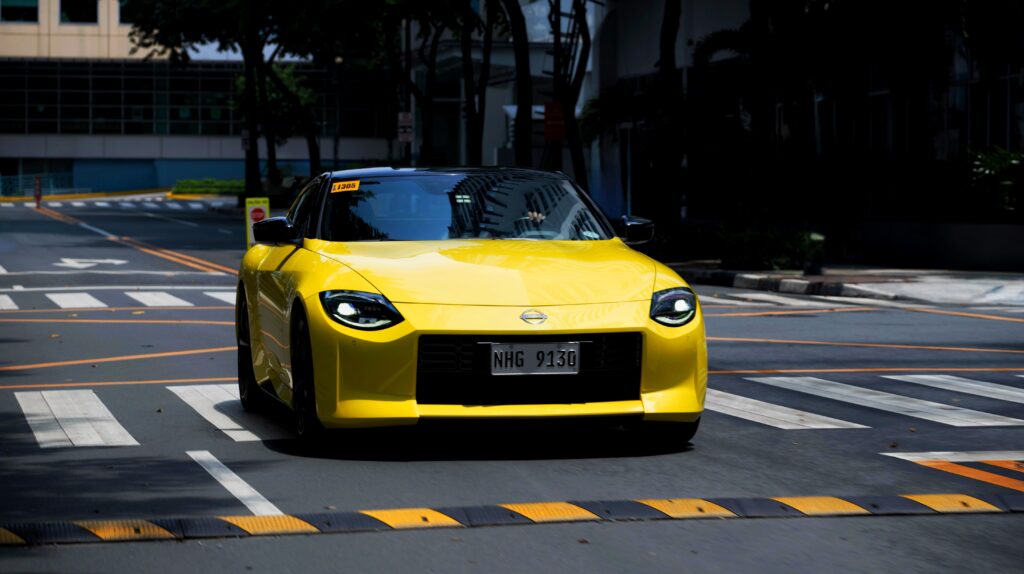
But truthfully, it also feels perfectly habitable for long stints behind the wheel. Certainly more so than the NISMO with its body-hugging Recaro seats that squeeze my backside.
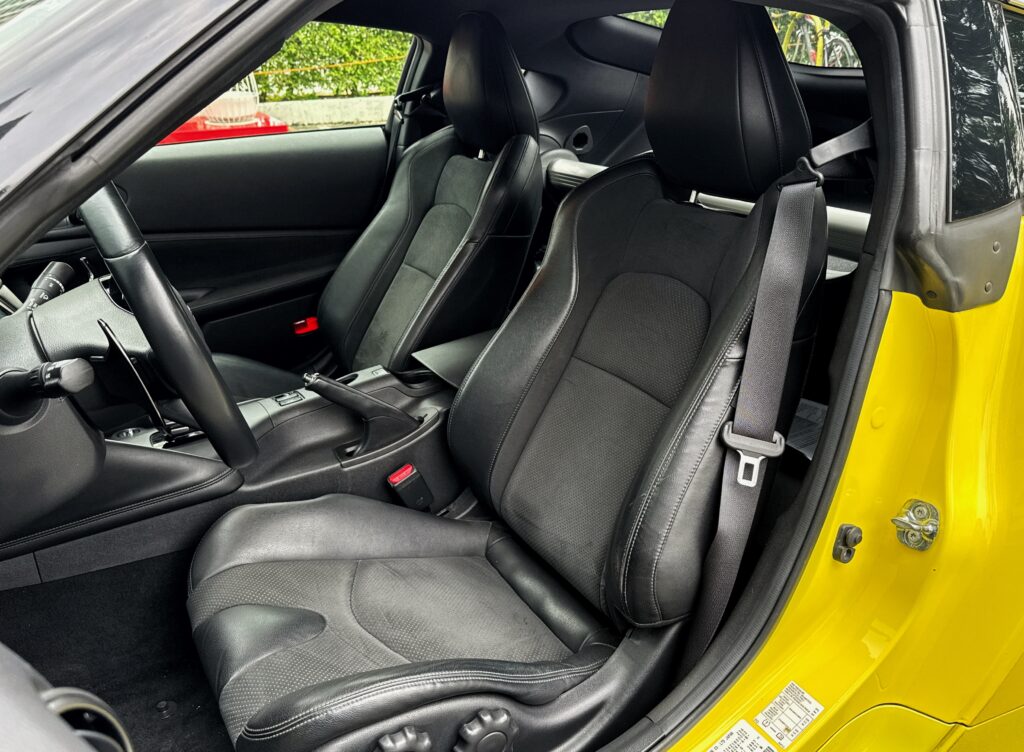
In truth, the standard Z is all the Z you really need.
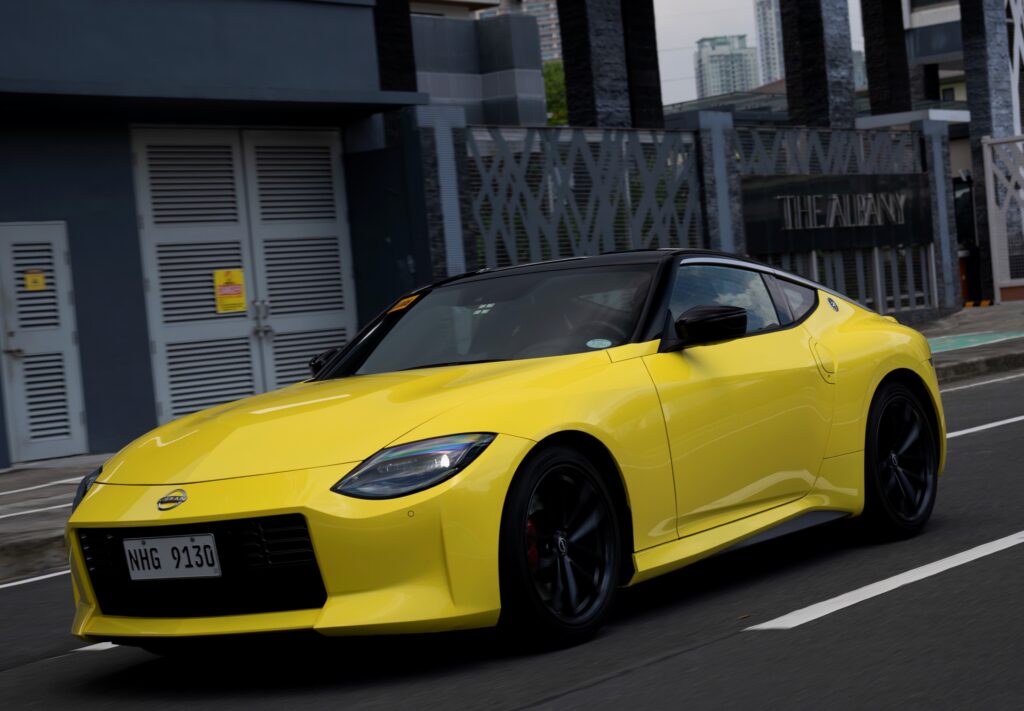
When the road opens up, the Z finds itself in its element. It moves with aggressive intent, attacking straights and corners with gusto. At higher speeds, the Z feels planted, stable and composed.
But it lives for the twisty bits, the winding roads where you enter a calm flow-state, together with the Z, stitching up successive corners. Accelerate, brake, turn – repeat!
The steering is well-weighted and communicative. Some might want a tad more heft but that would compromise comfort on long drives; while not perfect, the compromise between feel and easy effort is pretty good.
This is important because the steering helps the driver feel a sense of control and confidence. Dull steering makes for an uninteresting and uninspiring drive. It’s this very balanced steering that helps you want to take it on long drives often.
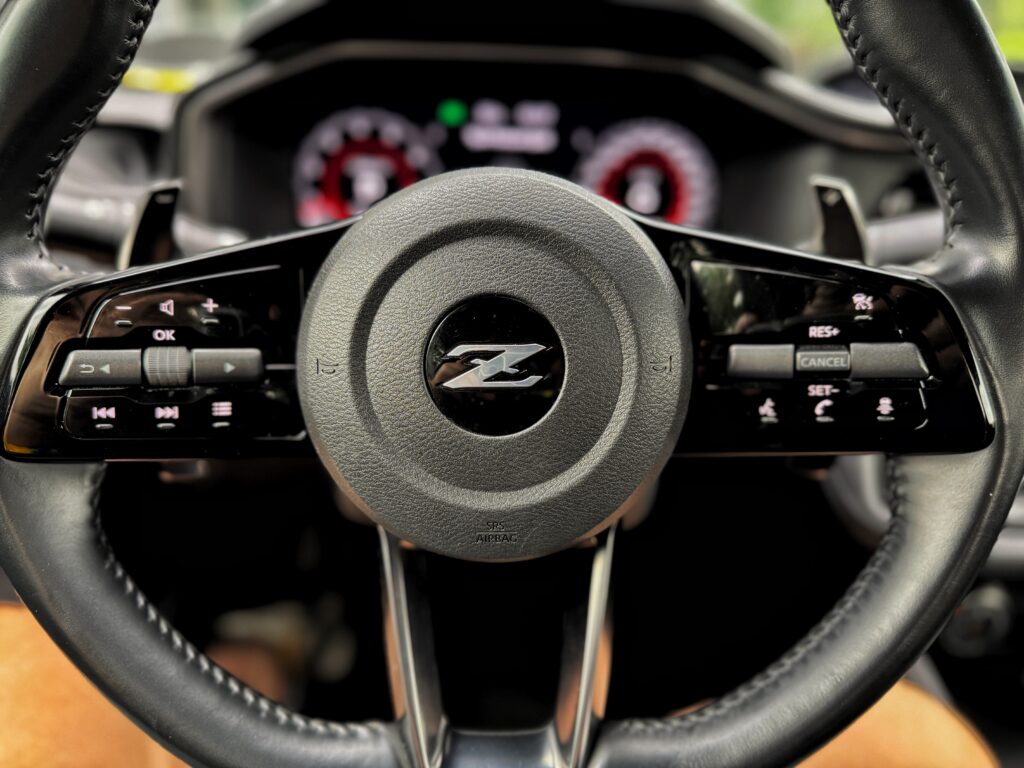
The throttle is equally urgent, but low speeds and light throttle applications can sometimes befuddle the 9-speed auto, jerking hard at times. The brakes are a tad over-assisted but can be mitigated with some help from the aftermarket.
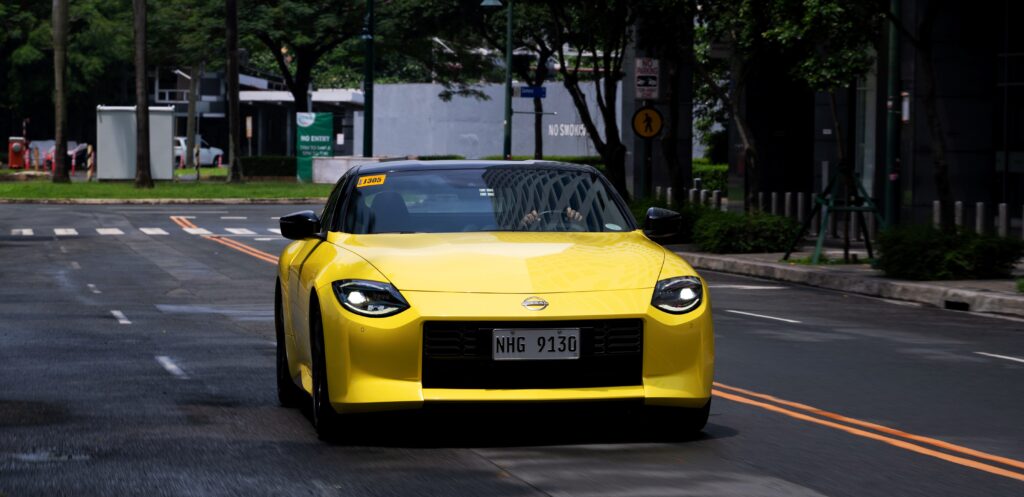
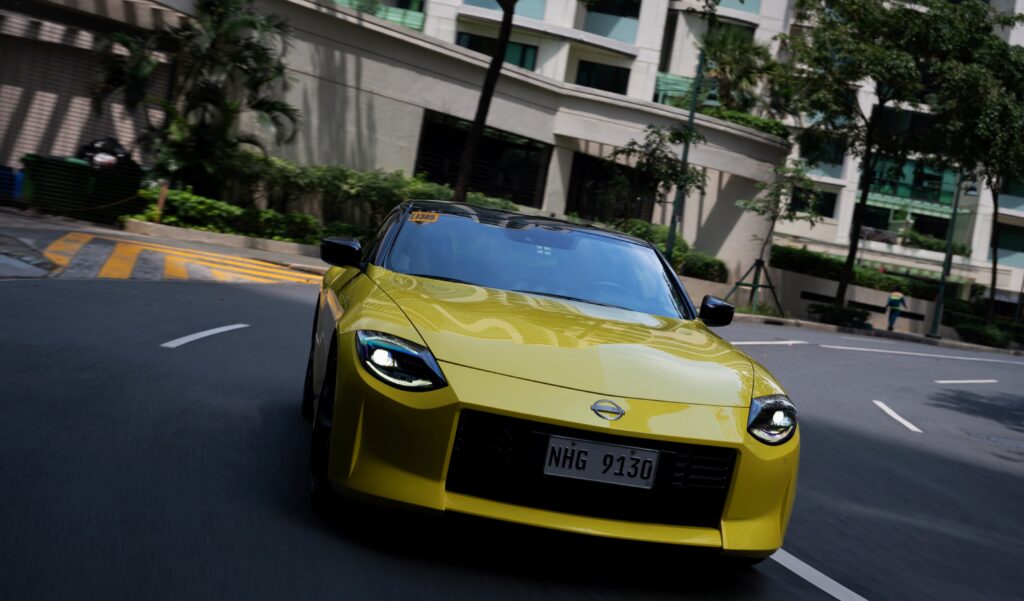
Of course, being a Japanese tuning favorite, the possibilities are endless for tuning the Z. From mild to wild, simple to silly, there’s no shortage of aftermarket support.
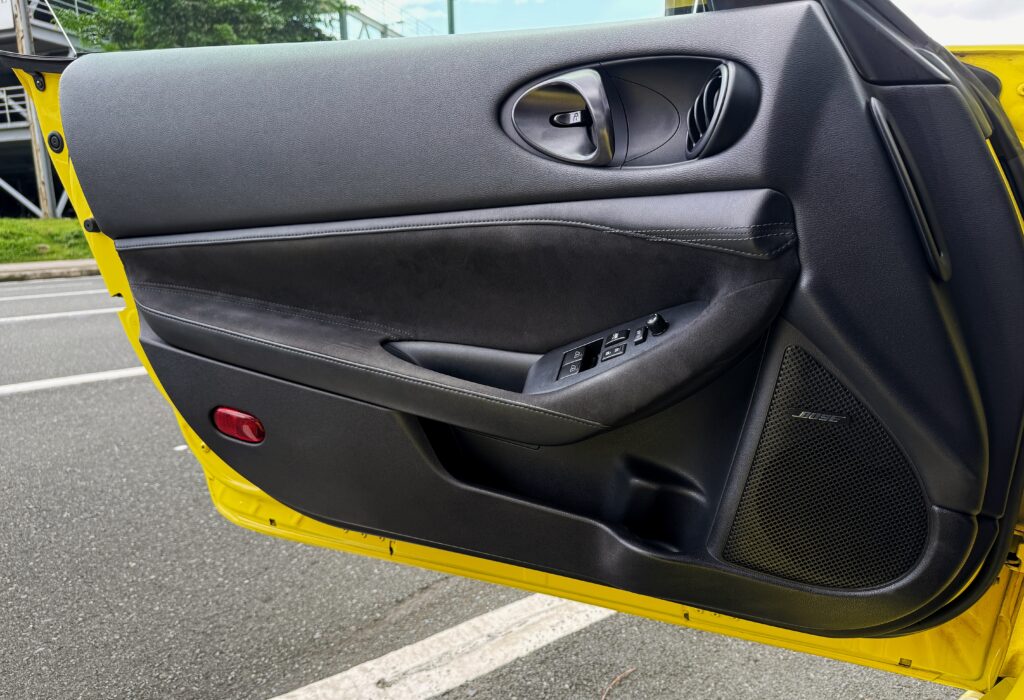
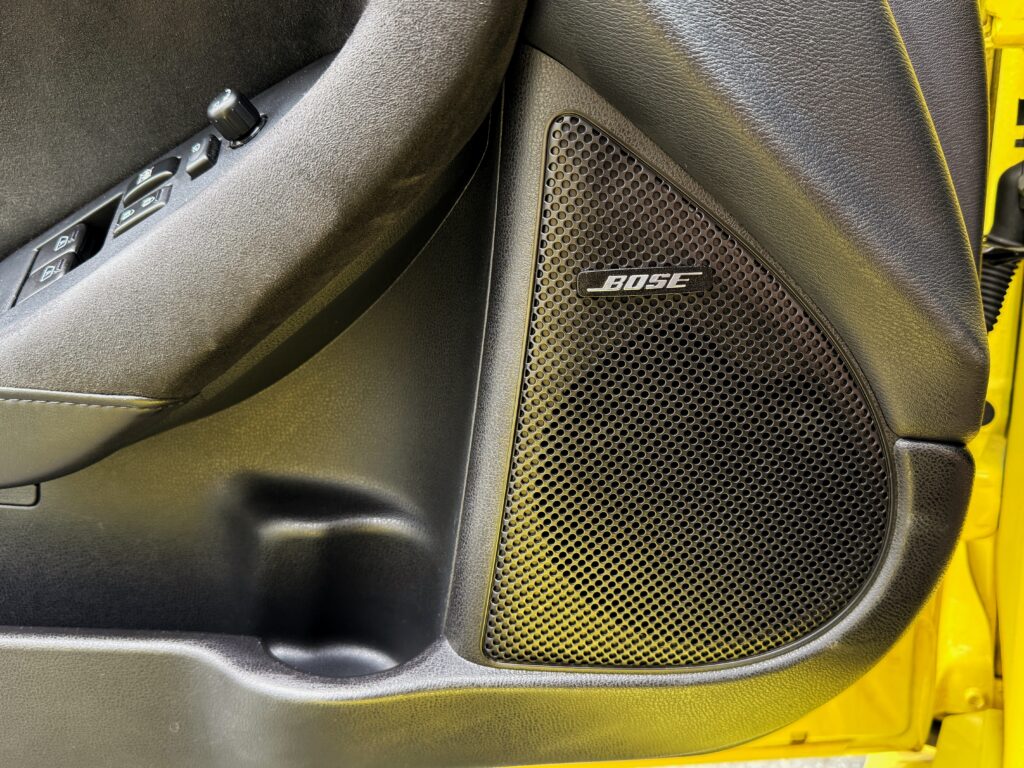
While you CAN wing it as a daily, the Z isn’t very practical. Sure, there’s a nice BOSE surround sound system with wired Apple CarPlay and Android Auto to give some form of comfort and entertainment but it does little to mask the Z’s limited practicality.
The shallow trunk offers around 241 liters of space, though its shape limits usability. There’s a small cubby area behind the seats but they aren’t that big too. A small bag with the essentials is all it will take.
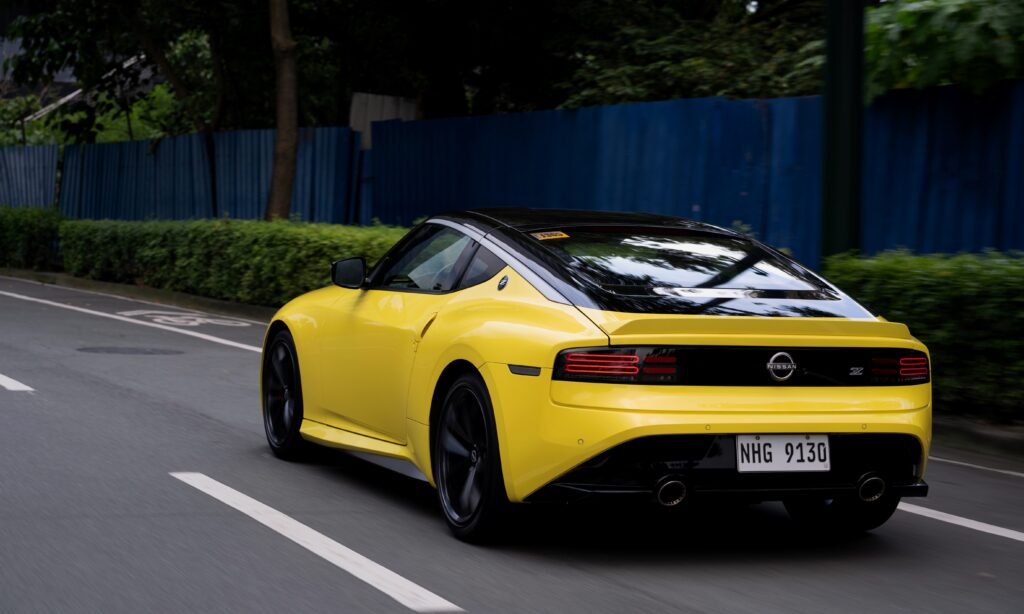
But that misses the point: the Z is a sports car first and foremost, prioritizing driving pleasure over outright performance.
With rising fuel costs and the industry’s shift toward electrification, the question remains: will cars like the Z continue to exist in the years ahead?