Subaru has had a long history of being a cult classic, a real hero to enthusiasts. Affordable and readily accessible, their vehicles were popular among the working class at first, particularly in countries that witnessed the four seasons. All-wheel drive stability in the snow, mud, and torrential rain made all the difference. Add in some turbocharged boxer goodness and it makes for wild, lurid slides and four-wheel drifts. No wonder rallying and Subarus go hand in hand.
Seeking a competitive edge, the WRX came about from Subaru’s decision to switch from the larger Legacy platform to the more compact and hopefully more competitive WRX in the World Rally Championship, going head-on with the likes of the Lancer Evo and Toyota Celica. The WRX name itself signaled its intent: it stood for World Rally Experiment.
And the rest is history. Subaru introduced the WRX at the 1000 Lakes Rally of Finland in 1993, infamous for its multiple high-speed jumps on snow. In the hands of rally demi-god Ari Vatanen, the WRX placed second in its debut. It would be the following year when the WRX would claim its first victory with El Matador Carlos Sainz Sr. (Yes, that F1 chap’s Papa) at the gravel trails of the 1994 Acropolis Rally in Greece.
Of course, who can forget the legendary Colin McRae? The flying Scotsman won both the Driver’s and Manufacturer’s Championship in 1995 under Subaru. It would win the Manufacturer’s Crown yet again in 1996 and 1997. Two more Driver’s Championship also followed: in 2001 with Richard Burns and in 2003 with Petter Solberg.
This winning tradition carried over the next three decades and today, Subaru is still very much involved in rallying in the United States and various Group N (production car) rally series the world over.
Subaru has also traded dirt and gravel for super smooth tarmac: Subaru is a regular in the Super GT and Super Taikyu Series in Japan and the Nurburgring 24 Hour Endurance Race in Germany, often considered the ultimate test for production-based race cars. It is this storied history that makes the WRX very attractive to the enthusiast because 99% of the actual competition car is available to the average motorist!
These homologation specials, or rally-reps (for replicas, as they are Group N-rally-ready with just safety equipment installed) are the working man’s performance cars. And yet, they seat five, have a useful trunk, behave in traffic and get decent fuel mileage when you’re not caning them. Perfect for the daily grind.
On the weekend, haul your extra set of tires and go crazy on the track, the hillclimb or take the long way home via a proper B-road blast to experience the thrill of owning these amazingly versatile cars.
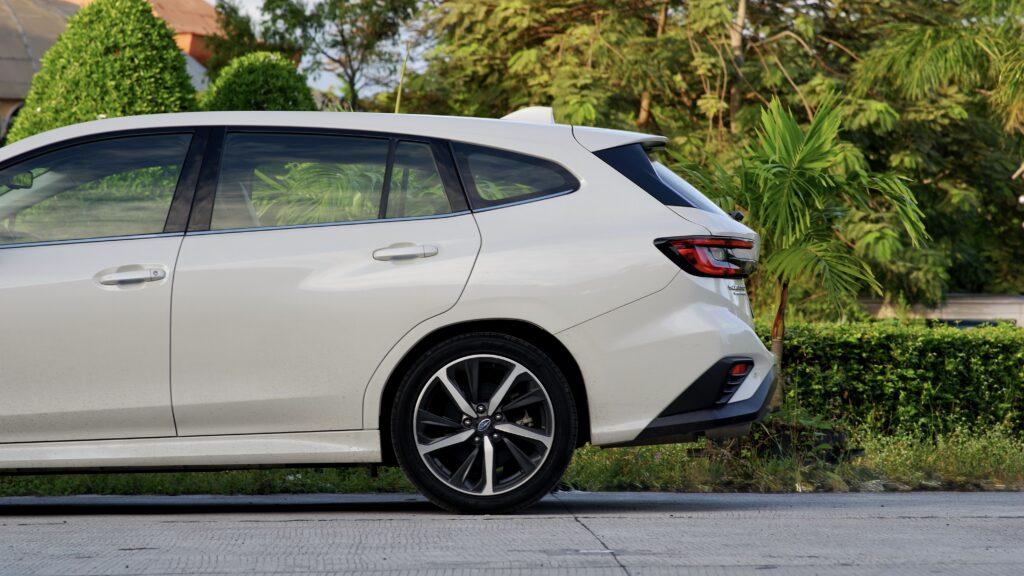
You feel like a superhero driving the WRX: power is so very accessible, the limits are very high but approaching them is very forgiving. It’s the type of car that grows with your skill, allowing you to discover its true breadth of abilities.
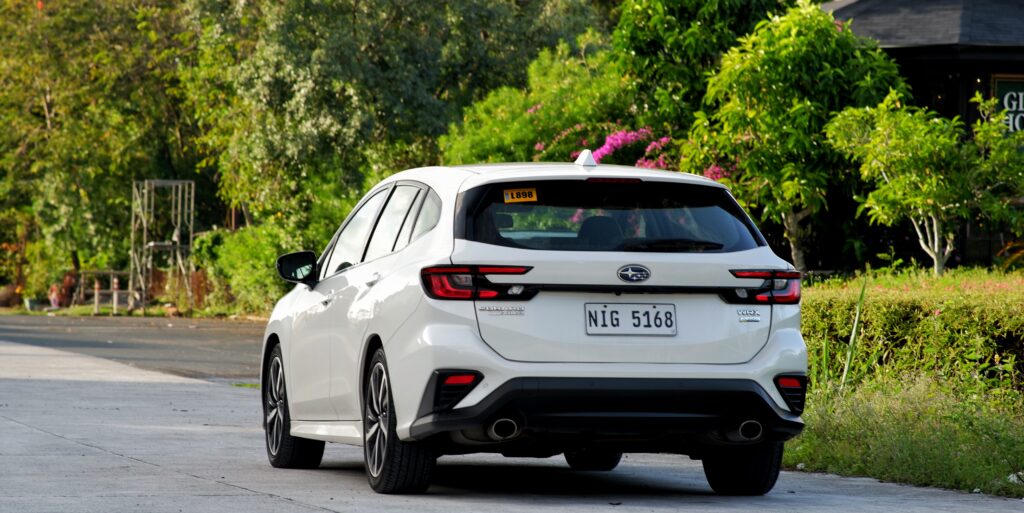
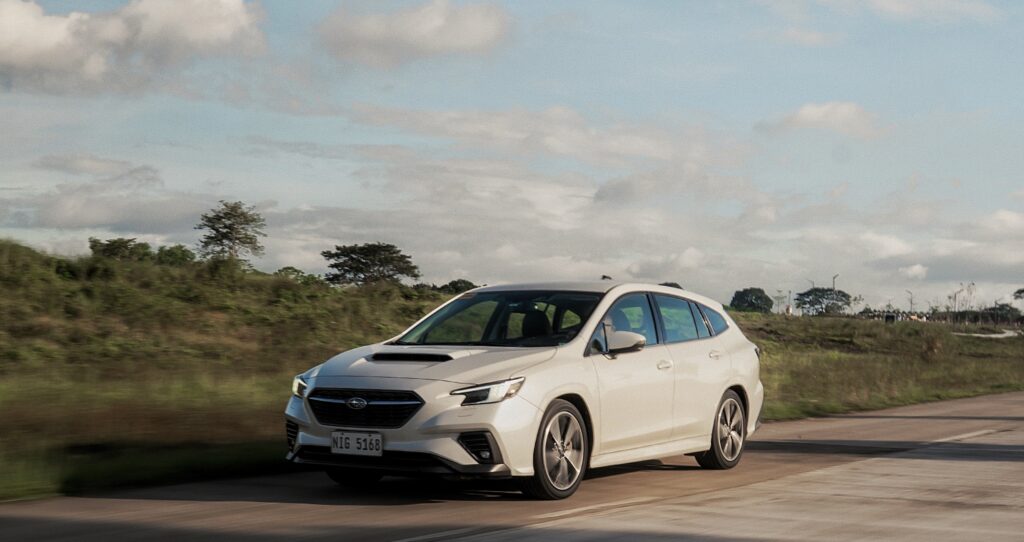
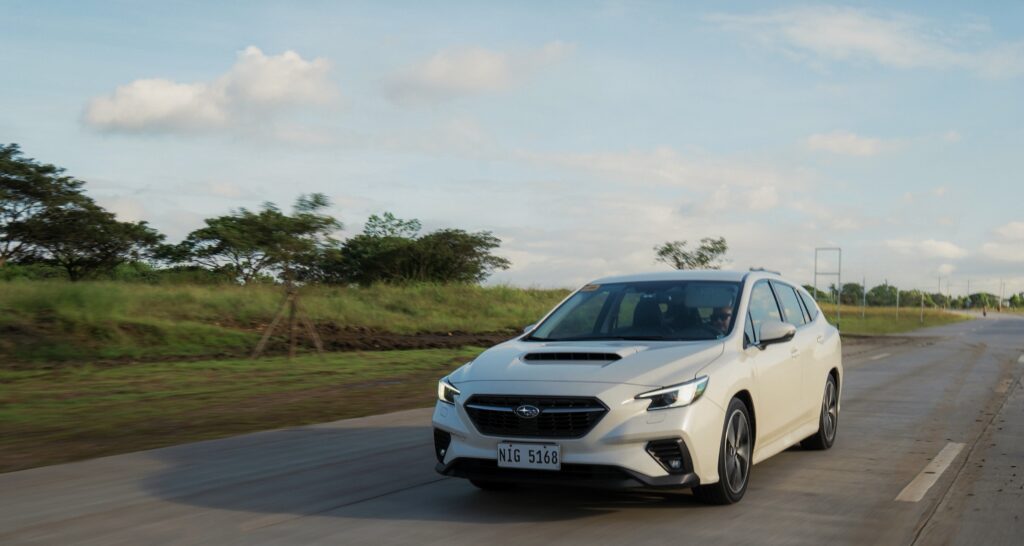
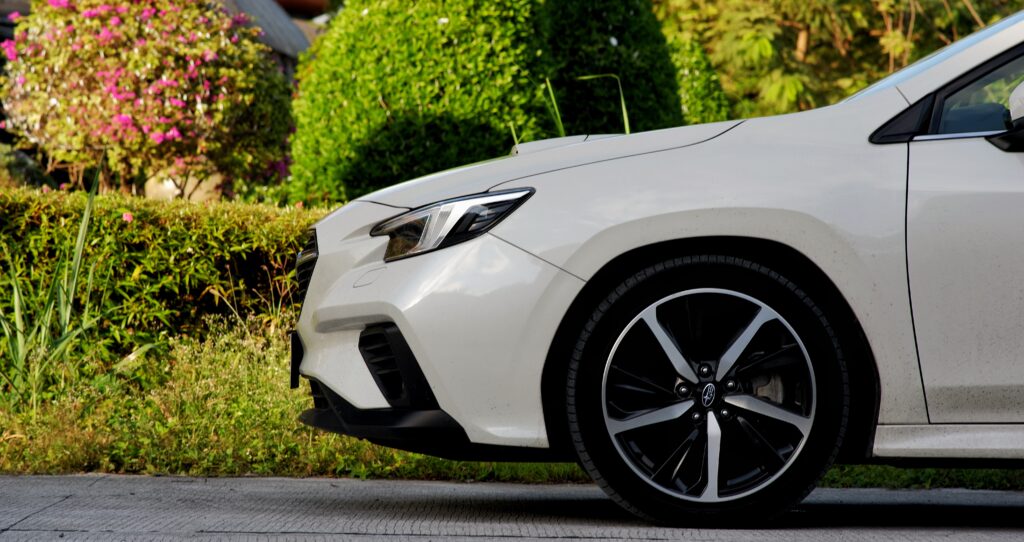
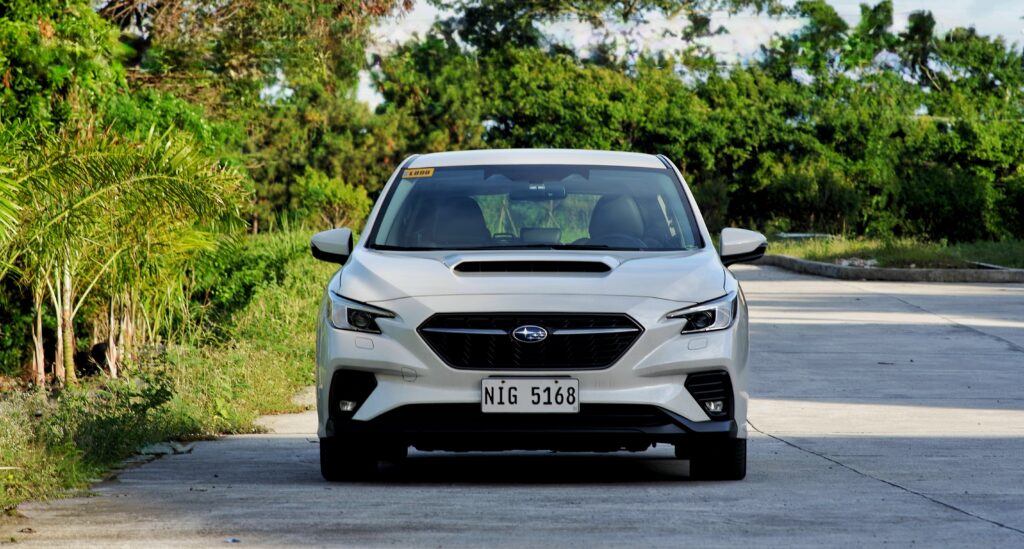
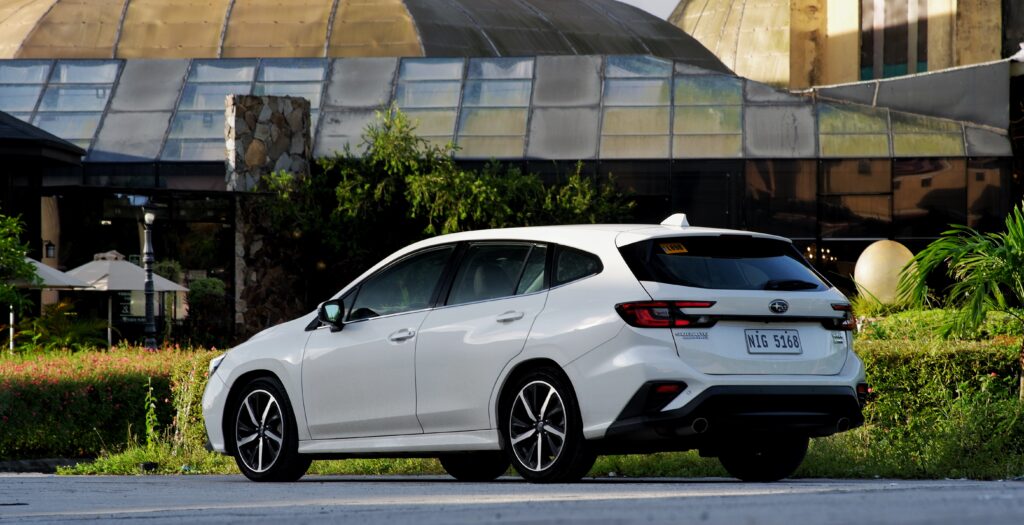
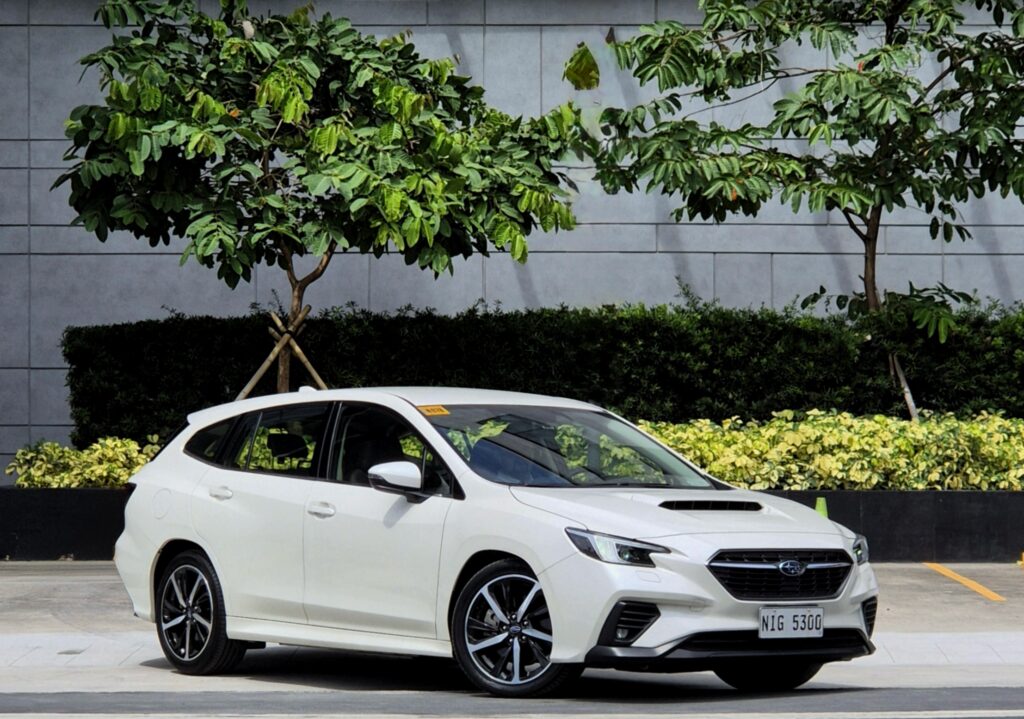
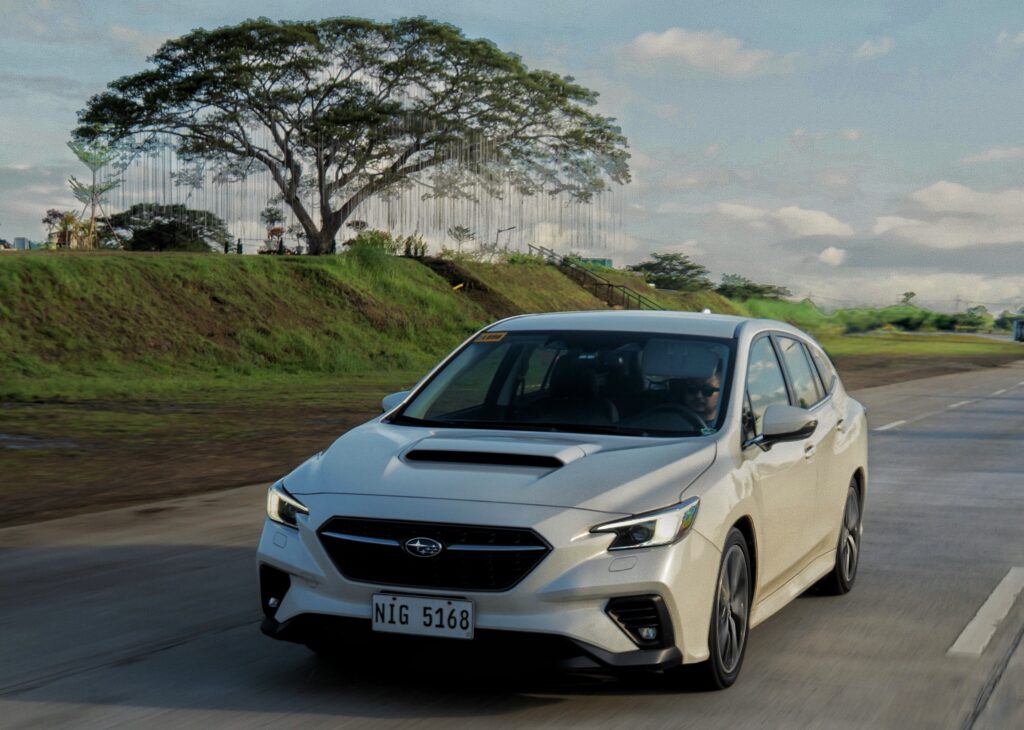
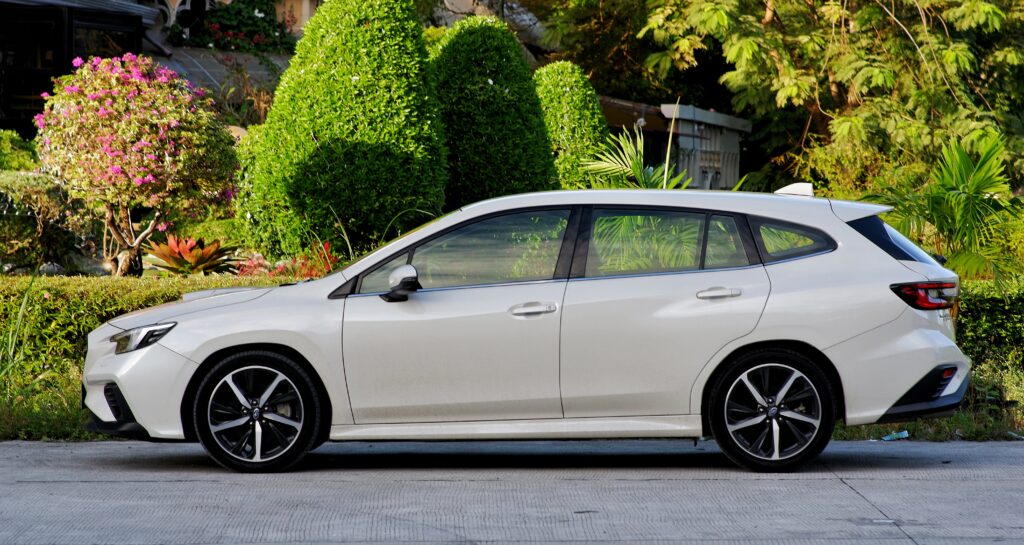
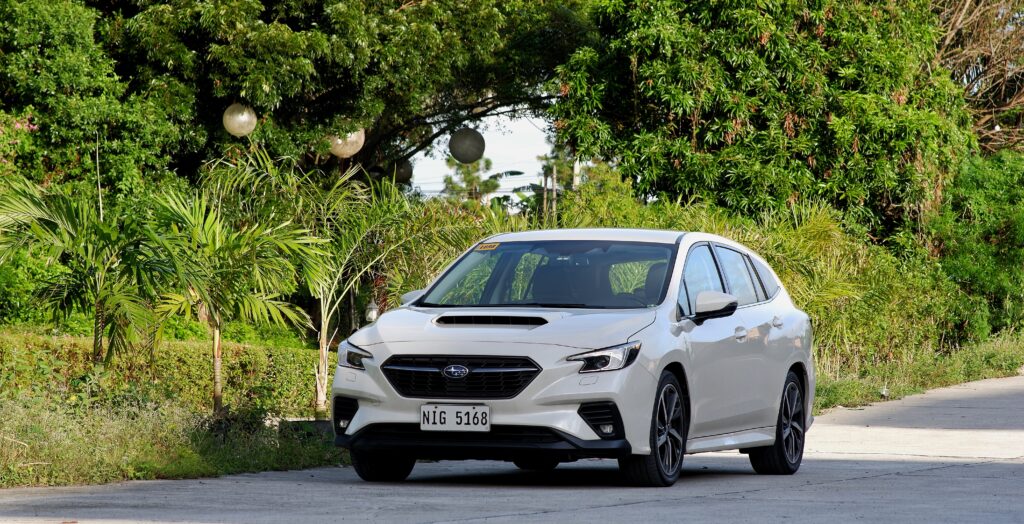
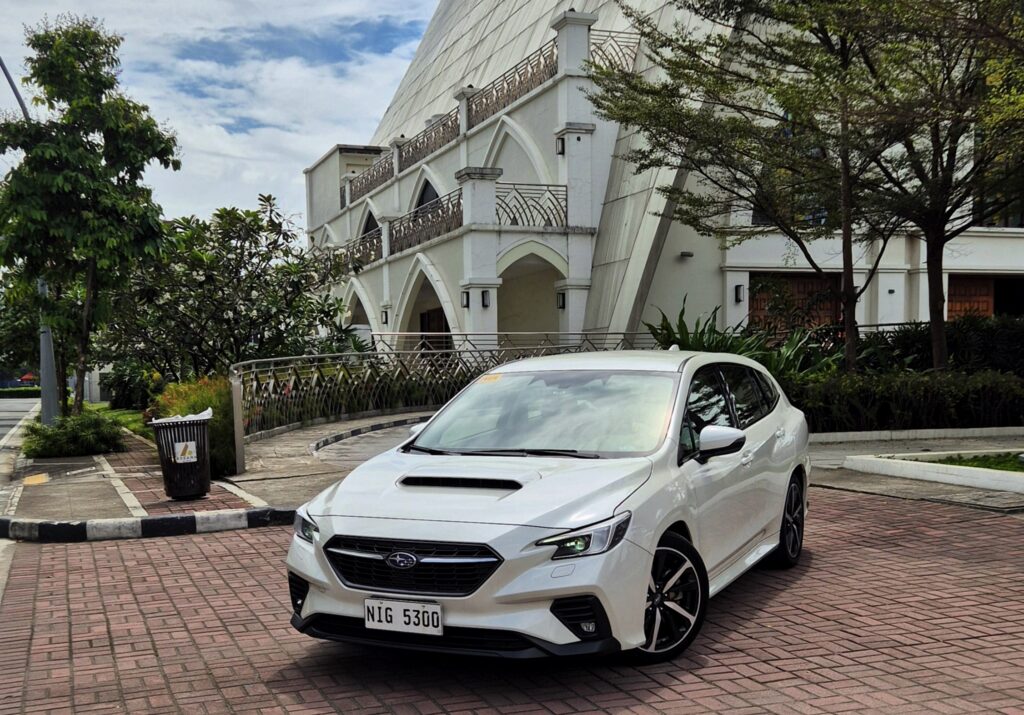
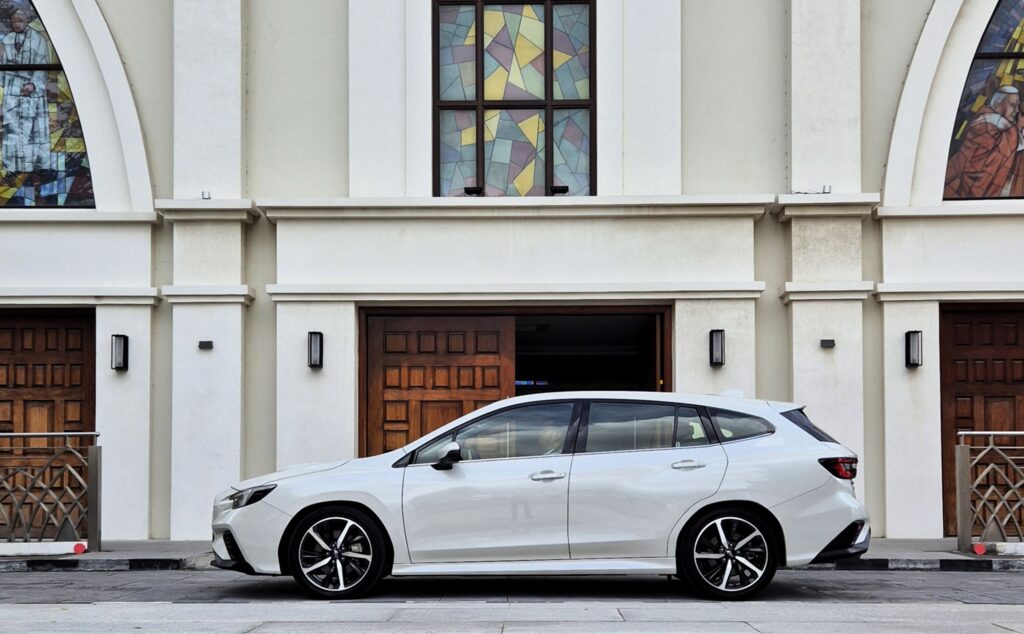
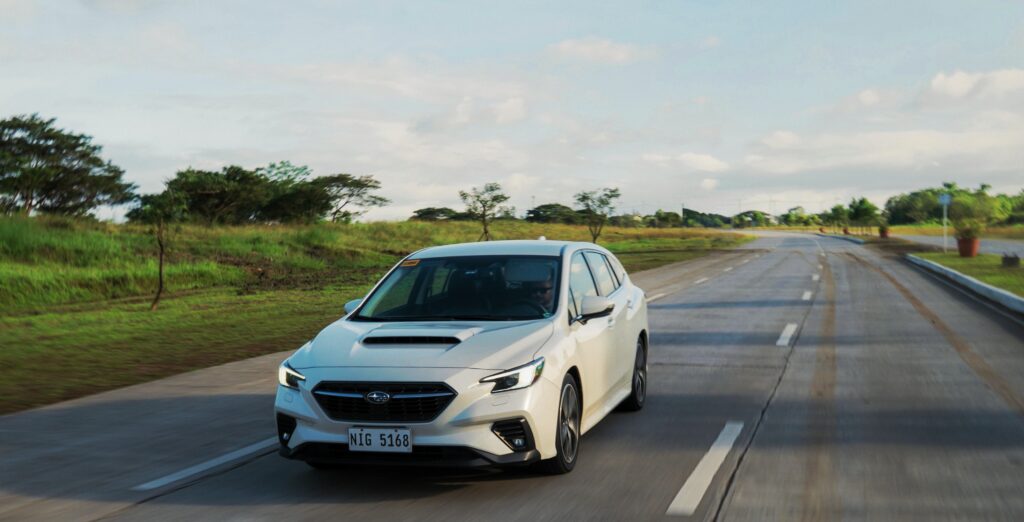
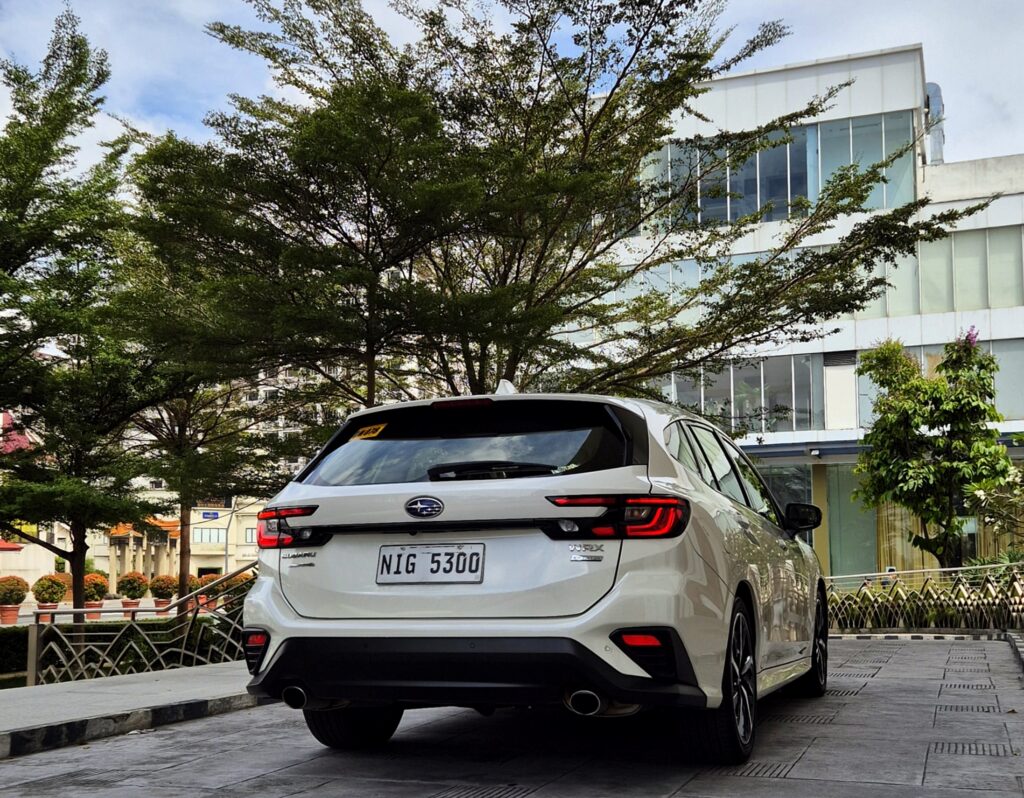
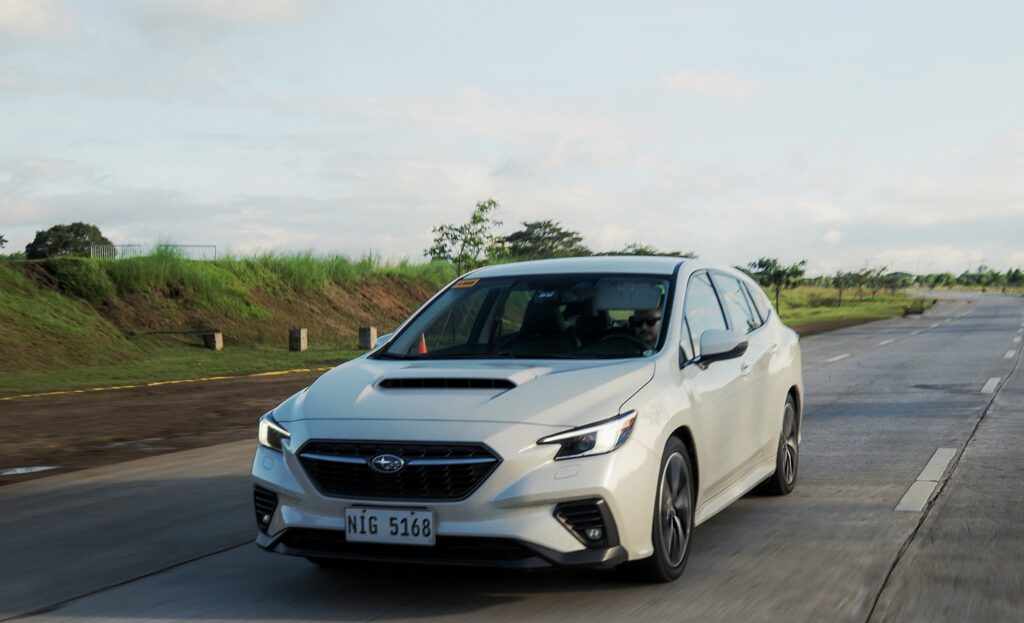
Throw in a wagon body style, and the two-box design makes the WRX a hero car in disguise: think Clark Kent going to the Daily Planet. It gains sleeper status, adding another dimension of understated, subtle cool. An IYKYK kinda thing.
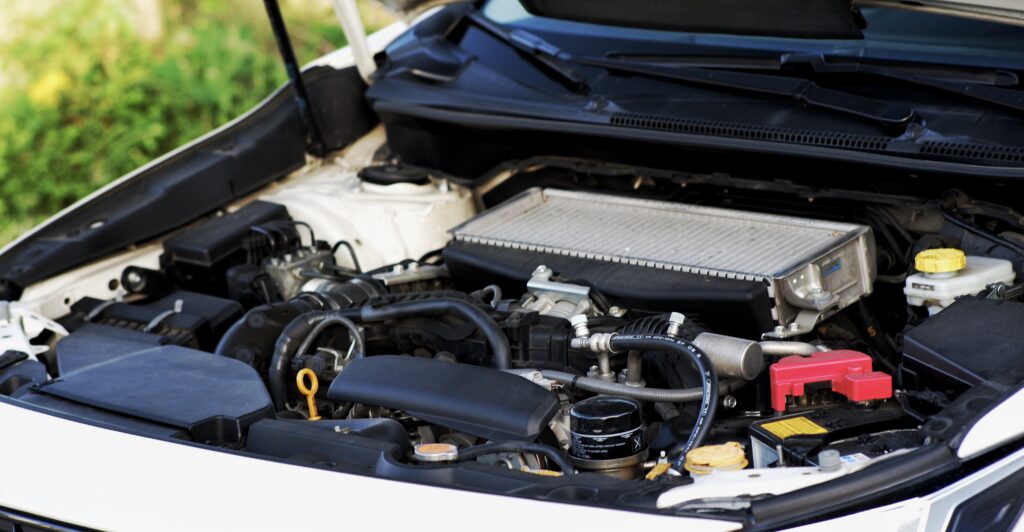
So what makes the WRX so amazing? Let’s start with the signature turbocharged boxer engine that pumps out 271 hp and 350 Nm of torque from a new family of 2.4-liter direct injected four-cylinder horizontally-opposed or boxer engines.
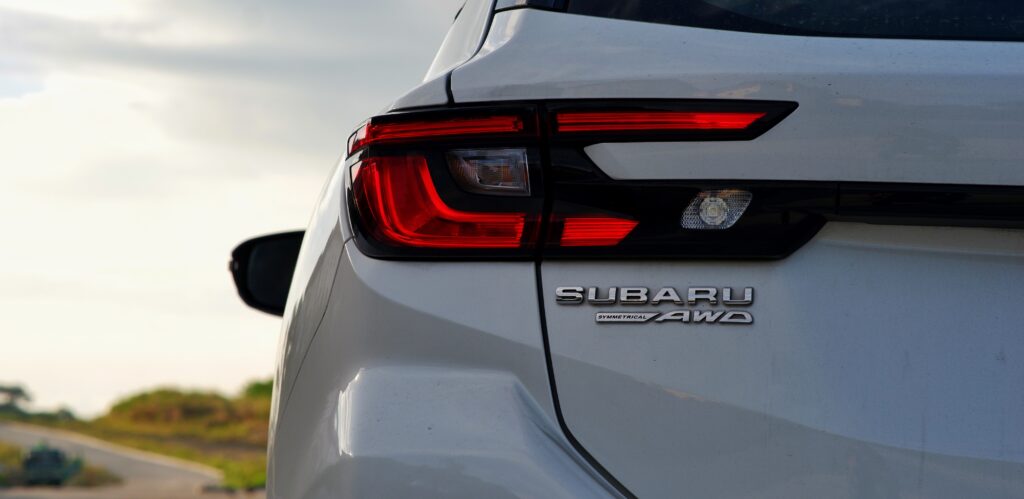
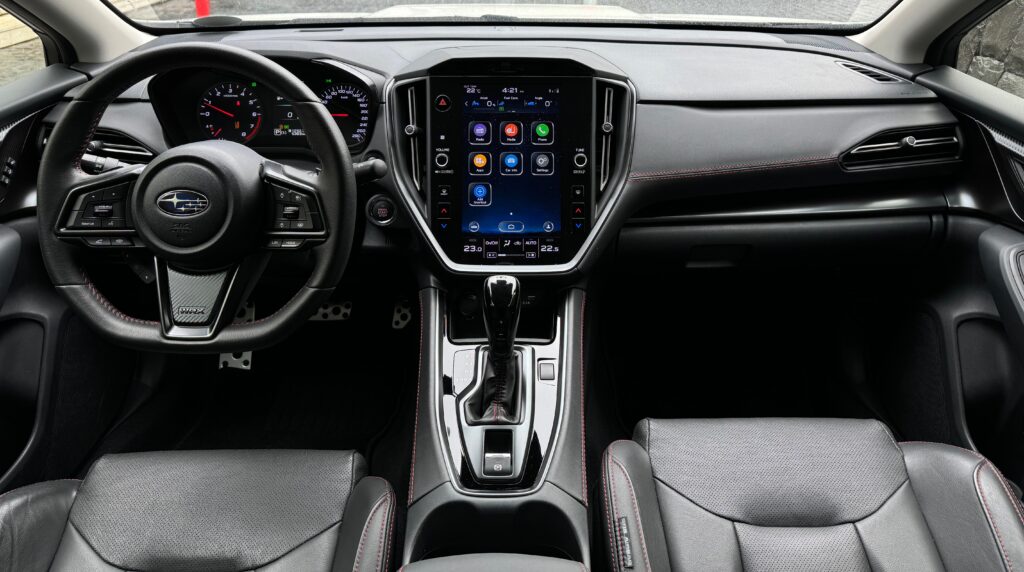
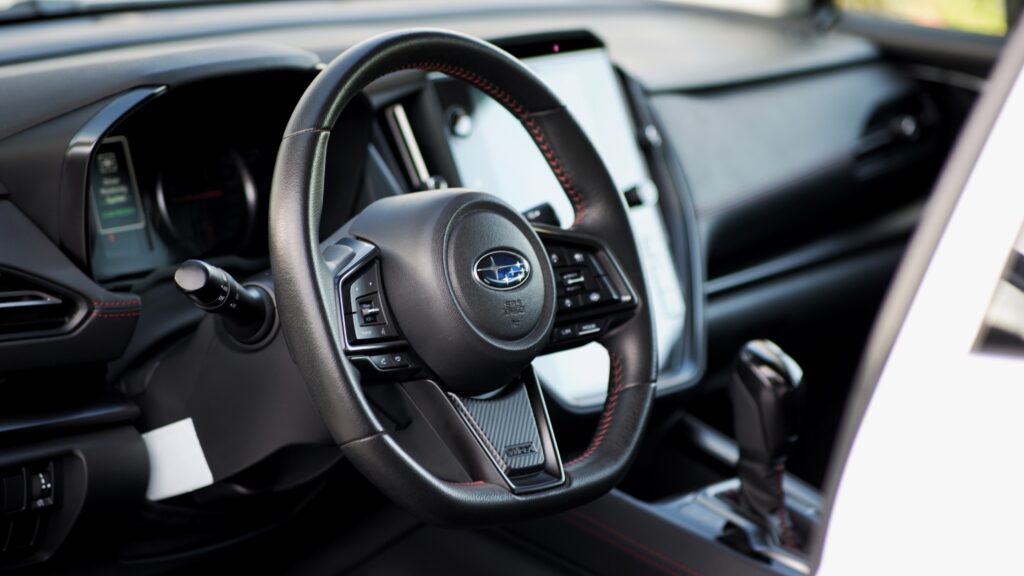
It sends power to all four wheels via Subaru’s Symmetric All-Wheel Drive System. Unfortunately for purists, the transmission has been neutered with a continuously variable automatic, presumably for improved fuel efficiency. It actually works well for the most part, but does lack the physical intimacy of older manual transmission-equipped WRXs, especially the higher STI variants.
It’s all nestled inside Subaru’s latest state-of-the-art Global Platform which offers increased rigidity, a lower overall weight, improved steering feel and ultimately better safety thanks to the advanced design.
Throw in Subaru’s EyeSight ADAS Safety Suite and the WRX is not only fast, fun and engaging, but mature enough to take care of the boring but important bits.
You might be curious if the WRX still has the same sporting feel behind the wheel: quick steering, firm suspension, aggressive power delivery and strong brakes. Well, after a few generations, the latest WRX has grown older, smoothed out and matured considerably. Gone is the sporty suspension, replaced by a more supple, yet equally capable underpinnings.
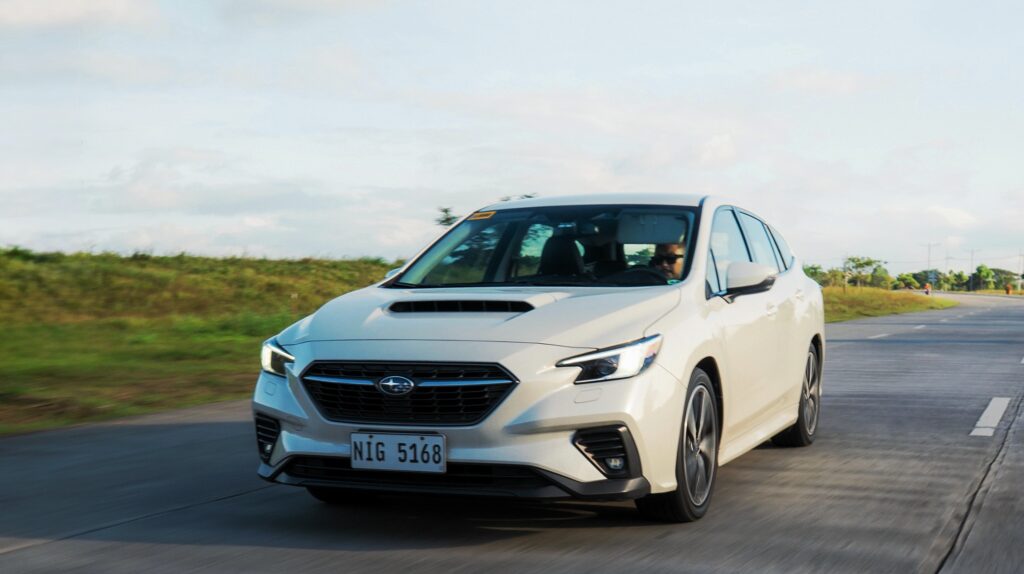
The quick steering is still there, but this time with a lighter effort. The brakes are tad less grabby, smoother in engagement and progressive. Ultimately, a smoother power delivery devoid of lag is served by the new boxer engine, thanks to the magic of direct injection.