
The Subaru WRX has always occupied a special place in the hearts of enthusiasts. In a world increasingly dominated by crossovers, MPV’s and electrification, the WRX remains proudly mechanical, driver-focused, and unapologetically fun. For people who truly love the thrill of driving, that matters so much more now than ever.
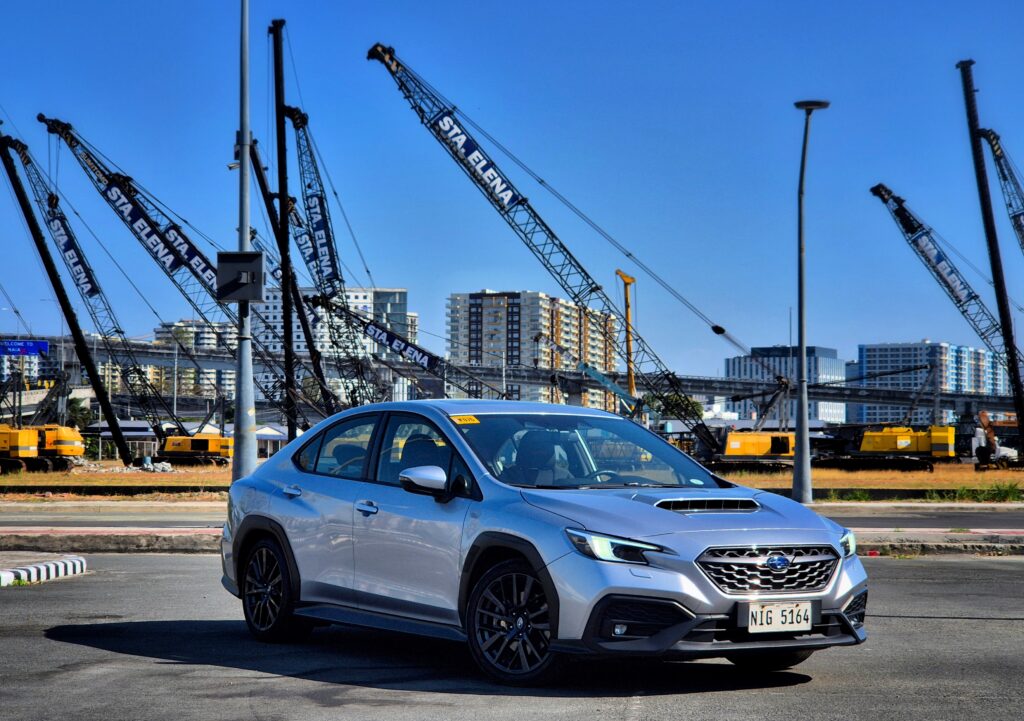
If you’re an older enthusiast, there is something reassuringly familiar about seeing a WRX slicing through EDSA traffic or charging toward Tagaytay on an early Sunday morning. It is not simply another sporty sedan wrapped in aggressive styling. The hood scoop, turbocharged Boxer engine, and symmetrical all-wheel-drive system all carry decades of rally heritage behind them. And most, if not all these styling cues are functional, homologated for the street to be legal for actual competition use.
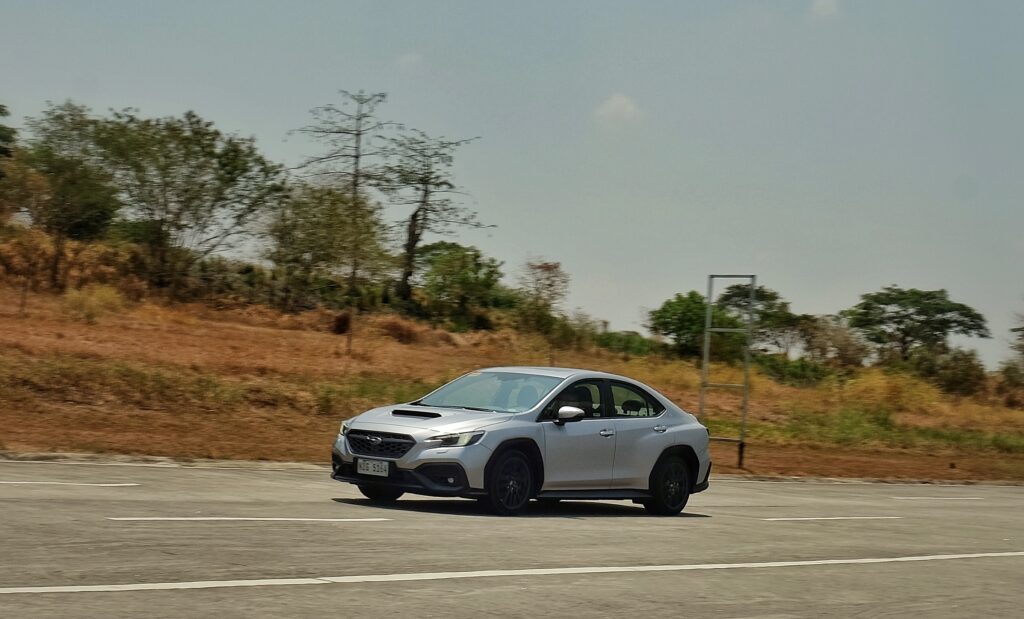
This is a nameplate forged in the World Rally Championship, where legends like Colin McRae transformed Subaru from a nondescript maker of vehicles popular with farmers into a global performance icon. And that heritage is not just nostalgia—it is something you genuinely feel from behind the wheel.
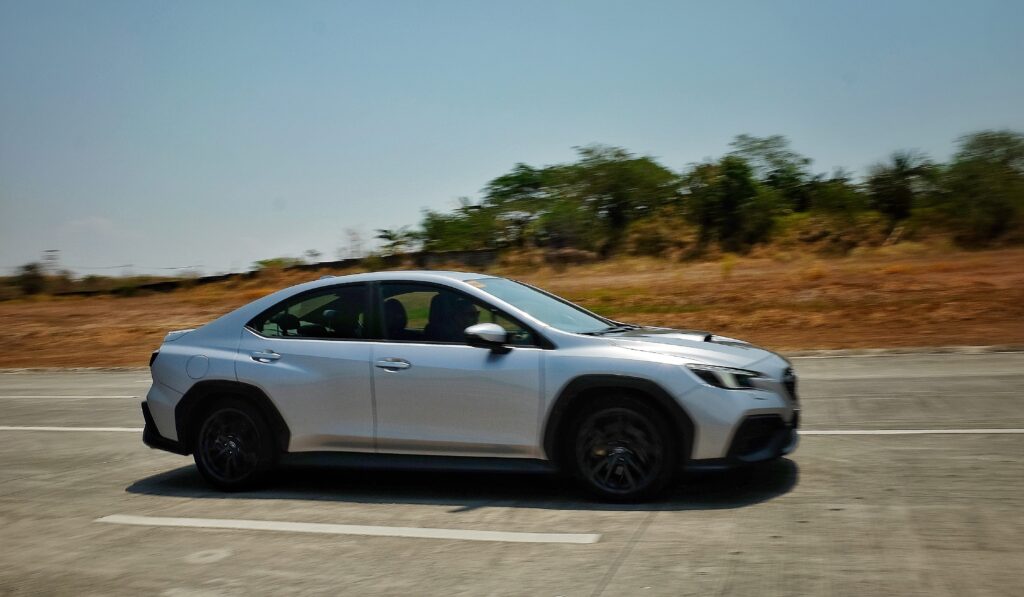
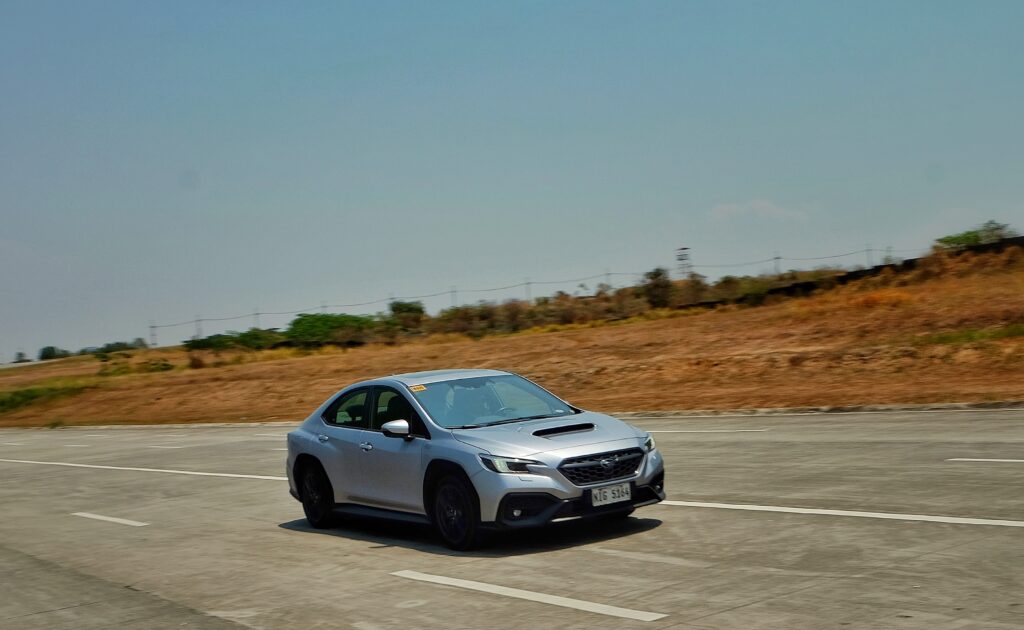
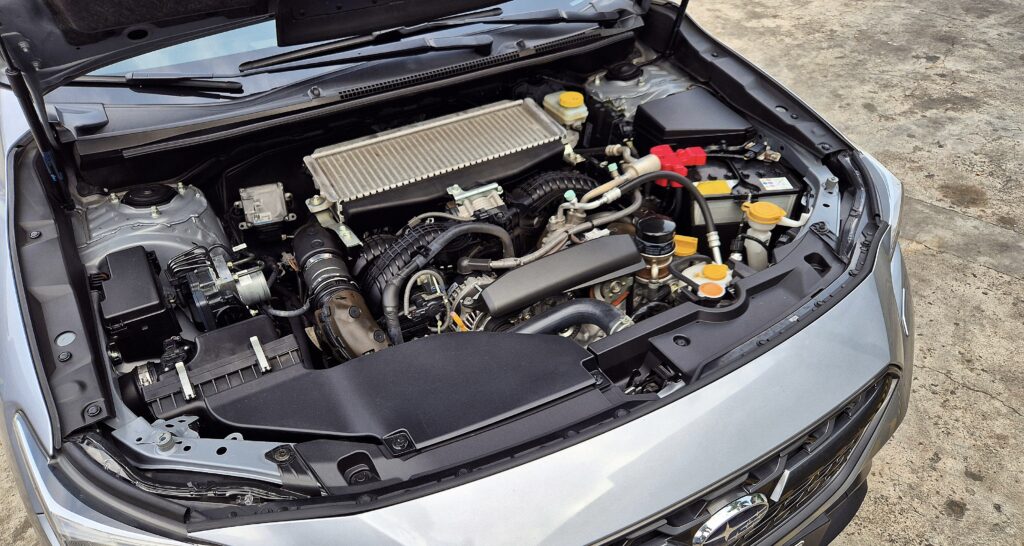
The current WRX Sedan blends old-school character with modern usability remarkably well. Beneath the hood sits a turbocharged and direct-injected 2.4-liter Boxer engine producing 271 horsepower and 350Nm of torque. The numbers themselves are impressive, but what matters more is how accessible the performance feels in the real world. And did I mention how easy it is to extract more power out of these powerplants with a few simple bolt-ons and a flick of a few keys on a laptop?
Power delivery is immediate enough to make overtakes on Skyway or NLEX genuinely satisfying, yet never overwhelming during daily Metro Manila traffic. And that balance may well be the WRX’s greatest strength.
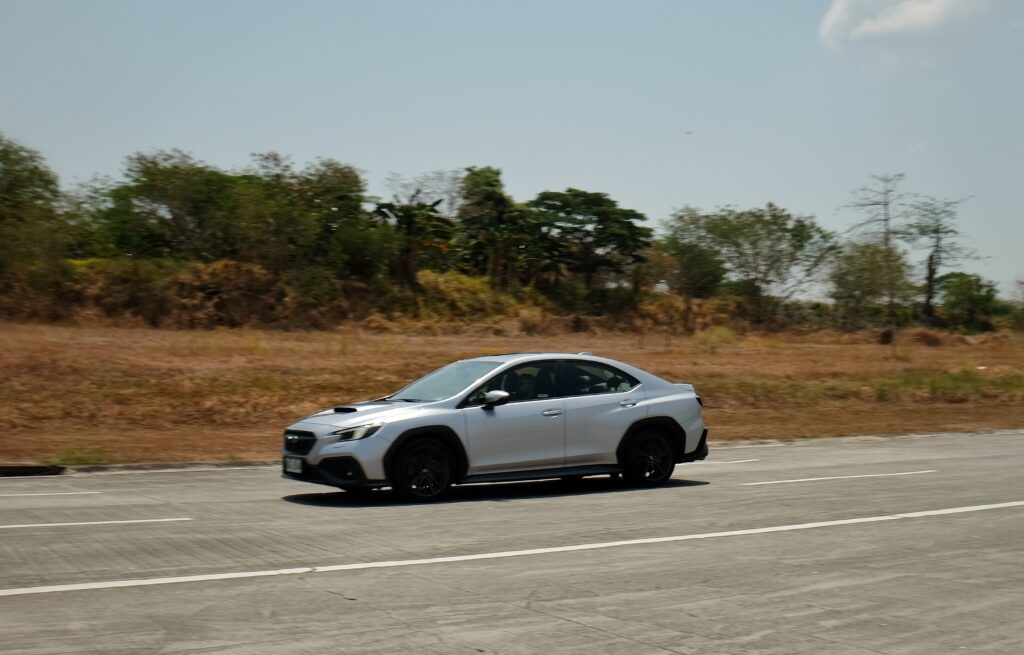
Performance cars in the Philippines often come with compromises. Some are too stiff for our roads, too low for steep parking ramps, or simply too impractical for everyday life. The WRX avoids most of those pitfalls.
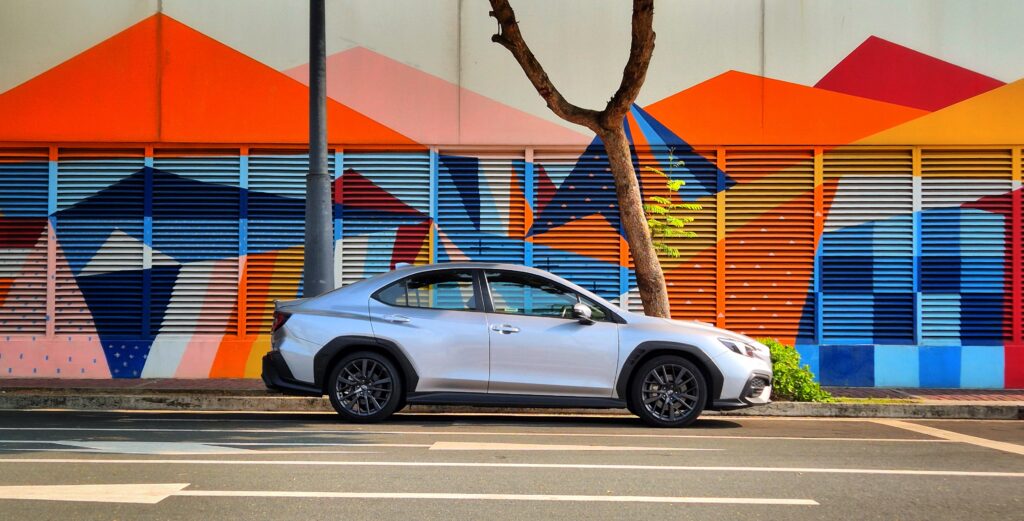
The four-door layout comfortably accommodates passengers, while the trunk easily handles groceries, camera equipment, or luggage for a weekend escape. Ground clearance is reasonable enough to cope with uneven roads and occasional flooding during rainy season. Unlike many highly strung sports cars, the WRX feels engineered for real-world use.
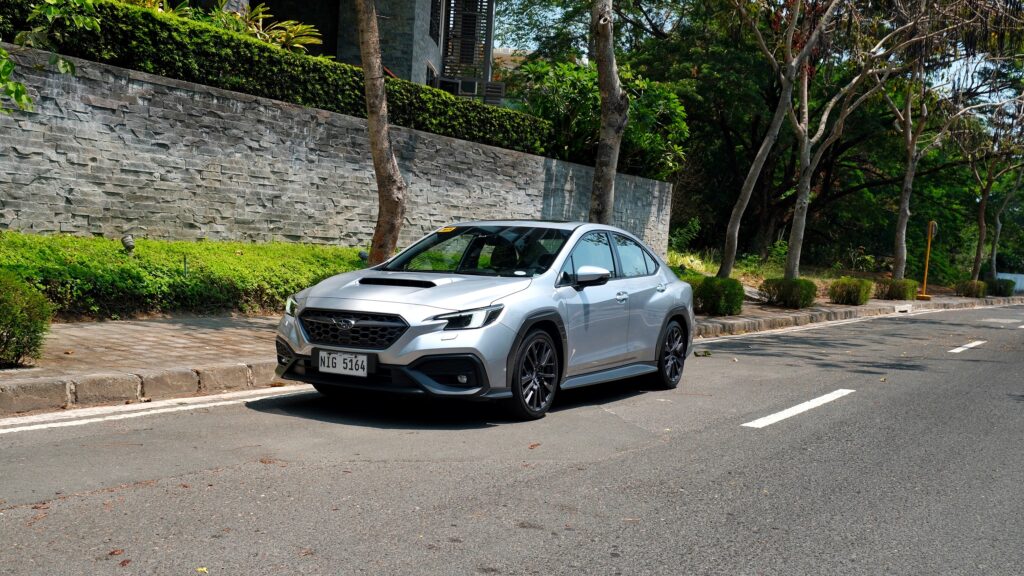
Subaru’s Symmetrical All Wheel-Drive (or AWD) system remains one of the car’s defining features. In a country where road conditions can change instantly from dry pavement to slick roads with dirt, sand and mud, to flooded streets, AWD provides more than outright grip—it provides stability and confidence. The car feels planted, stable, and reassuring in virtually all conditions. Handling, however, is where the WRX truly earns its reputation.
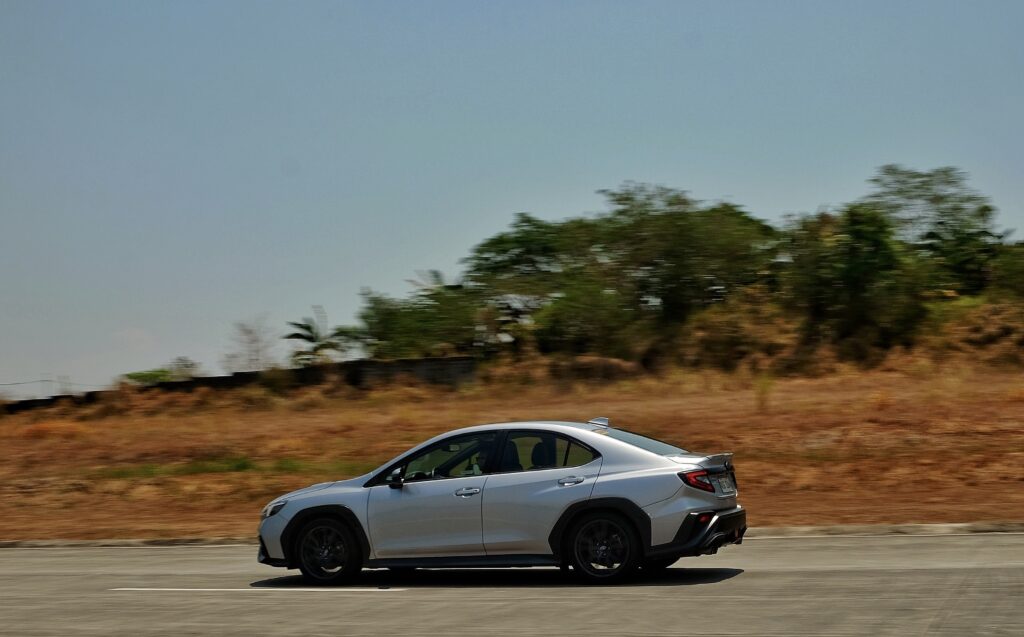
The steering, while having lightened in effort through the years, remains refreshingly direct and communicative in an era where many modern performance cars have become numb or overly digitized. You feel connected to the road without the chassis becoming nervous or unpredictable. It is the sort of car that encourages spirited driving naturally, rewarding confidence rather than intimidating the driver. It’s the type of car that tempts you to take liberties, test your limits and see how far you can push Sir Isaac Newton’s laws before it pushes back. That is the WRX’s true pièce de résistance.
The suspension setup strikes an intelligent compromise as well: firm enough to feel sporty, controlled and confident flat-out, yet compliant enough to survive the potholes and imperfect surfaces that define our nation’s horrid road network.
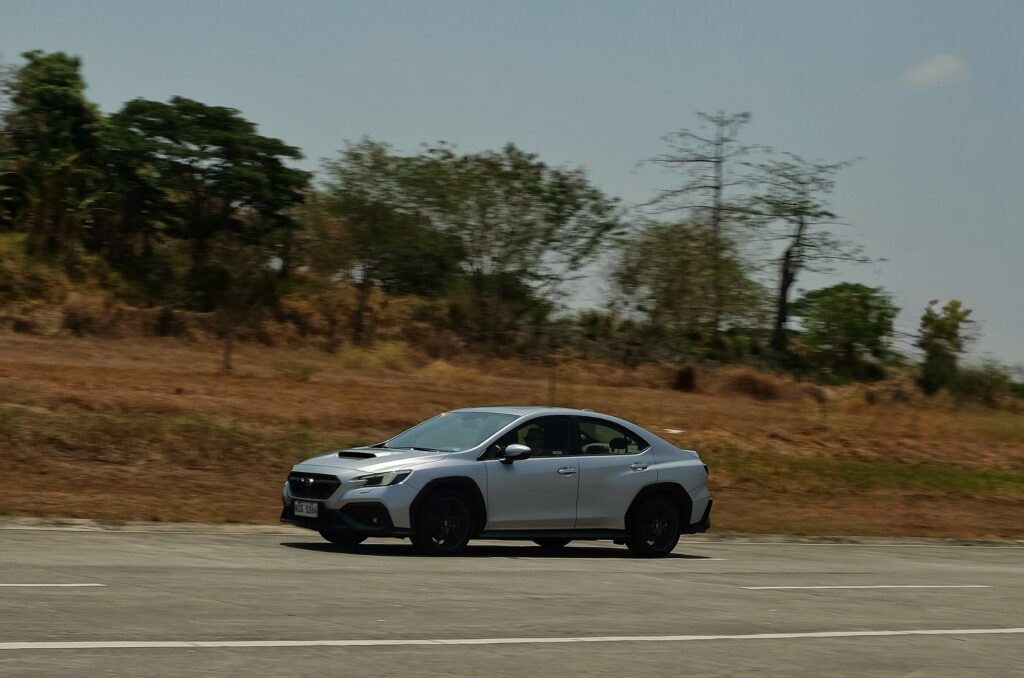
One of the more underrated aspects of the modern WRX is Subaru’s SI-Drive system, which effectively gives the car multiple personalities.
In Intelligent mode, the WRX becomes calmer and more relaxed—perfect for crawling through heavy city traffic. Sport mode sharpens throttle response noticeably, making overtakes and highway pulls feel more energetic. In Sport Sharp mode, where the WRX reveals its aggressive side entirely. Throttle response becomes immediate, the drivetrain feels far more alert, and the car transforms into the sports sedan enthusiasts truly want.
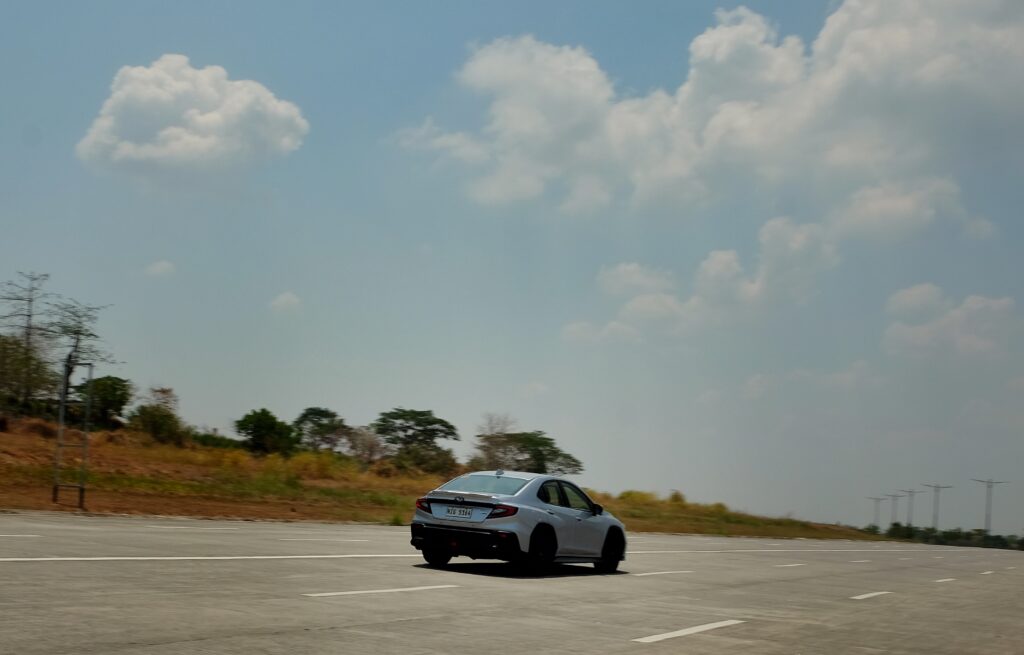
It is a feature particularly well suited to Metro Manila life, a Jekyll and Hyde super sedan that must alternate between stressful weekday commutes and spirited weekend drives, with track-days occasionally thrown-in.
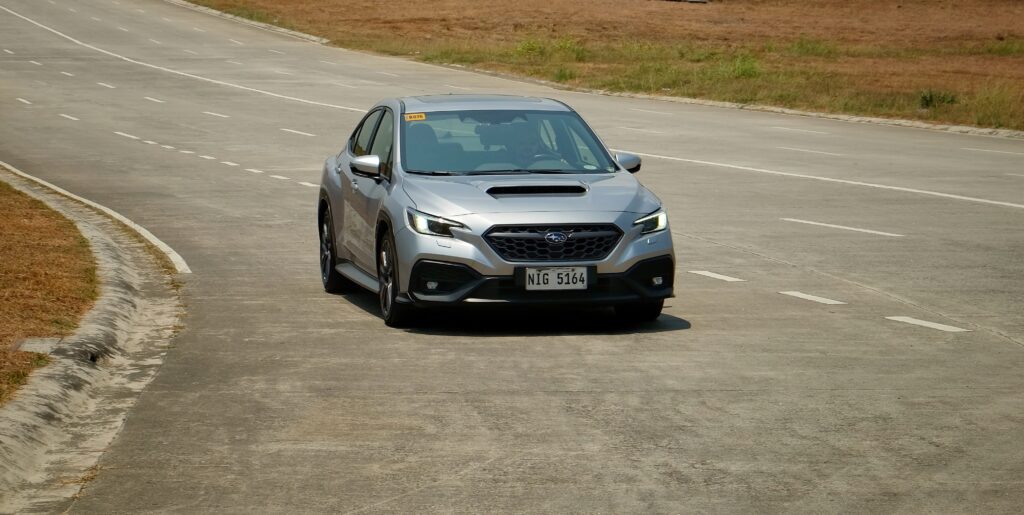
We have to talk about the elephant in the room: Subaru’s Lineartronic CVT, arguably the biggest surprise / disappointment for many enthusiasts.
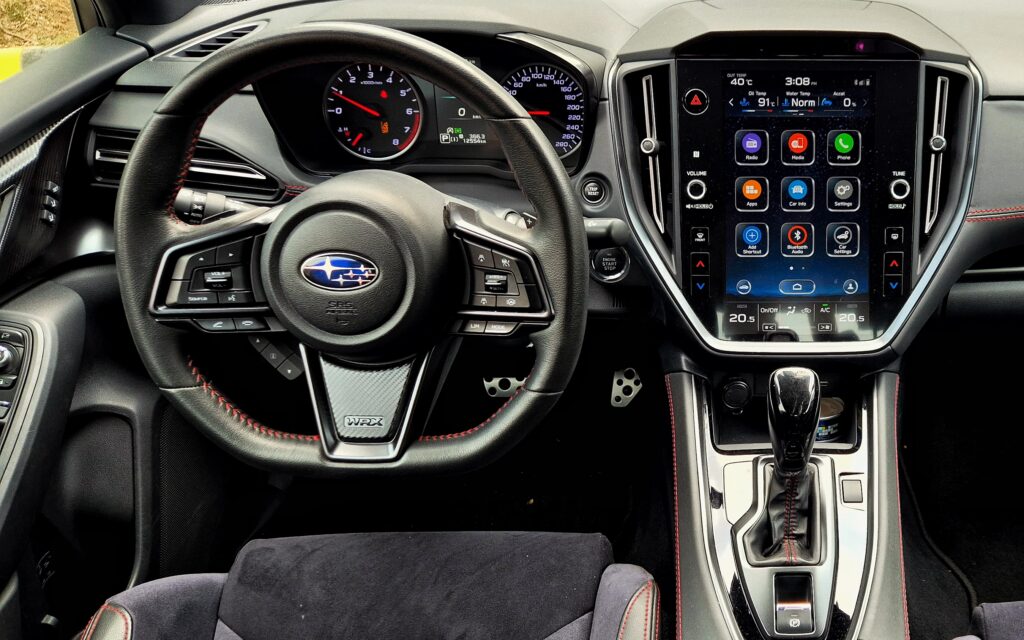
Traditionally, the phrase “CVT” evokes droning engines and disconnected driving dynamics. Yet Subaru’s performance oriented transmission in the WRX feels distinctly different from the economy-focused CVTs most drivers are familiar with.
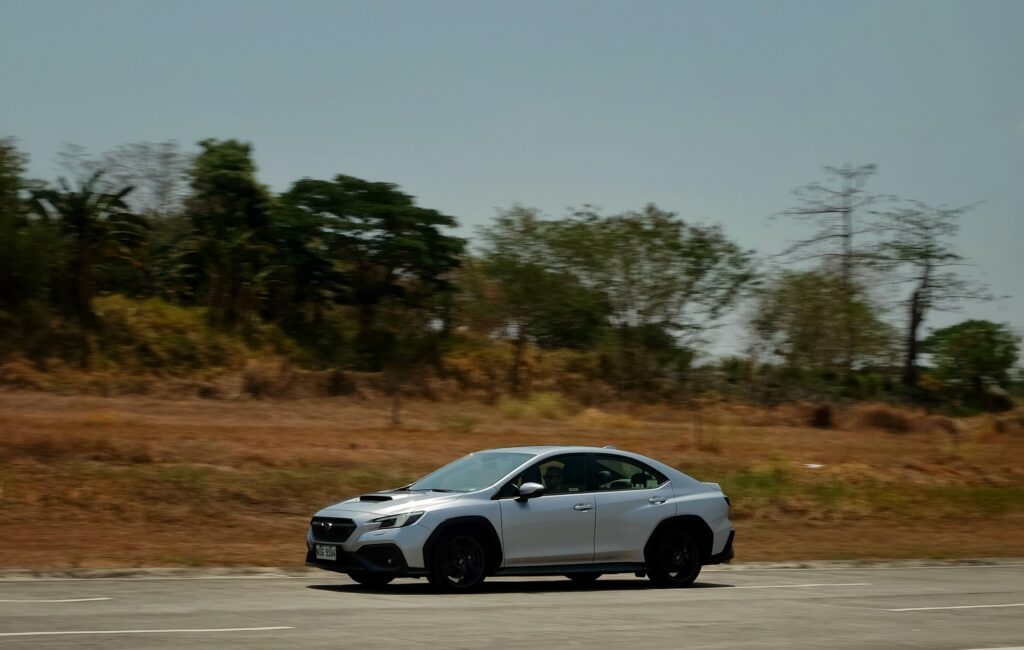
Responses are quicker, throttle inputs feel more direct, and the simulated stepped shifts are convincing enough to maintain engagement during spirited driving. Using the paddle shifters through expressways or winding roads feels surprisingly rewarding, especially when paired with the turbocharged Boxer engine. Tuners have been able to add as much as 60-70 horsepower reliably without issues and maintaining close to stock smoothness and reliabily. Fingers crossed, it seems Subaru have at least done their homework right on this.
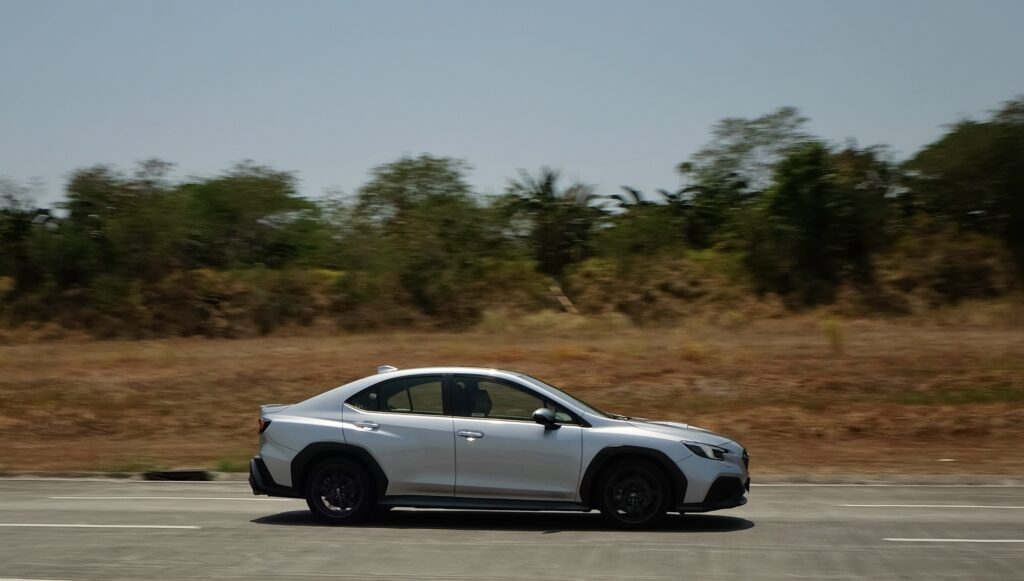
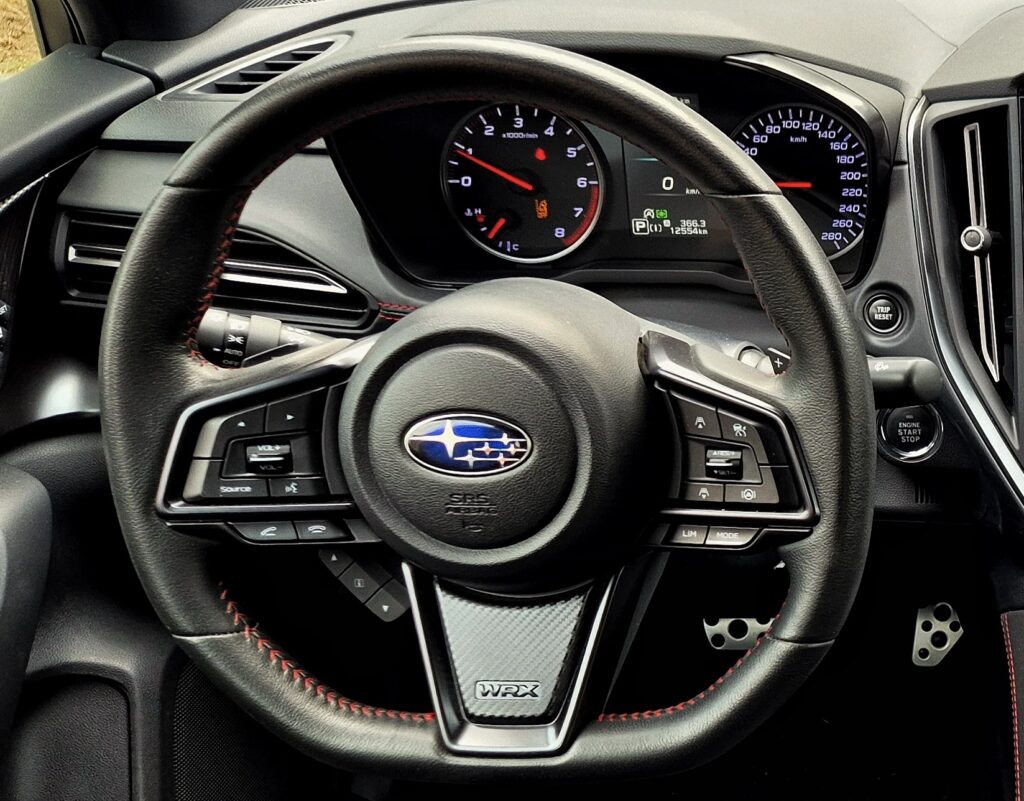
Inside, the WRX has matured considerably. Earlier generations prioritized performance over refinement, but the current model introduces significantly more comfort and technology into the cabin. A large infotainment display modernizes the interior, while improved materials and driver-assistance systems make long commutes easier to tolerate.
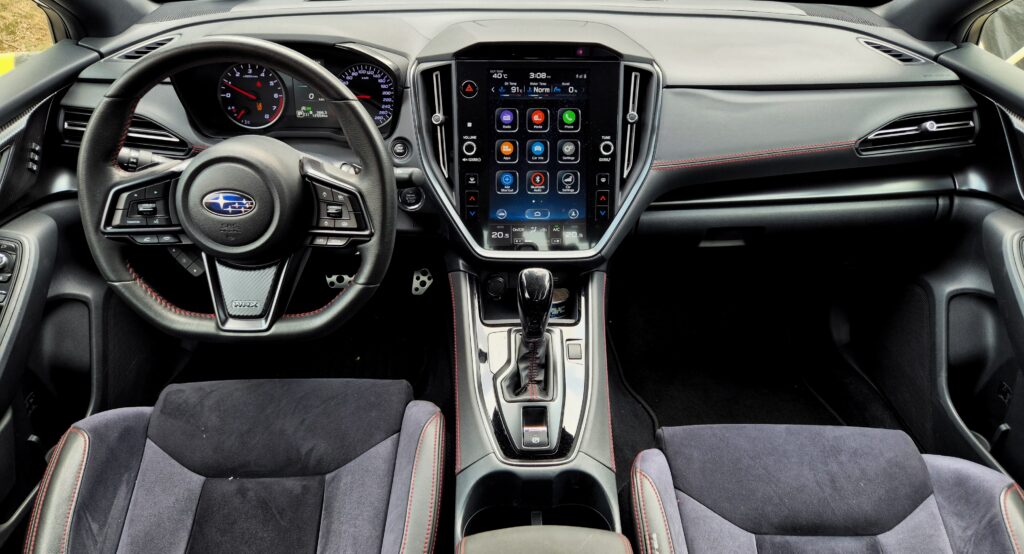
Yet despite the upgrades, the cabin still feels fundamentally driver-oriented. Upright driving position, thickly bolstered seats, excellent visibility in and out, the WRX is ready for the toughest roads, tracks and yes, dirt trails.
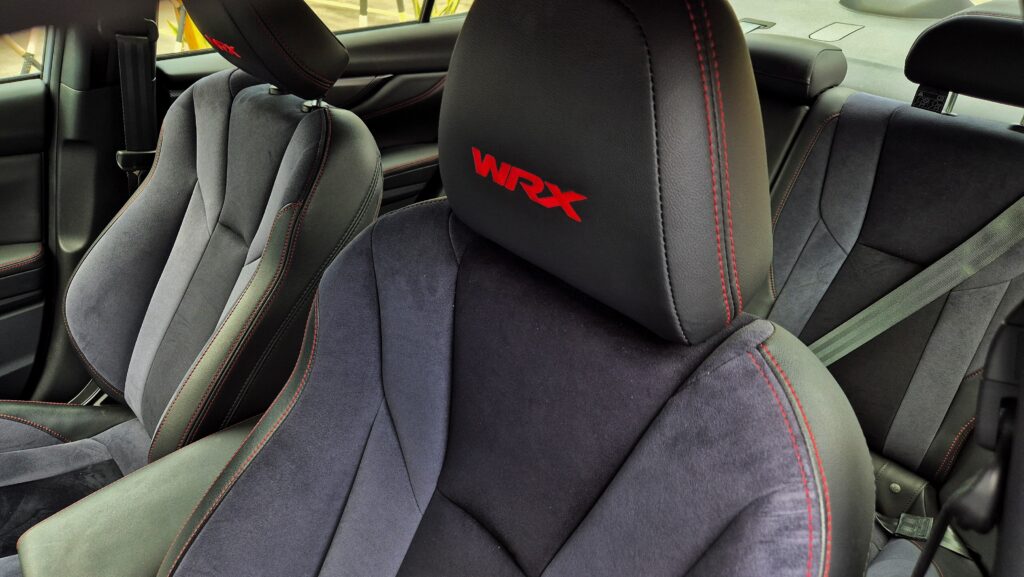
What ultimately makes the WRX special today is its authenticity. Many modern performance sedans have become overly digital, relying heavily on artificial sound enhancement, oversized screens, or exaggerated styling to create excitement.
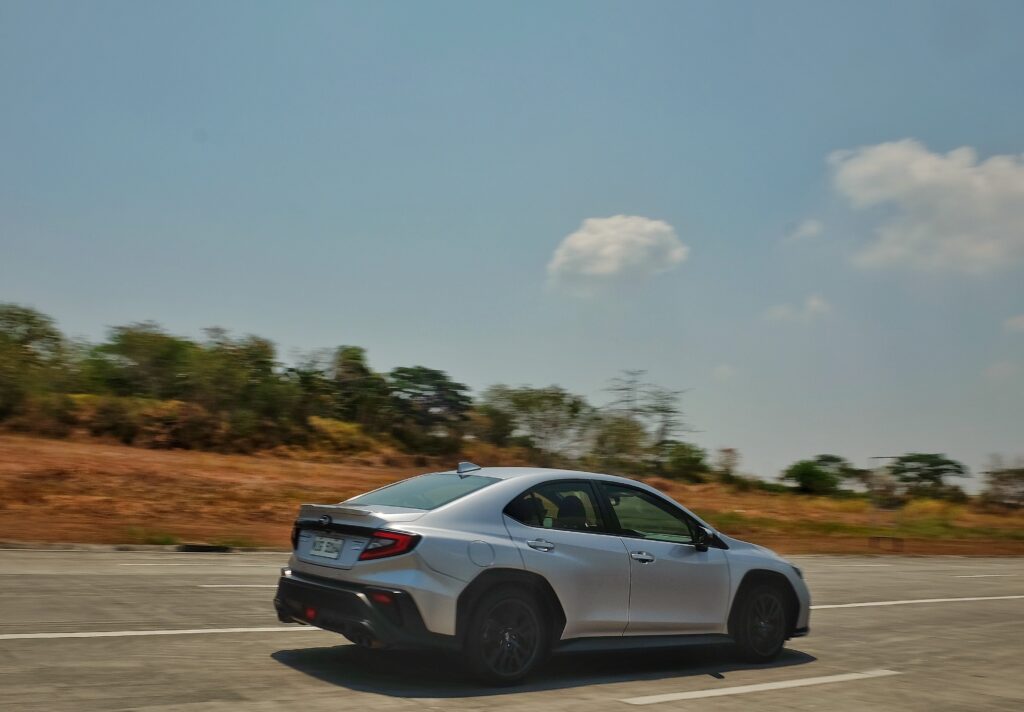
It reminds you why you fell in love with cars in the first place. And in a city where traffic can easily drain the joy from driving, that emotional connection matters. The WRX somehow manages to make even ordinary drives feel memorable. Early morning coffee runs, quick expressway blasts, or spontaneous mountain drives become memorable experiences rather than mere transportation. The WRX has character, something the vast majority of four-wheeled appliances, with their semi-autonomous driving aids lack.
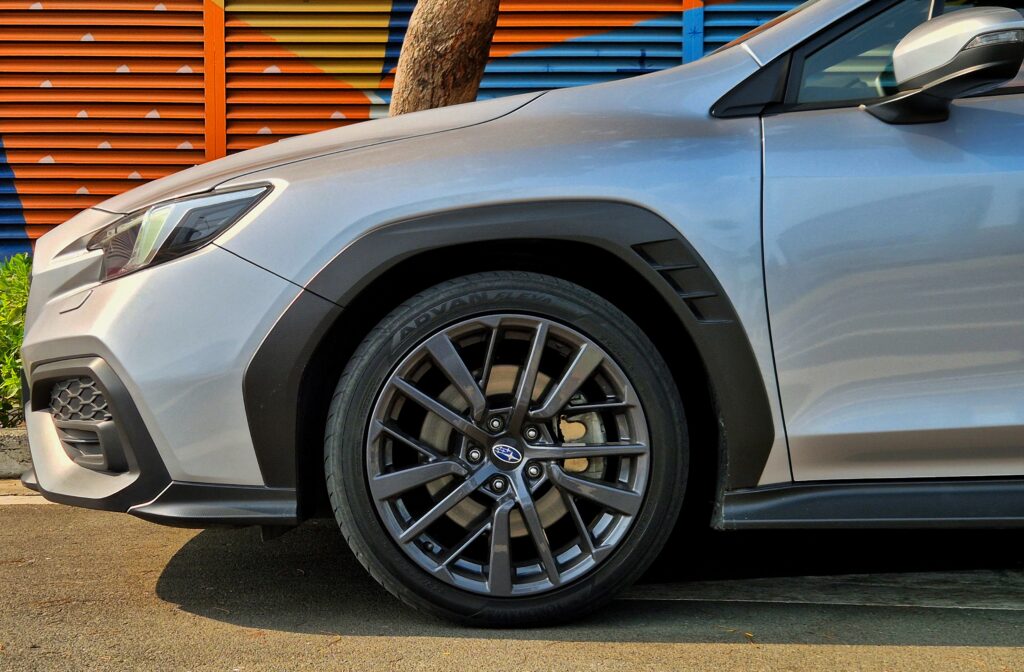
Of course, no conversation about the WRX is complete without addressing the inevitable question: Where is the STI?
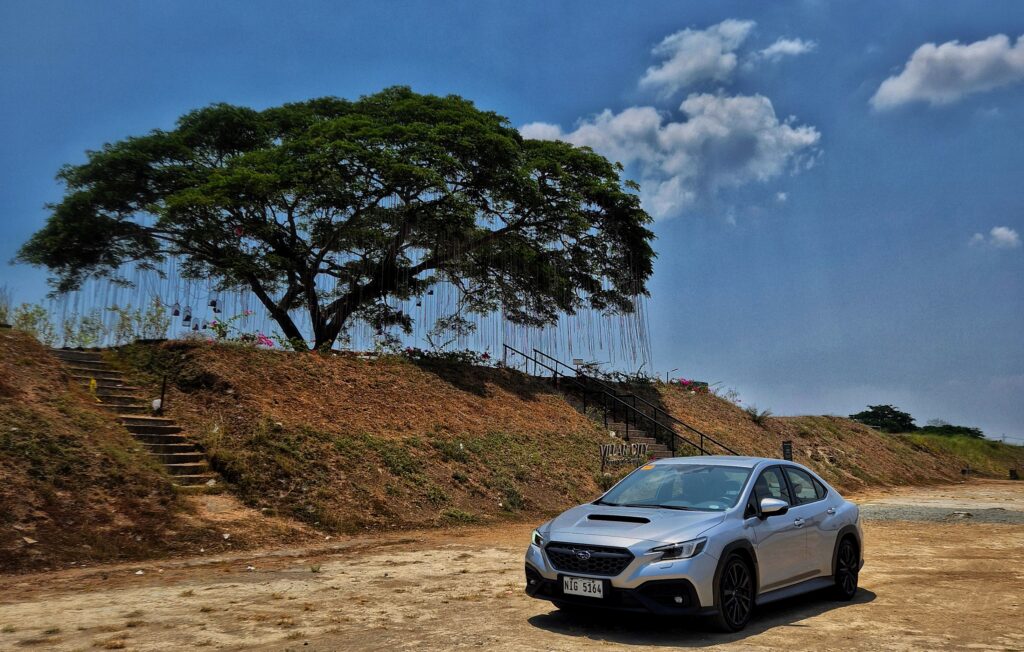
For decades, the STI badge represented the ultimate expression of Subaru performance: sharper handling, more aggressive tuning, and unmistakable road presence. Enthusiasts around the world—and especially in markets like the Philippines where rally culture still resonates deeply—continue waiting for Subaru to unveil a true next-generation STI.
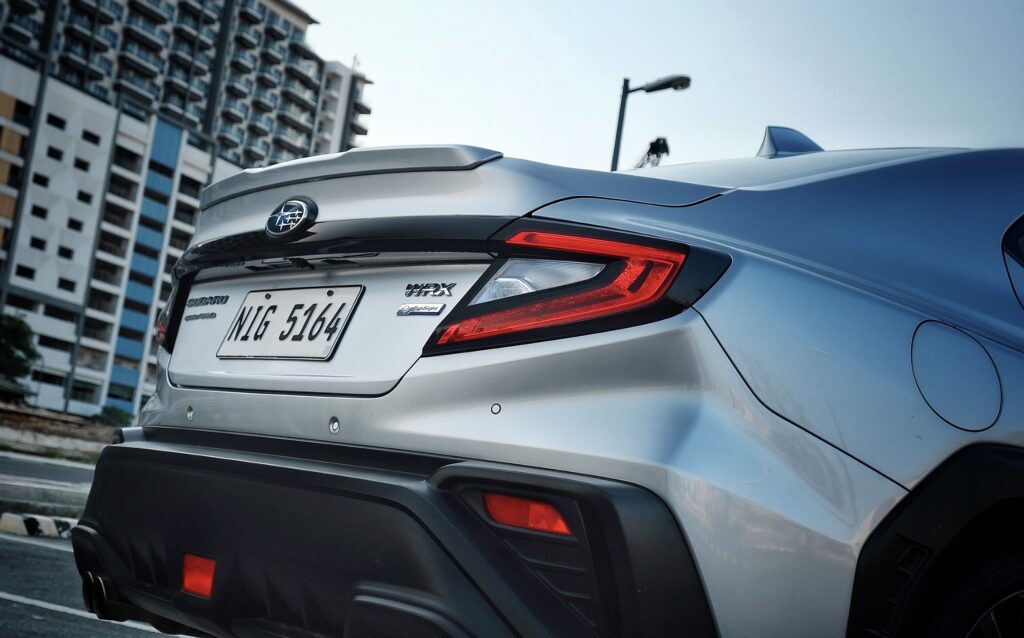
And honestly, the current WRX feels like it deserves one.
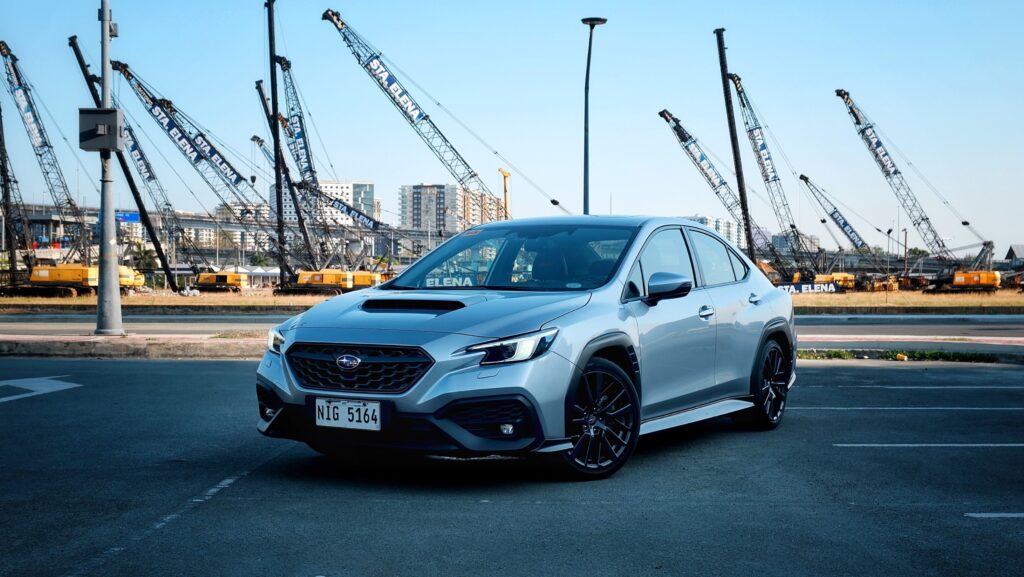
The platform is capable. The heritage remains intact. The enthusiast community is still passionate.
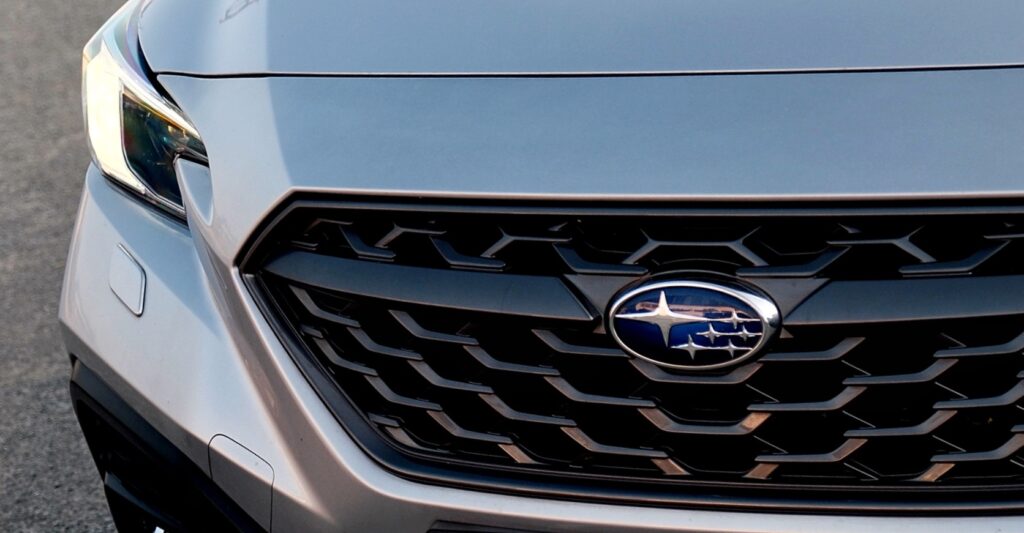
Until then, the WRX continues carrying the torch remarkably well.