
The last time I set foot in China was in late 2019. COVID-19 was just beginning to bubble beneath the surface, though few of us truly grasped how profoundly it would reshape the global landscape.
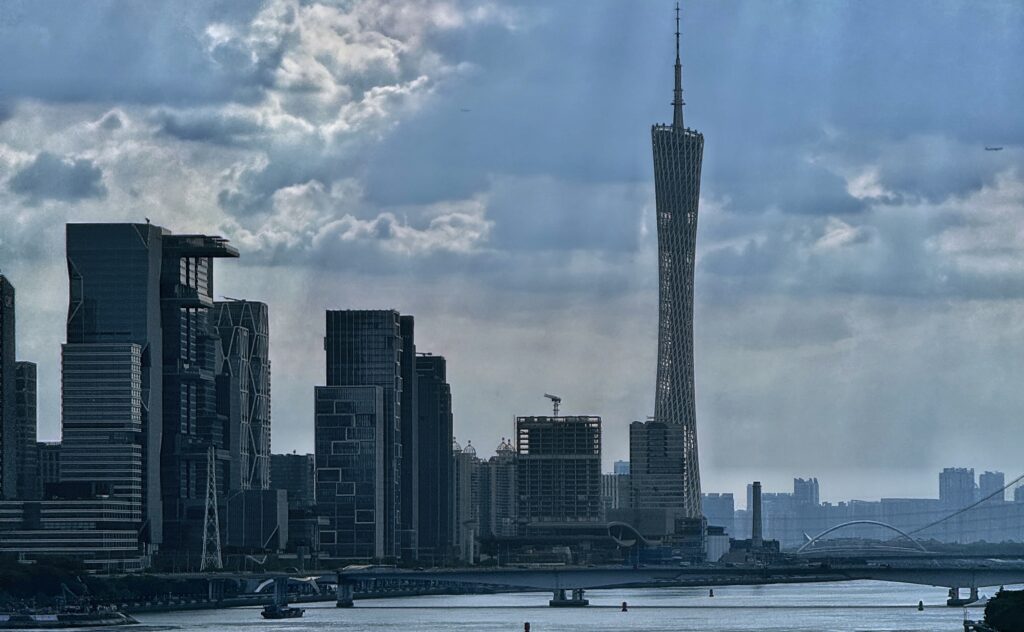

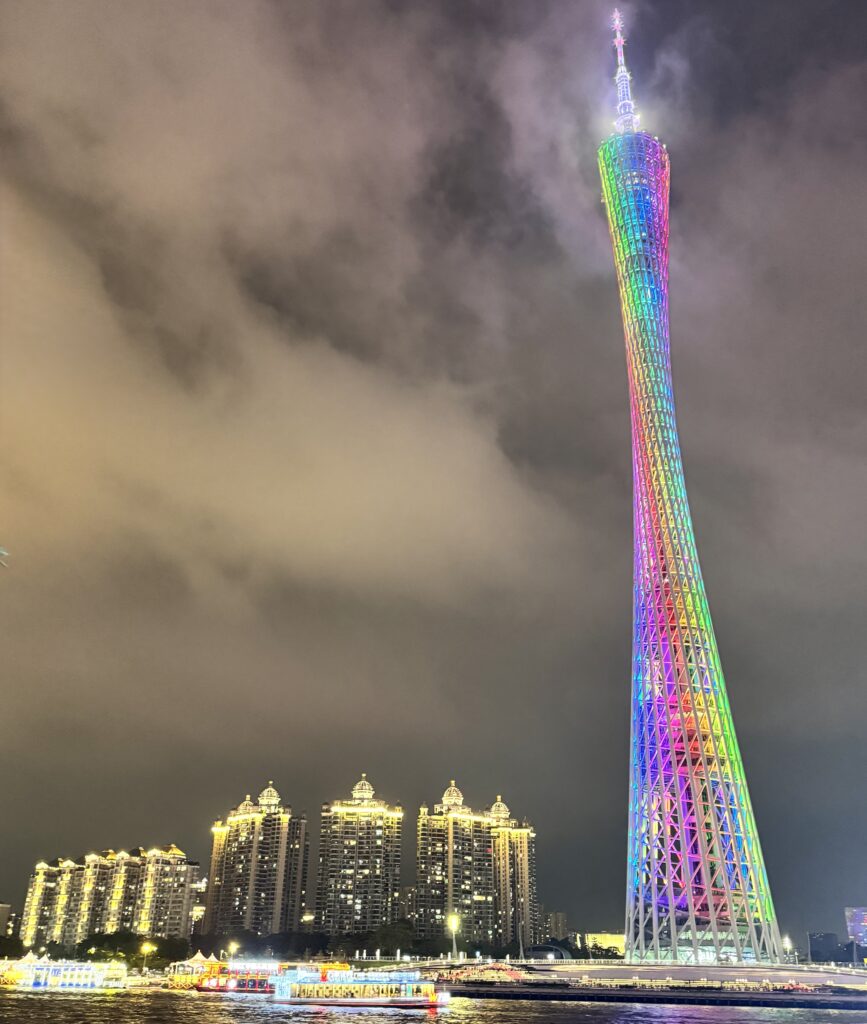
That trip was for the Guangzhou Motor Show. Then came the lockdowns, the travel halts, and years of uncertainty. Now, seven years later, I find myself back in Guangzhou—and the transformation is nothing short of breathtaking.
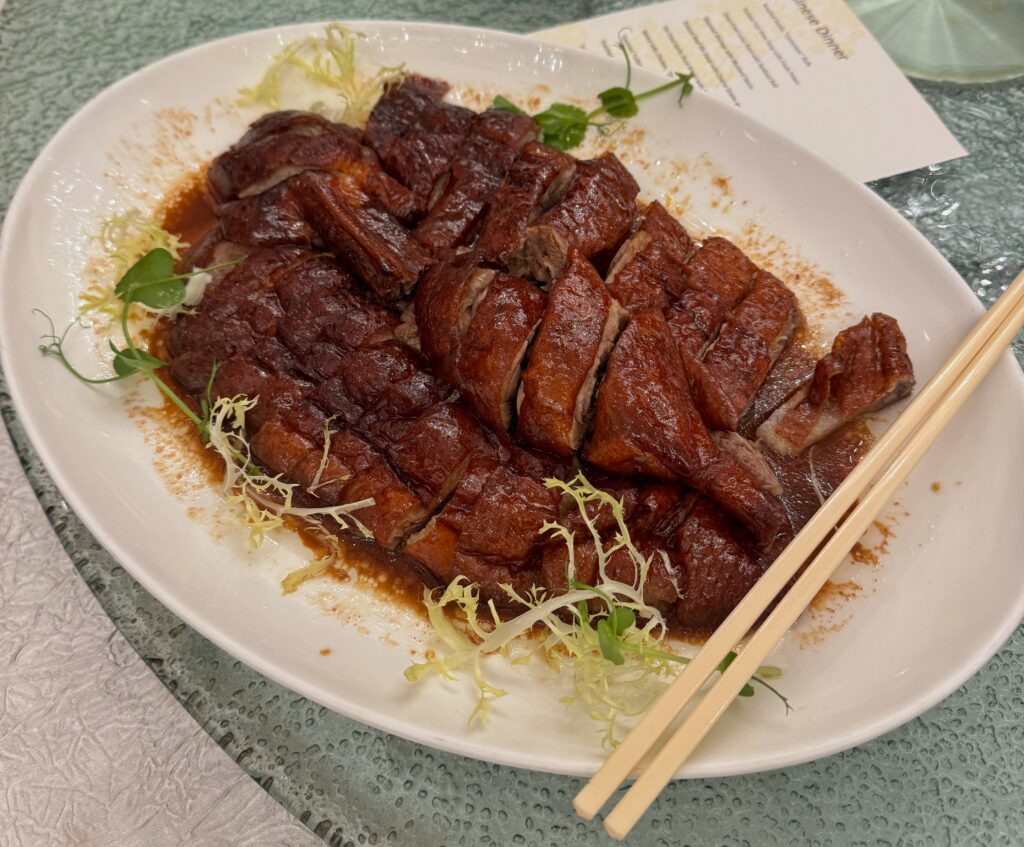
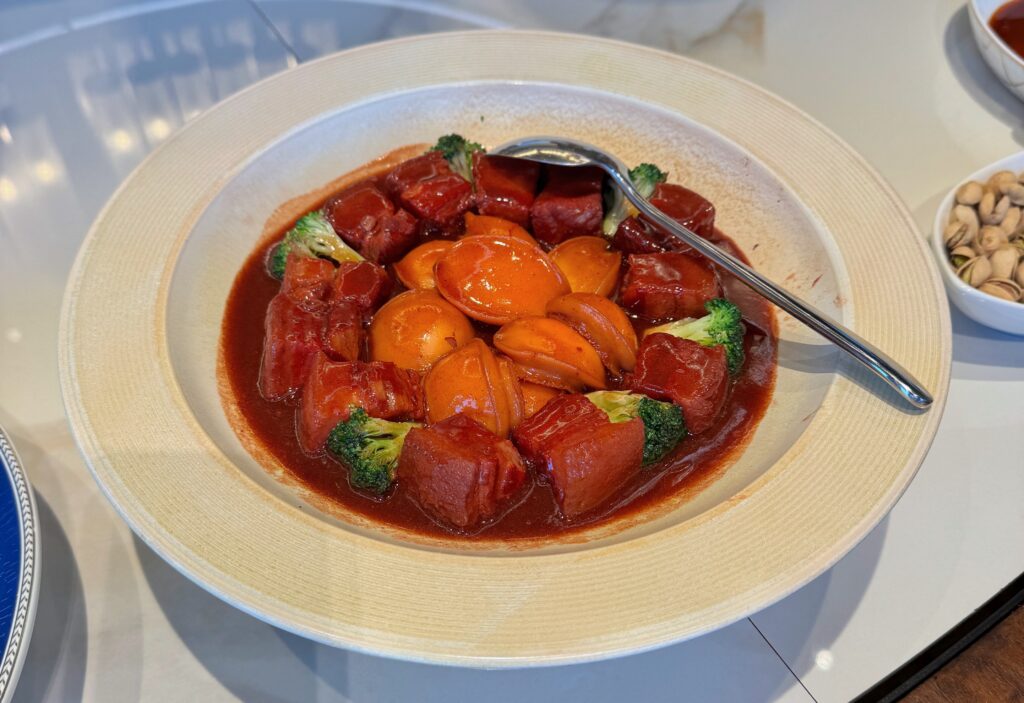
Guangzhou has always been a compelling destination, world-renowned for its phenomenal culinary scene as the birthplace of Cantonese cuisine, one of China’s eight great culinary traditions.
It is also a global commerce titan, hosting the legendary Canton Fair within the world’s largest exhibition center, spanning an astonishing 1.55 million square meters. For centuries, this city has thrived on international trade.
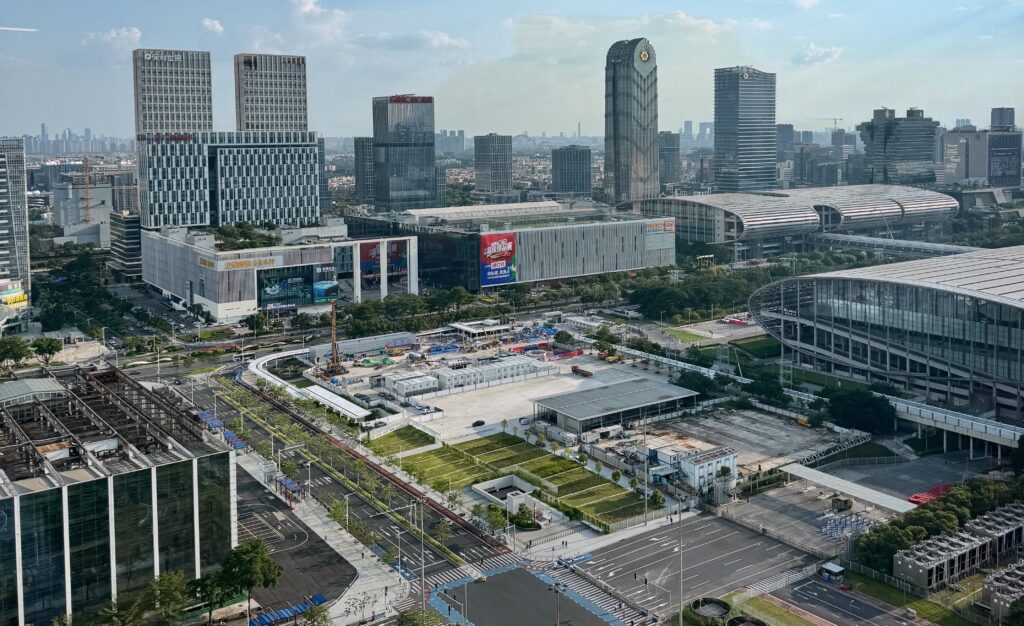
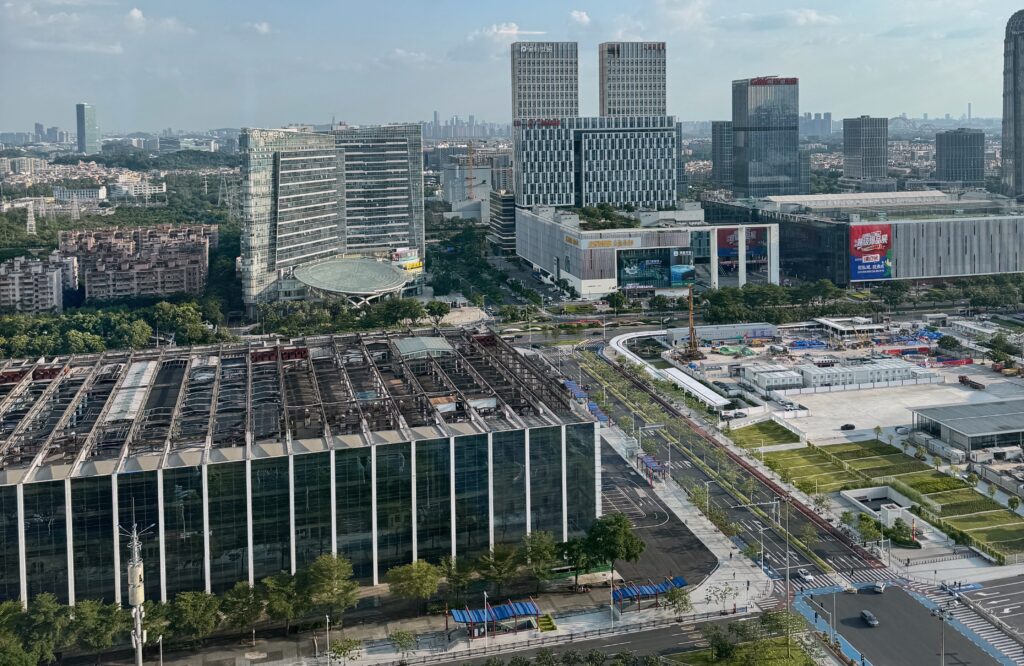
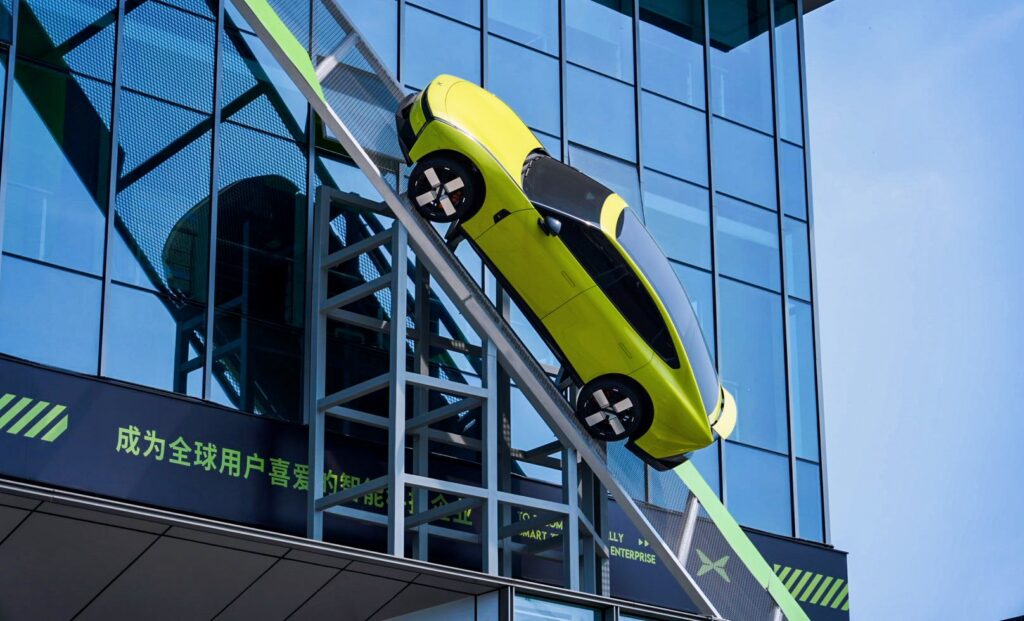
Today, however, Guangzhou is serving as the launchpad for the future of mobility, largely thanks to a company whose name you should remember very well: Xpeng Motors.
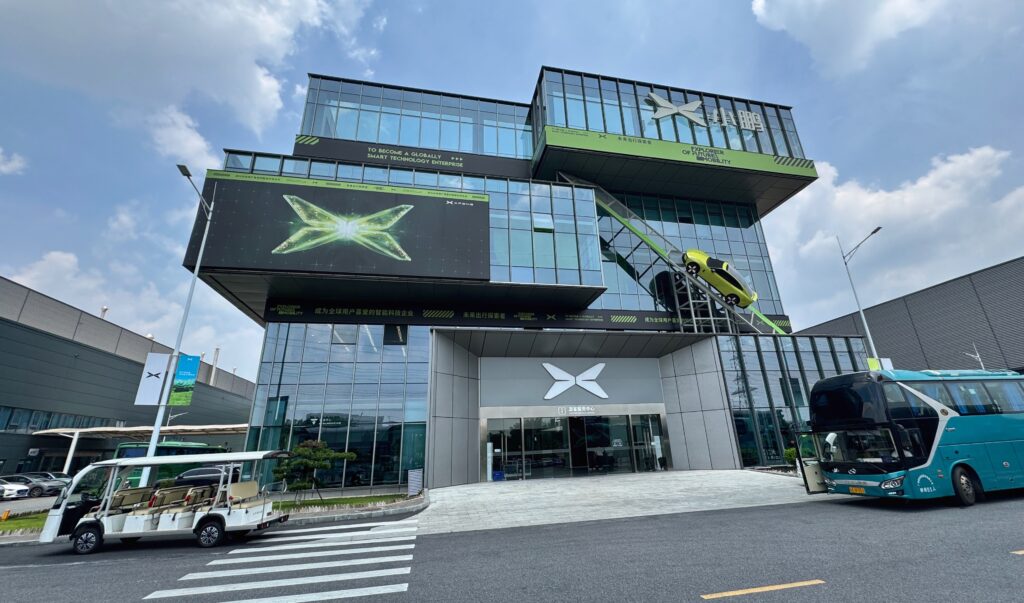
Founded in 2014 by tech entrepreneurs He Xiaopeng (former co-founder of UCWeb and ex-Alibaba executive) alongside Xia Heng and He Tao, XPeng was conceived with a distinct, software-first mindset.
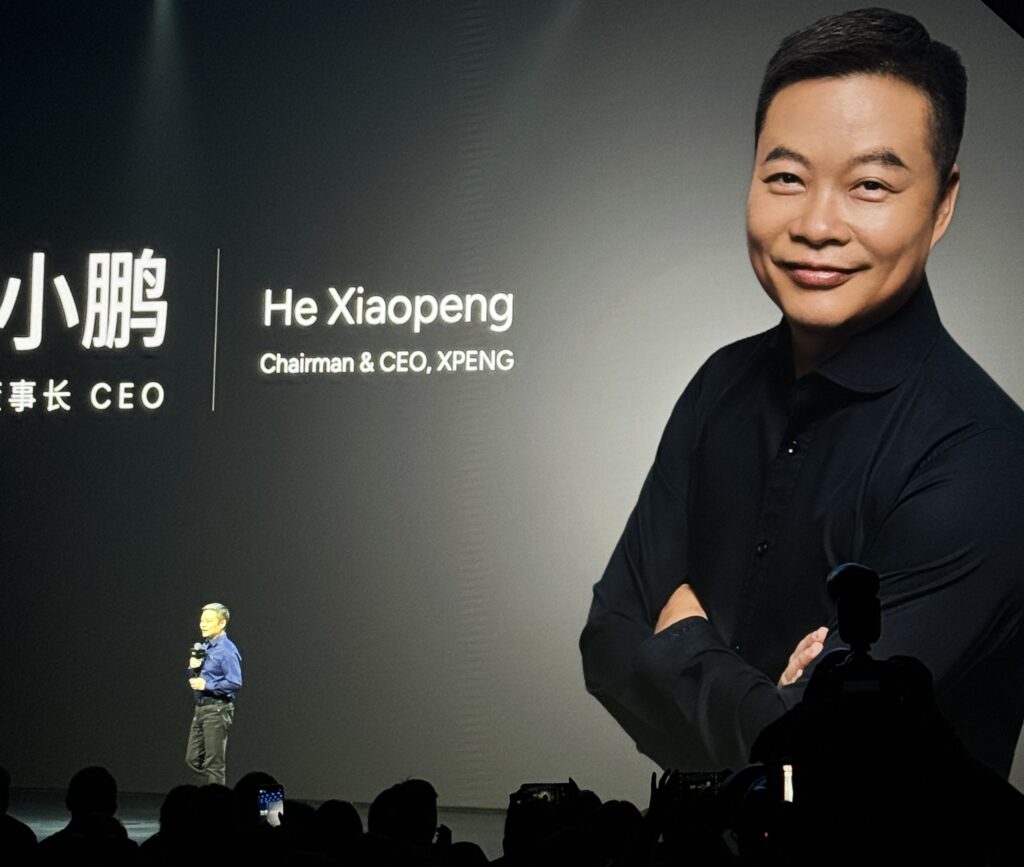
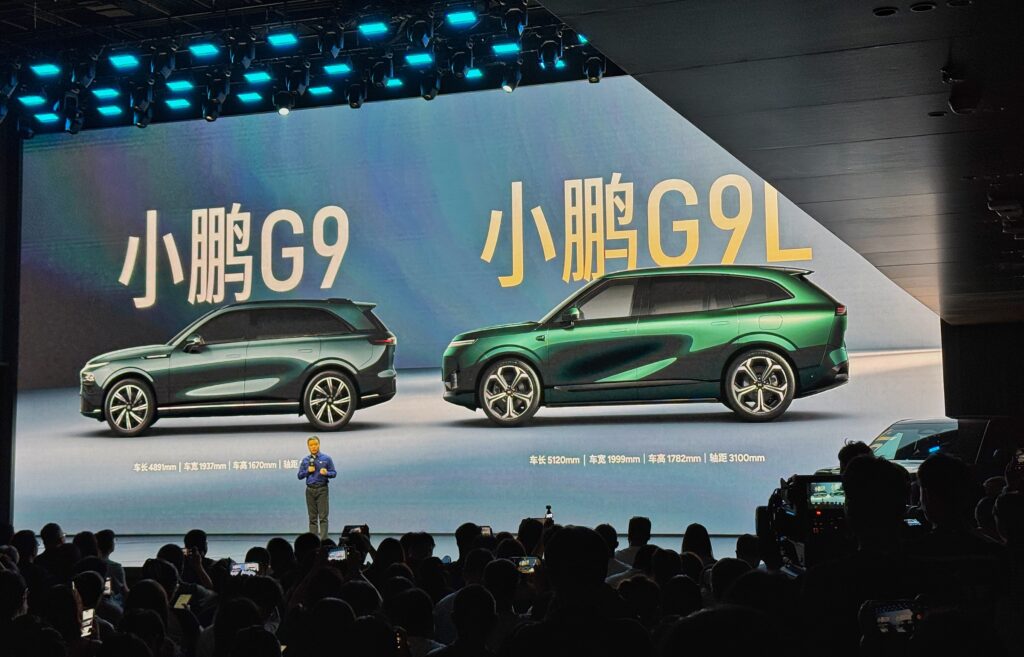
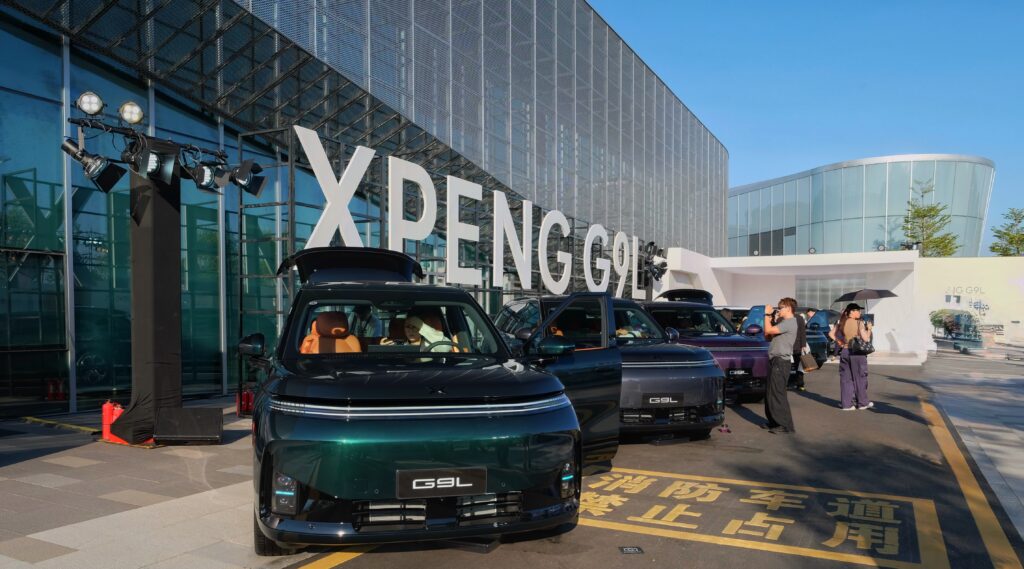
To this day, He Xiapoeng is very much involved in the day-to-day affairs of the business, and even took an active role at the global launch of the XPeng G9L, the brand’s latest five-seat flagship luxury SUV.
The team at XPeng often reminds people that they consider themselves a software and AI company that just happens to manufacture cars and other forms of mobility. That strategy is paying off handsomely.
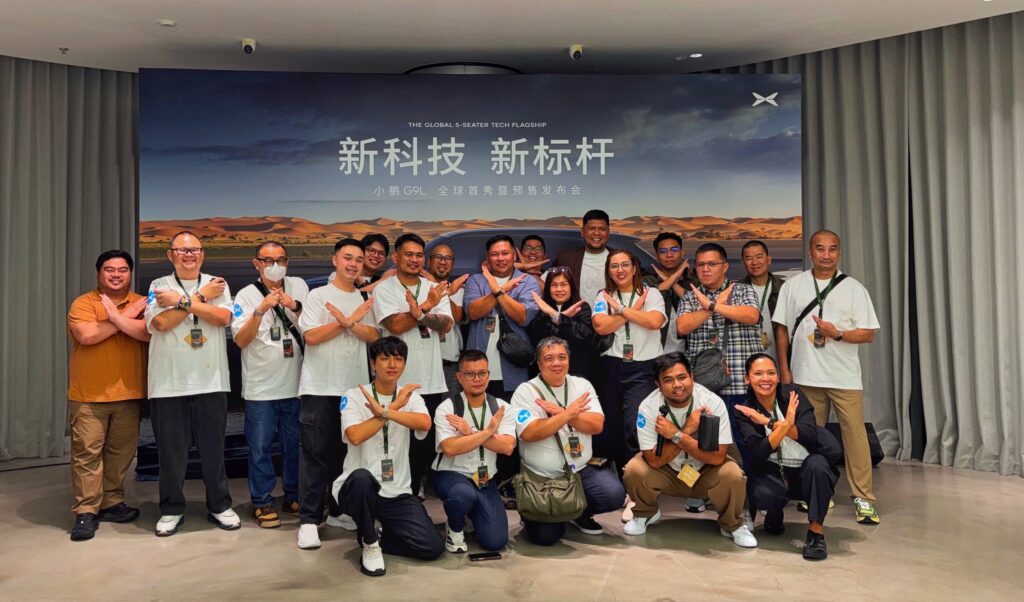
After producing 400,000 vehicles in 2025, XPeng is targeting 600,000 units for 2026—a massive 50% year-over-year surge.
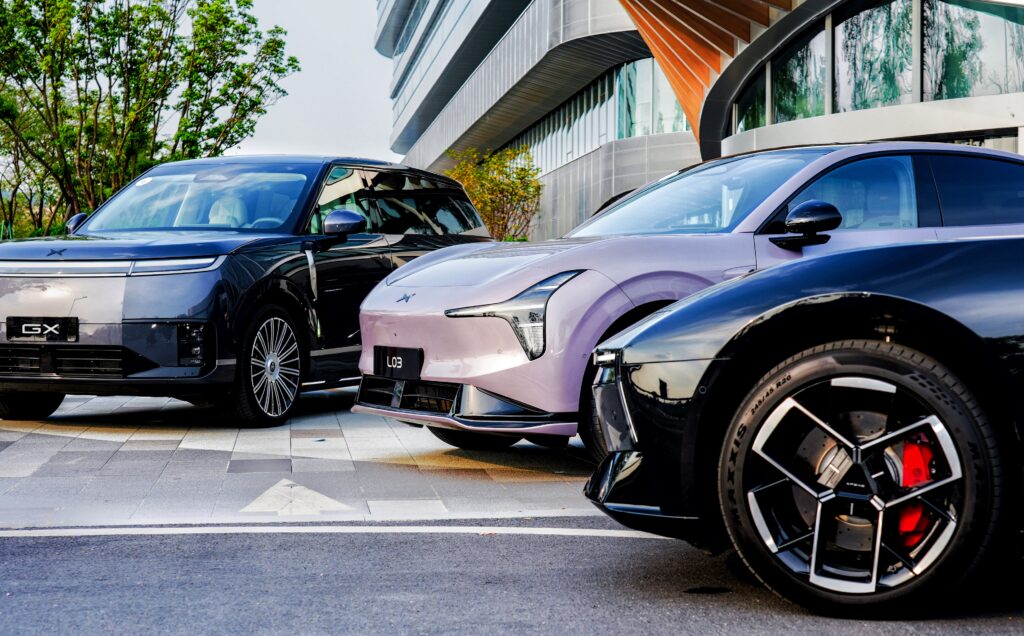
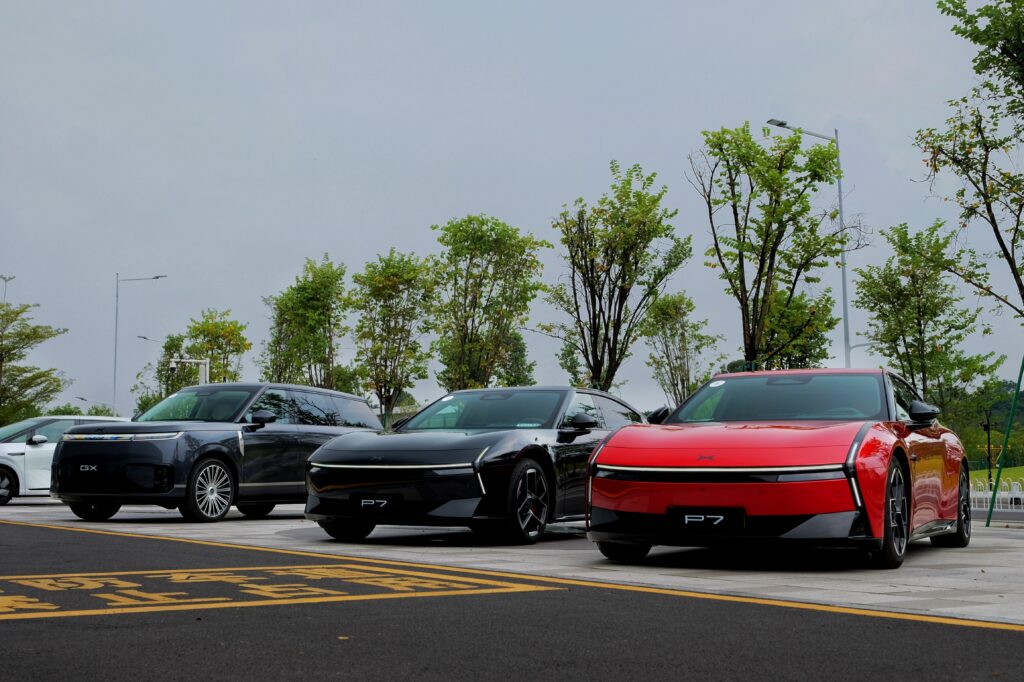
What truly sets Xpeng apart is its relentless commitment to innovation.
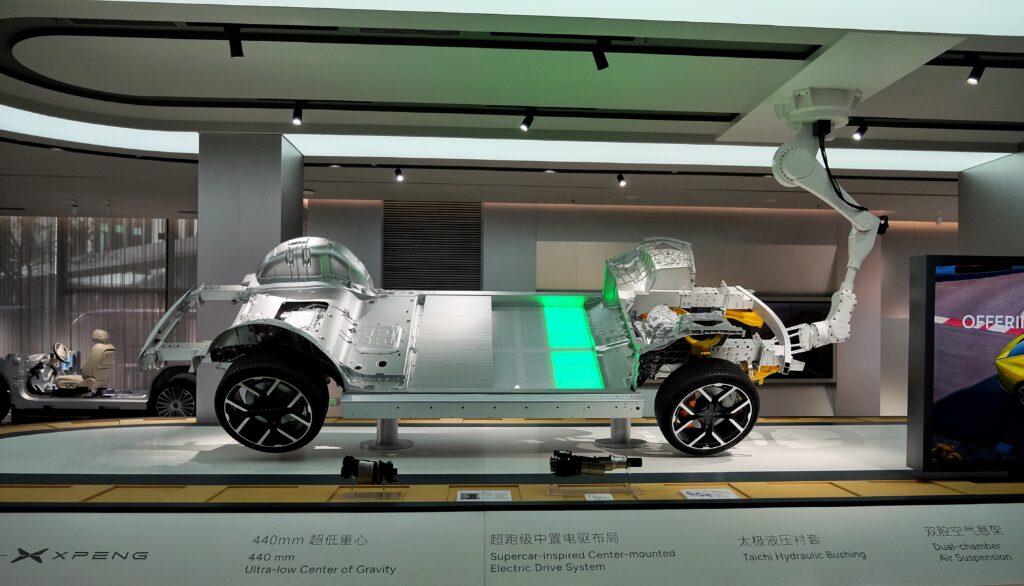
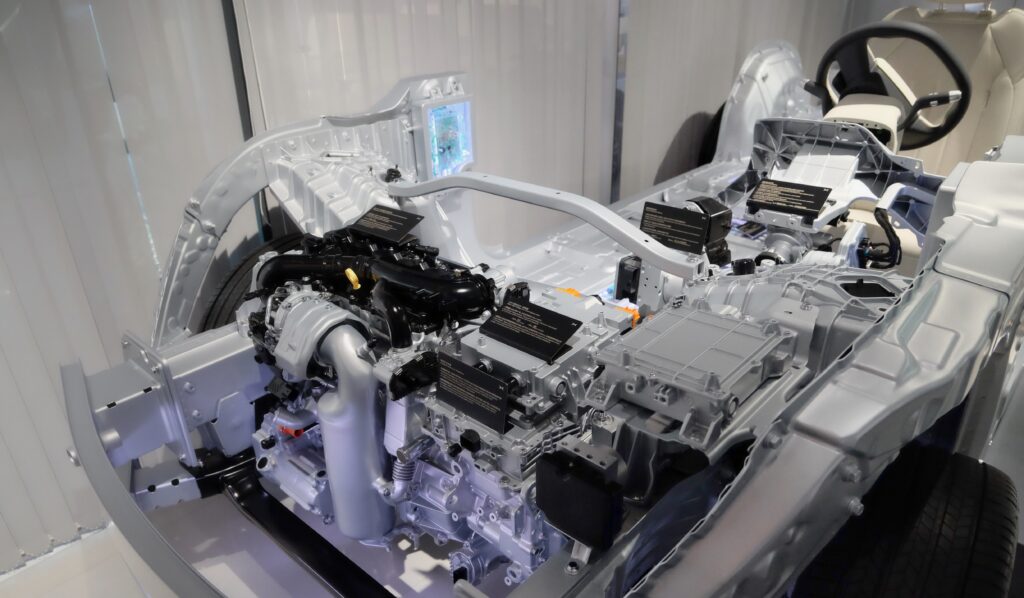
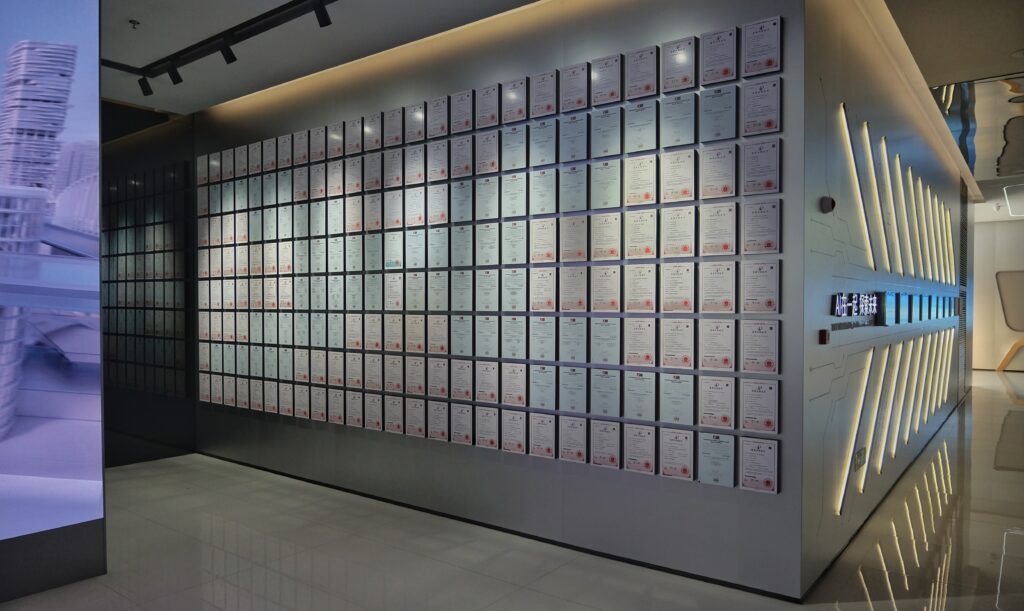
An astonishing 40% of its workforce is dedicated purely to research and development across AI, software, robotics, and advanced mobility—the highest R&D ratio in the industry.
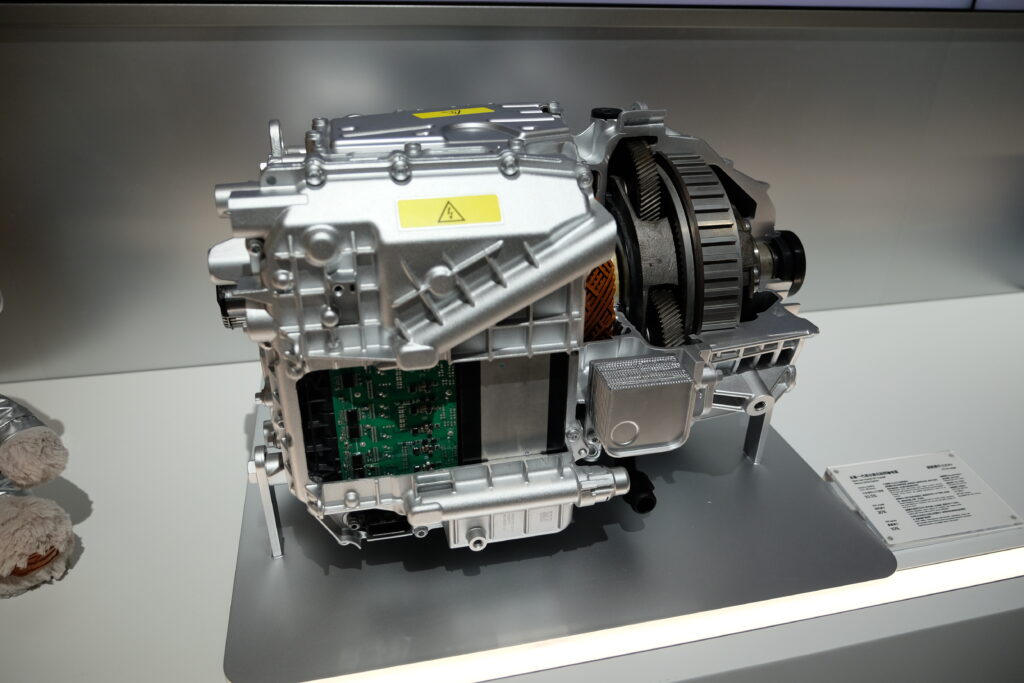
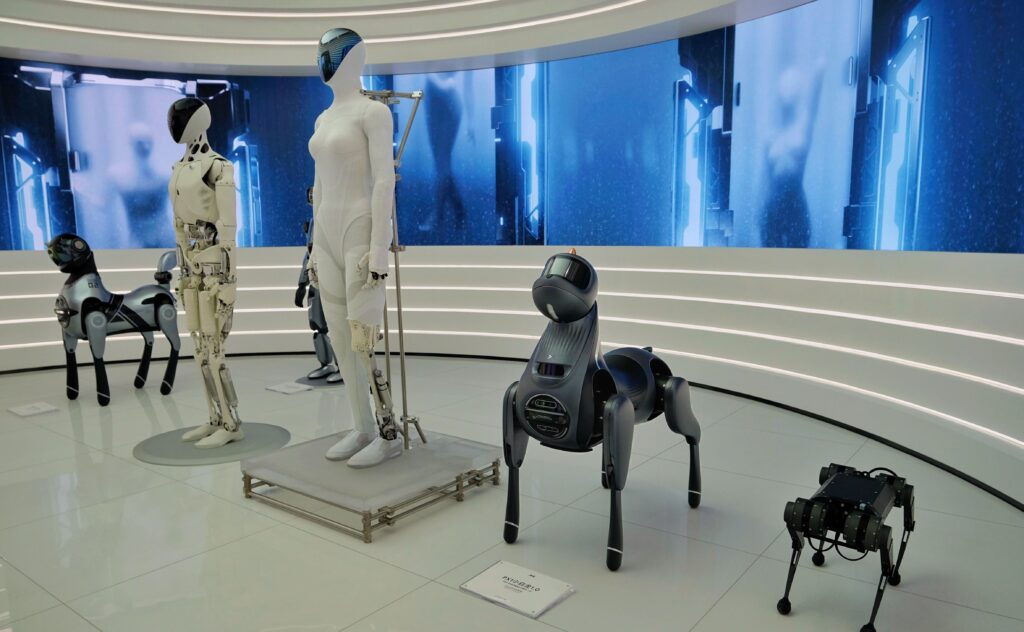
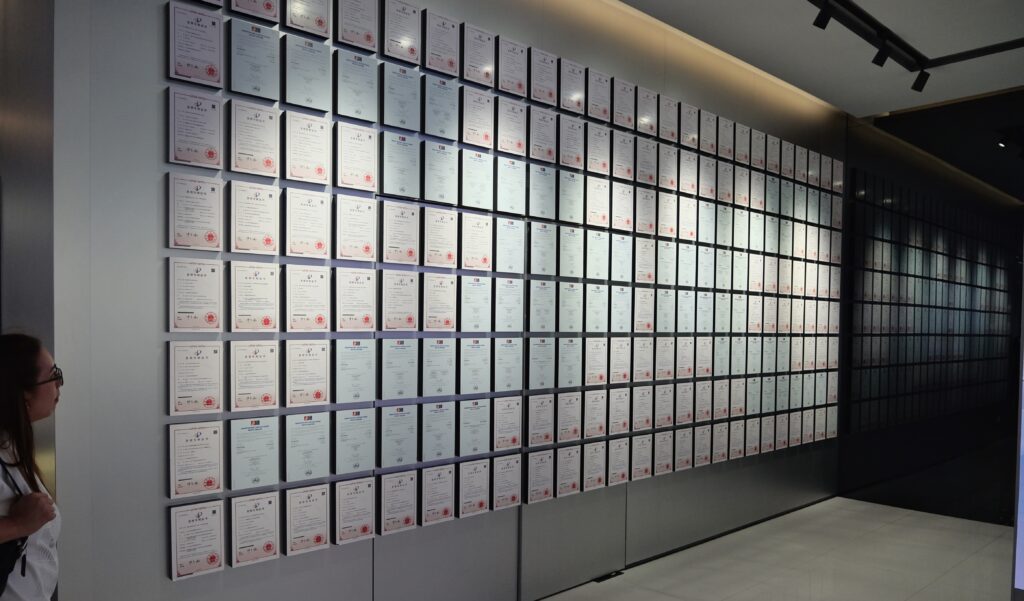
Backed by over 4,200 patents, the company operates nine global R&D hubs: six in China, two in the United States, and one in Germany. Chairman and CEO He Xiaopeng remains deeply hands-on, personally steering the group’s high-tech robotics division.
Beyond their sleek lineup of battery-electric and extended-range hybrid electric vehicles (EREVs), XPeng is aggressively pioneering low-altitude aviation through their ARidge subsidiary.
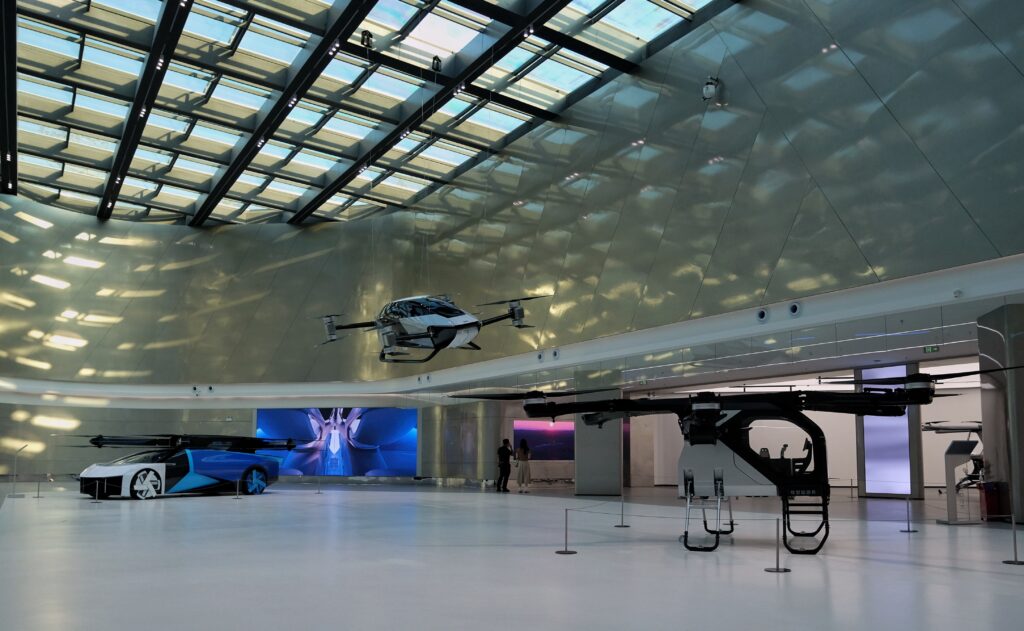
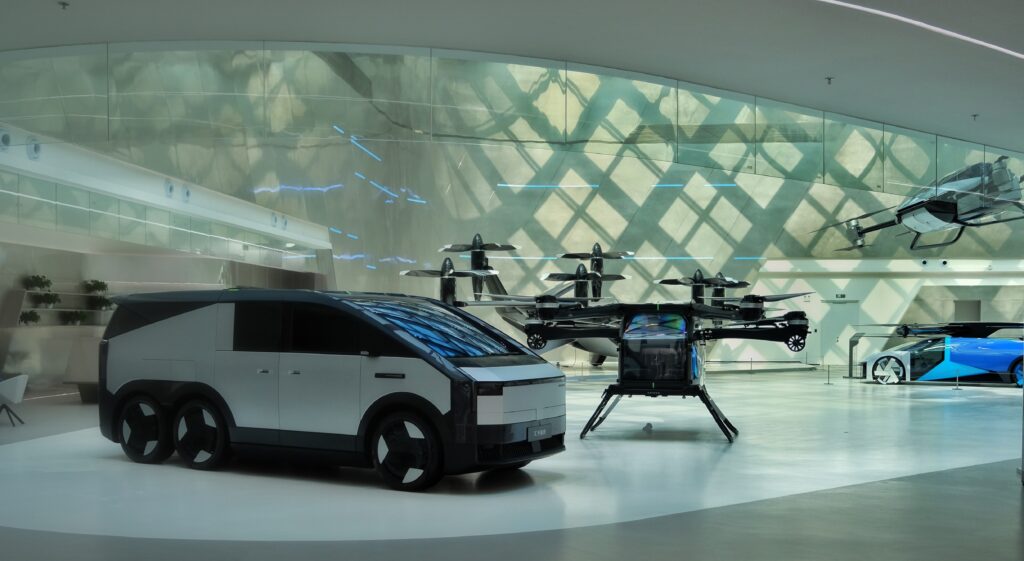
Slated for production later this year, their groundbreaking “Land Aircraft Carrier” is a modular two-part system.
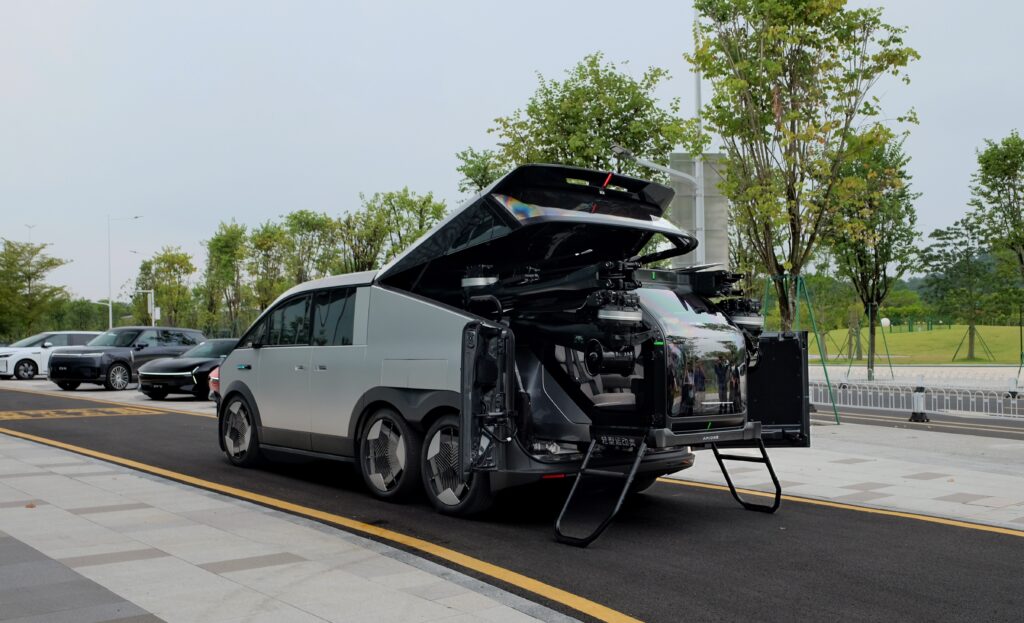
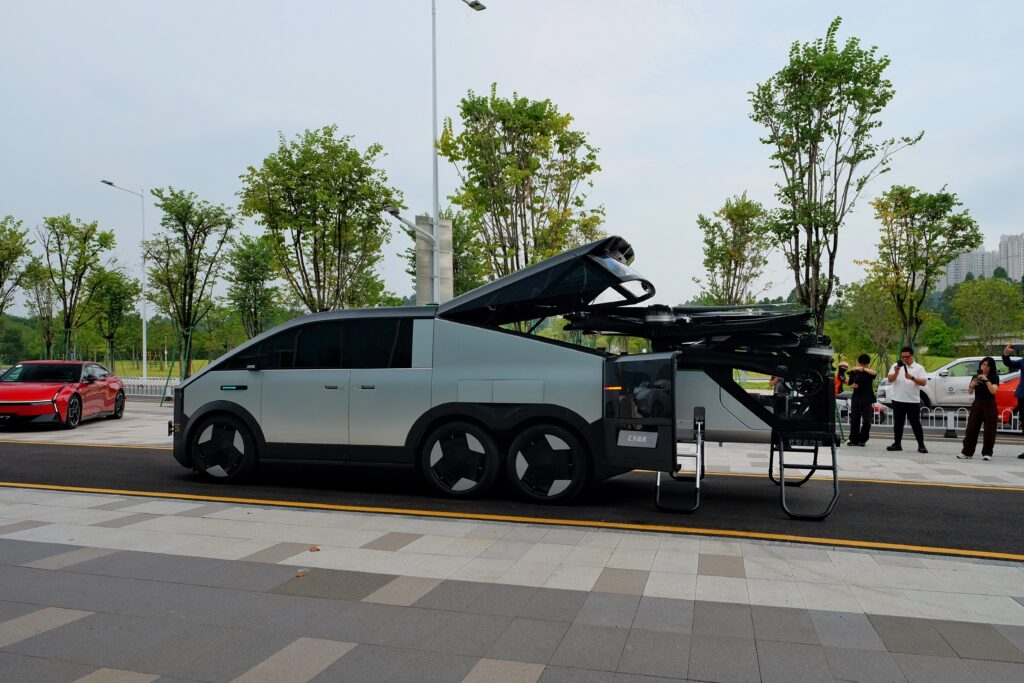
A heavy-duty six-wheeled “Mothership” acts as a land cruiser, charging station, and docking port for an electric two-seat eVTOL (electric vertical takeoff and landing) drone. The aerial module offers 30 minutes of flight time, with top speeds of 60 km/h and a 30-km range.
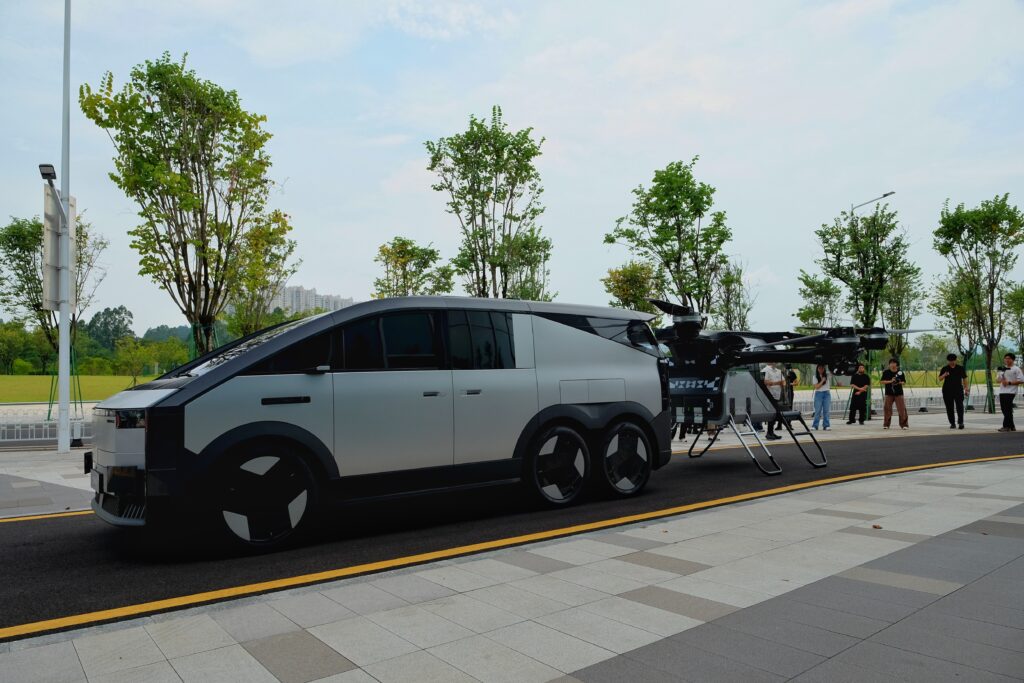
The Mothership can fully recharge the aircraft up to six times before requiring a dock refill. While built structurally to handle altitudes up to 2,000 meters, flights in China will initially be capped at a modest 120 meters (400 feet).
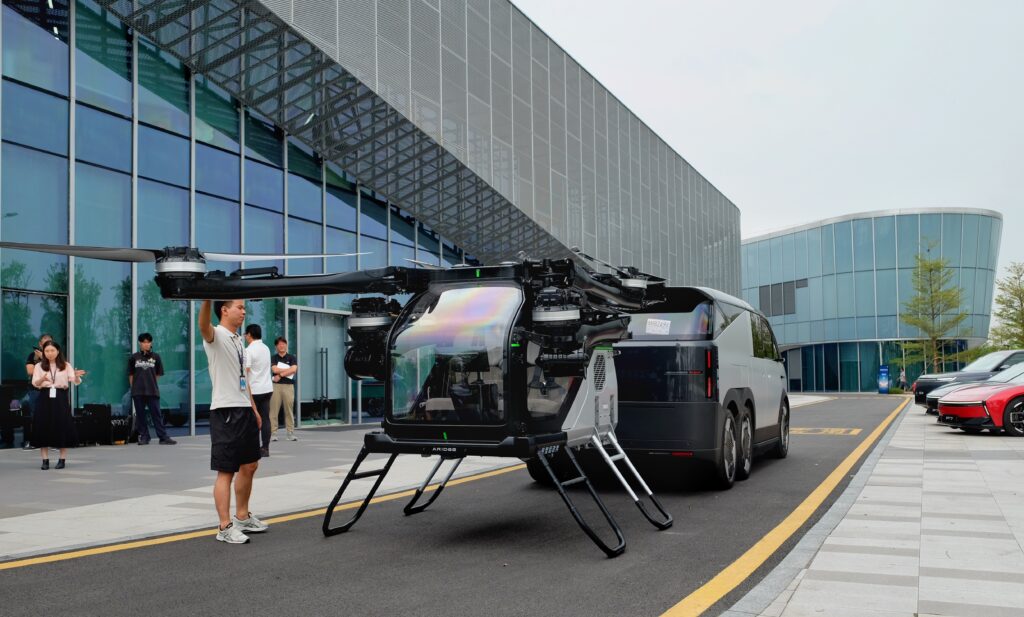
The most exciting news for local automotive enthusiasts? Once regulatory frameworks clear, XPeng intends to bring these flying vehicles straight to the Philippines.
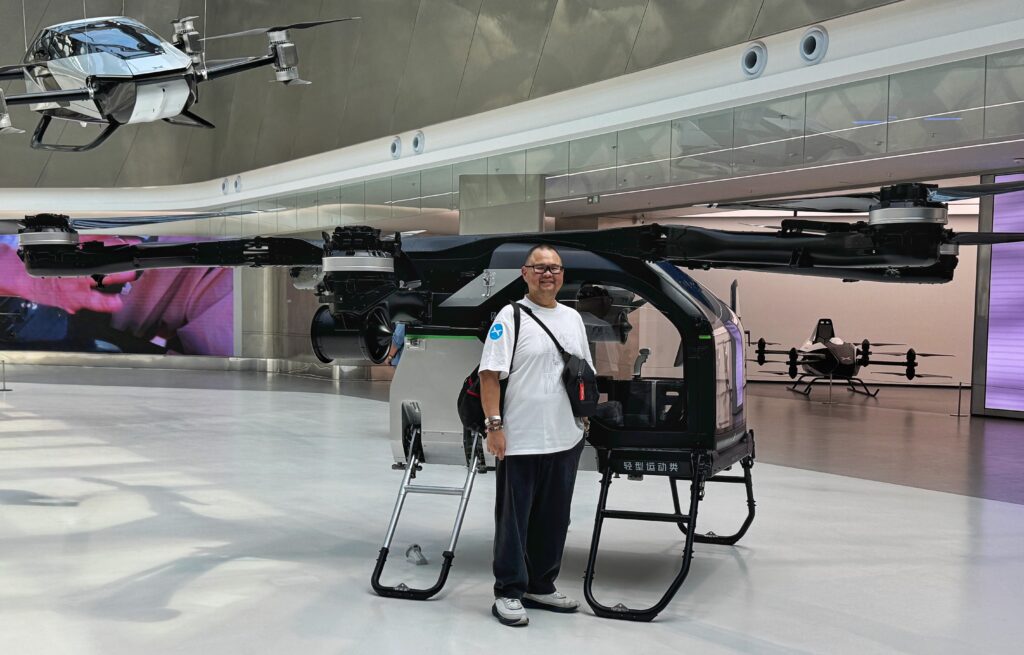
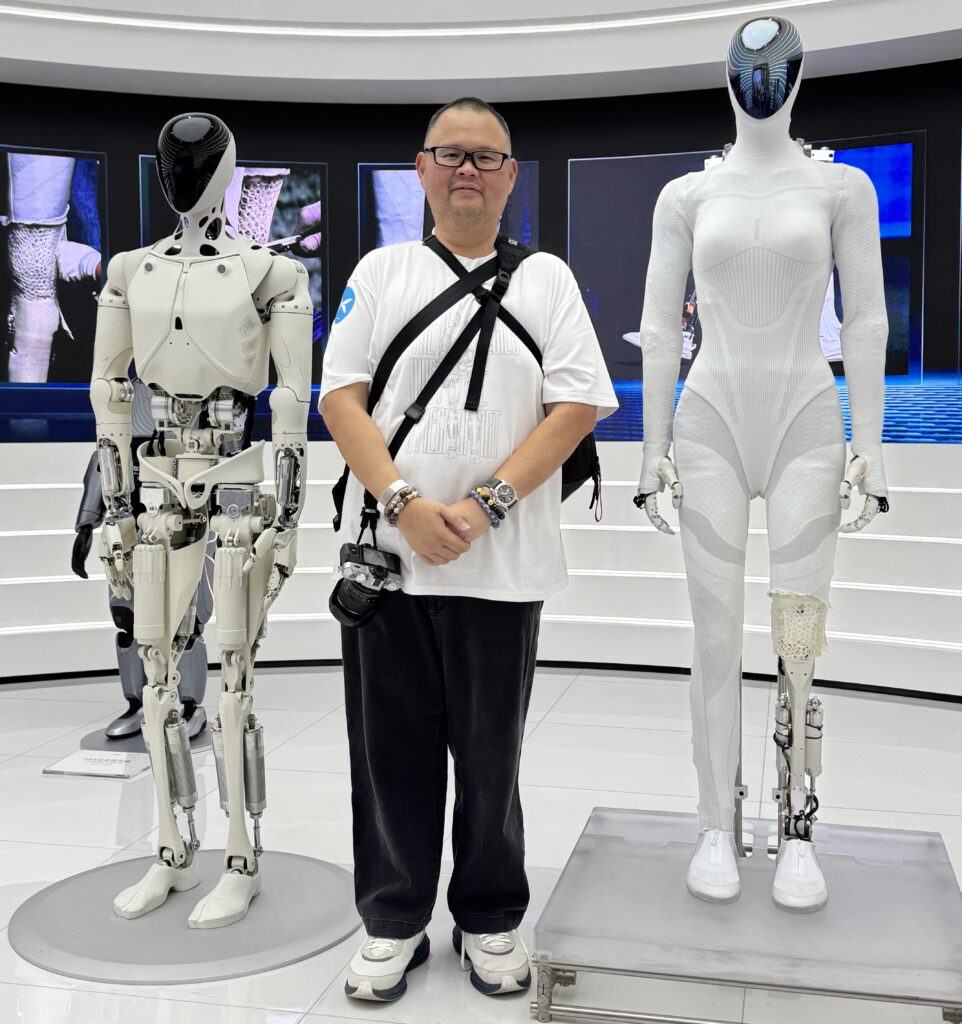
XPeng’s ambitions extend onto land as well, particularly into physical AI and humanoid robotics. Standing beside one of their female robot prototypes, I was fascinated by its immediate applications—starting as automated receptionists and tour guides, but rapidly evolving into high-risk industrial roles as processing power scales up.
That raw processing power comes courtesy of XPeng’s proprietary, in-house-developed Turing AI Chip. This 40-core silicon powerhouse delivers up to 750 TOPS of effective computing capacity per chip (scalable to 2,250 TOPS in multi-chip setups) and locally processes massive AI models with up to 30 billion parameters.
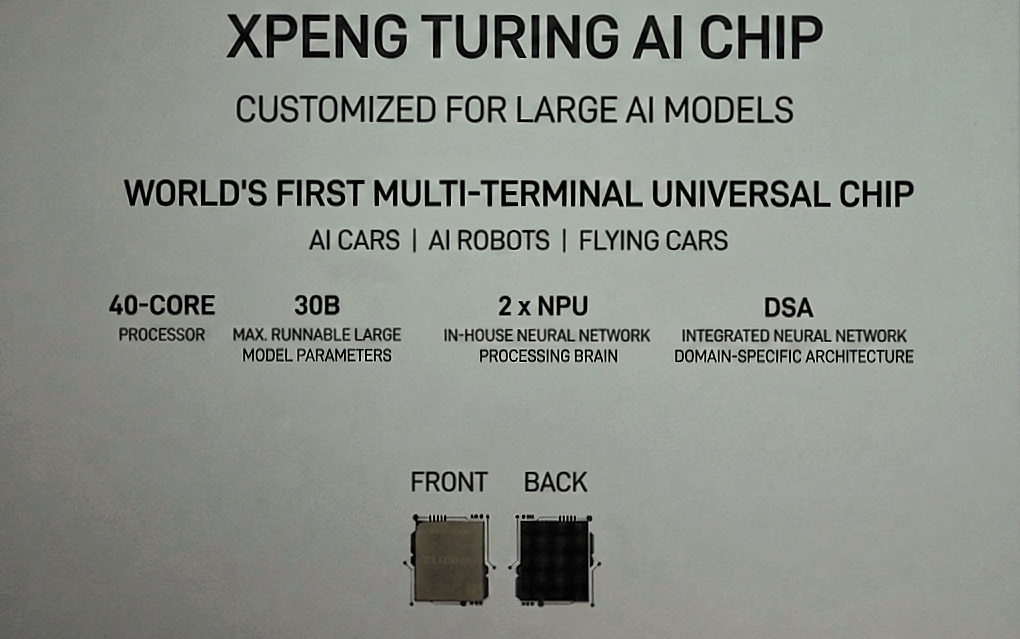
This hardware serves as the computational brain for XPeng’s VLA 2.0 (Vision-Action-Language) autonomous driving platform.
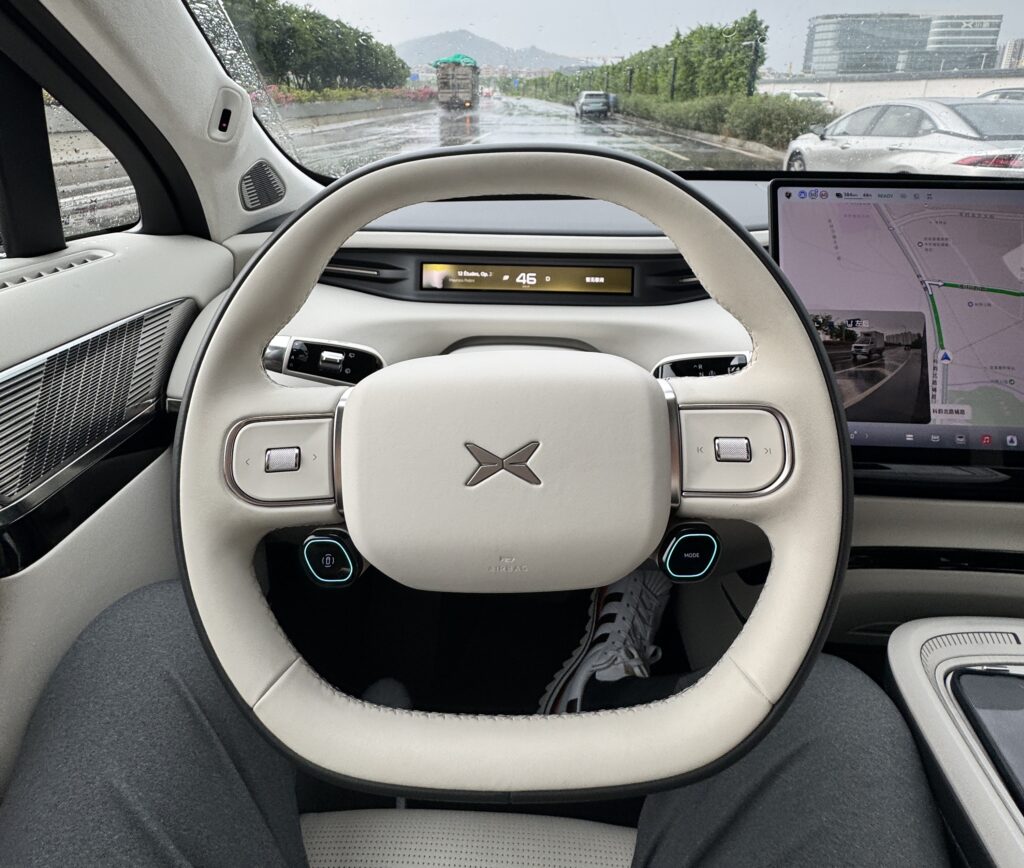
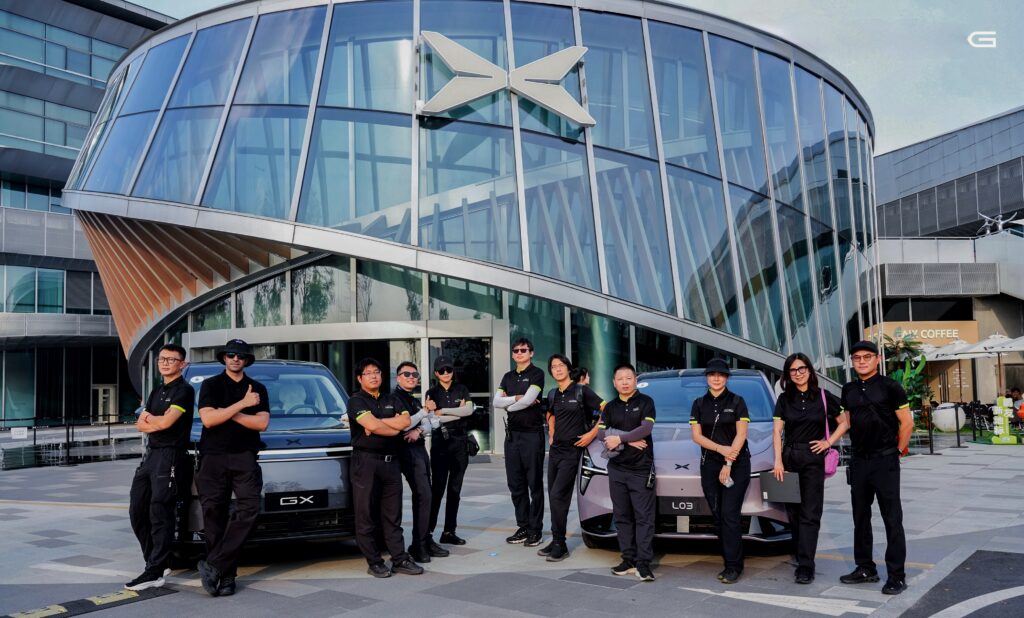
In models like the GX and P7, VLA 2.0 uses seven high-definition cameras to feed a neural network, allowing three Turing chips to execute 5,000 driving decisions per second. Sampling this technology on local roads was eye-opening.
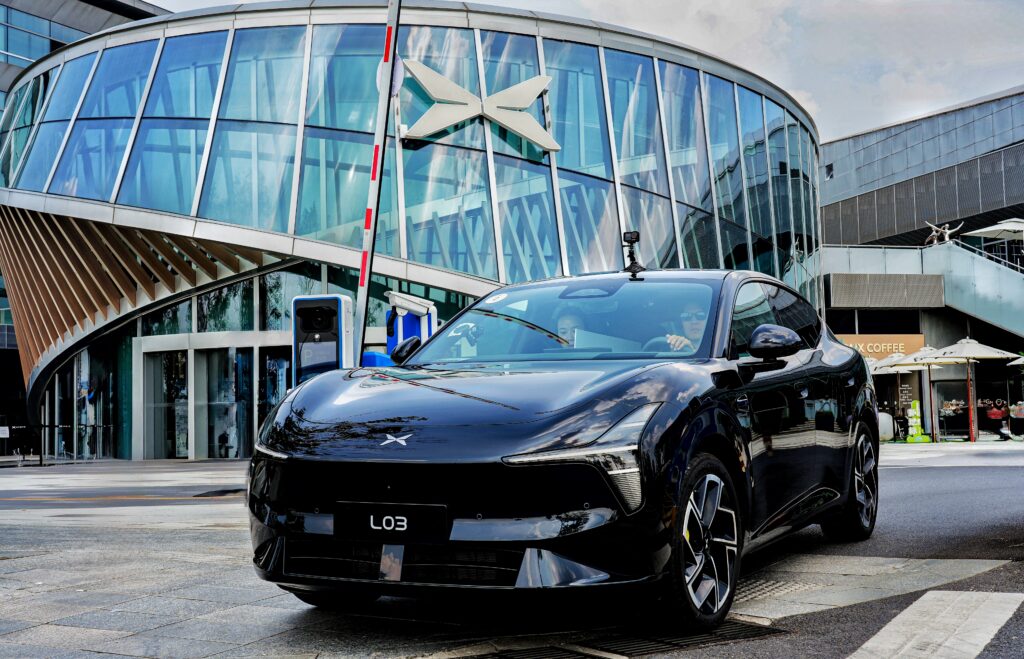
The car handles navigation routes door-to-door with a level of smoothness, intuition, and natural fluid movement that mimics an expert human driver.
A working prototype of Xpeng’s Level 4 VLA 2.0+ autonomous driving system utilizing a GX SUV was also on display to showcase their AI powered driving process. Level 4 fully autonomous driving requires no human intervention: we are passengers and if the system would fail, the vehicle will simply pull-over. The L4 vehicles will rely on four Turing AI chips to help make driving safer, more intelligent and more adaptive to dynamic, ever-changing situations.
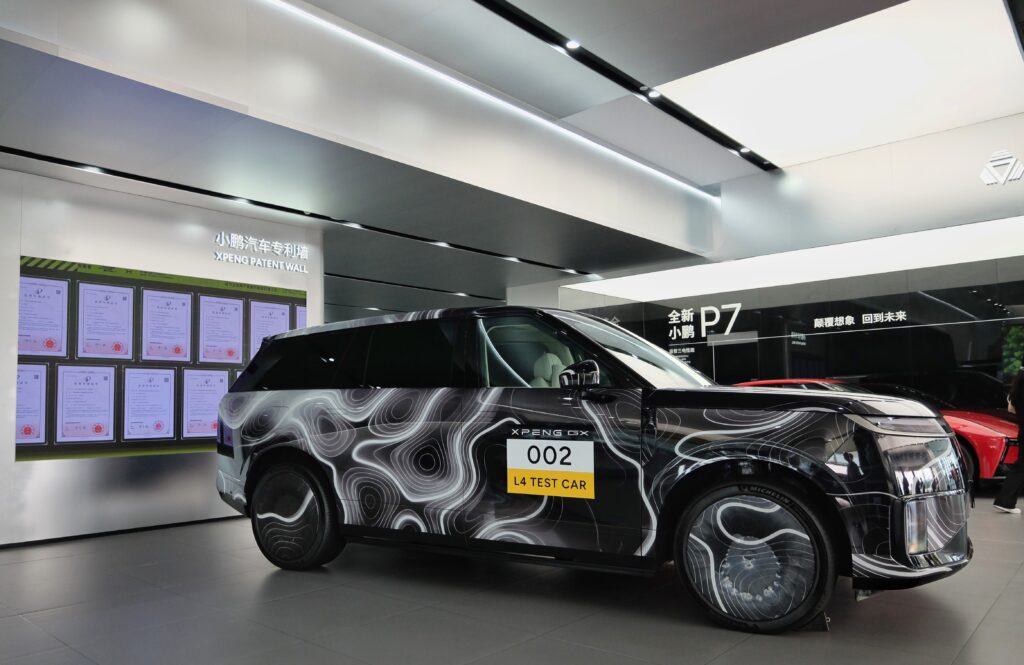
Regrettably, full VLA 2.0 autonomous driving will not be road-legal in the Philippines anytime soon. In a country continuously plagued by tragic traffic accidents, adopting such intelligent safety systems could dramatically reduce fatalities.
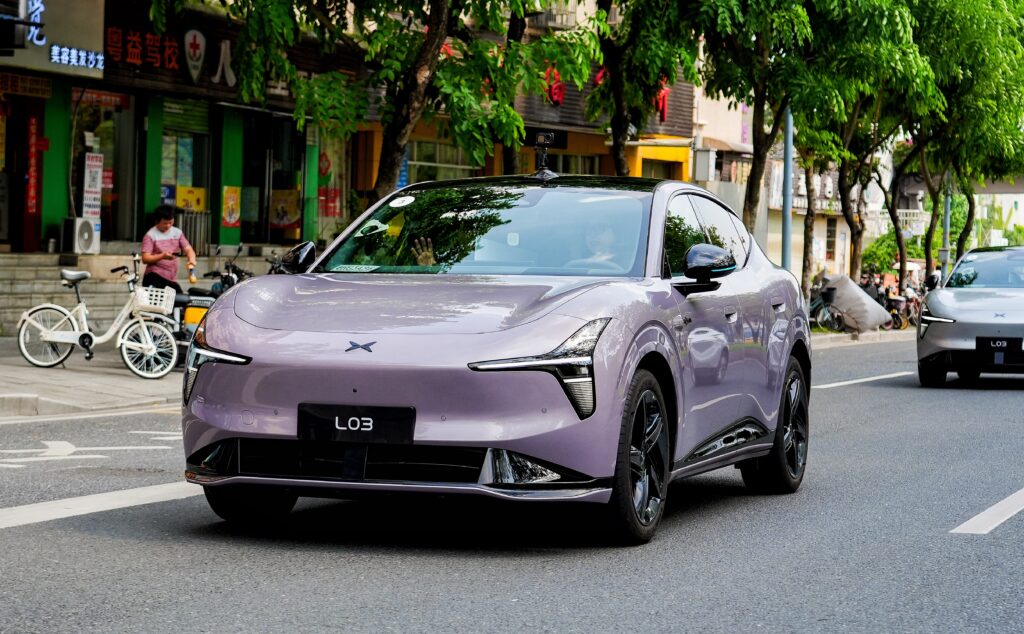
Nevertheless, Filipinos will soon get their first taste of the brand. XPeng is set to officially launch its vehicle lineup in the Philippines this coming September.
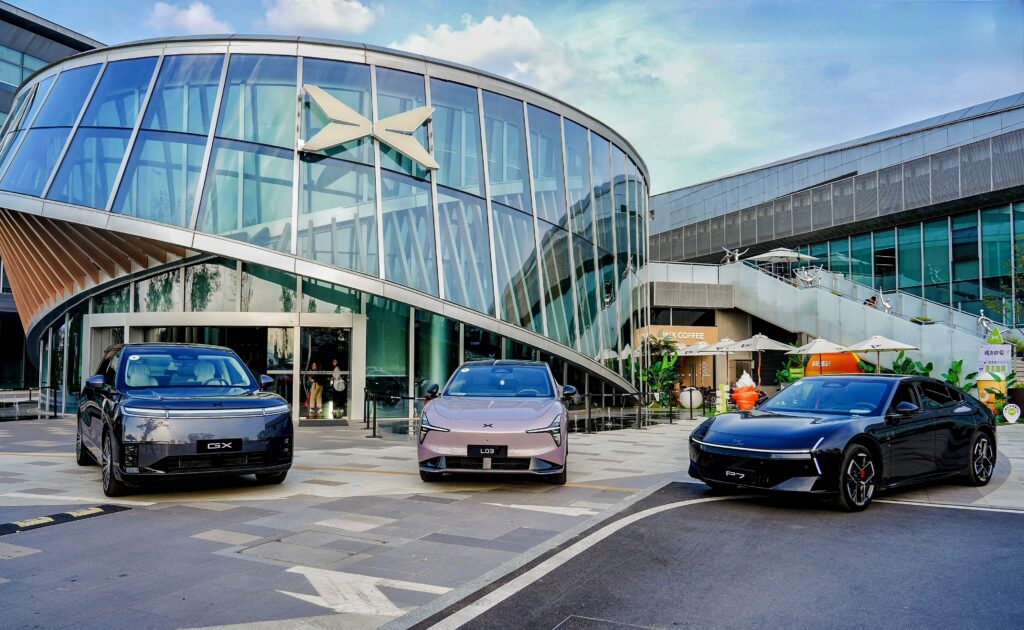
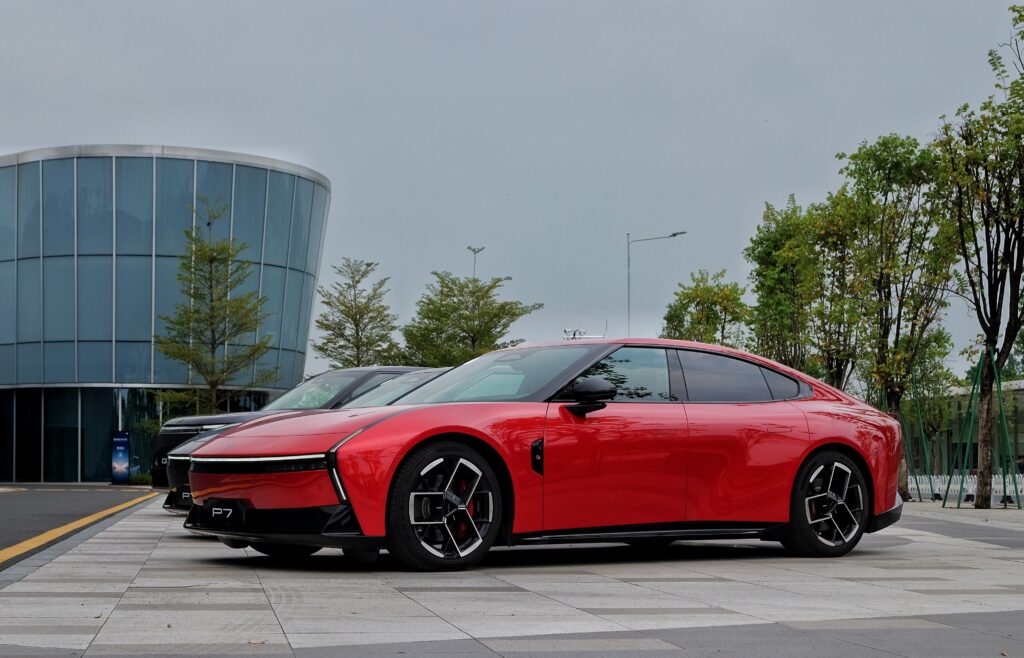
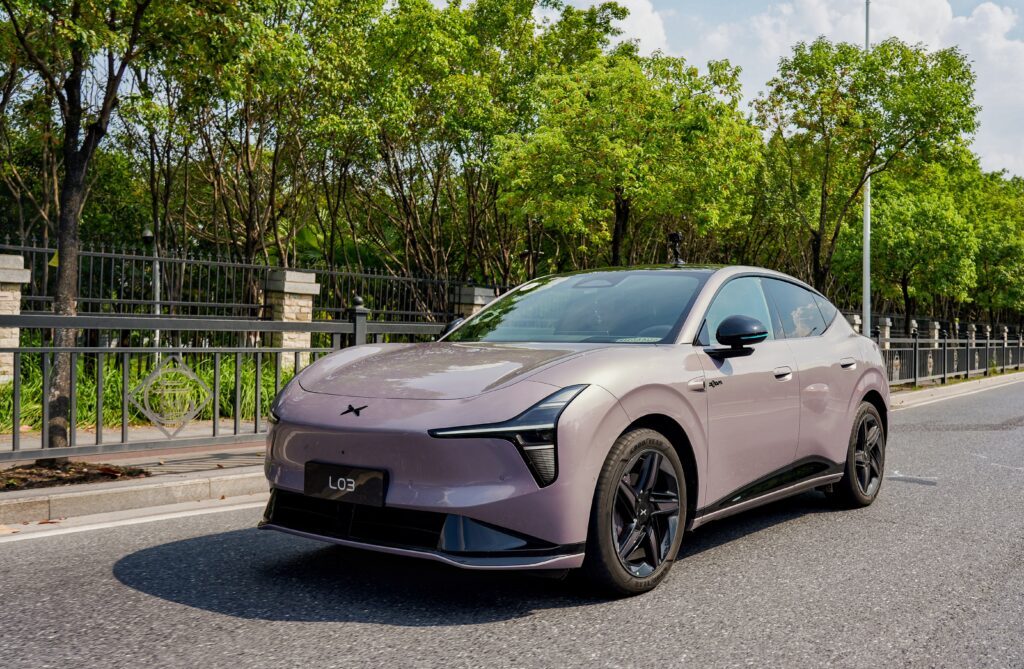
The initial rollout will feature the L03 compact crossover, the ultra-luxurious X9 MPV, and a flagship full-size SUV—with HQ currently deciding between the recently unveiled G9L and the imposing GX.
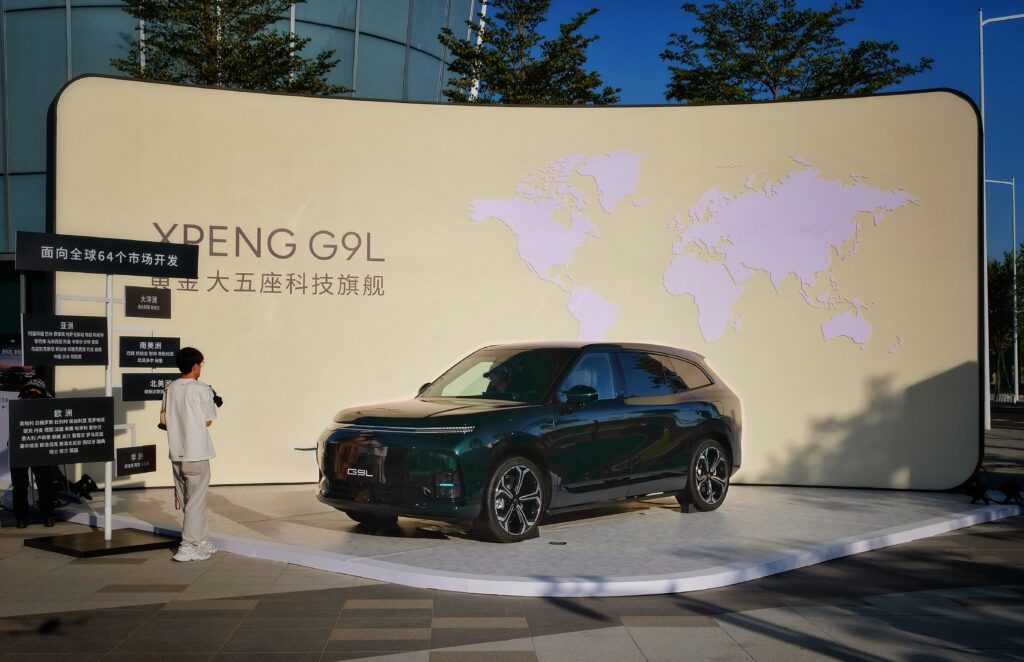
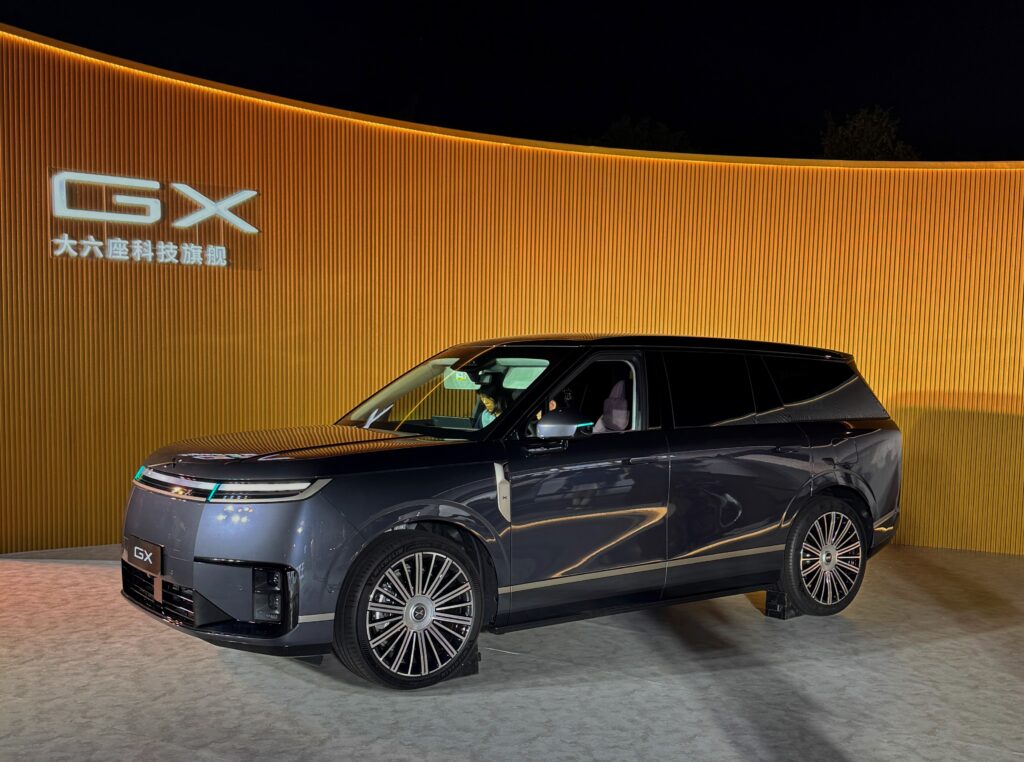
We’ll be taking the wheel of one of their models very soon, so stay tuned.
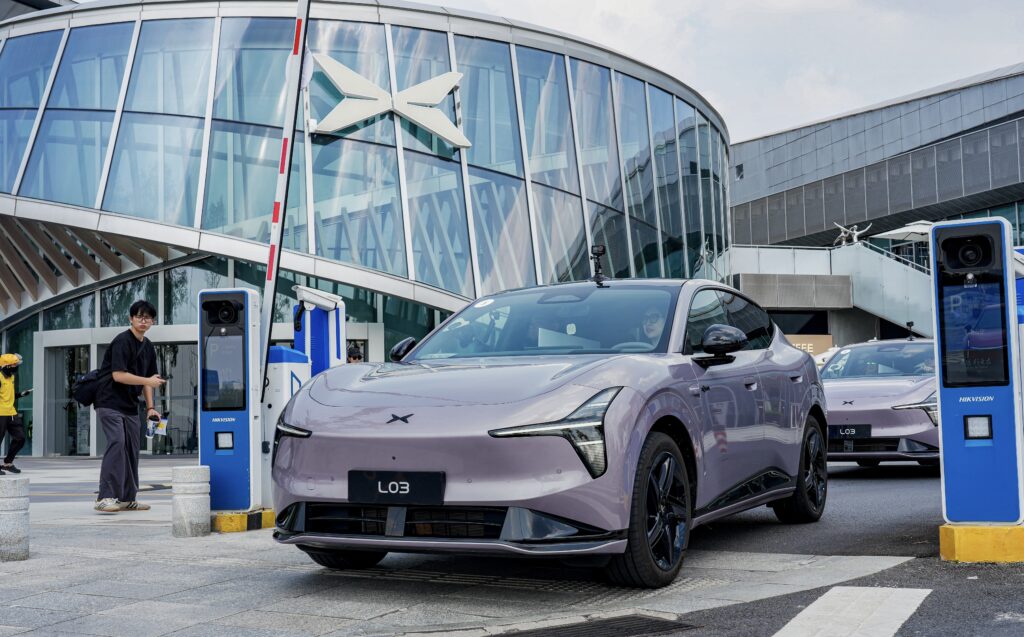
Truly, China is a land of wonder.