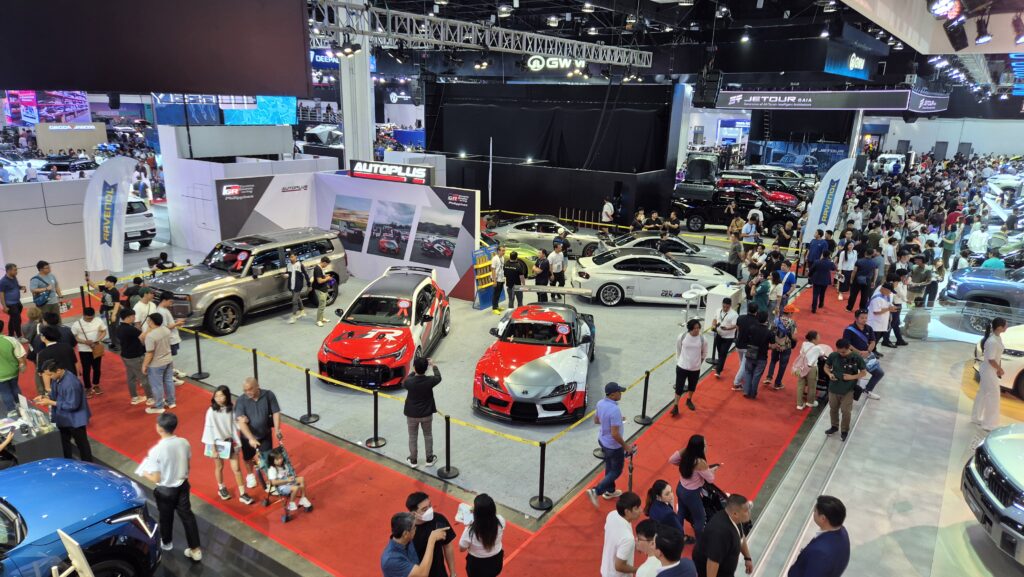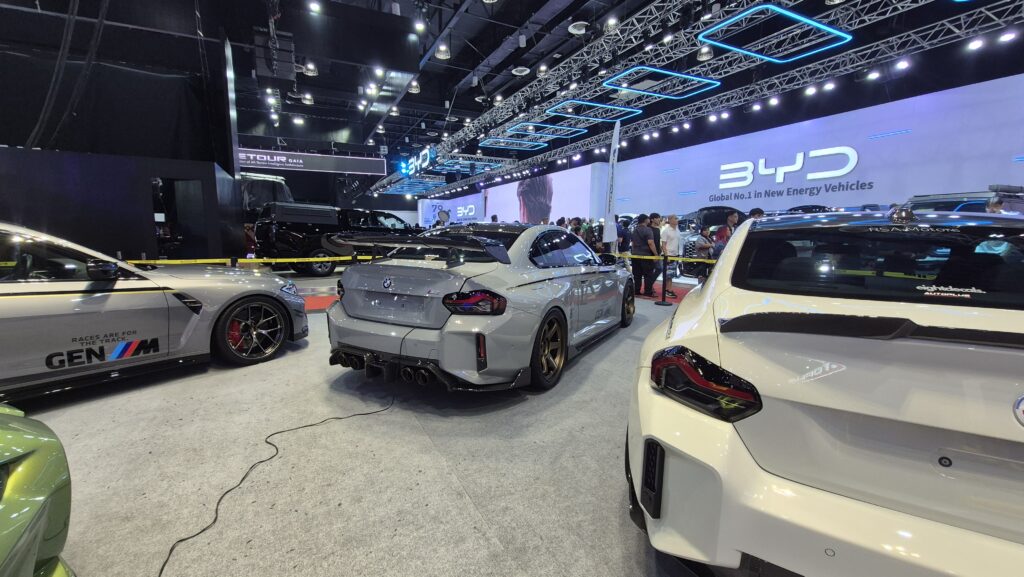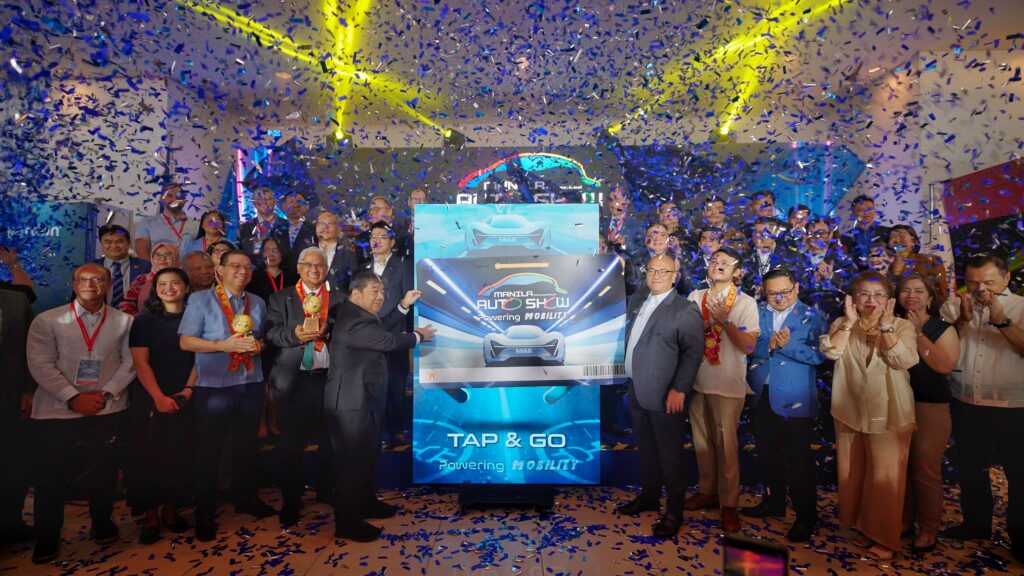
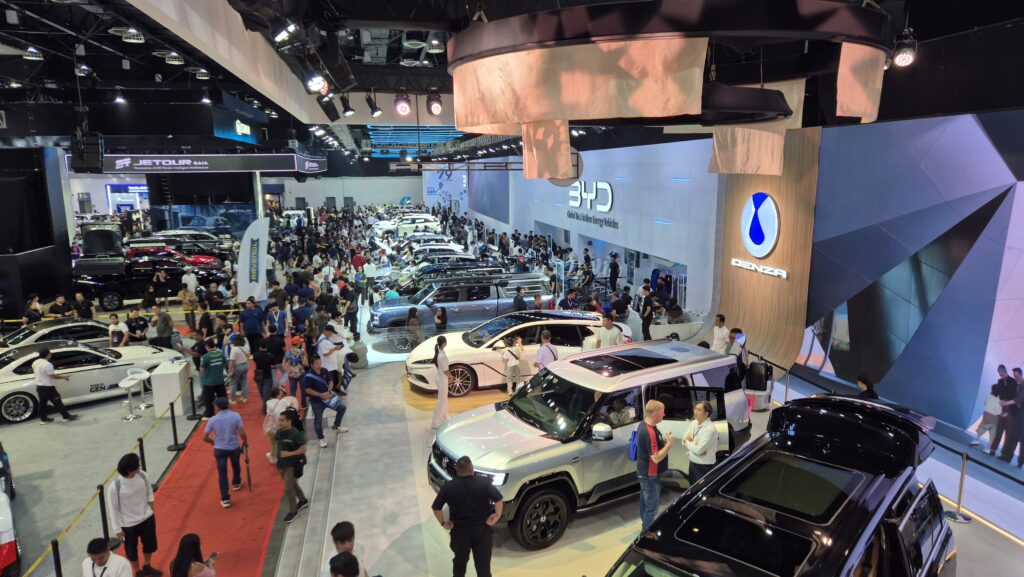

The 21st edition of the Manila International Auto Show (MIAS) was the most successful yet, spanning a total of roughly 32,000 square meters across indoor and outdoor spaces, making it one of the largest in its history. For the first time eight years, MIAS once again utilized the PTTC building which added over 8,000 square meters on top of the World Trade Center’s 23,000 square meters.
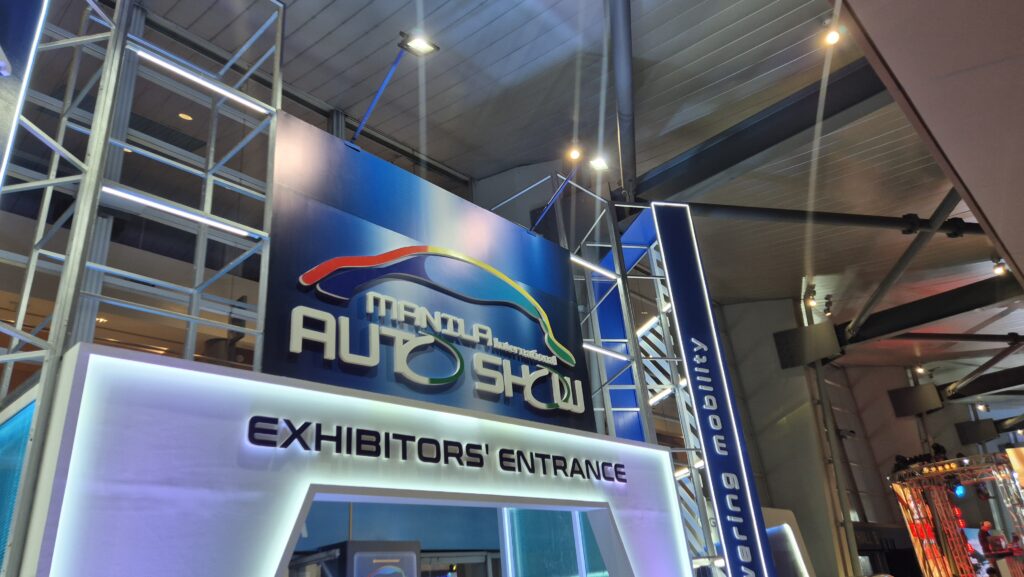
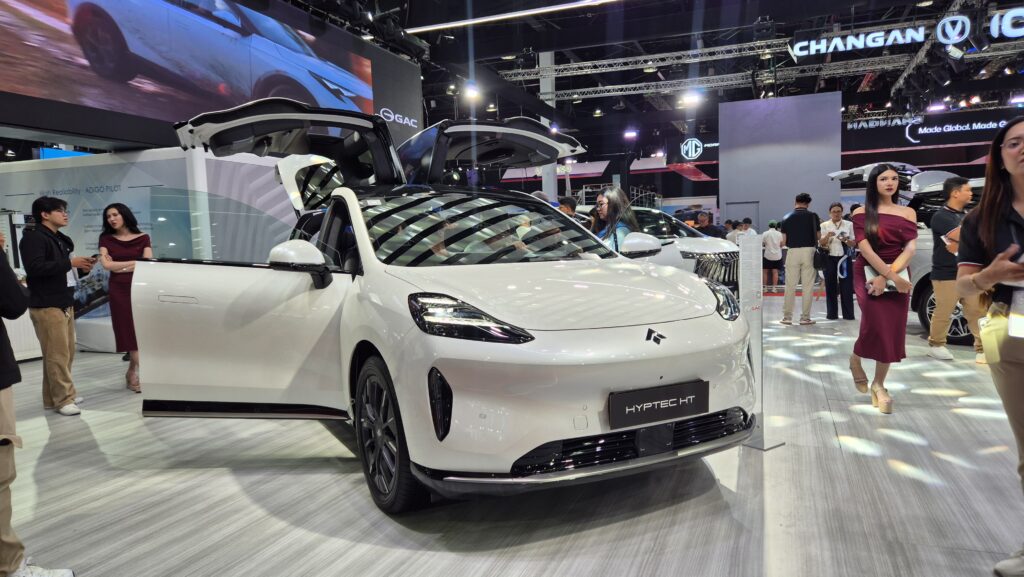
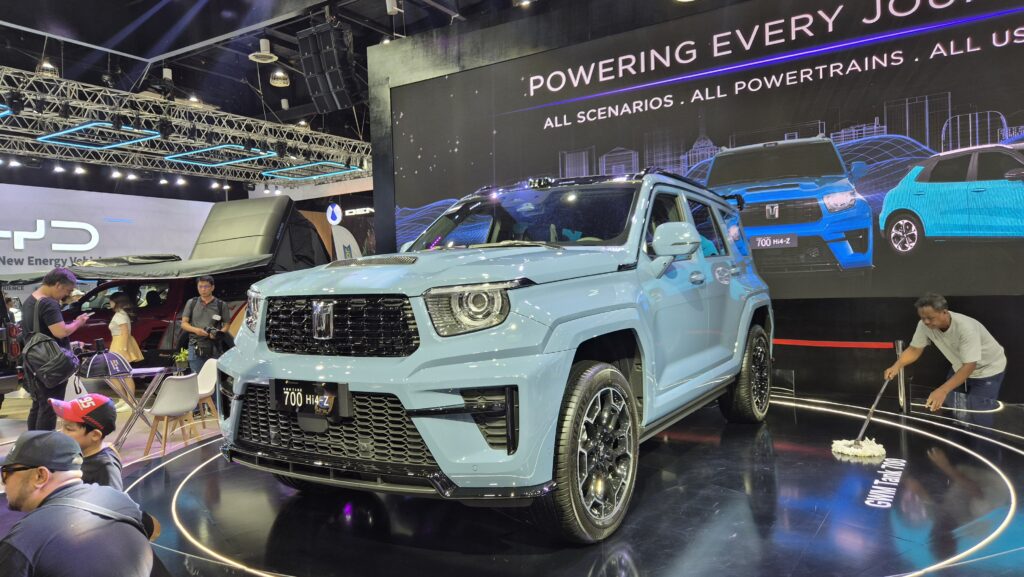
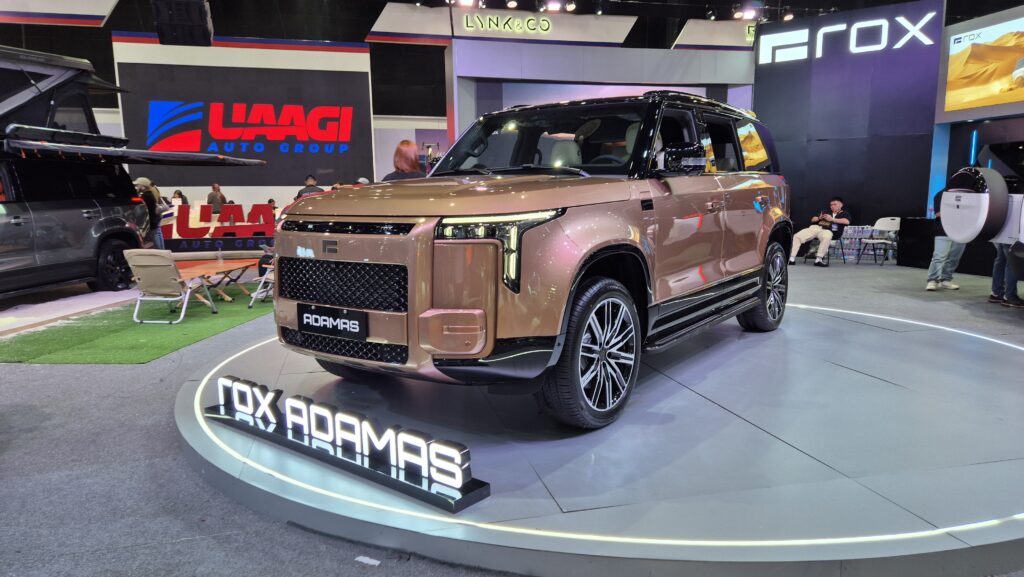
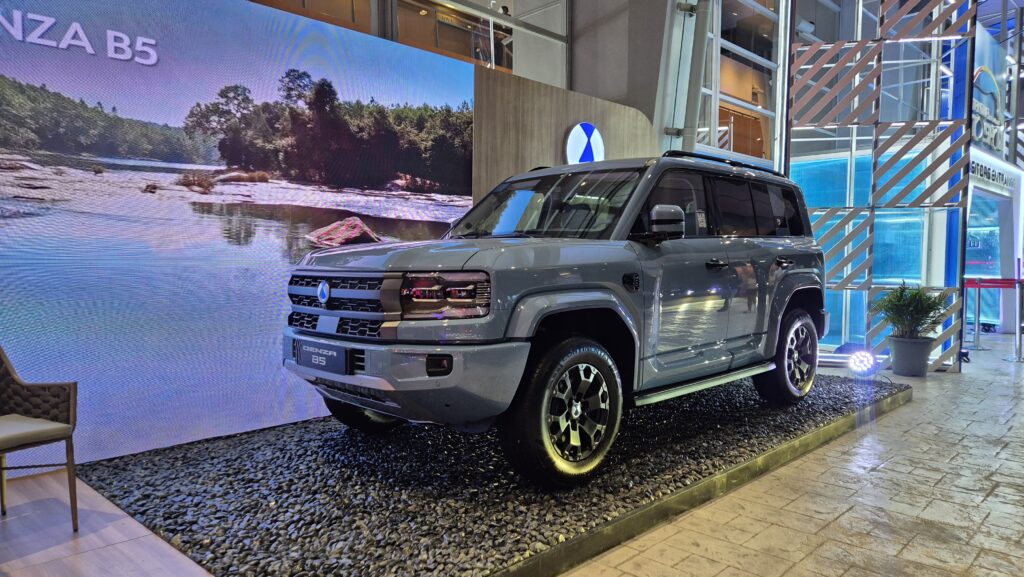
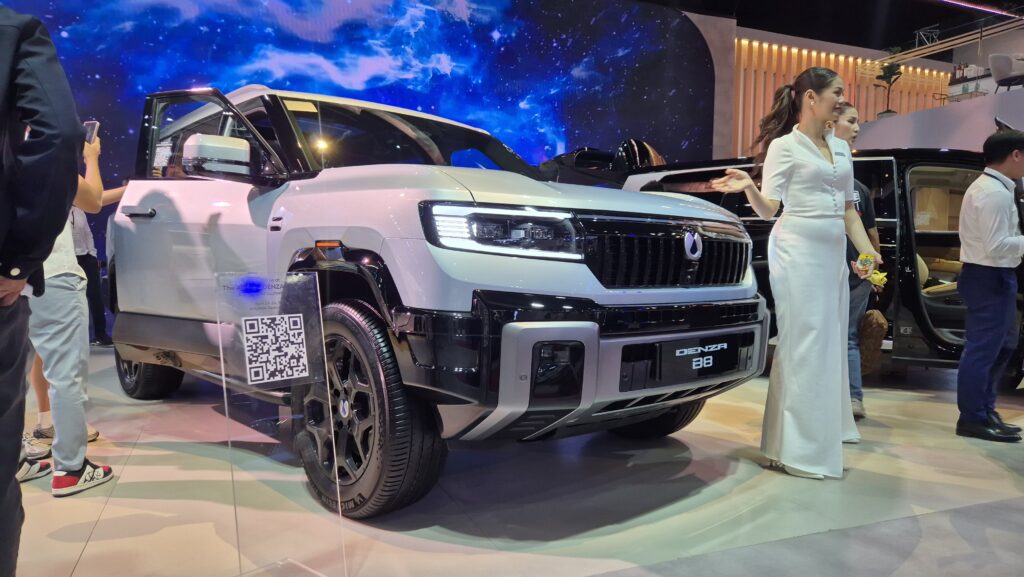
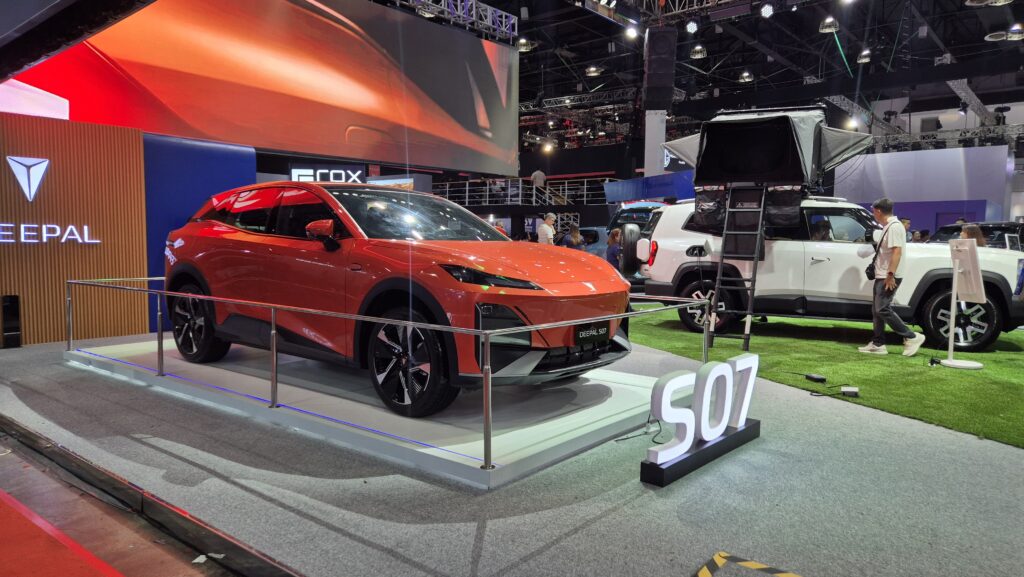
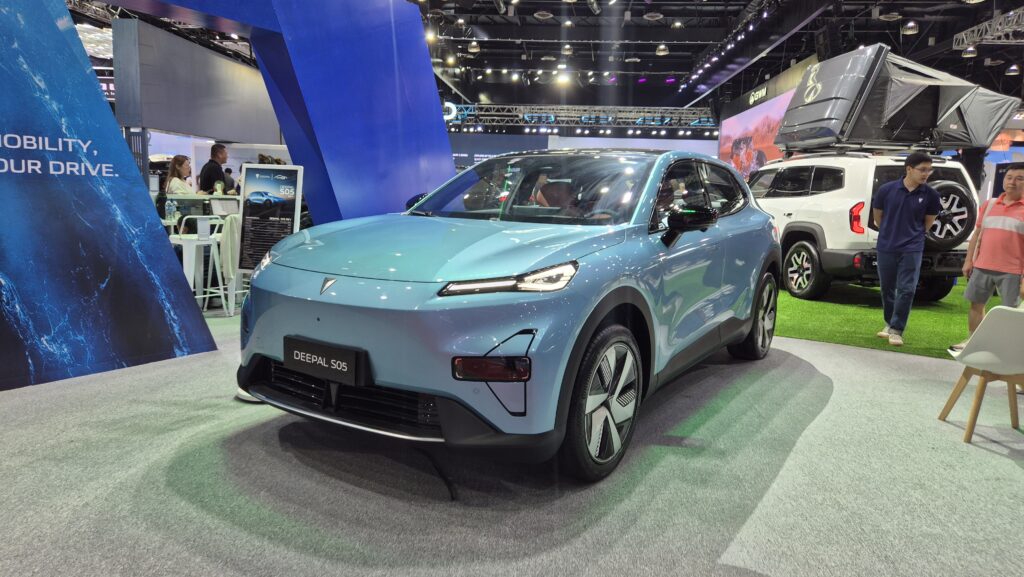
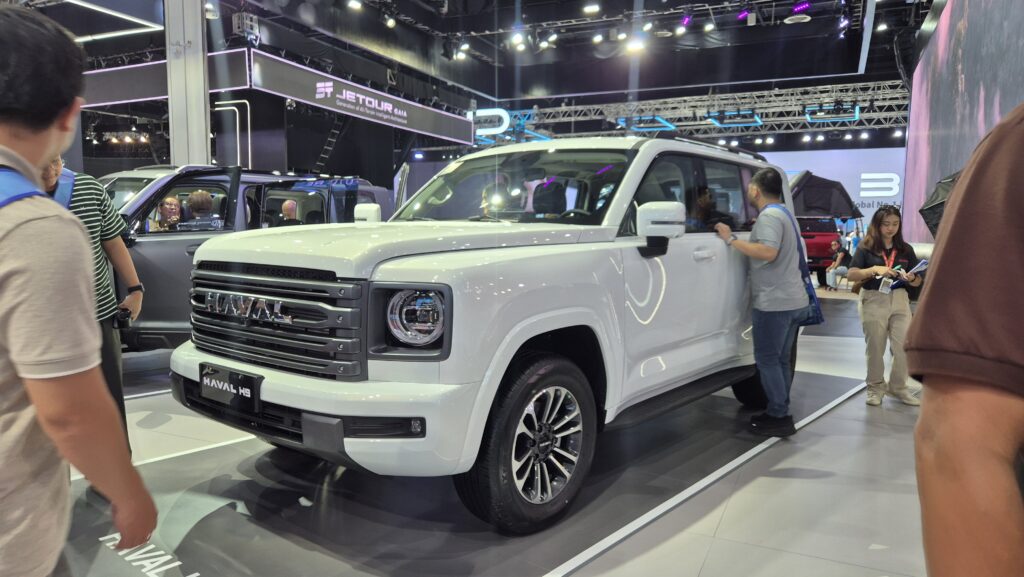
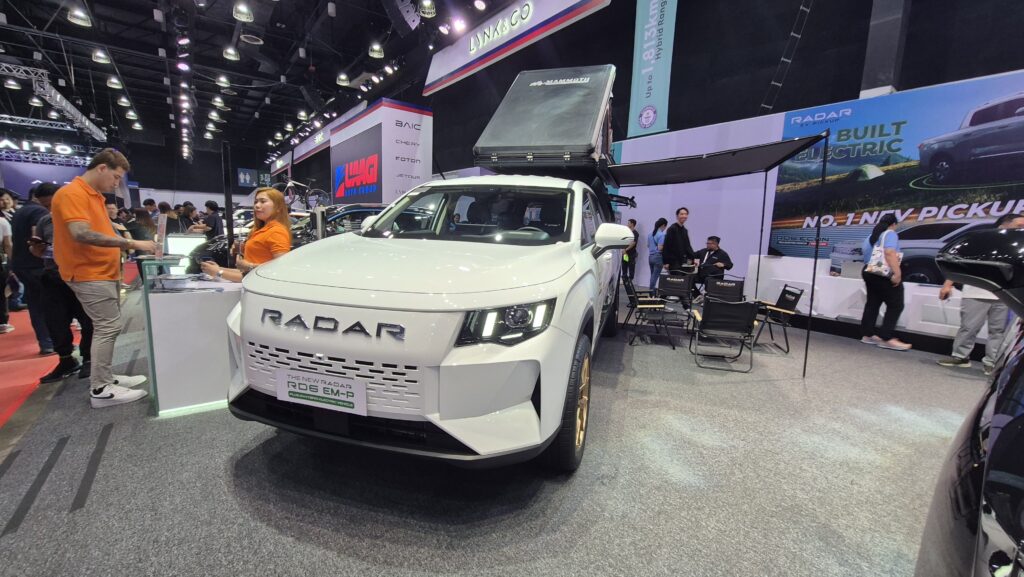
A record 25 automotive brands took part, many of them of Chinese origin, with new energy vehicles (NEVs)—hybrids and fully electric models—clearly taking center stage. .
Brands such as BYD, Changan, Chery, Deepal, Denza, GAC, Jetour, Lynk & Co and MG plus many others drew significant attention from show-goers eager to explore electrified mobility.
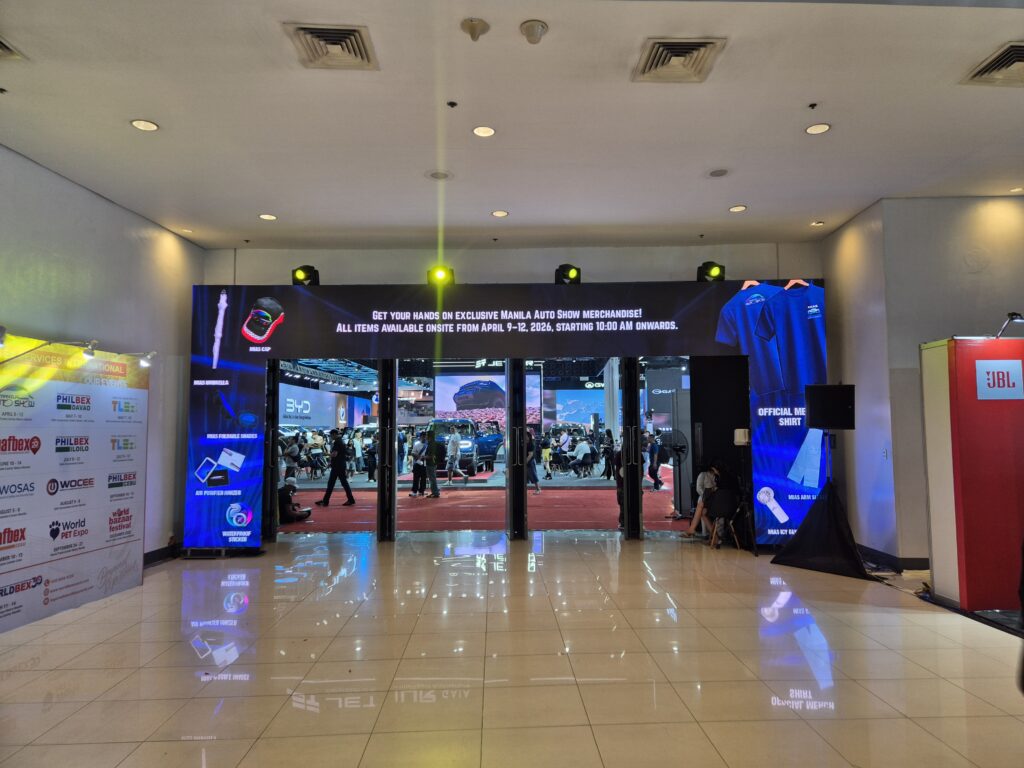
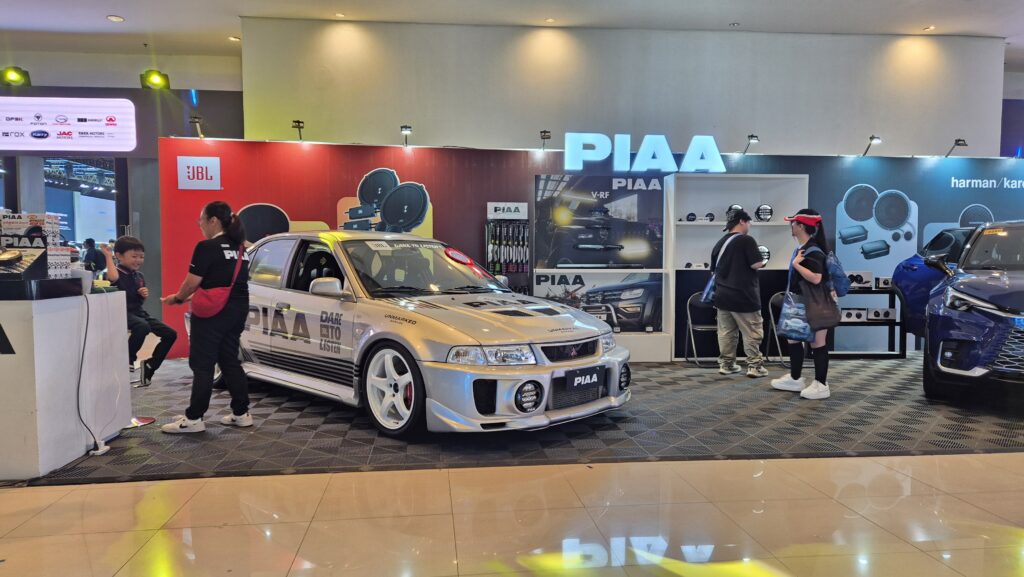
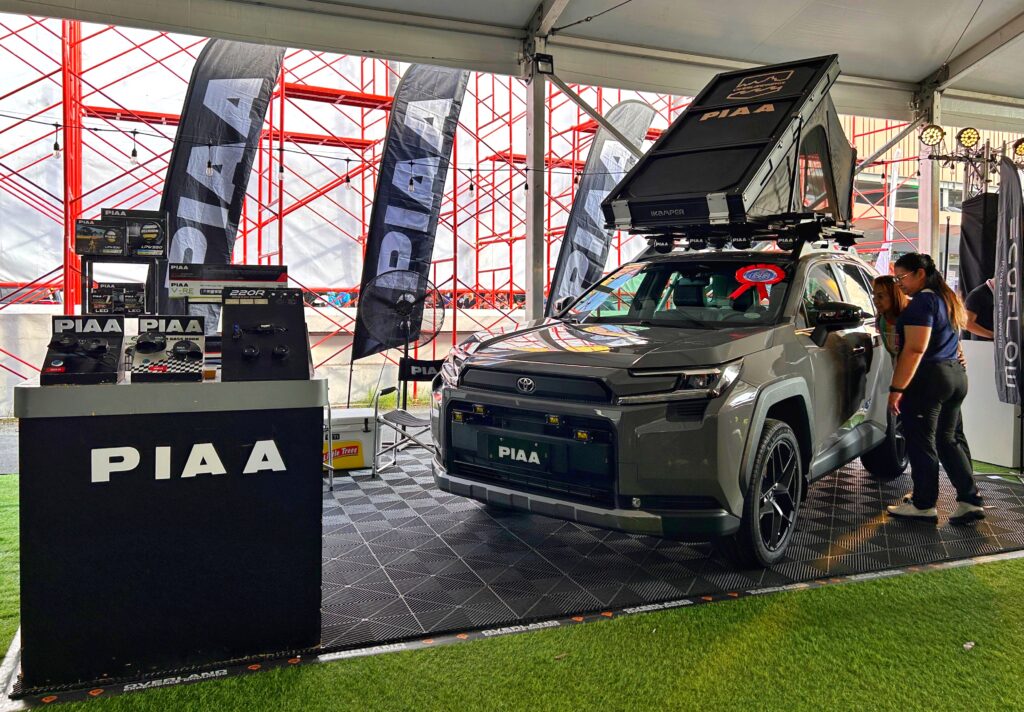
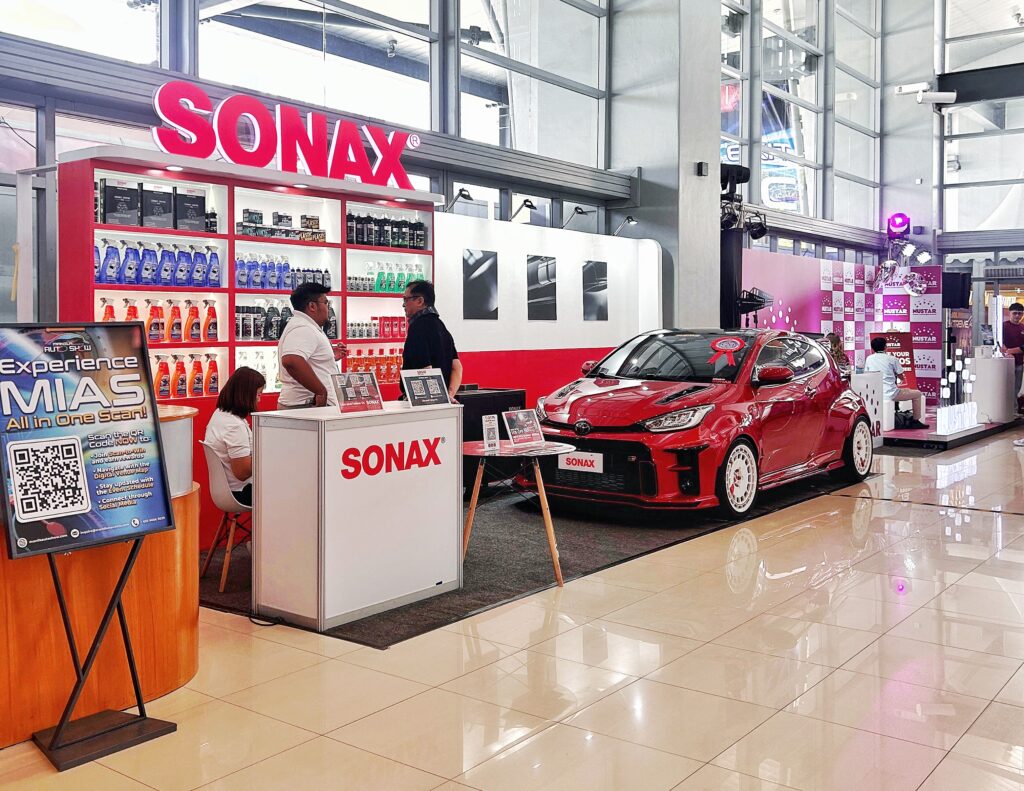
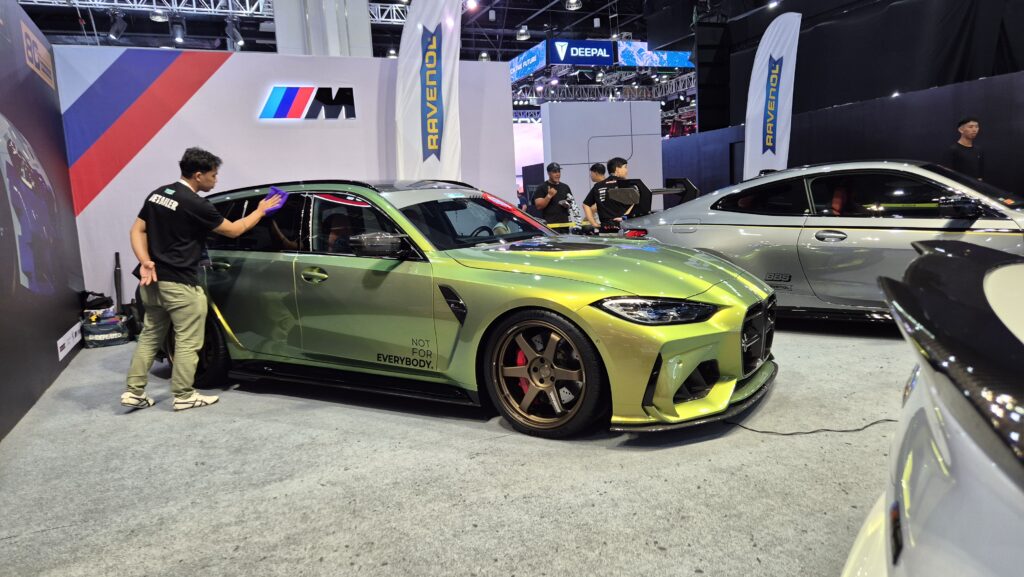
Supporting the main exhibits were around 250 booths dedicated to aftermarket parts and accessories, reinforcing MIAS’ role as both a consumer and trade event.
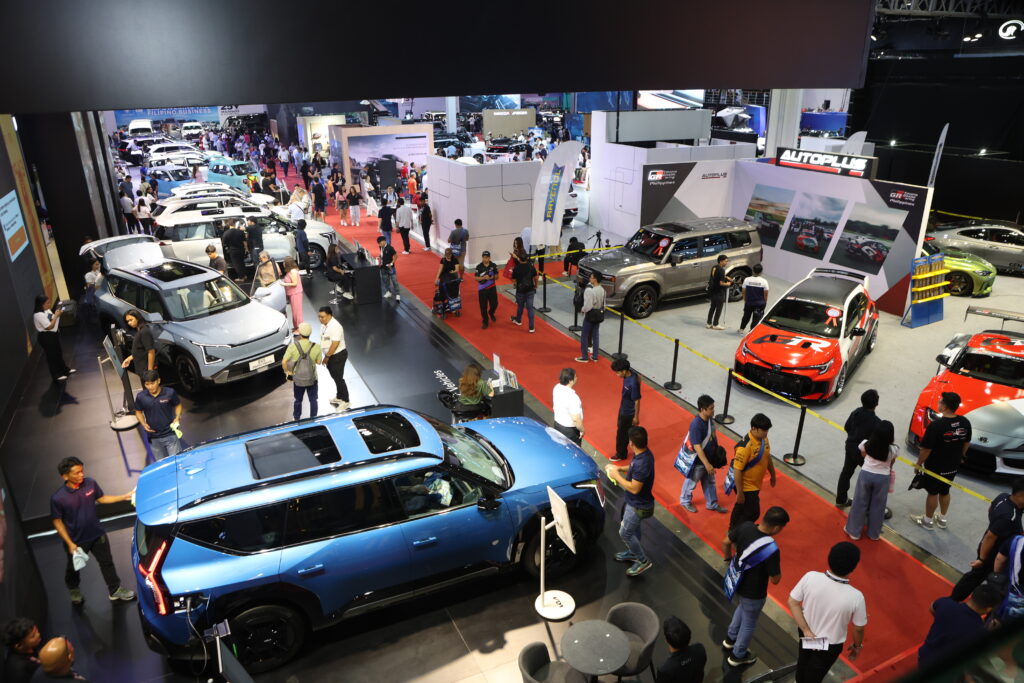
That dual identity has always defined MIAS. Unlike traditional auto shows, often formal, forward-looking, and concept-driven, MIAS was envisioned as a hybrid trade and consumer show where selling is not only allowed but highly encouraged.
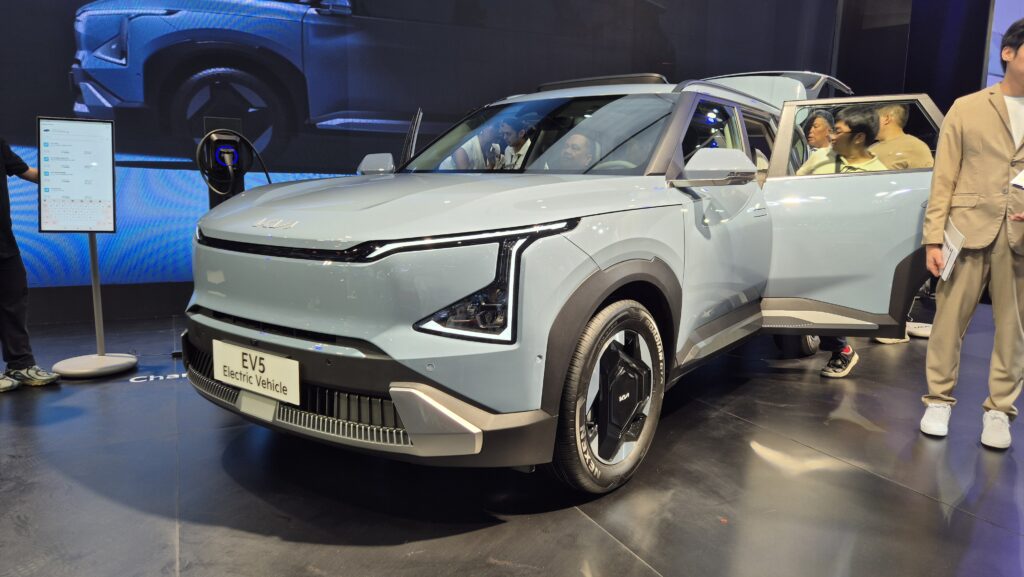
It’s a platform where brands showcase their current line-up, offer exclusive deals, and connect directly with buyers ready to make a purchase.
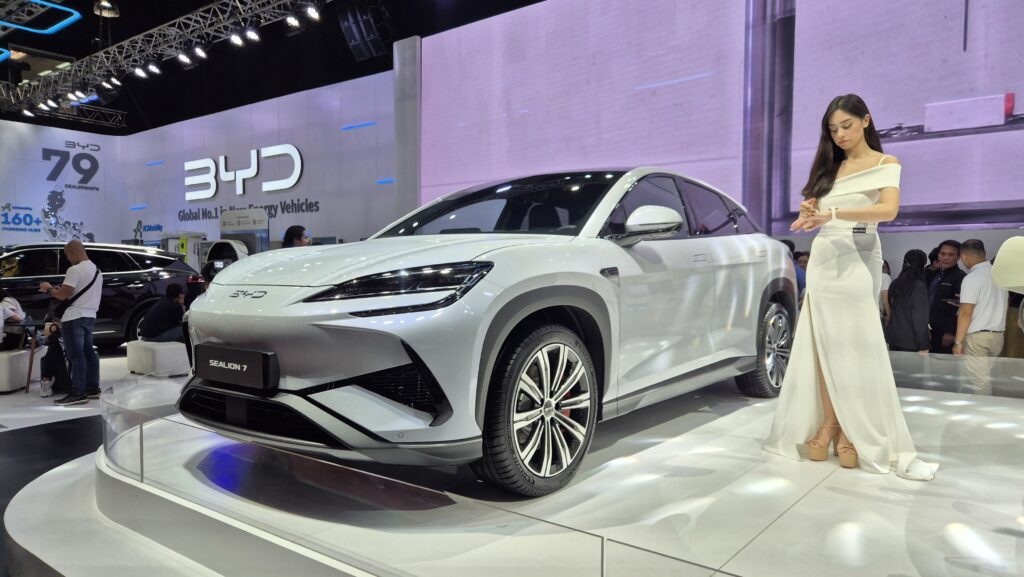
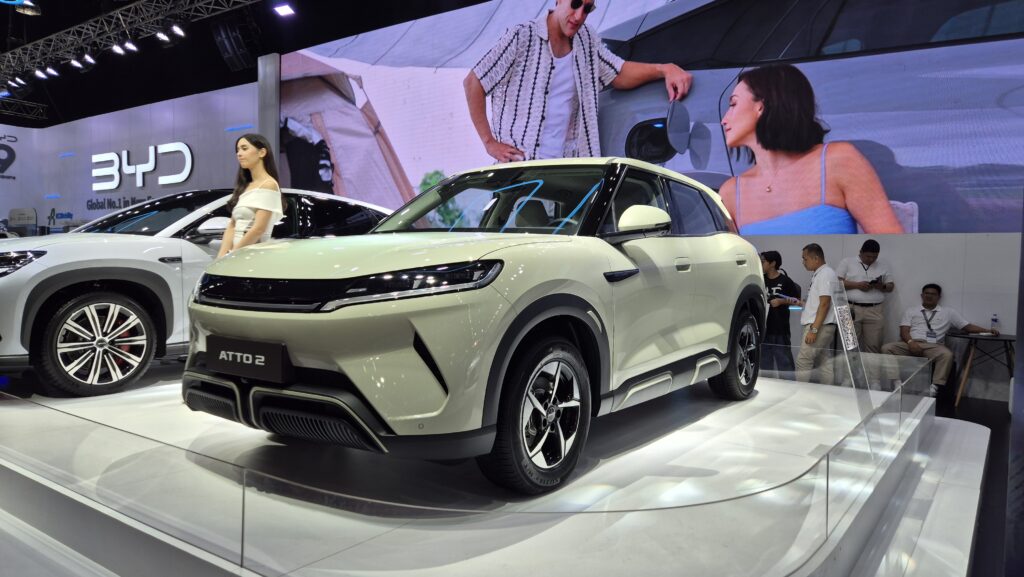
Over the past two decades, MIAS has often served as a launchpad for numerous brands entering the Philippine market.
Established players like Ford, Hyundai, Subaru, and Mazda all made impactful early appearances here.
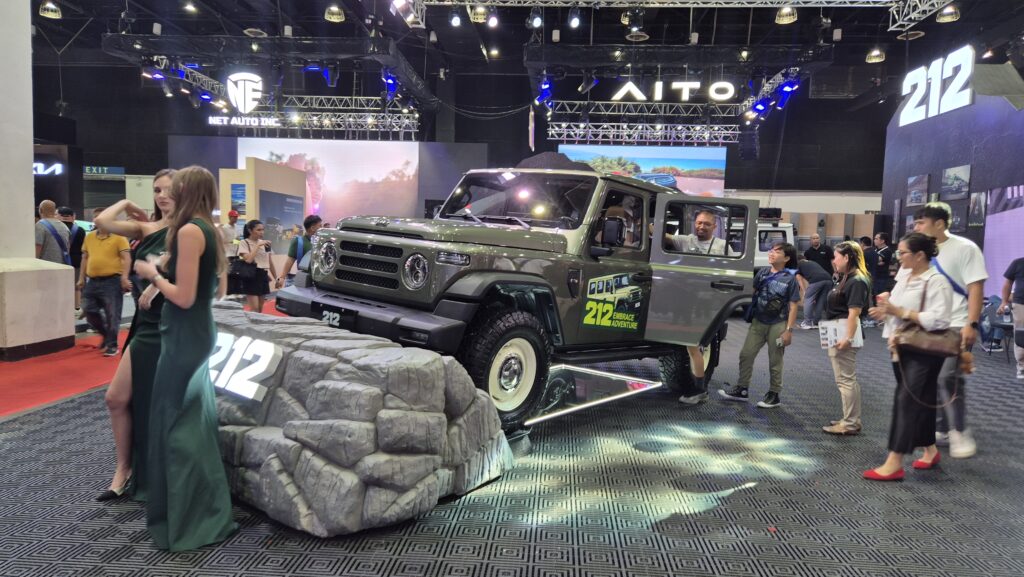
Today, it is a new wave of NEV-focused brands—largely from China—that are using MIAS to introduce themselves and their technology to the Filipino consumers.
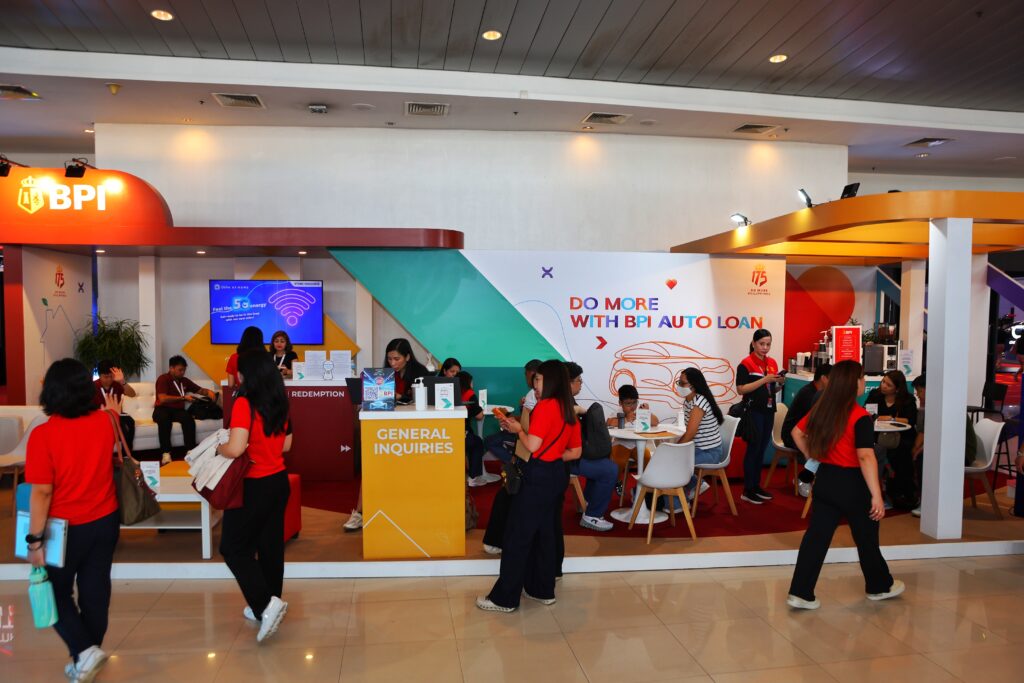
And by most measures, it was a resounding success. After four busy days, exhibitors—alongside banking partner Bank of the Philippine Islands—reported strong reservation numbers and sales bookings.
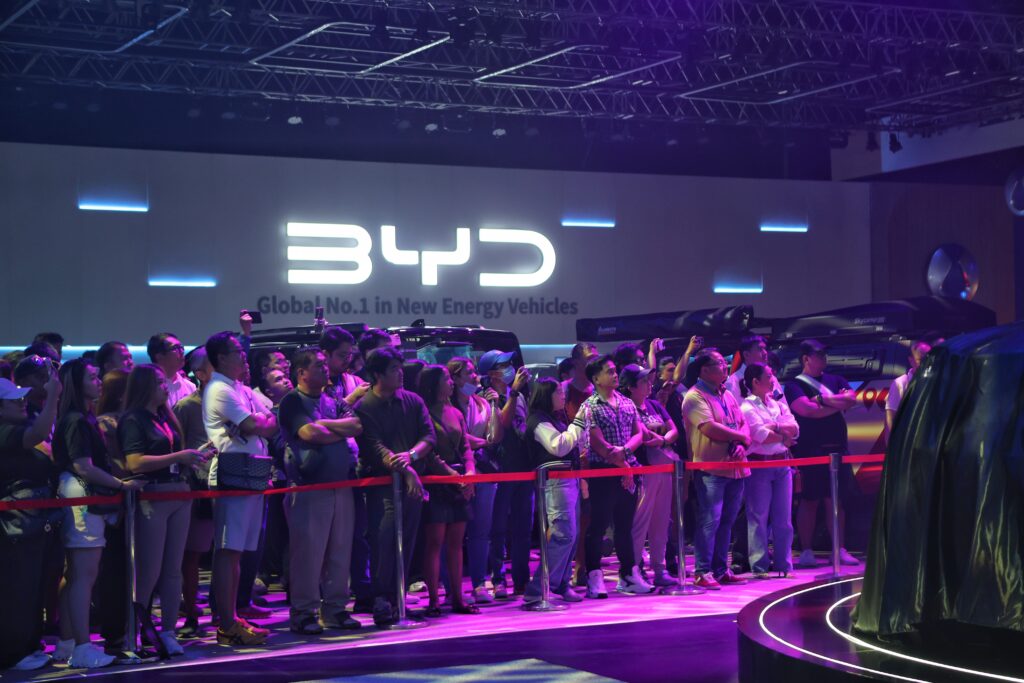
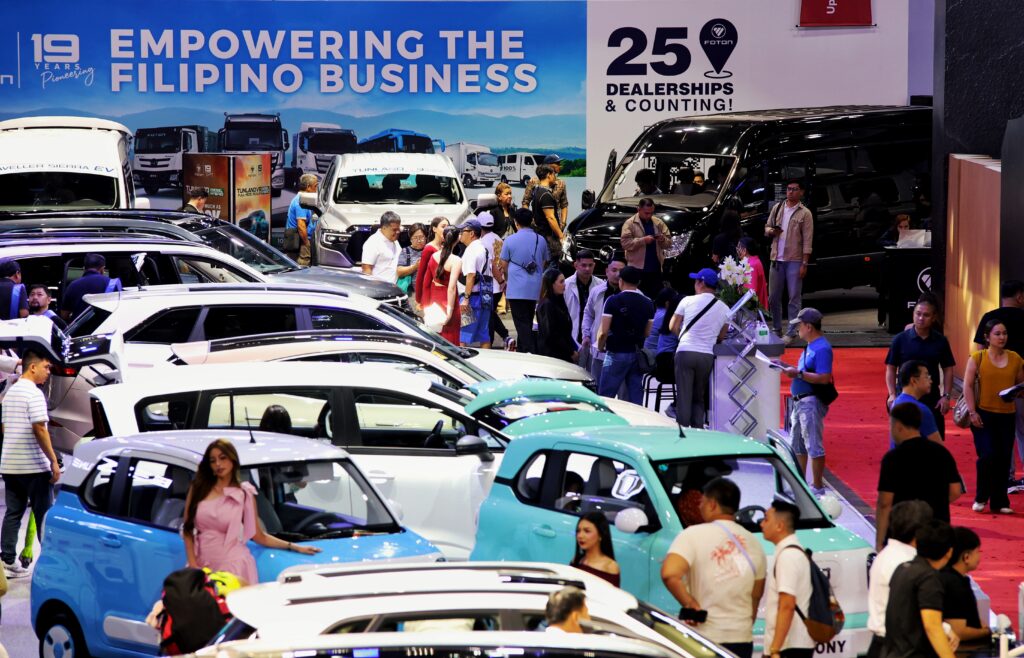
Many noted that they had never experienced such a large and very engaged crowd eager to see and ultimately buy a new vehicle throughout the show weekend and in the show’s two-decade history.
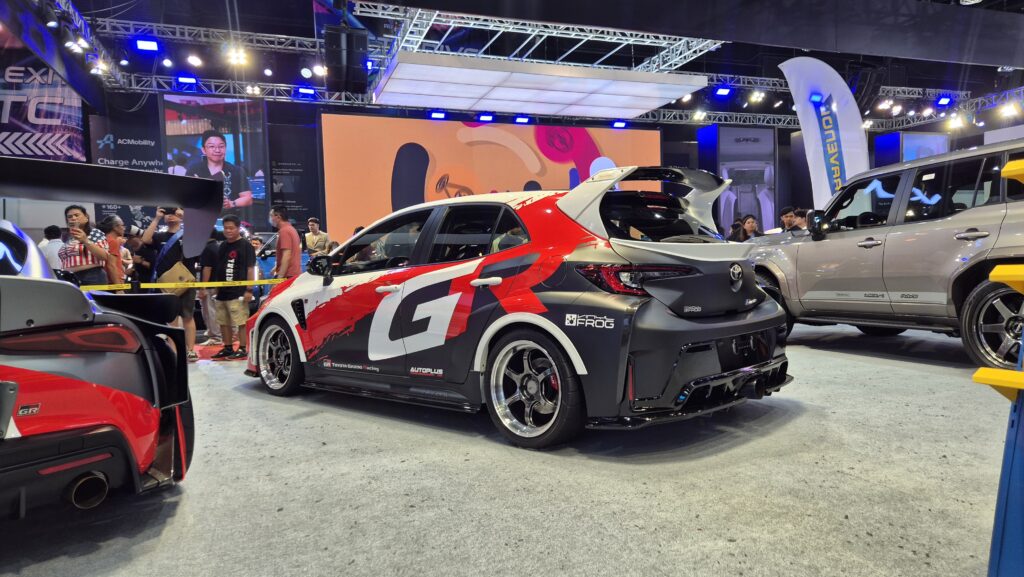
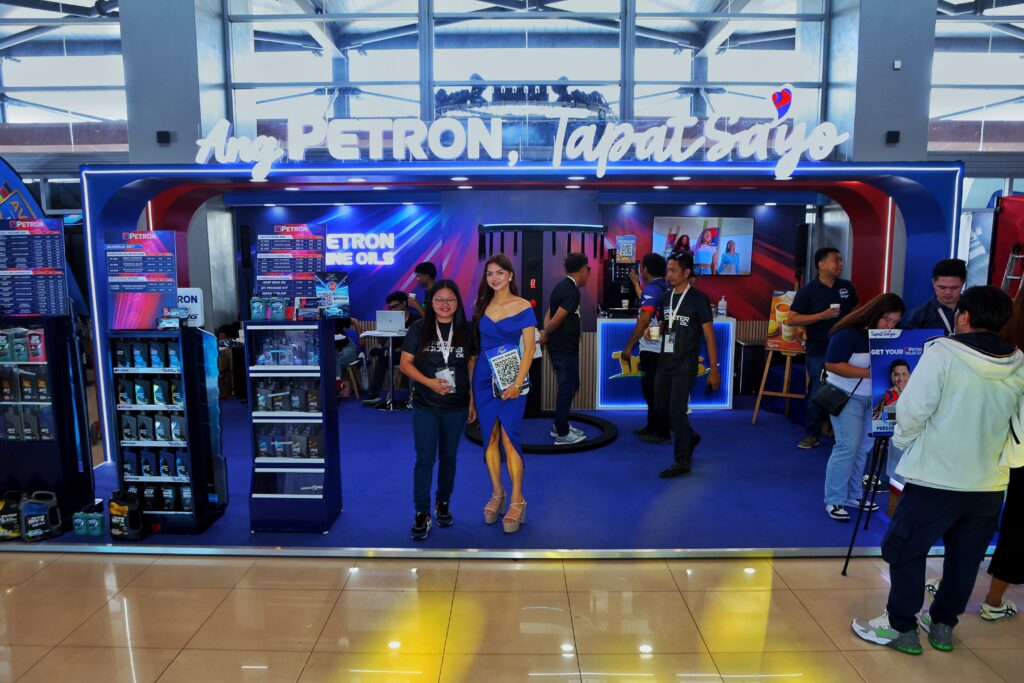
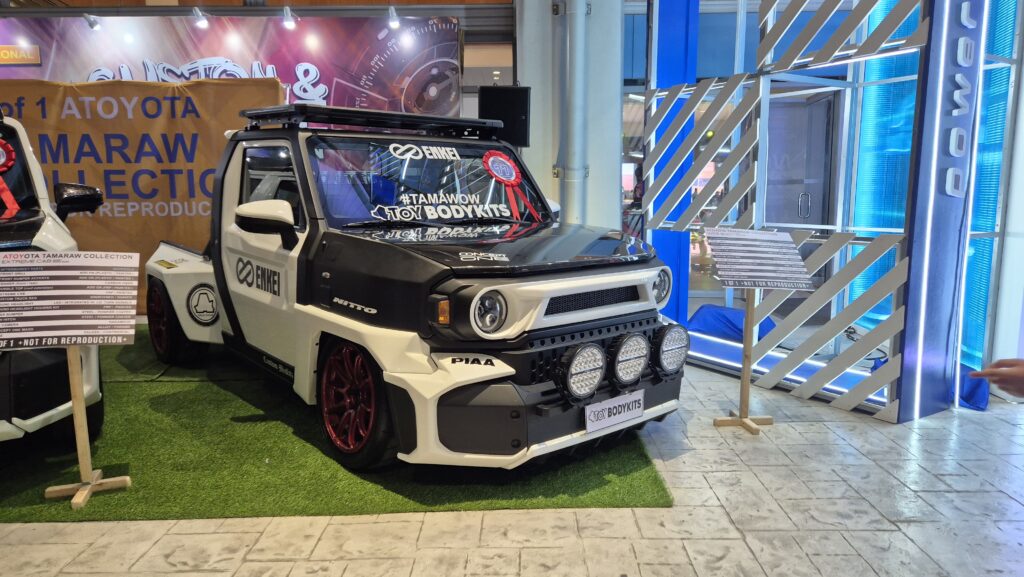
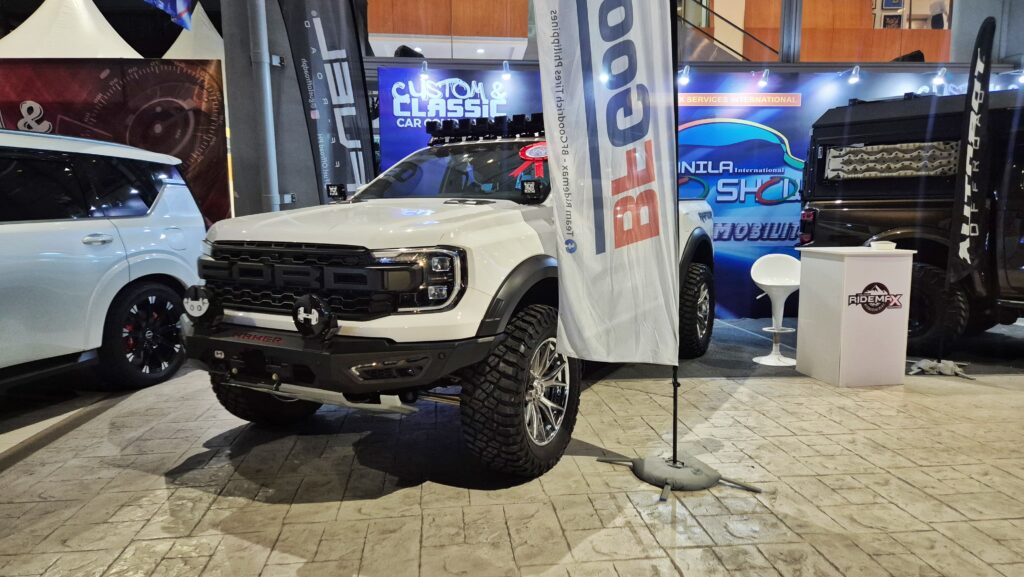
MIAS also continues to champion local car culture. With support from Petron, the event hosts its long-running Classic and Custom Car Competitions, giving enthusiasts, builders, and tuning shops a platform to showcase their work.
Entry fees remain modest, ensuring accessibility for smaller players while allowing them to present their creations to a massive audience.
However, the scale of this year’s show also exposed several challenges.
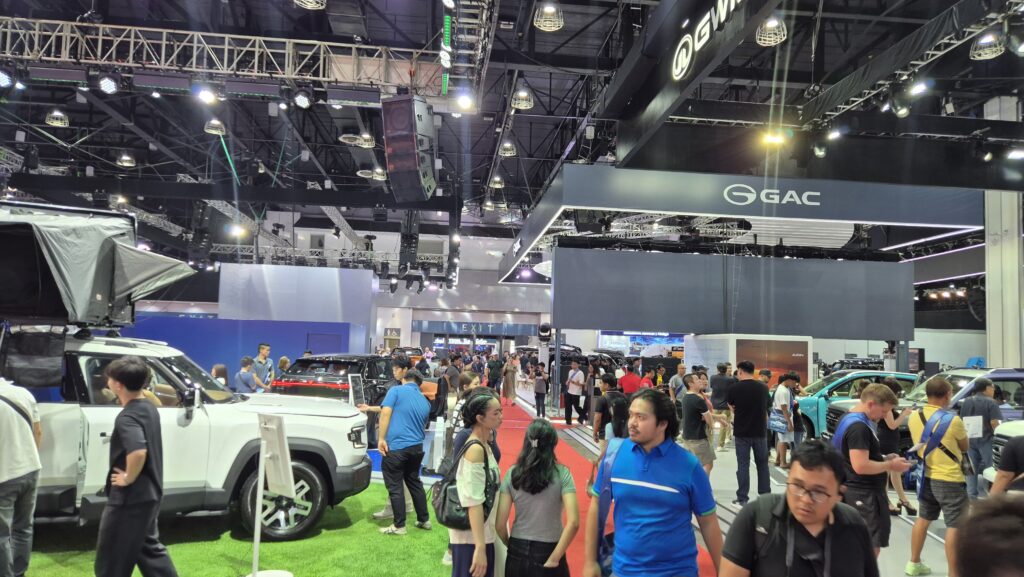
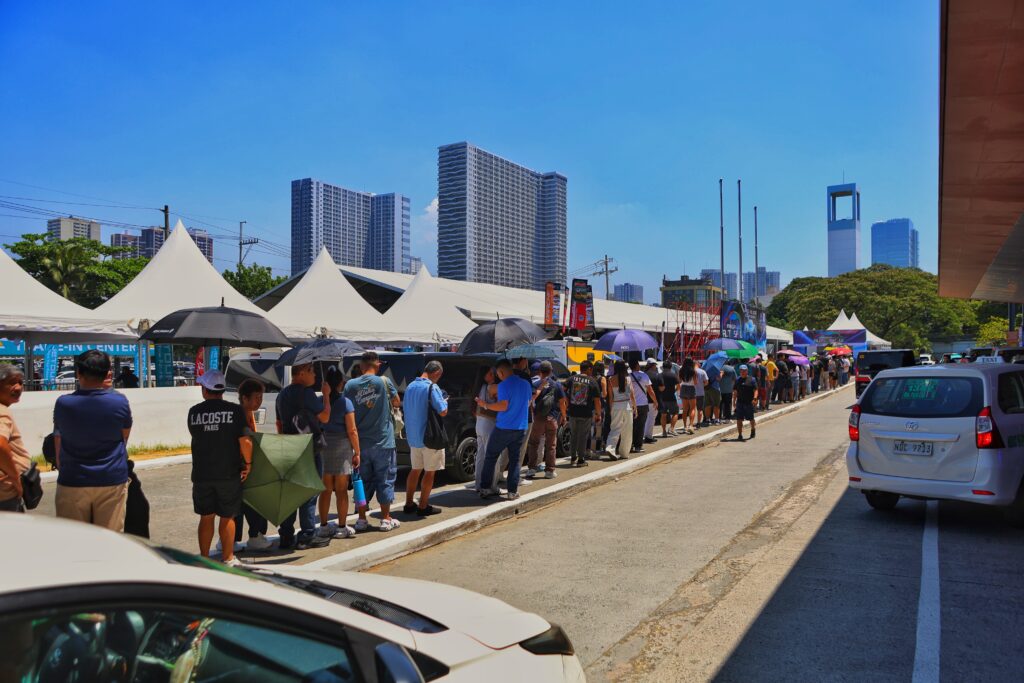
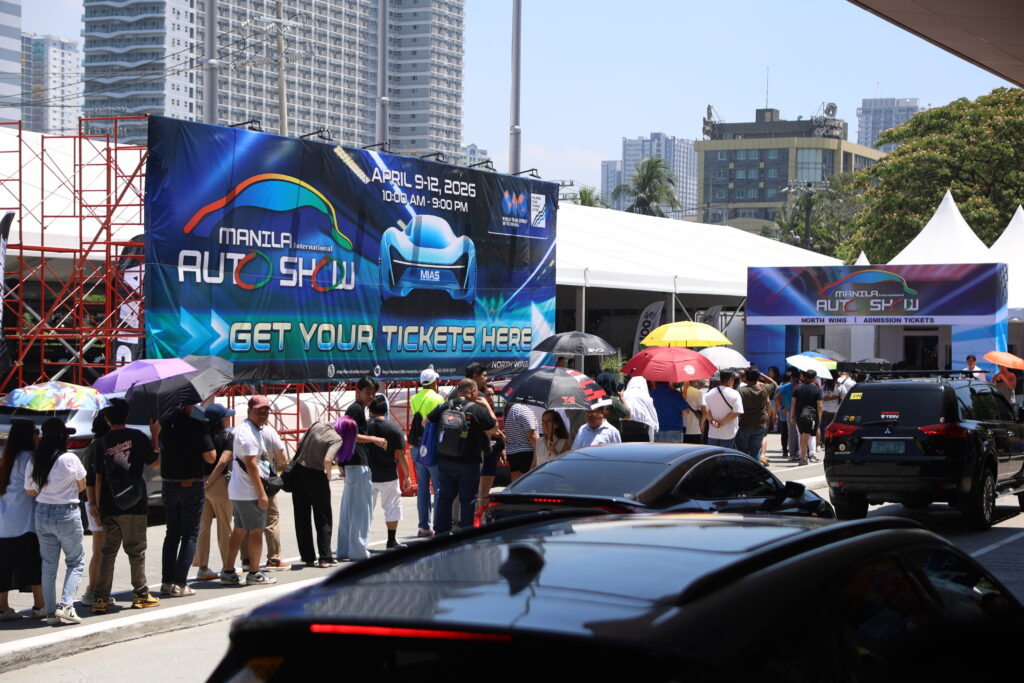
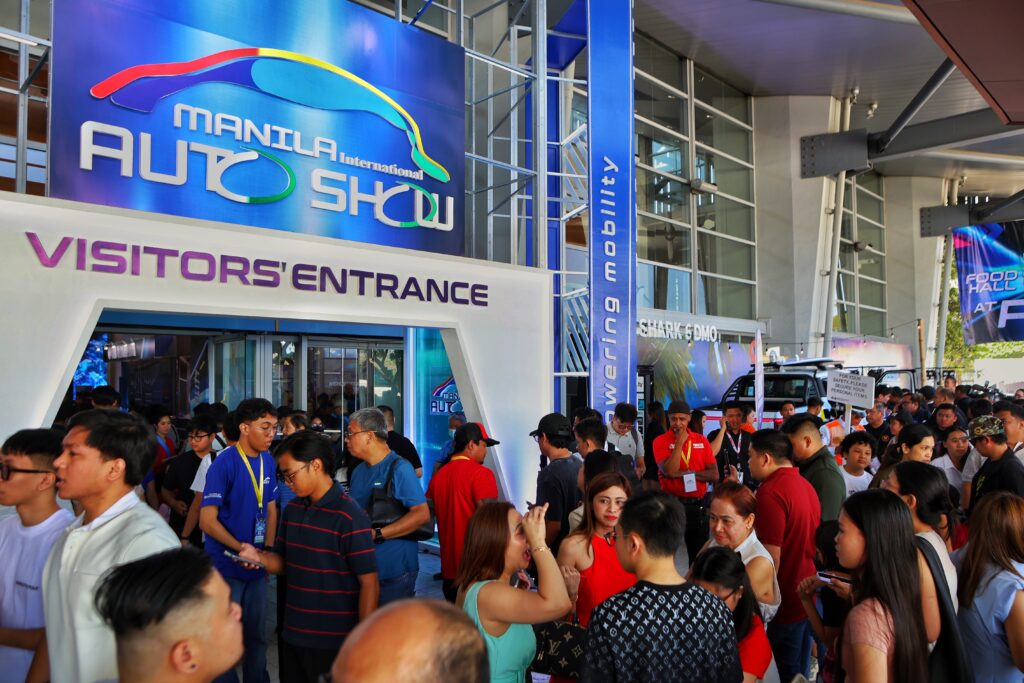
Ticket queues were long and often under direct sunlight, compounded by issues with online ticketing on opening day.

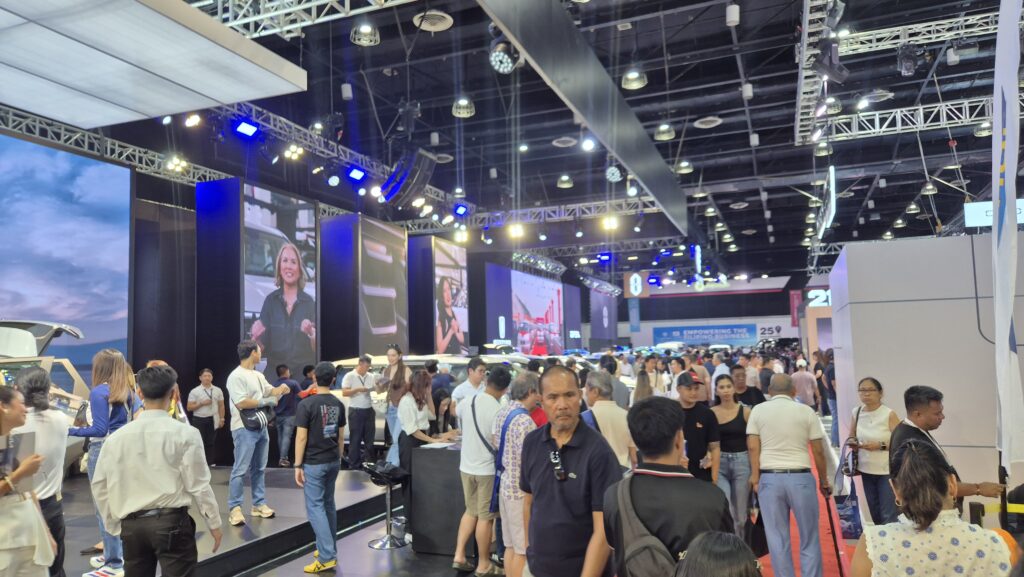
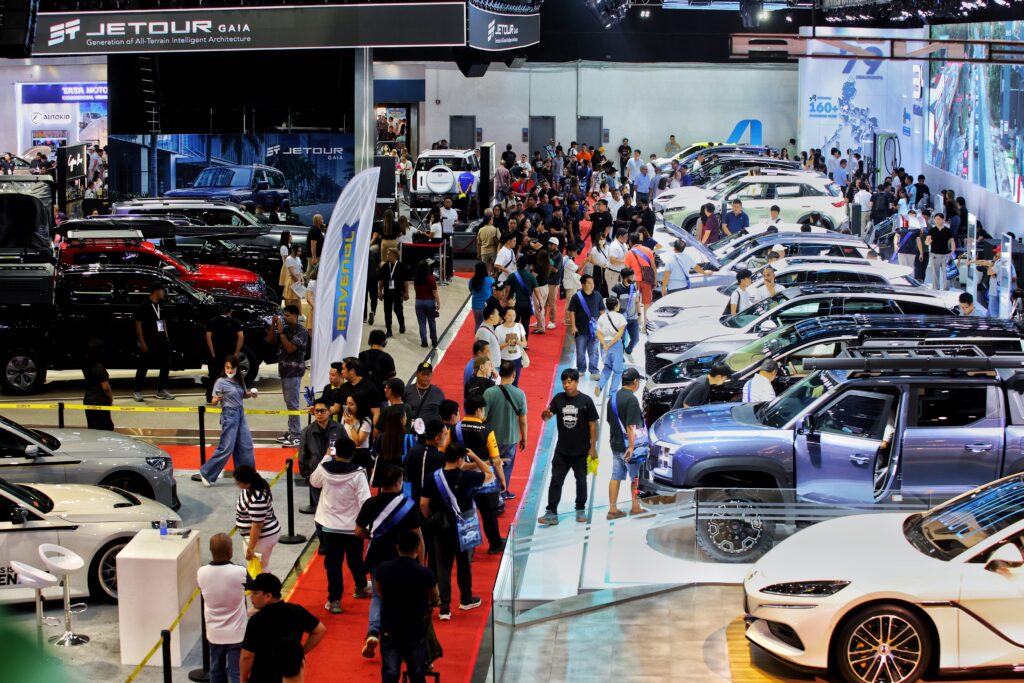
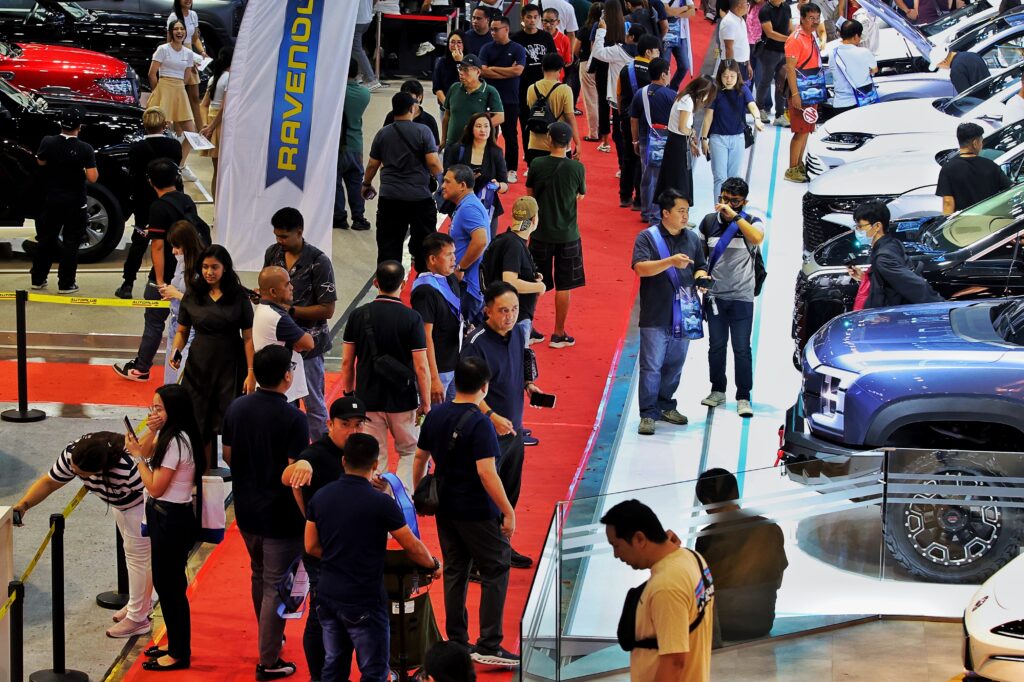
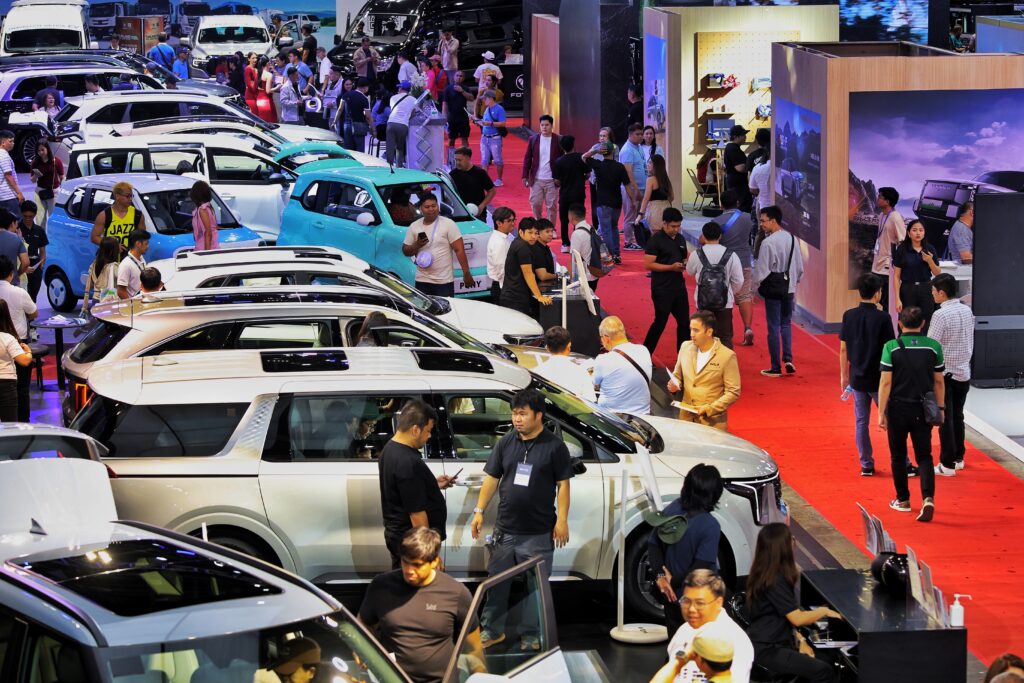
Inside, the World Trade Center struggled to cope with both the heat and the sheer volume of attendees. Estimates from exhibitors suggest that close to 40,000 people attended on the first day alone, making movement within the venue difficult.

For media and content creators, coverage proved especially challenging. Limited space and dense crowds made navigation and documentation cumbersome. To their credit, MIAS organizers acknowledged these shortcomings and have committed to improving conditions in future editions.

Despite these issues, MIAS 2026 was still a resounding success.


For participating brands, the event provided direct access to a highly engaged audience—many of whom were actively considering a purchase. For consumers, it offered a rare opportunity to see, compare, and test-drive a wide range of vehicles—particularly NEVs—under one roof.


This strong turnout is even more notable given current economic conditions. Despite rising fuel prices and the continued depreciation of the Philippine peso, the local motoring public showed up in force.

In total, 180,600 attendees visited the show, underscoring sustained interest in the automotive sector and growing curiosity toward electrified mobility. It easily bests the 170,000 record of MIAS 2025.

For newer and smaller automotive players, this kind of environment is invaluable. Immediate sales and reservations can be more critical than long-term brand-building, and MIAS provides exactly that opportunity.

That said, the event also highlighted structural limitations—many of which can be traced back to the venue itself.

The World Trade Center, while historically significant, is showing its age. Issues such as limited space, insufficient facilities, lack of parking, and the absence of a proper press center point to a venue that the show has arguably outgrown.


Comparisons to larger regional events, such as the Bangkok International Motor Show, have surfaced—but these comparisons require context. Thailand is a major automotive manufacturing hub with greater industry investment and nearly double the Philippines’ per capita income. This translates to higher consumer spending power and larger-scale events.

There’s also the matter of infrastructure. Bangkok’s Impact Challenger is one of the largest column-free exhibition spaces in the world, capable of hosting global-scale events. The Philippines currently lacks a venue of similar size, specification / design and capacity, making direct comparisons somewhat unfair.

Still, the future looks promising.

With the upcoming SM Xcite venue—combined with the existing SMX Convention Center—offering up to 35,000 square meters of indoor space, MIAS will soon have room to grow. This expansion could significantly improve the overall experience, allowing for better organization, increased exhibitor participation, and a more modern and comfortable environment for attendees.

There is still much to improve, but there is also clear momentum moving forward and upward.


MIAS has outgrown its current limitations—and that, in itself, is a positive sign. Our industry remains resilient despite the challenges we face.

Looking ahead, MIAS 2027 has the potential to be even bigger, better, and more refined. But 2026 was truly one for the books and worth celebrating for!