
Porsche is celebrating 75 years of motorsport—its ultimate proving ground, where innovation is tested, refined, and ultimately passed down to its road cars. Few machines embody this philosophy better than the legendary Porsche 935, which itself marks 50 years since its debut. From its origins in the mid-1970s to its most radical evolutions, the 935 remains one of the most iconic race cars ever to emerge from Zuffenhausen.
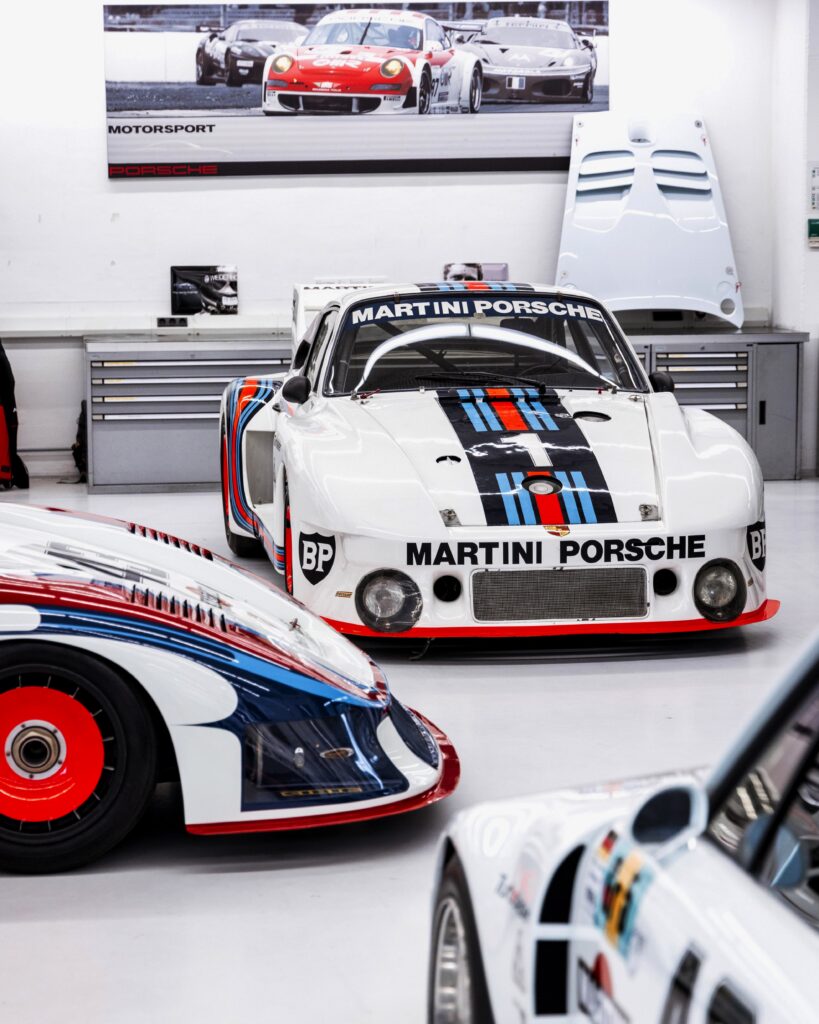
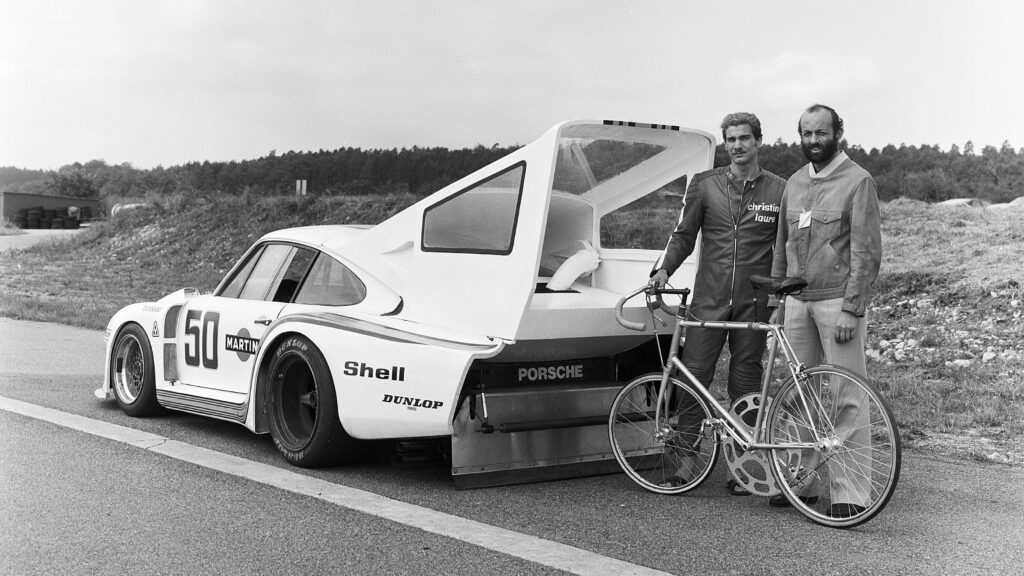
We looks back at five key iterations of the 911-based racer: the original 1976 homologation model, the evolved 935/77, the extreme 935/78 “Moby Dick,” the lightweight 935 “Baby,” and an early development prototype later used in a unique cycling record attempt. Together, they illustrate just how rapidly the 935 evolved—and how Porsche continuously pushed the boundaries of performance.
The Origin: 1976 Porsche 935
Few race cars represent relentless engineering ambition quite like the 935. Developed from the Porsche 911 for the newly introduced Group 5 regulations, it exploited every inch of freedom the rulebook allowed.
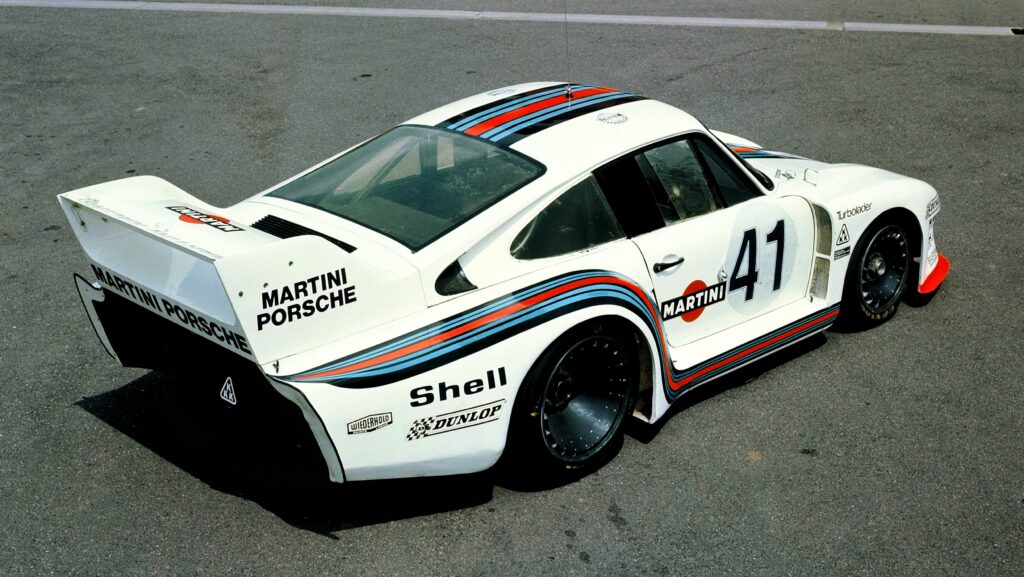
Widened fenders, aggressive aerodynamics, and unconventional engineering solutions defined the car. Yet despite its radical changes, the 935 retained a clear link to its 911 roots—a balance of familiarity and innovation that would define its legacy.
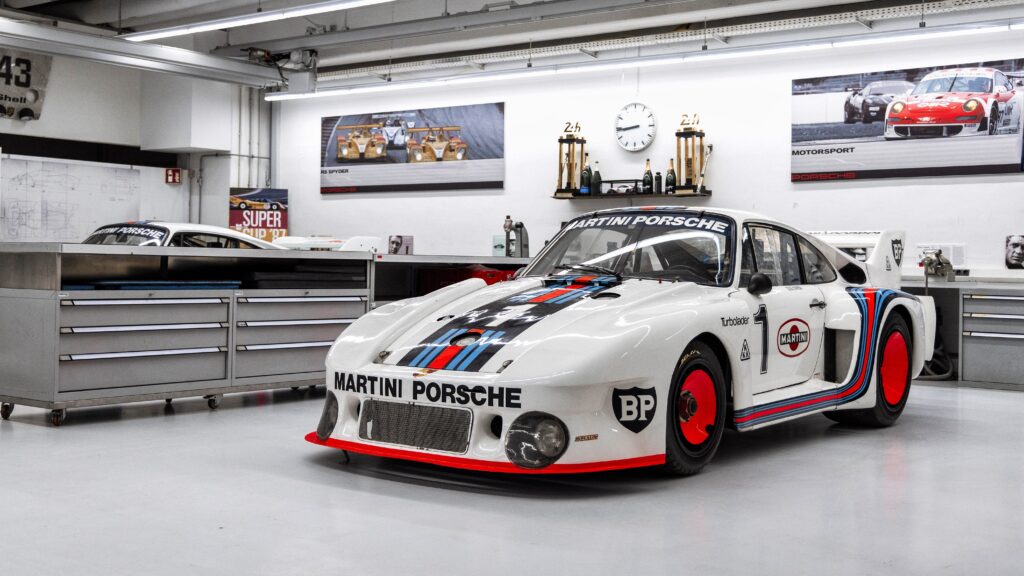
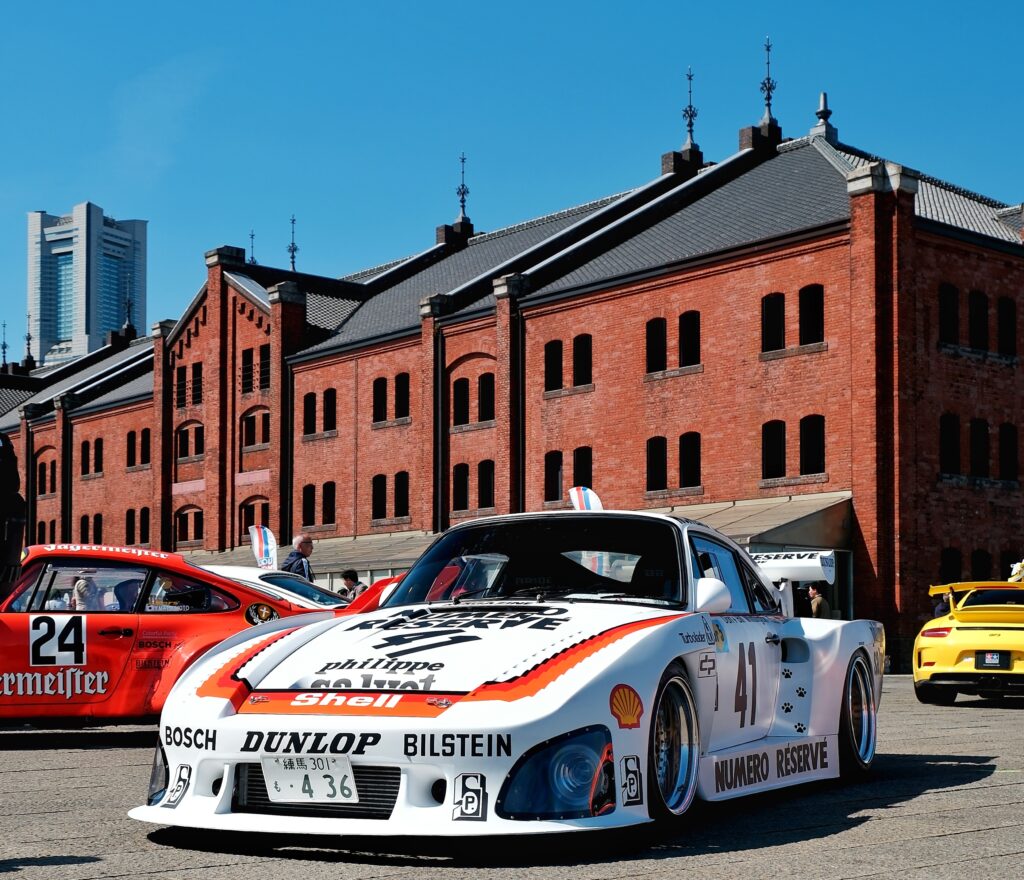
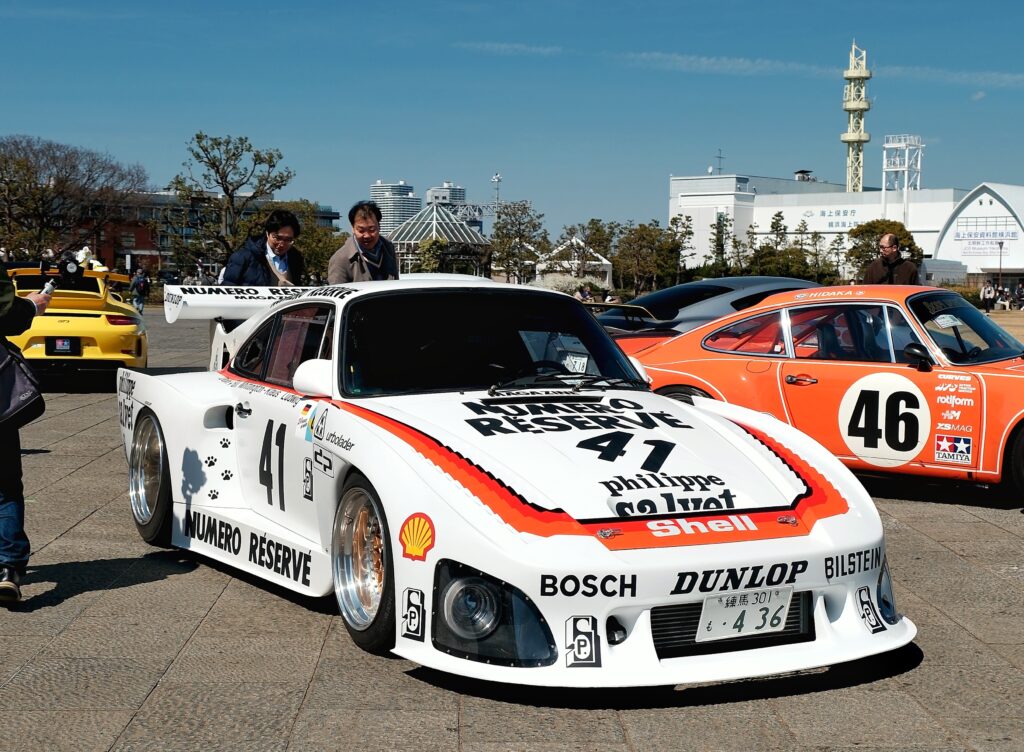
935/77: Refinement and Twin-Turbo Power
By 1977, Porsche focused on improving durability, aerodynamics, and overall performance—particularly with endurance racing in mind. At the center of this evolution was race engineer Norbert Singer, a key figure behind Porsche’s early Le Mans successes. One of the most notable visual changes was the repositioning of the side mirrors to the front fenders, which improved airflow but compromised visibility.
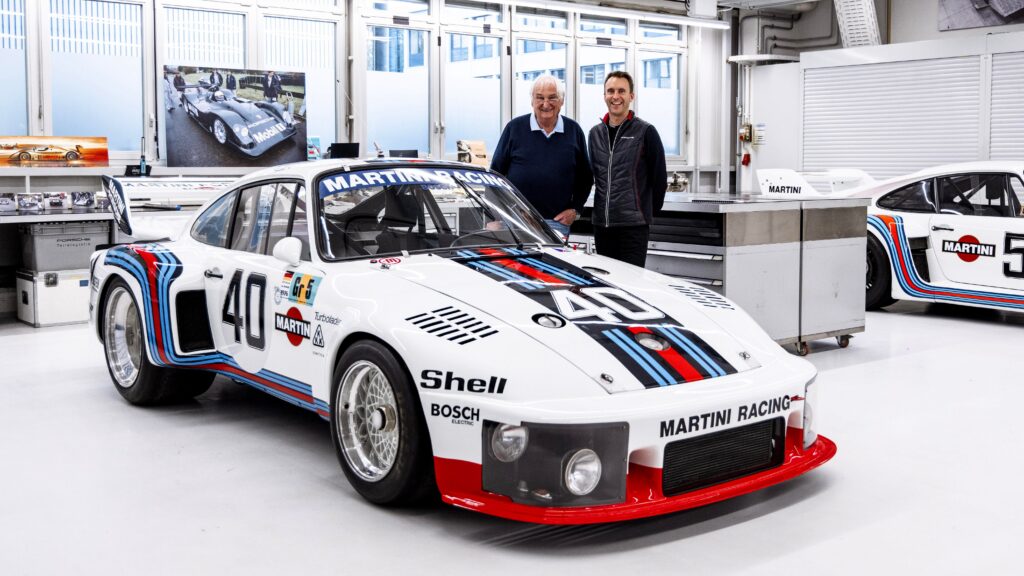
The biggest leap, however, came under the rear decklid. The 935/77 introduced a twin-turbocharged flat-six, replacing the earlier single-turbo setup. As Singer explained, smaller twin turbos reduced lag and delivered more responsive, controllable power—significantly improving drivability for the drivers.
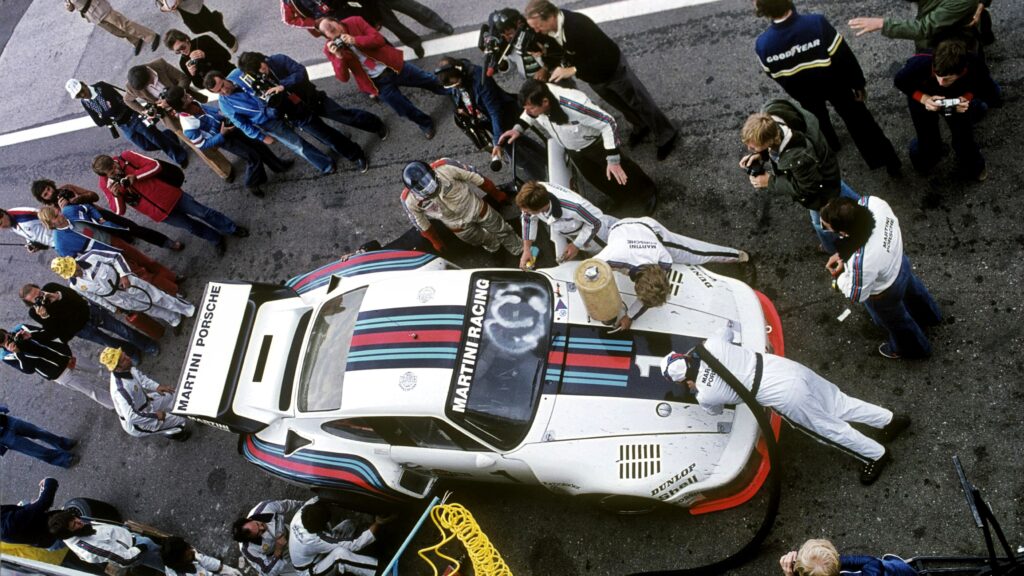
935 “Baby”: Lightweight for Sprint Racing
While the 935 was originally built for endurance racing, Porsche explored its potential in shorter sprint formats with the 935 “Baby.” The philosophy was simple: remove everything that wasn’t essential. Weight-saving measures were extreme—fixed seats, lightweight materials, even a drilled ignition key. The underbody was replaced with an aluminum frame, and steel components were minimized wherever possible.
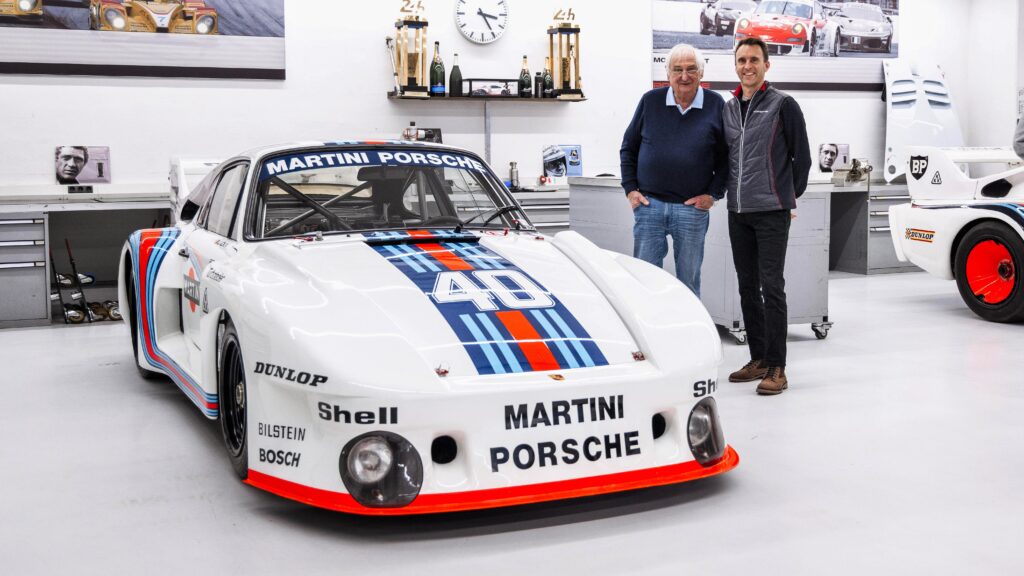
The result was a car that dipped below minimum weight regulations, powered by a high-revving 1.4-liter engine to compete in the two-liter class. According to factory driver Timo Bernhard, the car was subdued below 5,000 rpm but came alive at higher revs—demanding precision, focus, and respect from its driver.
935/78 “Moby Dick”: Pushing the Limits
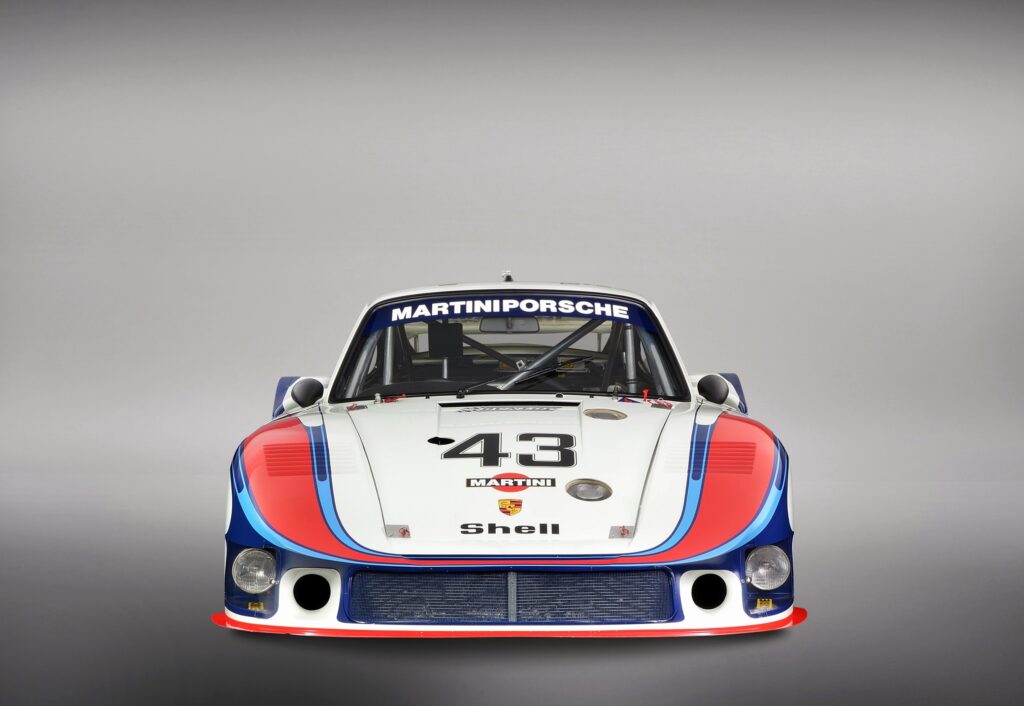
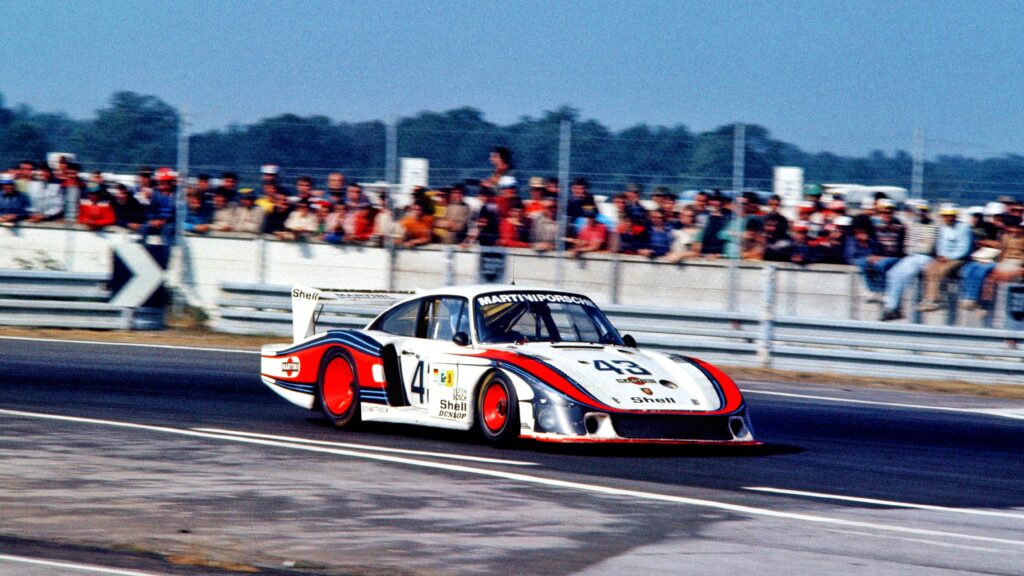
By 1978, Porsche had fully embraced the freedom of Group 5 regulations. The result was the 935/78, better known as “Moby Dick”—a car that pushed the concept to its absolute limits.
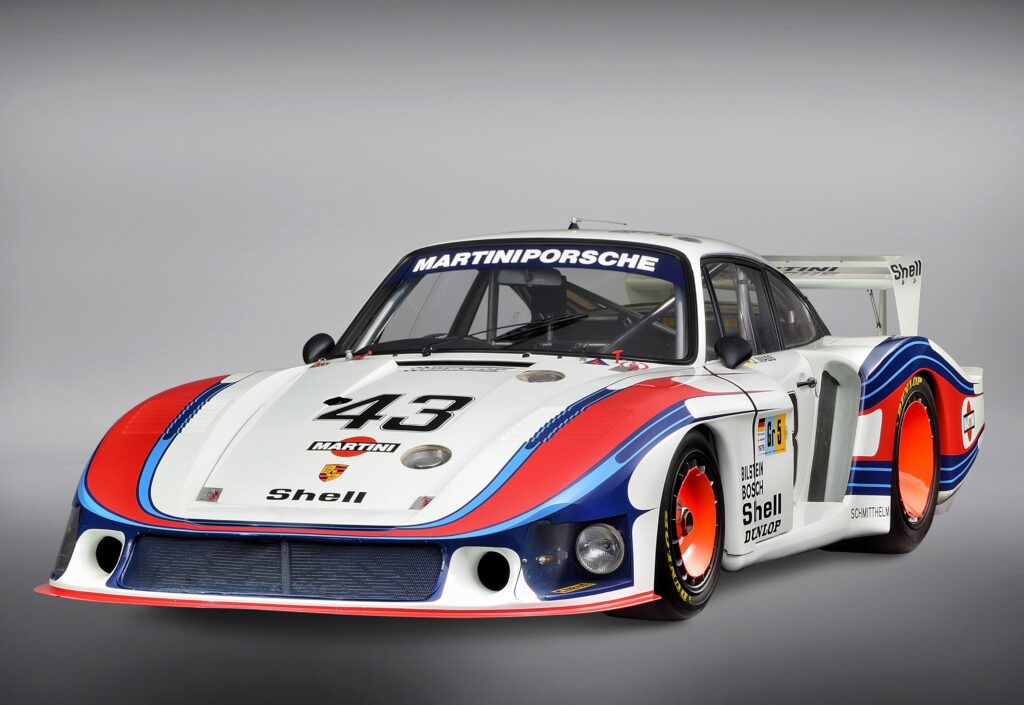
Gone was the familiar 911 silhouette. In its place was a long-tail body designed for minimal drag and maximum speed. Beneath it sat a 3.2-liter twin-turbo flat-six, featuring water-cooled four-valve cylinder heads—an advanced solution paired with traditional air-cooled cylinders.
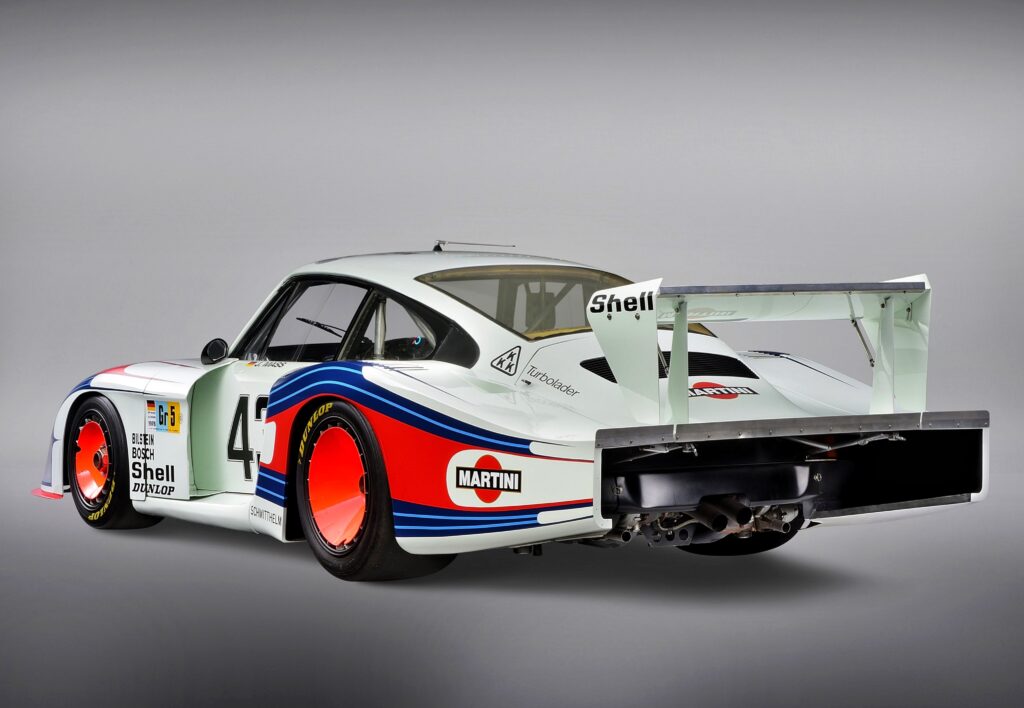
Output reached as high as 845 horsepower in certain configurations.
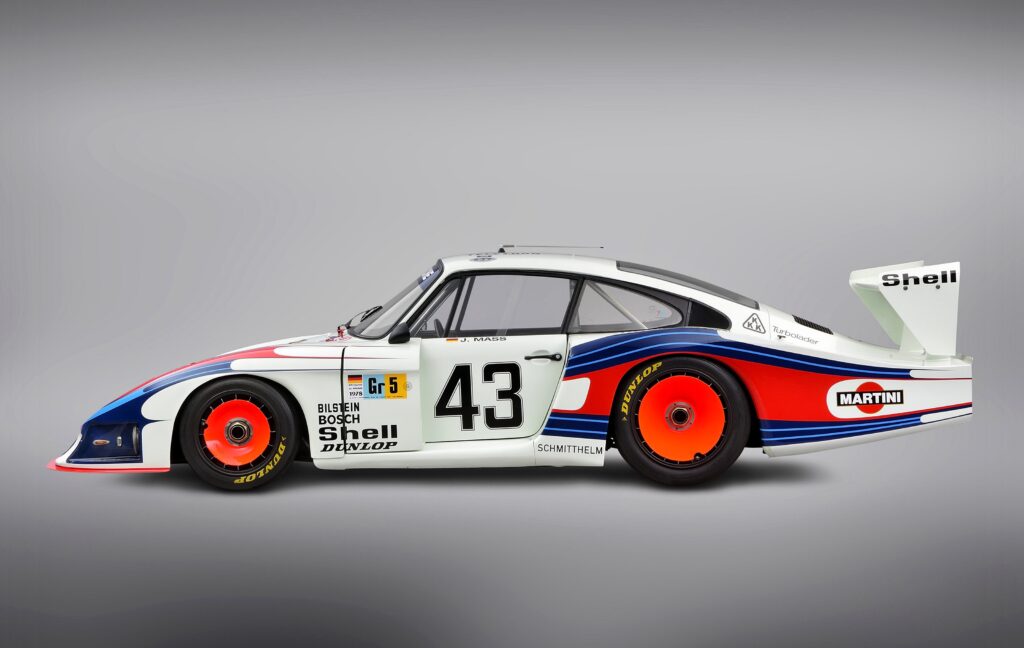
But as Singer emphasized, raw power wasn’t the only goal—efficiency and aerodynamic stability were just as critical. On the Mulsanne Straight at Le Mans, the car reached a staggering 366 km/h.
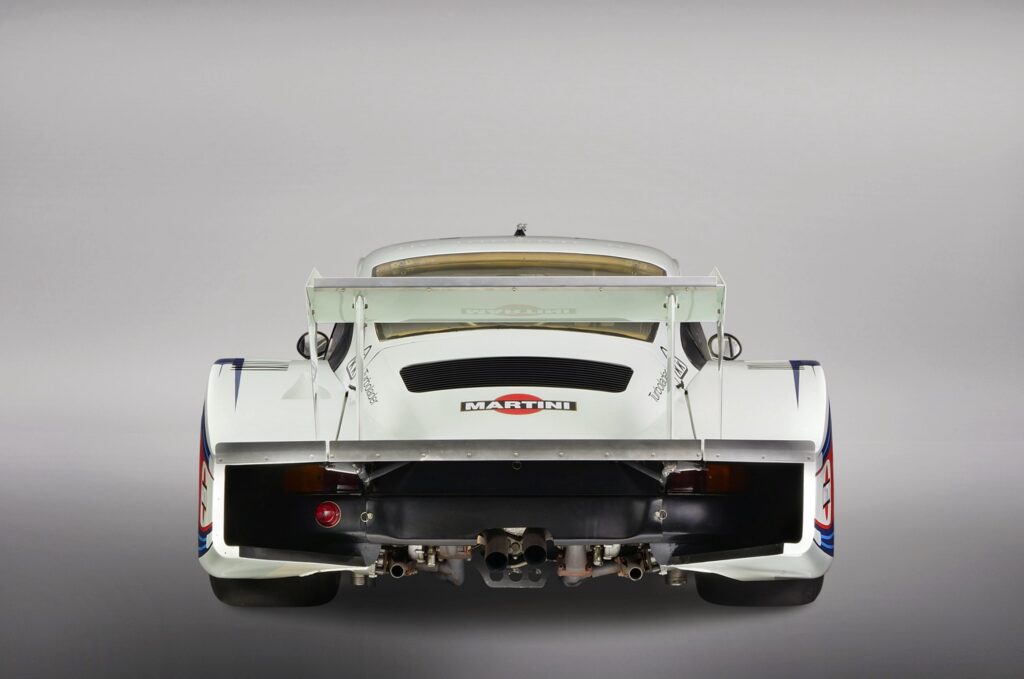
Despite its short career, with only two examples built, “Moby Dick” became the defining expression of the 935 program. It won at Silverstone and remains one of Porsche’s most memorable racing machines.