
As electrification gathers momentum and the industry races toward a software-defined future, the automobile is slowly changing. Efficiency improves. Emissions fall. Technology advances. And in many cases, power and torque rise.
Yet somewhere along the way, something is being left behind.
Driving is becoming increasingly digitized, filtered through layers of software, advanced driver-assistance systems, autonomous functions, and artificial intelligence. The act of driving itself is gradually being reduced from an engaging experience to a background task.
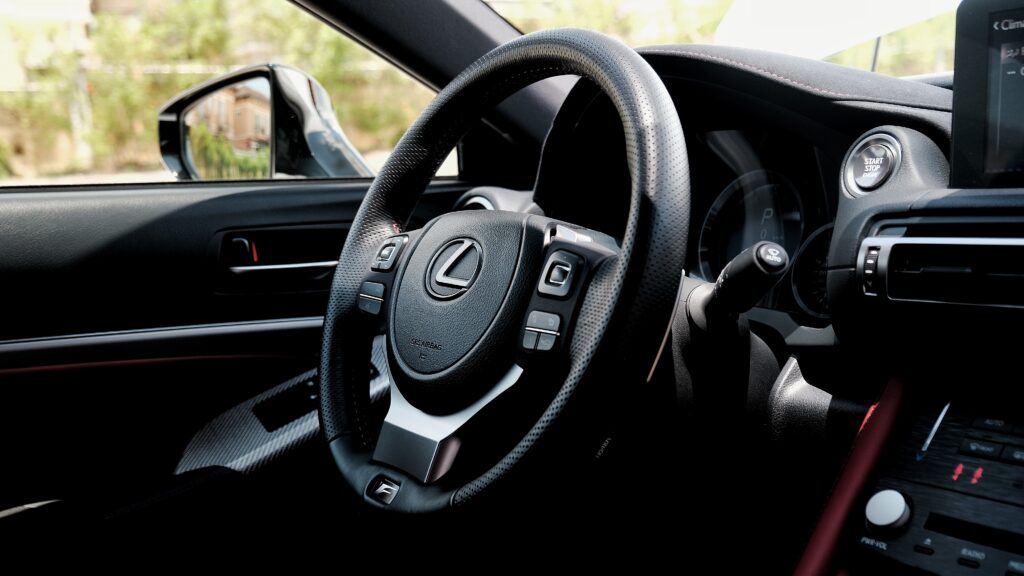
The naturally aspirated V8, long a symbol of power, prestige, and performance, is becoming a casualty of this transition.
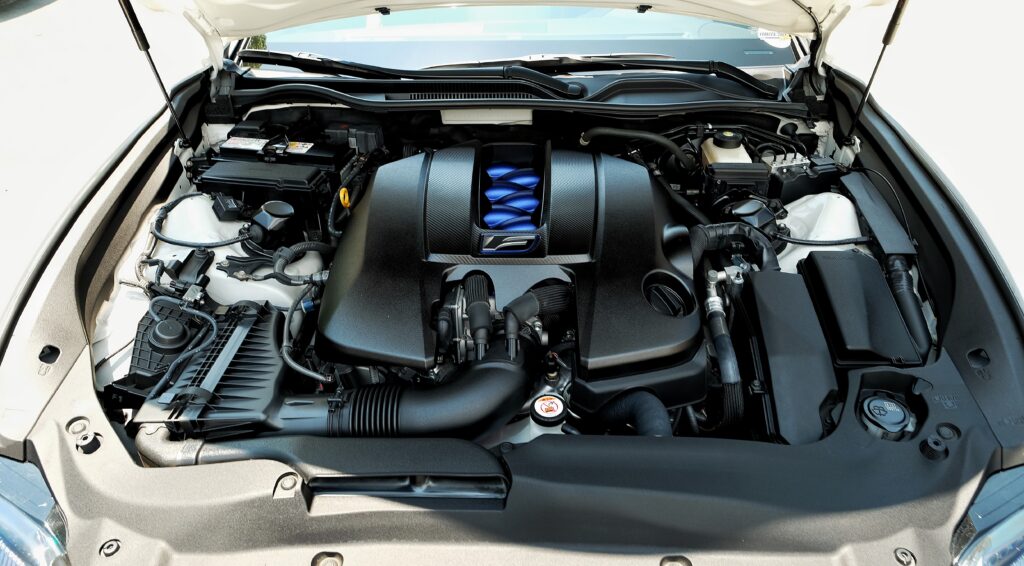
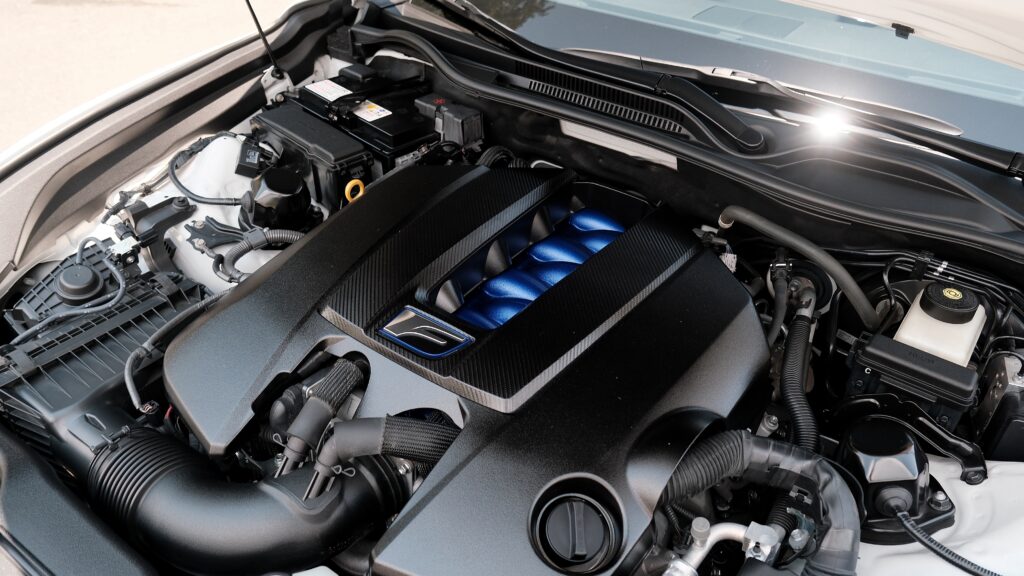
Among the finest examples was Lexus’ magnificent 2UR-GSE.
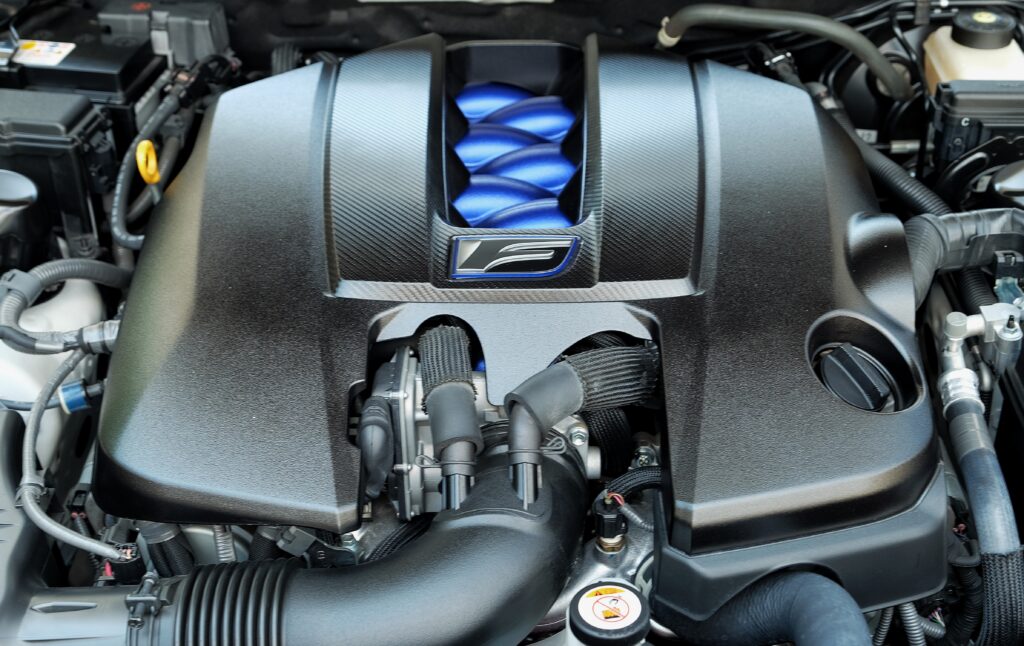
Co-developed with Yamaha, the 5.0-liter V8 powered some of the most memorable performance cars Lexus has ever built. From the IS F and GS F to the RC F and LC 500, the engine delivered a rare combination of responsiveness, refinement, and character. Depending on application, output ranged from 416 to 472 horsepower and between 503 and 540 Nm of torque.
More importantly, it always felt perfectly matched to the cars it powered.
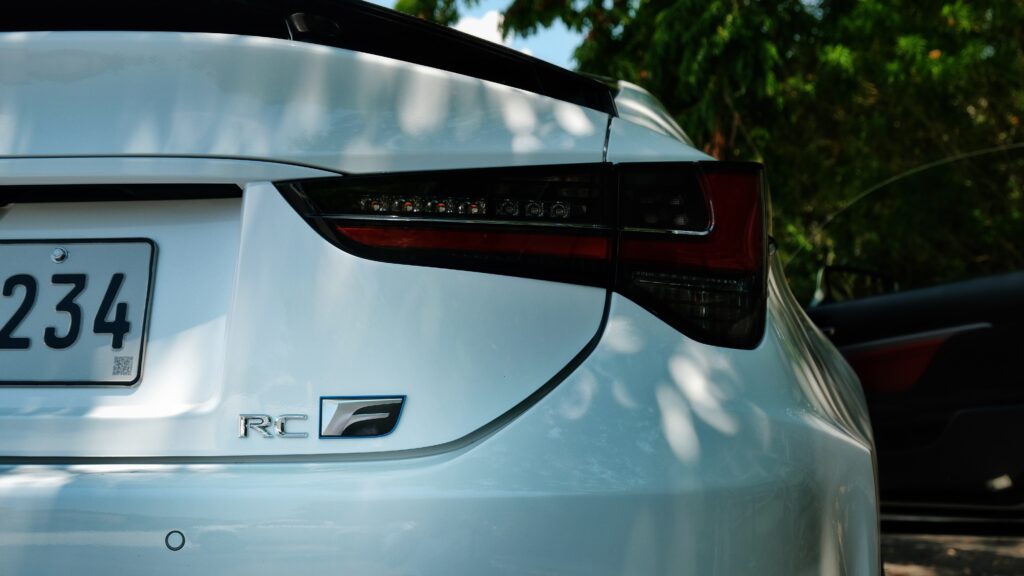
For Philippine enthusiasts, the RC F was arguably the most accessible expression of the 2UR-GSE’s brilliance. It became a favorite among those who appreciated naturally aspirated performance in an era increasingly dominated by turbochargers. A naturally-aspirated V8 engine with a banshee-like wail.
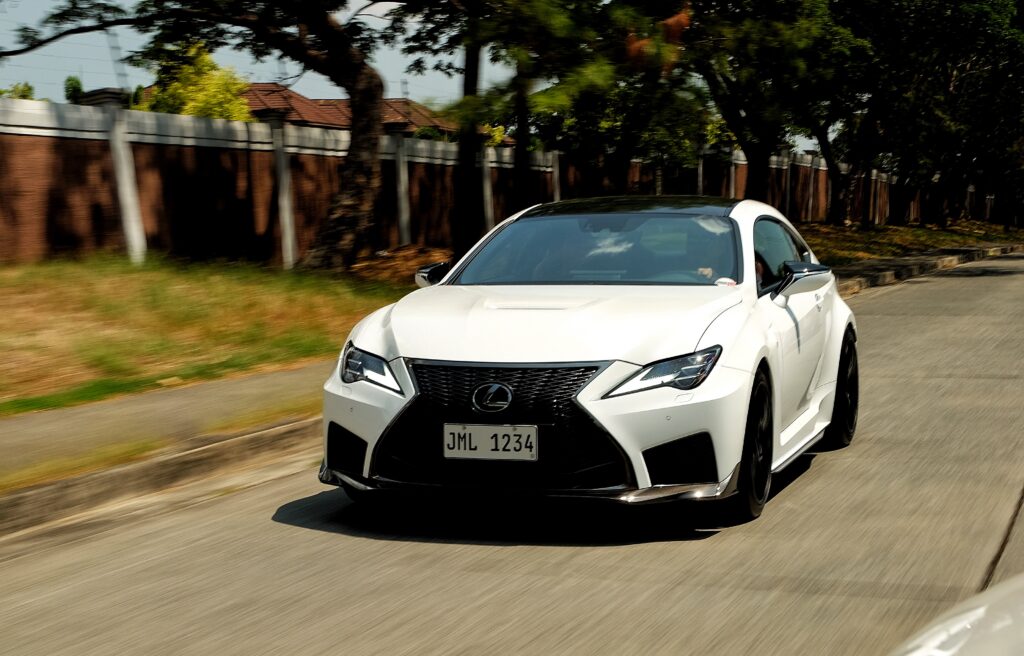
Driving the rear wheels via an 8-speed automatic transmission, the RC F demanded respect and your full attention. No electronic nannies like in most of today’s newest cars. In a generation weaned on front-engine front wheel drive cars, slow and steady hands were needed to first understand the dynamics of rear-wheel drive.
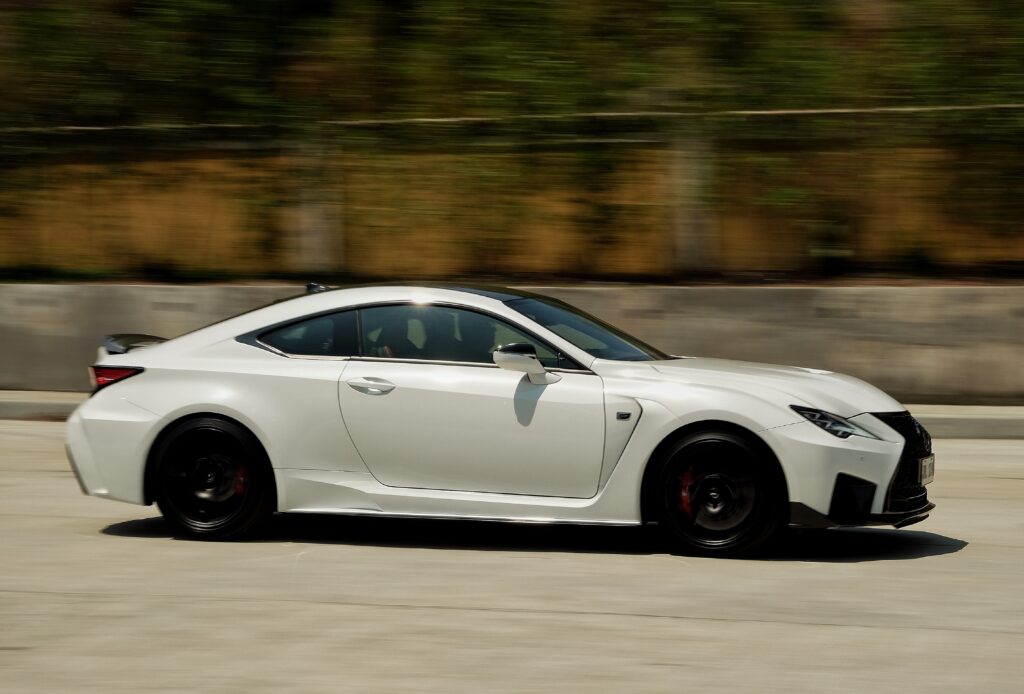
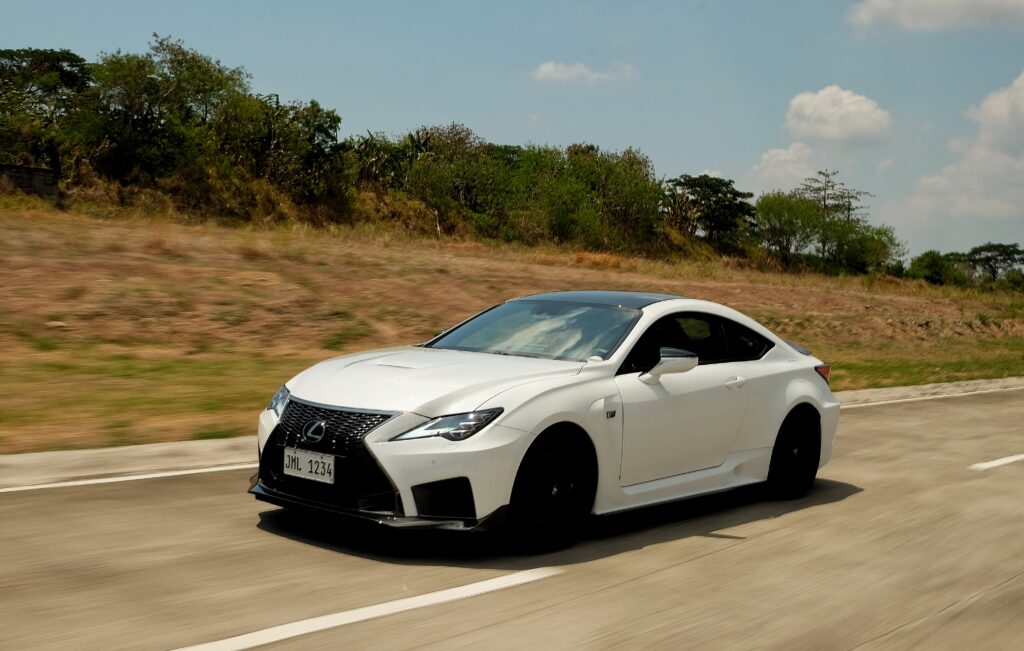
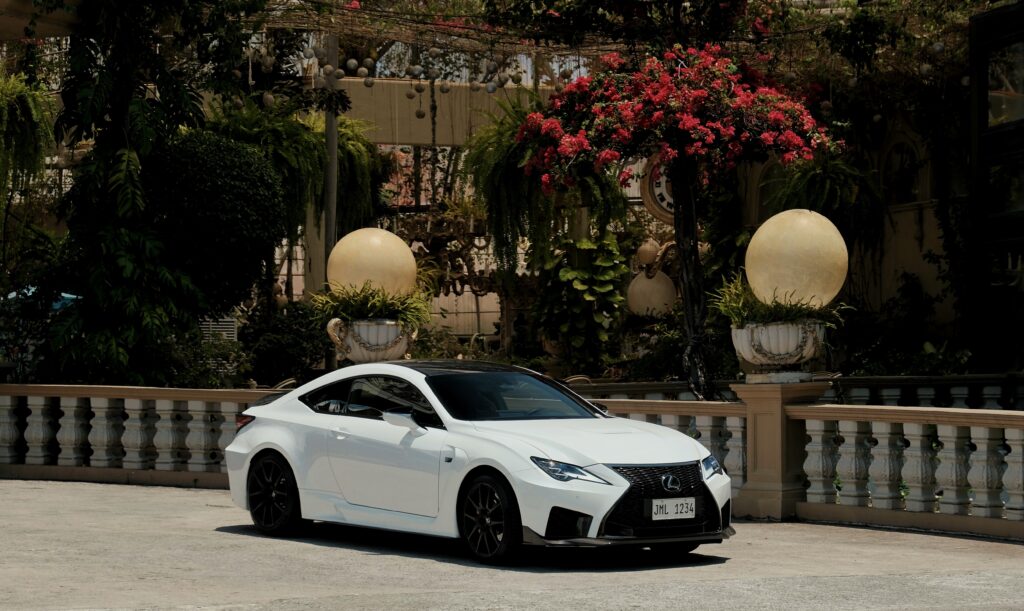
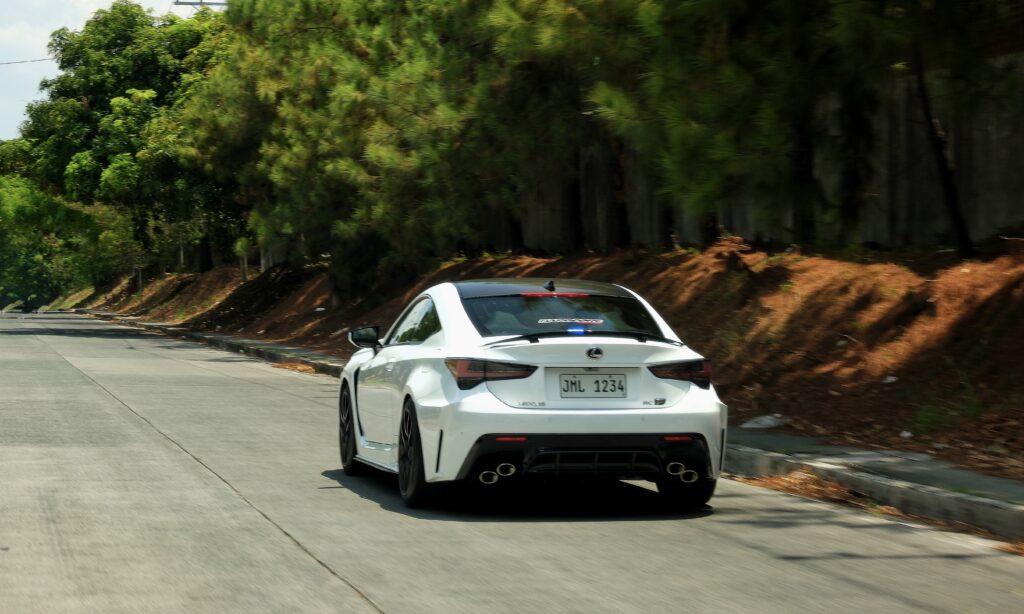
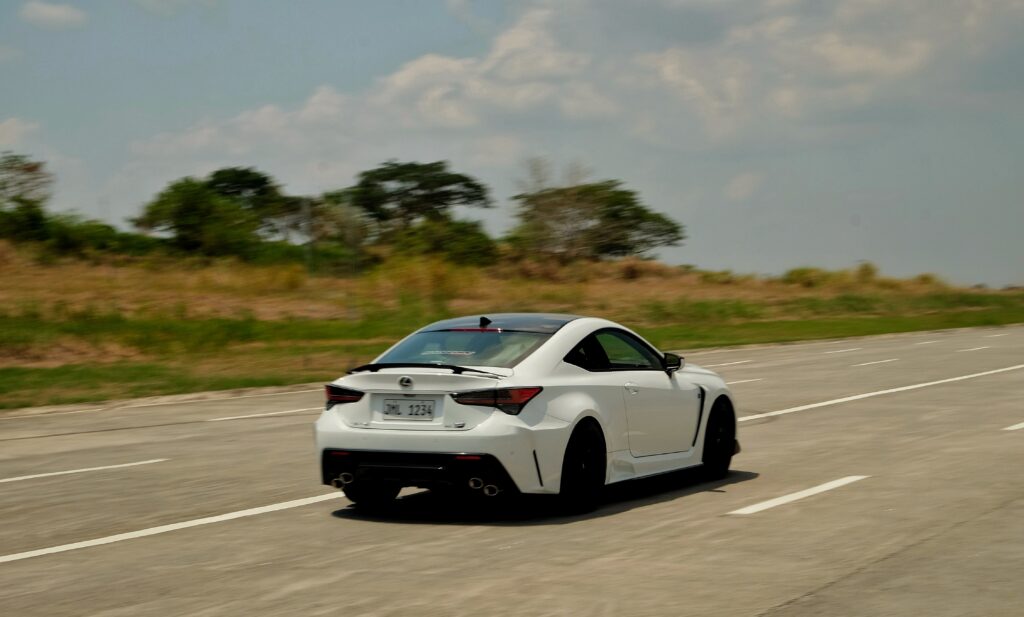
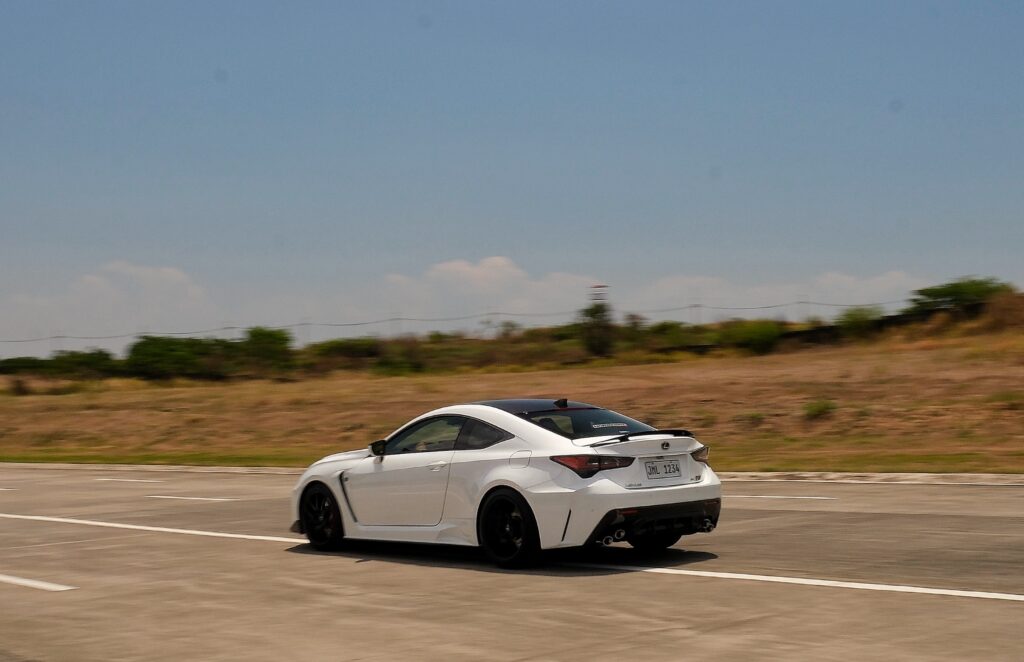
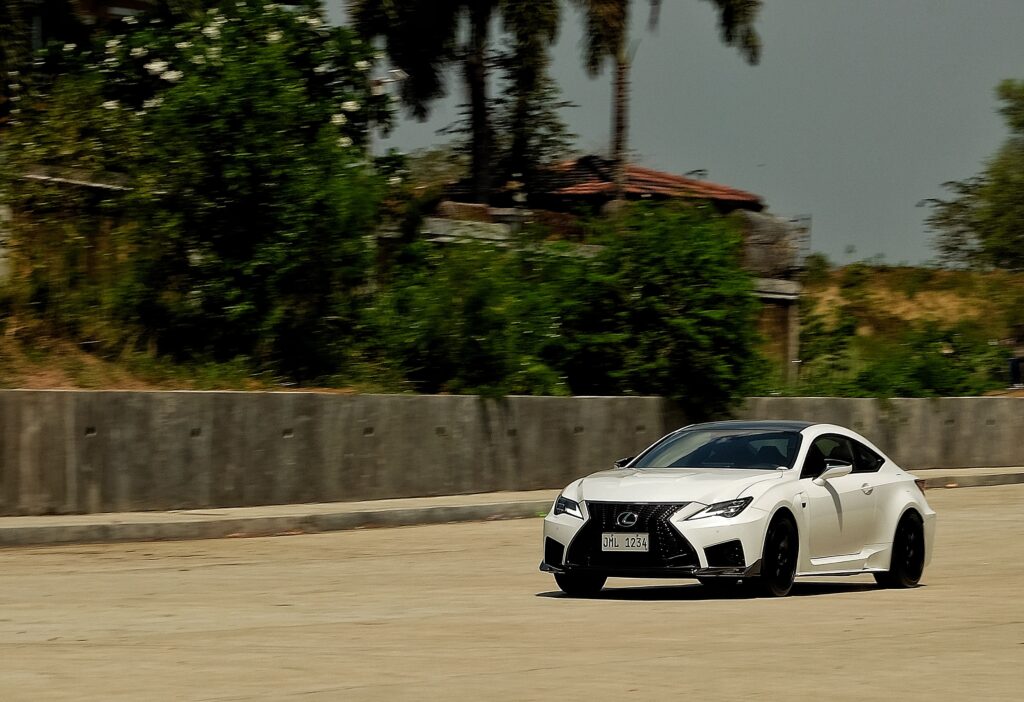
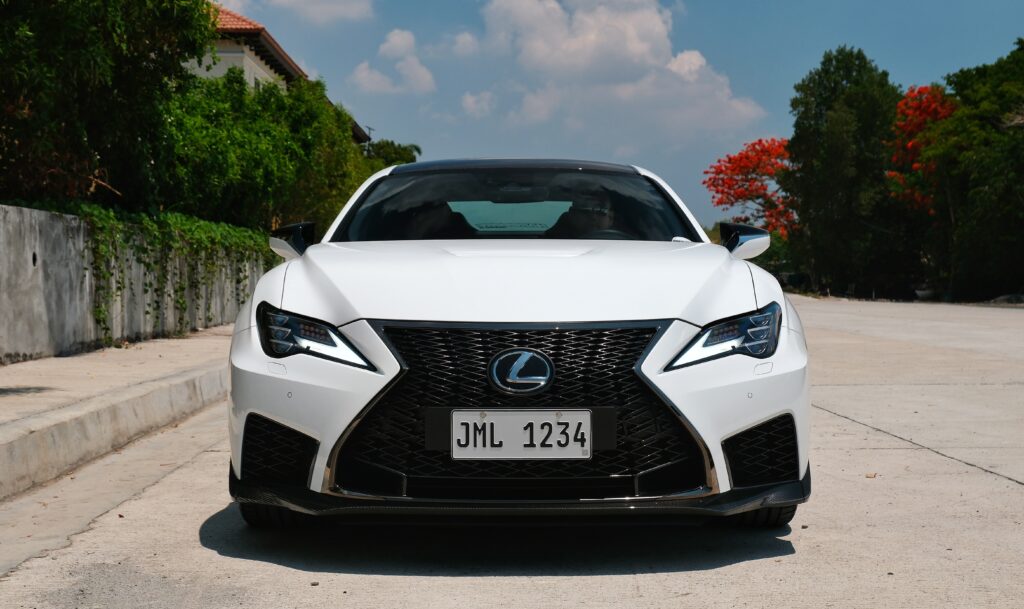
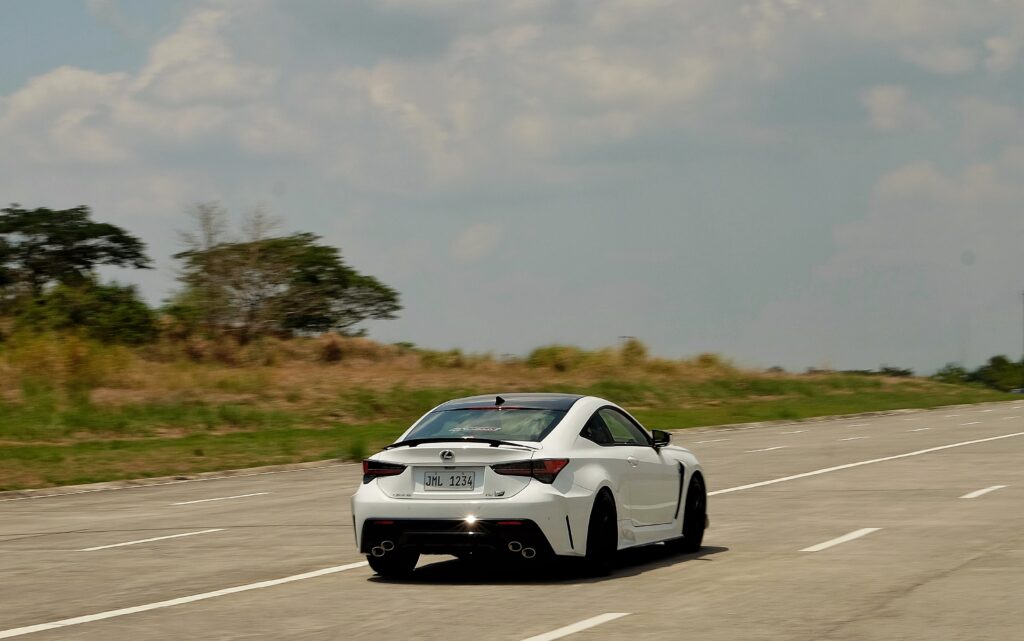
To remind ourselves just how special the car remains, we spent time with JM Lim’s Nova Glass Flake RC F Carbon Edition—the very last RC F sold by Lexus Manila.

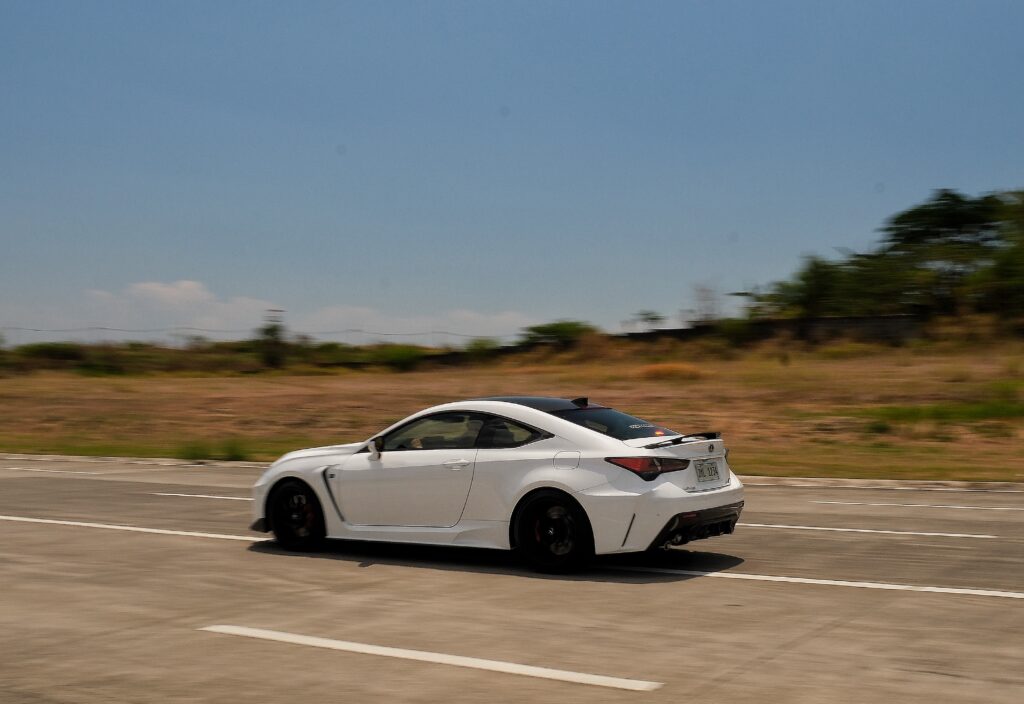
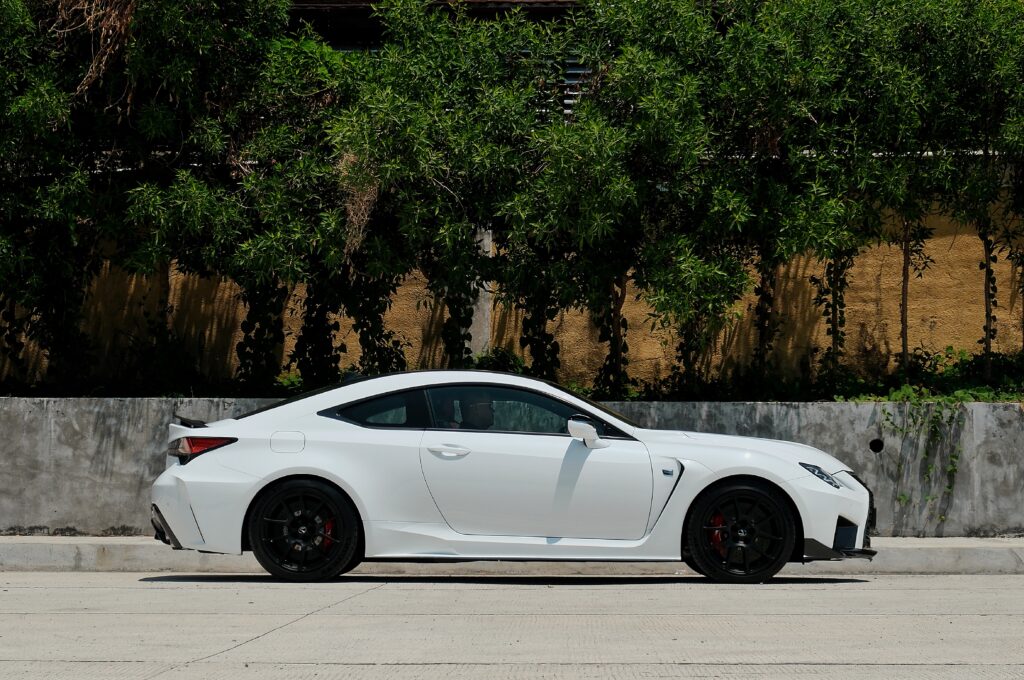
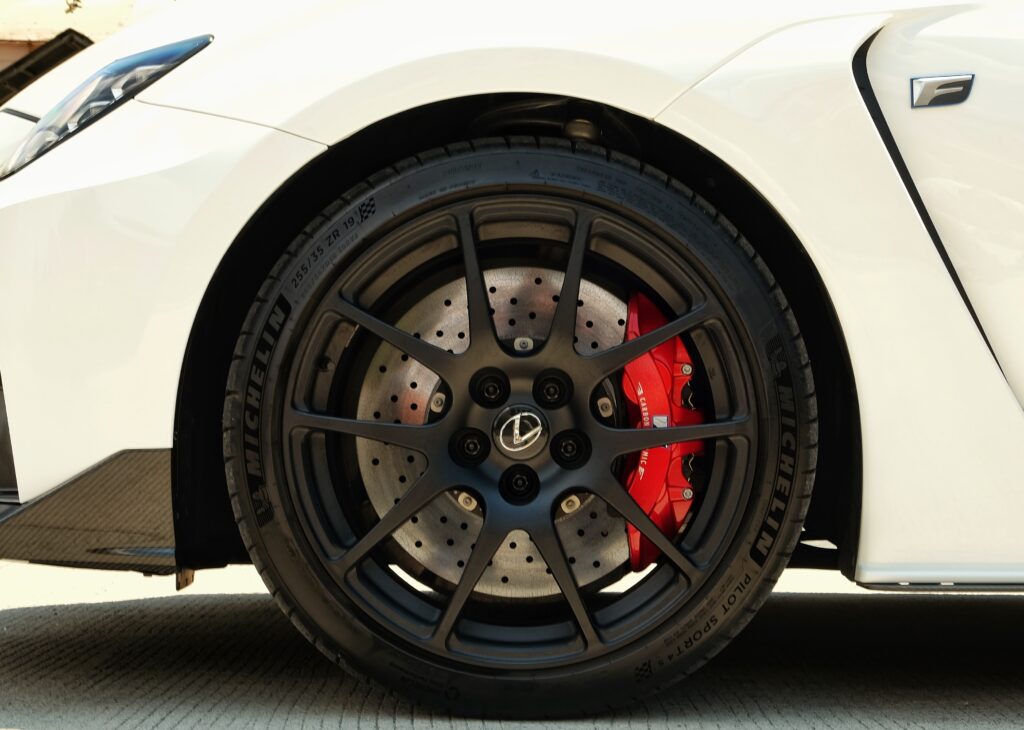
The Carbon Edition adds carbon-fiber front and rear aerodynamic elements, side skirts, and a lightweight carbon-fiber roof that helps lower the car’s center of gravity. JM’s example also rides on Michelin Pilot Sport 4S tires from the factory, adding even more grip to an already capable chassis.
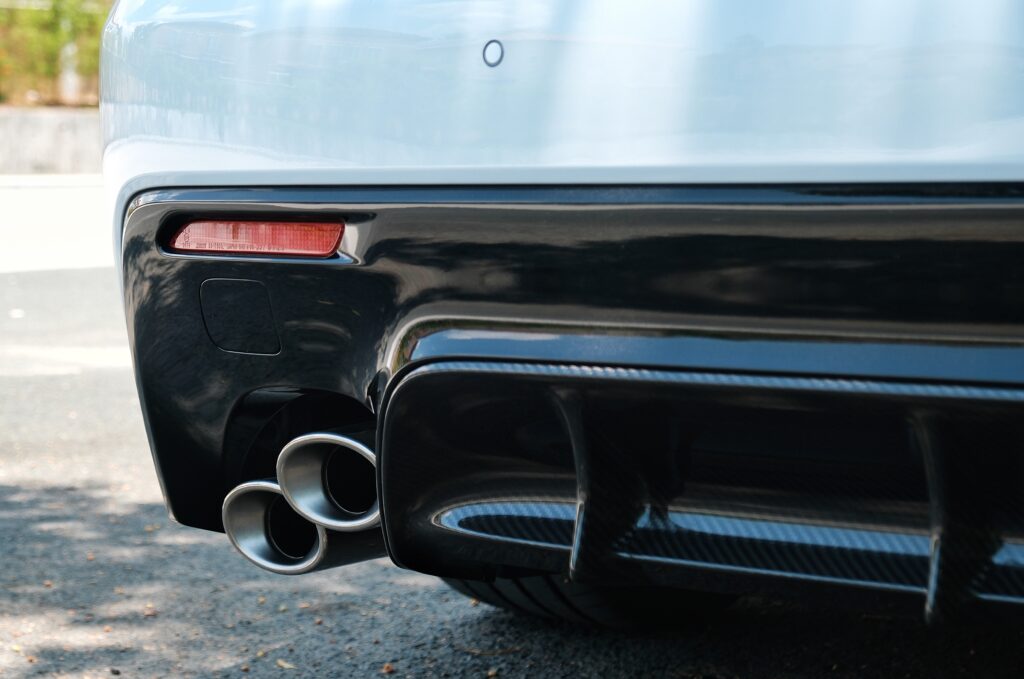
According to JM, one of the defining differences between Lexus F models and other vehicles that shared the same engine was thermal capacity. The RC F, GS F, and earlier IS F all featured larger engine-oil and transmission-oil coolers, allowing them to withstand prolonged high-performance driving and track use without compromise.
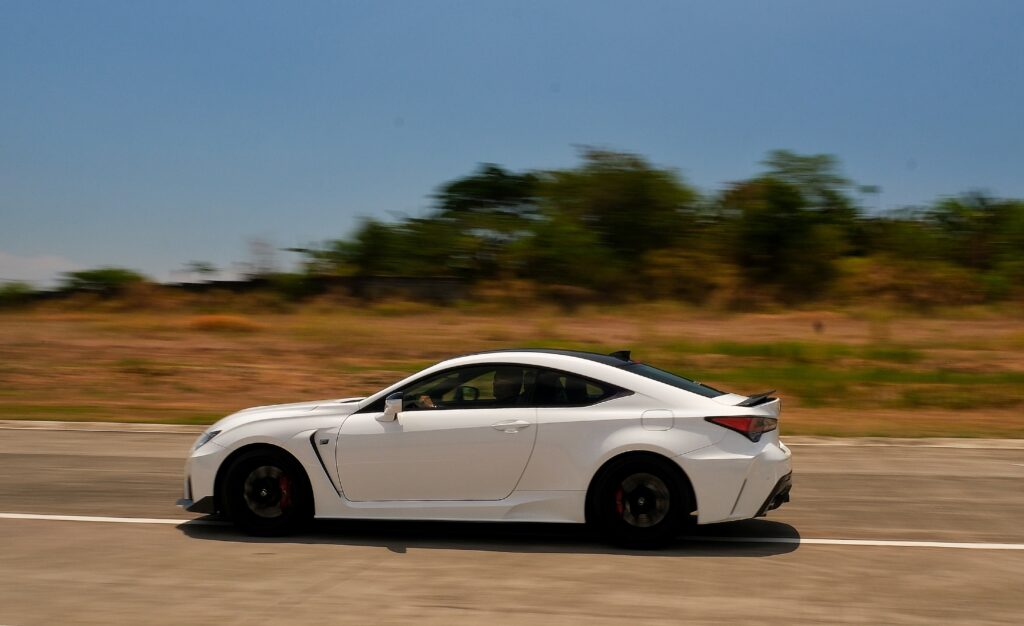
Having driven the RC F several times over the years, what continues to impress is its dual personality.
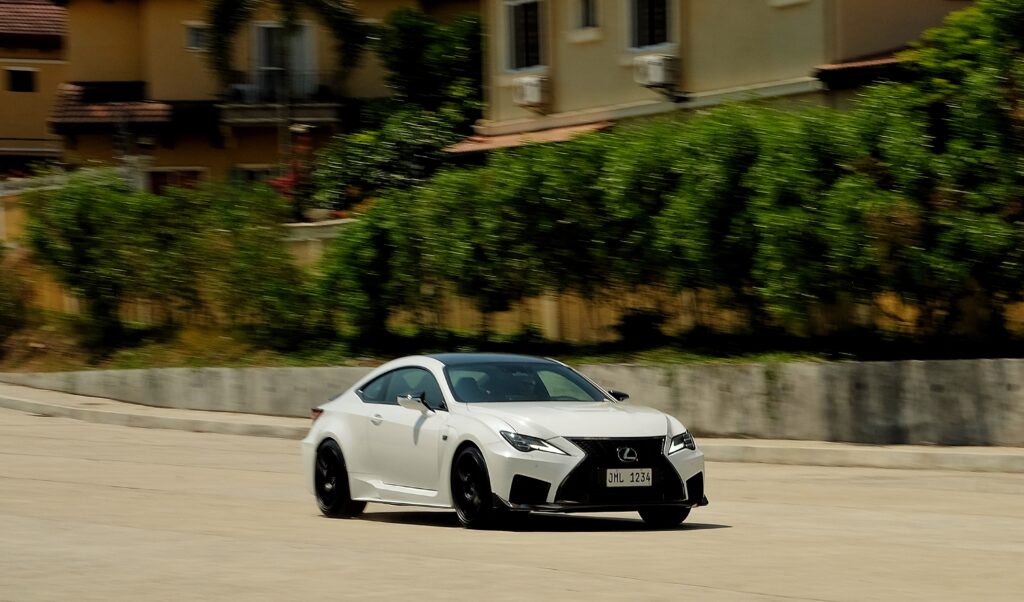
It may not be the sharpest tool in the shed, but that is precisely what makes it so appealing. Respect the car, be steady with your inputs, and the RC F’s limits are actually approachable and predictable.
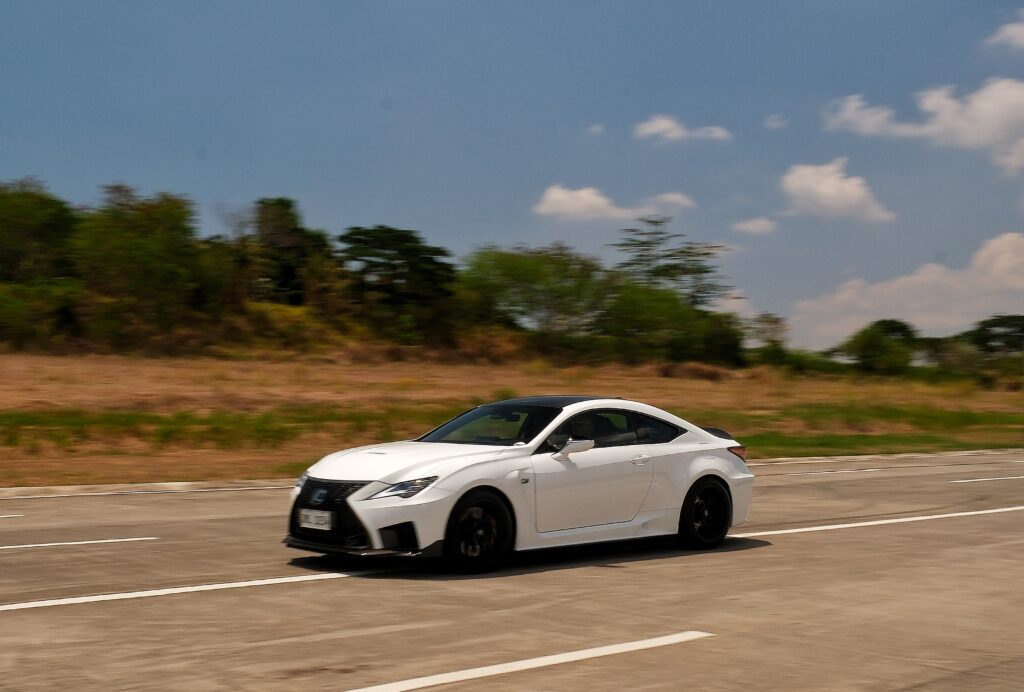
It also is very comfortable, and remarkably easy to live with. It never feels demanding or intimidating. Just get in, turn-on the mighty V8 and drive. It’s very flexible, very versatile. A true jack of all trades.
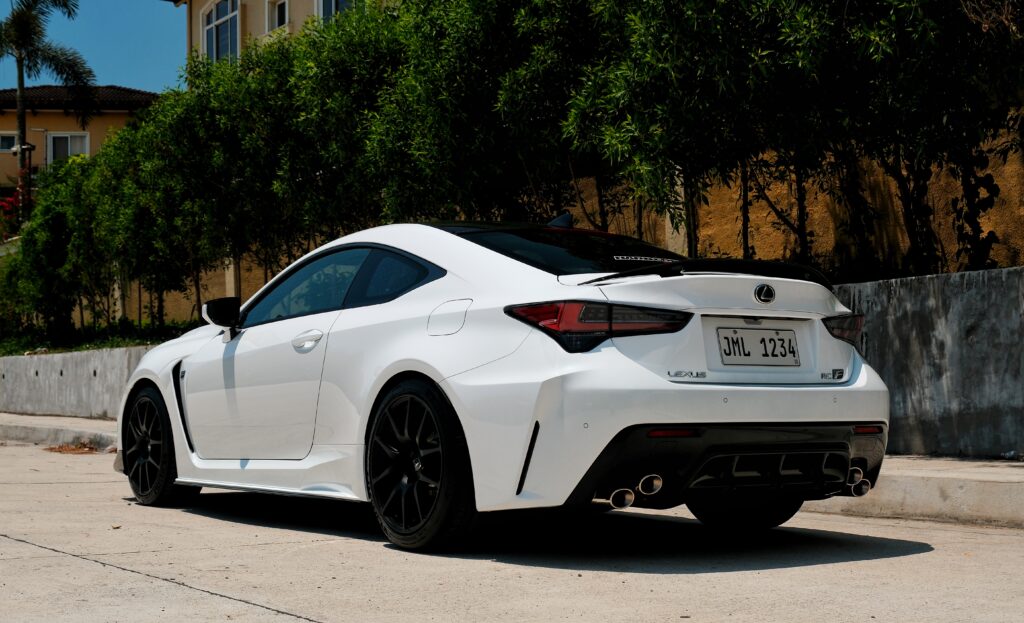
The platform itself is a fascinating blend of Lexus engineering. The front structure is derived from the larger GS sedan to accommodate the V8, while the center section traces its roots to the previous-generation IS with its exceptionally rigid side sills. At the rear sits the modern multi-link suspension architecture from the current IS.
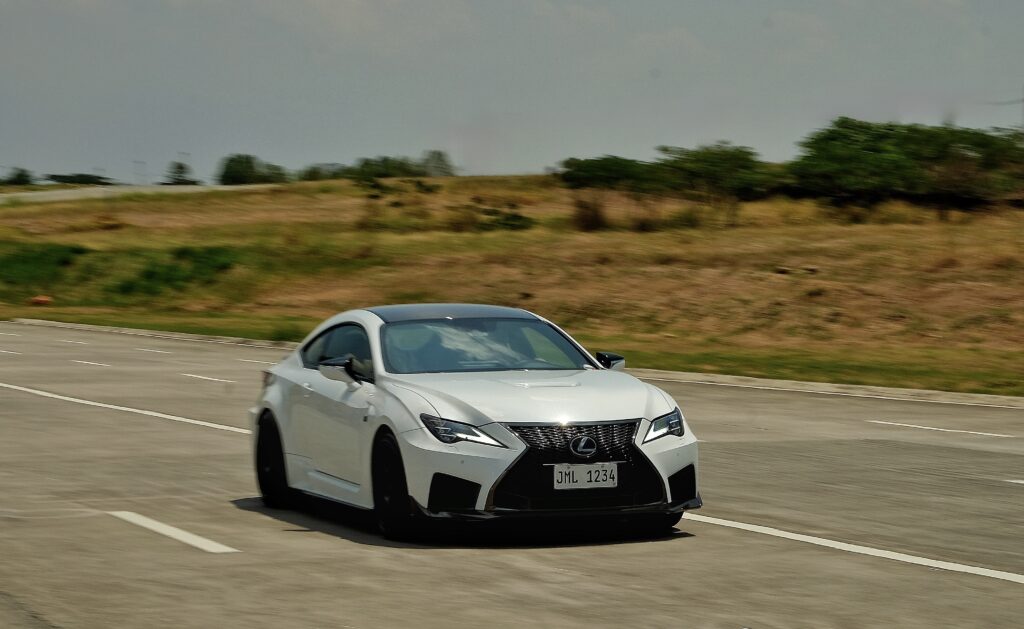
The result is a chassis that feels solid, balanced, and confidence-inspiring.
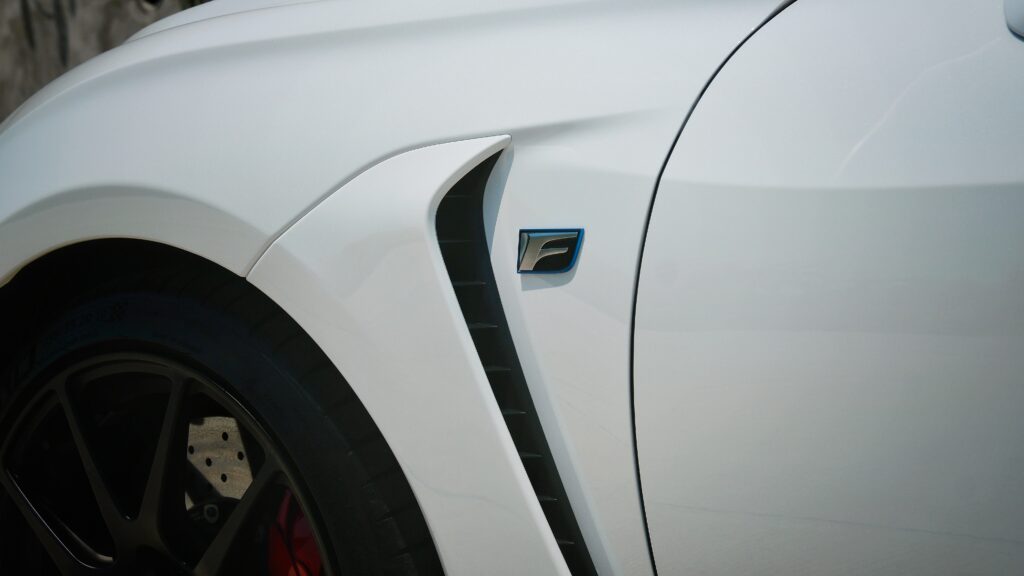
Although the “F” badge references Fuji Speedway—Toyota’s home circuit—and the RC F is undoubtedly capable on track, it feels most at home on open roads. Long-distance drives, sweeping A-roads, and fast cross-country journeys play directly to its strengths.
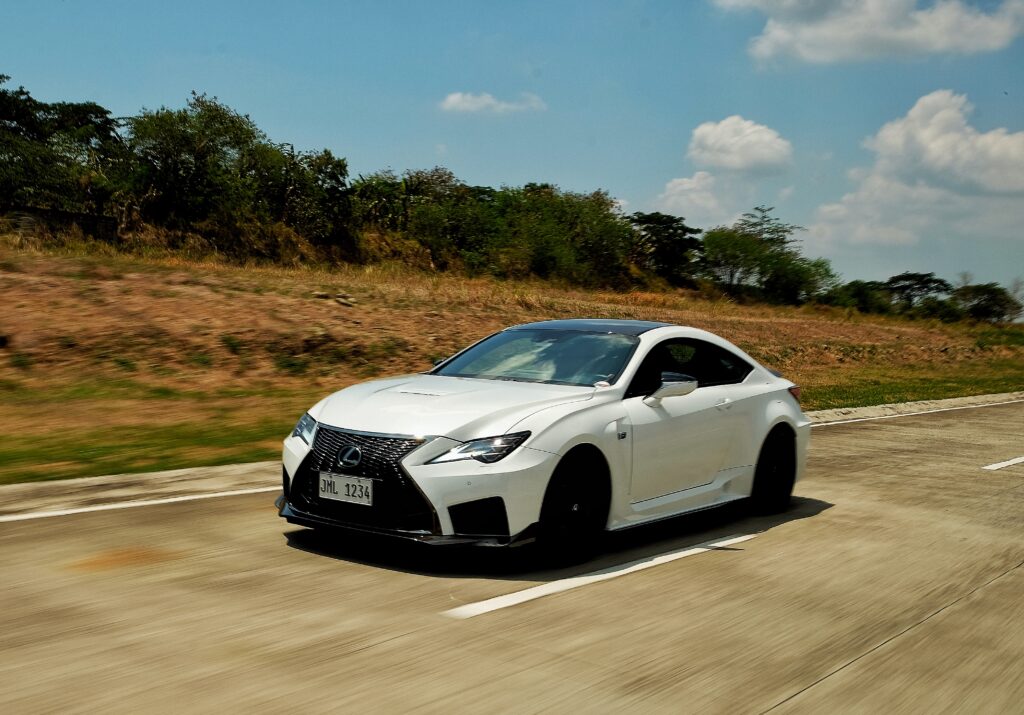
This is a true grand tourer.
Above 3,500 rpm, a secondary intake flap opens within the airbox, unleashing a harder-edged induction note that transforms the character of the engine. The V8 begins to sing, urging you toward the redline with an eagerness that feels increasingly rare in modern performance cars.
The sound is intoxicating.
The power delivery is linear and immediate. There is no waiting for boost, no artificial enhancement through speakers—just a magnificent naturally aspirated engine responding faithfully to every input.
The RC F feels alive.
It offers enough mechanical honesty to keep the driver engaged while retaining the refinement expected of a Lexus. The steering is predictable, the chassis approachable, and the overall driving experience rewarding without ever becoming exhausting.
Because it is so easy to live with, you find reasons to drive it.
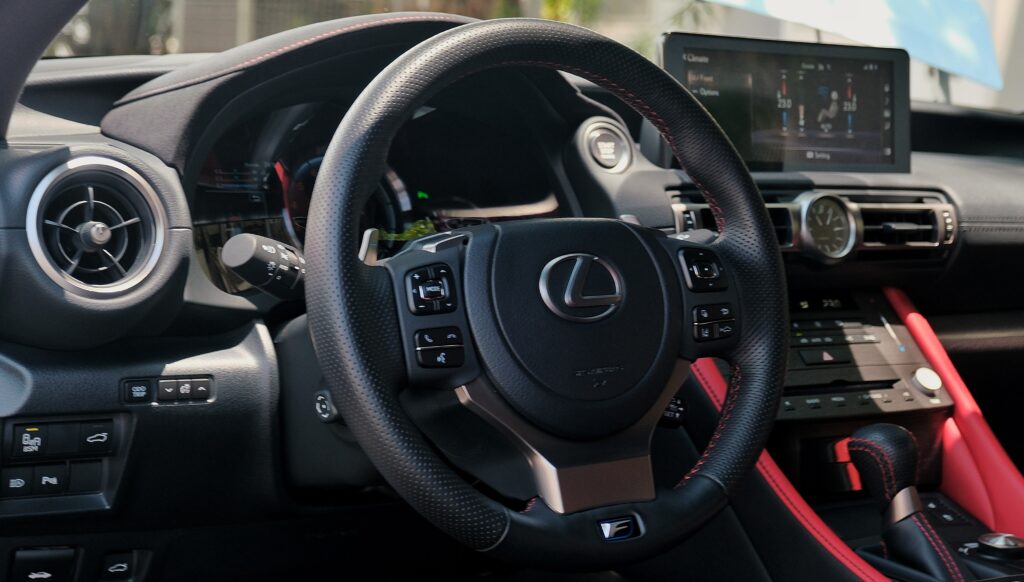
Rain or shine. The daily commute. The school run. Weekend escapes. Long highway journeys. Even the occasional track day. There is never a wrong time to use an RC F.
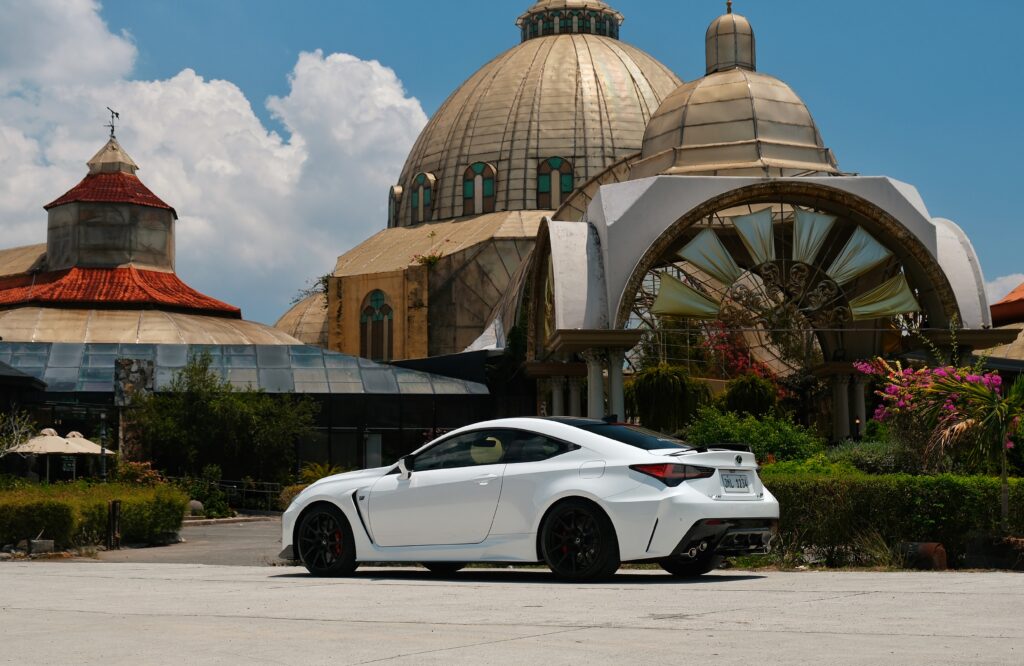
Performance remains deeply impressive even today. Zero to 100 km/h arrives in the low four-second range, top speed exceeds 270 km/h, and the quarter mile disappears in under 13 seconds. Not quite supercar territory, but close enough to command respect.
And unlike many exotic alternatives, it delivers that performance with legendary Toyota reliability and genuine long-distance comfort.
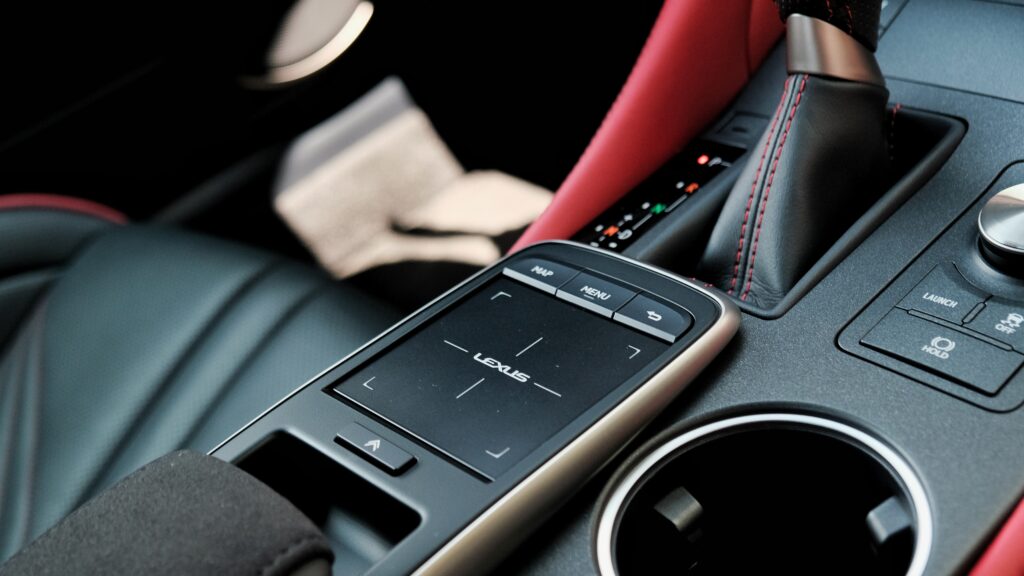
Of course time, and the world move forward.
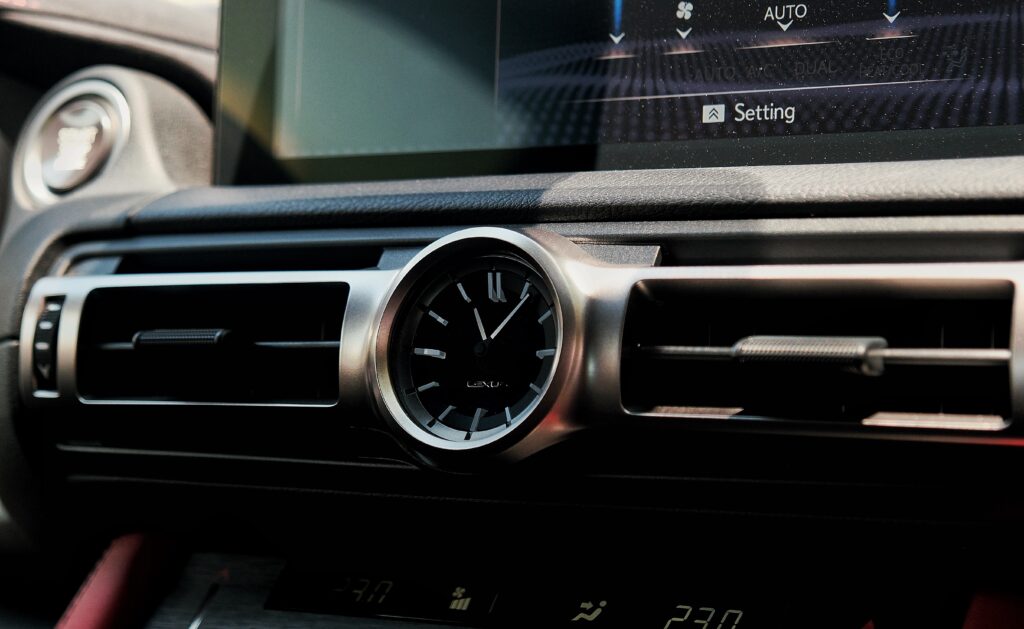
Electrification is inevitable, and the future promises remarkable advances in efficiency, sustainability, and performance. But progress often requires sacrifice.
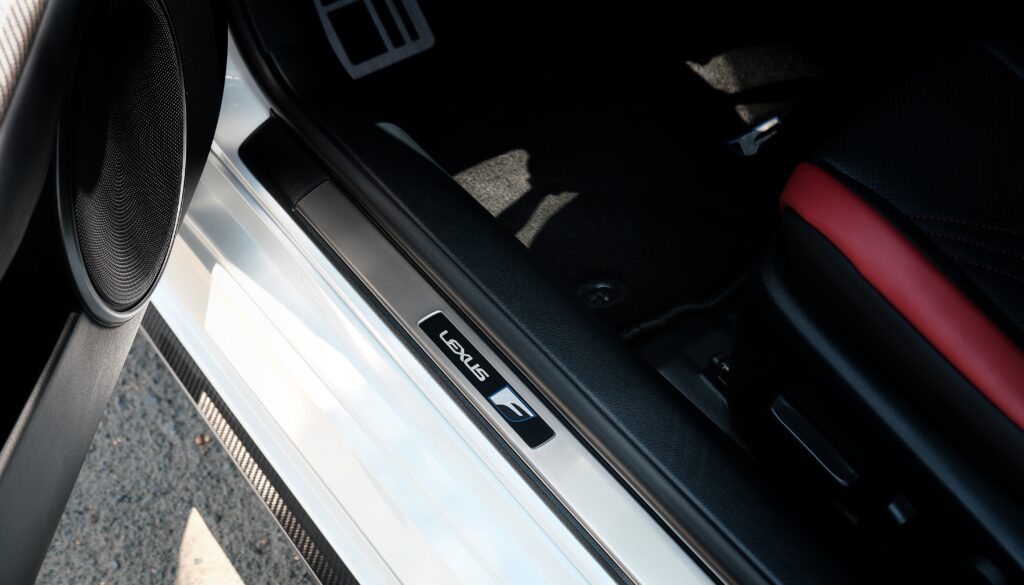
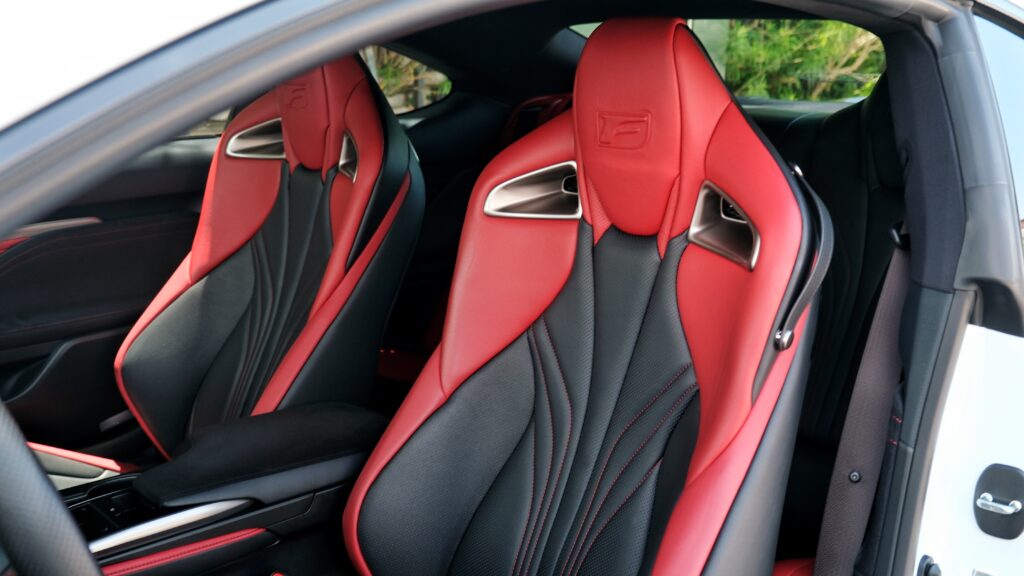
The era of great naturally aspirated V8s is drawing to a close. What remains are the memories: the sharp bark at full throttle, the instantaneous response, the mechanical honesty, and the sense of occasion every time you slid into the heavily-bolstered seats for a drive.
Cars like the Lexus RC F remind us of a time when performance was measured not only by numbers, but by emotion.
And for those fortunate enough to have experienced them, that is something worth remembering.