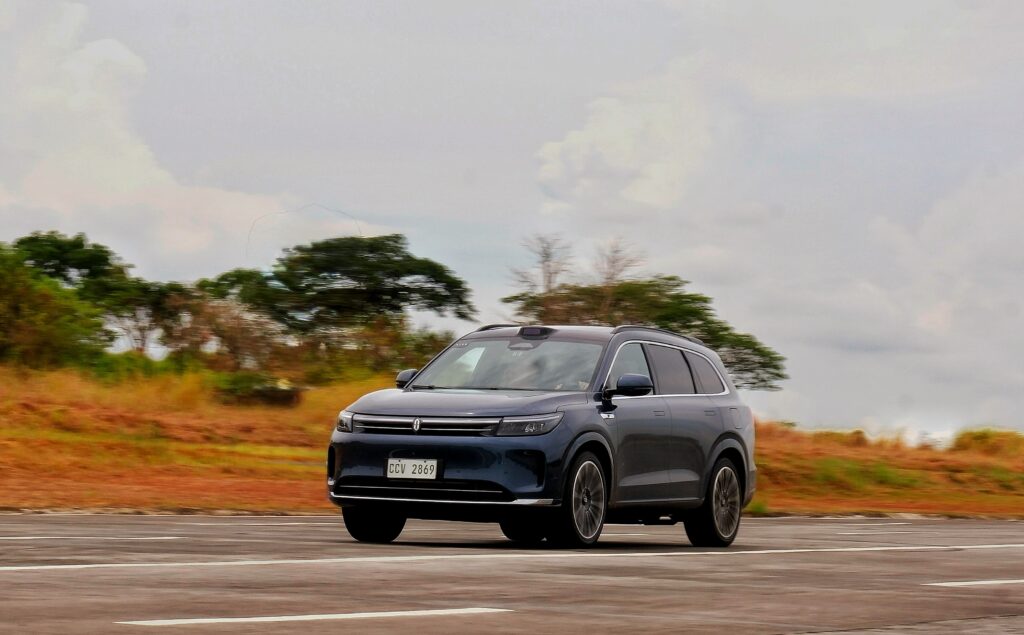

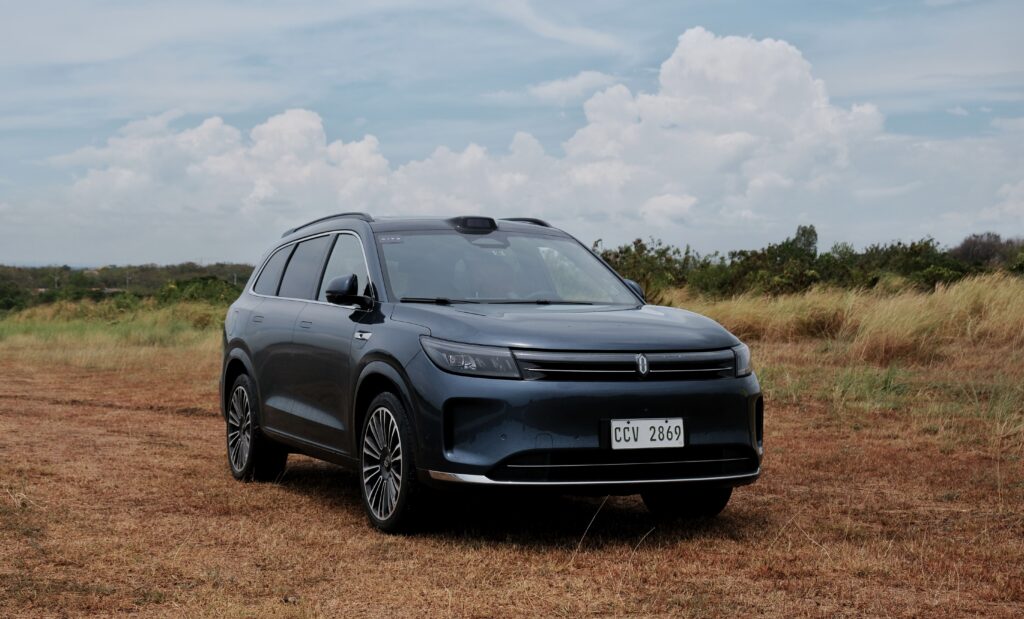
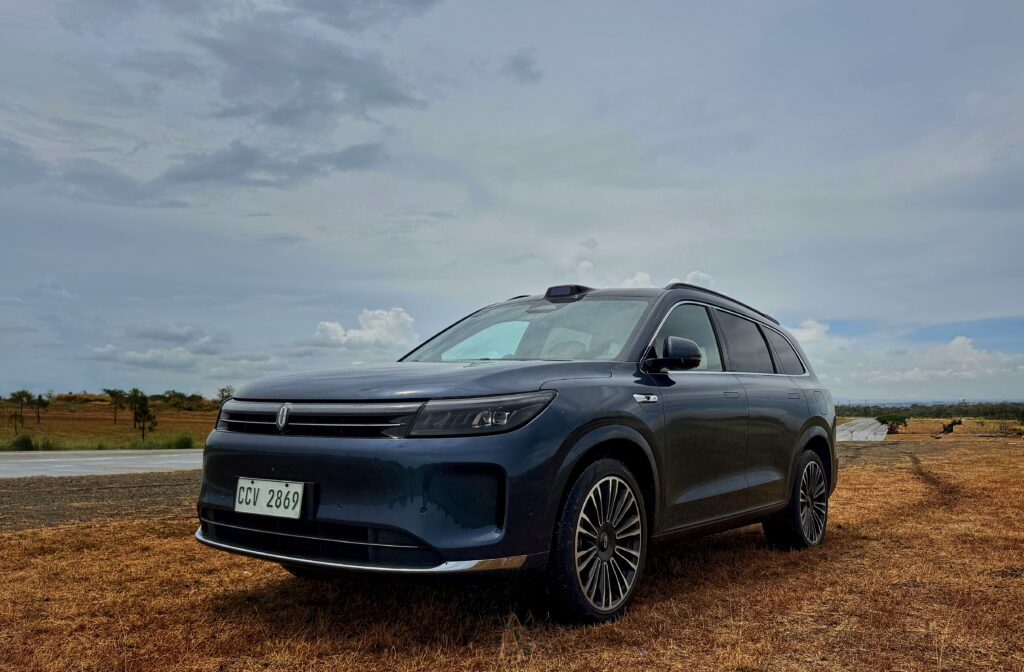
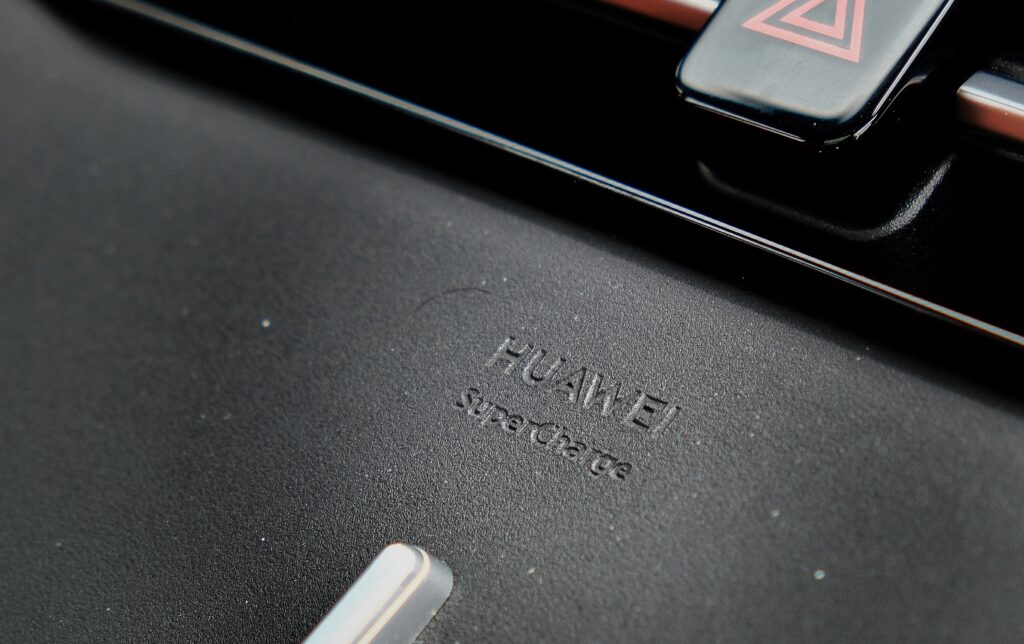
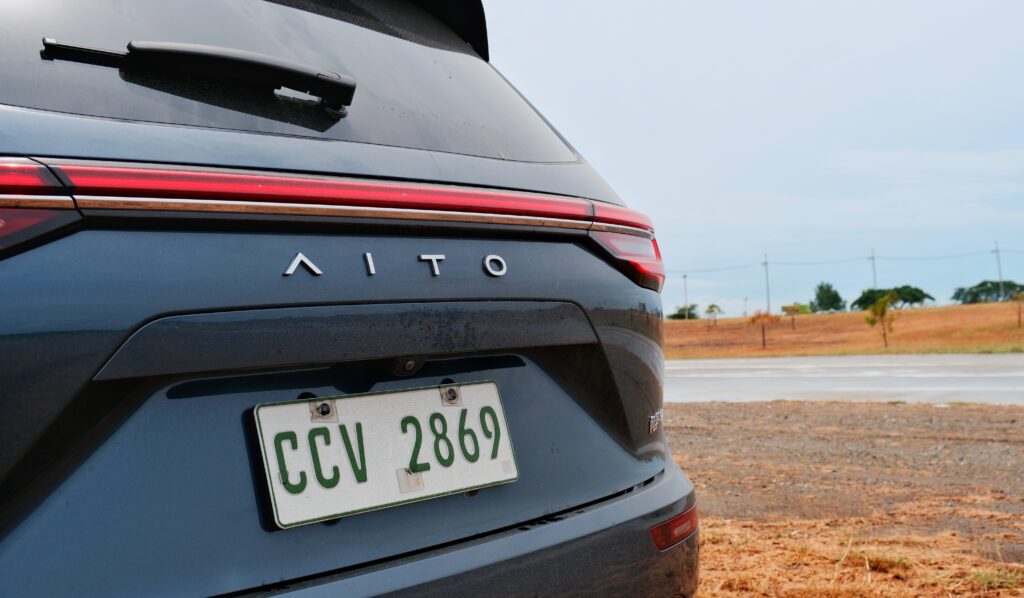
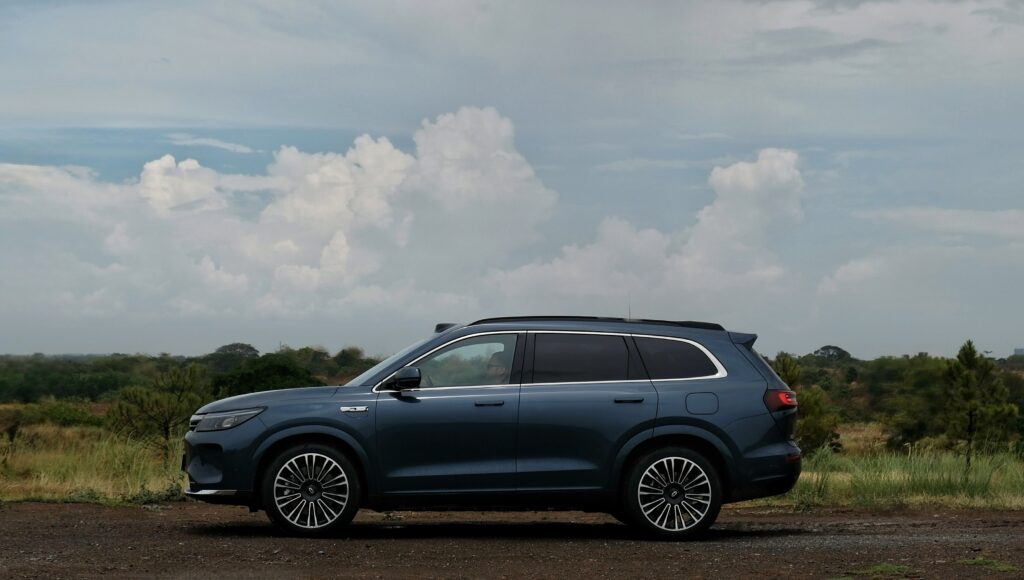
The most memorable, some say perhaps controversial aspect about the M7, Aito’s full-size 6-seat crossover is that it was co-developed with Huawei.
For years, Huawei was under suspicion for spying in Western markets, accused of everything from data collection to potential state-backed surveillance of foreign powers. While no definitive evidence ever formally proved these allegations, the controversy was enough to see Huawei’s products banned across several countries, cut off from major Western ecosystems.
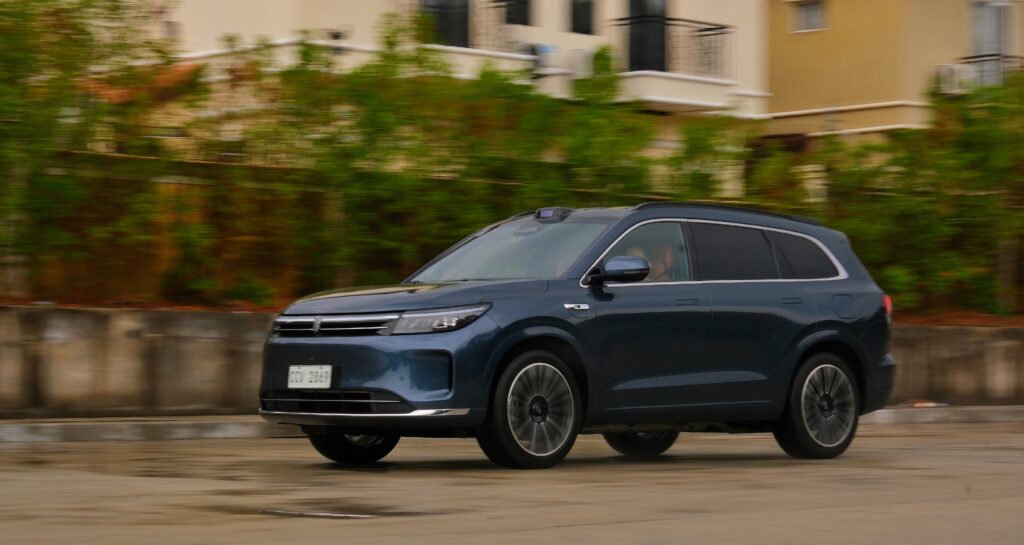
Separate the politics from the product itself however, and Aito’s M7 emerges as something undeniably impressive: a highly sophisticated luxury crossover that blends comfort, efficiency, and astonishing technology into one remarkably polished package. This is China when it sits down, rolls up its sleeves and gets serious.
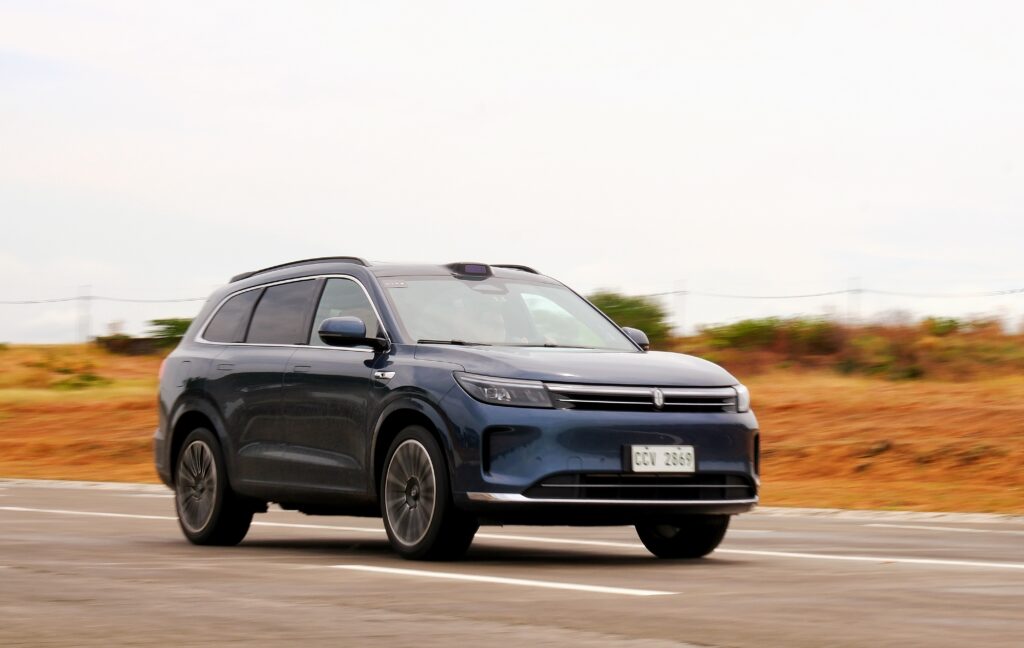
And in many ways, that perfectly reflects the rapid evolution of the modern Chinese automobile industry itself. From cheap copycats, to today’s technological powerhouses.
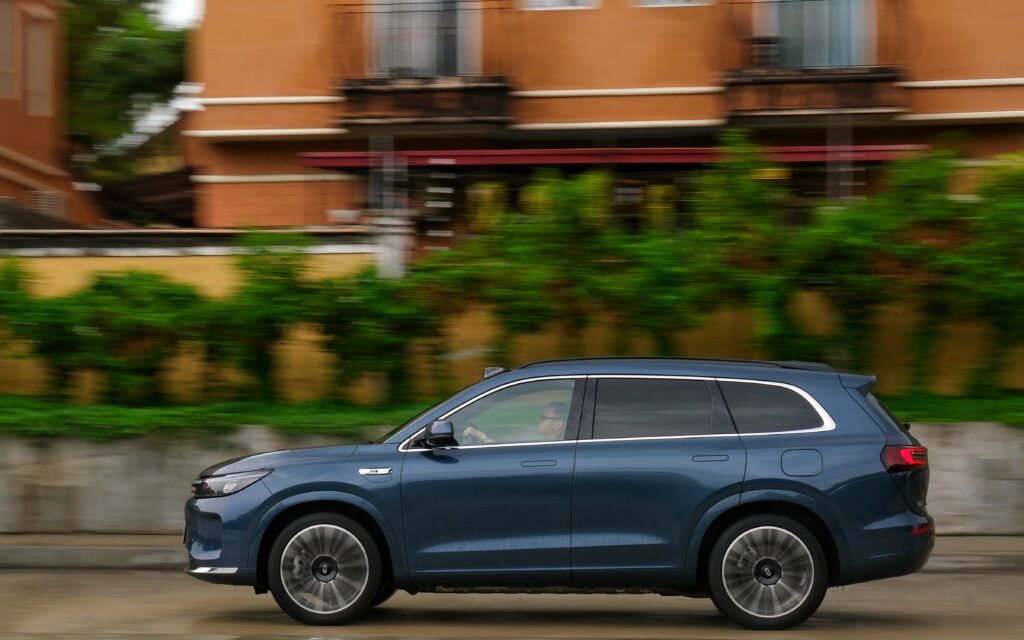
A lifetime has passed since Chinese cars were viewed as disposable, inexpensive alternatives that sorely lacked refinement, engineering depth and desirability. Today, many of these brands have leapfrogged established manufacturers particularly in areas like electrification, software integration and autonomous driving systems. Cars are no longer judged solely by horsepower figures or Nürburgring lap times, but increasingly by computing power, connectivity, and user experience.
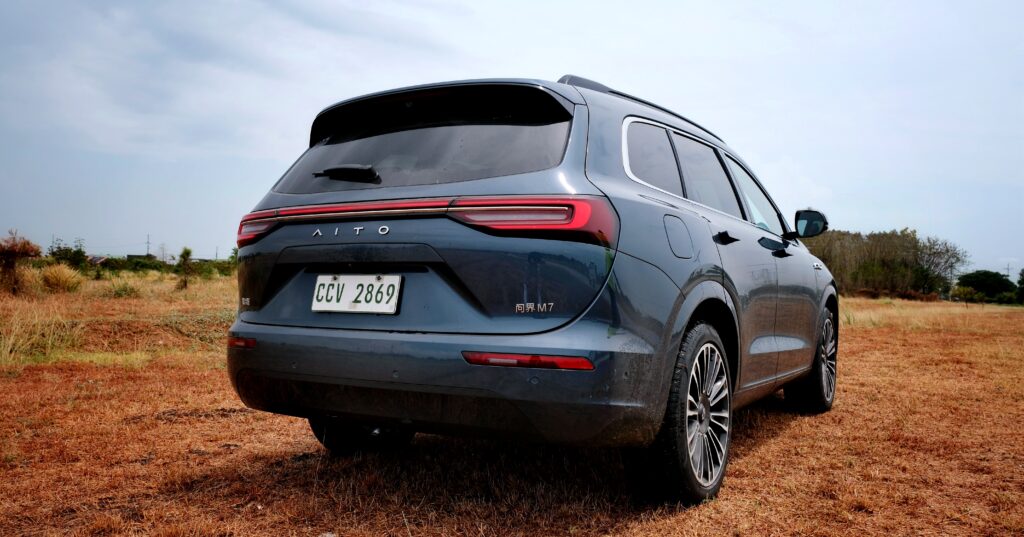
The M7 feels very much like a product born from this new philosophy. Not just a copy, but of a truly different way to build a car that integrates well with an ever-evolving society.
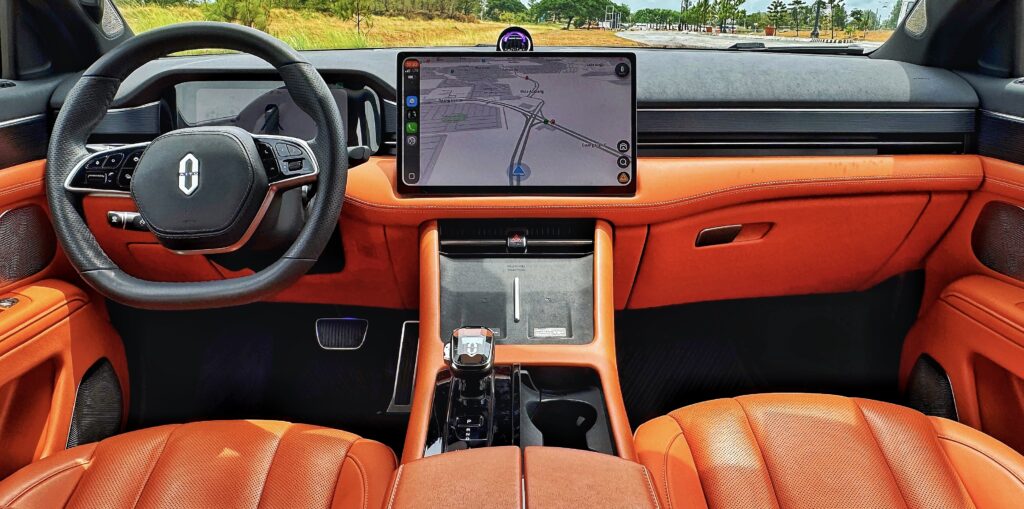
The cabin immediately blows you away.
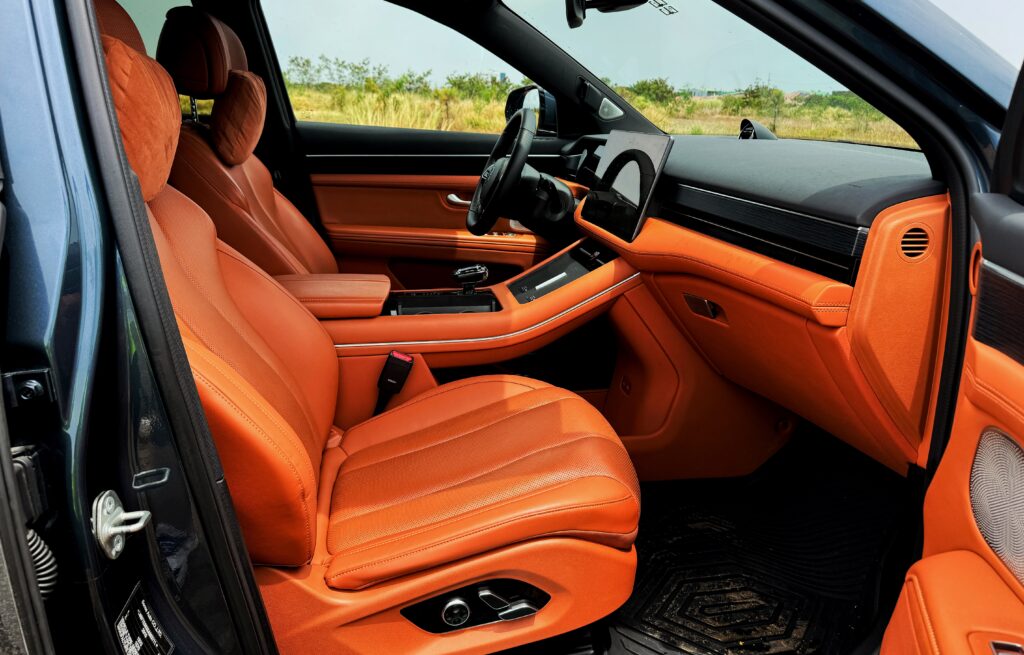
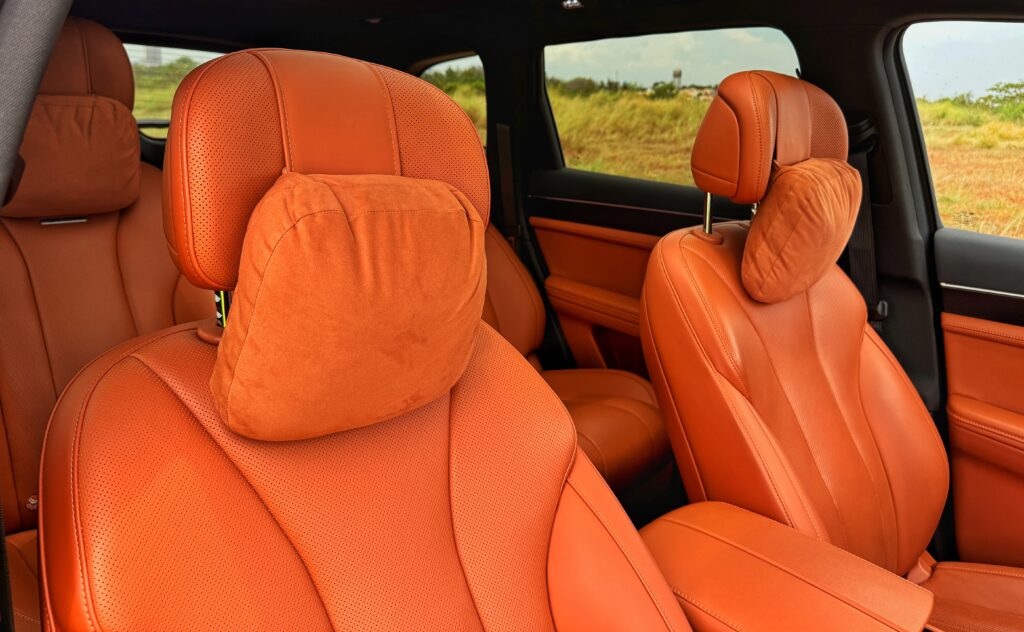
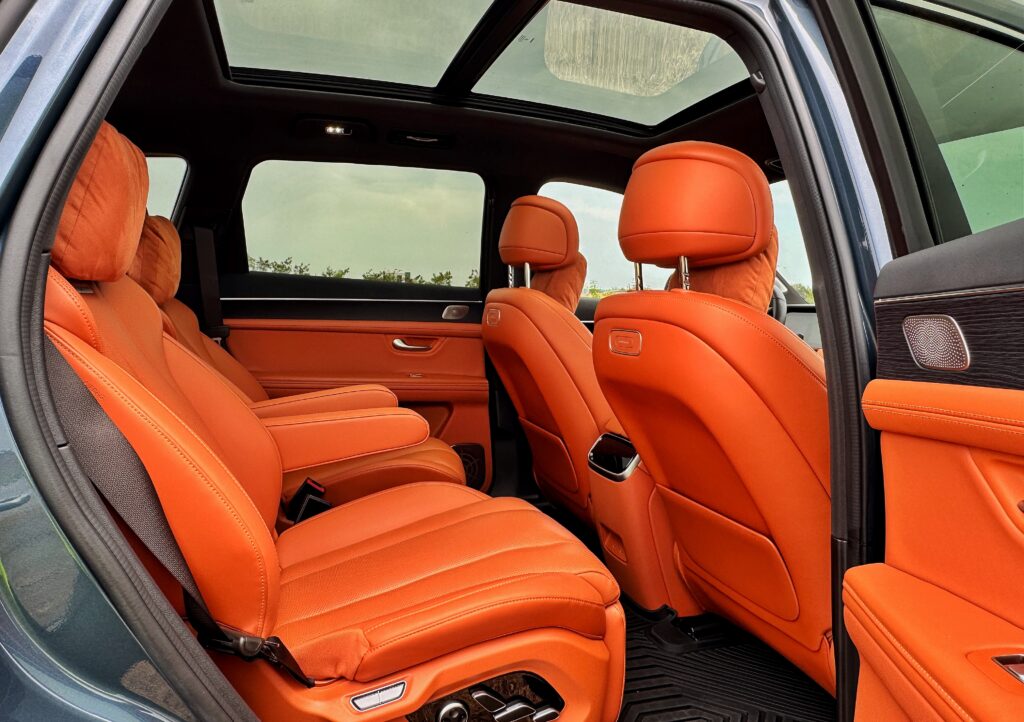
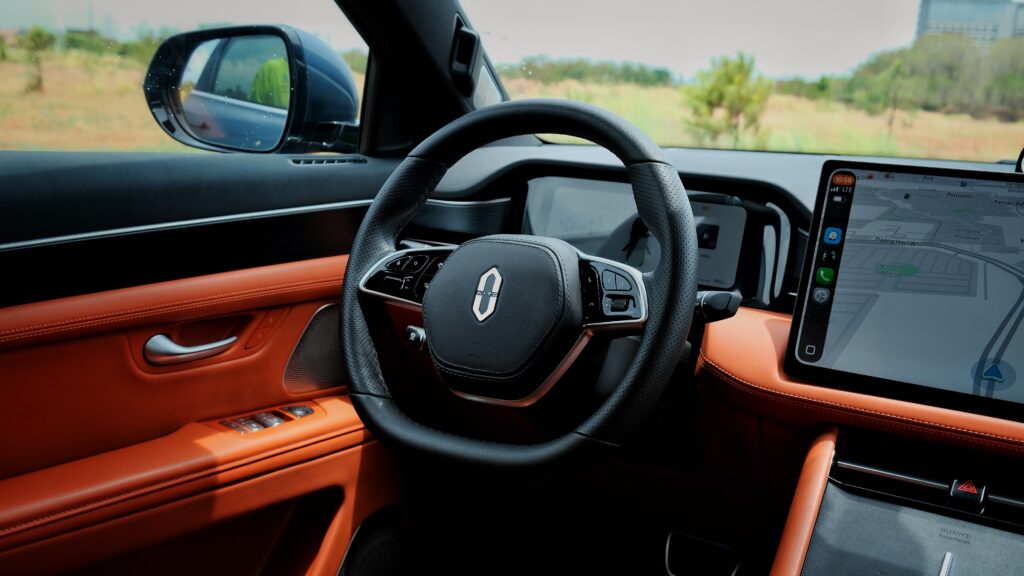
Wrapped in rich ochre Nappa leather, the M7’s “zero-gravity” seats feature massage functions and individual captain’s chair layouts for the first two rows, creating an ambience closer to a luxury lounge than a traditional family crossover. Neck pillows, soft-touch materials, and meticulous detailing plus of course the orange make the interior feel almost reminiscent of a French luxury maison.
The atmosphere inside feels intentionally calming. Insulation is excellent, road noise is minimal, and the overall experience leans heavily toward relaxation rather than aggression. It is easy to imagine spending hours inside the M7 without fatigue ever becoming an issue. With a hybrid powertrain that defaults to electric operation, it feels like stepping into a cocoon, cut off from the rest of the world.
Power comes from a dual-motor hybrid-electric setup paired with a turbocharged 1.5-liter gasoline engine acting primarily as a range extender. Combined output stands at an impressive 443 horsepower and 660Nm of torque. Aito claims a range of around 220 kilometers in fully-electric mode from its 40.6kWh CATL-supplied NMC battery. Total combined range with is around 1,300 kilometers of range under China’s CLTC testing cycle.
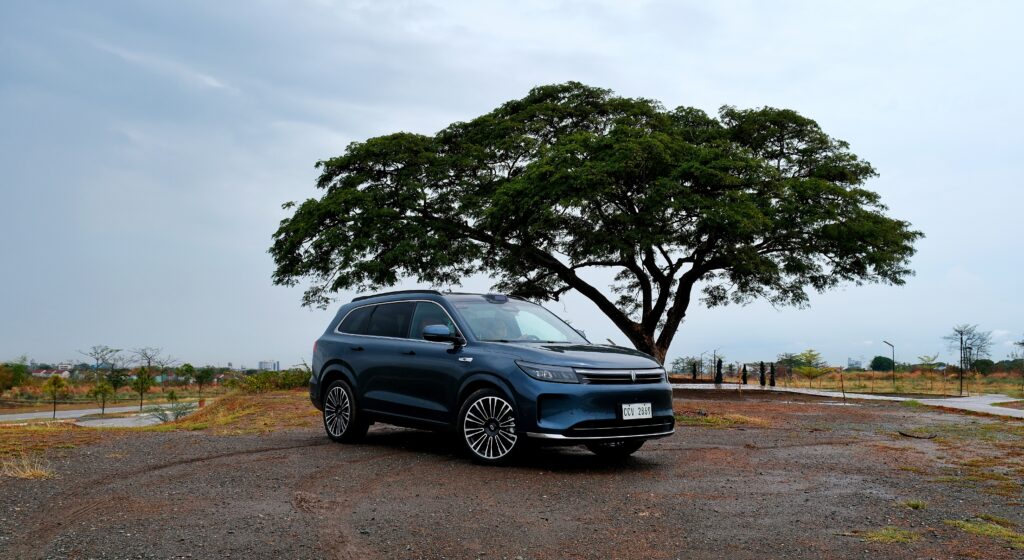
Realistically, WLTP-style driving would likely reduce that figure by around 15 to 20 percent, but even then, the M7 remains enormously capable to cover a four digit range.
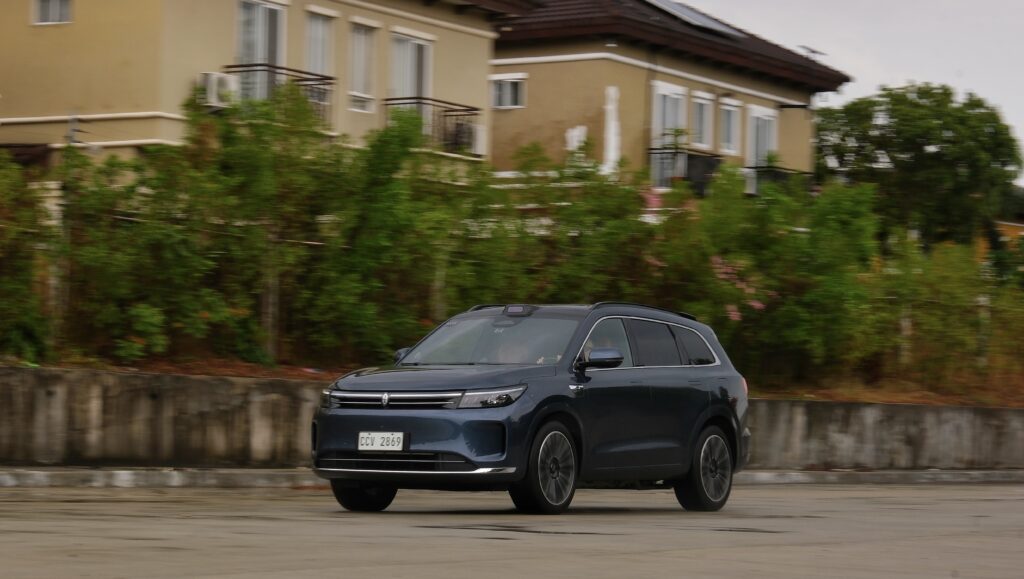
The technology, unsurprisingly, is where Huawei’s influence becomes most obvious.
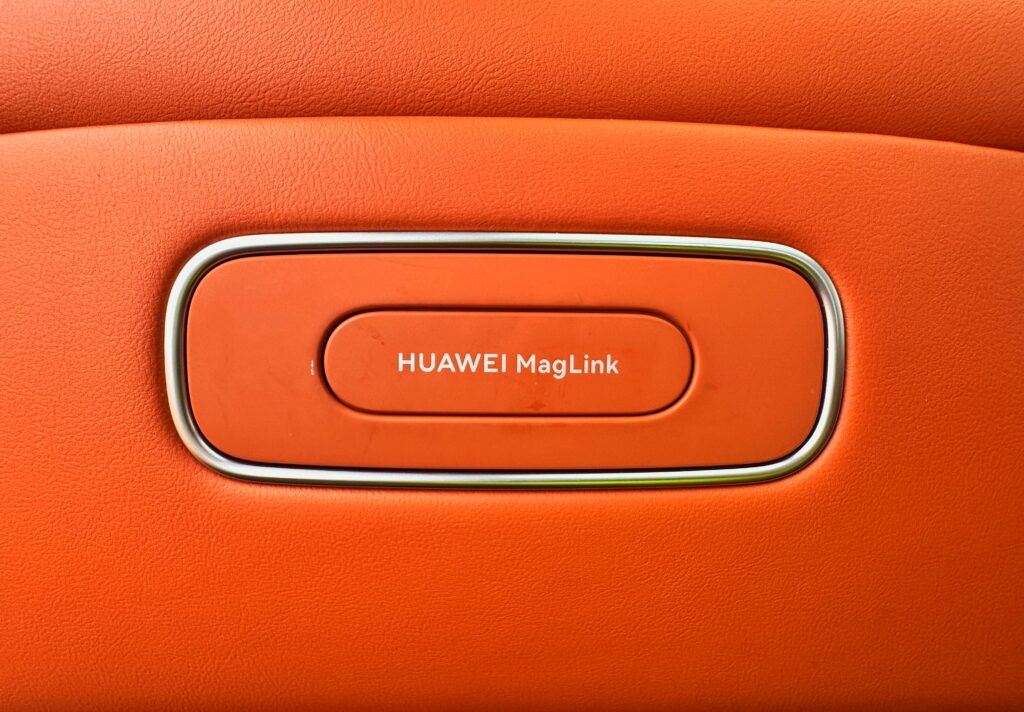
The infotainment system runs Huawei’s Harmony OS through a massive 16.1-inch touchscreen, delivering an experience that feels fast, polished, and surprisingly intuitive.
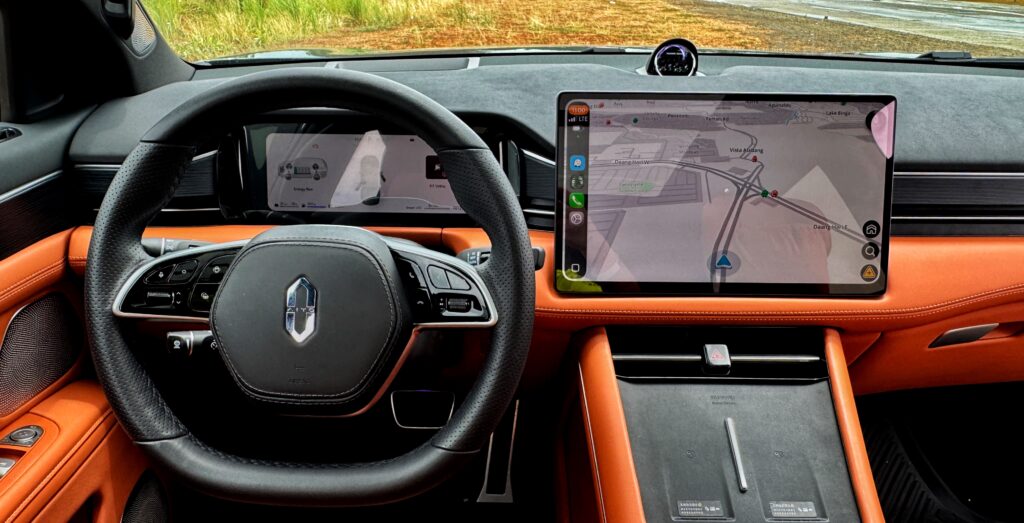
Most mainstream applications integrate easily, while third-party dongles allow support for Apple CarPlay and Android Auto.
There is also a fully digital 10.25-inch instrument display ahead of the driver, while some variants offer an additional passenger-side screen for entertainment and navigation functions.
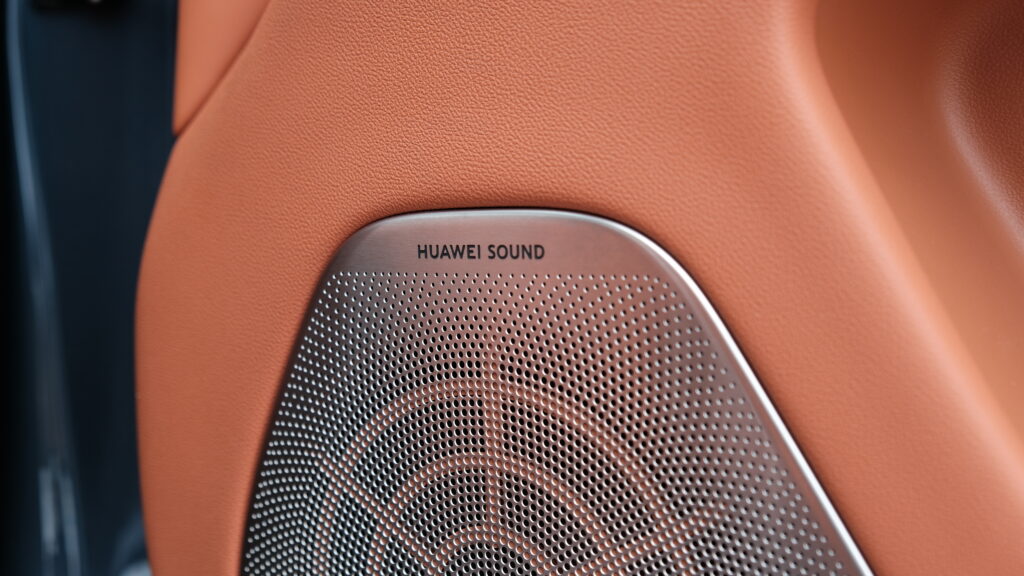
Sound quality is equally impressive. The Huawei SOUND 7.1 surround system delivers up to 1,000 watts, transforming the cabin into a rolling concert hall. Long highway drives become remarkably relaxing experiences—helped enormously by the superb seats and the M7’s near-silent cruising demeanor. Tame Impala’s hit single Dracula feels more vibrant, more enchanting and more psychedelic here.
On the road, the M7 truly feels less like a proper executive express, a small private-jet designed to isolate occupants from the outside world and transport them as quickly and as efficiently as possible.
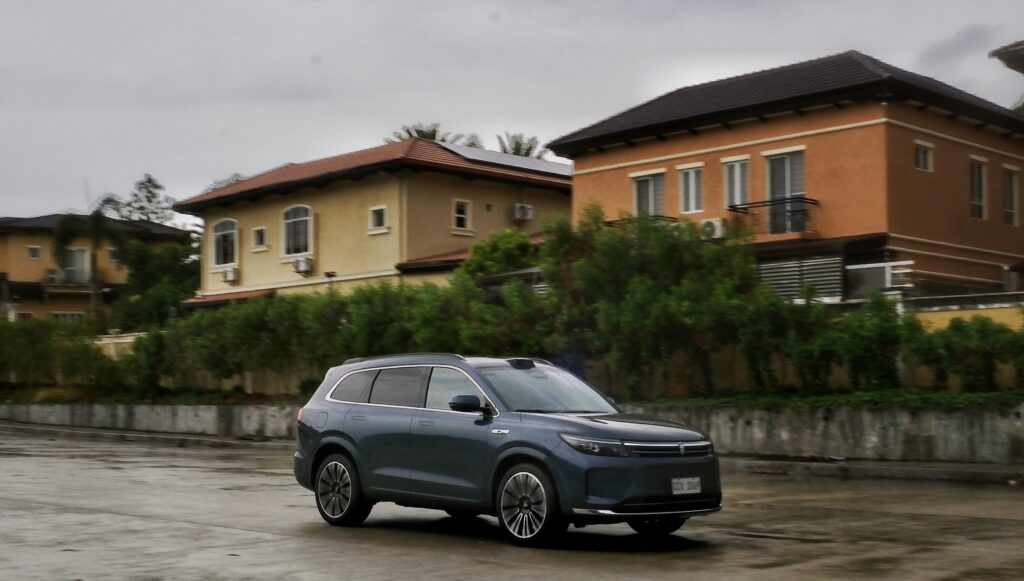
The steering is light but reassuringly natural, while high-speed stability remains on-point despite the car’s soft suspension setup. Cruising at 100 km/h feels effortless, and the M7 excels most when driven smoothly and calmly rather than aggressively.
And ultimately, that perhaps is the intent.
The real story behind the M7 is not outright performance, but intelligence.
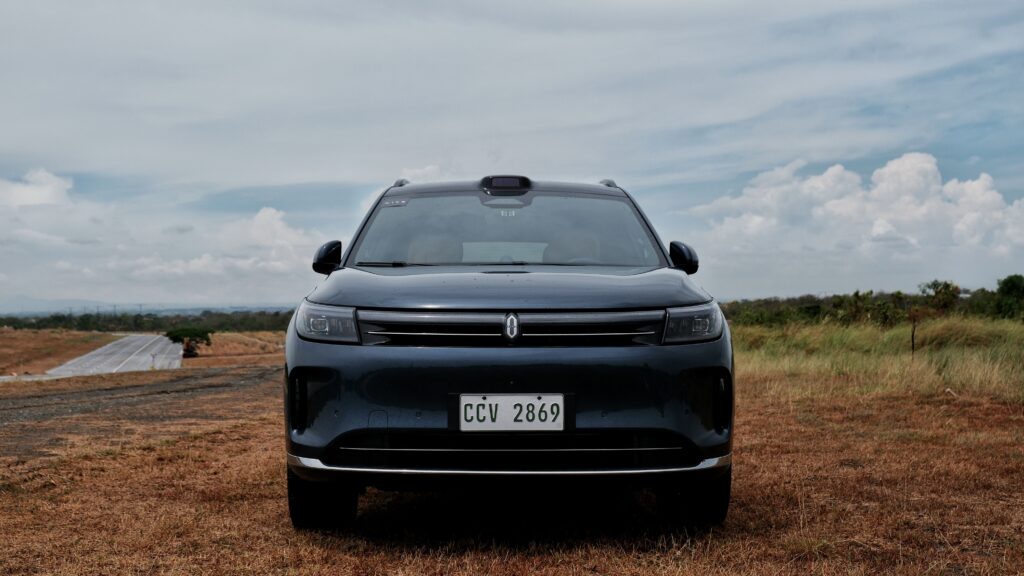
The crossover features an extraordinary suite of active safety and driver-assistance technologies powered by 12 ultrasonic radars, three millimeter-wave radars, 10 HD cameras, and a roof-mounted LiDAR system. That’s comparable to monitoring equipment in the most secure military installations in our country! Combined, the setup delivers Level 2.5 semi-autonomous driving capability.
Features include adaptive cruise control, lane-centering assist, autonomous navigation guidance, advanced emergency braking, fatigue monitoring, and highly sophisticated self-parking functions capable of recognizing more than 160 parking scenarios.
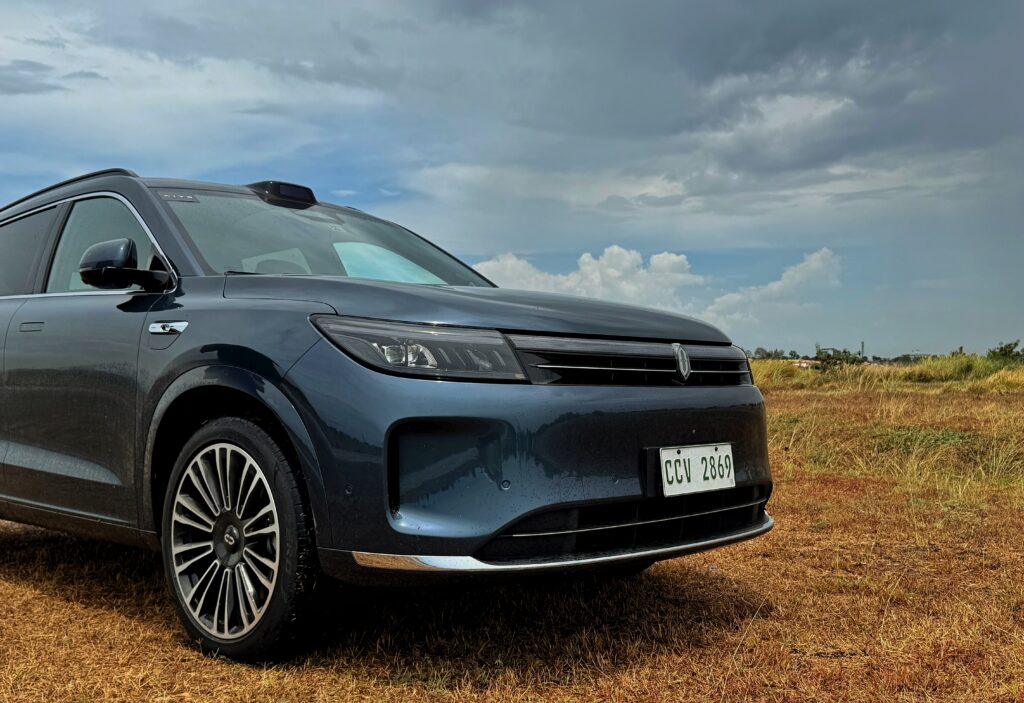
Ordinarily, ADAS or advanced driver assistance systems like these can feel intrusive, irritating and overbearing. Many modern driver-assistance systems seem to constantly nag, beep, vibrate, or intervene unnecessarily. It prevents you from finding your flow-state when driving and enjoying the experience. Surprisingly, the M7’s technology feels remarkably refined. The systems operate quietly in the background, adding reassurance rather than irritation.
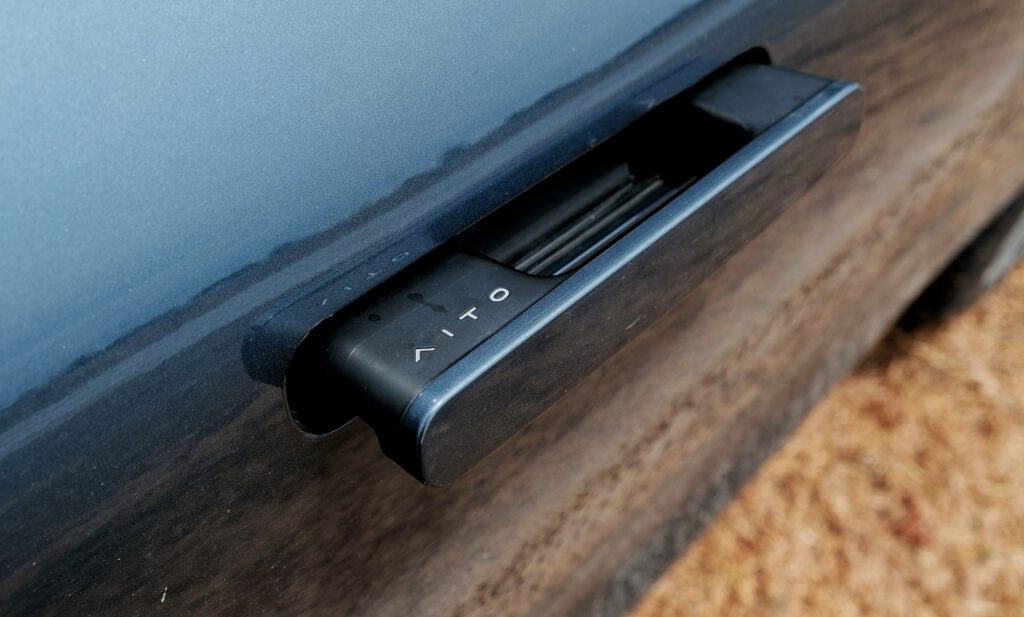
During moments of distraction and unfamiliar traffic situations, the M7’s safety systems proved genuinely helpful without ever feeling overly invasive.
My only real issue concerns the suspension.
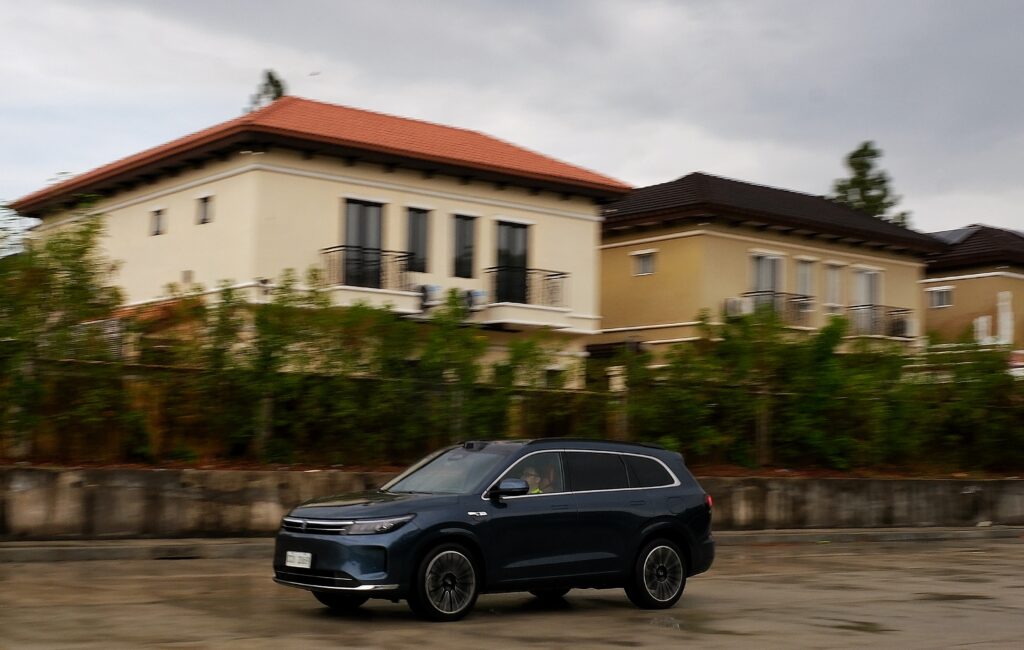
Comfort levels are truly exceptional, but the overly soft setup prevents the chassis from showcasing its latent dynamic potential. Which is unfortunate, because beneath the floaty ride lies a genuinely well-sorted platform that feels capable of far greater driving dynamics.
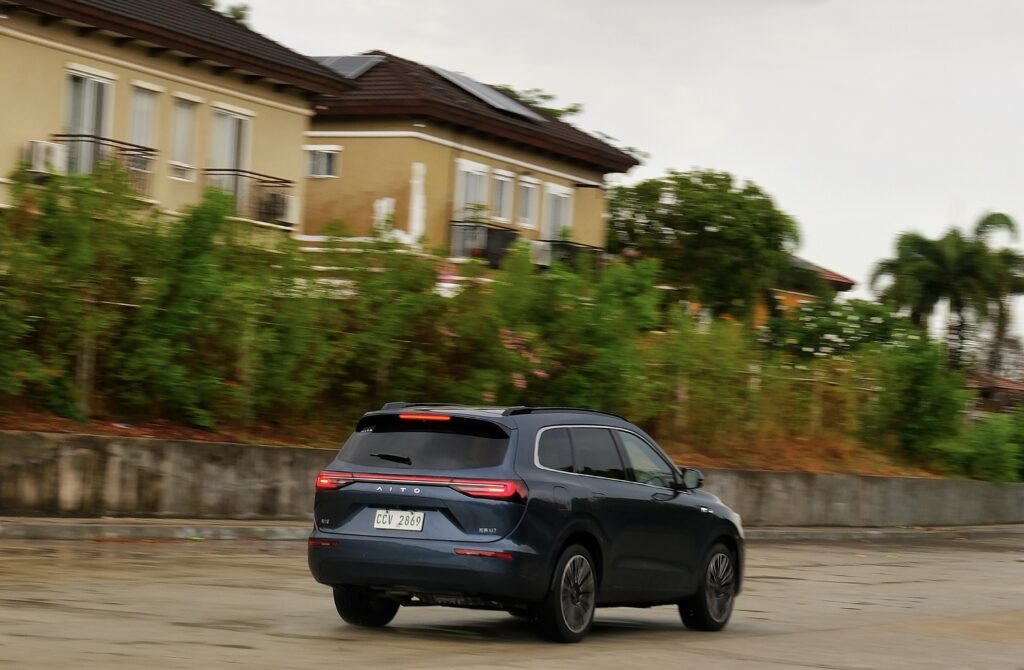
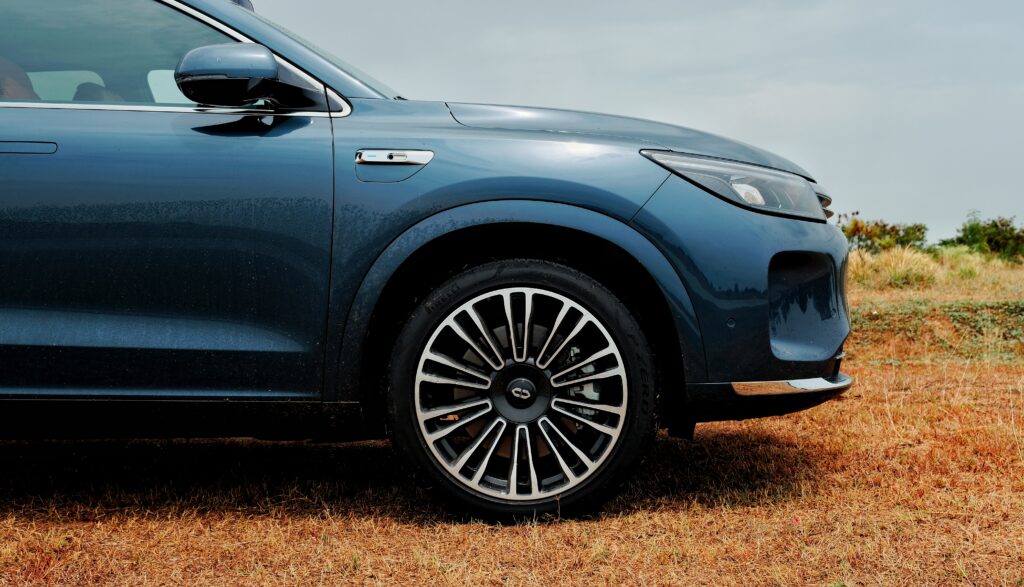
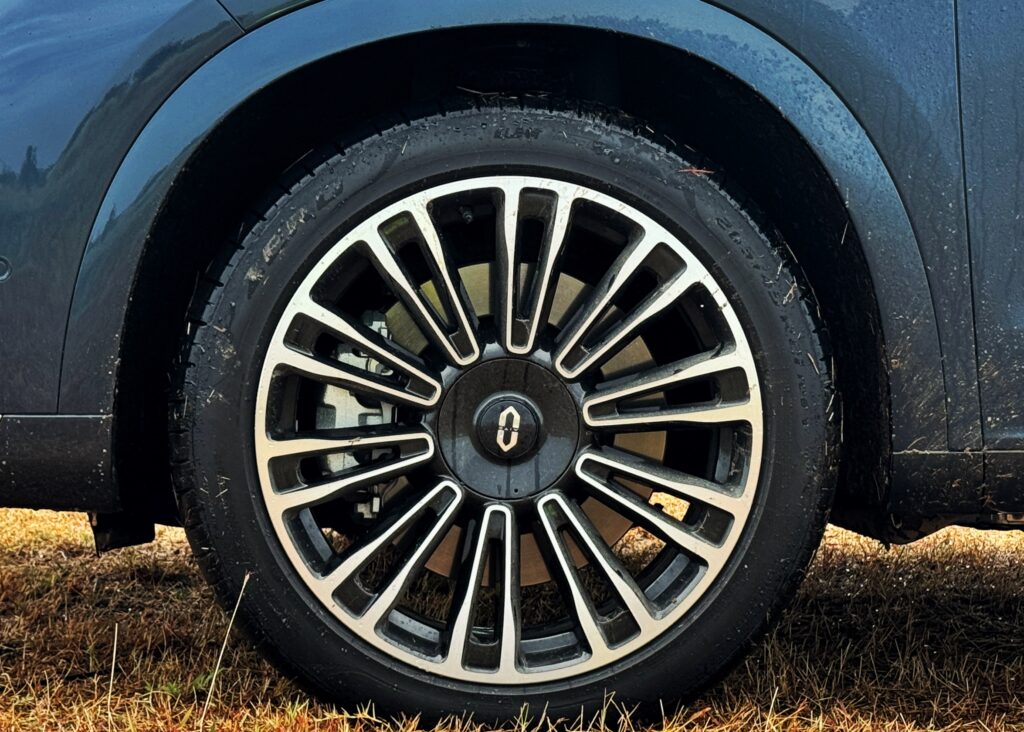
The massive wheels and sticky Pirelli P-Zero tires, sized 265/45R21 provide excellent grip, and the M7 always feels secure and composed. But enthusiastic driving is clearly not the vehicle’s primary mission.
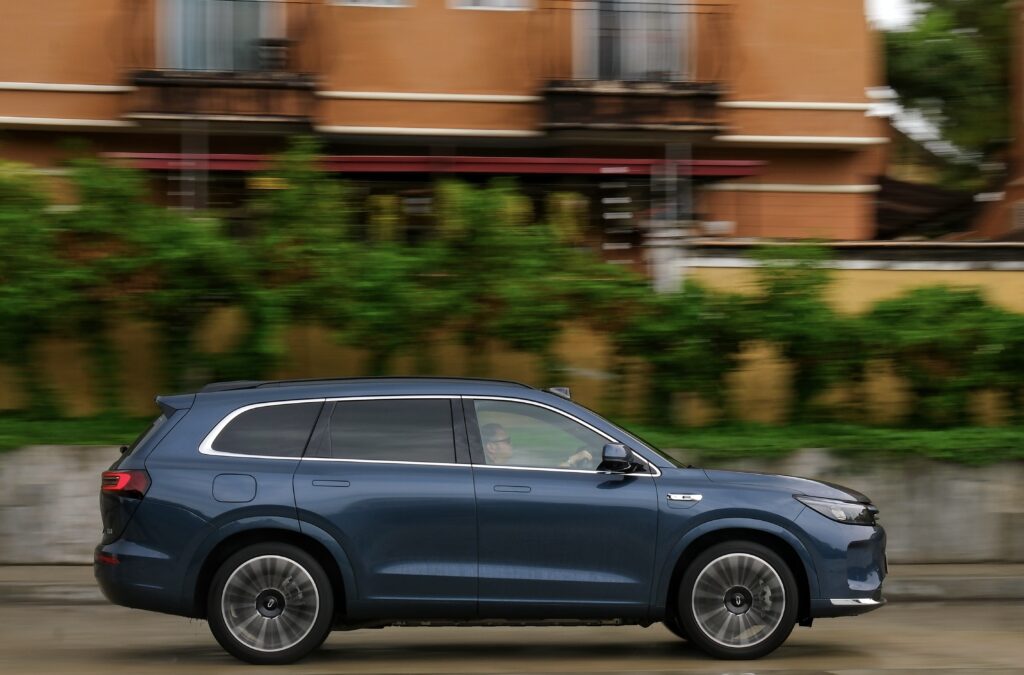
In its brief as a luxury long-distance cruiser, the M7 succeeds brilliantly.
Whether one embraces it or not, the Aito M7 represents where modern mobility is heading: highly connected, deeply intelligent, immensely comfortable, and increasingly defined as much by software as mechanical engineering itself.
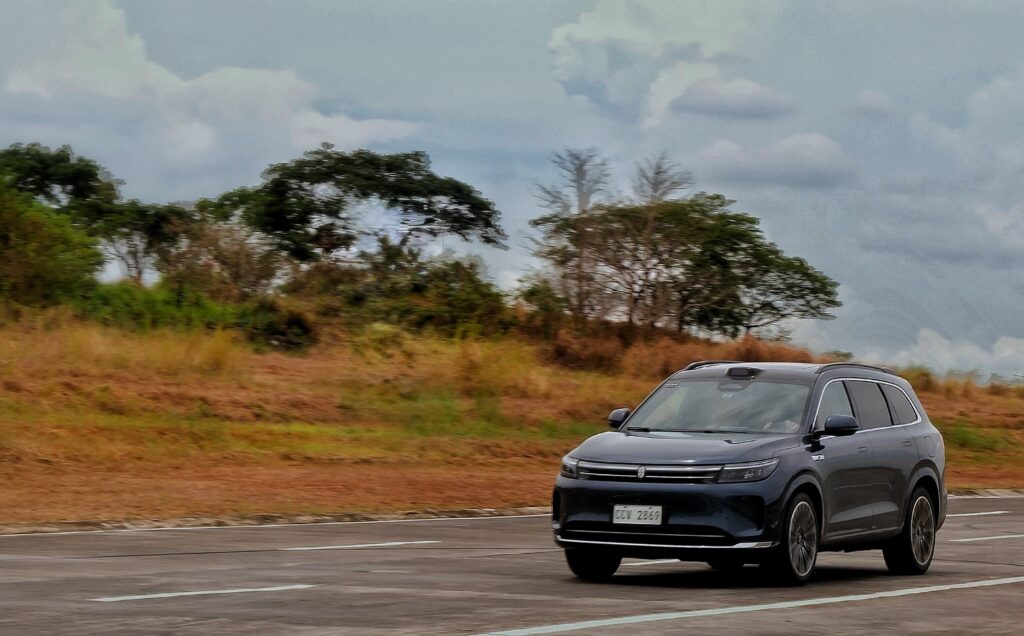
And perhaps that is the most fascinating thing about it. Beneath the politics, the controversy, and the skepticism surrounding Chinese technology lies a car that quietly yet strongly forces you to reconsider what modern luxury and performance will ultimately become.