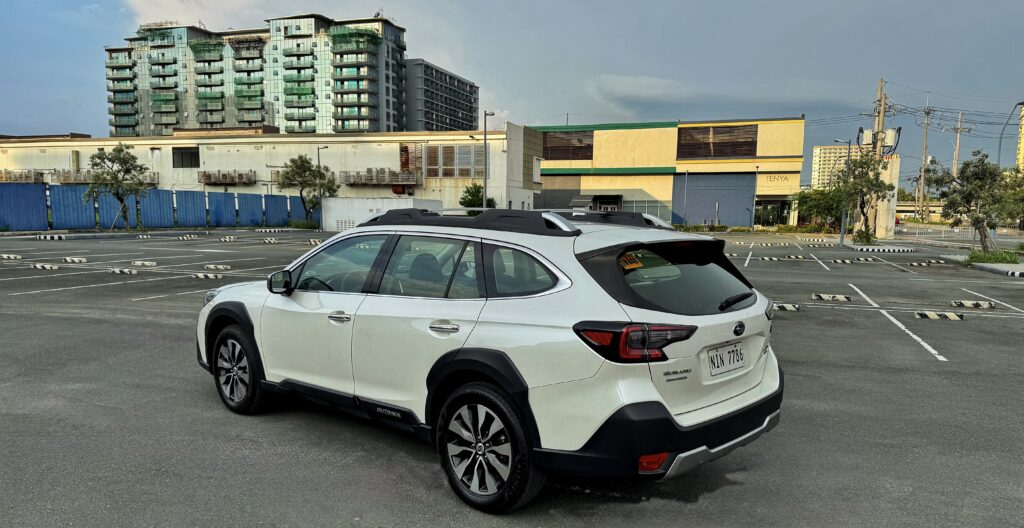
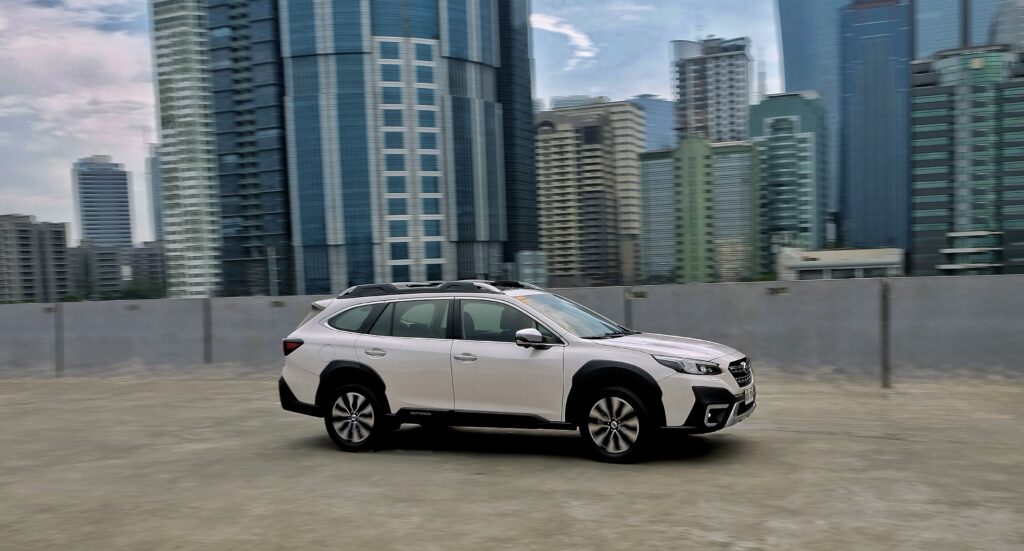

What, precisely, is the market positioning of the Subaru Outback?
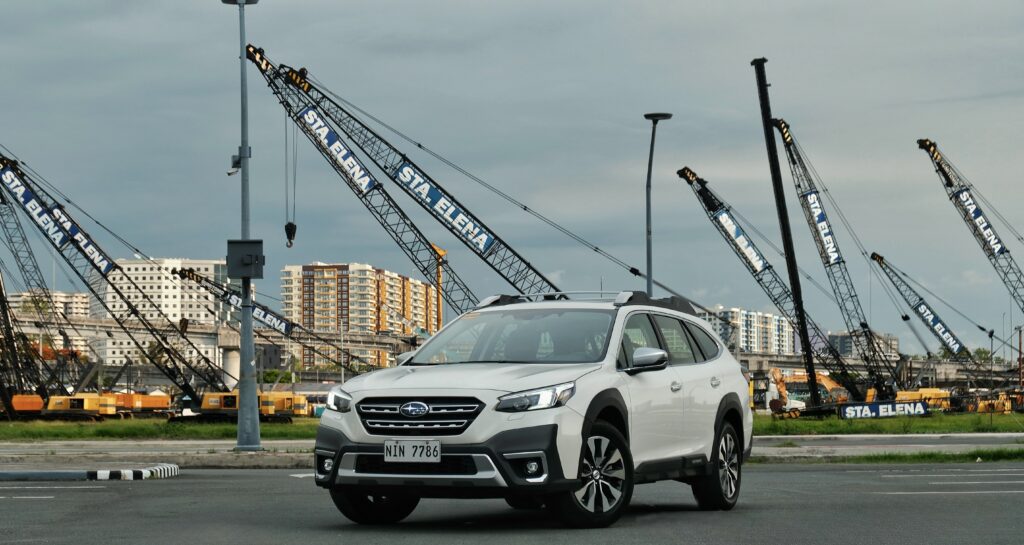
To the casual observer, it occupies a curious middle ground. Is it a raised station wagon, or a quiet, understated alternative to the ubiquitous high-riding crossover?
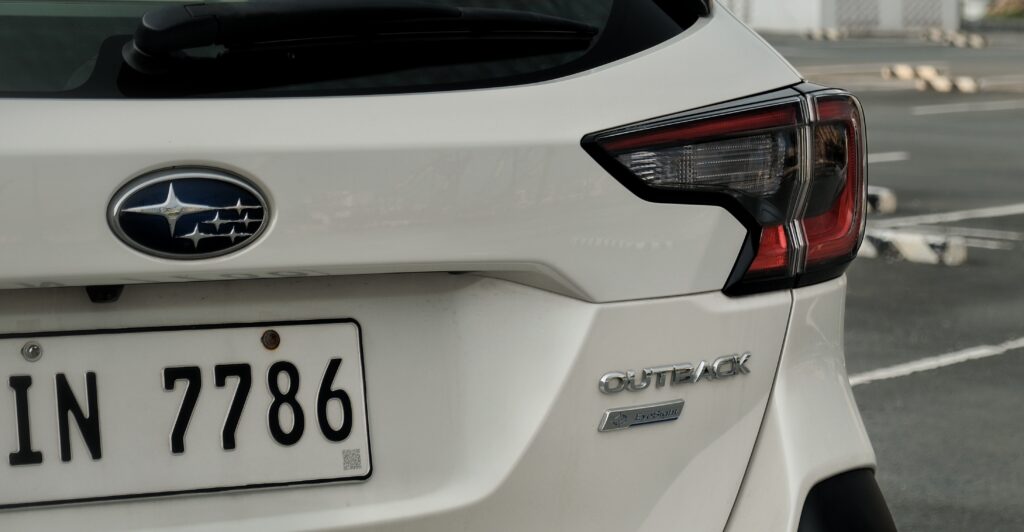
Premium marques have occasionally flirted with the niche—Volvo with its cross-country XC70, Audi with its Allroad series, and Mazda with the elevated CX-30. Yet few have cultivated a global customer base as fiercely loyal, or as inherently pragmatic, as Subaru.
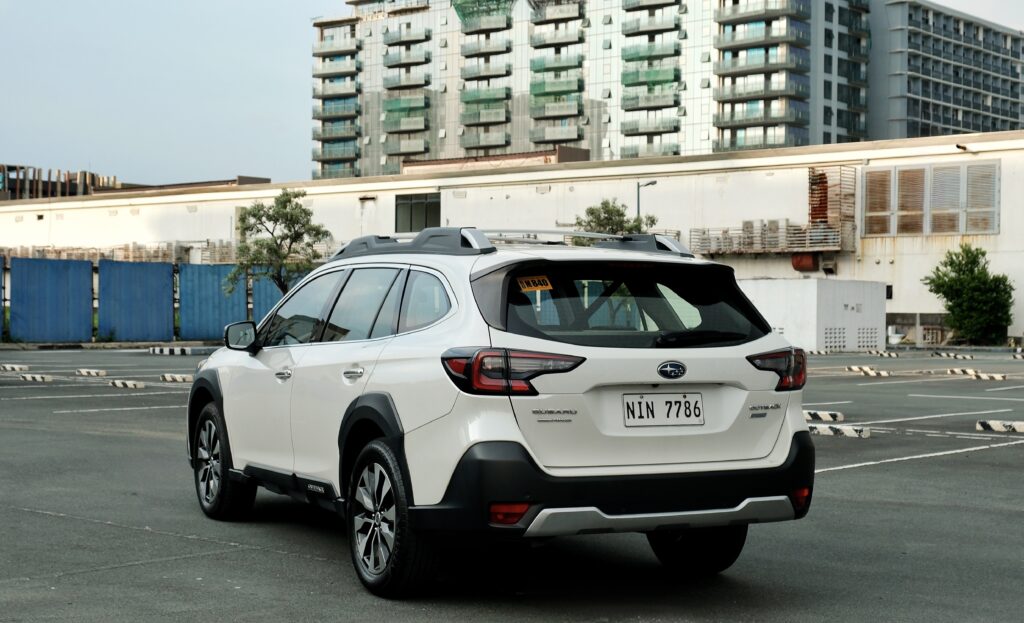
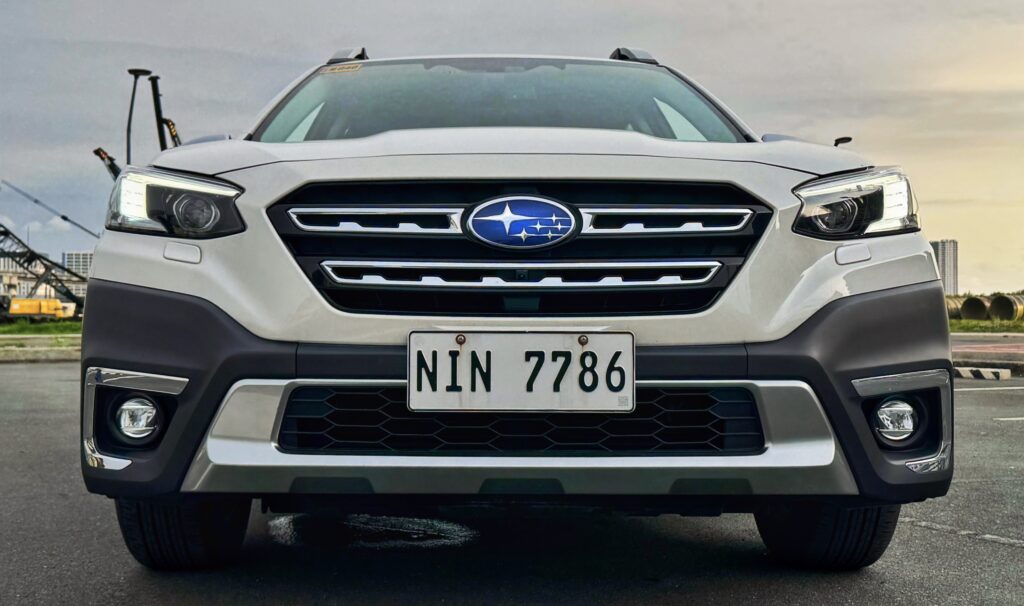
For the traditional automotive consumer obsessed with rigid categories, the Outback presents an identity crisis. It resists tidy classification. Yet to step behind the wheel and put serious miles under its chassis is to understand why its owners remain such steadfast devotees.
The Outback thrives in demanding, unvarnished environments: the rain-slicked mountain passes of the Pacific Northwest and British Columbia, the vast expanses of the Australian Outback, and the frozen, snow-packed landscapes of the Nordic region.
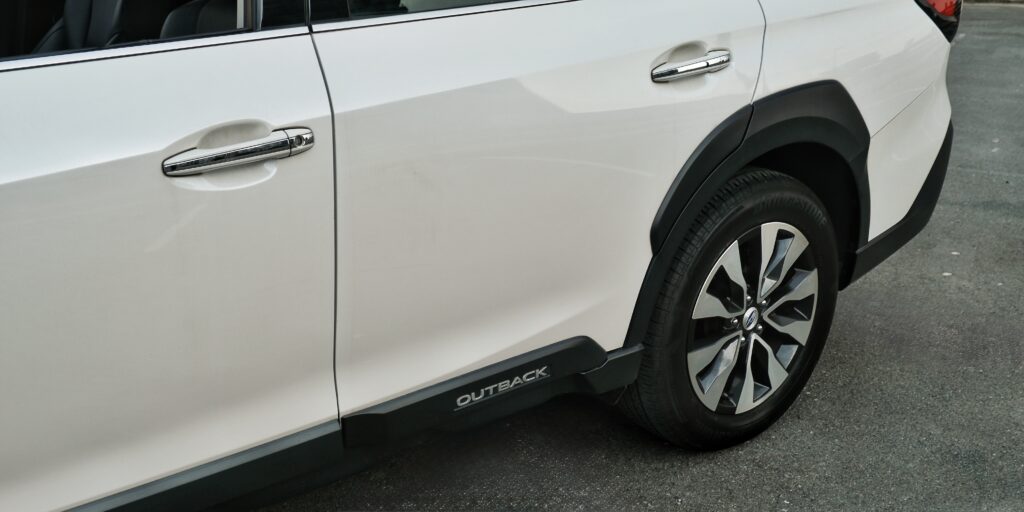
In these harsh locales, drivers require something traditional ladder-frame SUVs rarely deliver: low-slung, car-like road manners paired with the unyielding confidence of a true all-road, all-weather drivetrain with a useful ground clearance.
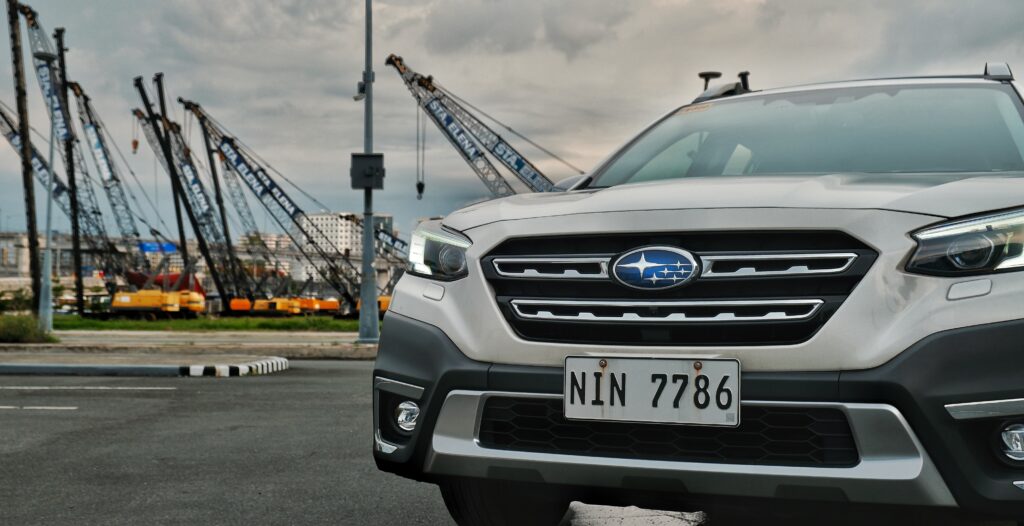
Underpinning this iteration of the Outback is the versatile Subaru Global Platform—a rigid architecture shared with the Legacy sedan and the three-row Evoltis flagship. Powering the Philippine-spec variant is the FB25D, a direct-injected 2.5-liter naturally aspirated flat-four engine. Output is a decent 182 horsepower and around 240 Newton-Meters of torque.
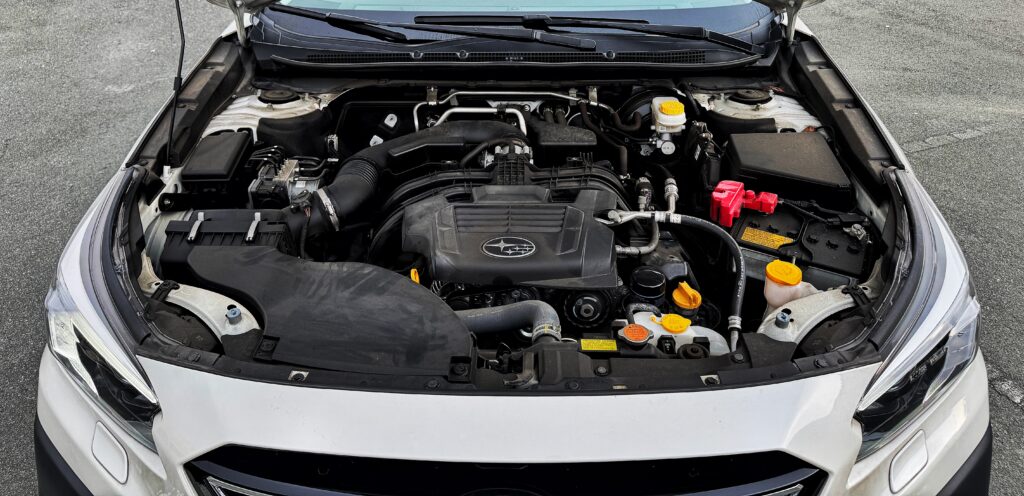
This is all routed to Subaru’s signature Symmetrical All-Wheel Drive via a heavy-duty Lineartronic HD CVT. Crucially, this transmission swaps out traditional rubber or synthetic belts for a high-tensile steel chain controlled by two hydraulically actuated pulleys that simulate the gears.
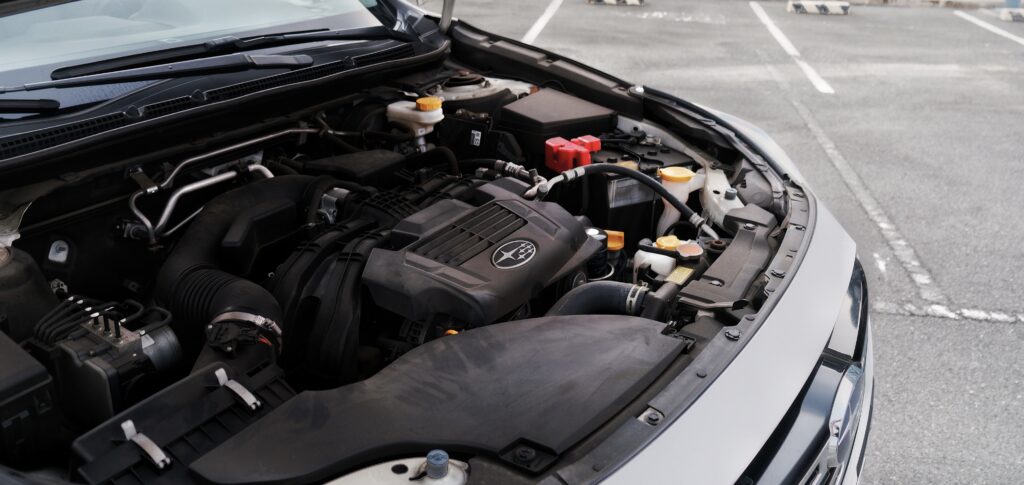
This key engineering detail grants the gearbox exceptional thermal stability and durability, allowing it to manage heavy torque loads effortlessly while supporting a respectable 1,227kg towing capacity.
Step inside, and the cabin is immediately dominated by an 11.6-inch portrait-oriented touchscreen interface. While it handles core infotainment duties, climate controls, and smartphone integration via Apple CarPlay and Android Auto, the digital experience betrays its age.
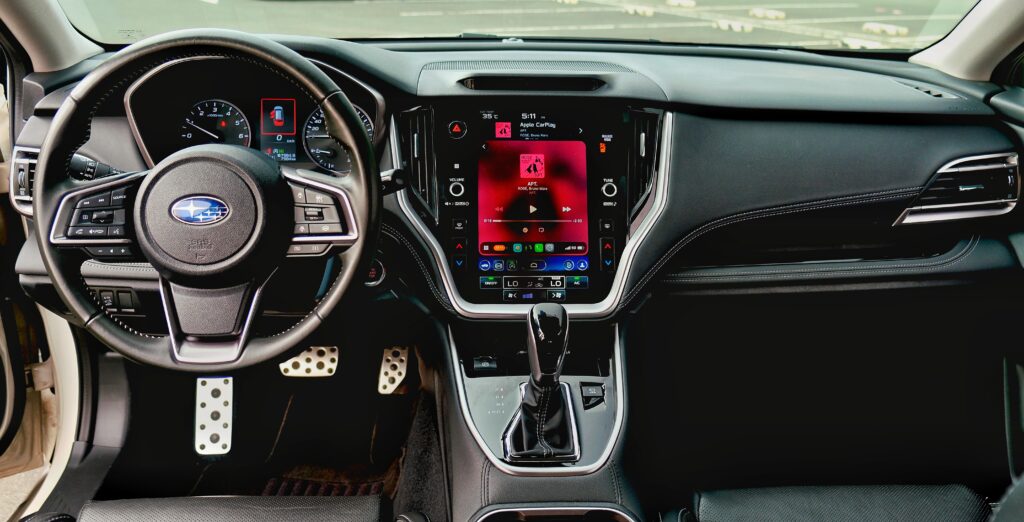
The user interface feels slightly sluggish, and the low-resolution graphics give it away as an architecture from a previous tech cycle.
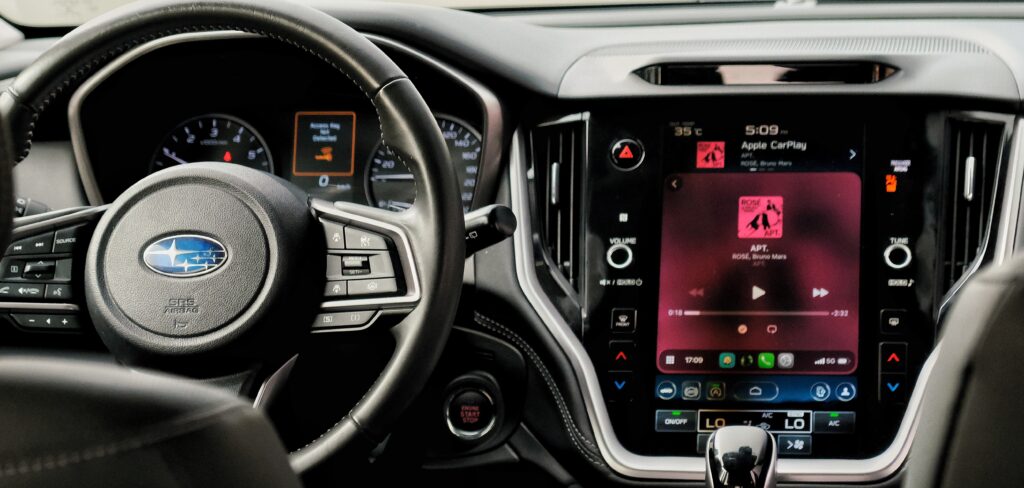
In an era where competitor screens operate with the fluid latency of modern smartphones, Subaru’s digital goalposts feel overdue for an update.
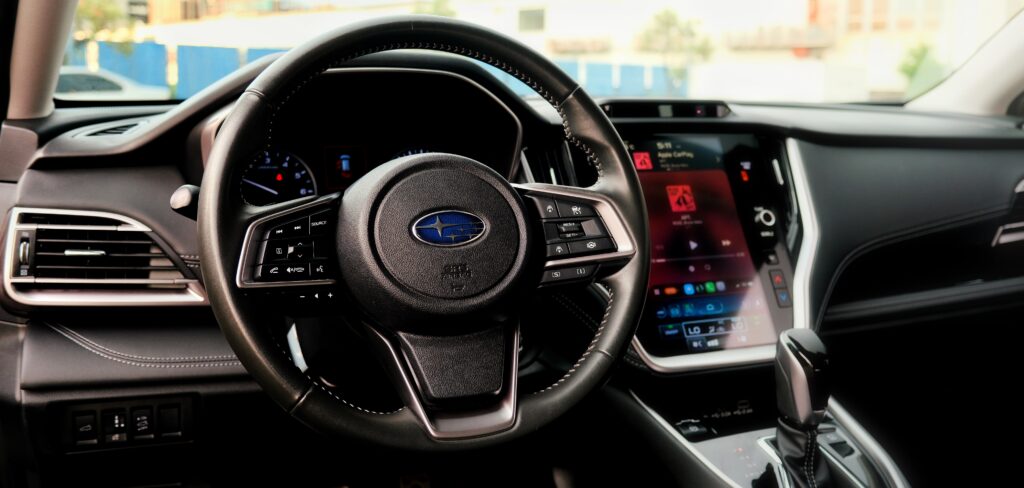
Thankfully, the 12-speaker 576 watt Harman Kardon surround sound hi-fi system will always remain a timeless classic for audiophiles, playing clear, crisp tunes on each and every motoring adventure.
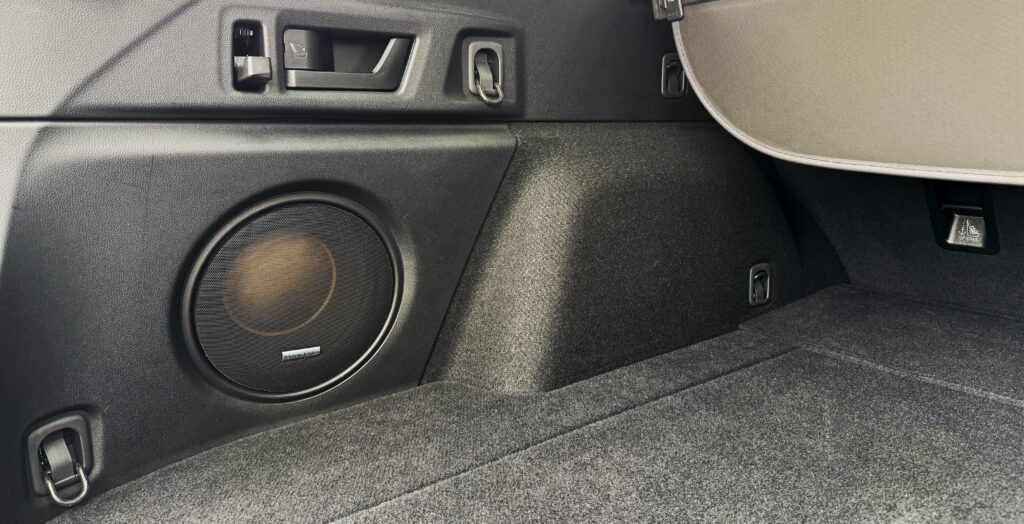
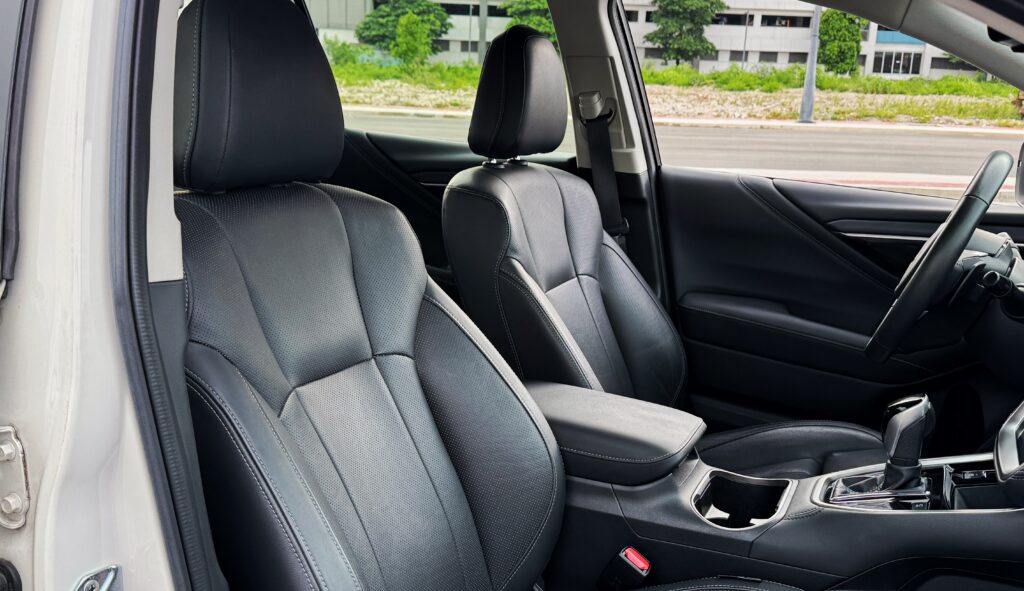
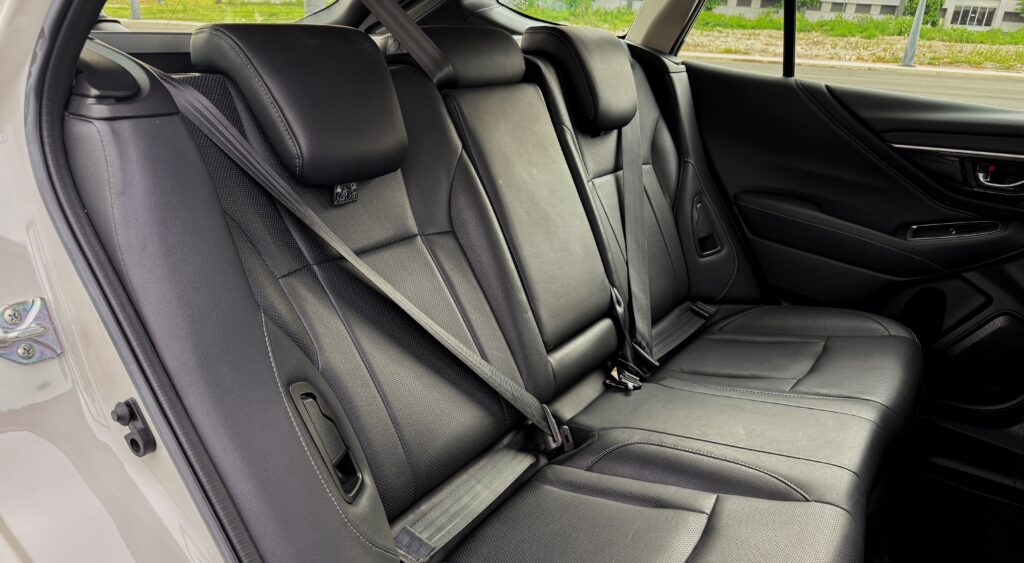
The rest of the interior is roomy, airy and very comfortable. You feel secure, safe inside, undisturbed regardless of what happens outside.
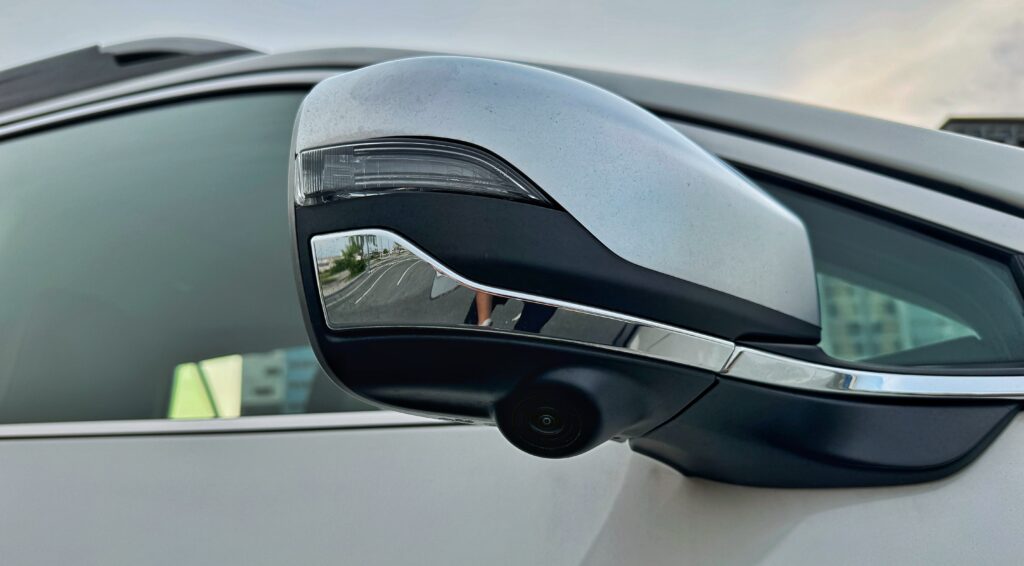
Where Subaru continues to command absolute authority, however, is in its active safety philosophy. The proprietary EyeSight ADAS suite eschews overly complex lidar arrays and hyper-reactive artificial intelligence in favor of dual stereo cameras mounted high behind the windshield.
The system scans the road ahead with mechanical precision, executing autonomous pre-collision braking, lane-keep assist, and adaptive cruise control with remarkably human-like smoothness.
Combined with eight airbags, a ring-reinforced safety cage, and a breakaway boxer engine designed to drop beneath the passenger floorpan in a severe head-on impact, the Outback routinely secures top-tier five-star safety ratings across NHTSA, Euro NCAP, and Global NCAP evaluations.
It reflects Subaru’s long, deliberate journey from a quirky, niche Japanese manufacturer into a global benchmark for occupant protection.
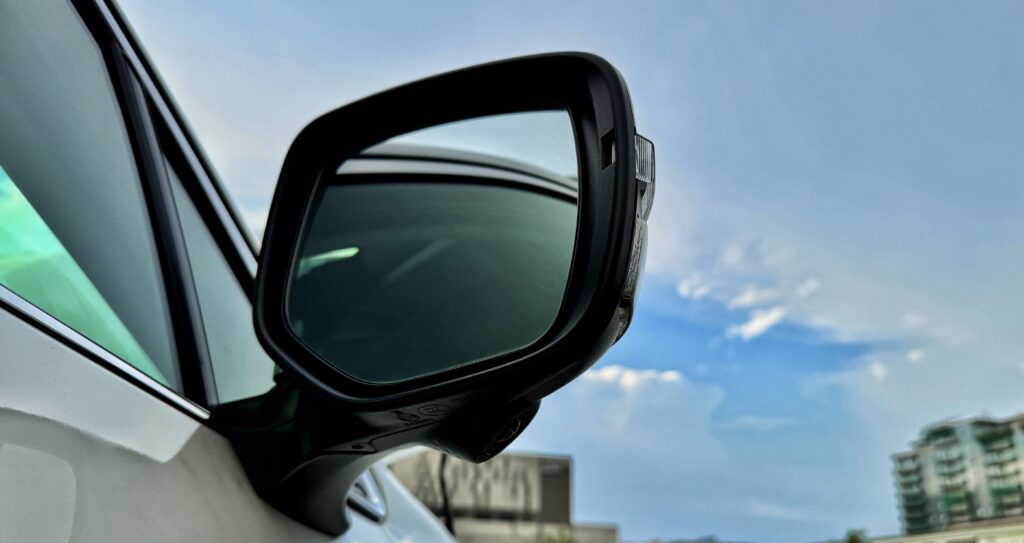
Dynamically, the Outback offers a masterclass in mature, unpretentious chassis tuning. The suspension setup leans toward the softer side and exhibits noticeable body roll when pushed hard into a corner. Yet, its responses are remarkably progressive, predictable, and composed.
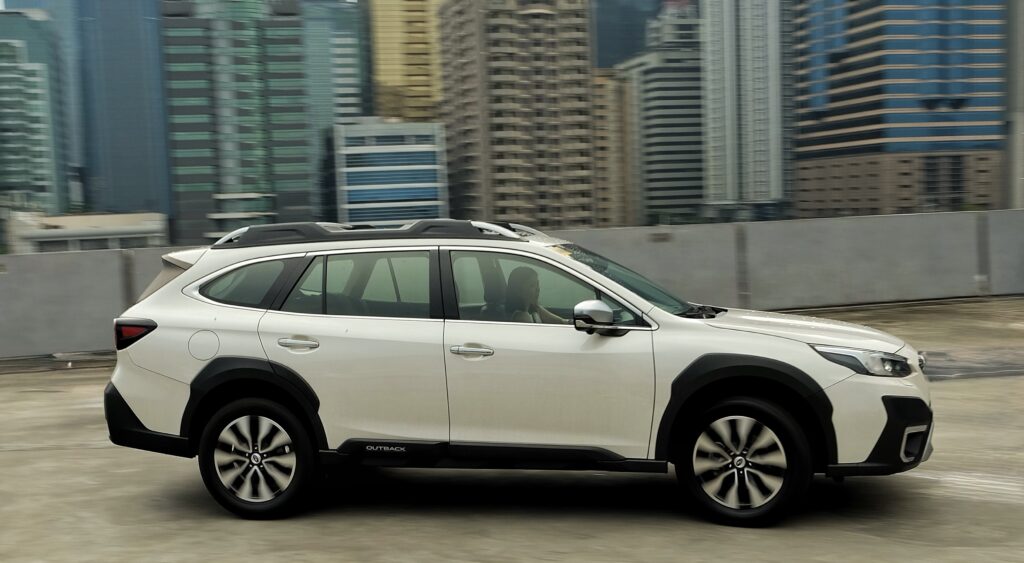
Turn hard into a sweeping bend, and while the body leans out, the chassis firmly holds its line. The Symmetrical All-Wheel Drive system actively manages torque distribution front-to-back, continually pushing the nose toward the apex without fuss or drama. You can bury the throttle deeper and the Outback obeys with a smidgeon of stabilizing understeer.
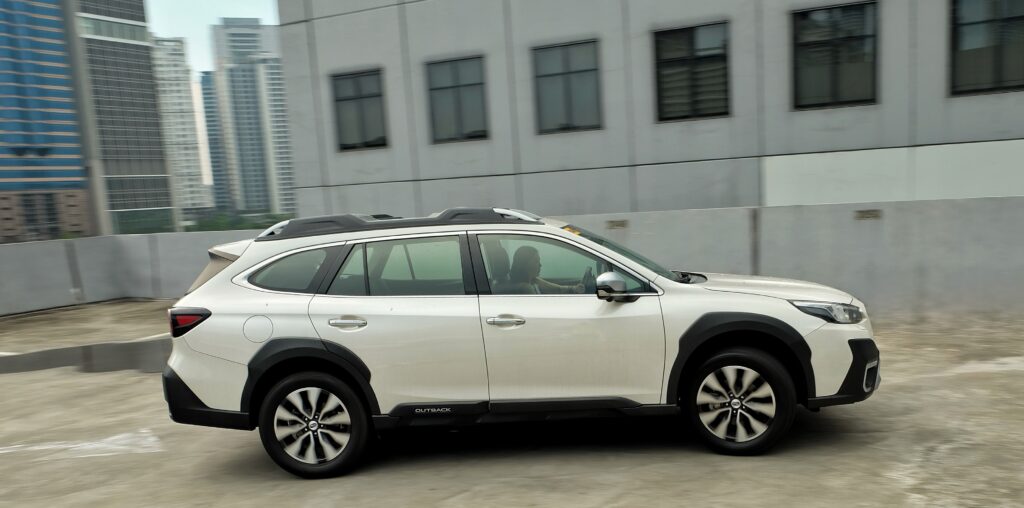
Engineered for the driver who still appreciates mechanical feedback, the chassis actively rewards a deliberate hand. Trail-brake into a tight turn and release them sharply just before turn-in; the rear end subtly lightens up, inducing a touch of lift-off oversteer that naturally rotates the car into the corner, the nose pointing exactly where it should be.
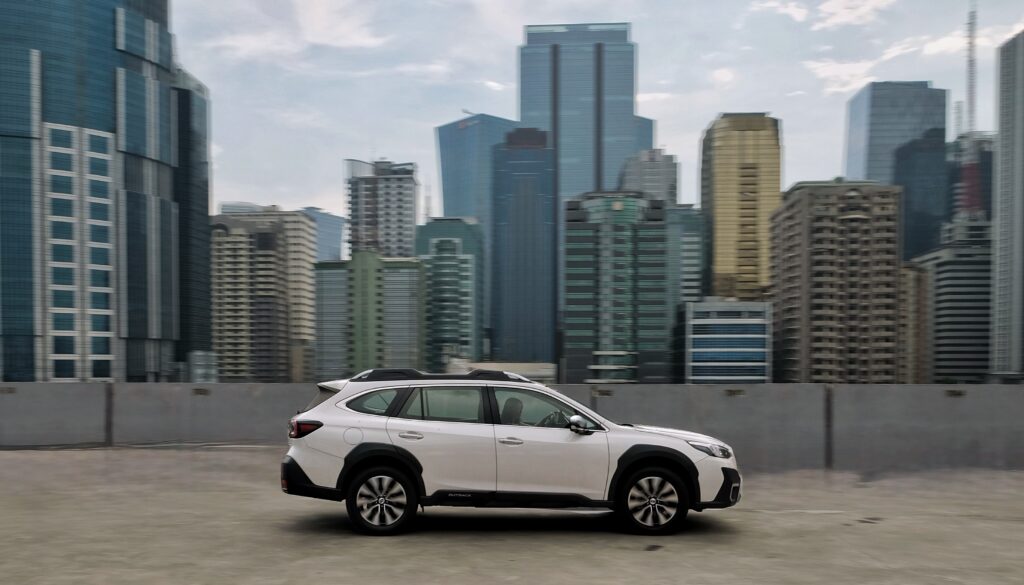
On low-friction surfaces—flattened wet grass, loose gravel, deep mud, or fresh snow—the Outback becomes exceptionally entertaining, offering an authentic, tactile dialogue between the tire contact patches and the steering wheel that modern, electronically muted crossovers simply cannot replicate.
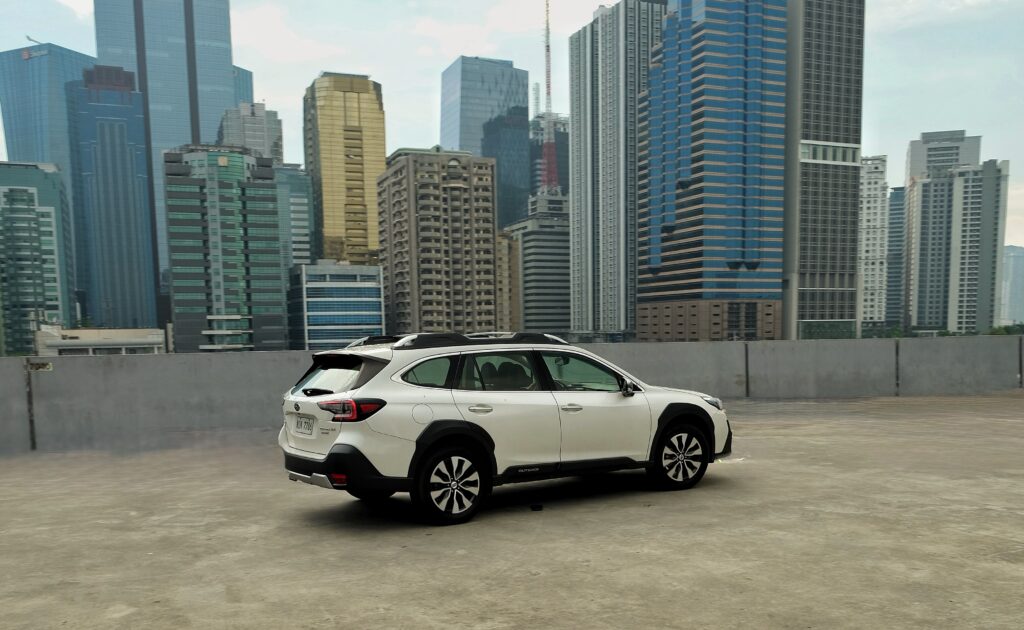
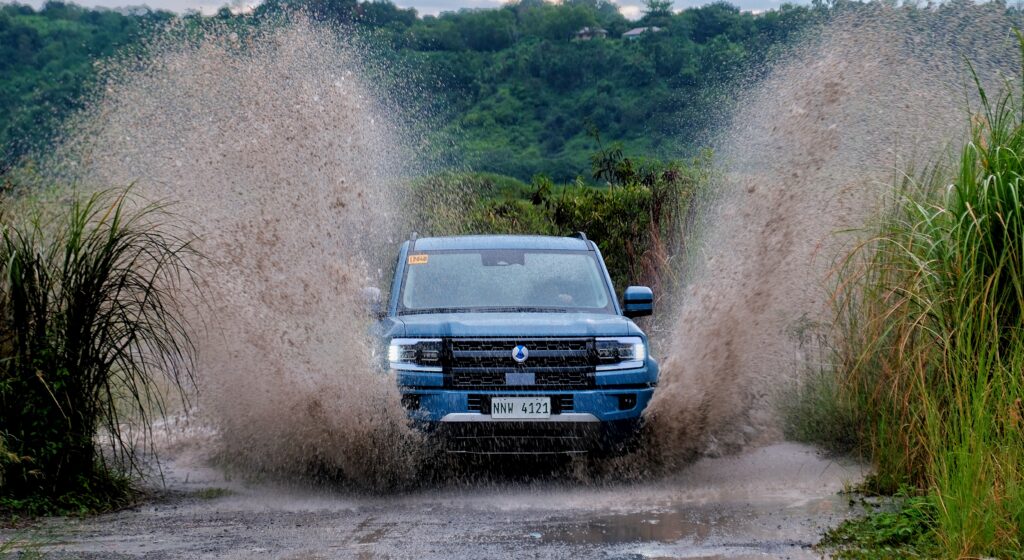
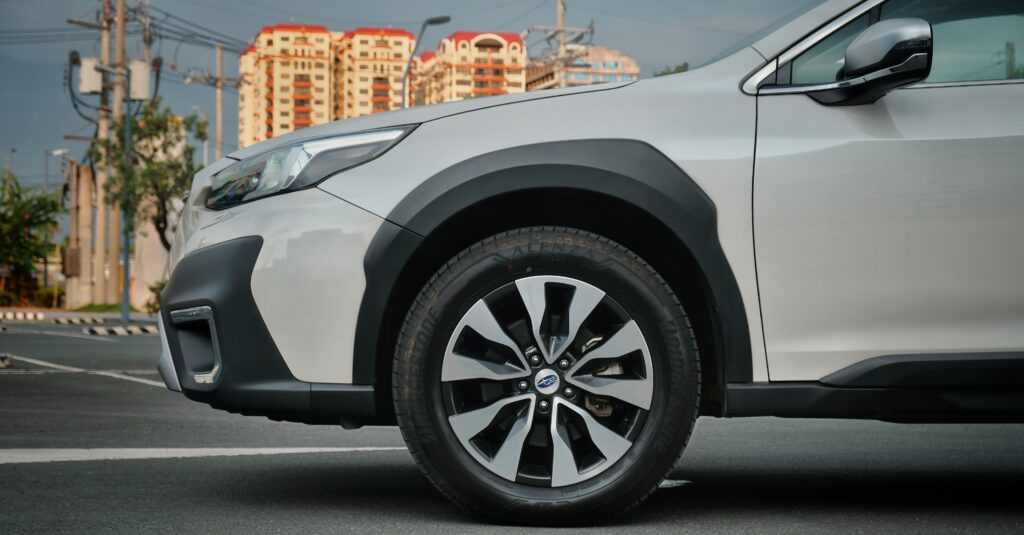
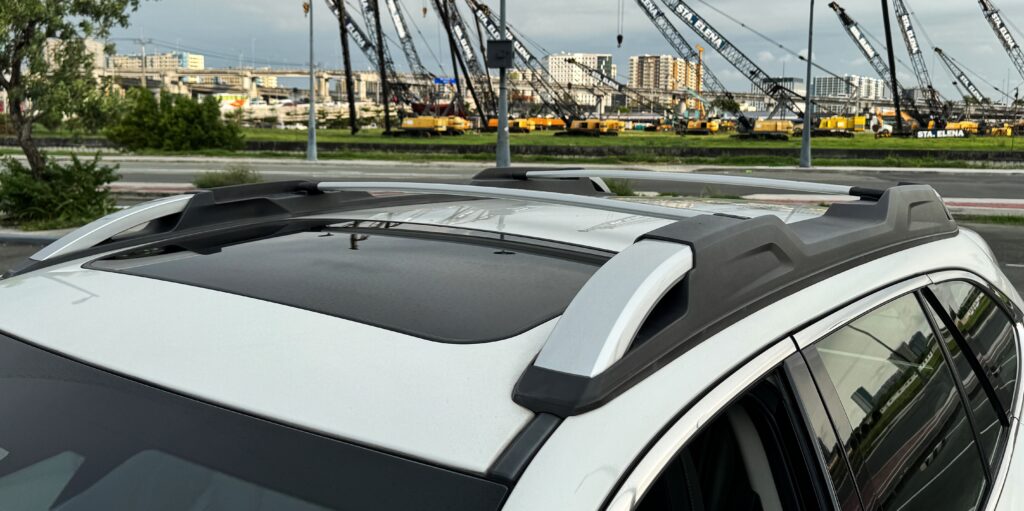
With 220 mm of ground clearance, a 21.2-degree breakover angle, and a 450 mm wading depth, its off-road capability far exceeds the requirements of light trail driving or weekend overlanding. Whether navigating rutted provincial roads or carrying gear to a remote campsite, the vehicle handles rough terrain with complete nonchalance.
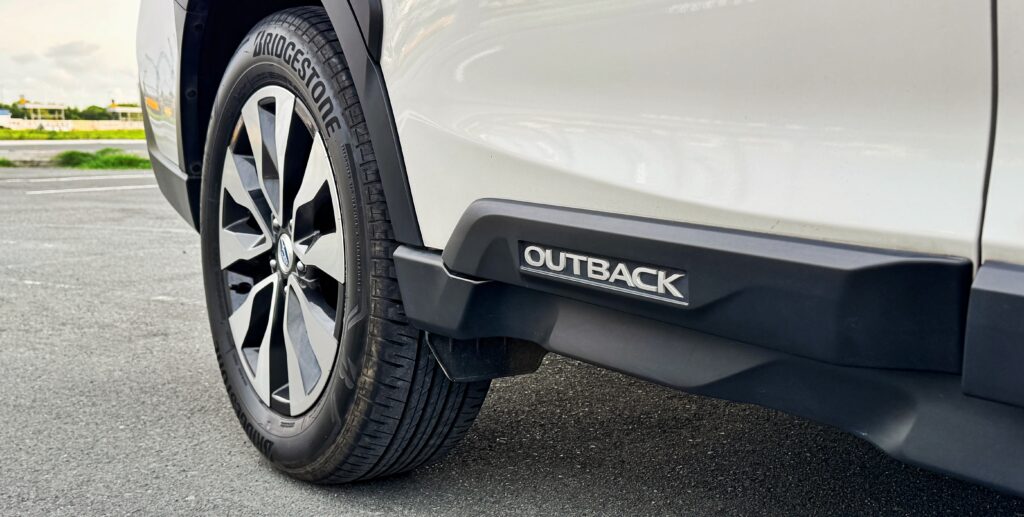
Naturally, the package is not without its small quirks. The drive-by-wire throttle calibration can feel somewhat uneven, exhibiting a brief hesitation off the line followed by a sudden wave of low-end boost.
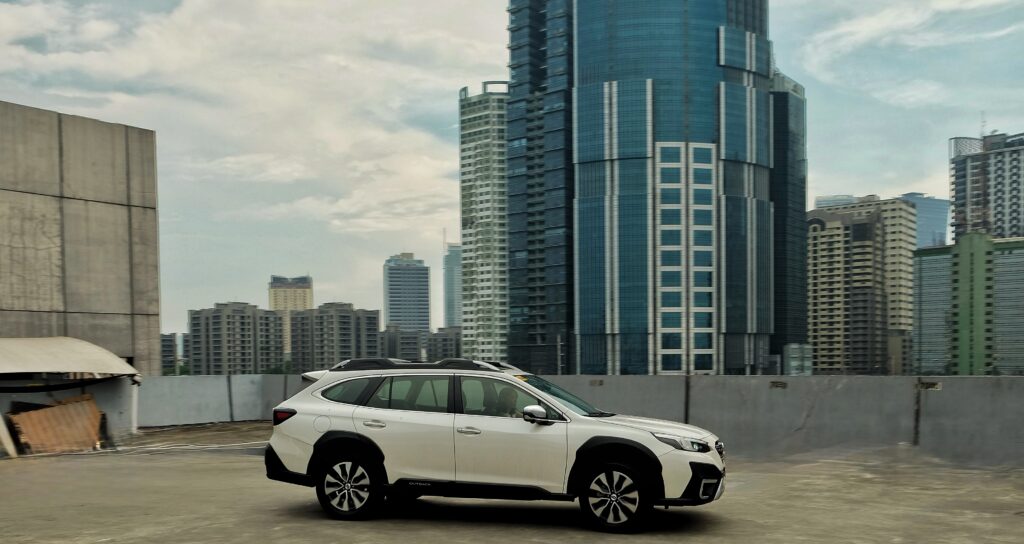
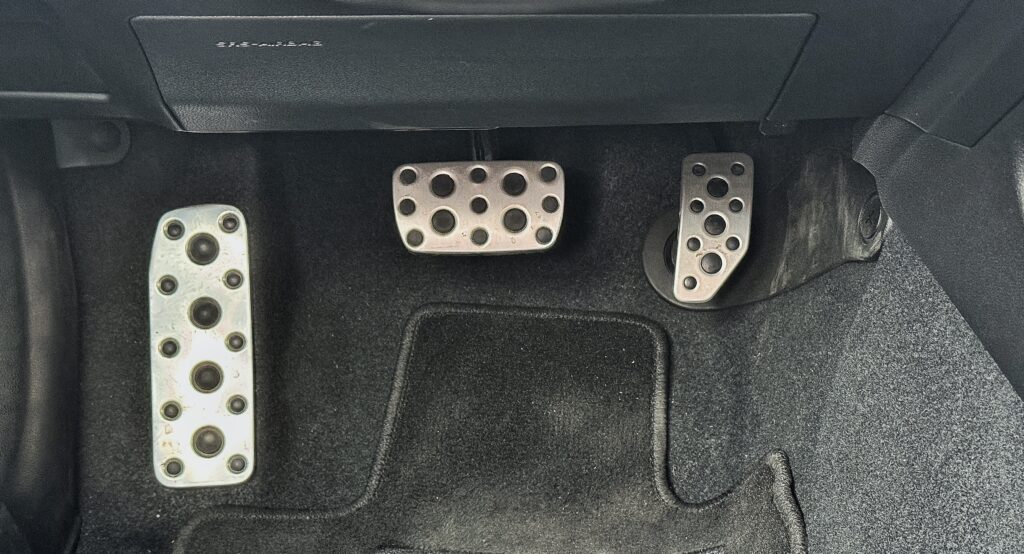
This surge can make stop-and-go urban traffic feel slightly abrupt when quick cut-and-thrust maneuvers are required. Furthermore, while the braking system offers strong, fade-free stopping power, the pedal feel itself would benefit from a firmer, more communicative initial bite.
The Subaru Outback does not pander to superficial automotive trends, nor does it offer instant, flash-in-the-pan gratification. It is an instrument of quiet, purposeful capability, revealing its deep well of engineering talents gradually over long distances, demanding terrain, and changing seasons. For the mature driver who prioritizes genuine mechanical substance over superficial luxury status, it remains one of the most intelligent, satisfying
alternatives on the road today.