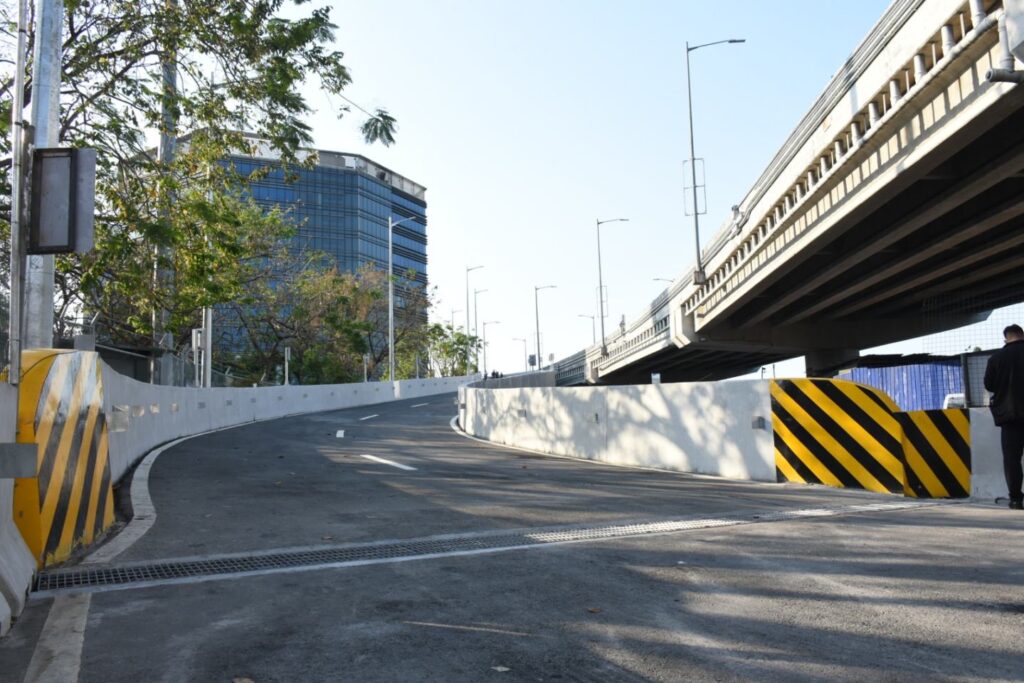
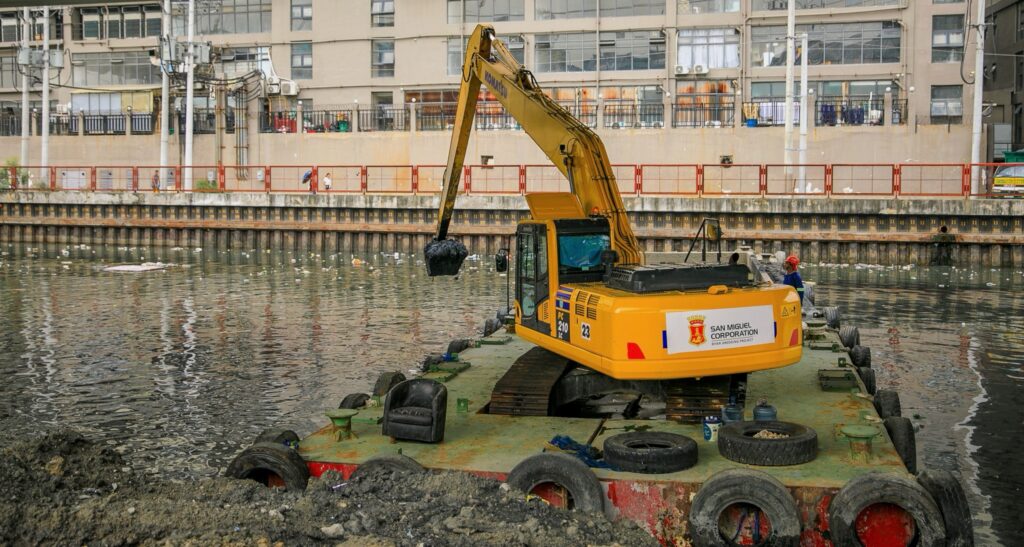

San Miguel Corporation’s (SMC) privately funded river cleanup program has removed more than 9.387 million metric tons of silt and waste from over 204 kilometers of waterways since 2020, as the company’s flood-mitigation efforts face increasingly intense rainfall across Metro Manila and nearby provinces.
The Better Rivers PH program covers major waterways in Metro Manila, Bulacan and Laguna and is now aligned with the government’s broader Oplan Kontra Baha initiative.
 Recent heavy rains provided a significant test of the program’s impact. On August 17, DOST-PAGASA’s Science Garden station in Quezon City recorded 201.7 millimeters of rainfall in five hours, including 138.7 millimeters in just two hours between noon and 2 p.m.
The five-hour total was nearly half of the 455 millimeters recorded during Tropical Storm Ondoy in September 2009, when the rainfall accumulated over approximately nine hours. The extreme rainfall pushed portions of the San Juan River beyond critical levels, resulting in overflow near Tatalon and Talayan in Quezon City. Farther downstream, however, SMC reported no river overflow in San Juan City and Mandaluyong, where maintenance dredging is nearing completion.
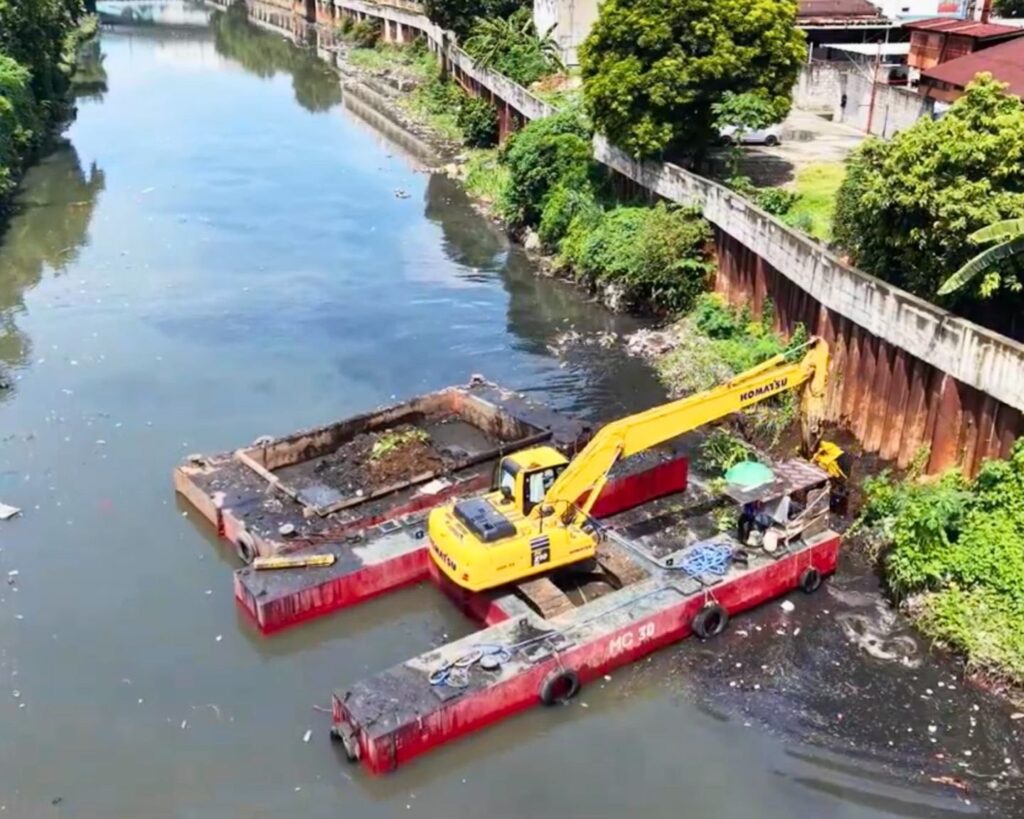
Since 2022, SMC has removed more than 442,700 metric tons of silt and waste from the San Juan River. More than 120,000 tons of that total came from maintenance work that began in September 2025.
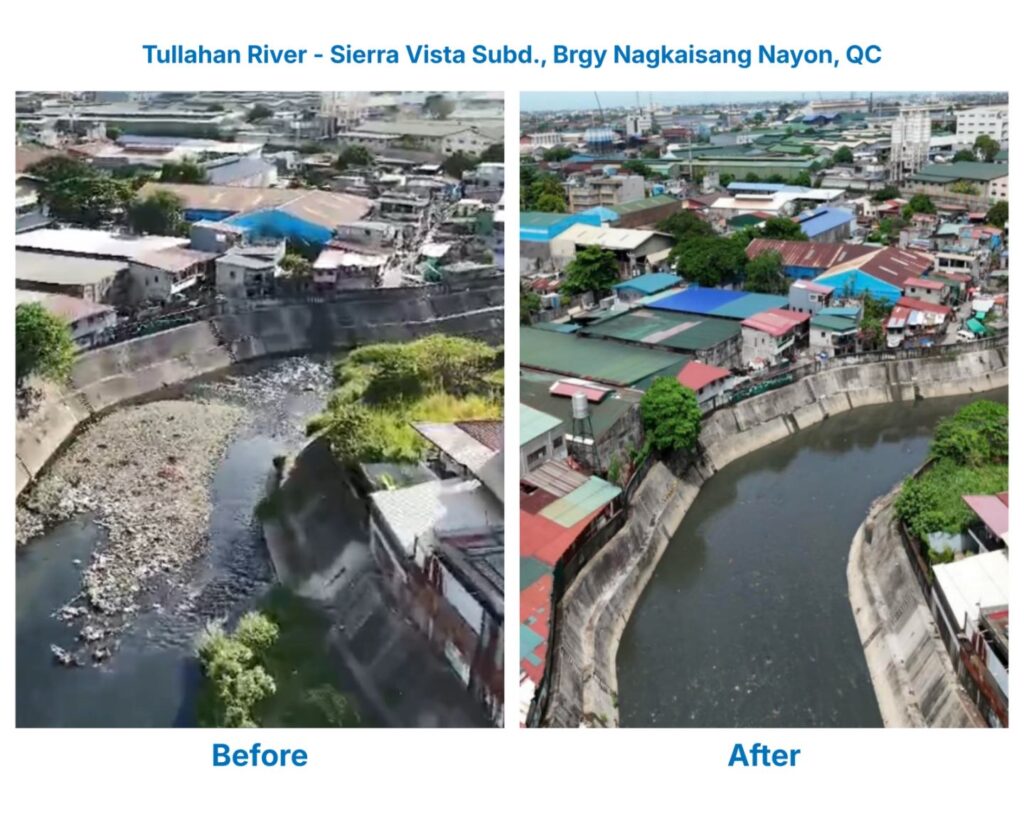
The Tullahan River has received the largest cleanup effort under the program, with more than 1.3 million metric tons of material removed. Ongoing maintenance has accounted for approximately 184,000 tons. During the recent rains, water levels remained below critical levels and no major river-related flooding was reported along surrounding communities.
In Laguna, SMC has removed more than 775,000 metric tons from waterways around San Pedro, Biñan, Santa Rosa and Cabuyao. No flooding was recorded along the South Luzon Expressway during the recent rainfall.
Waterways around Ninoy Aquino International Airport have also undergone extensive cleanup, with more than 380,000 metric tons of silt and waste removed from rivers and creeks in Parañaque. No flooding was reported at the airport or nearby communities, although flooding occurred in upstream areas outside SMC’s cleanup coverage.
In Las Piñas, nearly 210,000 metric tons have been removed from the Zapote and Las Piñas rivers. No major river-related flooding was reported during the recent rains.
The economics of flood mitigation
The figures highlight the scale of SMC’s intervention in waterways that form part of Metro Manila’s broader flood-management system.
But the company also stresses that river dredging is only one component of flood mitigation. Drainage networks, pumping stations, creeks, flood-control infrastructure and solid-waste management must function together to move stormwater efficiently toward major rivers and ultimately Manila Bay.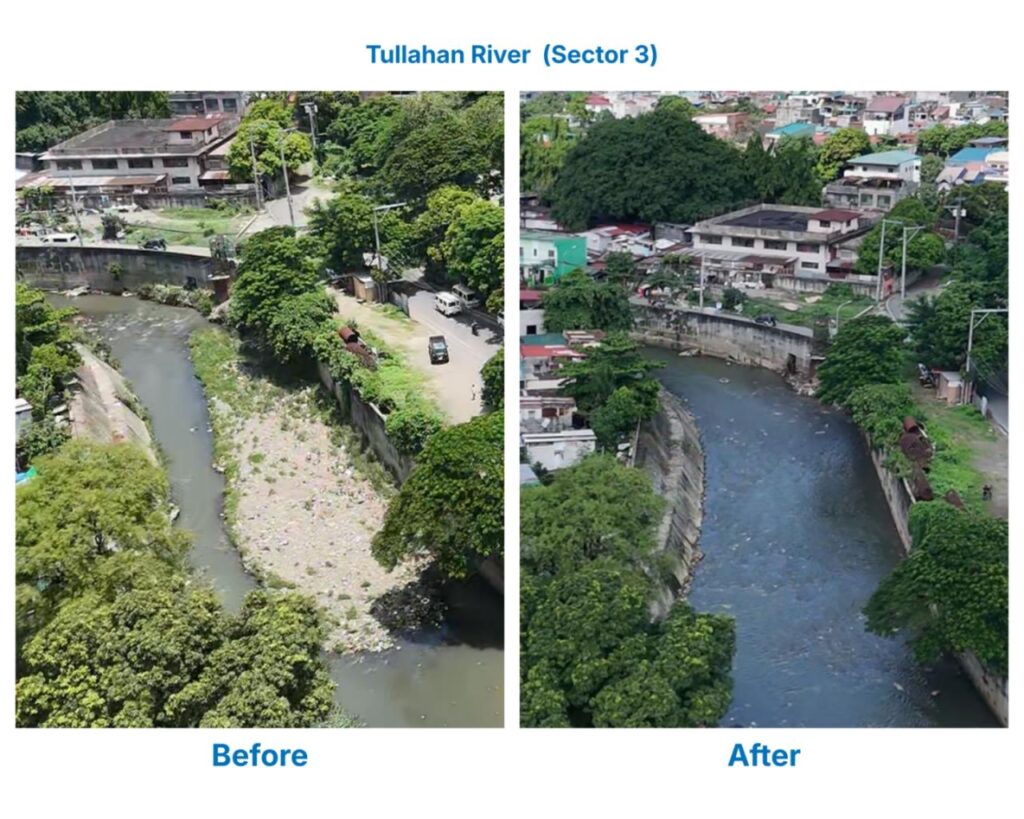 That distinction became particularly visible during the August 17 rainfall. While some major waterways remained within their carrying capacity, localized flooding still occurred in areas where drainage systems were overwhelmed or where garbage and other obstructions restricted water flow.
At G. Araneta Avenue in Quezon City, for example, floodwaters eventually receded, but SMC cleanup teams reported significant amounts of garbage left along the roadway. SMC Chairman and CEO Ramon S. Ang said the results demonstrate both the value and the limitations of river cleanup.
“Cleaning up our rivers is a big help in mitigating floods, but it is not enough by itself,” Ang said. “The whole system has to work, from our drains and creeks to pumping stations, flood-control infrastructure and the major rivers that carry the water downstream.”
The company has undertaken the Better Rivers PH program at no cost to government since 2020, removing accumulated sediment, waste and other obstructions while deepening and widening critical sections of waterways. The program is also expanding geographically. After focusing primarily on Luzon, SMC has recently brought the initiative to the Visayas through the cleanup of the Butuanon River in Mandaue City, Cebu.
For SMC, the headline number is now approaching 9.4 million metric tons removed. But the more significant measure may be whether that additional river capacity translates into fewer and less severe flood events as rainfall becomes increasingly intense.
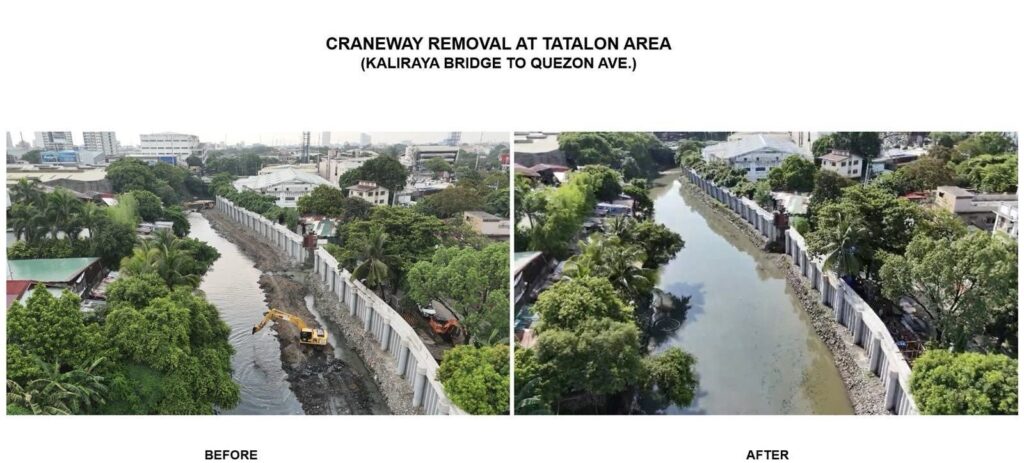
The August rains offered an early indication: even under rainfall measured in hundreds of millimeters, several of the waterways undergoing sustained maintenance continued to carry stormwater without major river overflow. The broader challenge, however, remains moving that water efficiently through the entire system—from the street drain to the creek, from the creek to the river, and ultimately out to Manila Bay.