
For anyone even faintly familiar with Japanese automotive culture, Daikoku Parking Area is a name that carries much weight.
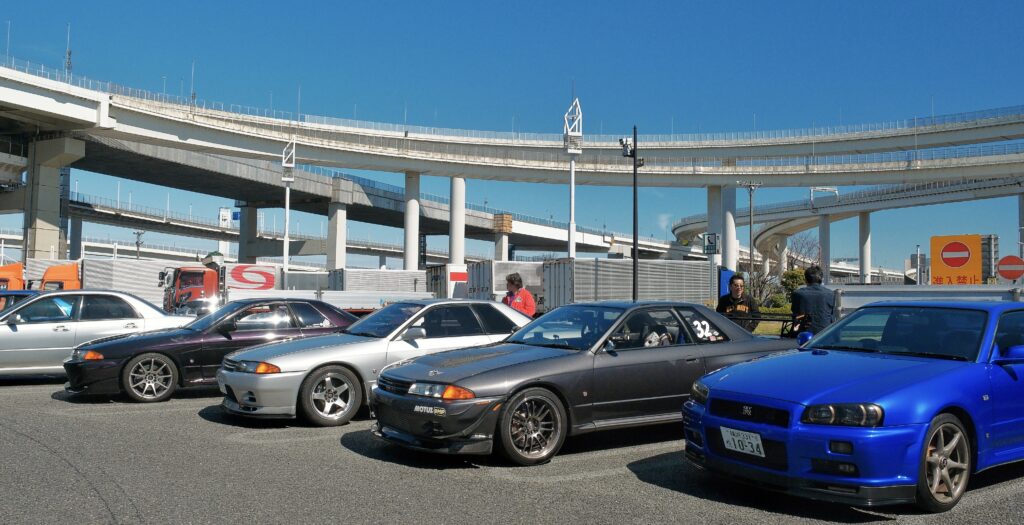
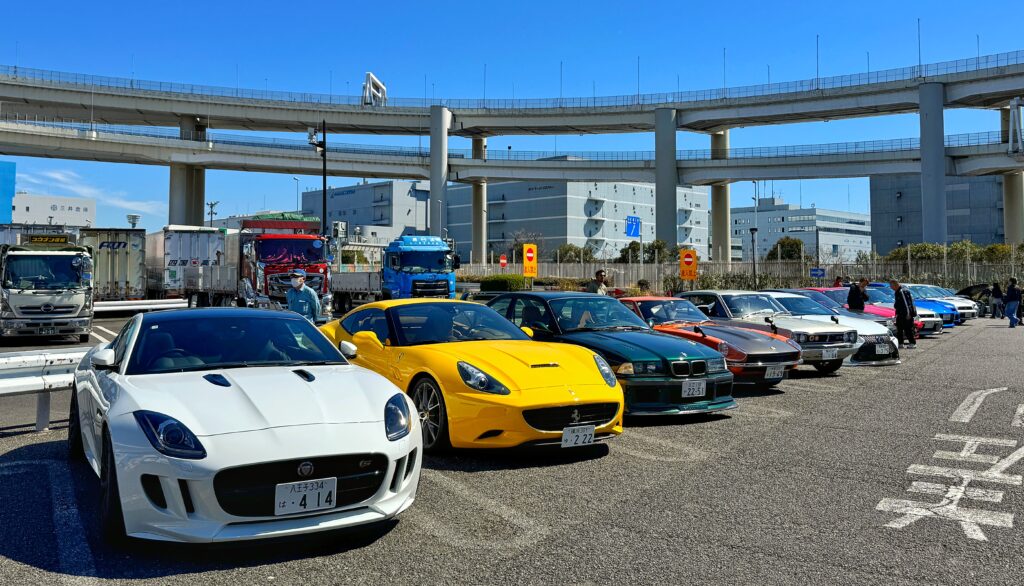
Part myth, part pilgrimage site, Daikoku PA has long occupied a near-legendary status among enthusiasts around the world. Located on an artificial island along Yokohama’s sprawling Shuto Expressway network, this otherwise ordinary highway rest stop has evolved into the beating heart of Japan’s car culture—a place where everything from vintage classics and tuner icons to modern supercars and full-blown race machinery gather beneath fluorescent lights and the constant hum of elevated expressways.
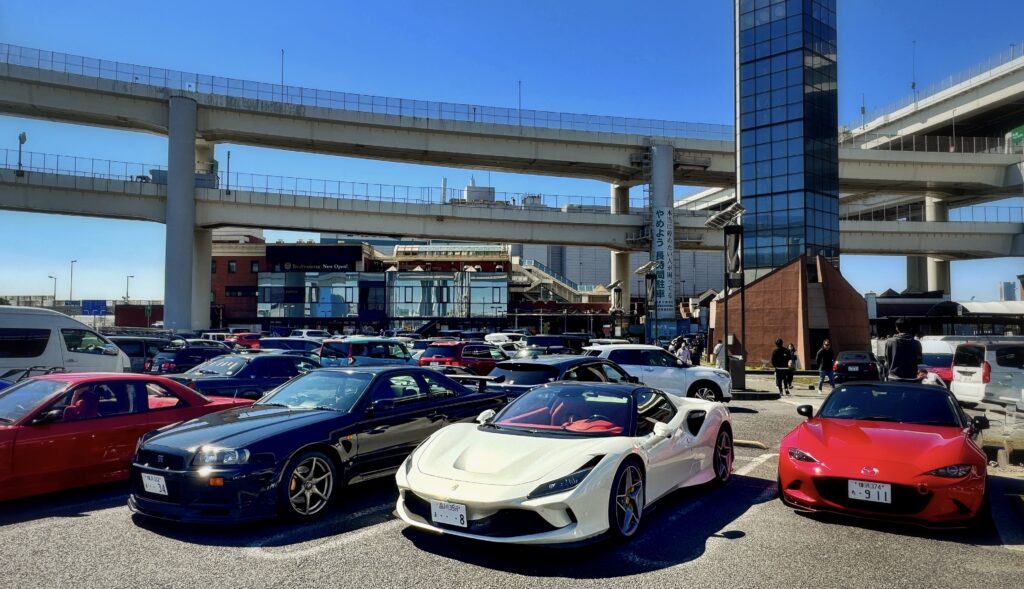
For many enthusiasts, visiting Daikoku is less about simply seeing cars and more about experiencing a culture that has shaped generations of automotive passion.
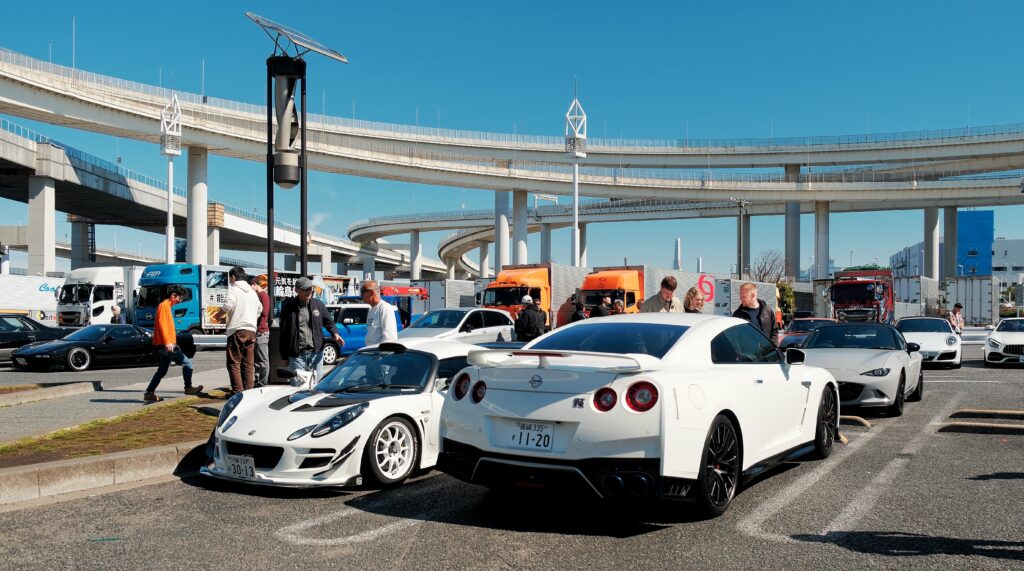
And at its best, Daikoku feels almost surreal.
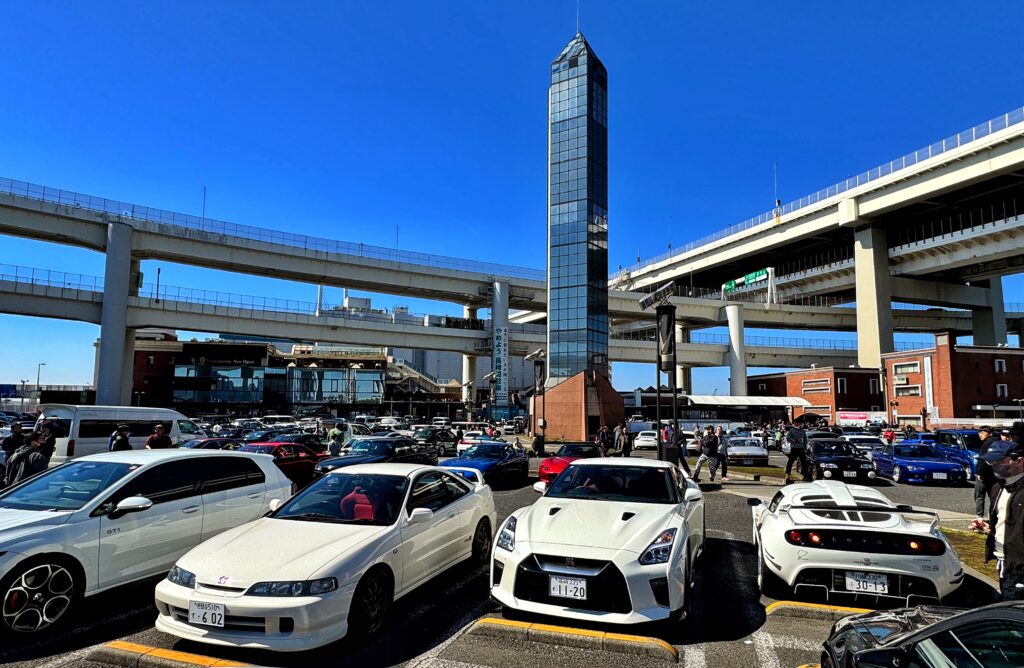
The parking area itself is surprisingly modest considering its global reputation. Divided into separate sections for passenger cars and heavy transport trucks, it accommodates around 400 vehicles in total. By day, it functions much like any other Japanese expressway rest stop: vending machines humming quietly, truck drivers grabbing meals, commuters stopping briefly for a toilet break or drinks before continuing their journeys.
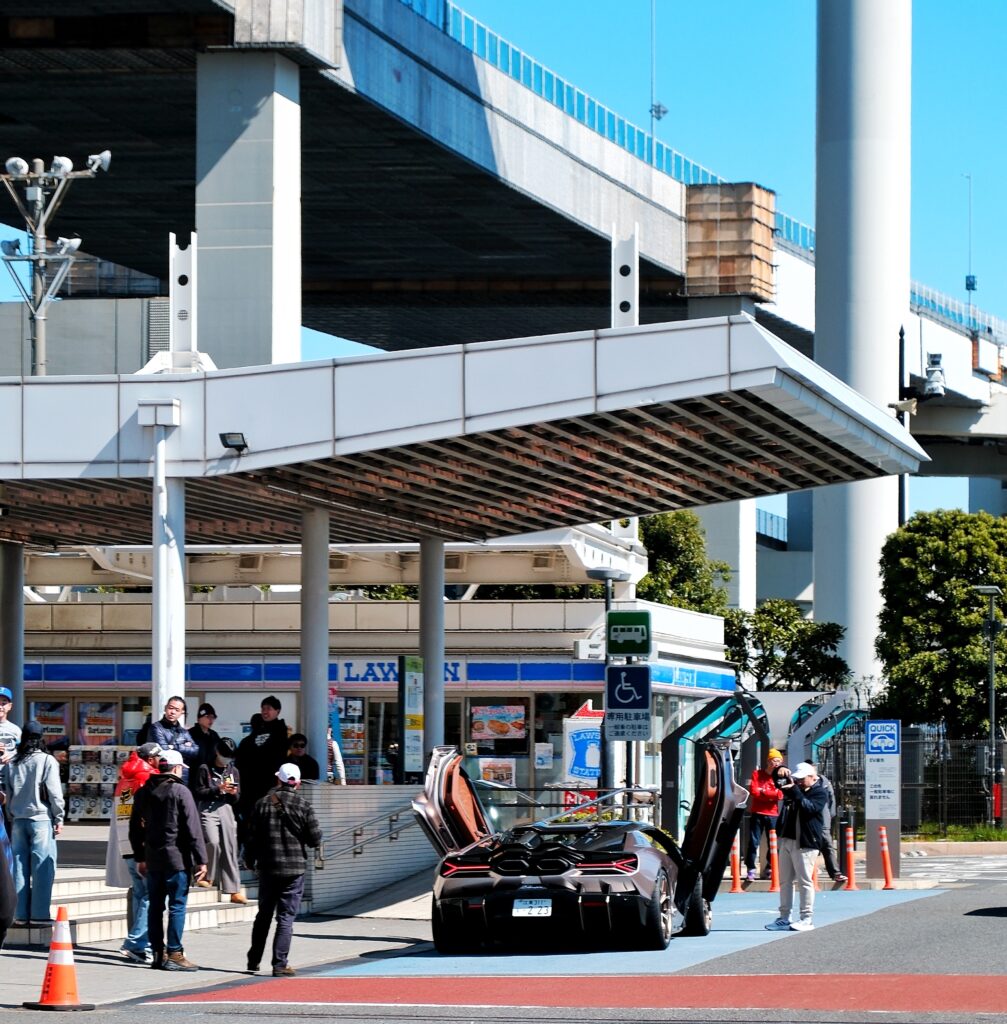
But as night falls—particularly on weekends—the atmosphere transforms. Daikoku becomes hallowed ground for enthusiasts.
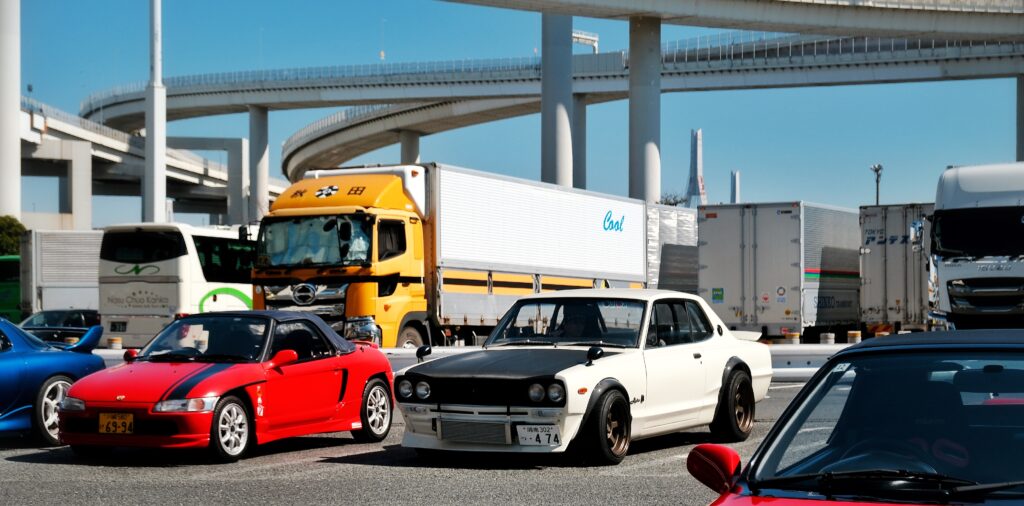
The first arrivals usually begin trickling in after sunset. Then suddenly, almost without warning, the parking lot fills with machinery that seems transported straight out of video games, old Option magazines, or grainy VHS footage from the golden era of Japanese tuning culture.
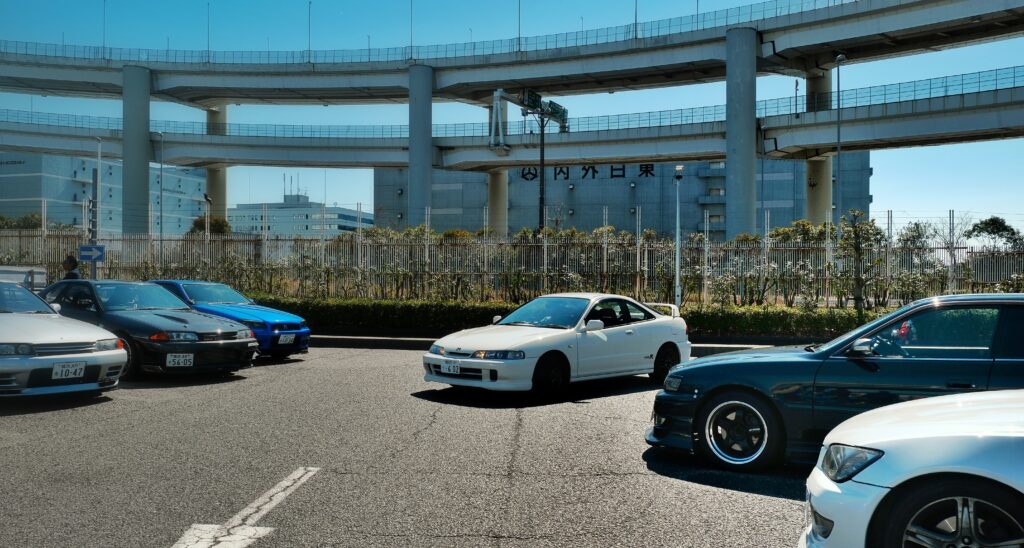
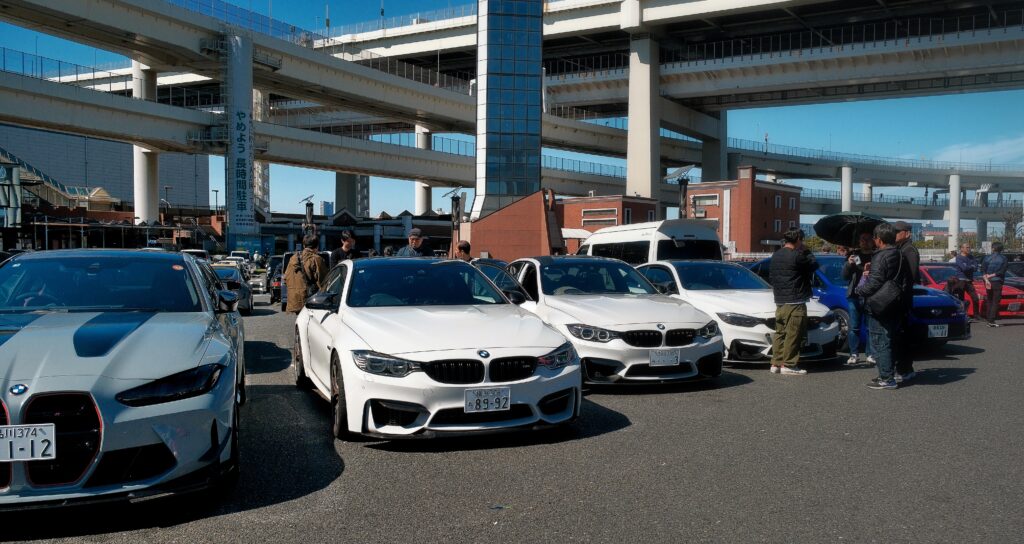
Highly modified Nissan GT-Rs of all generations idle beside immaculate Toyota Supras and other JDM heavyweights.
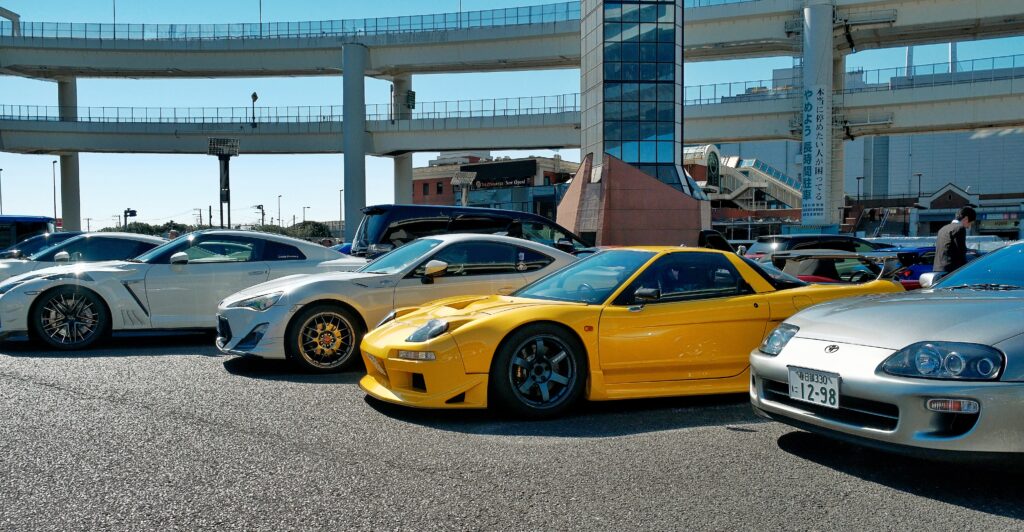
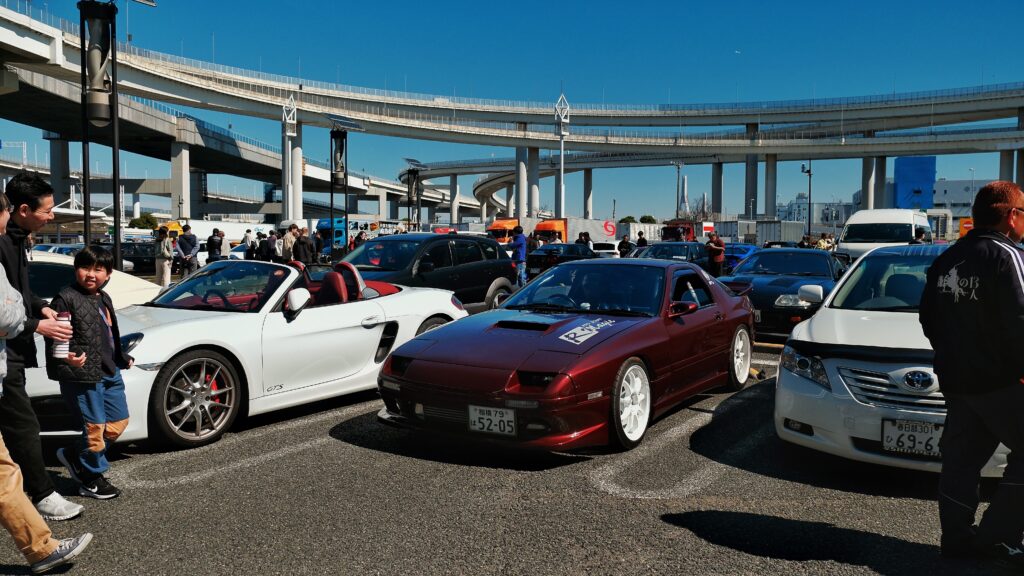
Rotary-powered Mazdas scream into the lot while Lamborghinis, Ferraris, Porsches, drift machines, and obscure tuner specials all somehow co-exist within the same crowded space.
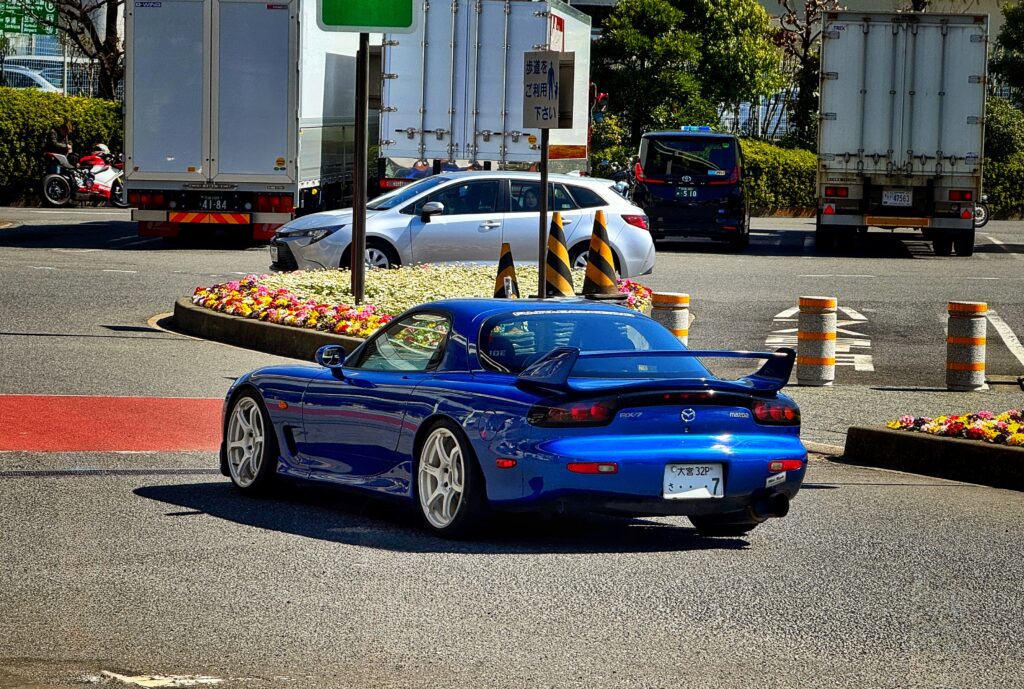
Some cars arrive polished to perfection,
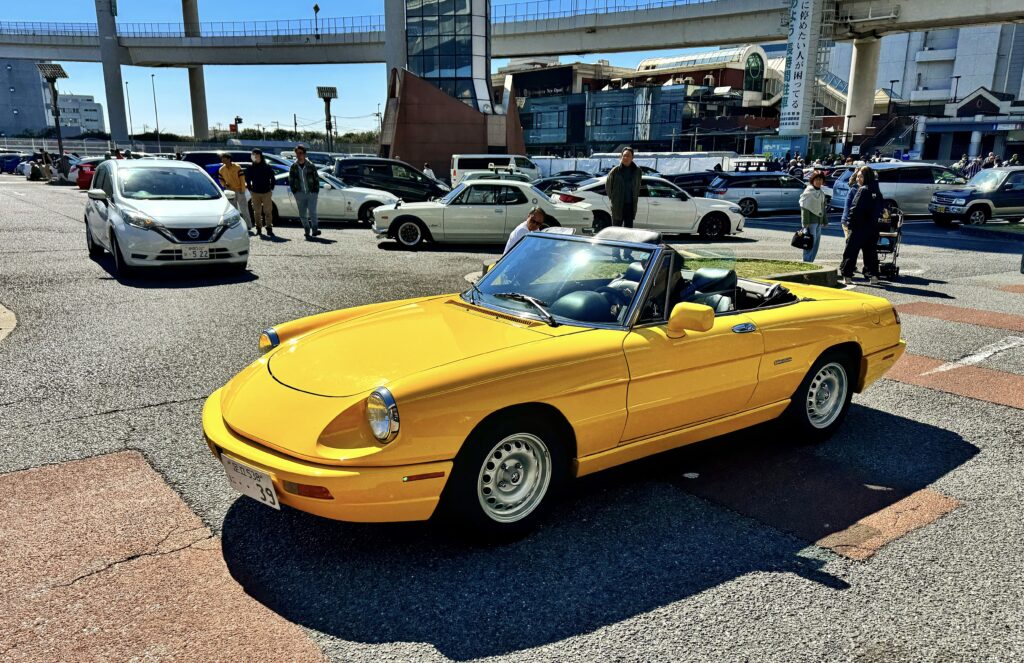
others bearing the scars of track days and hard driving.
Peak hours typically stretch from around 10 p.m. until after midnight, with hundreds of cars cycling through the parking area in just a few hours.
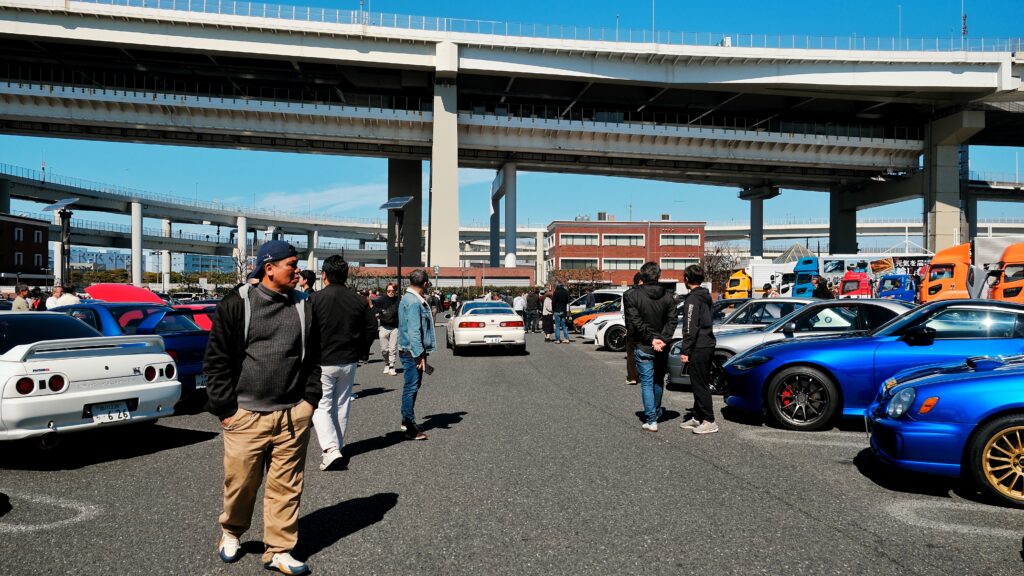
And therein lies both Daikoku’s charm and its problem.
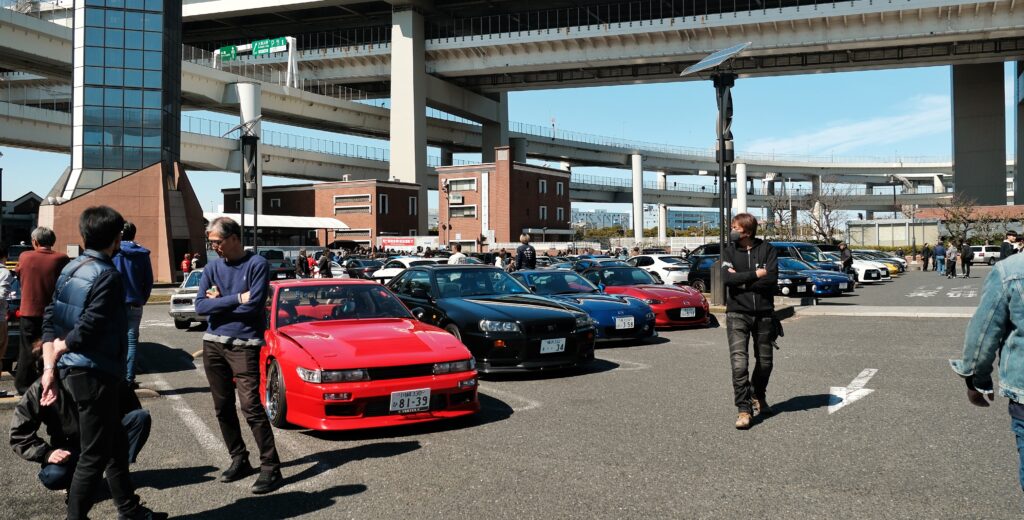
The sheer volume of visitors inevitably creates tension. Private vehicles spill into parking spaces reserved for trucks, frustrating drivers attempting to rest during overnight transport runs.
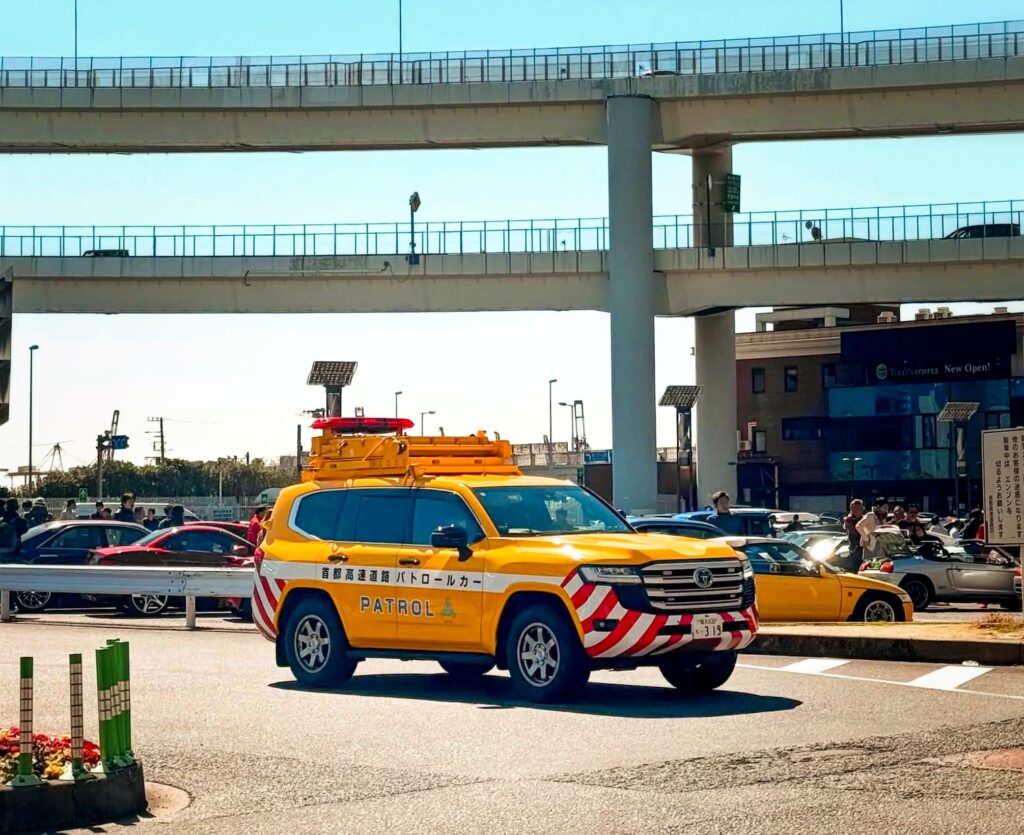
Complaints soon follow, and before long the police arrive—usually in unmistakable bright yellow Toyota Land Cruisers—to disperse the crowds and temporarily shut everything down.
Of the several times I attempted visiting Daikoku, not all were successful. More than once, we were rerouted away before even entering, the police already closing access roads after complaints or disorderly behavior.
Unfortunately, some of that behavior increasingly comes from overenthusiastic tourists with their rentals.
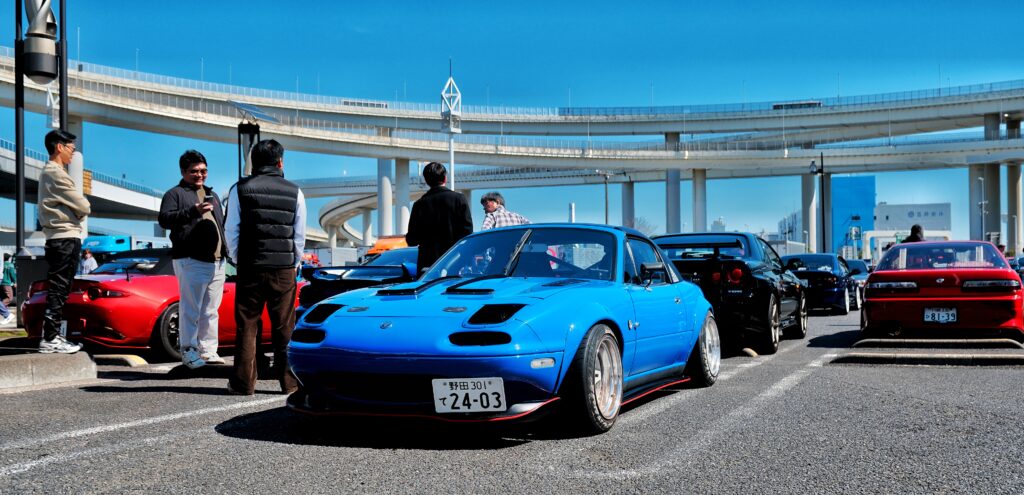
Rental cars attempting burnouts, reckless driving, rev battles, and even failed drifting attempts exiting the parking area itself have gradually strained the relationship between local enthusiasts, authorities, and foreign visitors. There is now a feeling that Daikoku exists in a fragile balance between preservation and collapse, of underground car culture and the mainstream.
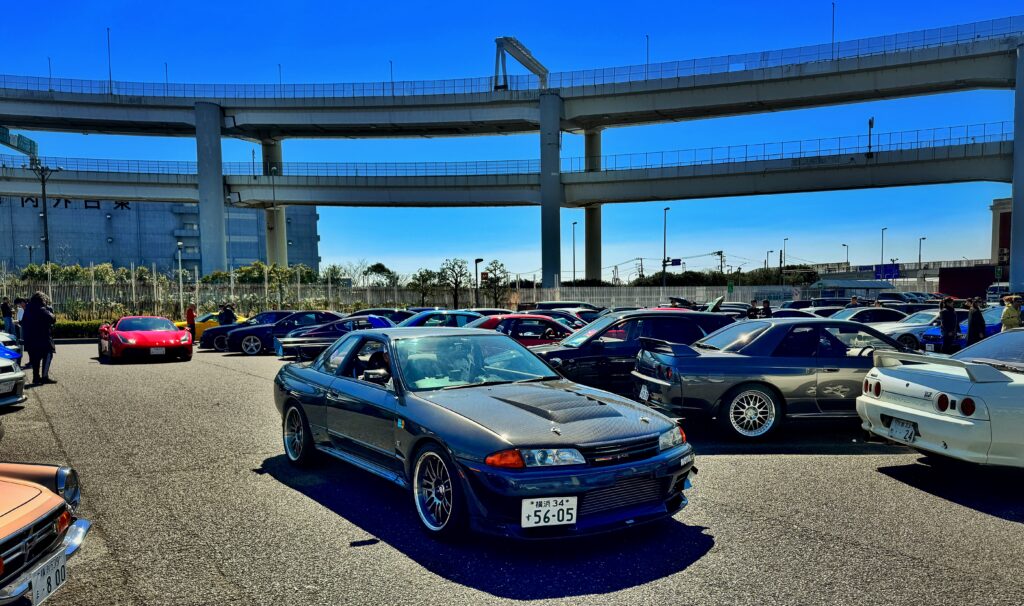
And perhaps age changes one’s perspective on these things.

When you are younger, the chaos feels exciting. The noise, the adrenaline, the sense of rebellion—it all seems inseparable from car culture itself. But eventually, you realize the real magic of places like Daikoku has never been juvenile theatrics.
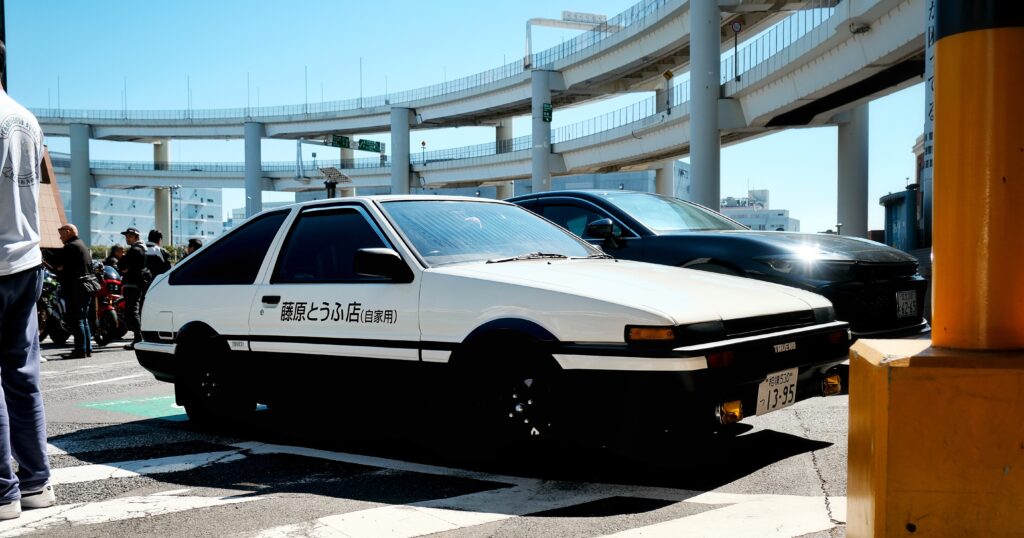
It is the machinery, the craftsmanship, the shared passion, and the quiet understanding between people who genuinely love cars.
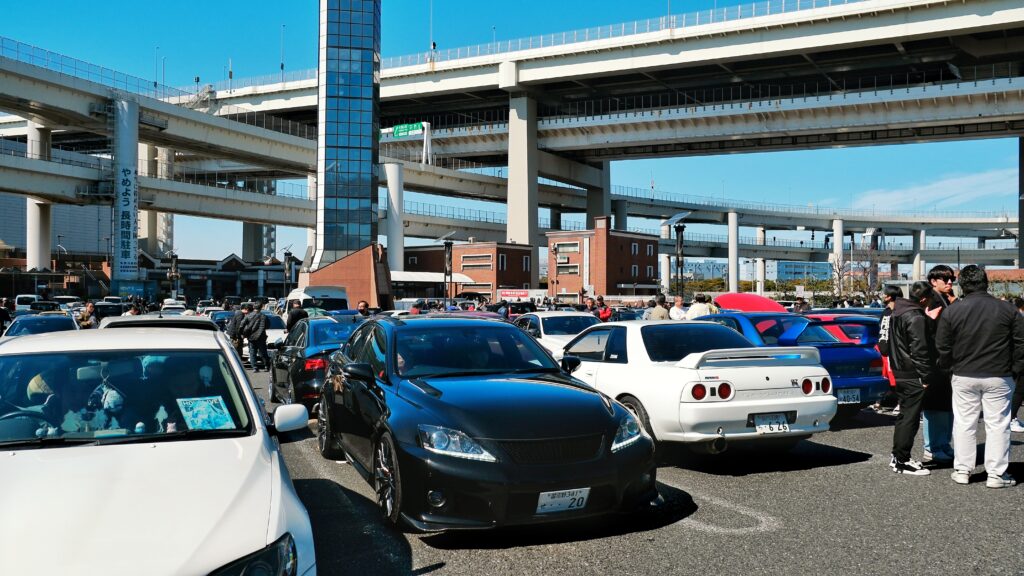
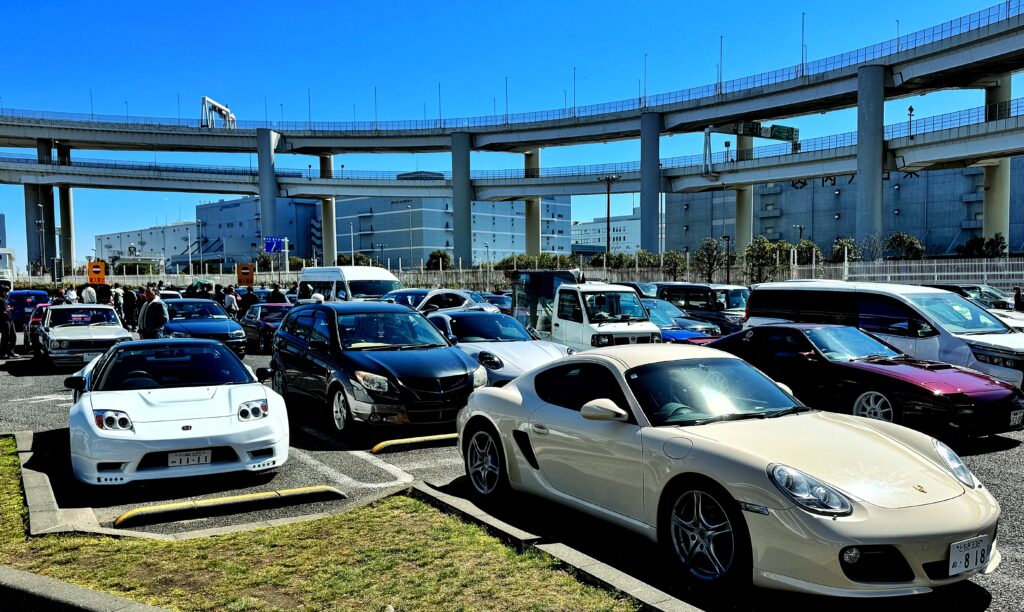
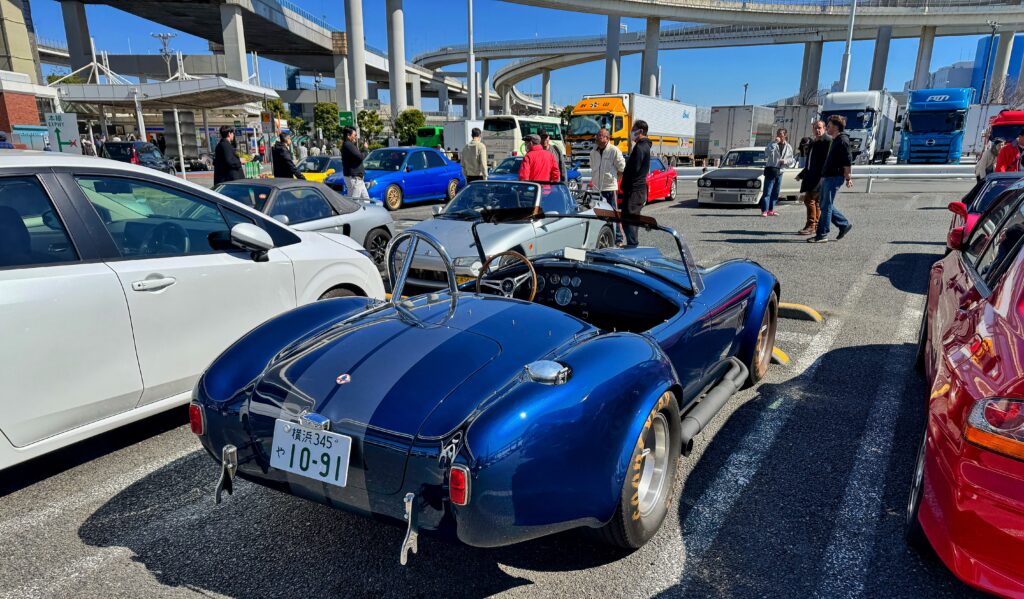
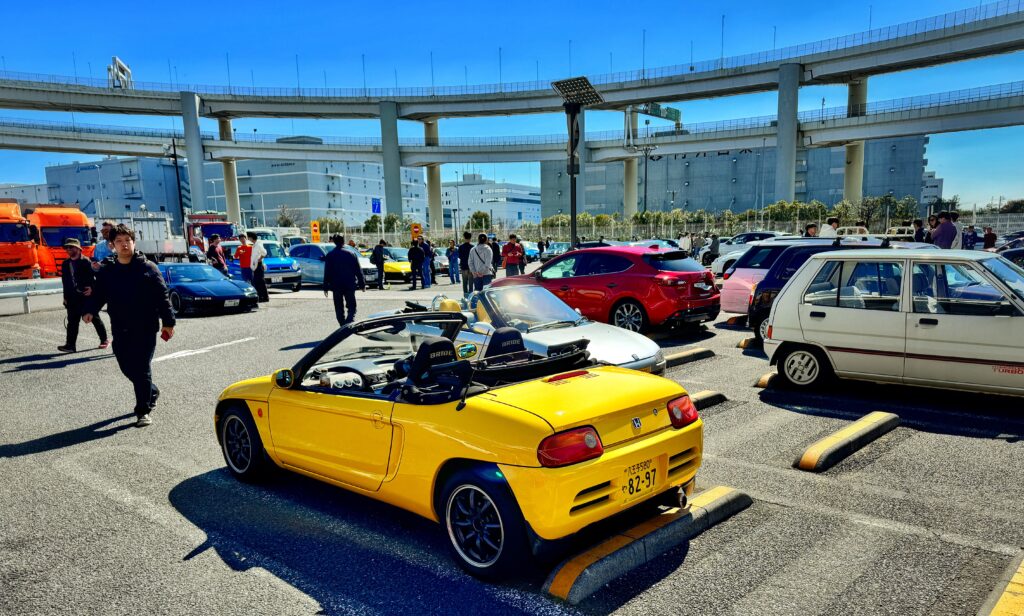
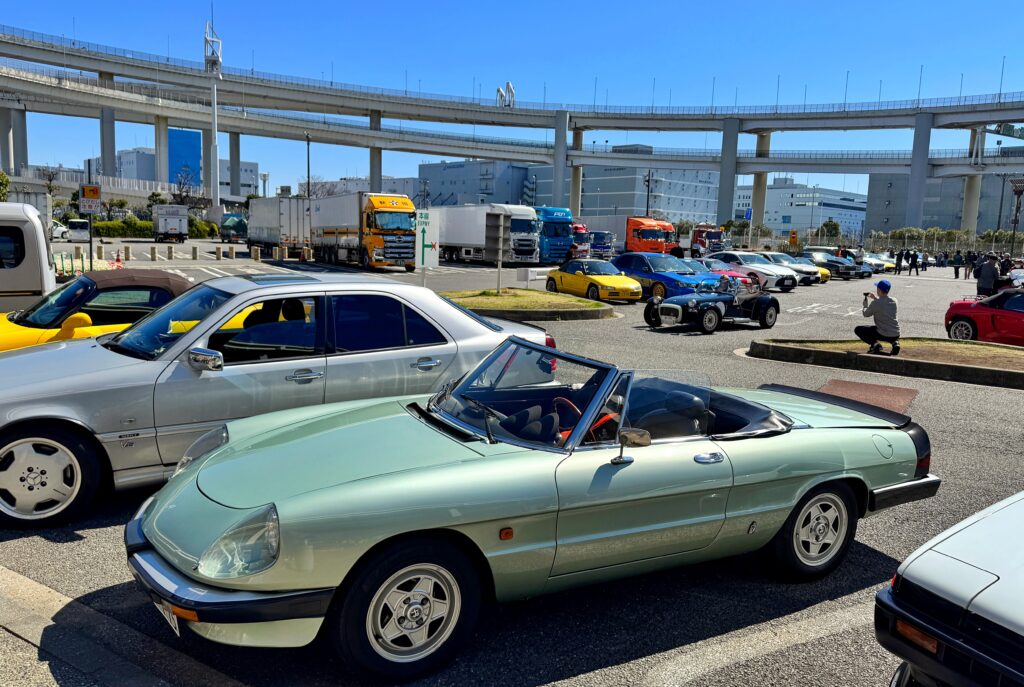
Which is why Sunday mornings at Daikoku have become my preferred way of experiencing it. The best of the best in Japanese car culture, with none of the drama and chaos.
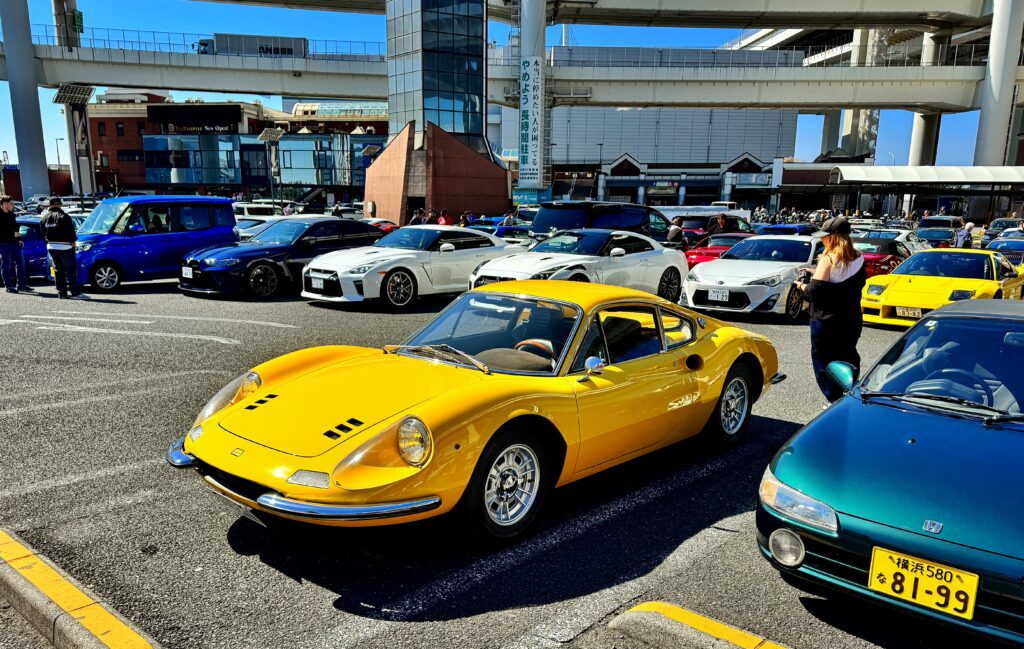
The atmosphere could not be more different. Sundays are when the OG-sans (a phonetic play on the Japanese word ojisan, which refers to older, middle-aged to elderly gentlemen) come out to play with their truly amazing, breathtaking toys.
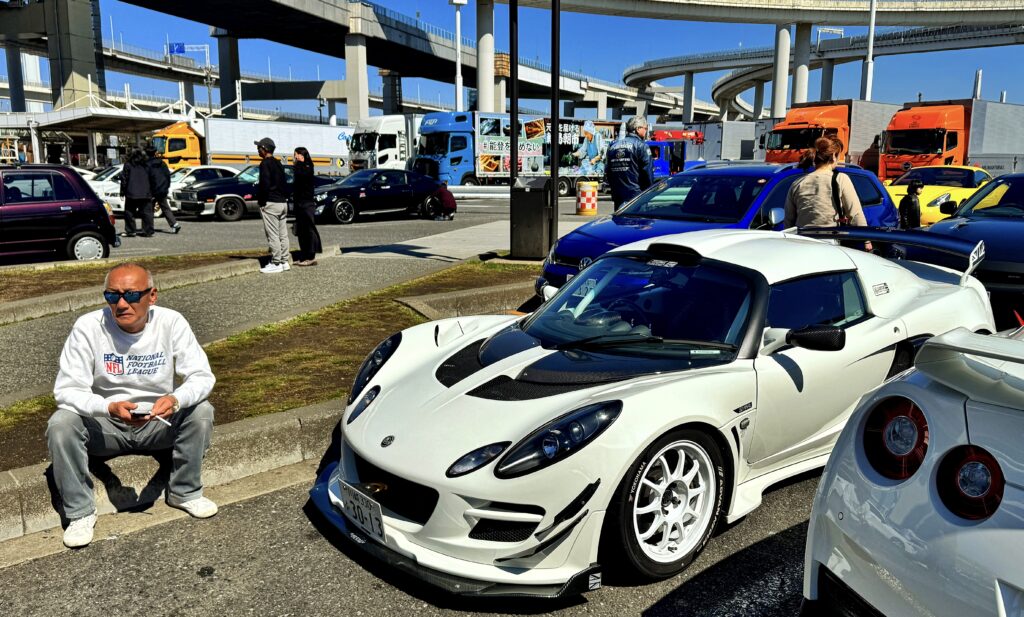
Sundays in Daikoku are much calmer with an older, more respectful crowd. Owners arrive early, coffee in hand, catching up and talking shop, casually discussing the next potential purchase or drive. Spectators quietly admire the machinery, usually at a respectful distance without turning the gathering into a circus.
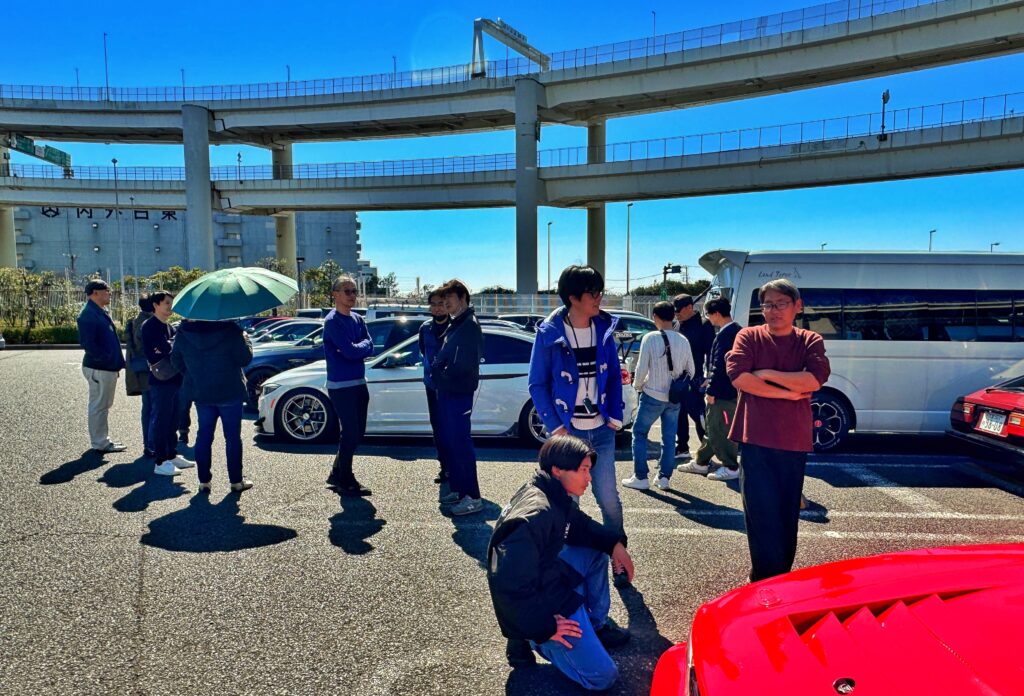
And the cars themselves become extraordinary.
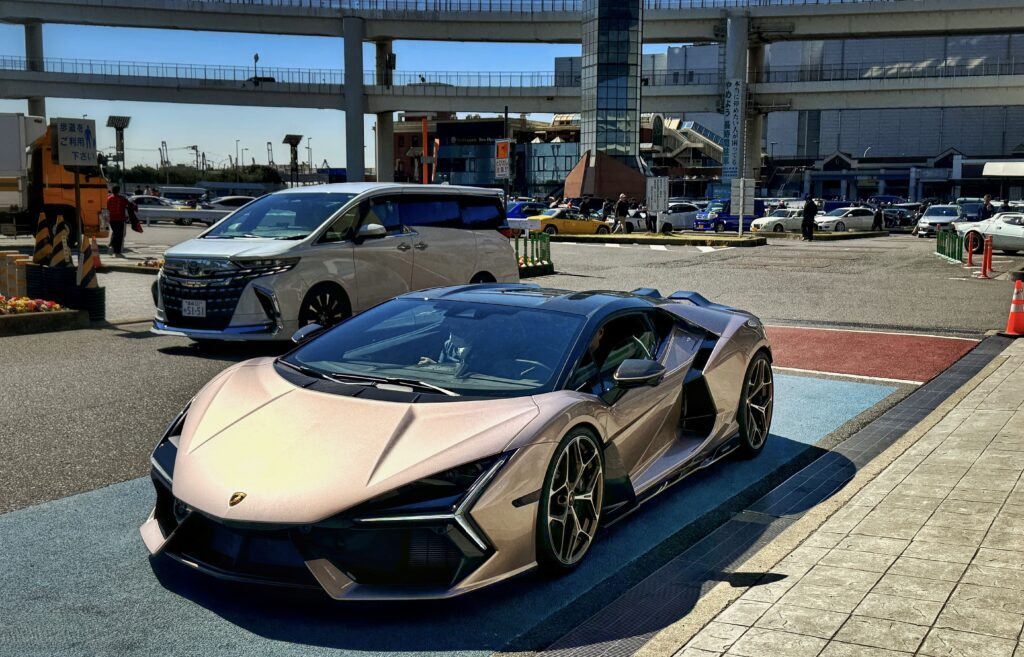
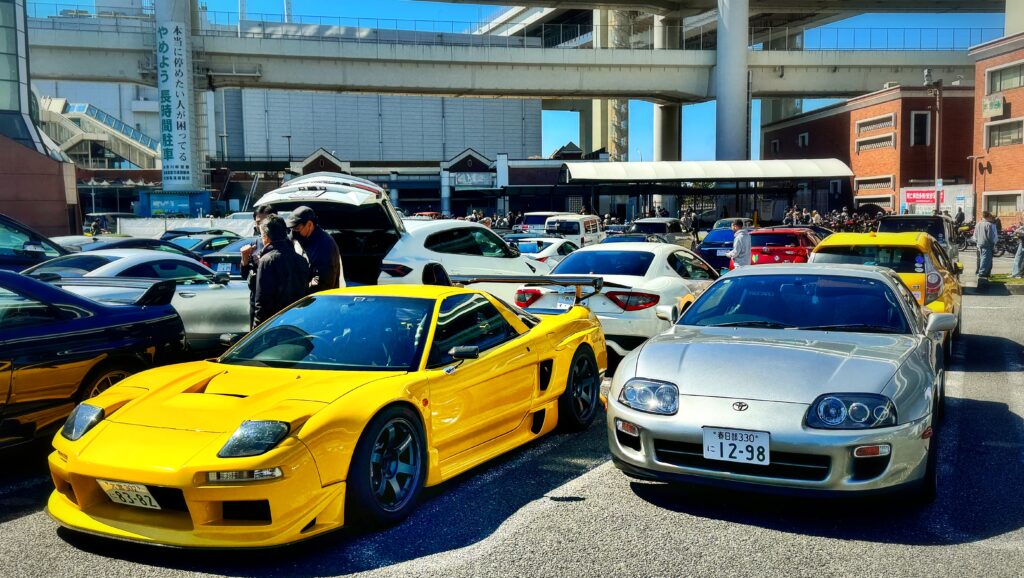
During our visit, my favorites included a widebody yellow Honda NSX parked beside a silver Toyota Supra, an imposing Lamborghini Revuelto,
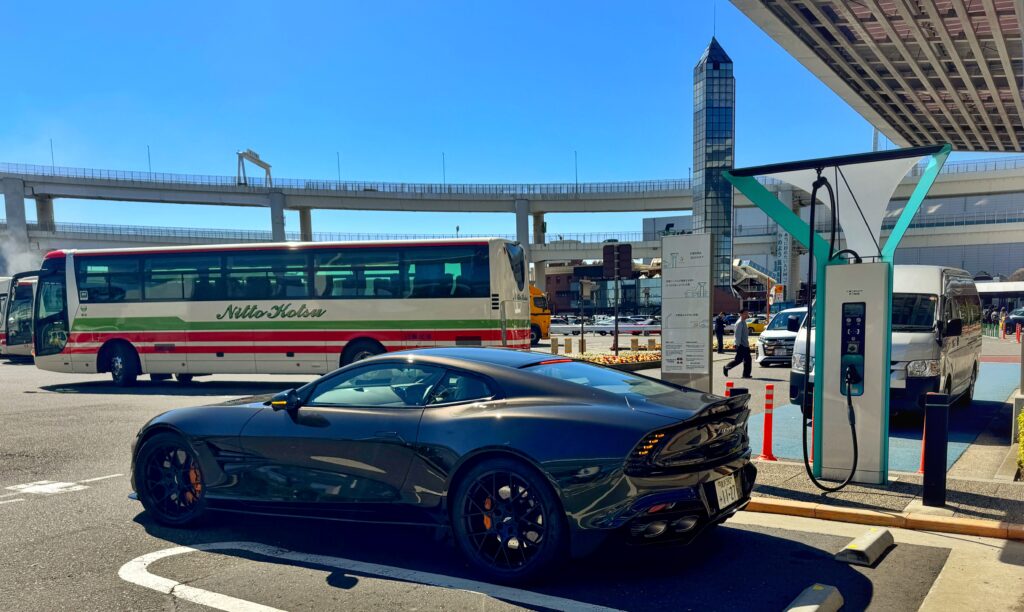
a rare Aston Martin Vanquish,
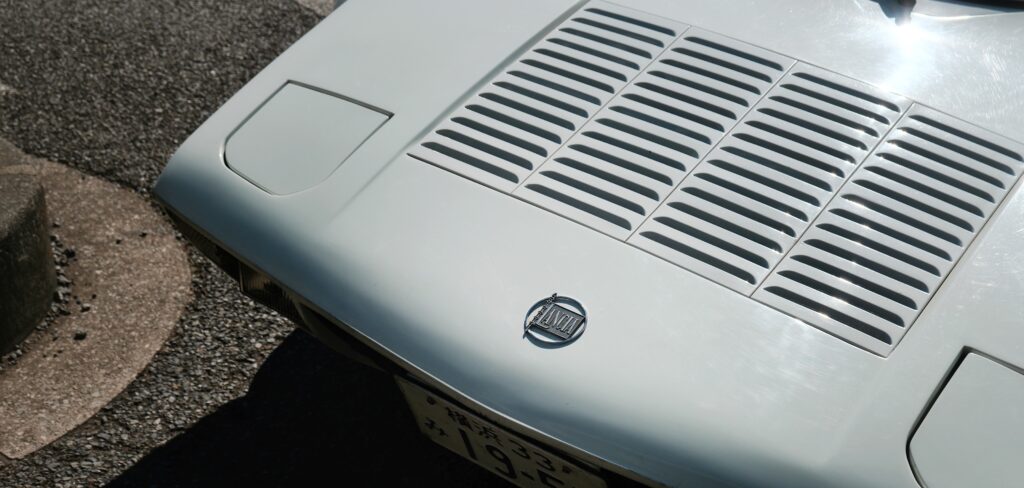
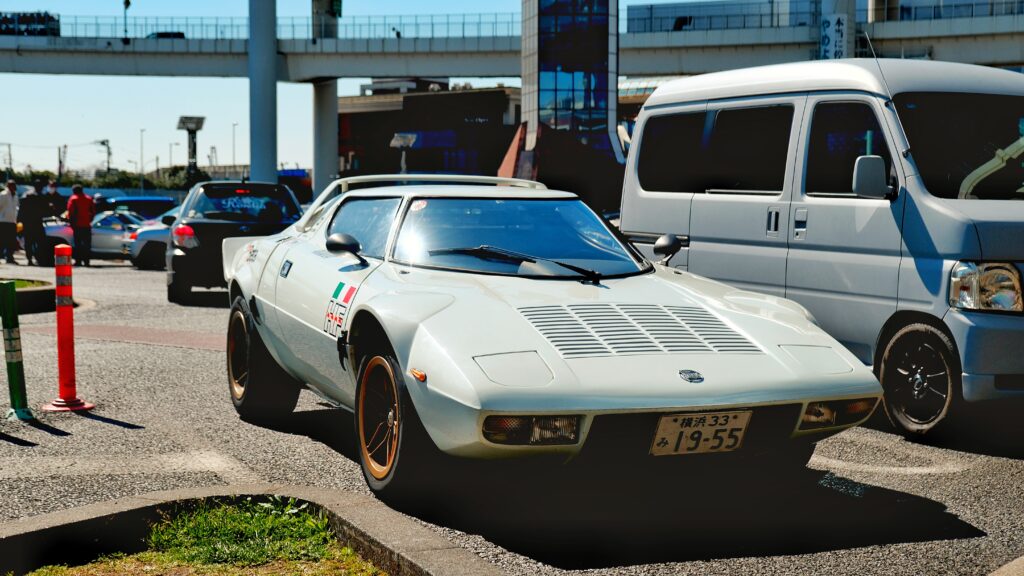
and a pristine Lancia Stratos that looked as though it had escaped directly from rallying’s golden age.
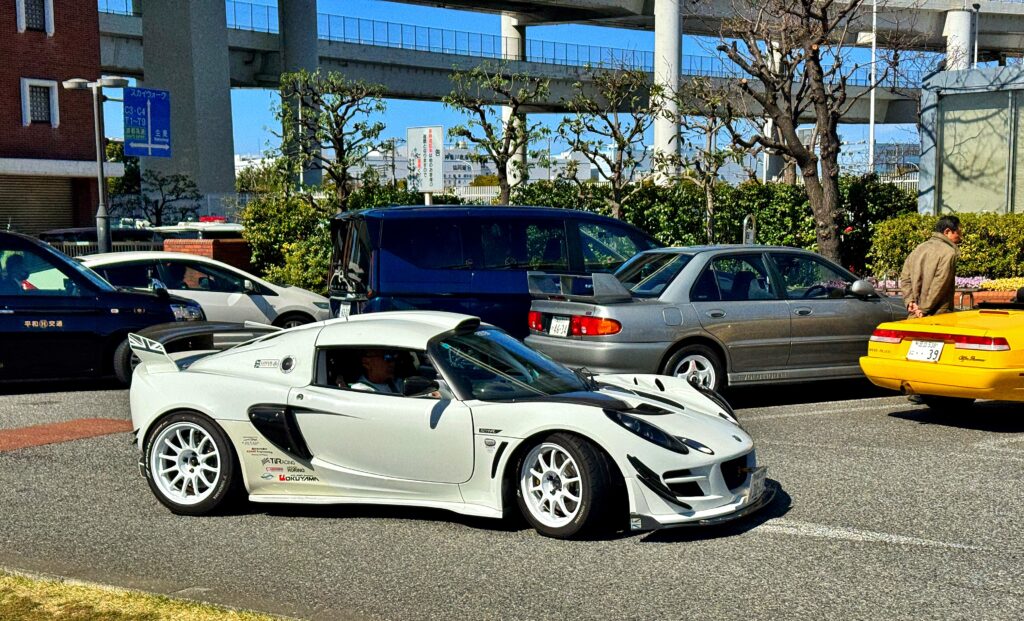
Elsewhere sat a heavily modified Lotus Exige wearing aggressive aerodynamic appendages, while on then opposite end of Daikoku, a trio of air-cooled Porsche 911 generations—the 930, 964, and 993—rested quietly beside one another like a timeline of Stuttgart’s early engineering history.
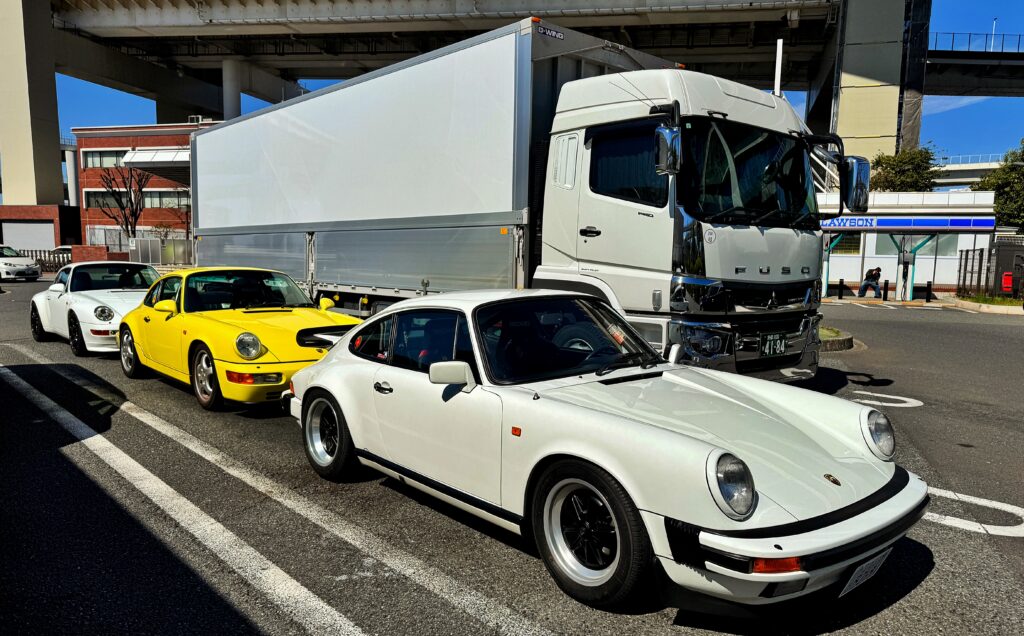
What makes Daikoku special is not merely the rarity of the cars, but the authenticity of the environment surrounding them. This is not a curated concours event nor a polished corporate gathering. There are no velvet ropes, no scheduled presentations, no influencers performing for cameras.
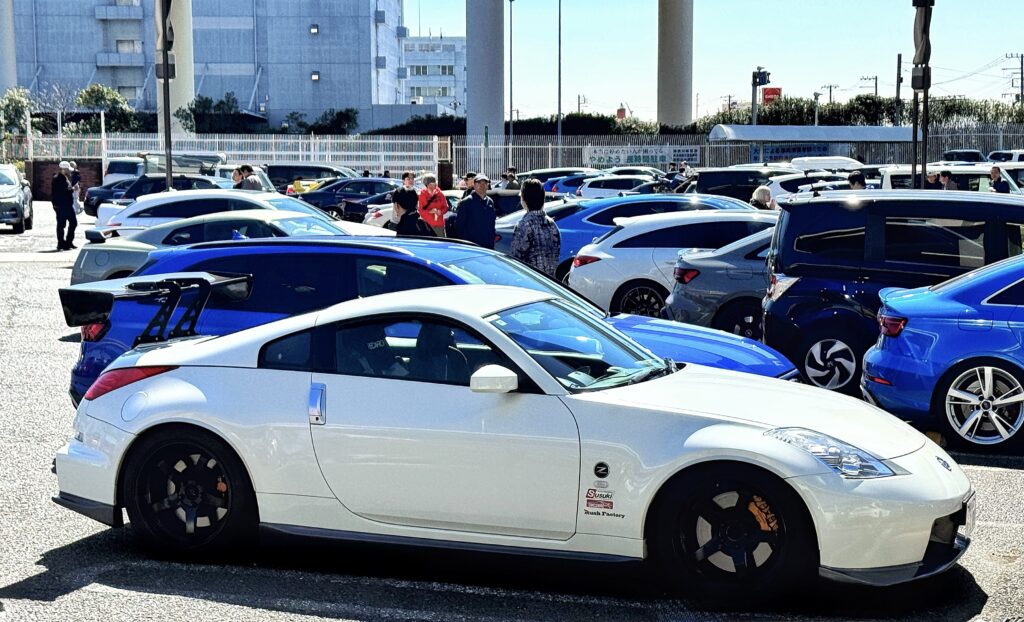
It is simply enthusiasts gathering because they want to.
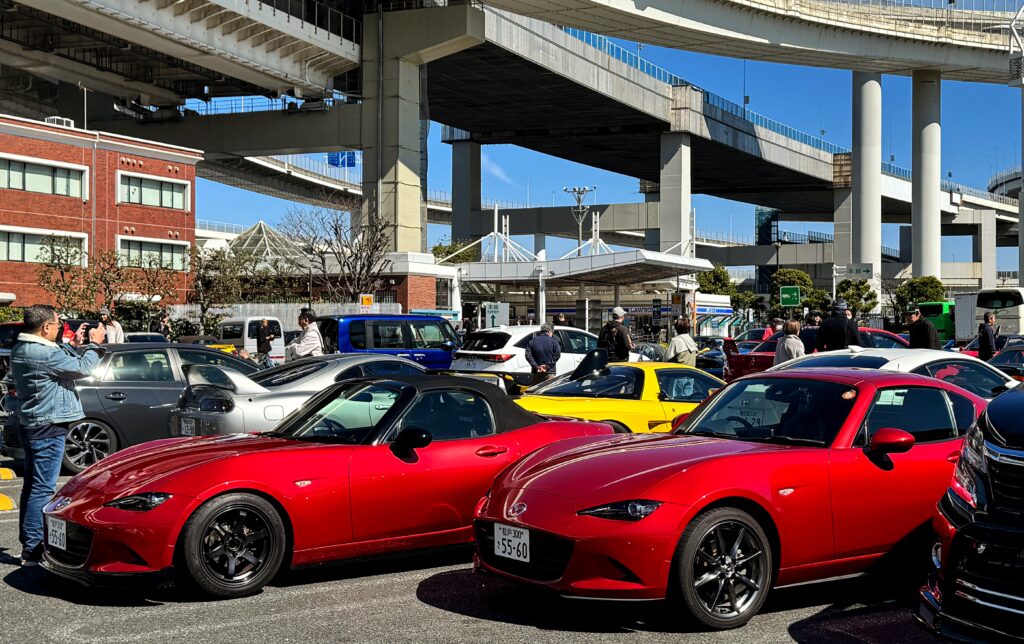
Ironically, reaching Daikoku remains one of the more inconvenient parts of the experience. There is no nearby train station, and public transportation options are limited. Most visitors either rent a car, take a taxi, use ride-hailing services, or join one of the many JDM-themed driving tours now operating throughout Tokyo and Yokohama.

But perhaps that inconvenience is part of what preserves Daikoku’s character. It remains for the truly committed.
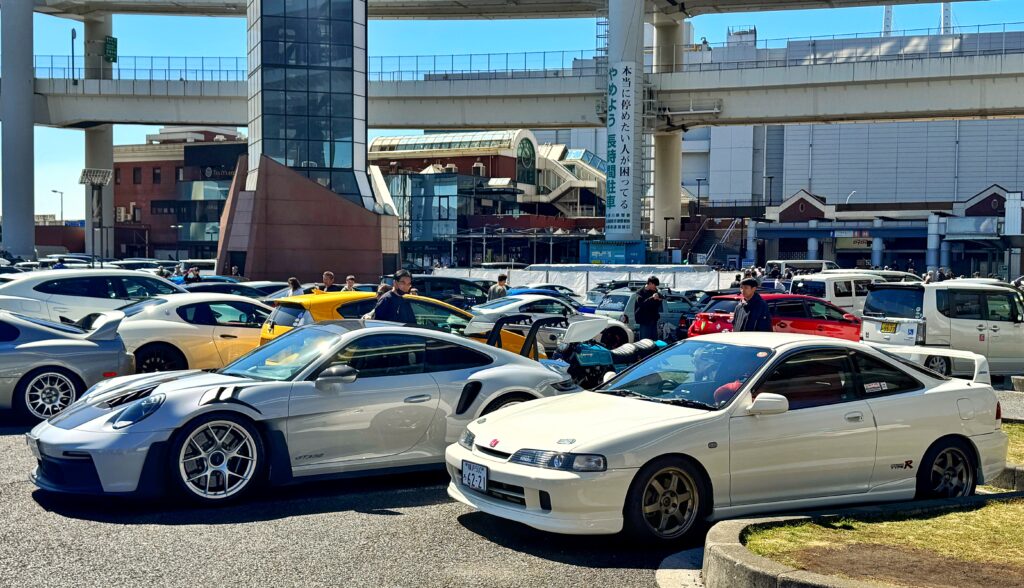
It still feels discovered rather than manufactured.
And in today’s increasingly sanitized automotive landscape, places like Daikoku matter more than ever. As electrification, regulation, and digitalization continue reshaping the industry, Daikoku remains a living reminder of an era when car culture felt deeply personal, mechanical, and gloriously imperfect.
If you ever find yourself in Japan with even the slightest appreciation for cars, make the trip.
But go early on a Sunday morning.
That is when Daikoku reveals its soul.