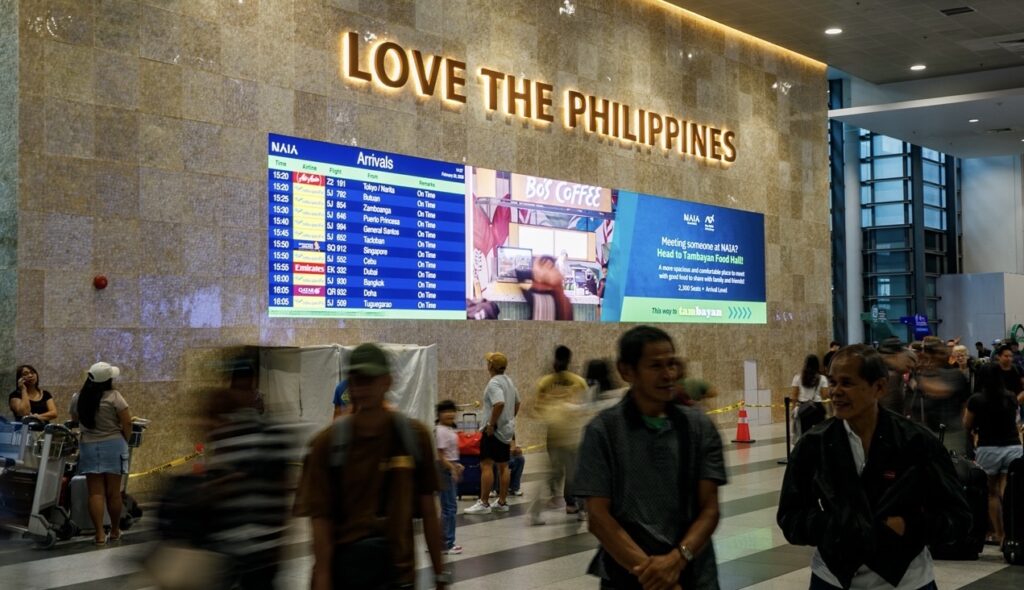


Philippine Airlines (PAL) is embarking on the most ambitious fleet modernization program in its recent history, placing significant orders with both Boeing and Airbus as it prepares for the next decade of growth. Together, the announcements represent 24 firm aircraft orders—with rights to acquire 10 more—underscoring the flag carrier’s confidence in long-haul travel, the strength of the Filipino diaspora, and the country’s growing role as a regional aviation hub.
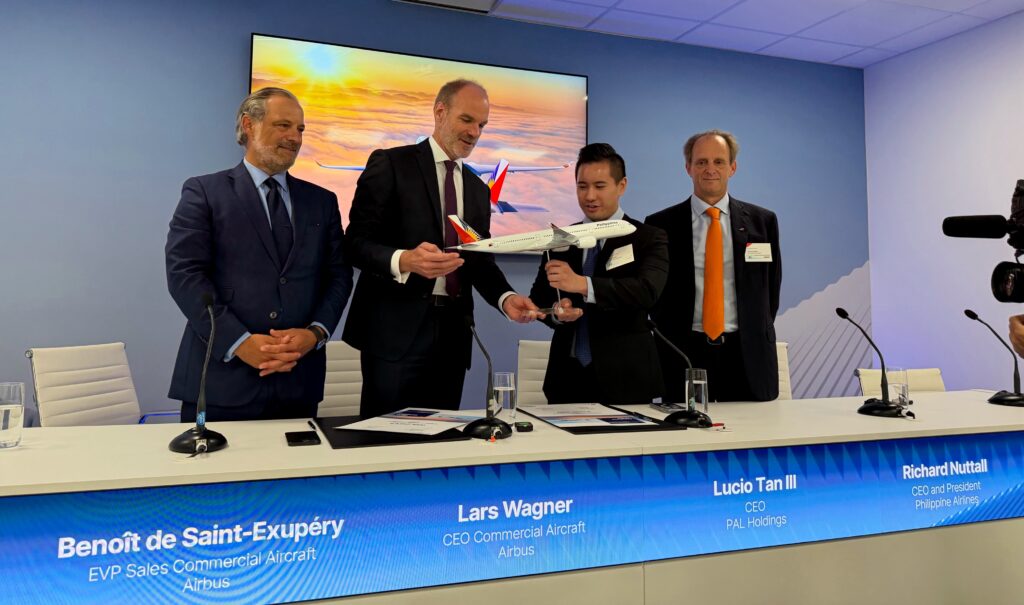
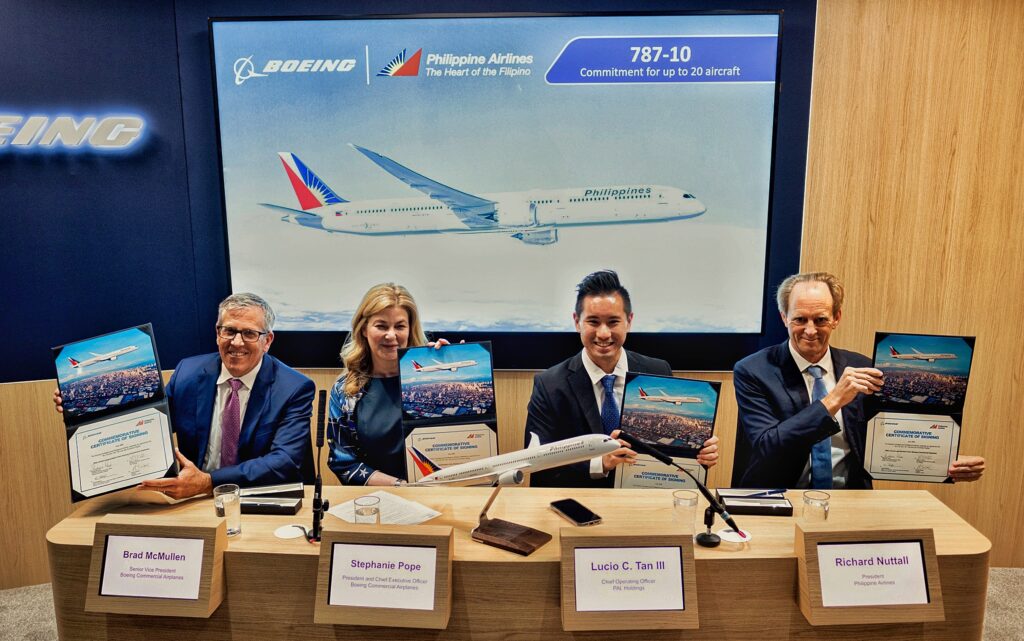
The expansion comes just a few years after PAL successfully emerged from its Chapter 11 restructuring, marking a dramatic shift from recovery mode to long-term investment, and under new leadership with Lucio Tan III, President and Chief Operating Officer of PAL Holdings Inc., and Richard Nutall, President of Philippine Airlines taking charge.
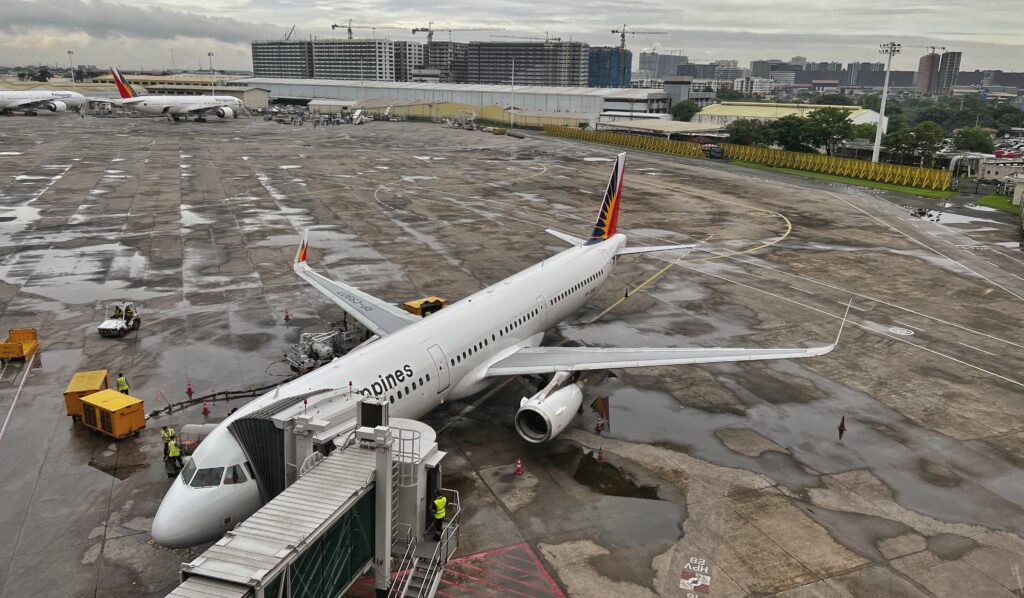
Rather than merely replacing aging aircraft, the airline is building a fleet capable of serving new markets while improving efficiency, passenger comfort, and operating economics.
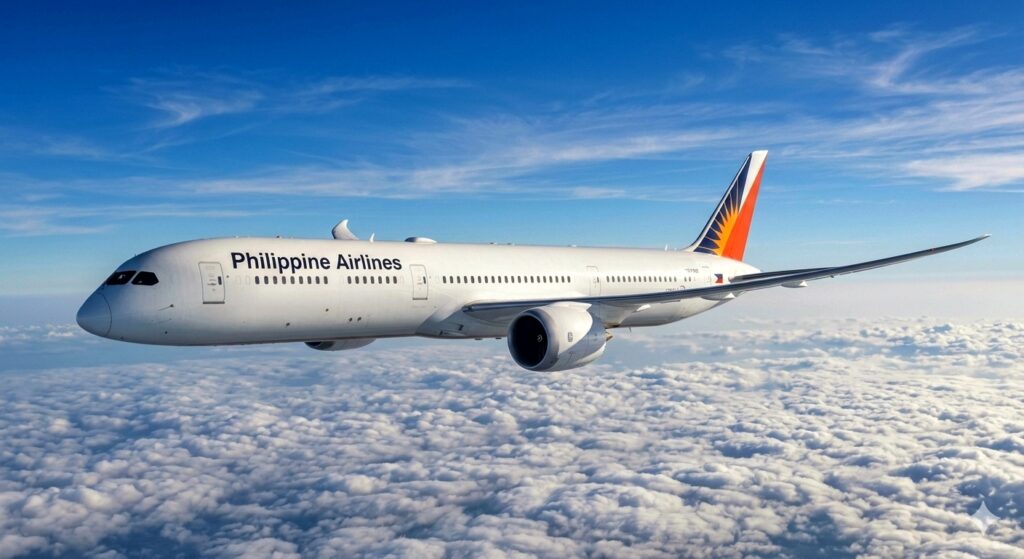
Leading the acquisition is an order for 15 Boeing 787-10 Dreamliners, with purchase rights for five additional aircraft. Deliveries are scheduled to begin in 2031, making this PAL’s first Boeing widebody order in nearly two decades.
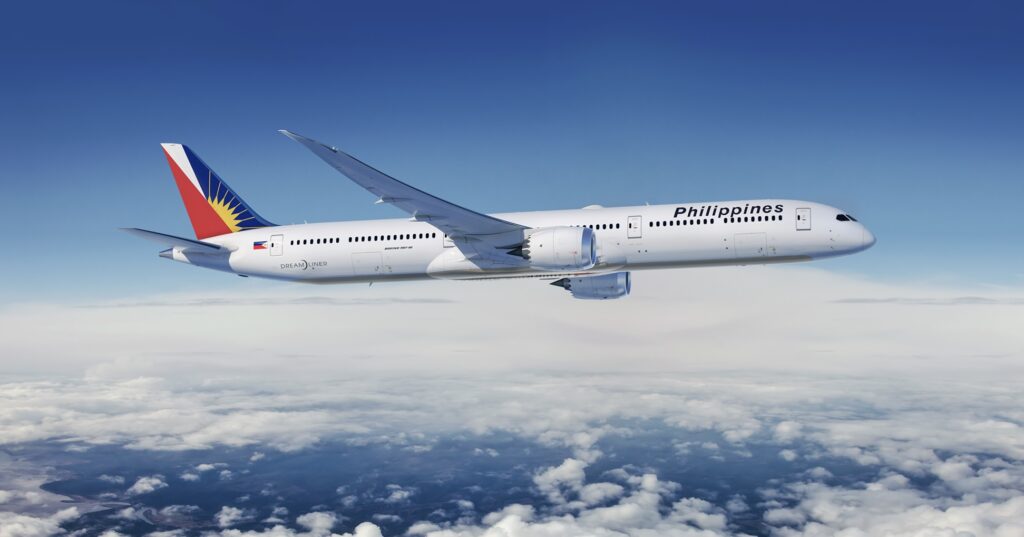
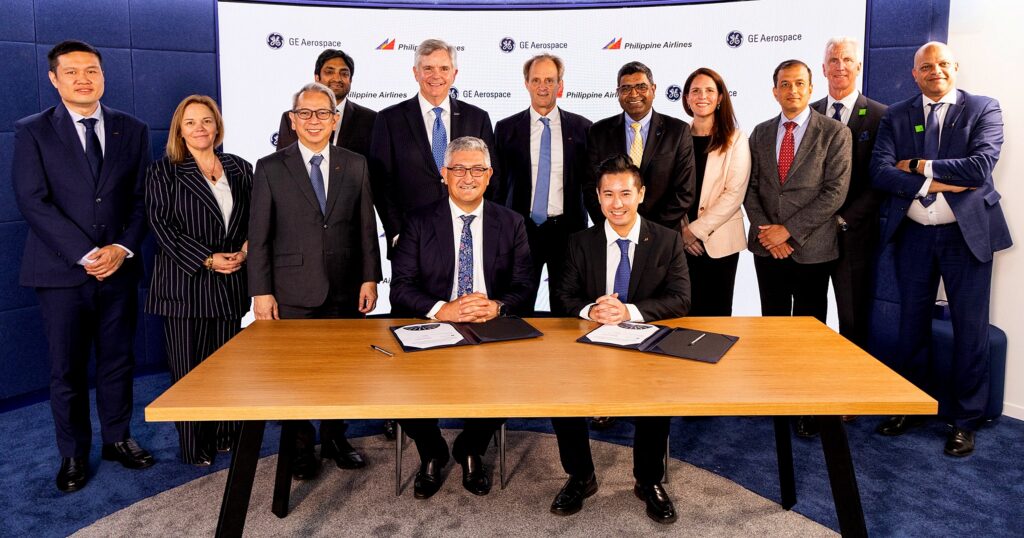
The aircraft will be powered by GE Aerospace GEnx engines and are expected to become the backbone of the airline’s medium- and long-haul network.
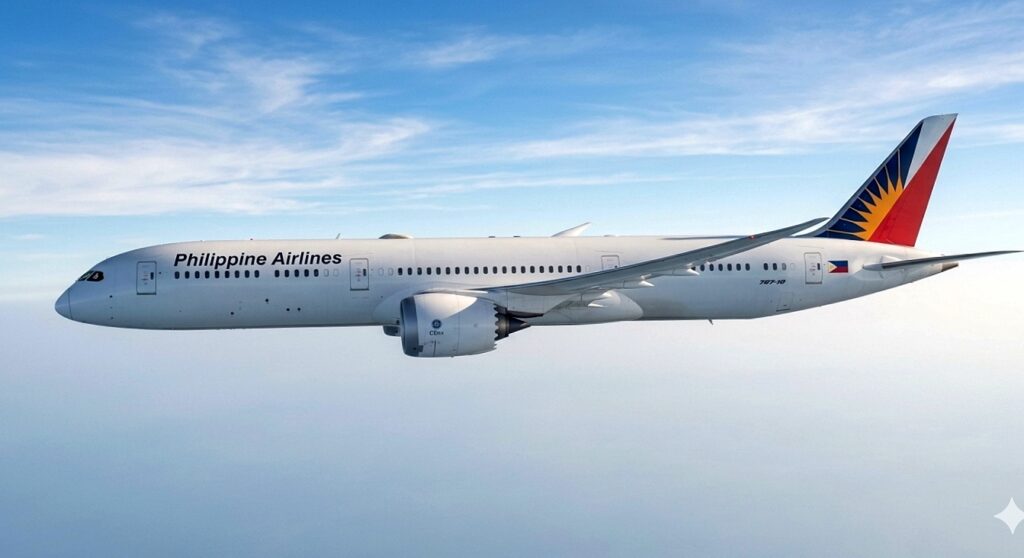
The 787-10 offers significantly lower fuel consumption than the aircraft it will eventually replace while providing improved passenger comfort through higher cabin humidity, lower cabin altitude, larger windows, and quieter interiors. Its economics make it particularly well suited for high-density routes across Asia, Australia, and selected North American destinations where demand continues to grow.
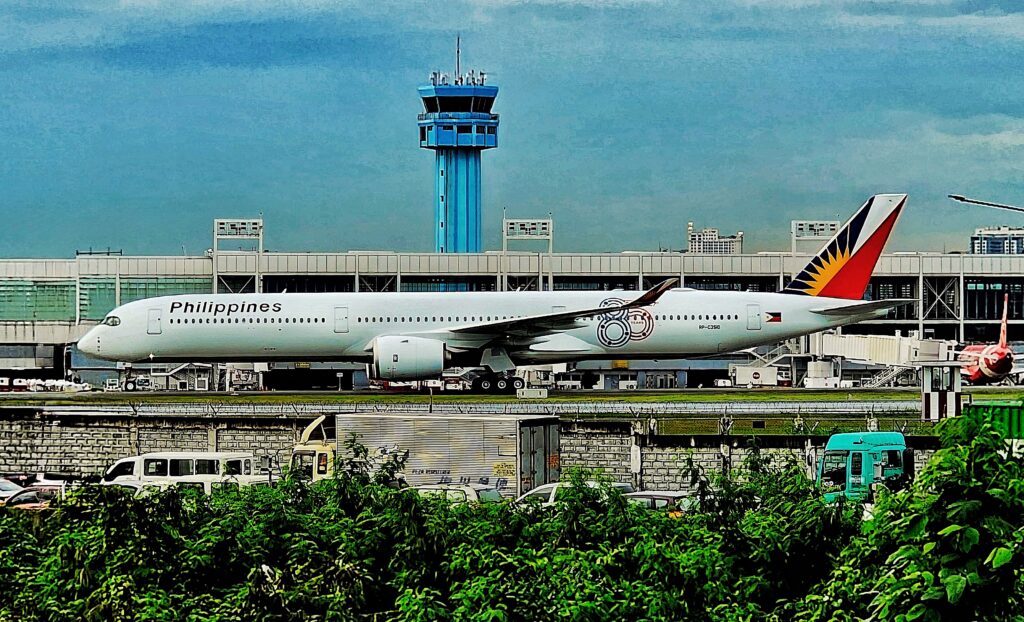
Complementing the Boeing purchase is an order for nine Airbus A350-1000s, accompanied by rights for five more aircraft. Production deliveries are expected to begin at the start of the next decade. The A350-1000 becomes PAL’s new flagship, building on the airline’s successful experience operating the smaller A350-900.

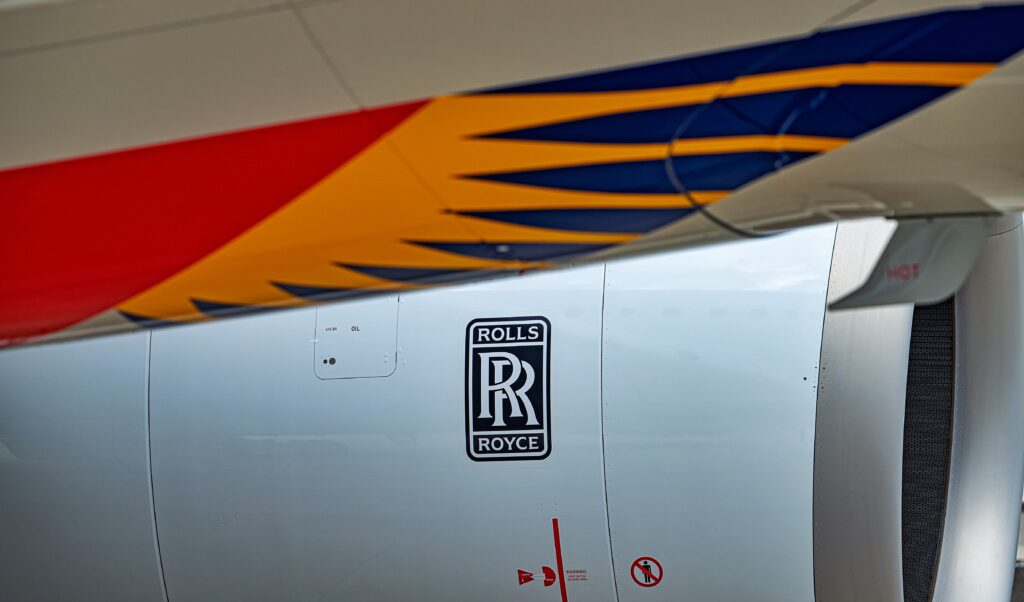
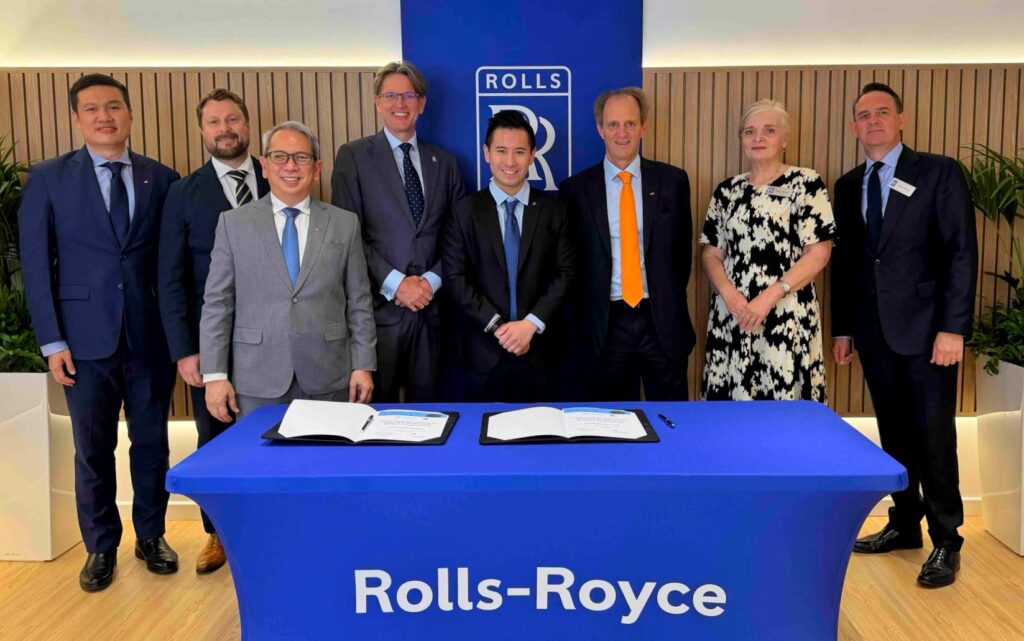
With greater passenger capacity and exceptional range, the A350-1000 is ideally suited to PAL’s longest routes, including nonstop services to North America and potential future destinations in Europe. It also provides valuable cargo capacity—an increasingly important source of airline revenue—while delivering substantially lower fuel burn than previous-generation aircraft. The latest Rolls-Royce Trent XWB-97 engines will power PAL’s upcoming Airbus A350-1000’s.
The decision to split orders between Boeing and Airbus reflects a pragmatic strategy rather than brand loyalty. Operating both aircraft families provides flexibility in deployment while reducing dependence on a single manufacturer during an era of global supply-chain constraints. It also allows PAL to tailor aircraft to specific route profiles instead of relying on a one-size-fits-all solution.
The announced acquisitions represent the airline’s largest fleet investment in decades. Should PAL exercise all available purchase rights, the total commitment would rise to 34 new widebody aircraft, dramatically transforming its long-haul fleet well into the 2030s. Reuters estimates the Boeing order alone could be worth approximately $3.4 billion after customary industry discounts, highlighting the scale of the investment.
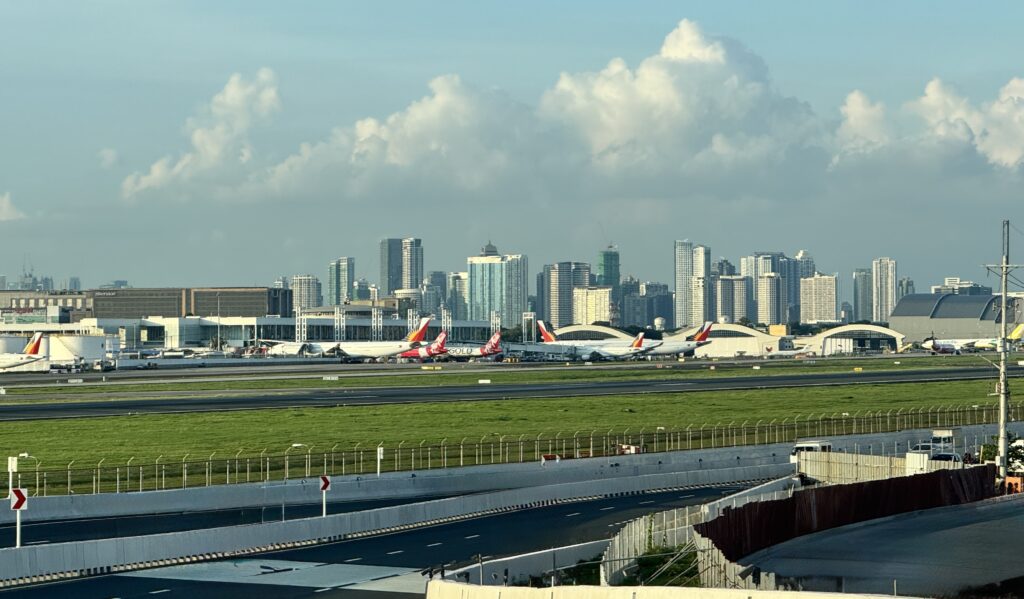
The timing is equally significant. PAL has repeatedly identified North America as its strongest international market, driven by the millions of Filipinos living overseas and the steady demand for business, tourism, and family travel. New-generation aircraft will allow the airline to increase frequencies, open new city pairs, and operate existing routes more efficiently. At the same time, the Philippines’ planned new international gateway and PAL’s intention to join the OneWorld Alliance position the carrier for greater global connectivity in the years ahead.
For passengers, the benefits extend beyond new aircraft. Fleet commonality, improved reliability, quieter cabins, lower emissions, and modern onboard amenities are all expected to become defining features of PAL’s next generation of service. For the airline itself, the investment signals renewed confidence after one of the industry’s most challenging periods.