
Since taking over Ninoy Aquino International Airport (NAIA) on Sept. 14, 2024, San Miguel Corporation’s subsidiary, the New NAIA Infra Corp. (NNIC) has remitted P78 billion to the government and invested P6.8 billion into upgrading the country’s primary gateway.
The P78 billion remittance, recorded as of Aug. 15, 2026, stems from the 15-year public-private partnership (PPP) concession. Terms include a P30-billion upfront payment, a fixed P2-billion annual fee, and an 82.16% share of covered gross revenues. Under the agreement, NAIA remains government-owned while private operator NNIC manages operations, maintenance, and expansion. NNIC’s P6.8 billion expenditure funds ongoing repairs, equipment replacements, passenger processing technology, and capacity upgrades—part of a broader multi-year modernization.
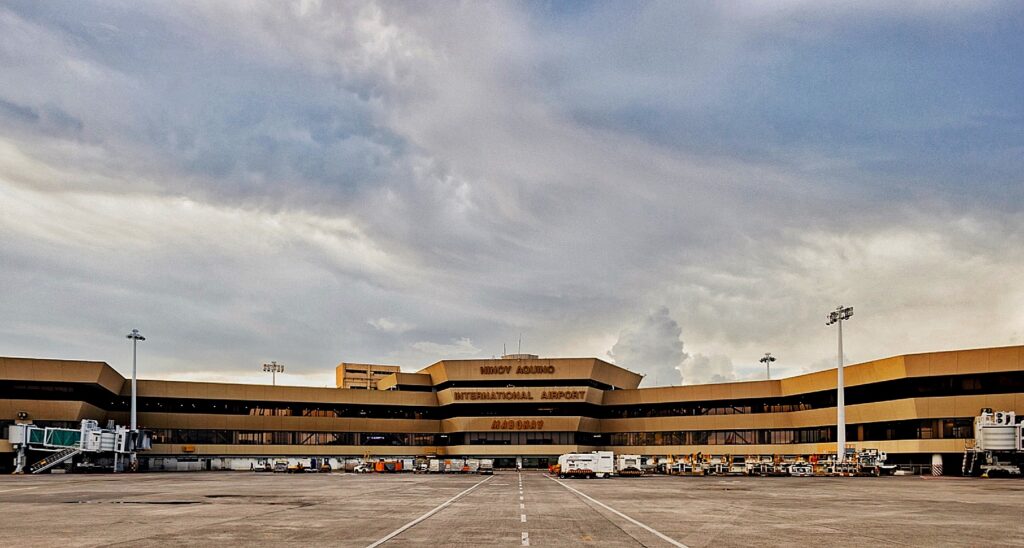
“This is what the concession was designed to do: generate substantial and continuing revenues for government that can help support public services and infrastructure, while bringing in private sector resources to improve the airport,” said NNIC President Ramon S. Ang. “We have made significant progress in less than two years, but there is still a lot more work ahead.”
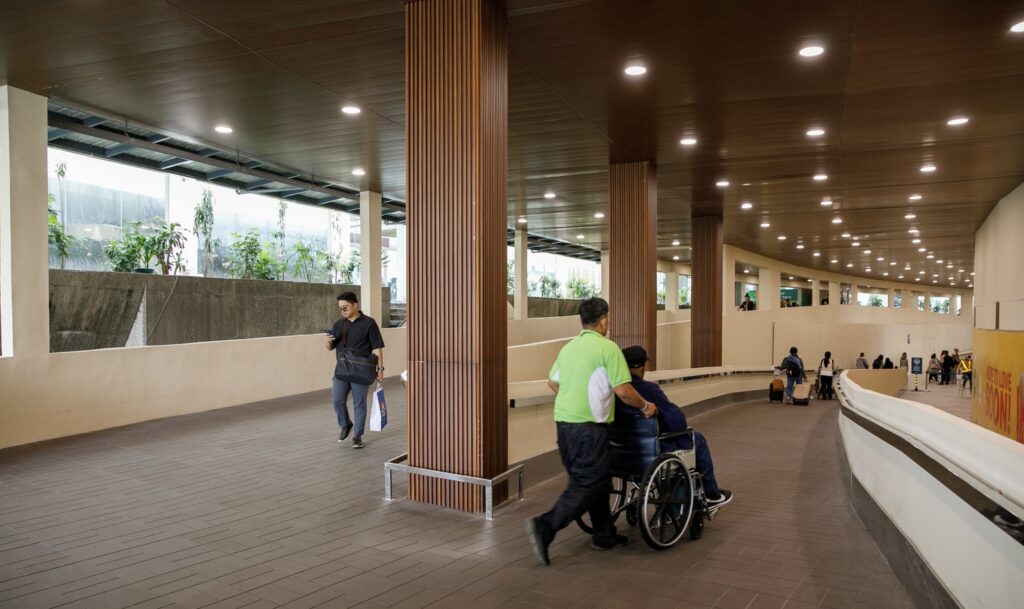
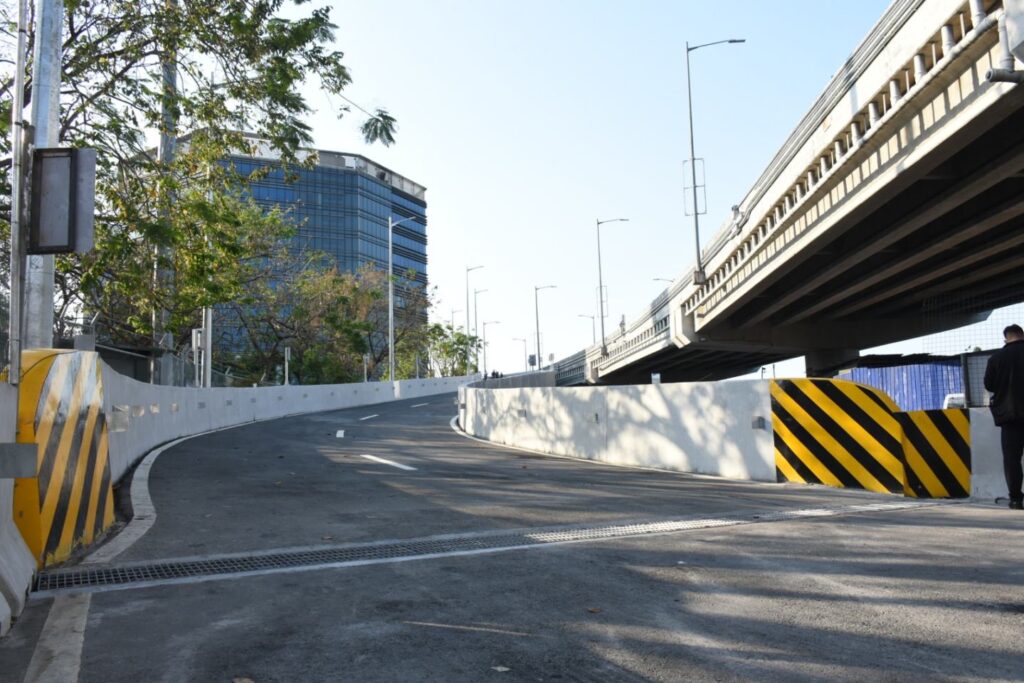
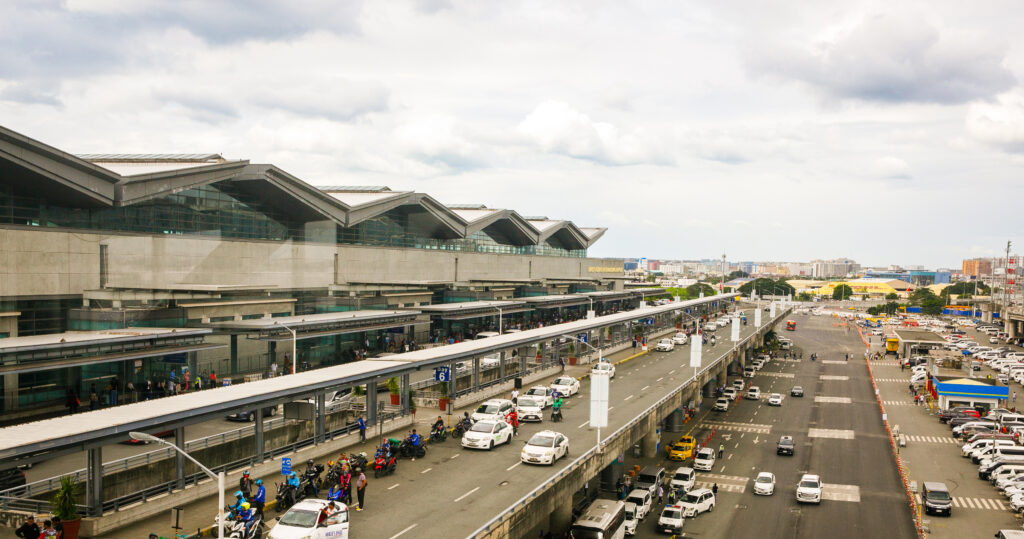
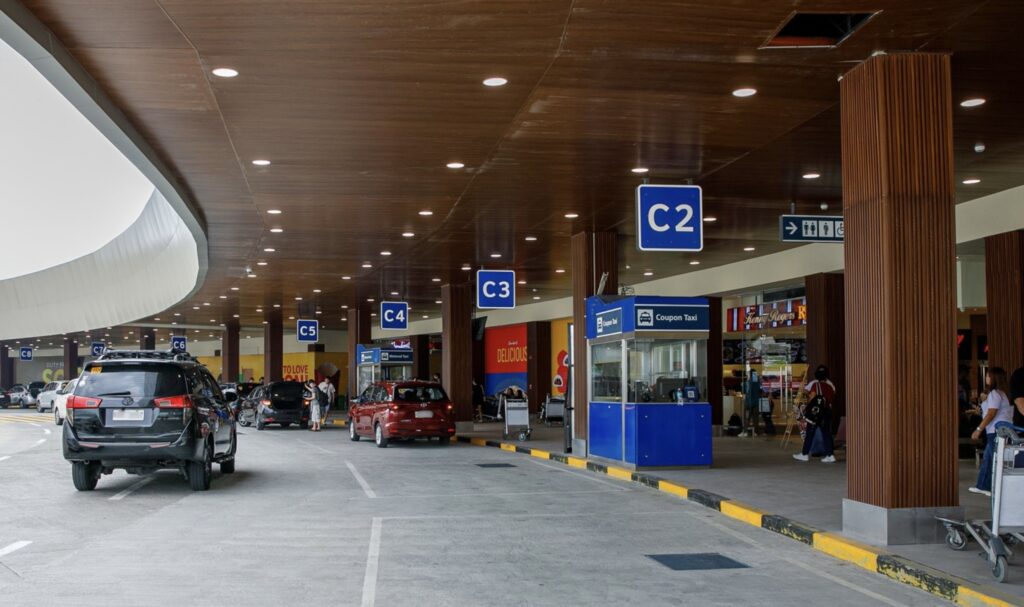
Infrastructure enhancements aim to alleviate congestion across all terminals. Terminal 2 added eight vehicle lanes to its expanded curbside, while Terminal 1 opened Curbs C and D at its arrivals extension. Construction is underway on a Ground Transportation Center at Terminal 3, alongside automated parking systems across Terminals 1, 2, and 3.
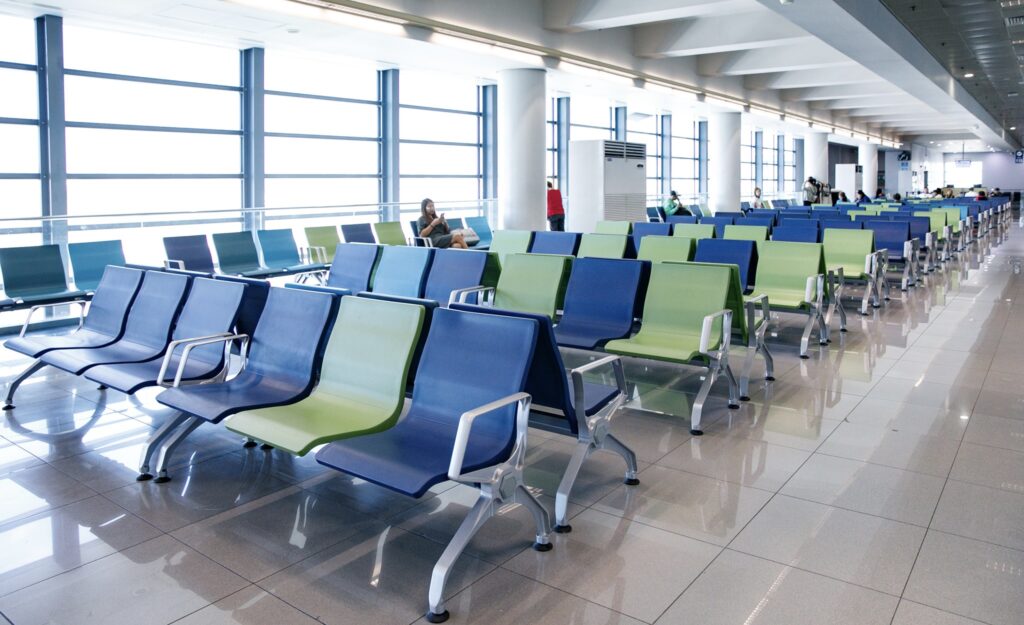
Terminal assets have been modernized with:
-
Over 2,500 new baggage trolleys
-
11,820 passenger seats
-
20 inter-terminal shuttle buses
-
Upgraded baggage handling systems, power networks, air conditioning, escalators, elevators, walkalators, and restrooms
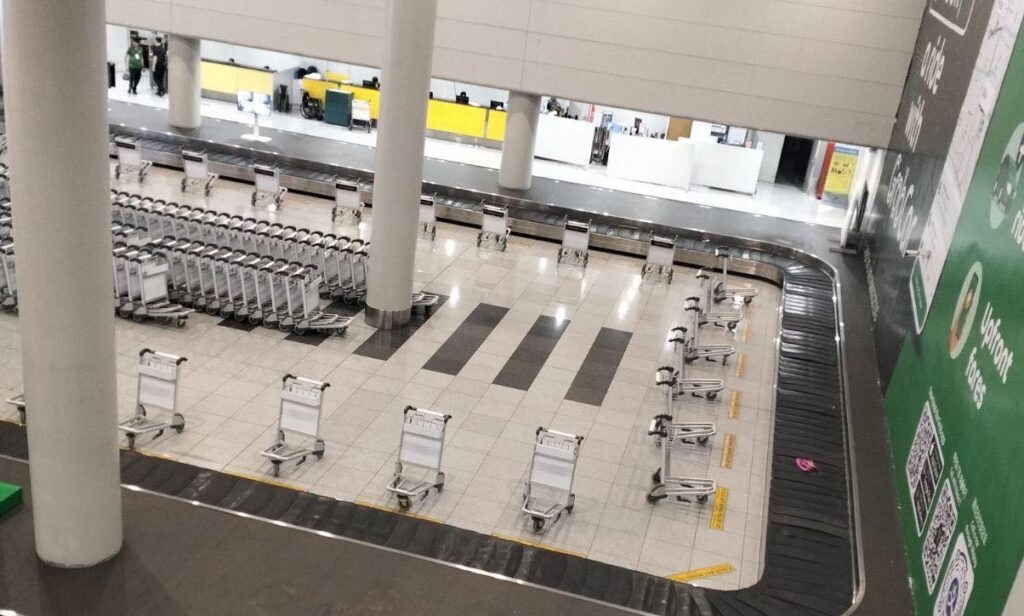
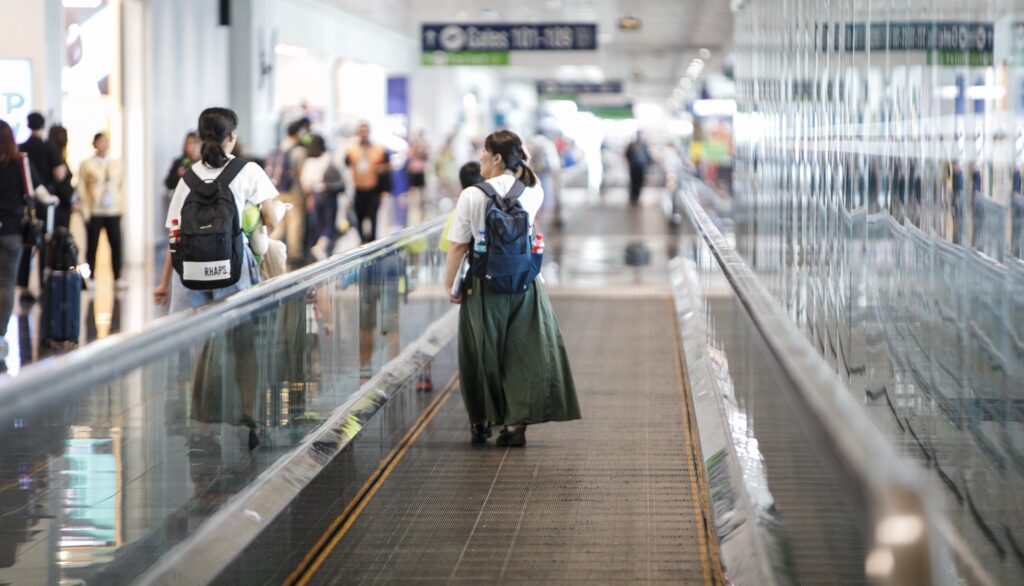
NNIC has also carried out surrounding flood mitigation by clearing nearby drainage systems and waterways.

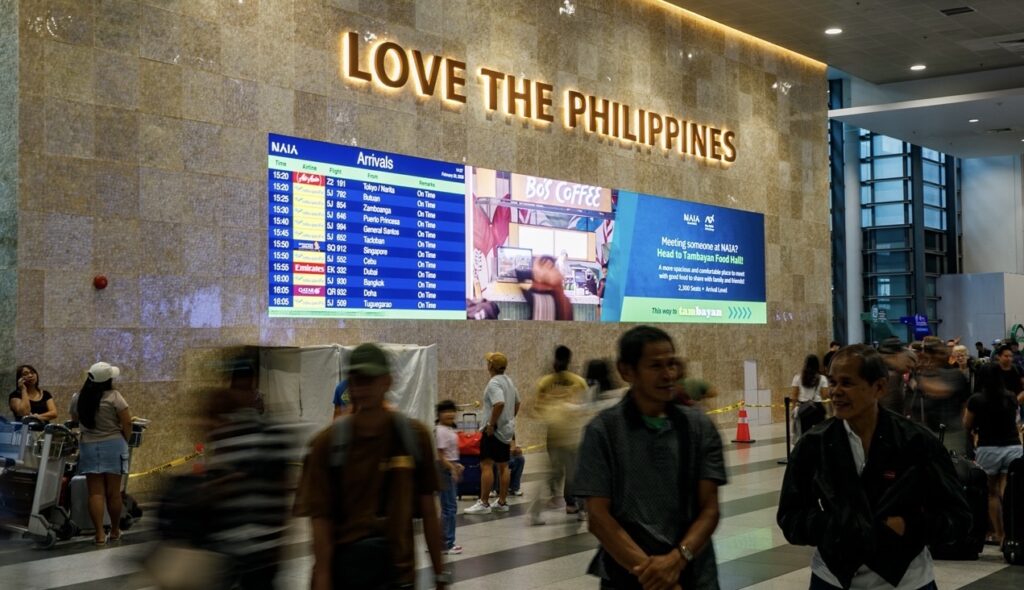
Flight Information Display Systems (FIDS), wayfinding signage, and Wi-Fi networks have been upgraded. Phased installation of new passenger boarding bridges is underway, and a new North Wing Bus Gate at Terminal 2 is set to open in mid-September to increase remote stand flight capacity.
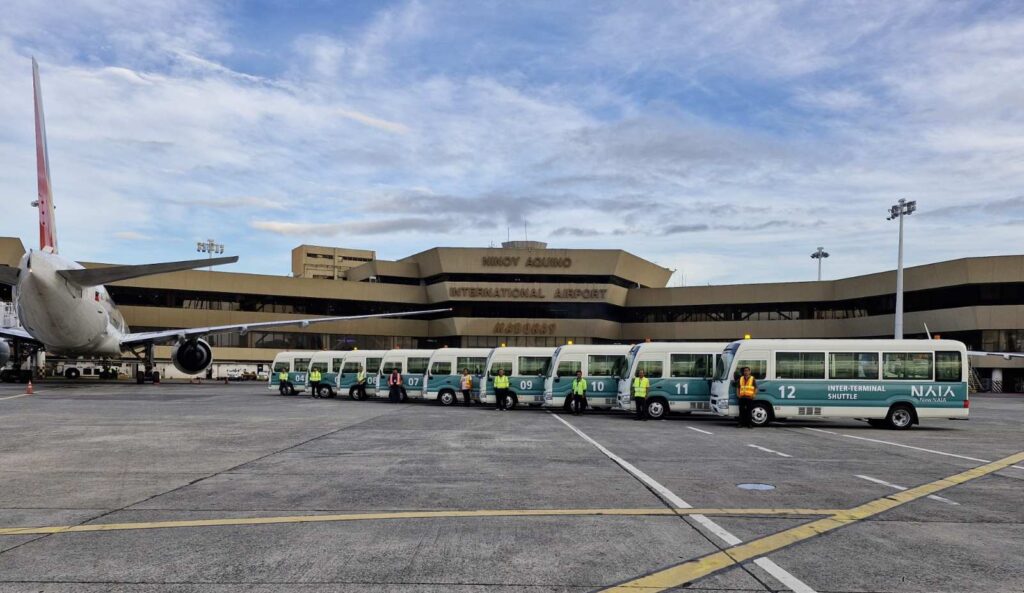
Processing and Technology Improvements
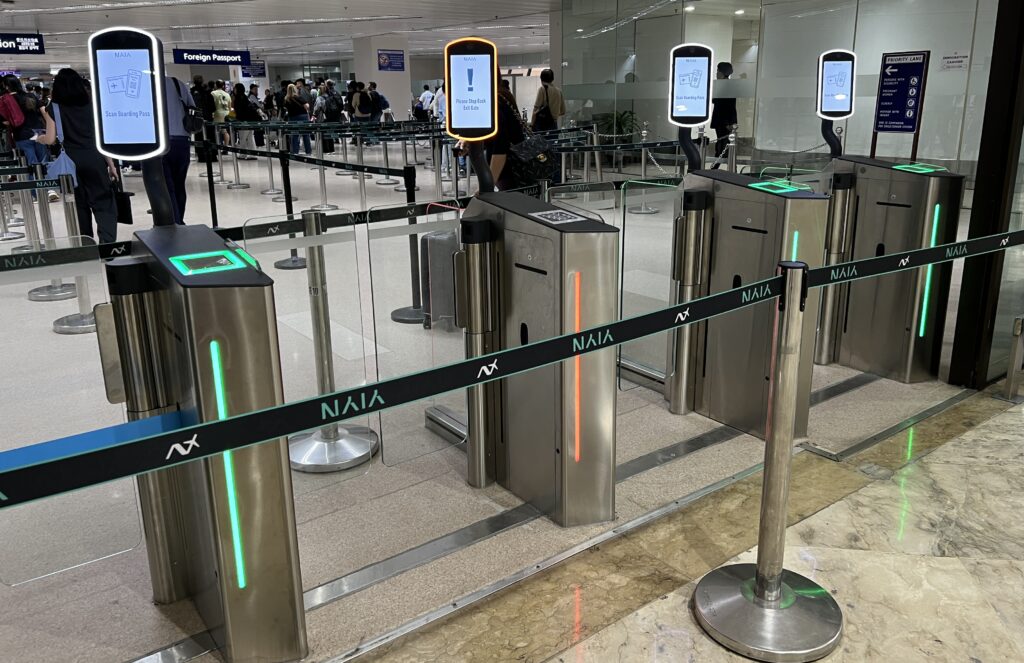
Passenger processing relies heavily on automation. NNIC has deployed 517 biometric-enabled units—including self-check-in kiosks, automated pre-security gates, and self-boarding gates—for airline adoption.
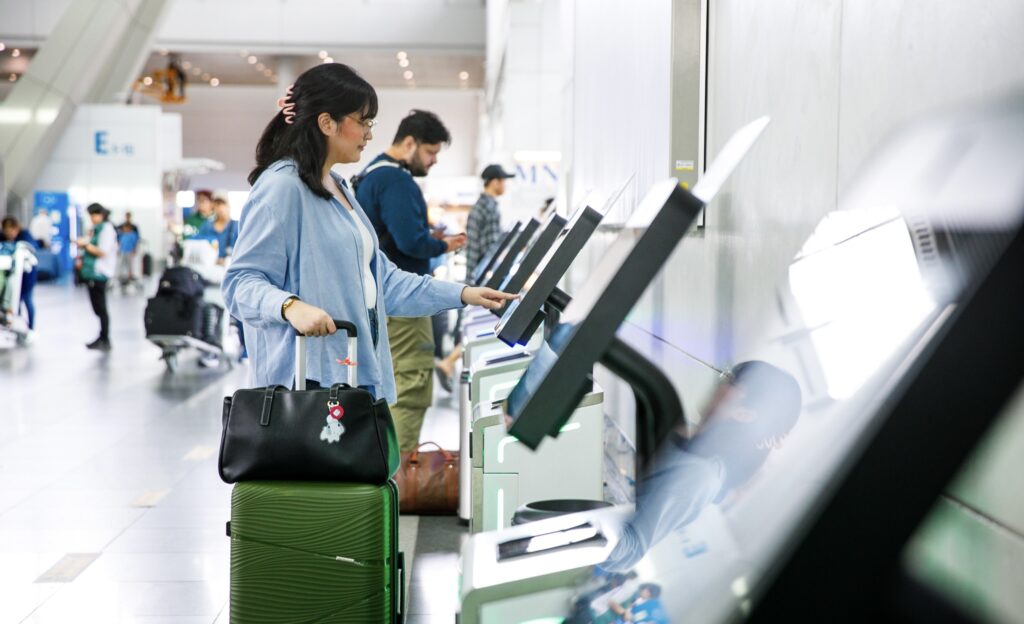
Furthermore, NNIC funded 78 biometric e-gates operated by the Bureau of Immigration at Terminals 1 and 3, reducing travel processing times for eligible travelers to roughly 20 seconds. Operational updates include airline terminal reassignments, revised aircraft parking, and performance agreements with airlines and ground service providers.
Passenger Experience and Industry Recognition
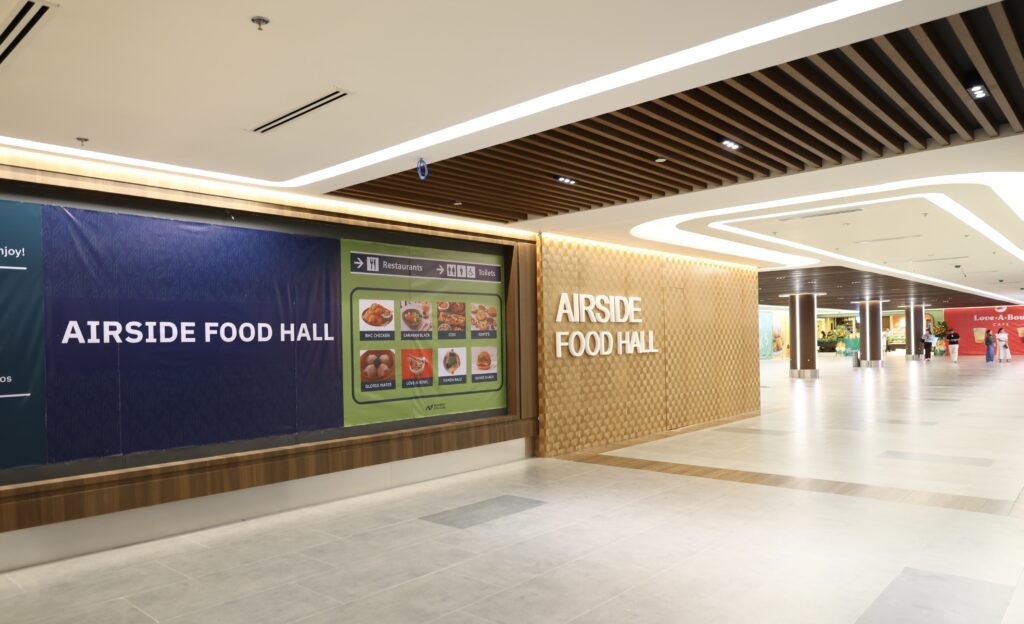
Over 65 new restaurant and retail concepts, alongside food halls and lounges, have opened in repurposed spaces at Terminal 3, with similar projects underway at Terminals 1 and 2. These retail and comfort upgrades earned global recognition.

A March 2026 study of the world’s 50 busiest airports by UK-based Airport Parking and Hotels ranked NAIA seventh globally for layover food options and sixth for affordable lounge access.
NAIA also earned its first Airport Customer Experience Accreditation from Airports Council International (ACI) in 2025. In ACI’s Airport Service Quality passenger survey, NAIA scored 4.06 out of 5, surpassing the concession agreement’s 4.0 benchmark.
Operational Footprint
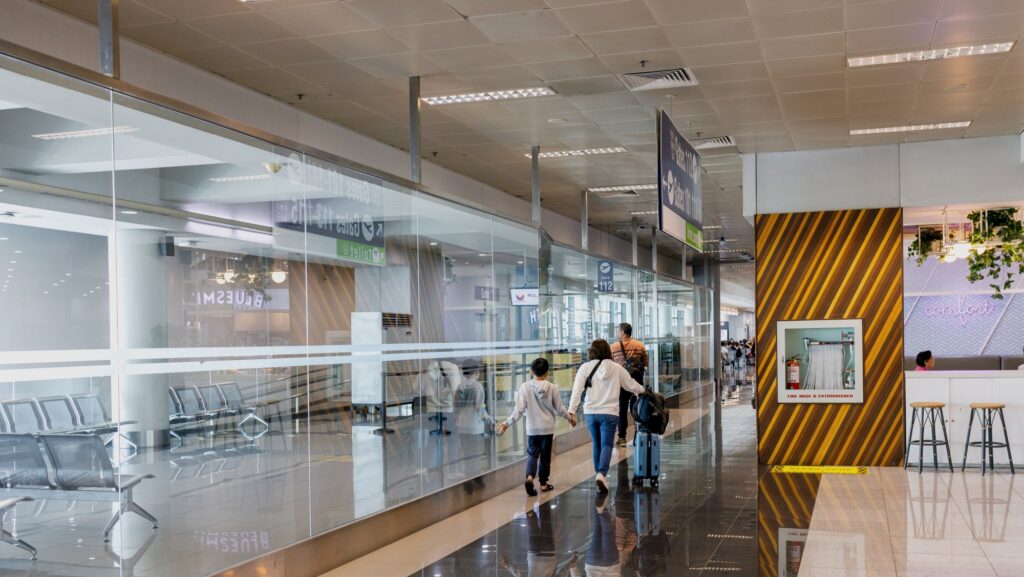
Improvements are being executed while keeping the airport fully operational. This enhanced infrastructure helped NAIA manage a record 52.02 million passengers in 2025—far exceeding its original design capacity of 35 million passengers annually—while maintaining stable peak-period operations.